Is Estonia Expensive? What to Budget for an Estonia Trip
Estonia is mid-range for Europe: cheaper than Scandinavia, pricier than the Balkans. Here are Tallinn prices for food, transport and sights, plus a verdict.
On this page
Estonia is a mid-range destination, not a cheap one. Expect to spend less than in Finland or Sweden and more than in Poland, Hungary or the Balkans, with Tallinn the most expensive place in the country and Old Town restaurants the single biggest drain on a short-trip budget.
Estonia has used the euro since 2011, so there is no exchange-rate surprise when you arrive and no dual pricing to decode at the till. That makes comparing the country with the rest of the eurozone straightforward — and makes the differences you feel on the ground real differences in price levels rather than tricks of conversion.
The verdict: mid-range Europe, not a bargain break
Treat Estonia as a normal Western-priced Baltic country with a few genuine bargains in transport and sights. Crowd-sourced reported prices for Tallinn put an inexpensive restaurant meal at about €15, a mid-range three-course dinner for two without drinks at about €80, and a cappuccino at about €4, which is roughly Lisbon or Prague money rather than Warsaw money.
Where Estonia stops feeling cheap is accommodation in Tallinn in high season and the dining strip around the Town Hall Square, where a plate of elk stew and a beer costs what a decent dinner costs elsewhere in the Baltics. Where it feels inexpensive is public transport, museum entry and the countryside, where a day out costs little beyond fuel and lunch.
Who should budget carefully and who will find it cheap
Travelers arriving from Finland, Sweden, Denmark or Norway will find almost everything cheaper, from a beer to a tram ticket, and will wonder what the fuss is about. Travelers arriving from Poland, Hungary, Serbia or Albania will notice the opposite: Estonia is noticeably dearer for food, drink and beds, and a week here buys fewer days than a week there.
The people who need to watch the budget are those planning a long summer stay in Tallinn Old Town with restaurant meals twice a day and taxi rides between districts. The people who get an easy deal are self-caterers, shoulder-season visitors, and anyone who treats the city as a base and spends the days on trains, bikes and free coastal and forest walks.
What a day costs in Tallinn, in words
A tight day is possible on a modest sum: a supermarket breakfast, a day of walking and tram-hopping, one paid museum or tower, and a buffet lunch. A comfortable day means a café breakfast, a paid sight or two, a sit-down dinner in the Old Town and a taxi or Bolt home; a generous day adds a fine-dining dinner, a sauna and a day trip by car.
The largest fixed costs are the flight or ferry and the bed, not the sights. Flights from Western Europe in July and August are the peak-price problem, while the ferry from Helsinki keeps fares competitive year-round and makes a day trip from Finland genuinely practical.
Eating and drinking: supermarket versus restaurant
The gap between a supermarket dinner and a restaurant dinner in Tallinn is wide. Reported grocery prices include around €1.27 for a 500 g loaf of white bread, about €1 for a liter of milk and about €8.16 for a kilo of chicken fillets, so a self-catered evening for two costs less than a single main course in the Old Town.
For eating out cheaply, buffet-style places such as Lido in the Solaris shopping center let you build a plate of Estonian staples — mulgipuder, seljanka, a slice of kohupiimakook — for a fraction of an à la carte bill, with reported dish prices around €5.25 to €13.12. Chain supermarkets Rimi and Maxima are where locals shop and where picnic supplies come cheap.
Drinks are the quiet budget killer: a domestic draft beer in a Tallinn bar is reported at about €6, roughly three times the price of the same beer bought in a shop. If your evening plan is a long dinner with wine, expect the bill to look Scandinavian rather than Baltic.
Entry tickets and sights with cited prices
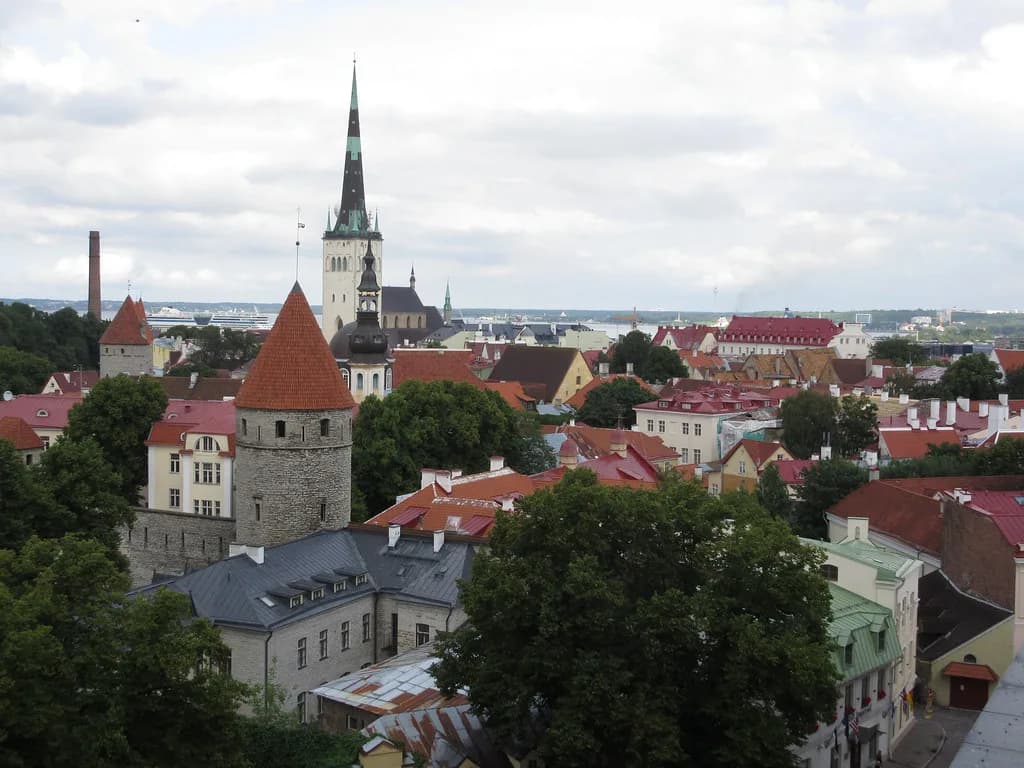
Tallinn's sights are individually cheap. Reported entry is around €10 for Tallinn Zoo, about €8.40 for the Estonian Open-Air Museum, roughly €7.50 for Kadriorg Palace and its art museum, and around €4.70 to climb the St Olaf's Church tower for the view over the rooftops.
Several of the best experiences cost nothing at all. Entry to Toompea Castle is reported as free, and Lahemaa National Park, an hour or so east of the city, charges nothing to enter, which makes a rental car for a day a reasonable splurge.
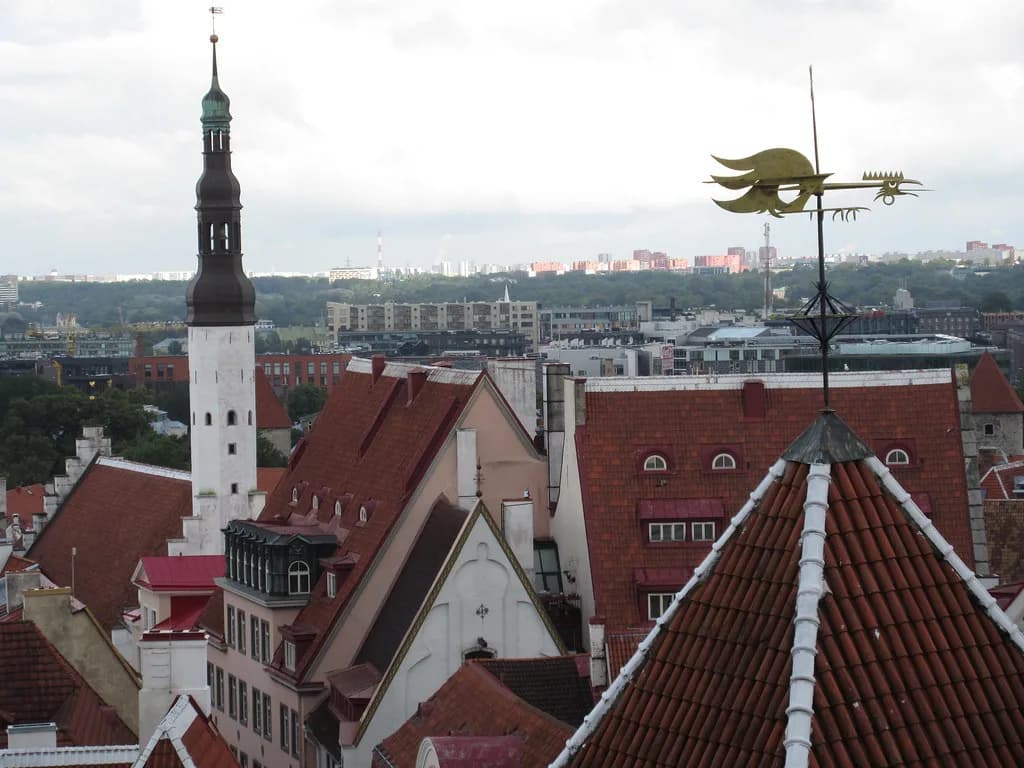
Buildings and towers are the ones to plan around: St Olaf's tower, the city walls and the viewing platforms on Toompea are the classic paid and free viewpoints, and most close in the evening rather than staying open late. Spread ticketed sights across the trip instead of cramming them into one day and paying for what you rush through.
Getting around: Tallinn transport fares and ride-hailing
Public transport in Tallinn is free only for registered residents, not for visitors. Travelers pay per ride: a one-hour ticket is reported at around €1.89, a day pass at about €5.50 and a monthly pass at about €30, which makes a day pass worthwhile only if you plan three or more separate journeys. Ride-hailing is the easy alternative after dinner. A five-kilometer ride in Tallinn is reported at roughly €8 by taxi, about €5 with Uber and about €4.50 with Bolt, so the apps undercut street taxis and remove the need to negotiate.
Bikes are a cheap way to cover the flat center: the Tuul system charges a small activation fee and then by time used, and the city's cycle network is good along the waterfront even if it is thinner than Copenhagen's. For trips beyond Tallinn, rail and coach tickets are modest and worth booking ahead in summer.
If you plan to reach Lahemaa, the islands or the southern countryside, renting a car in Estonia changes the arithmetic: the daily rate matters less than the freedom to skip tour prices, and fuel is affordable by regional standards for petrol.
Beyond Tallinn: Tartu and Pärnu cost roughly the same or less
Tallinn is the expensive corner of Estonia. Reported one-bedroom rents run to mid-range prices in the city center and noticeably less in the suburbs, against cheaper levels in Tartu, Pärnu and smaller towns, a gap that carries through to café and restaurant bills.
Tartu, the university city, gives you a compact old town, a lively student café scene and museums at lower prices than the capital. Pärnu, the summer beach town, gets busy and pricier in July but stays cheaper than Tallinn for food and beds, and the seaside itself is free.
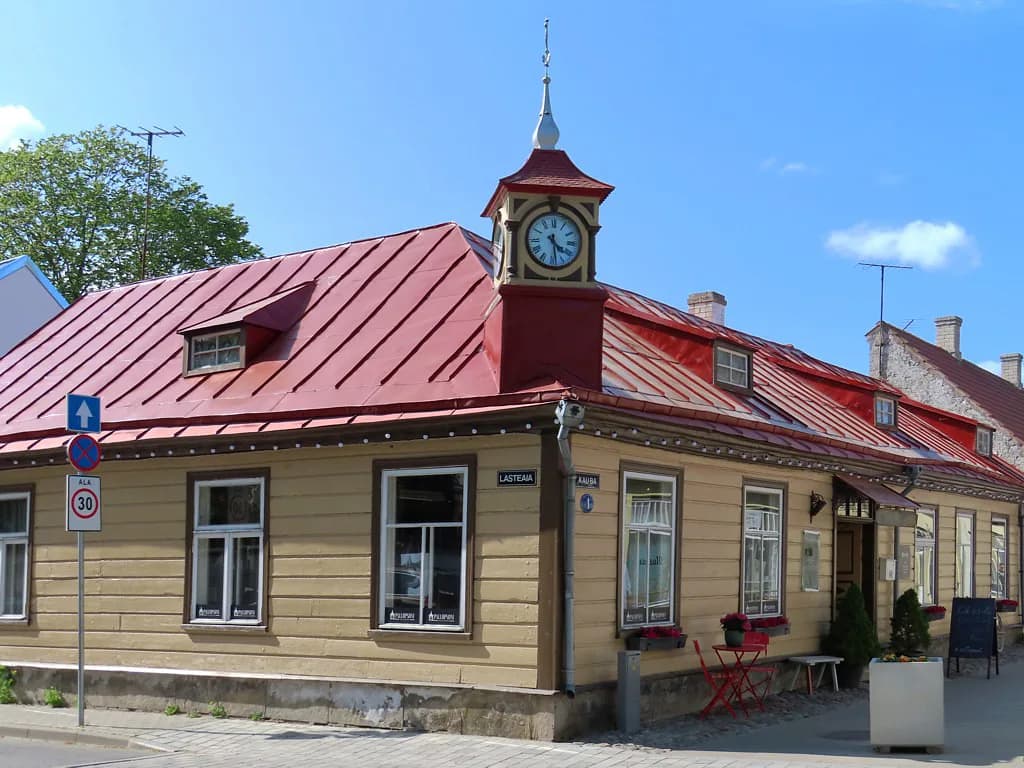
For a coastal day trip with real atmosphere, head east to Narva and Hermann Castle on the Russian border, or west to Haapsalu's wooden houses; both are day-trip-sized and light on the wallet. The classic nature escape is Lahemaa National Park, best paired with an early start and your own wheels.
Where Estonia sits against its neighbours
Against Finland, the comparison is stark: a Helsinki dinner or hotel room typically costs well more than its Tallinn equivalent, and the two-hour ferry makes the difference usable. Against Latvia and Lithuania, Estonia is the priciest of the three Baltic states, with Riga and Vilnius generally cheaper for eating out and accommodation. If you are weighing the region, read this alongside our verdict on whether Latvia is worth visiting before you fix a budget.
Against Poland, Hungary or the Balkans, Estonia is clearly more expensive for food, drink and beds, though its public transport and sights are cheap enough that a sight-heavy itinerary closes some of the gap. Set against Germany or the Netherlands, Estonia is a touch cheaper overall but not dramatically so.
Drawbacks that push up the bill
Season is the biggest lever. Tallinn's Old Town fills in late June, July and August, when accommodation prices peak and the best-value beds go first; outside those months, rates fall and museums empty out, though some smaller attractions shorten their hours.
Weather shapes spending more than you might expect: a wet week in the shoulder season pushes you indoors into cafés and paid attractions, while a sunny one lets you walk and picnic for almost nothing. Winter is cold and dark enough that a short daylight window limits what you can see in a day, so a short trip then can feel like poor value even at low prices.
The other trap is geography. Tallinn is compact enough to walk, but trips to Tartu, Pärnu or Lahemaa add transport costs and, if they leave you paying for two beds, real money. A tight domestic itinerary beats a scattered one at almost any budget.
Money basics: the euro and card-first payments
Estonia uses the euro, and cards are accepted almost everywhere, including market stalls and small museums. That means less cash handling, fewer exchange fees and less risk of a bad rate, though a few euros cash is useful for tiny rural kiosks and tips.
Tipping is modest by US standards: rounding up or leaving around ten percent in a sit-down restaurant is normal, and there is no obligation in cafés. Bring a Type C or Type F plug adapter if your devices use US-style prongs, since Estonia runs on 230 volts and 50 Hz.
Typical costs: a sample day at three budget levels
Budget: a supermarket breakfast, a day pass for public transport, one paid sight such as the St Olaf's tower or the Open-Air Museum, a Lido lunch and a self-catered dinner — an easy day to keep low, since transport and sights are the cheap parts.
Mid-range: a café breakfast, a couple of paid sights, a lunch of local dishes and a sit-down Old Town dinner with a beer or two, plus a Bolt ride home. This is where most visitors land, and where the Old Town location premium shows up most clearly.
Comfort: a good hotel, a fine-dining dinner with wine, a sauna session and a car for a day trip to Lahemaa or the coast. That day is priced like Western Europe, not like the Baltics, so reserve it for a short treat rather than the whole trip.
Plan Your Visit
Estonia is expensive compared with its southern and eastern neighbours and cheap compared with the Nordics, and Tallinn is where both facts bite. Budget for a mid-range European city break, self-cater or eat buffet at lunch, use trams and ride-hailing over taxis, and save your splurges for the experiences that stay with you — a sauna, a guided walk, or a car for Lahemaa.
If you are deciding when to go, the shoulder months of late spring and early autumn give the best price-to-weather trade-off, and the coast and islands reward an extra day beyond Tallinn.
Explore more Estonia trip-decision guides
Frequently Asked Questions
Is Estonia expensive for tourists?
Estonia is mid-range for Europe: cheaper than Finland, Sweden and Norway, but more expensive than Poland, Hungary and the Balkans. Tallinn is the priciest part of the country, and Old Town restaurants and high-season beds are where budgets go over. Transport and individual sights are cheap, so days that lean on walking, trams and a few paid tickets feel good value.
Is Tallinn expensive compared with the rest of Estonia?
Yes. Tallinn is the most expensive place in Estonia for food, hotel beds and rentals, while university city Tartu and beach-town Pärnu have a lower price level. Small towns and the countryside are cheaper still, so a trip that mixes Tallinn with a couple of days elsewhere usually beats staying put.
How much does a day in Tallinn cost?
It depends on your style: a day built on supermarket food, a transport day pass, one paid sight and a self-catered dinner is easy to keep low, while a day of sit-down meals, taxis and a sauna costs much more. The fixed costs, flights and accommodation, matter more than daily spending, especially in July and August.
Is eating out in Tallinn expensive?
In the Old Town, yes: main courses plus drinks add up quickly and the location premium is real. Buffet-style spots such as Lido, supermarket shopping at Rimi or Maxima, and cheap lunch menus let you spend far less. A domestic beer in a bar costs several times what the same bottle costs in a supermarket.
Is Estonia cheaper than Finland?
Clearly, yes. Food, drink, restaurants, public transport and hotel rooms in Tallinn are all cheaper than their Helsinki equivalents, and the ferry makes a Tallinn day trip from Finland practical. Travelers from the Nordic countries will find most things noticeably cheaper in Estonia.
Is Estonia expensive to live in?
Living costs are lower than in Western Europe but have risen: rent in central Tallinn is the main expense, groceries and utilities are moderate, and internet and mobile plans are reasonably priced. Crowd-sourced Tallinn figures show net salaries averaging under two thousand euros a month, so treat income and rent numbers as context for your own budget rather than as the cost of a trip.
Sources
Trip-decision notes
Optional updates when we publish or revise a destination verdict.
You might also like
Continue reading
More guides you'll find useful