Estonia in April: Weather, Crowds and Whether It's Worth It
April in Estonia brings changeable weather, thin crowds and shoulder-season prices. See who the month suits and who should wait for warmer weeks.
On this page
Yes, April is a good time to visit Estonia if you want Tallinn's Old Town without the summer crush and you accept that the weather may swing from T-shirt warmth to snow within days. It is a poor choice if your trip depends on beaches, island ferries or long days outdoors, because the Baltic spring arrives late and unevenly.
The month sits squarely in shoulder season, which cuts both ways: thinner crowds and softer demand reward flexible travelers, while coastal breezes and overnight frosts punish anyone who packs for calendar spring rather than real spring. Estonia uses the euro, and April pricing generally sits below the summer peak, though you should compare live rates rather than assume a fixed discount.
The verdict: a shoulder-season month for tolerant travelers
Treat April as a gamble with a decent payoff. You get a quieter Old Town, easier restaurant tables and shorter queues at the sights that clog in July, and you pay for it with grey skies, wind and the constant possibility of a cold snap. For a city-focused trip of three or four days, that trade is usually worth it. For a beach holiday or an island-hopping plan, it is not.
The wider question of whether Estonia is worth visiting at all is settled elsewhere; this month only changes the terms. If you are still deciding between the Baltic states, weigh the broader case first and then use April as a filter for what kind of traveler you are, just as you would ask is Lithuania worth visiting before committing to a regional itinerary.
Who April suits — and who should wait for June
April suits city-breakers, museum-goers, photographers chasing bare birch forests and quiet streets, and anyone who would rather walk Tallinn's cobbles in a jacket than jostle for space in a heatwave. It also suits budget-conscious travelers who can move dates and want demand below the summer peak.
It does not suit travelers whose Estonia means Pärnu's beach, Saaremaa's coastline or long hikes in Lahemaa National Park. Sea temperatures stay cold, coastal breezes can drop the air temperature abruptly, and the season's outdoor infrastructure is only just waking up. Beach and island travelers should target the warmer weeks from June onward and look at Estonia in May for the transition.
April weather: what to actually expect
Visit Tallinn's climate guide calls April the most changeable month, with both 28 °C and –10 °C recorded over the last 20 years, so a single April tells you almost nothing about the next one. Typical spring conditions include strong land and sea breezes; in settled sunny weather the temperature can fall by 10 °C within minutes as cool air arrives off the sea.
Overnight frosts are regular in April and May, and in an exceptional year snow can still fall in the first half of May, so frost is entirely plausible in April. March swings between winter and spring from year to year, and heat that reaches 25 to 30 °C usually first appears in May rather than April. Plan for layers and a waterproof outer shell.
Rain is distributed fairly evenly across the year, with heavier showers and thunderstorms from May to September, so April is more likely to bring steady grey rain and wind than dramatic afternoon storms. The first thunderstorm of the year usually arrives in May. Snow between November and April remains common in the wider picture, though the number of snow days has declined over recent decades.
Tallinn in April: the city before the crowds
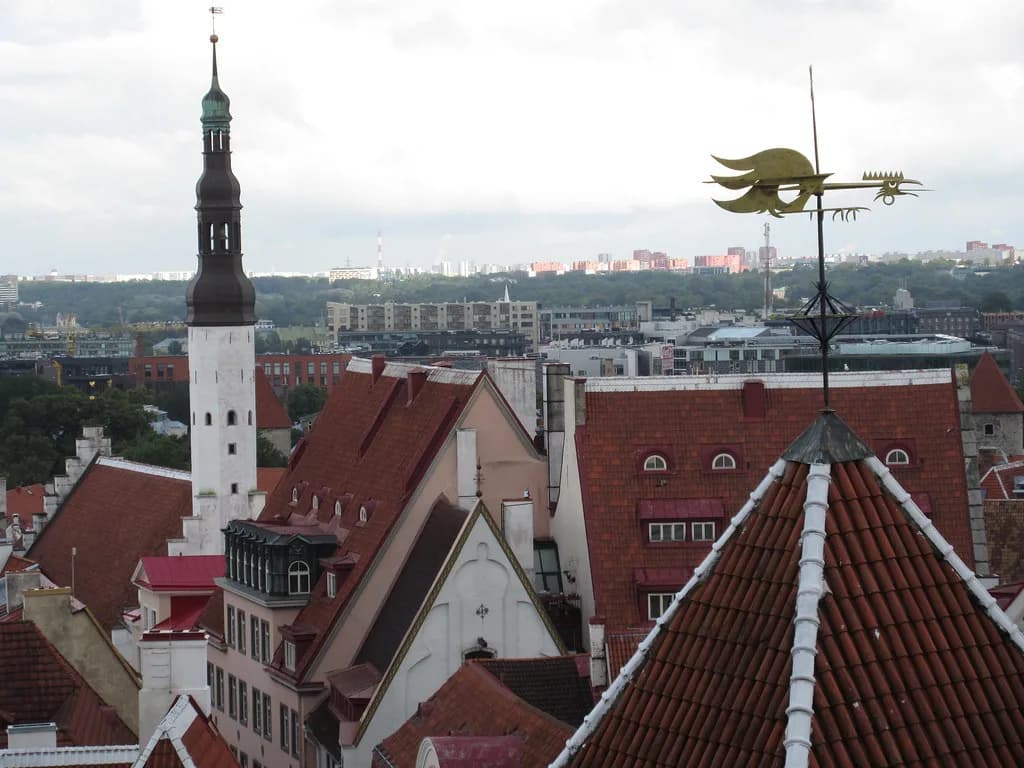
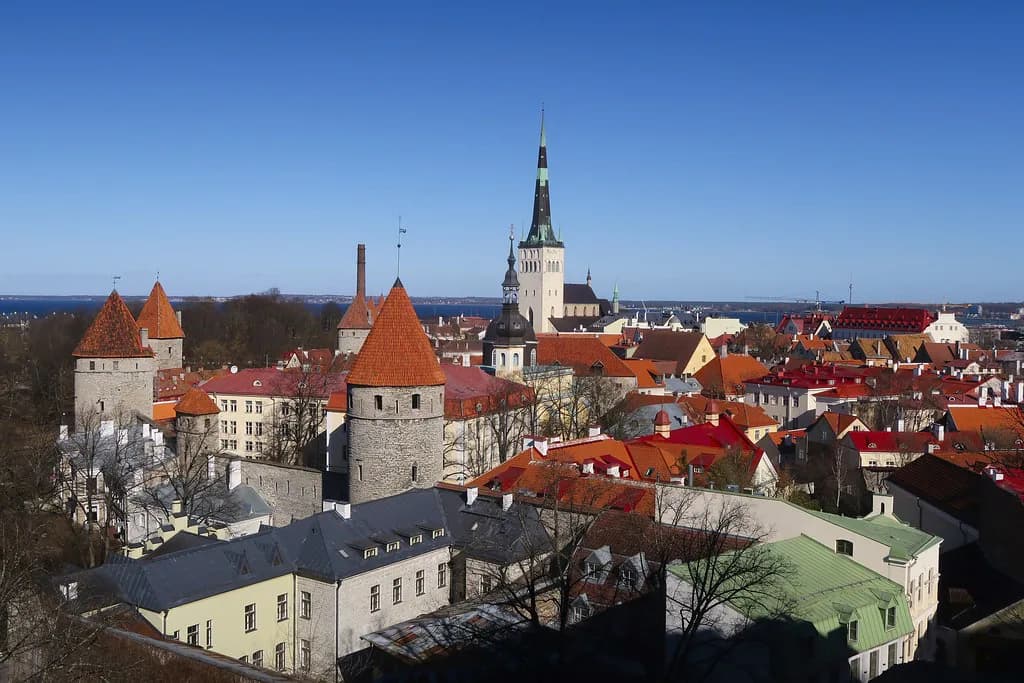
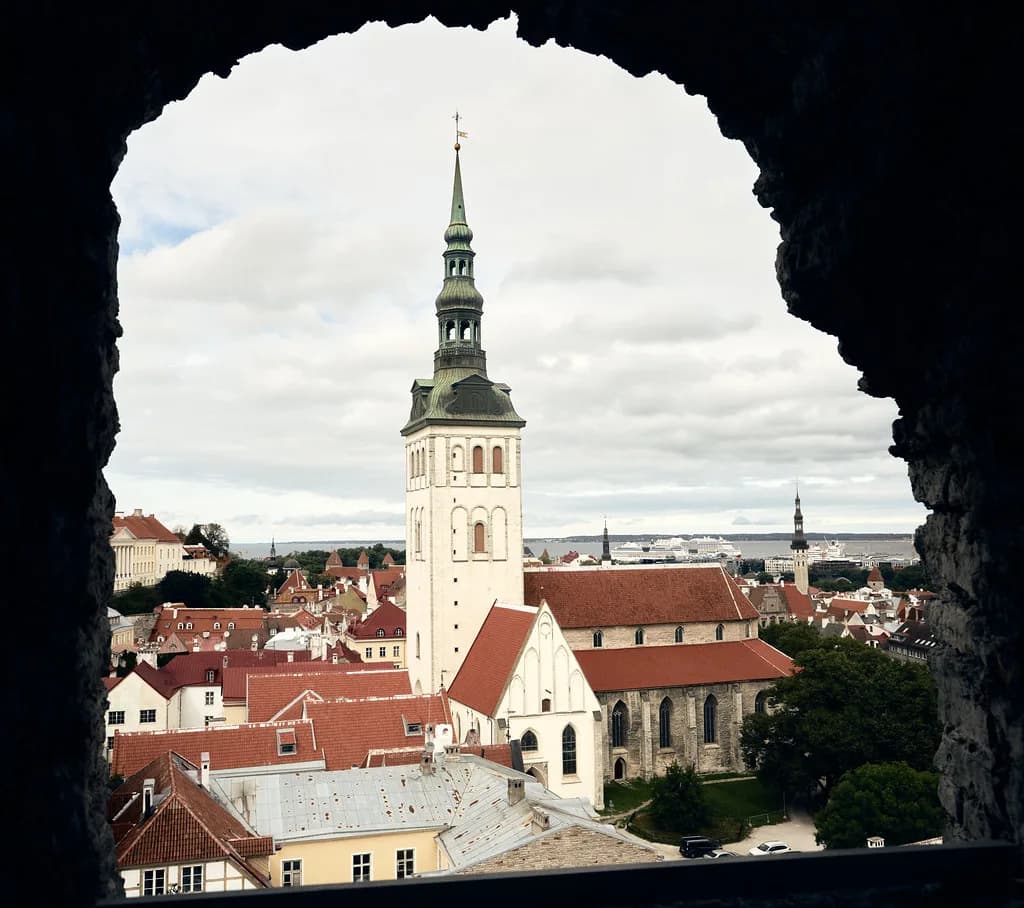
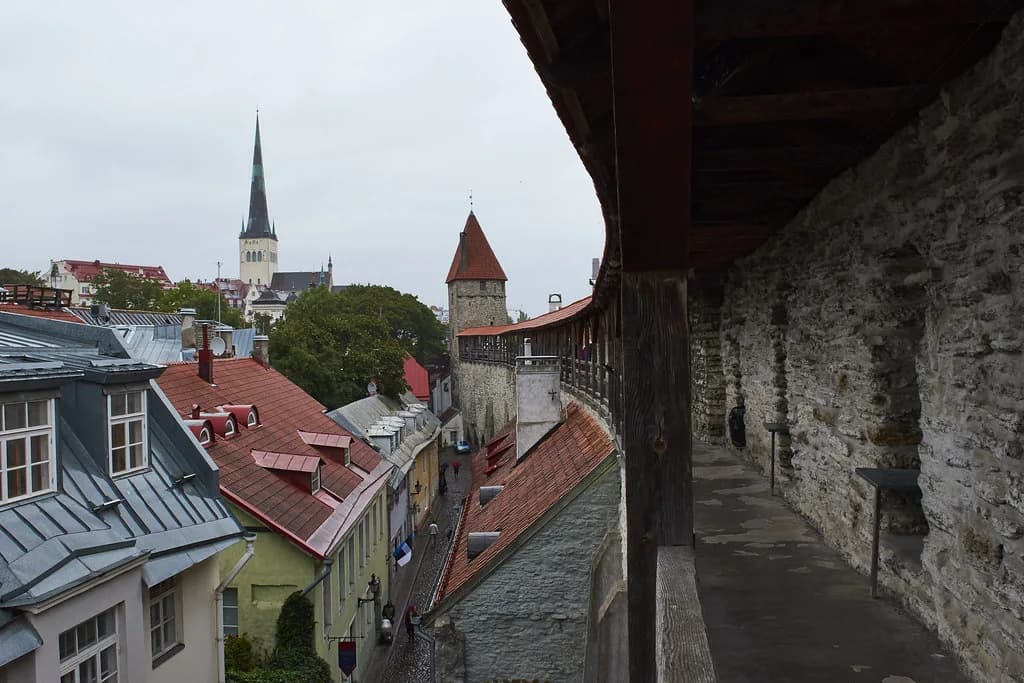
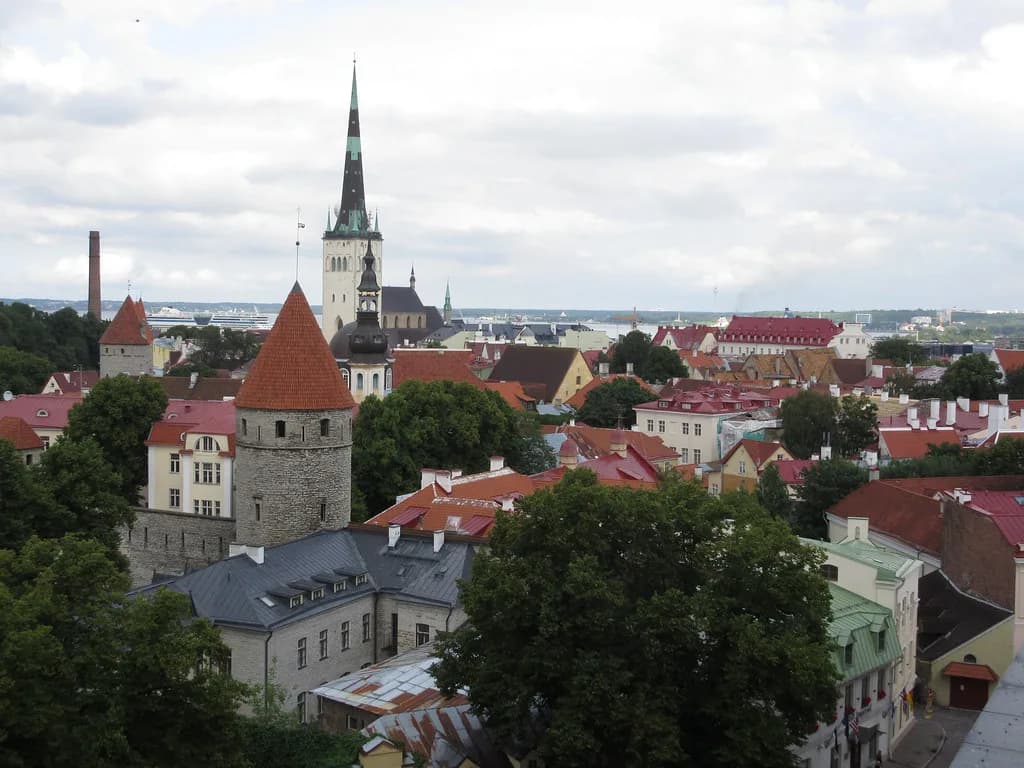
Tallinn is the strongest reason to come in April. The medieval core, Toompea Hill and the old city walls absorb visitors far better in spring than in high summer, when cruise traffic and tour groups compress into the same narrow lanes. You can walk the same streets at a slower pace and still find a café table without booking ahead.
Use a mixed-weather day plan: outdoor wandering when the sun breaks through, and museums, cafés or Kalamaja's converted industrial spaces when it does not. Telliskivi Creative City, a short walk from the Old Town, works well as a rainy-afternoon diversion with food and design shops under one loose roof.
Budget for indoor alternatives rather than expecting the weather to cooperate. Booking flexible accommodation in the Old Town or just outside the walls keeps you close to both kinds of day, and a Tallinn Card or museum pass can be worth it if a wet week pushes you indoors repeatedly.
Beyond Tallinn: Tartu, Pärnu and the islands in April
Tartu, Estonia's university city, is the best second stop in April. Its student energy, museums and riverside walks work in cool weather, and the train from Tallinn makes a day trip or an overnight easy. The city's intellectual, café-led character gives you an indoor-heavy itinerary that bad weather cannot ruin.
Pärnu is a different calculation. Its appeal is the beach and the summer resort atmosphere, and in April you get the town without the crowds but also without the point of being there. Treat it as a short stop for architecture and the seafront rather than a beach stay.
The islands, including Saaremaa and Hiiumaa, are best saved for later in the season unless you have a specific reason to go. Without a car, island logistics become time-consuming, and April weather can strand an outdoor plan for a whole day.
Estonia in April versus Estonia in May and June
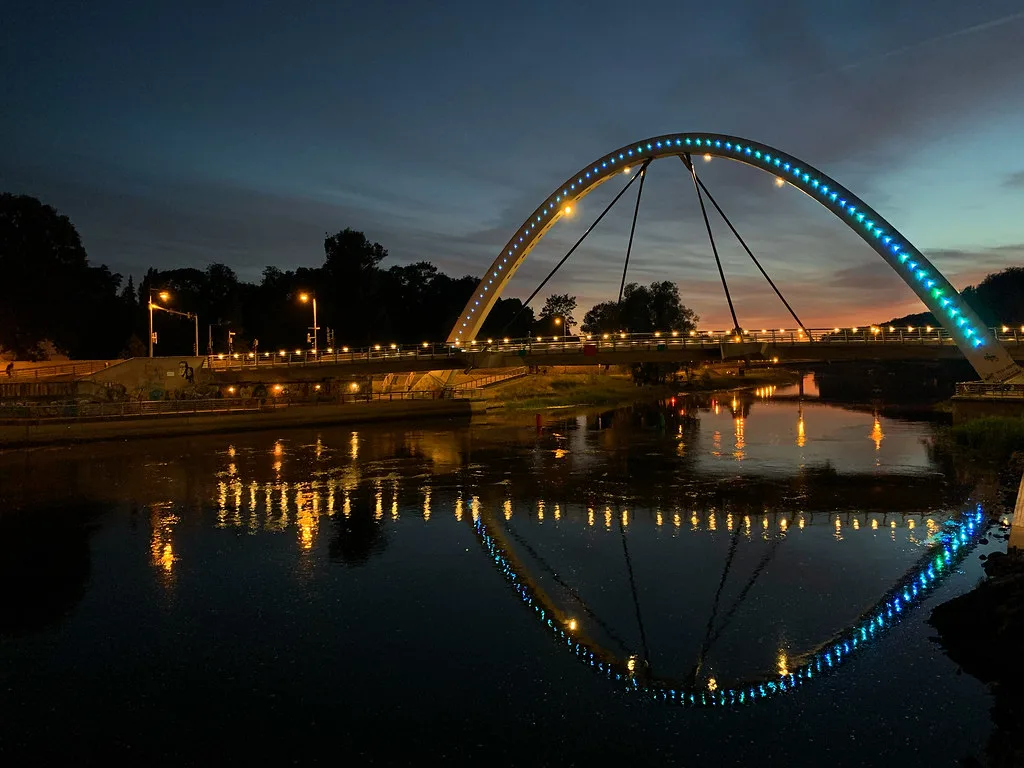
May is the better month for most travelers who can flex: days lengthen quickly, the first warm spells arrive and the countryside greens up. April wins only on quiet and, usually, on lower demand. If your priority is long walks in Lahemaa National Park, May is the safer bet and renting a car in Estonia opens up the trailheads and coastal villages properly.
June brings the white nights and the peak of Estonia's summer calendar, with the trade-off of higher prices and fuller streets. The best time to visit depends on whether you value long daylight and outdoor festivals more than calm and cheaper rates; for most first-timers, late May through June is the sweet spot.
Typical costs and what April pricing looks like
April generally sits below the summer peak on accommodation, which is the main saving. Flights and city-center rooms can still spike around public holidays and school breaks, so compare dates. If you want a clearer picture of overall spending, check how expensive Estonia is before fixing a budget.
For day-to-day spending, museum tickets, café lunches and public transport in Tallinn are modest by Western European standards, but rates change. Check each museum or transport provider's own website for current fares and opening hours rather than relying on an old guidebook.
Packing for a month that can't decide
Keep it simple: a waterproof shell, a warm mid-layer, comfortable waterproof shoes for cobbles, and a hat and gloves for cold mornings. Add sunglasses and a light layer for the afternoons when the sun breaks through and the temperature jumps. This is a month where a short break in the weather can make you overdressed within an hour.
Getting there and getting around in April
Tallinn's airport is close to the center, and ferries, buses and trains connect the main towns. April is outside peak season, so services and routes may be thinner than in summer; check the relevant ferry, bus or train timetable before you build a day around a specific departure.
For travel beyond the capital, buses are usually the most flexible option and trains link Tallinn with Tartu and other towns. A car helps for Lahemaa, the islands and rural stretches, but rural roads and weather can slow you down, so allow slack in the plan.
Drawbacks: mud, wind and closed doors
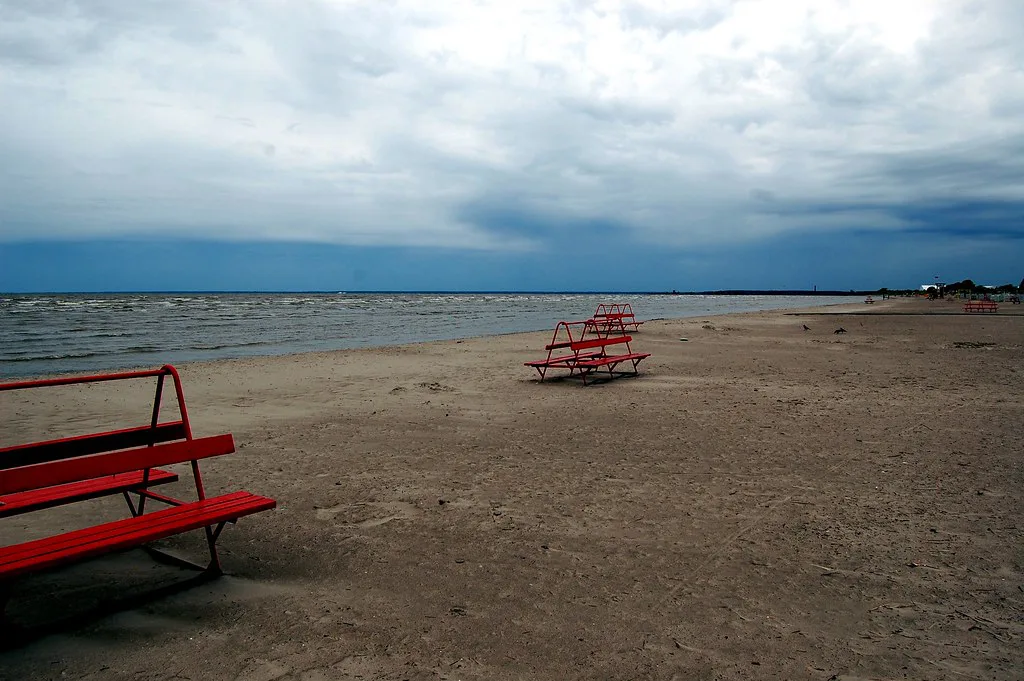
April's honest weaknesses are real. Expect mud on trails and in parks, wind that makes the coast feel far colder than the thermometer suggests, and a landscape that is still brown before the foliage arrives. Rain can be persistent rather than dramatic, and the grey, windy conditions the climate guide describes for spring are common.
Some seasonal attractions and rural services geared to summer may run reduced hours, and island ferries may be on a winter pattern. The safest approach is to check the specific venue or operator before committing to a day trip, and to keep a flexible indoor backup.
How many days you need in April
Three full days in Tallinn is enough for the Old Town, Toompea, Kalamaja and Telliskivi, plus a museum or two if it rains. Add two more days for a Tartu overnight and you have a solid five-day Estonia trip that does not depend on good weather.
If you want Lahemaa National Park, Pärnu or the islands, add at least a day per destination and plan around the weather. April rewards a loose itinerary more than a packed one.
Who should choose a different month
Beach travelers, families with young children, and anyone whose plan depends on long outdoor days should aim for June through August instead. Photographers chasing green forests and warm light should also wait. April is at its best for city breaks, culture and anyone who values empty streets over sunshine.
If your priority is autumn color and fewer people than summer, September is the alternative, with cool but often settled weather and a landscape turning gold.
Plan Your April Trip
April is a conditional yes: go for Tallinn and Tartu, bring layers and waterproof shoes, and treat the weather as part of the experience rather than an obstacle. Skip it if your Estonia means beaches, islands or long hikes, and target June instead.
Before you book, compare April with May and June for dates, and check live fares and opening hours directly with operators. For practical details like electricity, the country uses the standard European plug, so a Type C plug adapter is all most US travelers need.
Explore more Estonia trip-decision guides
Frequently Asked Questions
Is April a good time to visit Estonia?
It can be, especially for a city break in Tallinn or Tartu. April brings thinner crowds and lower prices than summer, but the weather is highly changeable and can include frost and even late snow, so travelers who need reliable sunshine should choose a summer month.
How warm is Tallinn in April?
There is no fixed answer: over the last 20 years April has seen both 28 °C and –10 °C. Expect cool, breezy days with strong temperature swings, and plan for a warm layer and a waterproof shell rather than relying on mild spring weather. Check the Visit Tallinn climate guide for the seasonal pattern.
Does it snow in Estonia in April?
Snow is possible but not guaranteed. Snowfall is common between November and March, with some snow days also in October and April, and in an exceptional year snow can fall in the first half of May. If snow matters to your trip, aim for midwinter rather than April.
Is April better than May for visiting Estonia?
For most travelers, May is better because daylight is longer and the first warm spells arrive, though April is quieter and usually cheaper. Choose April if you want empty streets and do not mind grey weather; choose May if you want milder days for walking and outdoor plans.
How many days do you need in Estonia in April?
Three full days in Tallinn plus two for Tartu is a realistic five-day trip that works in mixed weather. Add a day each for Lahemaa, Pärnu or the islands, and build in a backup indoor plan for wet days.
Sources
Trip-decision notes
Optional updates when we publish or revise a destination verdict.
You might also like
Continue reading
More guides you'll find useful