Estonia in July: Weather, Crowds and Whether It's Worth It
July is Estonia's warmest, busiest month, with white nights, beach days in Pärnu and festival weekends. Here's who it suits and what to expect.
On this page
July is Estonia's best month for a beach-and-city trip and its most crowded one, and both facts matter when you are choosing dates. The long white nights let you stretch a day from a late breakfast to a midnight stroll, while Pärnu and the islands fill with domestic holidaymakers and Baltic neighbors. If your trip is built around swimming, outdoor food and long evenings, July earns its peak-season price; if you want quiet cobbled streets and cheaper rooms, you should look at the shoulder months instead.
The verdict
Go in July if the sea and the light are the point of the trip: Pärnu's beach, the Saaremaa and Hiiumaa ferries and an evening terrace in Tallinn all work best now. Choose somewhere else, or a different month, if you want Old Town Tallinn to yourself, dislike queuing for ferries and restaurants, or plan to sleep before midnight without blackout curtains. The trade-off is simple — Estonia's shortest, warmest season coincides with its heaviest domestic and regional demand, and prices on the coast reflect that.
July weather: typical highs and lows, rain and daylight
Typical July conditions in Tallinn run from an average low of about 13°C (55°F) to an average high of about 20°C (68°F), with highs only occasionally pushing toward the upper 20s Celsius. Rain is modest but real, averaging around 62 mm across the month, so a waterproof layer earns its place even on a beach trip.
Visit Estonia describes the season as running roughly June to August with average temperatures of 18°C to 20°C (64°F to 68°F), and the shorter season means locals treat every warm spell as precious. Coastal Pärnu and the islands feel a few degrees cooler than inland bogs and forests, which is welcome on a hot afternoon. Treat these as typical conditions rather than a forecast and look at a short-range forecast in the final week before you go.
Why the white nights change how you plan a day
July light in Estonia runs late and starts early, so dinner at 21:00 still feels like early evening and a walk home at midnight is in twilight rather than darkness. Travelers sensitive to light should bring an eye mask and expect curtains in budget rooms to be thinner than at home.
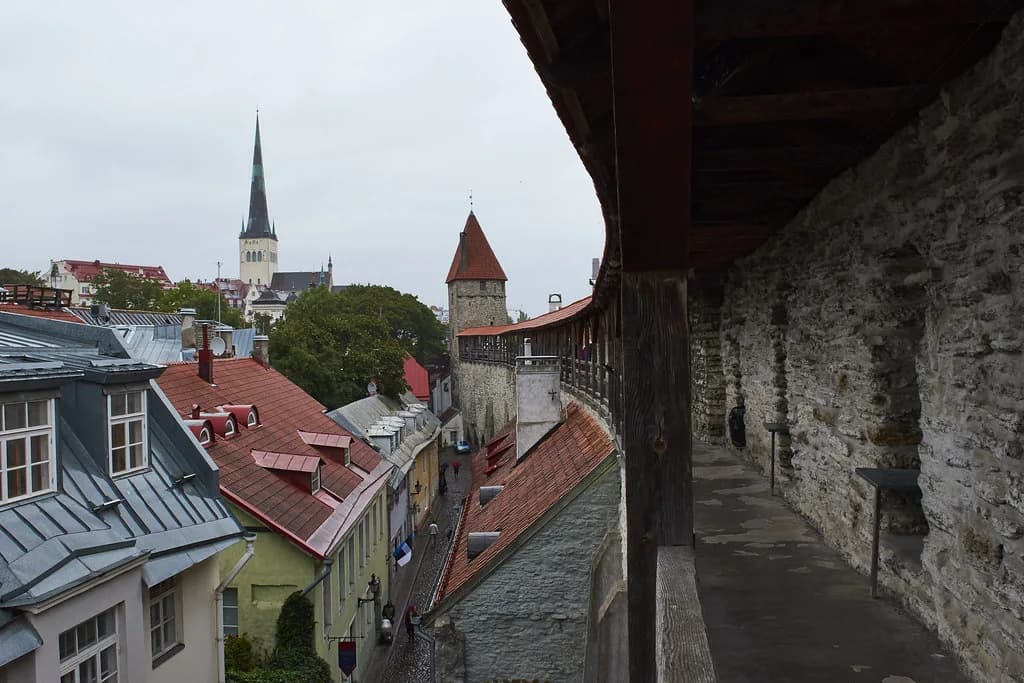
Use the long evenings to shift sightseeing later: Tallinn Old Town's walls and towers look best in low golden light, and outdoor restaurants stay usable well past the point where southern Europe would have emptied. The reverse also holds — plan mornings slowly, because breakfast terraces fill later here than you might expect.
Tallinn in July: Old Town, the waterfront and cruise-ship days
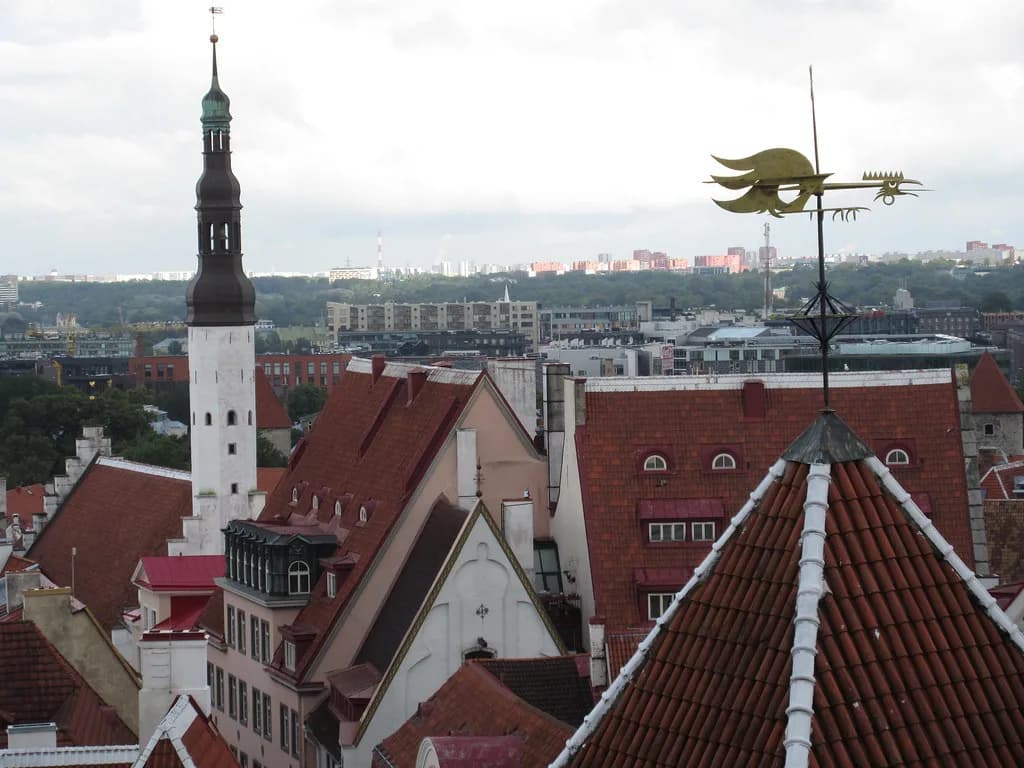
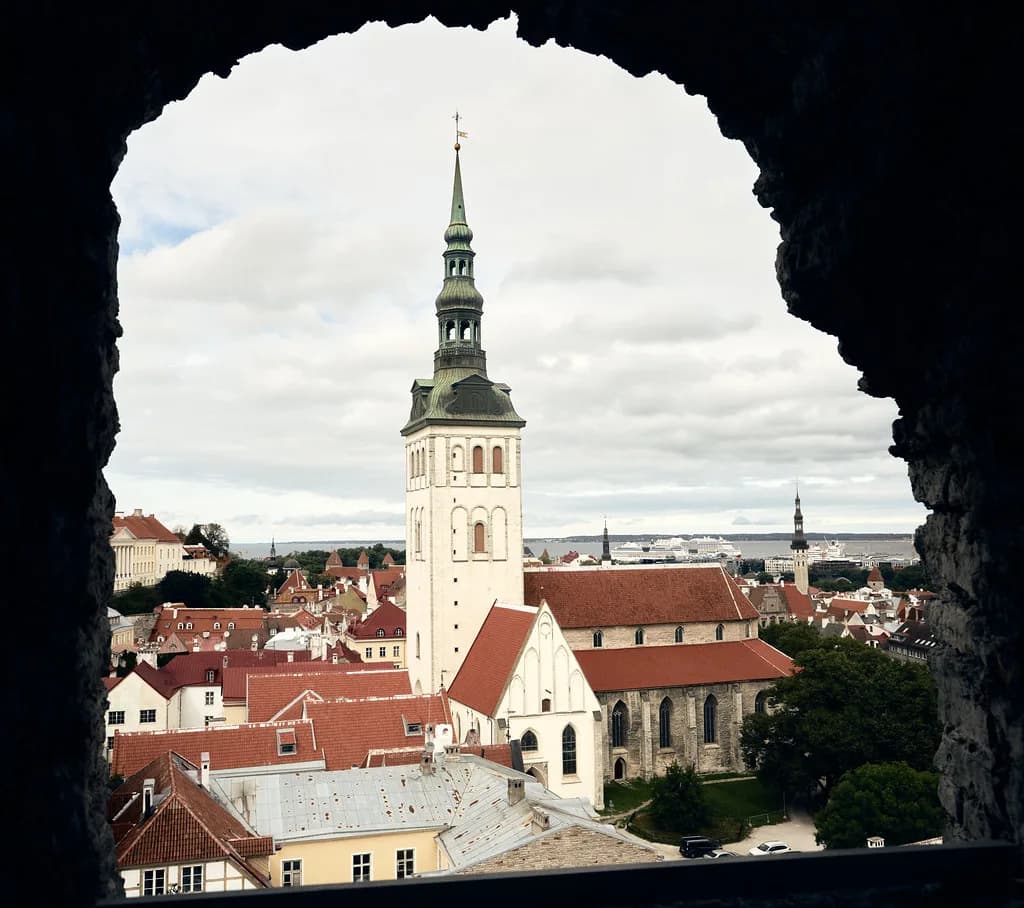
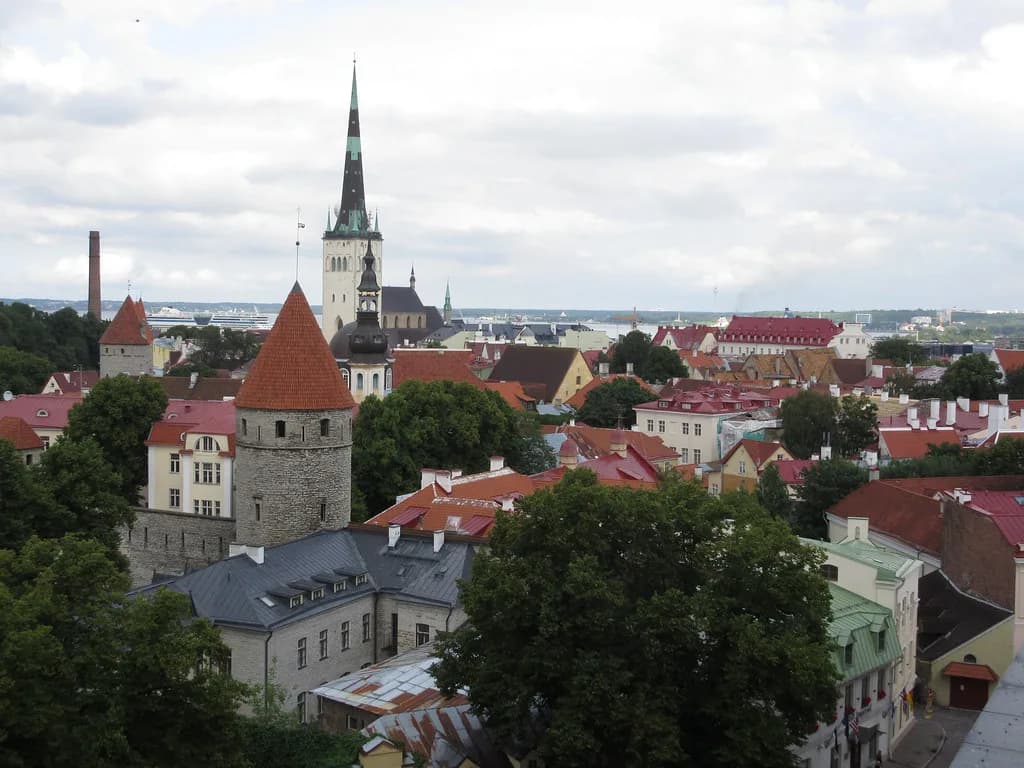
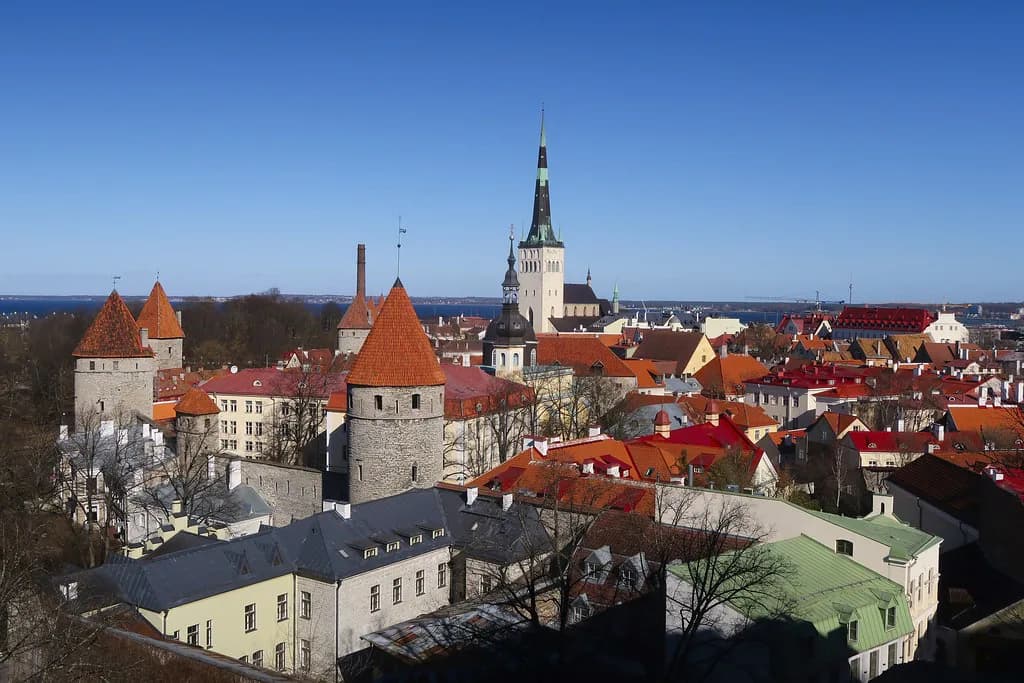
Tallinn Old Town is the reason most trips start here: the medieval street grid, the city walls and towers, and Toompea Hill's viewpoints are all walkable within a morning. In July the same lanes carry day-trippers from Helsinki and cruise passengers, so the difference between a pleasant visit and a shuffling one is timing — early morning and after 18:00 are far calmer than 11:00 to 16:00.
Beyond the walls, the waterfront and the former industrial quarters give you breathing room when the center is packed. Telliskivi Creative City's food spots and street art are an easy late-afternoon alternative, and the promenades along the Gulf of Finland catch the evening light. If you plan to combine city days with smaller towns, a car opens up stops that buses make slow — the practical side is covered in renting a car in Estonia.
Pärnu and the Baltic beaches
Pärnu is Estonia's summer capital by common consent, and July is when it earns the title: a long sandy beach with seaside cafés, SUP rentals and volleyball nets, plus a riverfront promenade that has picked up new bars and cafés in recent years. It is a city break with sand attached rather than a resort strip, which suits travelers who want restaurants and spas within walking distance of the water.
The beach has plenty of space to spread out even in high season, but the town's popularity means accommodation and restaurant tables tighten on July weekends. Book the coast before you book the city if the beach is the priority, and consider midweek nights when domestic visitors are thinner.
The islands: Saaremaa, Muhu and Hiiumaa
If Pärnu feels busy, the islands are the release valve: Saaremaa, Muhu and Hiiumaa run at a noticeably more leisurely pace even in high season, and the draw is simple — water, sun, sand, quiet roads and small towns. Muhu is reached by the causeway from the mainland, which makes it the easiest island to fold into a driving route toward Saaremaa, while Hiiumaa rewards those willing to take the extra ferry.
Ferry capacity and timetables are the planning constraint in July, so build your island days around the crossing you can actually book rather than the other way round. Kuressaare on Saaremaa makes a good base for the southern islands, with Hermann Castle at Narva offering a very different eastern counterpoint if you are routing across the country instead.
Midsummer's aftermath and the July festival calendar
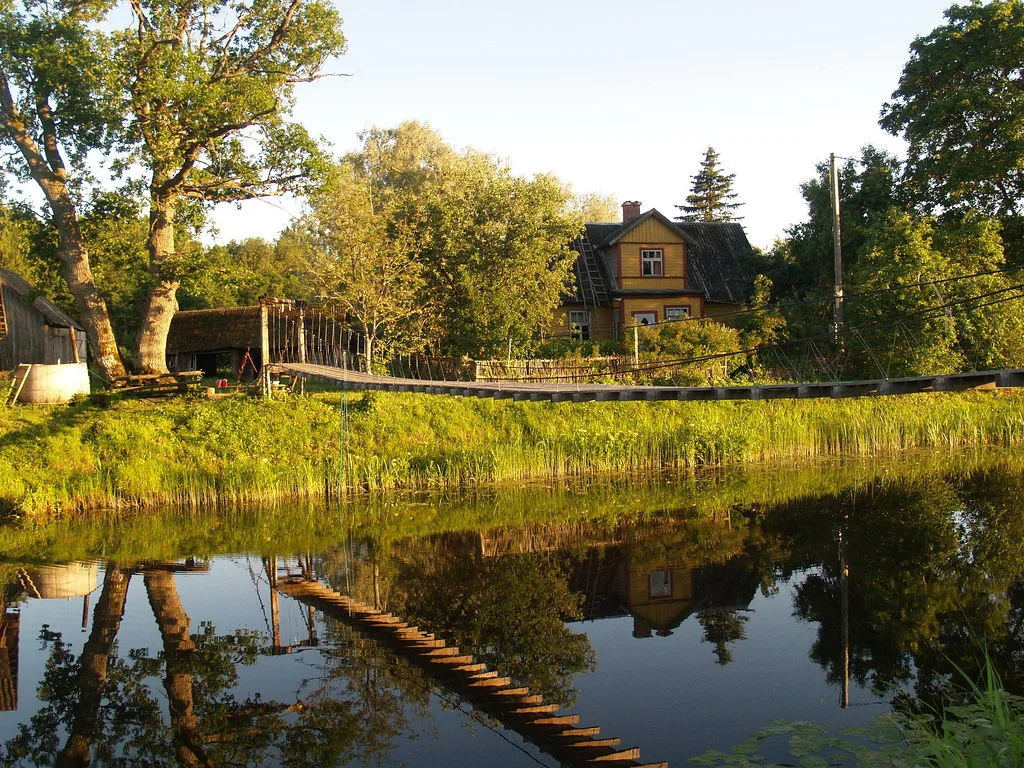
Midsummer's Eve falls in late June, so early July catches the aftermath: the national holiday has passed, but the festival season is in full swing, with music festivals and local fairs filling weekends across the country. That is good news for travelers who want atmosphere and bad news for anyone hoping for spontaneous accommodation on a festival weekend.
Visit Estonia maintains the events calendar and lists the summer music festivals individually, which is the right place to pin down what is actually happening during your dates rather than planning around last year's program.
Bogs, forests and hiking in high summer
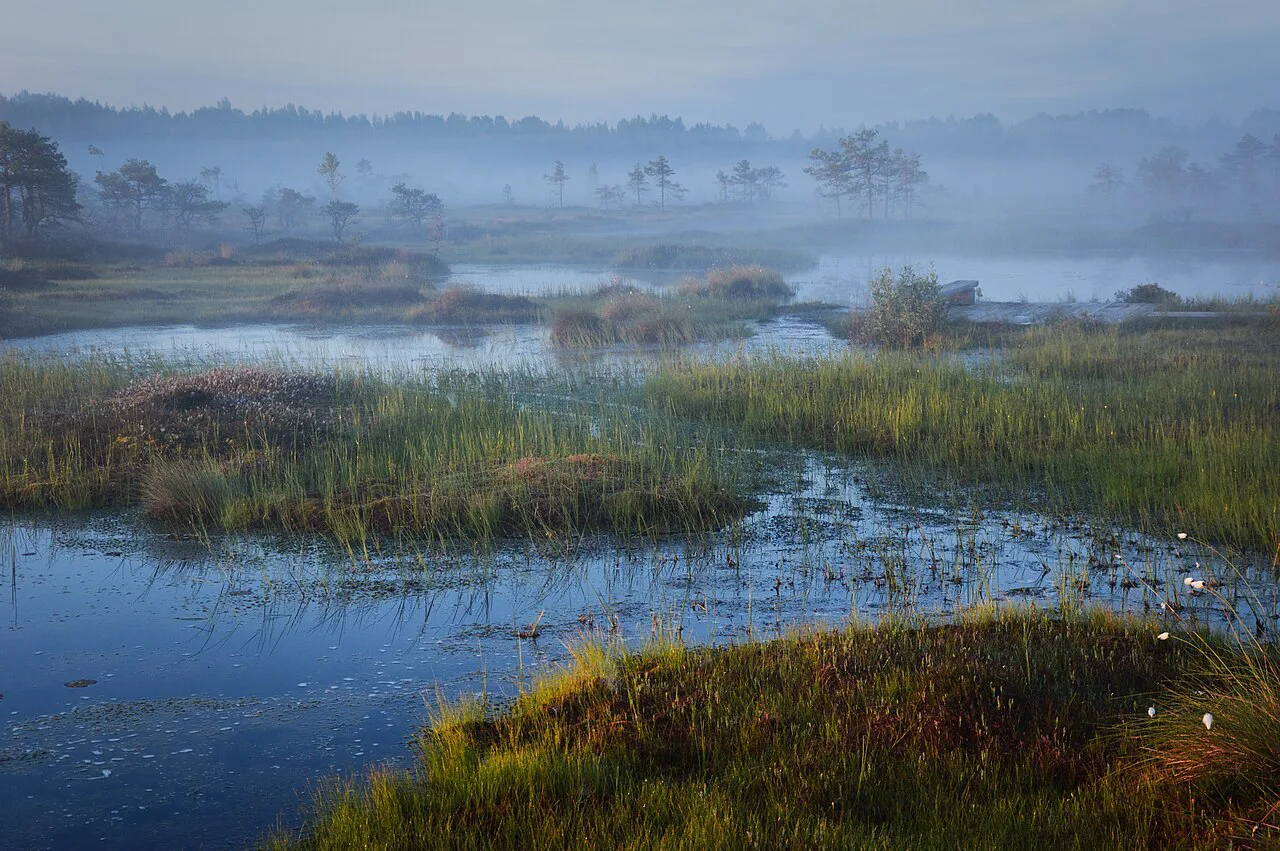
July is also the month when Estonia's forests and bogs are at their most accessible, and a bog walk on snowshoe-like footwear is the region's signature outdoor activity — a strange, flat, watery landscape that most visitors never see. Lahemaa National Park, an easy day trip from Tallinn, combines coastal villages, forest trails and manor houses in a single loop.
On the hottest days, shade and water beat the beach: forest trails stay cooler than open sand, and mosquito activity rises near standing water in high summer, so plan a bog walk for a breezy day rather than a still one.
Who will love July in Estonia
Families and beach-first travelers get the most from July: warm-enough water, long light for late swims, and a short flight or ferry between city and coast. Festival-goers and anyone who wants terraces, outdoor food and midnight twilight will also find the month hard to beat.
Travelers who want museums without queues, photographers chasing empty streets, and budget-conscious visitors should look at late August or early September instead. The warmth drops slightly, but the crowds thin and prices soften — Estonia in September is a fairer trade for many itineraries.
Drawbacks: crowds, prices and the short season crunch
July is peak season on the Estonian coast, and the pressure shows up as tighter restaurant tables in Pärnu, busier ferries to the islands and higher room rates than in June or September. Tallinn's Old Town also absorbs cruise-ship and Helsinki day-trip traffic in the middle of the day, which is the single most common complaint from summer visitors.
The season is short, so a single rainy week in July feels like a bigger loss than it would in a longer-summer destination. Build in one indoor day — a museum, a spa or a market hall — and you will not spend a wet afternoon improvising.
How many days you need in July
Give Tallinn two full days to cover the Old Town, Toompea Hill and the waterfront without rushing, then add two nights in Pärnu if the beach is a priority. A week lets you add Saaremaa or Hiiumaa properly; squeezing an island into a day trip means spending more time on ferries than on the island.
Ten days is the comfortable shape for a first July trip: city, coast, islands and one national park, with slack for a rainy day and a festival weekend if one lands in your dates.
Typical costs in July
Expect to pay peak-season rates in July, especially on the Pärnu coast and in Tallinn's Old Town, where demand from domestic holidaymakers and regional visitors peaks at the same time. Midweek nights, apartments slightly outside the center and island stays generally cost less than waterfront rooms, and booking the coast early is the single biggest saving.
Getting there and getting around
Tallinn is the usual entry point, with ferries from Helsinki and Stockholm and a compact airport close to the center; buses and trains connect the capital to Pärnu and the mainland towns, while the islands need a ferry and, realistically, a car. In July, book the island crossing before you finalize the rest of the route, since ferry space is the bottleneck rather than the drive.
A car turns Estonia's dispersed sights into a coherent trip — bogs, manor houses, beaches and small towns are rarely on a single bus line. Our guide to renting a car covers the practical side, including one-way options between Tallinn and the islands.
July versus June and August
June brings the white nights at their most extreme, Midsummer festivities and slightly cooler, less crowded conditions, while August keeps the warmth but adds the harvest feel and a gradual thinning of crowds toward the end of the month. July sits in the middle with the best swimming odds and the heaviest demand.
For a beach-led trip, take July or Estonia in August. For a city-and-nature trip where you want space, late August into September is the better call — the light is still long and the coast is calmer.
Plan Your Visit
July suits travelers who want Estonia at its warmest and greenest, with long evenings, beach days in Pärnu and a festival weekend or two. If your priorities are empty streets, lower prices and slower ferries, shift to late August or September and accept a slightly cooler sea.
Decide the shape of the trip first — city, coast or islands — then book the coast and the island ferry before anything else, because those are the two things that tighten first in high season. Start with our Estonia verdict to pin down where the month fits your priorities, and use your own government's official travel page for entry rules. If you are weighing a wider Baltic route, read is Latvia worth visiting for a parallel take on the same July trade-offs.
Explore more Estonia trip-decision guides
Frequently Asked Questions
Is July a good time to visit Estonia?
Yes, if you want the warmest weather and the longest evenings of the year. July typically brings average highs near 20°C (68°F) in Tallinn, the beaches at Pärnu are fully open, and daylight lasts late into the night. It is also the busiest and most expensive month on the coast, so travelers who value quiet streets should prefer late August or September.
How hot is Tallinn in July?
Typical July conditions in Tallinn run from about 13°C (55°F) at night to about 20°C (68°F) in the afternoon, with only occasional days pushing toward the upper 20s Celsius. Rain averages around 62 mm over the month. Treat these as climate norms rather than a forecast and look at a short-range forecast close to your arrival.
How many days do you need in Estonia in July?
Two full days in Tallinn plus two nights in Pärnu makes a solid short trip. A week lets you add Saaremaa or Hiiumaa without spending most of your time on ferries, and about ten days covers city, coast, islands and one national park with slack for a rainy day or a festival weekend.
Is Estonia crowded in July?
Yes, on the coast and in Tallinn's Old Town. Pärnu and the islands fill with domestic holidaymakers and visitors from neighboring Baltic countries, ferries to the islands book up, and mid-morning to late afternoon is the busiest window in the Old Town. Early mornings and evenings are noticeably calmer.
Should I go to Pärnu or the islands in July?
Choose Pärnu if you want a walkable town with a long sandy beach, restaurants, spas and a lively riverfront promenade. Choose Saaremaa, Muhu or Hiiumaa if you want the same water and sand at a slower pace, with quiet roads and small towns. Families often prefer Pärnu; drivers and repeat visitors tend toward the islands.
Is July or August better for Estonia?
July has the edge for swimming and the longest evenings, and it carries the heaviest demand. August keeps the warmth and the festival program but crowds thin toward the end of the month. For a beach-led trip either works; for a calmer city-and-nature trip, late August is the better call.
Sources
Trip-decision notes
Optional updates when we publish or revise a destination verdict.
You might also like
Continue reading
More guides you'll find useful