Estonia in August: Weather, Crowds and Whether to Go
August in Estonia brings the year's warmest sea, fading white nights and Pärnu at full tilt. Who should go, what to expect and where to head.
On this page
Yes, August is a good time to visit Estonia, and for a first trip it is arguably the best all-round month: the water is at its warmest, the summer calendar runs at full stretch and daylight still stretches deep into the evening. The trade-off is that you are traveling in peak season, when Pärnu's beach and the island ferries are at their busiest and accommodation is priced accordingly.
Estonia is small enough that August lets you combine a city base with coast and forest in a single week. Tallinn's medieval core, Pärnu's sands and the quiet of Saaremaa, Muhu or Hiiumaa sit within a few hours of each other, so the real decision is not whether to go but how to split your days.
The verdict
Go in August if you want to swim, sit on a beach and still have long evenings for wandering a town. The Baltic reaches its warmest point of the year now, the days run long well into the evening, and the national tourism board describes the season as one of endless evenings and time outdoors.
Choose a different month if you are chasing the brightest white nights or the thinnest crowds. June and early July hold the longest days, and late August begins to lose evening light, so the month is a compromise between warmth and daylight rather than a clean win. For the full year-by-year picture, our guide to the best time to visit Estonia lays out the trade-offs month by month.
The wider question of whether Estonia deserves a trip at all is settled easily: it does, for medieval towns, bog and forest landscapes and a coastline that stays blissfully empty outside a handful of hotspots. If you are still weighing it against other Baltic options, start with whether Estonia is worth visiting before you lock in dates.
Who August suits, and who should pick another month
August is the right call for beach-goers, families with school holidays and anyone who wants water warm enough to swim without a wetsuit. It also suits city-breakers who want Tallinn's terraces and festival energy rather than a quiet shoulder-season version of the same streets.
Pick June or early July instead if long, bright evenings are the point of the trip: those weeks carry the whitest nights, and by August the darkness is returning. Pick September if you want lower prices, thinner crowds and still-decent walking weather, accepting that swimming becomes a bracing choice rather than a pleasure.
Hikers and birdwatchers should not dismiss August, but spring is the stronger season for migration, with wetland birds filling the islands and shallow bays in late winter and early spring. Late summer instead rewards bog walking and forest trails, when the ground is dry and the days are long.
August weather: what to expect
In Tallinn, August daily highs ease from roughly 21°C (70°F) at the start of the month to about 18°C (64°F) by the end, while overnight lows drop by a few degrees over the same weeks. Treat those as typical conditions rather than a forecast: the pattern is a slow cooling through the month, not a steady late-summer plateau.
Across Estonia, the tourism board puts average summer temperatures at roughly 18°C to 20°C (64°F to 68°F) from June to August, which is pleasant for walking and sightseeing but rarely hot. Pack for layers and rain: August is one of the wetter months in the Estonian climate chart, with more rainfall than the spring months, and showers can interrupt a beach day without warning.
The sea is at its annual warmest in August, which is the single strongest argument for this month over June. Nearshore Baltic water in Estonia remains cool by Mediterranean standards even at its peak, so think refreshing swims rather than bathwater, and expect the shallow bays around Pärnu to feel milder than the open coast.
White nights are fading, not gone
Estonia's famous white nights peak around Midsummer in June, and August is a step down from that. Early August still delivers long evenings with usable light close to 10pm, which makes late dinners and evening walks easy; by the end of the month sunset arrives noticeably earlier and the nights genuinely darken.
For light sleepers, the practical consequence is that an eye mask matters most in June and July and less so in August, though early-month travelers in the north will still notice bright pre-dawn light. If maximizing daylight is your priority, June is the better month, and Estonia in June explains what the brightest weeks feel like.
Tallinn in August
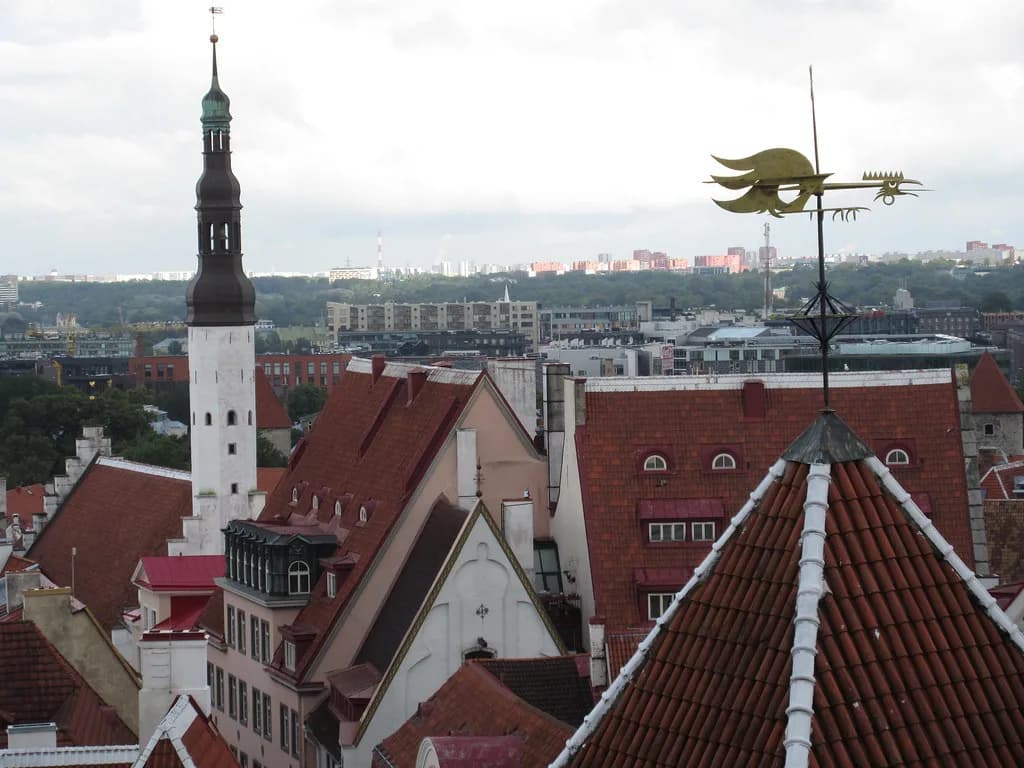
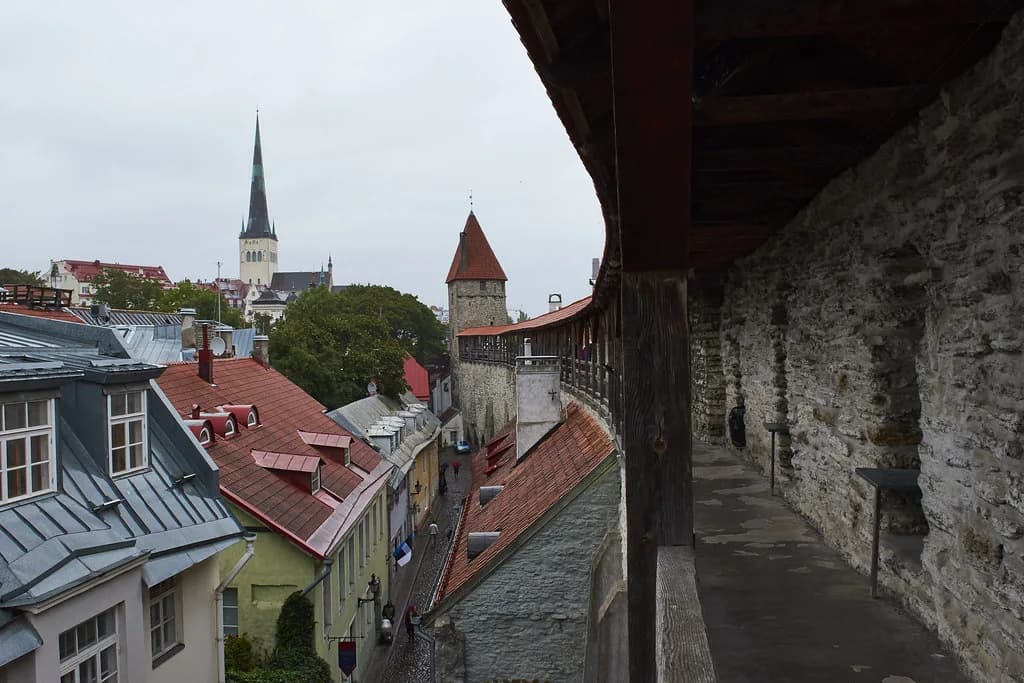
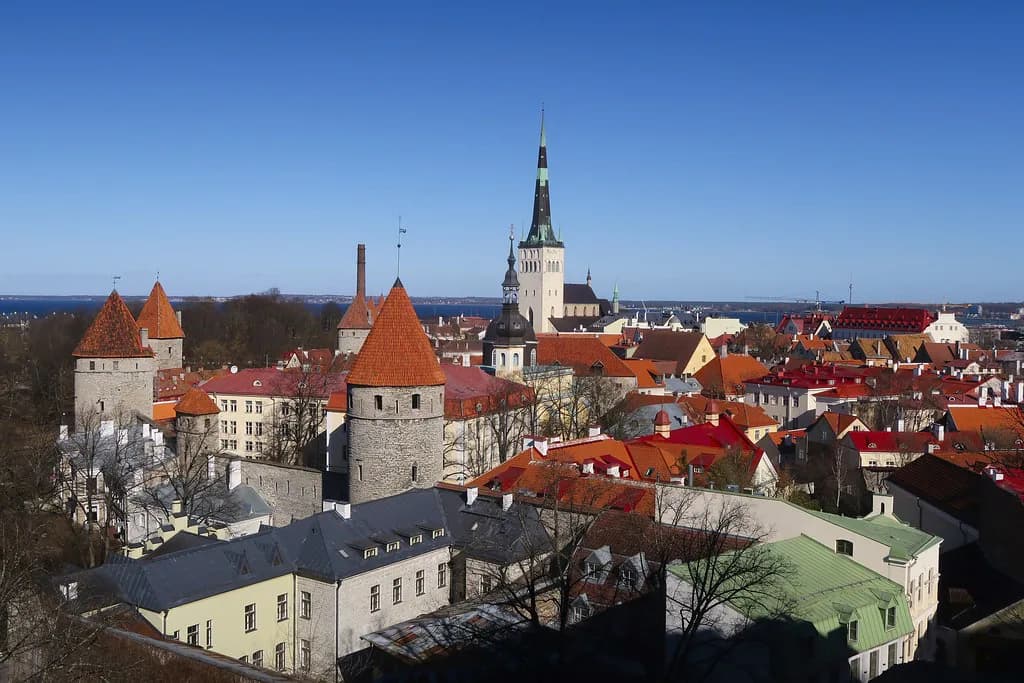
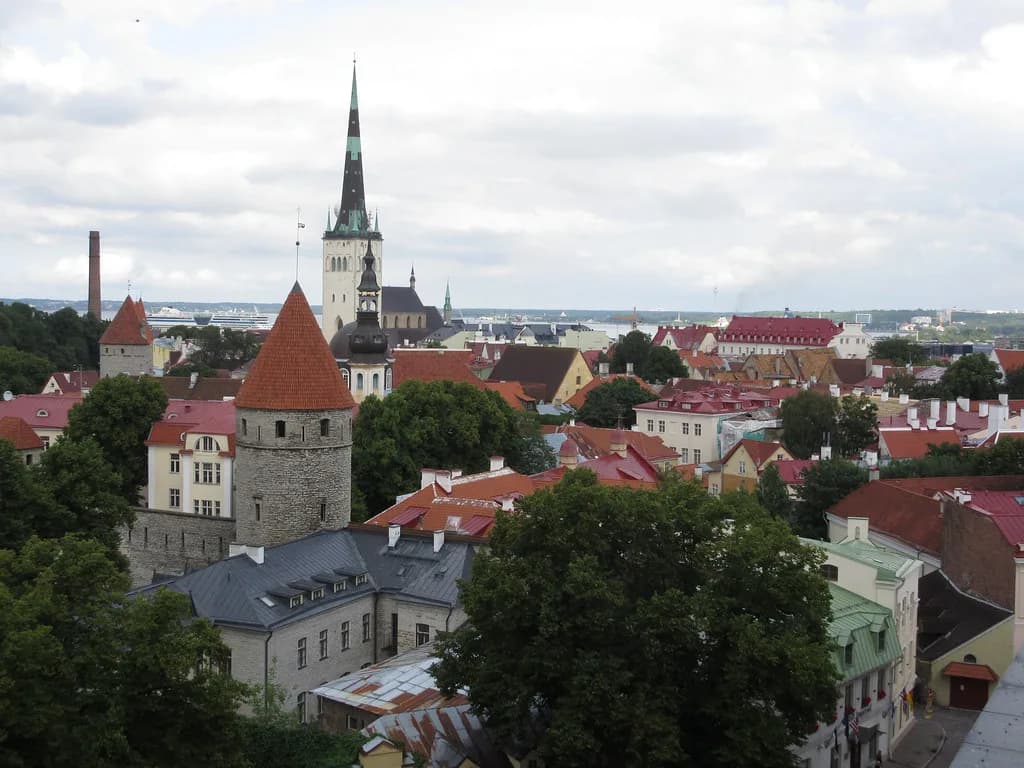
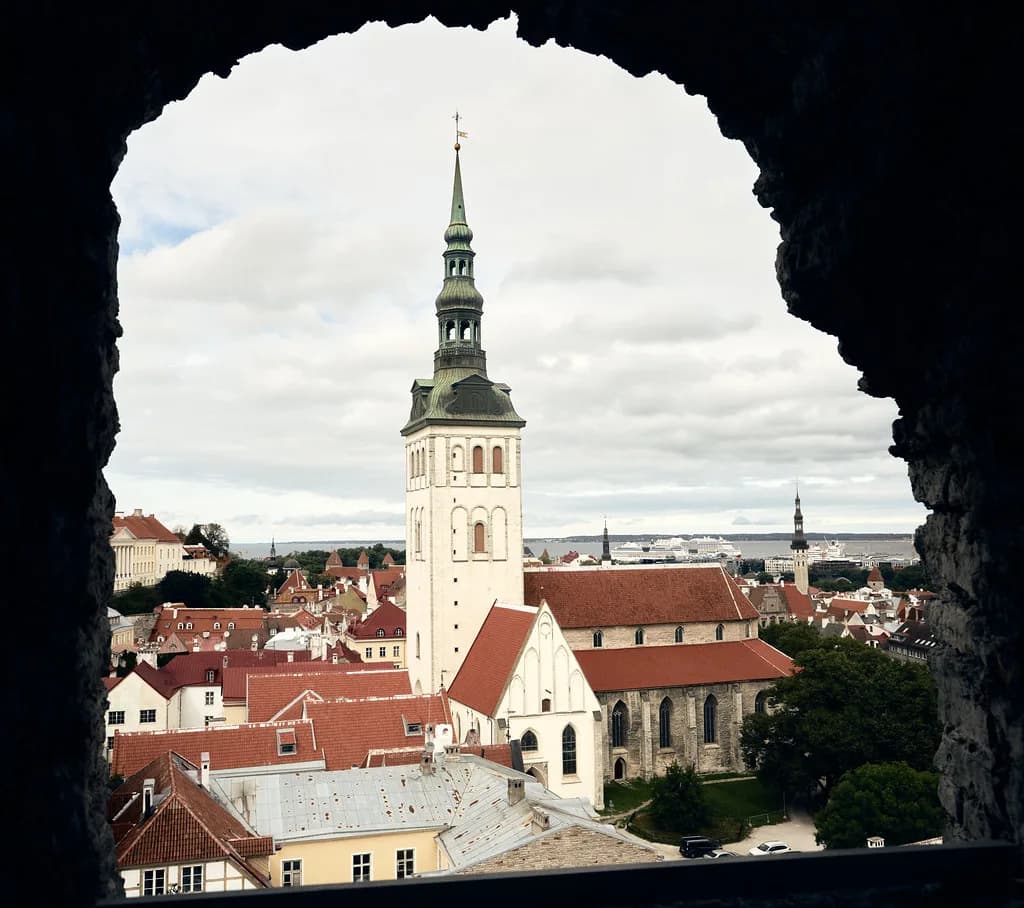
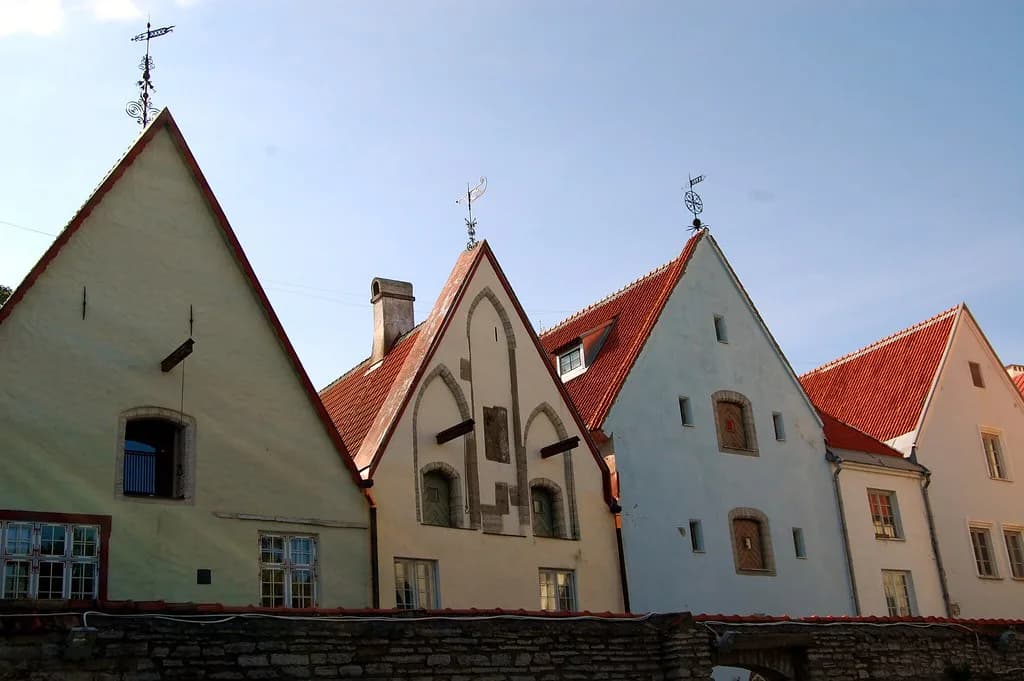
Tallinn's UNESCO-listed Old Town is the obvious first stop: cobbled lanes, church towers and the viewpoints around Toompea Hill that frame the red roofs below. In August the streets fill early, and the cruise-ship rhythm matters — mornings and late afternoons are calmer, while the middle of the day concentrates guided groups in the same squares.
Escape the core for Kadriorg, the park-and-palace district east of the center, and Telliskivi Creative City, the converted railway complex north-west of the Old Town that fills with food stalls, galleries and outdoor seating in fine weather. Both give you a half-day away from the cruise flow without leaving the city.
For a clean comparison of the capital against the coast, our Old Town Tallinn notes pair well with a Pärnu plan, since the two serve different moods rather than competing for the same trip. Use the city for culture and food, and save the beach for the coast.
Pärnu, Estonia's summer capital
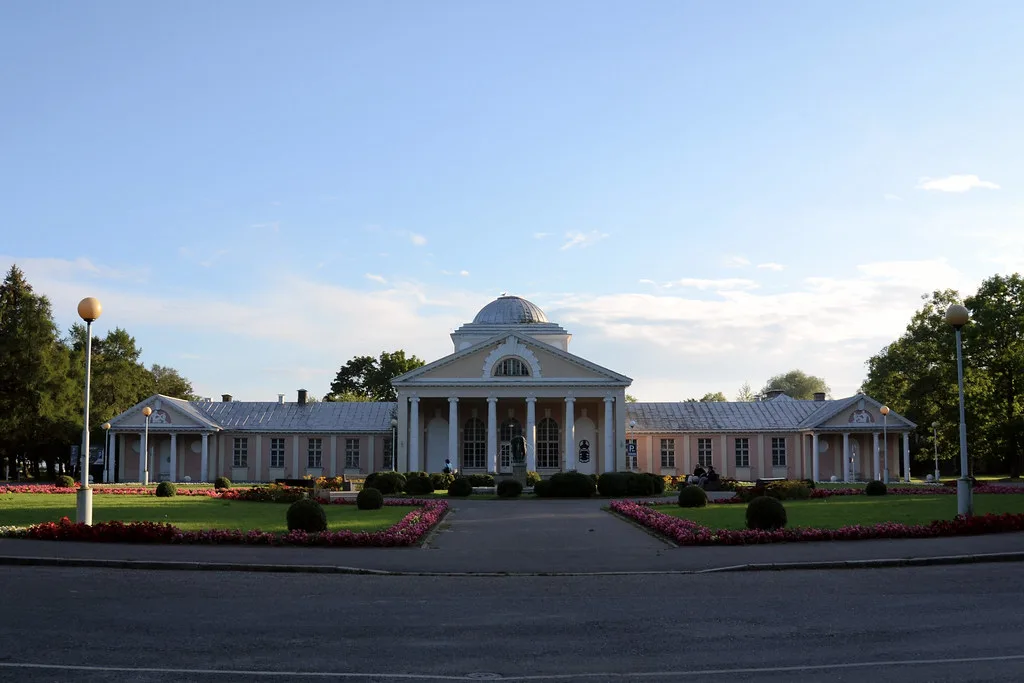
Pärnu is where Estonia goes on holiday: a long sandy beach with seaside cafés, volleyball nets and paddleboard rental, plus a riverfront promenade that has picked up bars and cafés in recent years. The national tourism board calls it the country's summer capital, and in August the event calendar and the evening atmosphere run at full volume.
Book Pärnu early if August is your month. It is the most popular domestic holiday destination in the country, which means peak-season pricing and the best rooms going first; families wanting the beach on their doorstep should treat it as the base rather than a day trip from Tallinn.
Travelers who want a city break rather than a beach break should skip Pärnu entirely and give the extra days to Tallinn and the islands. There is no rule that you must see the coast, and a rushed coastal detour costs you more in transit than it returns.
The islands at full stretch
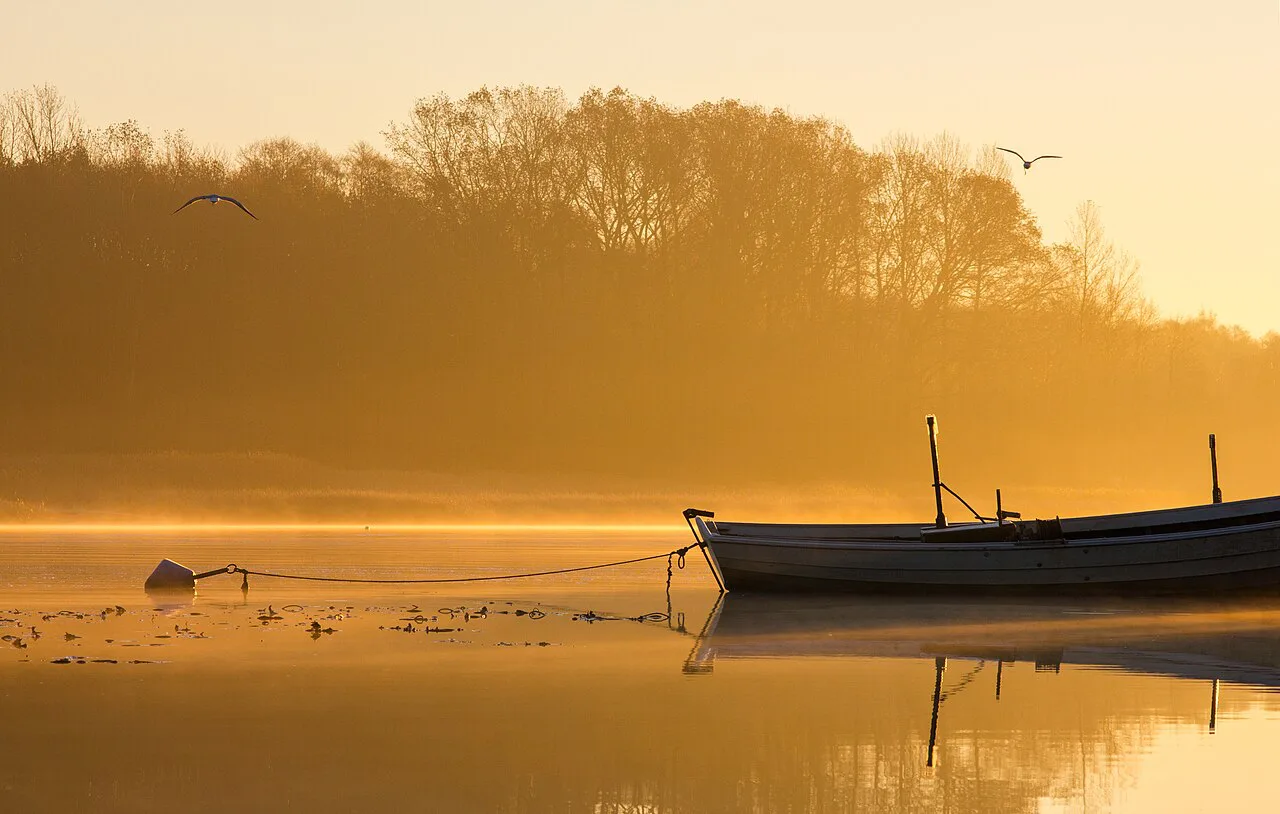
Saaremaa, Muhu and Hiiumaa are the answer for anyone who wants water and sand without the crowds. Even in high season, the tourism board notes, island life runs more leisurely than the already relaxed mainland, and the beaches spread far enough that you can find space.
Muhu connects to Saaremaa by causeway, so the two work as one base, while Hiiumaa needs its own ferry crossing and rewards a slower pace. Ferries fill in August, particularly at weekend changeover times, so book vehicle space in advance and travel midweek if your schedule allows.
Saaremaa's Kuressaare, with its bishop's castle and surrounding park, gives the islands a town center with restaurants, so you are not reliant on a car for everything. Renting a car in Estonia still makes the islands far easier, especially for reaching quiet beaches and the meteorite crater at Kaali.
Bogs, forest and late-summer hiking
Late summer is prime bog-walking season. Estonia's peat bogs are crossed on snowshoe-like footwear, an activity promoted as a way into the country's national parks, and dry August ground makes the going easier than in the spring thaw.
Lahemaa National Park, an hour or so east of Tallinn, combines coastal villages, manor houses and boardwalk trails through bog and forest, making it the simplest nature day trip from the capital. For a longer stay, the trails around Lake Peipsi and the southern uplands give you forest walking without the day-trip crowds.
August's long days mean you can start a hike late and still finish in daylight, which is a real advantage on forest trails where dusk arrives under the canopy well before it reaches open ground. Carry rain protection regardless: showers build quickly and the dry spells between them can be short.
Midsummer and music festivals: what falls in August
Midsummer's Eve, Estonia's most important summer holiday, falls in June, not August, so travelers arriving this month miss the bonfires and the all-night light of the solstice celebrations. August instead carries the tail of the festival season, with outdoor concerts, food events and terrace programming filling the calendar in Tallinn and Pärnu.
Exact festival names, dates and ticket prices change every year, so build your trip around the season rather than a specific lineup and confirm programming with the organizers once your dates are fixed. That approach also protects you if an event sells out or shifts venues.
Drawbacks to weigh before booking
August is peak season, and it shows: the most popular beaches and the Old Town's main lanes are at their fullest, island ferries book up, and accommodation in Pärnu and central Tallinn commands its highest rates of the year. If your budget is tight, late August or early September buys noticeably calmer conditions.
The weather is warm but unreliable. Average highs near 20°C (68°F) sound ideal until a wet, windy day arrives in the middle of your beach plan, which is why a mixed itinerary with a city, a coast and a forest day is more resilient than a week booked entirely on sand.
The season is also short, which concentrates demand into a few weeks. Museums and attractions that run summer-only schedules wind down toward the end of the month, so late-August travelers should check individual venue calendars rather than assume July hours apply.
How many days you need in August
Give Tallinn two full days: one for the Old Town and Toompea, one for Kadriorg, Telliskivi and the harbor districts. Add a third if you want a Lahemaa day trip, which is the most efficient way to see Estonian forest and coast without moving hotels.
A week is the sweet spot for a first August trip: three nights in Tallinn, two on Saaremaa or in Pärnu, and the rest for a bog walk or a national park. Ten days lets you add Hiiumaa or a slower run along Lake Peipsi without spending your holiday in transit.
Travelers with only a long weekend should pick one base and resist the coast-plus-islands combination. Tallinn alone fills three days comfortably, and a single night in Pärnu is better than two half-days split by buses.
Typical costs in August
Estonia uses the euro, and August is when accommodation and ferry demand push prices to their annual high. Rather than quote figures that move every season, compare live rates for your dates and treat summer pricing as the baseline you are trying to beat with an early booking or a late-August arrival.
For a realistic breakdown of what a trip here actually costs, from meals to transport and museum tickets, see whether Estonia is expensive before you set a daily budget. Knowing whether you are a mid-range or budget traveler changes which month and which base make sense.
Shoulder-season travel is the main money-saving lever: shifting a week from mid-August to early September typically cuts accommodation rates and opens up ferry space, at the cost of cooler swimming. Book ferries and popular Pärnu stays first, since those are the pieces that sell out.
Getting there and around
Tallinn is the gateway, with an airport a short tram ride from the center and a harbor that connects to Helsinki and Stockholm by ferry. From Tallinn, buses reach Pärnu and the mainland ferry ports, and the rail network covers the main lines; for the islands and rural trails, a car removes most of the scheduling pain.
Ferries to Saaremaa and Hiiumaa are the bottleneck in August, so reserve vehicle space well ahead and check current departure times directly. On the mainland, buses are frequent enough between Tallinn, Pärnu and Tartu that you can plan a week without a car if you stay in towns.
If you are driving, note that Estonia's roads are generally quiet outside holiday weekends, but gravel sections near bogs and beaches demand slower speeds. Our renting a car guide covers what to expect from the paperwork and the roads.
Verdict by traveler type
Beach-goers and families should go in August and base themselves in Pärnu or on Saaremaa, where the water is warmest and the sand has room for everyone. City-breakers get the best of Tallinn in early August, with long evenings and a full terrace season, though they should expect the Old Town's main streets to be crowded midday.
Hikers and nature travelers will find August excellent for bogs and forest trails but should choose late August for fewer people on the boardwalks. Budget travelers should aim for the final week of the month or push into September, when prices soften while the landscape stays green.
Anyone who wants the brightest nights and the emptiest streets should trade August for June or early July and accept cooler water. If you are comparing options across the region, our verdict on whether Lithuania is worth visiting weighs up a similar Baltic month-by-month decision. Everyone else deciding on an Estonia trip will find August the most forgiving introduction to the country.
Plan Your August Trip
August earns its place as Estonia's best all-round month: warm water, a full calendar, long evenings and a coastline that still has quiet corners if you know where to look. Go early in the month for the most daylight, late for thinner crowds, and book the coast and ferries before anything else.
Build the trip around one city, one coast and one nature day rather than trying to tick off every region. That structure absorbs a rainy day without wrecking the plan and leaves you time to actually enjoy the forests, bogs and beaches that make Estonia worth the journey.
Explore more Estonia trip-decision guides
Frequently Asked Questions
Is August a good time to visit Estonia?
Yes. August is the best all-round month for a first trip, with the Baltic at its warmest, long evenings and a packed summer calendar. It is also peak season, so expect the busiest beaches and the highest accommodation demand, especially in Pärnu and central Tallinn.
What is the weather like in Estonia in August?
Expect mild, changeable summer conditions. Tallinn's daily highs ease from roughly 21°C (70°F) early in the month to about 18°C (64°F) by the end, and average summer temperatures across Estonia sit around 18°C to 20°C (64°F to 68°F). Rain is common, so plan for layers and showers.
How warm is the sea in Estonia in August?
The Baltic reaches its annual warmest in August, which is the main reason to choose this month over June. It stays cool by Mediterranean standards, so expect refreshing swims, with shallow bays around Pärnu feeling milder than the open coast.
Are there still white nights in Estonia in August?
Partly. The brightest white nights peak at Midsummer in June, and early August still gives long evenings with light close to 10pm. By the end of the month the nights genuinely darken, so travelers chasing maximum daylight should go in June or early July.
Is August peak season in Estonia?
Yes. Domestic holidays and international visitors concentrate into June to August, and August is the fullest month for beaches, island ferries and coastal accommodation. Late August begins to thin out, and early September is noticeably calmer and cheaper.
Should I go to Tallinn or Pärnu in August?
Choose Tallinn for culture, food and the medieval Old Town, and Pärnu for beach days and a lively summer atmosphere. A week comfortably fits both, with three nights in the capital and two on the coast, plus a day in the forest or on the islands.
How many days do I need in Estonia in August?
A week is ideal for a first trip: two to three days in Tallinn, two on Saaremaa or in Pärnu, and the rest for a bog walk or Lahemaa National Park. Ten days lets you add Hiiumaa or Lake Peipsi without rushing.
Do I need a car in Estonia in August?
Not for Tallinn, Pärnu or Tartu, which are well connected by bus and rail. A car makes the islands and rural trails much easier, and vehicle ferry space sells out in August, so reserve in advance if you plan to drive.
Sources
Trip-decision notes
Optional updates when we publish or revise a destination verdict.
You might also like
Continue reading
More guides you'll find useful