Estonia in June: Weather, Crowds and Whether It's Worth It
June gives Estonia long daylight, mild days and a lively Tallinn before the July peak. Here is who should go, who should wait, and what to expect.
On this page
Yes, June is a strong month for Estonia, and for most first-time visitors it is the best balance of daylight, comfort and manageable crowds before the July peak. The days are long enough to walk Tallinn's Old Town after dinner, and the weather is warm enough for Lahemaa's bogs and coastal trails without the heat of high summer.
What June is not is a beach month. Air temperatures sit comfortably in the high teens and low twenties Celsius, but the Baltic Sea warms slowly and swimming is a late-June or July proposition for most people. If sunbathing and sea swims are your priority, June asks you to accept cooler water in exchange for quieter streets and softer prices than July.
The verdict: who June in Estonia suits
June suits city-break travelers, walkers and anyone who wants Tallinn's medieval core and Estonia's national parks in one trip without the July crush. It rewards people who plan around daylight rather than around fixed opening hours, because you can start a long day trip late and still return in full light. If you're weighing the other Baltic capitals on the same trip, our Latvia trip guide covers whether Latvia is worth visiting on the same long-daylight logic.
Choose another month if you want warm seawater, guaranteed sunshine or a quiet Midsummer week. Late June brings Jaanipäev, when Estonians leave the cities for the countryside, and the last days of the month behave very differently from the first three weeks. Beach-seekers should look at July instead, and budget travelers who can tolerate cooler, greyer days will find better value in the shoulder weeks before June.
The wider question of whether the country justifies the flight is settled for most people by Tallinn alone, but June is what makes the rest of Estonia practical to reach: Tartu, the islands and the north-coast bogs all become comfortable day-trip or overnight targets once the days stretch out.
What June weather actually feels like
June in Estonia is mild rather than hot. Typical daytime highs sit in the upper teens to low twenties Celsius, roughly the mid-60s to low 70s Fahrenheit, with cooler nights and a breeze off the Baltic that makes the coast feel several degrees fresher than inland Tartu. Rain falls in short, heavy showers rather than all-day drizzle, so a waterproof layer matters more than an umbrella.
Planning guidance from tour operators consistently points to June through September as the window when Estonia is at its most reliable, with the warmest conditions in June, July and August. Treat those months as typical rather than guaranteed: a June week can deliver crisp sunshine or a cold northerly snap, and packing for both is the realistic approach.
Temperatures in Tallinn on a typical mid-June weekend have been recorded around 66°F during the day and the mid-50s at night, which is pleasant for walking but not for sitting outdoors without a layer. The same records put the June sun high enough to burn, so sunscreen belongs in the day bag. Use that as a feel rather than a forecast, and check the Estonian weather service close to departure for the actual pattern.
Daylight and how it changes your itinerary
Estonia's latitude is the single biggest reason to choose June. Around the solstice, the days stretch far into the evening, so the light lingers and the evening is effectively an extra sightseeing block. That flips normal city-break logic: see the crowded sights in the morning, then walk the walls and parks after 8pm when the tour groups have gone.
Use the light for day trips, not just evenings. A Lahemaa trip that would feel rushed in April can leave after a relaxed breakfast and return at 9pm with the bog boardwalk still lit; the same is true of a ferry run to Helsinki. Allow one late night deliberately and keep the next morning slow, because most people underestimate how much the constant light stretches a day.
Tallinn in June: Old Town, Kadriorg and Telliskivi
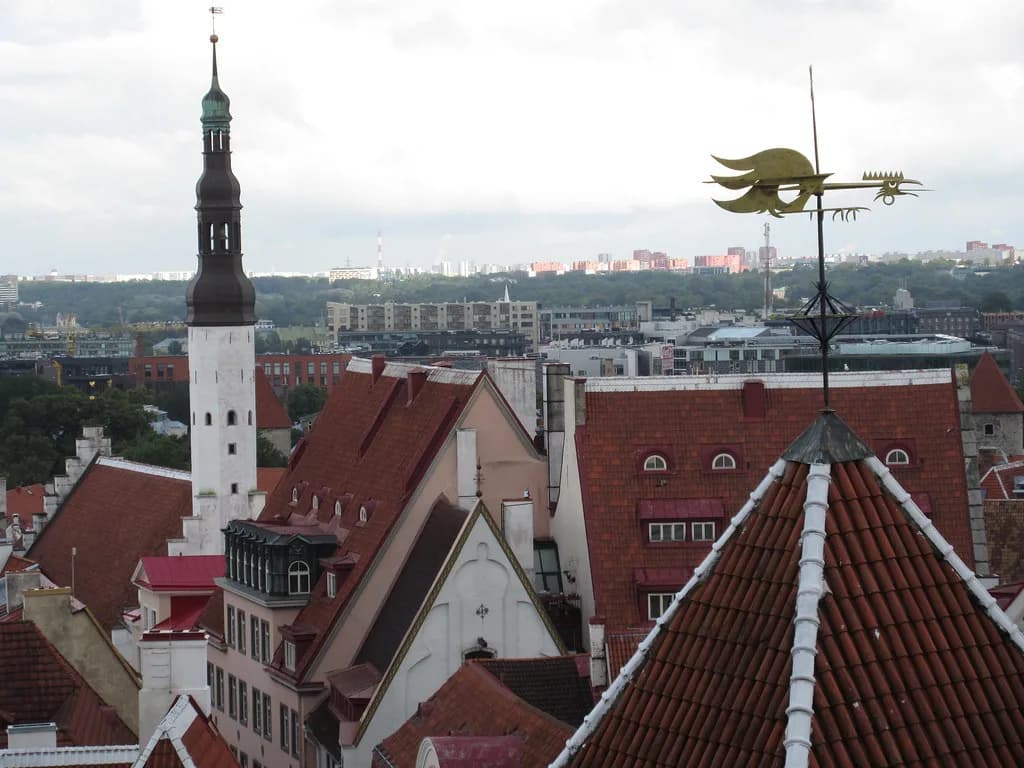
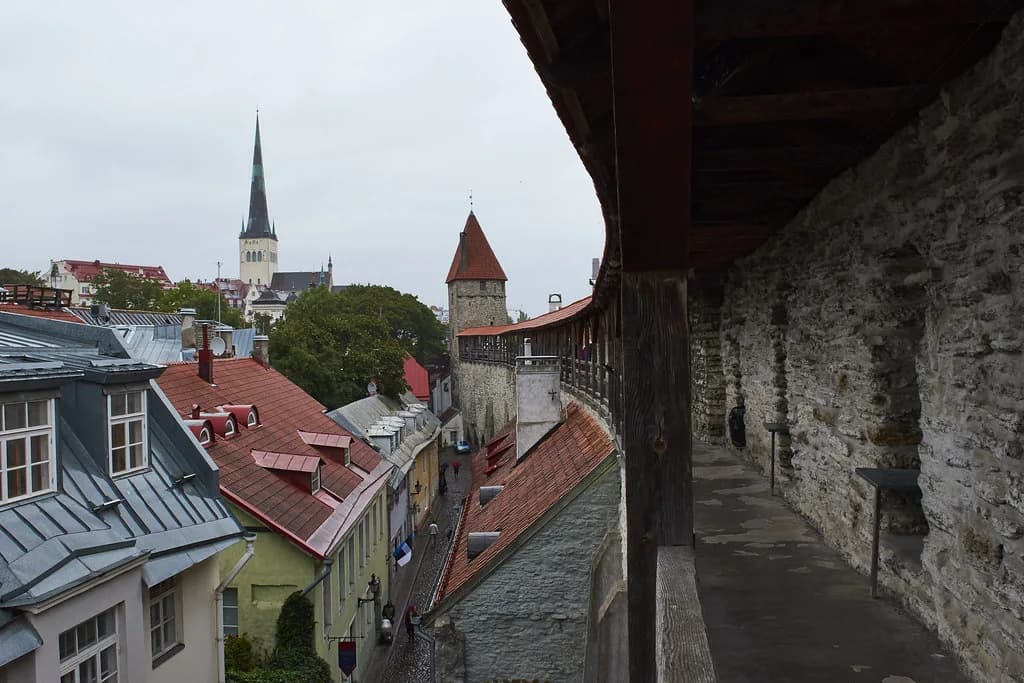
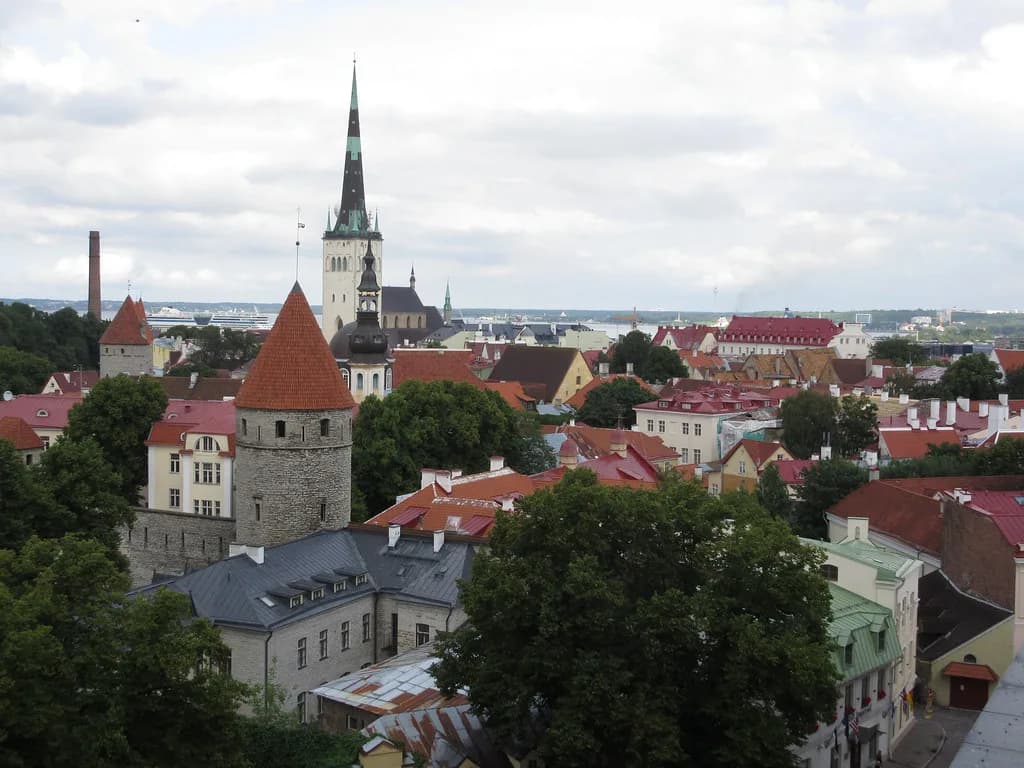
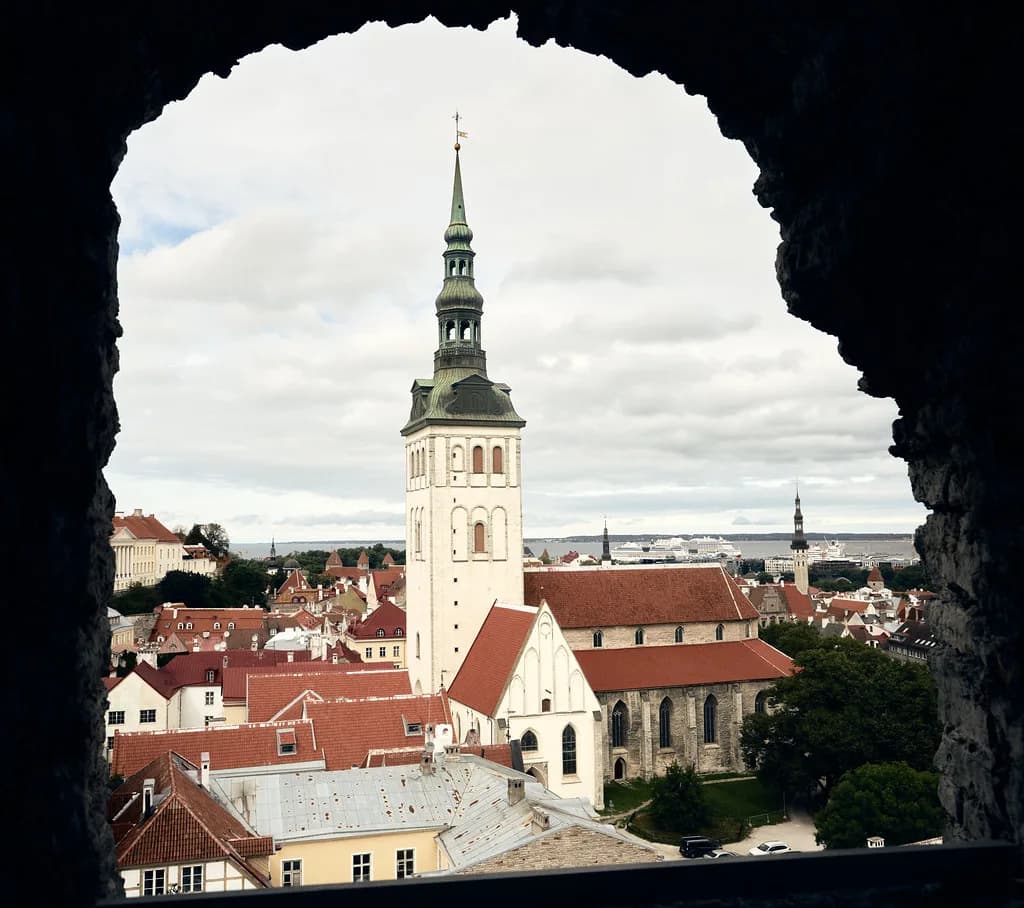
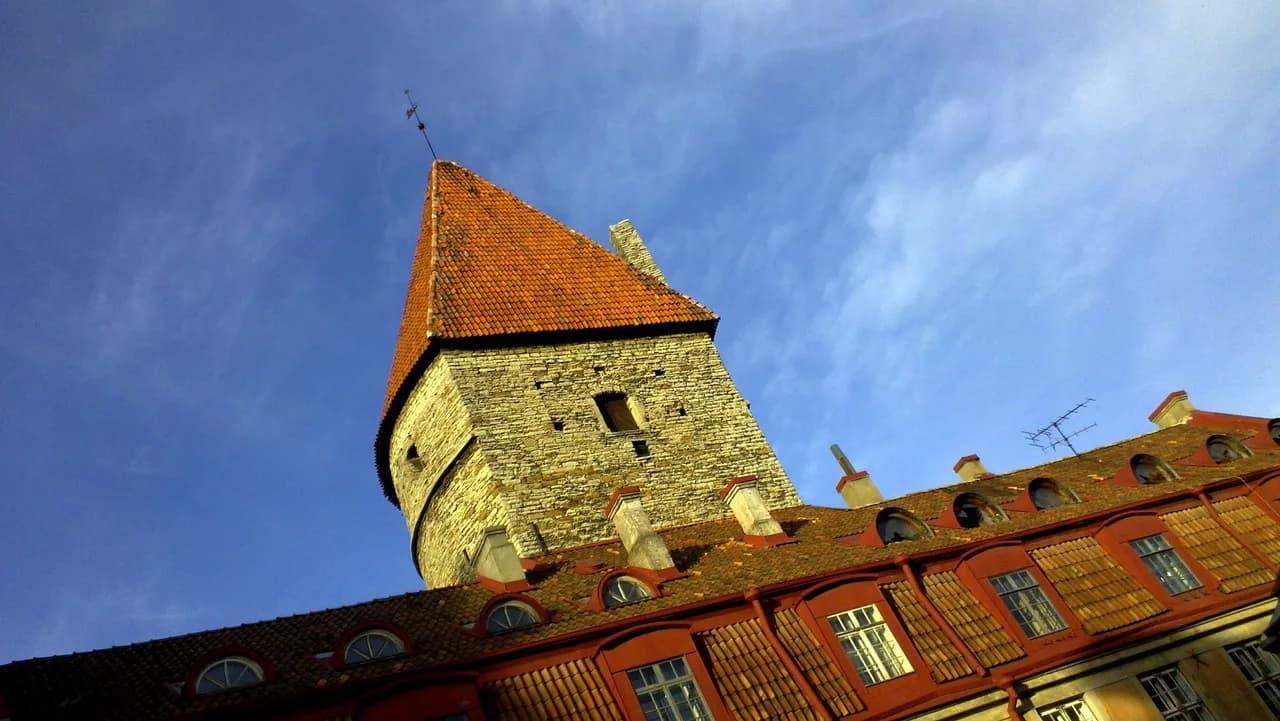
Tallinn's Old Town is the anchor, and in June the sensible order is Toompea's viewing platforms early, the Alexander Nevsky Cathedral and St. Catherine's Passage before lunch, then the lower town's squares in the afternoon when the cruise crowds thin. The Patkuli viewing platform and the town walls are the two places worth lingering, and both are better in the long evening light than at midday.
Kadriorg Park is the counterweight to the medieval core: a baroque palace, formal gardens and the KUMU art museum, all a tram ride from the centre and genuinely pleasant in June when the flower beds are up. Telliskivi Creative City, next to the railway station, is where Tallinn's contemporary side shows, with street art, studios and a food-hall scene that fills up on warm evenings. Both reward a half-day each rather than a rushed hour.
Expect Tallinn to be busy but not suffocating in June. Cruise ships do call, and on those days the Old Town's main street turns into a procession, but the effect is concentrated in the late morning and early afternoon and dissipates once the ships sail. There is no published day-by-day crowding calendar, so check the port's ship schedule for your dates and plan the Old Town around it.
Beyond Tallinn: Lahemaa, Tartu and the islands
Lahemaa National Park, an hour or so east of Tallinn, is the most rewarding day trip in June: the Viru Bog boardwalk, the Jägala Waterfall and the manor houses along the coast all work in long daylight, and the bogs are at their most atmospheric in the early evening. Guided day tours from Tallinn are listed from around $133, which gives you a sense of the upper end of the cost.
Tartu, Estonia's university city, is a two-and-a-half to three-hour bus or train ride from Tallinn and worth an overnight in June rather than a day return. The riverside, the old observatory and the student quarter are the draw, and the city is noticeably warmer and calmer than the coast. Saaremaa and Hiiumaa, the two big western islands, are the strongest argument for extending a trip beyond Tallinn, but ferries and limited bus links make them a two- or three-night commitment.
The coast and the sea
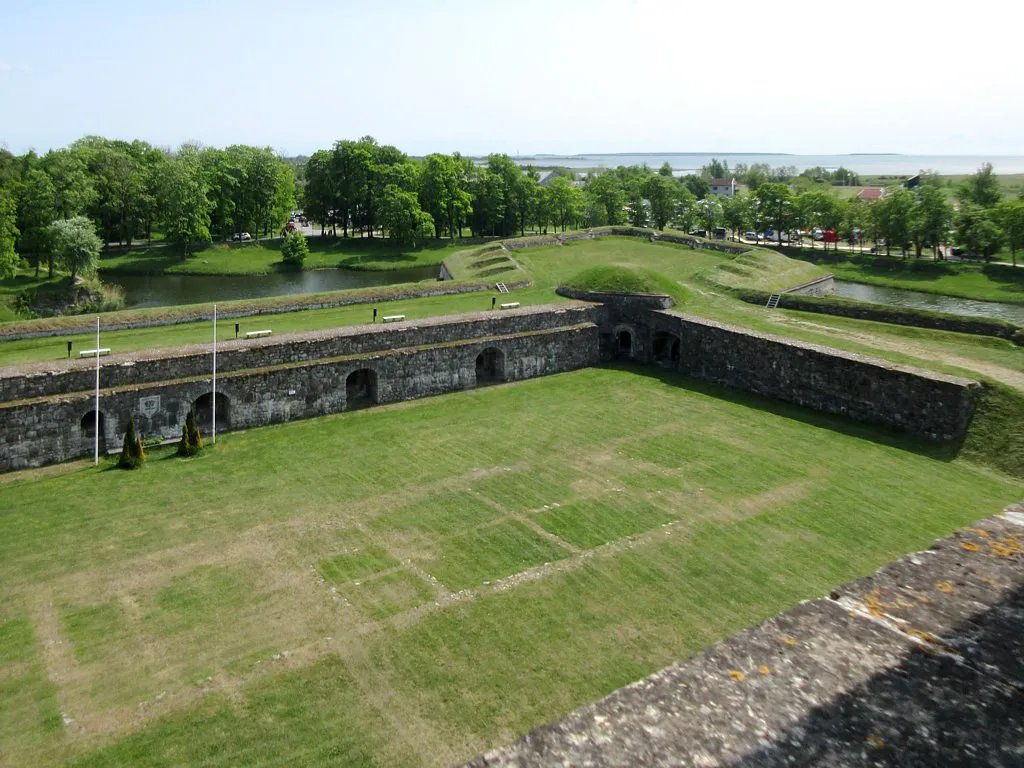
Separate air temperature from water temperature in June. The Baltic around Tallinn and Pärnu stays cold well into the month, and swimming is realistic only for the hardy until late June; most Estonians treat the first proper sea swims as a Midsummer tradition rather than an early-June habit. Pärnu's sandy beach is the country's best-known resort strand and is lovely for walking in June even when swimming is off the table.
If you want a proper beach day, aim for the end of the month and expect changeable weather. Rental prices and beach facilities in Pärnu pick up as July approaches, so early June is cheaper and quieter but riskier for sun. The June sea is best treated as a backdrop for coastal walks rather than the main event.
Midsummer and the June calendar shift
June is not uniform. The first three weeks are a normal working month with everything open, while the Midsummer holiday, Jaanipäev, around 23–24 June, empties the cities as Estonians head to country houses and bonfires. Expect a noticeable shift in opening hours, restaurant availability and transport demand around those days, and avoid planning your only Tallinn days across them unless you want the quiet version.
The upside is that the countryside is at its most alive: Midsummer bonfires, late light and a festive mood across rural Estonia. If you are in Tallinn for Jaanipäev, treat it as an evening for parks and the coast rather than a museum day, and be flexible about where you eat.
How many days you need in June
Three nights in Tallinn is the minimum for a first-timer: one full day for the Old Town and Toompea, one for Kadriorg and Telliskivi, and one for a Lahemaa day trip. Five nights lets you add Tartu or a coastal stop and still have a slow afternoon, which June's long light makes genuinely enjoyable.
Add two or three nights for the islands if you want them done properly. Ferry timetables and rural bus connections make Saaremaa a poor day-trip target, and in June the reward is long evening light on quiet coastal roads rather than a checklist of sights.
Typical costs in June
Estonia uses the euro, and June pricing sits between the shoulder season and the July peak: accommodation is firmer than in May but not yet at high-summer levels, and it climbs as Midsummer approaches. Tallinn's Old Town commands the highest rates, with the Kalamaja and Telliskivi districts and the area around the railway station offering better value for the same ride into the centre.
For day tours, published listings put a small-group Lahemaa day trip from around $133 and a private old-town walking tour from around $213, which shows the spread between a full-day guided excursion and a few hours on foot. Restaurants and museums are moderately priced by Western European standards, but check the venue's own price list because June menus shift with the season.
Getting there and getting around
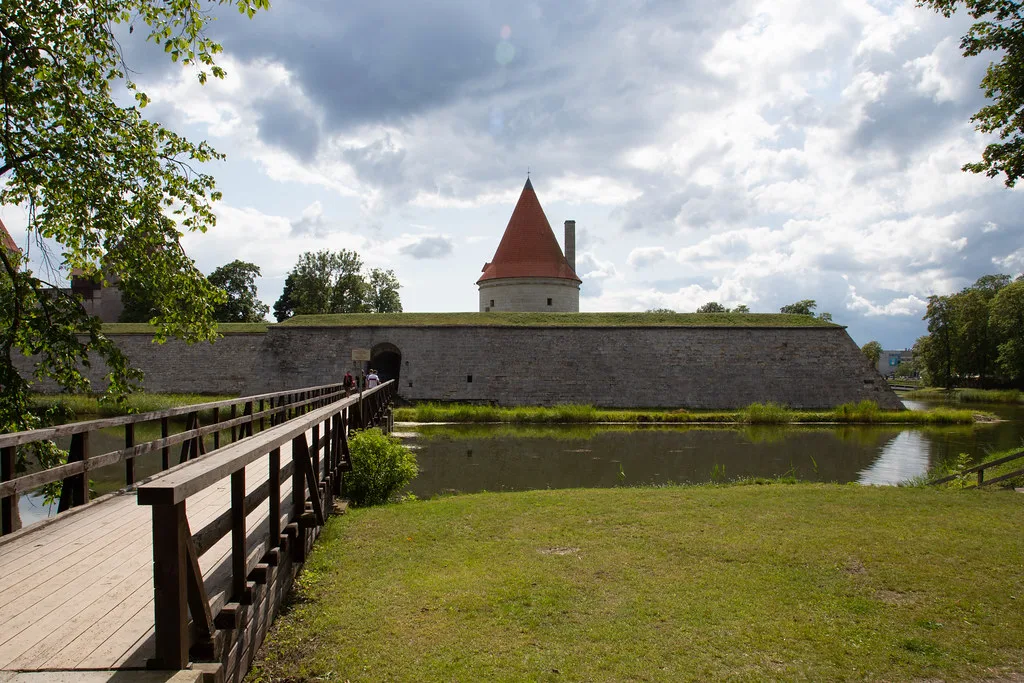
Tallinn is the entry point, with direct flights from major European hubs and a compact airport a short tram ride from the centre. From Helsinki, the ferry across the Gulf of Finland takes around two hours and works as a day trip, though in June the long light makes an overnight in Tallinn the better call. Buses and trains connect Tallinn with Tartu and Pärnu, and for Lahemaa a car or organised tour is the practical option.
Within Tallinn, trams, buses and trolleybuses cover the tourist districts and Kadriorg, and the Old Town is best on foot. For the islands, book ferries in advance around Midsummer, when demand from Estonians heading to the countryside spikes.
Drawbacks to plan around
Rain is the obvious one: June showers can be heavy and sudden, and a bog boardwalk without a waterproof is miserable. Mosquitoes appear in the bogs and around still water from late June, so a repellent earns its place. Cruise-ship mornings crowd the Old Town, and Midsummer disrupts opening hours across the country for a few days.
The sea stays cold, the evenings can be chilly even in late June, and there is no guarantee of a sunny week. None of these is a reason to avoid June; they are reasons to build flexibility into the plan and to keep one indoor option per day.
June versus May and July
May is cheaper and quieter but cooler and shorter on light, with some seasonal places not yet open; June fixes the light and the opening hours at the cost of higher prices and a busier Tallinn. July is the warmest and best for swimming, but it is the peak for crowds and accommodation costs, and the difference in daylight from June is small.
By traveler type: city-break travelers and walkers should pick June; beach-seekers should pick July; budget travelers should pick late May or early June before prices firm up; anyone wanting the islands or a multi-city Estonia trip should use June's light and accept the Midsummer disruption. If you are still deciding whether the country earns the trip at all, settle that first and then let June do the rest.
Plan Your June Trip
June is the month that makes Estonia's geography work for you: enough light to combine Tallinn with Lahemaa, Tartu or the coast, and enough warmth to walk all day without overheating. Book around Midsummer rather than through it, keep a waterproof and a warm layer, and treat the sea as scenery rather than a swimming pool until late in the month.
Check the Estonian weather service and the Port of Tallinn ship schedule for your dates, and confirm tour departures directly with the tour operator a few days ahead. Everything else about a June trip is decided by the simple trade-off: earlier in the month for value and calm, later for warmth and festival atmosphere.
Explore more Estonia trip-decision guides
Frequently Asked Questions
Is June a good time to visit Estonia?
Yes, for most travelers it is the strongest all-round month. You get very long daylight, mild walking weather and a Tallinn that is lively without the July peak. The compromises are sudden showers, cool evenings and a Baltic Sea that is still cold for swimming.
What is the weather like in Estonia in June?
Expect mild days rather than heat, with daytime temperatures typically in the upper teens to low twenties Celsius and cooler nights. Rain tends to arrive as short heavy showers. Coastal Tallinn and Pärnu feel fresher than inland Tartu because of the sea breeze.
How warm is the sea in Estonia in June?
The Baltic warms slowly, so sea temperatures stay low well into the month and most people find swimming uncomfortable until late June. Treat June as a coastal-walking month and save proper swims for July, when the water has had time to warm.
Is Tallinn crowded in June?
Tallinn is busy but manageable. Cruise ships concentrate the crowds in the Old Town during the late morning and early afternoon, then the streets thin once the ships leave. Check the port's ship schedule for your dates and put the Old Town's main sights in the evening instead.
How many days do you need in Estonia in June?
Three nights in Tallinn covers the Old Town, Kadriorg and Telliskivi plus a Lahemaa day trip. Add two nights for Tartu and two or three more for Saaremaa or Hiiumaa if you want the islands done properly, since ferry and bus links make them a real commitment.
Is June better than July for Estonia?
June wins on daylight, softer prices and lighter crowds; July wins on warmth and sea swimming. City-break travelers and hikers should pick June, while beach-seekers are better off in July. Budget travelers get the best value in late May or the first half of June.
Sources
Trip-decision notes
Optional updates when we publish or revise a destination verdict.
You might also like
Continue reading
More guides you'll find useful