Brno vs Prague: Which Czech City Fits Your Trip?
Brno offers calmer streets and student energy, while Prague delivers the headline sights. Compare crowds, costs, days needed, and weather to choose.
On this page
If you get one Czech city and want the postcard version, pick Prague. If you want a calmer, cheaper, more everyday Czech experience and can live without Charles Bridge at sunrise, pick Brno. The two are only about two and a half hours apart by rail, so the real question is how you spend your days, not which city is better.
This comparison is for travelers weighing a single base, not for people collecting cities. It splits the decision by character, sights, crowds, cost, days needed, transport and typical weather, then gives a verdict by traveler type. For the wider picture, our take on whether the Czech Republic is worth visiting sets the country in context. If you are deciding between nearby countries as well, our verdict on whether Hungary is worth visiting covers the same trade-offs one border over.
The verdict
Choose Prague if this is your first trip to the Czech Republic and you want Prague Castle, Charles Bridge and Old Town Square in one walkable core. Choose Brno if you have seen the big-hitter capitals of Central Europe, dislike tour-group throngs, or want a base where your money stretches further and the evenings feel local rather than staged.
Brno also wins for anyone combining city time with countryside: it sits within easy reach of South Moravia's vineyards and limestone country, which makes it a practical base for a mixed city-and-wine trip. Prague is the better choice for a short break built around architecture, museums and big-name sights. Neither choice is wrong, but the crowds and cost gap are real, so pick with your eyes open.
Character of each city: imperial showpiece versus working university town
Prague is an imperial set piece. The old core is a dense layer cake of Gothic, baroque and Habsburg-era building, and the historic center is protected enough that whole streets read as museum exhibits. That beauty is the draw, and it also explains why the center fills with visitors from mid-morning onward.
Brno is the country's second city and a university town, with a livelier, younger, more workaday feel. It has its own strong sights, including Špilberk Castle, the Cathedral of St. Peter and Paul, the vegetable market and a rich seam of modern architecture. What it lacks is Prague's concentration of headline monuments, and that is precisely why some travelers prefer it.
The name question trips people up, so settle it early: Czechia and the Czech Republic are both official names for the same country, with the short form used more in everyday and promotional contexts. That is worth knowing when you book trains and read signage, since both appear.
Headline sights in Prague
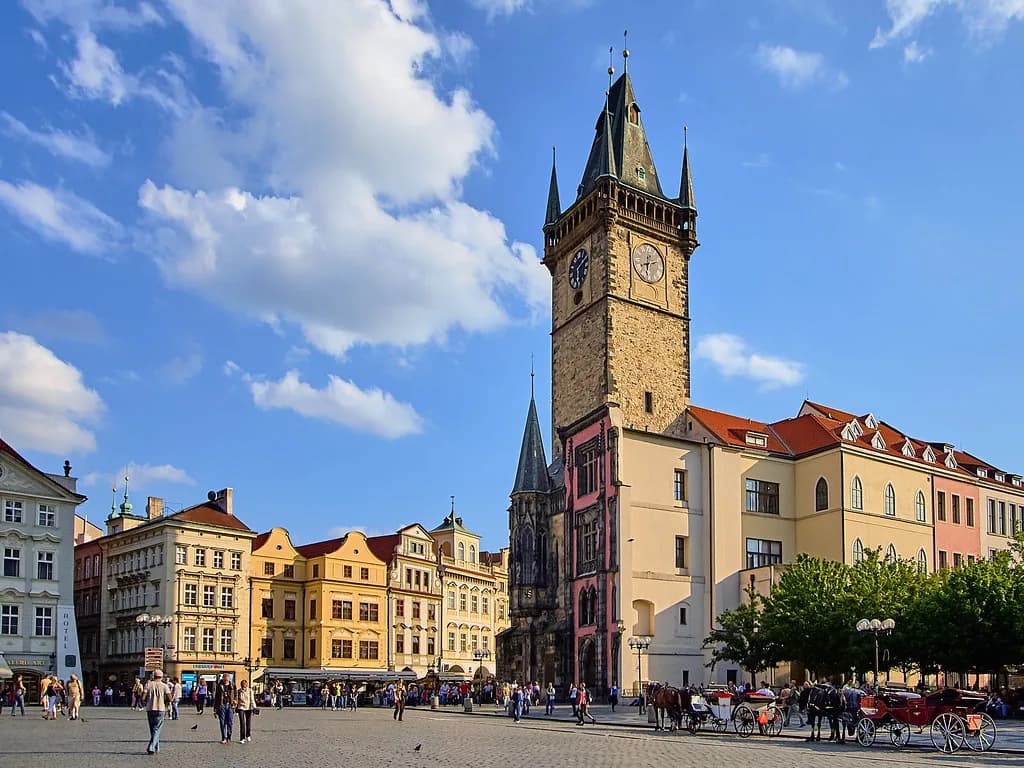
Prague Castle is the biggest single draw, a walled complex above the river that includes St. Vitus Cathedral and the old palace rooms. Charles Bridge is the iconic crossing below it, and Old Town Square with its astronomical clock is the third stop on almost every first visit. All three sit within a walk of each other, which is why Prague works so well on foot and why the same streets get congested at peak hours.
For views, Petřín Tower and the Letná and Hanavský Pavilon viewpoints give you the city's rooftops without the castle crowds. The quieter neighborhoods repay the walk too: Vinohrady, Žižkov, Letná and Holešovice have the coffee shops, cafes and restaurants where locals actually spend their evenings.
Headline sights in Brno
Špilberk Castle crowns the city and once served as a notorious prison, so it delivers both the view and the history. The Cathedral of St. Peter and Paul on Petrov hill gives you the twin spires that define Brno's skyline, and the vegetable market below is the city's everyday living room. Modernist architecture fans should plan around Villa Tugendhat, the functionalist masterpiece that needs a timed visit, so book ahead rather than turning up.
The city's self-image as a place that competes with its famous cousin is part of the appeal. Brno is quieter and more affordable, with a lively but less overwhelming student vibe. That makes it a good fit for travelers who want a city to wander rather than a checklist to conquer.
Crowds and timing
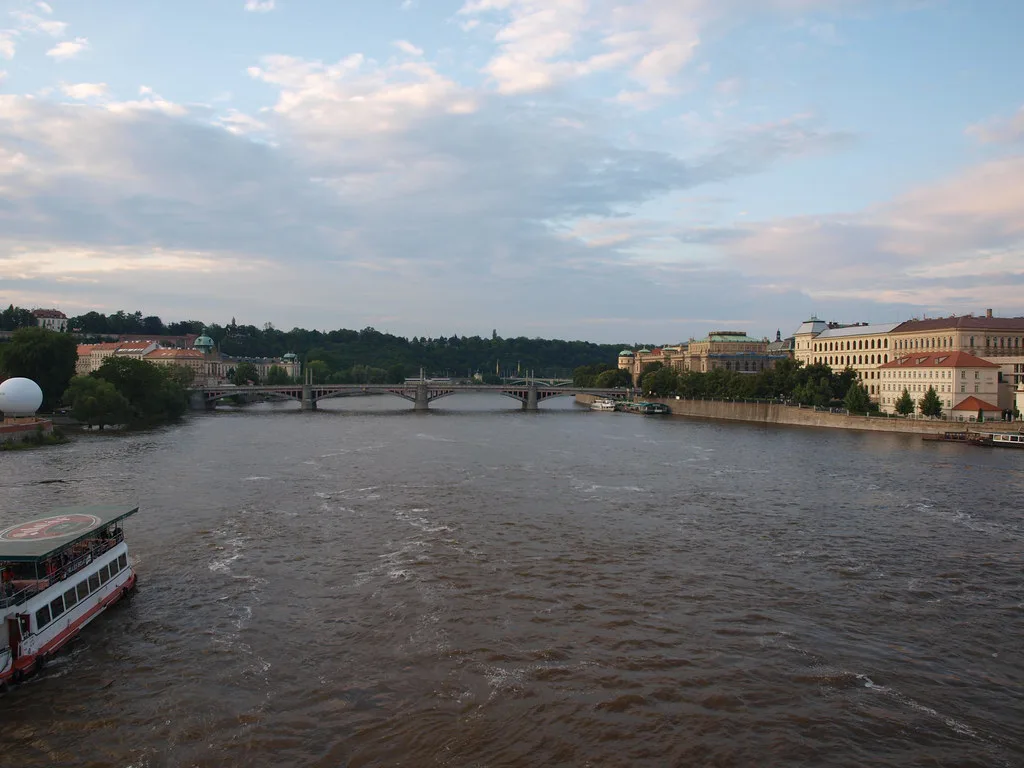
Prague's old center absorbs enormous visitor pressure, especially in the middle of the day when coach groups converge on the castle and the square. The fix is simple and it works: start at first light, take the castle and bridge before breakfast crowds, then retreat to Vinohrady or Letná when the center fills. Prague is also far more pleasant outside peak summer, when the same streets are walkable again.
Brno's streets are calmer, and its center still functions as a real shopping and working district rather than a tourist loop. You will still find busy weekends, especially during student term time, but you will not queue for a bridge. If your tolerance for crowds is low, Brno is the lower-friction choice.
Costs and money
The Czech Republic uses the Czech crown, not the euro, so budget in koruna and expect card payment to be widely accepted, including contactless and mobile wallets. Some tourist-facing places quote euro prices, but the rate is usually poor, so pay in the local currency or by card. Our guide to money in Czech Republic covers cash, cards and exchange in detail.
Brno generally stretches a budget further than Prague: food, drink and everyday costs tend to run lower, and the city is less priced around visitors. Prague still offers good value compared with Western European capitals, but you pay a premium in the historic core. Check our guide to whether the Czech Republic is expensive for the fuller cost picture, and leave room for tipping, which is customary in restaurants.
How many days you need in each city
Prague rewards three full days: one for the castle and bridge, one for the old town and the Jewish quarter, and one for a neighborhood and a museum or two. Two days is possible if you move fast, but most first-timers will feel short-changed. Add a day if you want a day trip to Kutná Hora or Karlštejn.
Brno works on two days, including Špilberk, the cathedral, the market and a modern architecture stop. Add a day for a South Moravia wine or countryside excursion, and the city becomes a relaxed three-day base. A combined Prague-and-Brno trip needs about five days on the ground.
Getting there and getting around
Václav Havel Airport Prague is the country's main international gateway, and the metro does not run all the way to it, so you finish the trip by bus or taxi. Public transport is dense and cheap; validate your ticket before boarding or you risk a fine. Our guide to the Czech Republic SIM card covers mobile data after arrival. For the practical details, see the Czech Republic SIM card.
Brno is served by its own international airport and by frequent rail links from Prague, which make it easy to combine rather than choose. Czech trains are better than many visitors expect, and the journey between the two cities is short enough for a same-day move. Our guide to getting around Czech Republic explains tickets and connections.
A car helps for rural Moravia and the national parks, but you do not need one for either city: both have walkable cores and good public transport. Speed limits and a zero-alcohol rule for drivers apply, so plan accordingly. Our guide to renting a car in Czech Republic covers the practical side if you want to add countryside.
Weather by month and what it means for a city break
Both cities share a continental climate: warm summers and cold winters, with spring and autumn the sweet spots for walking-heavy city breaks. Summer days are long and the beer gardens open, but midday heat and crowds hit Prague's old core hardest. Late spring and early autumn give you mild temperatures and thinner queues.
Winter brings short daylight and a raw chill, which suits museum-heavy visits but not long sightseeing days. Check national climate normals for typical temperatures, and treat any forecast as provisional until a few days out. If you are flexible, aim for May, June or September.
If your dates are fixed, our guide to the best time to visit Czech Republic breaks the year down by month and by what each season does to the experience.
Verdict by traveler type
First-timers: Prague. The headline sights are genuinely worth the hype, and three days gives you the set pieces plus a quieter neighborhood or two. Budget travelers: Brno, where everyday costs run lower and the city is less priced around visitors, though Prague still beats most Western capitals. Repeat visitors and students: Brno, for its university-town energy and access to Moravia.
Families will find Prague easier for big-ticket sights and transport, while Brno is calmer for wandering with children. If you have a week, do both: Prague first for the showpieces, then Brno for the change of pace and countryside. Prague is the trip, but Brno is the trip that feels like the country.
Plan Your Visit
For most first trips, Prague is the right answer and Brno is the better second city. If you have already ticked the big Central European capitals, or you want lower costs and fewer crowds, start in Brno and treat Prague as a day trip or a short add-on. Both are easily combined by rail, so the decision is about pace and budget rather than distance.
Bring a European plug adapter if you are traveling from the US or UK, since Czech sockets are standard European fittings. Our guide to the Czech Republic plug type covers adapters and voltage. Check entry rules on the official Czech government page once before you book, then leave the rest to the cities.
Frequently Asked Questions
Should I visit Brno or Prague?
Pick Prague for a first visit and the headline sights, and Brno for a calmer, cheaper, more everyday city with easy access to Moravia. With five days or more, do both by rail.
Is Brno worth visiting?
Yes, especially if you want a university-town atmosphere, Špilberk Castle, the Cathedral of St. Peter and Paul and a strong modernist architecture scene without Prague's crowds. It is also a practical base for day trips into South Moravia.
Is Brno cheaper than Prague?
Generally, yes. Everyday food, drink and costs tend to run lower in Brno, while Prague carries a premium in the historic core. Both use the Czech crown, and cards are widely accepted in both cities.
How many days do you need in Prague?
Three full days covers the castle, Charles Bridge, the old town and a quieter neighborhood, with room for a museum. Two days is tight but workable if you start early.
How many days do you need in Brno?
Two days covers the main sights and the market, and a third day gives you time for a South Moravia wine or countryside excursion.
Is Brno less crowded than Prague?
Yes. Prague's old center fills with visitors from mid-morning, while Brno's center stays a working, shopping district. You will still find busy weekends in Brno during term time.
Can you visit Brno and Prague on the same trip?
Yes. Frequent rail links make the two cities short enough to combine, so five days on the ground lets you see Prague's showpieces and Brno's calmer streets without rushing.
Sources
- Travel Info – Plan smart | VisitCzechia
- Best Places to Visit in the Czech Republic: The Ultimate Planning Guide
- Visit Czechia: Essential Tips From a Local — LAIDBACK TRIP
- 15 Things to Know Before Visiting Prague - Lonely Planet
- Brno or prague : r/Brno
- Why Visit Brno Instead of Prague? Top Sights in Brno
Trip-decision notes
Optional updates when we publish or revise a destination verdict.
You might also like

Continue reading
More guides you'll find useful