Best Time to Visit Czech Republic: When to Go Guide
May, June and September are the best months to visit the Czech Republic, with the best balance of weather, crowds and prices. Here is how each season compares.
On this page
For most trips, the best time to visit the Czech Republic is late May to mid-June or September, when Prague is busy but not overwhelmed and the wider country is fully open. July and August deliver the warmest weather and the longest daylight of the year, and they also deliver the biggest crowds and the highest room rates. Winter is cheap and atmospheric in the cities but short on daylight, and the mountains turn genuinely cold and snowy.
The verdict: late May to mid-June and September win for most travelers
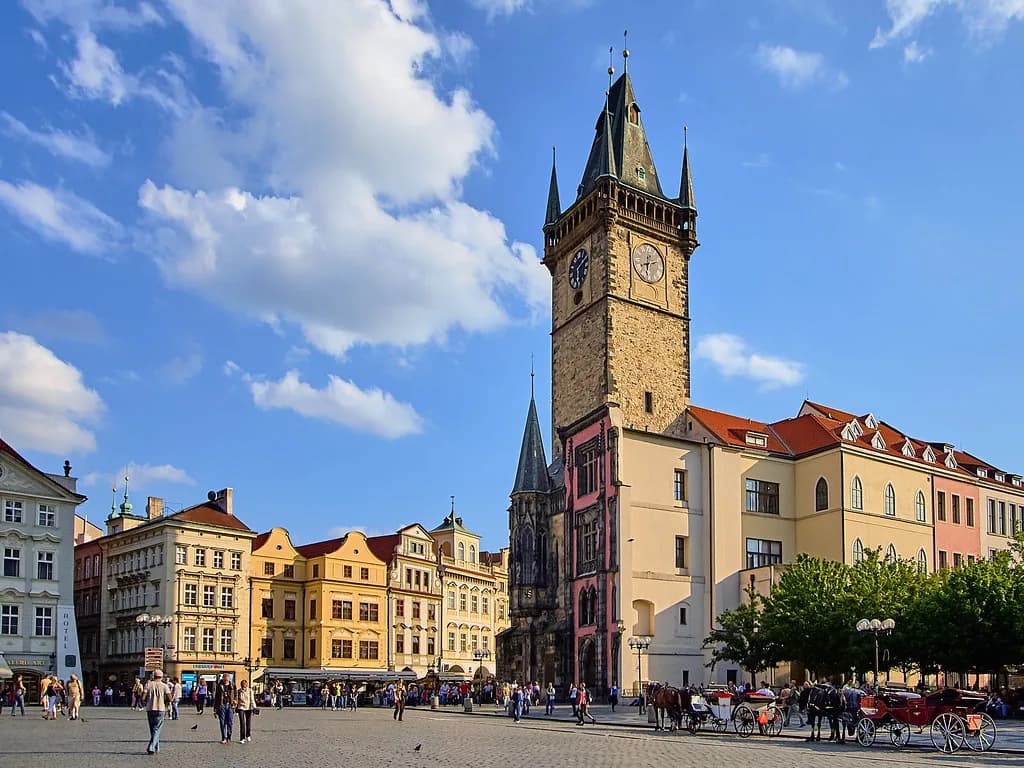
If you want one answer, take the second half of May, early June or any week in September. You get mild-to-warm days, long evenings and a country that has not yet filled to August levels, and you avoid the crush that settles on Prague's Old Town Square and Charles Bridge in high summer. Travelers who prioritize hiking should look at early June and September, when Krkonoše and Bohemian Switzerland trails are clear of snow and the heat is manageable.
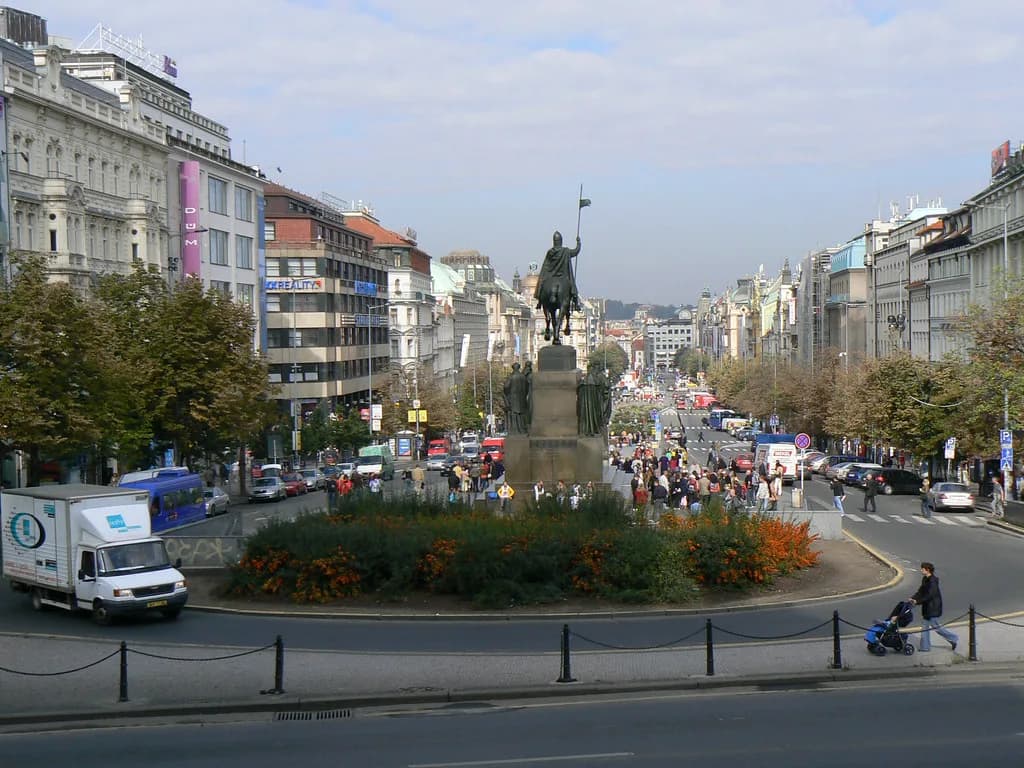
Prague absorbs the bulk of the country's visitors, so its peak feels sharper than anywhere else. Rick Steves notes that July and August offer the best weather and daylight past 21:00, with fewer tourists in Prague than in May, which is a useful counterpoint if your trip is city-focused and your tolerance for heat is high. If you are weighing Central Europe options, read is Slovenia worth visiting for a parallel shoulder-season comparison.
What Czech weather actually does across the year
The Czech Republic is landlocked Central Europe, so it has four distinct seasons rather than a single coastal climate. May and September typically bring comfortable daytime warmth and cool nights; July and August are the hottest months; December through February hover near or below freezing, especially in the mountains and inland valleys. Treat any figure you read online as typical conditions from climate normals, not a forecast for your dates.
For reliable monthly figures, use the Czech Hydrometeorological Institute's published climate normals rather than travel blogs, which rarely distinguish a normal from a single hot year. Pack for layers regardless of month, because Czech spring and autumn swing widely between a warm afternoon and a cold morning.
Spring (March–May): cheap, quiet, and unreliable skies
March and early April are the cheapest and quietest weeks of the usable year, but the weather is genuinely unpredictable: you can get a bright 15 °C (59 °F) afternoon followed by snow flurries. Castles and chateaux outside the main cities often run reduced opening schedules before the season starts, so build your itinerary around towns and cities rather than rural sights.
May is the month spring turns reliable. Fruit trees in South Moravia are in bloom, beer gardens reopen, and Prague is lively without August's shoulder-to-shoulder streets. If you have flexibility, aim for the last ten days of May.
Early summer (June): the sweet spot before Prague fills up
June is the strongest all-round month. Days are long, temperatures are usually pleasant rather than punishing, and the main season has started without reaching its peak. It is also the best window for combining a Prague city break with day trips to castles and spa towns, and for tackling the sandstone trails in Bohemian Paradise and Bohemian Switzerland before summer heat and weekend crowds arrive.
Book Prague accommodation well ahead if your dates fall in the second half of June, when domestic travelers start their own holidays and weekend prices climb.
High summer (July–August): warmest days, heaviest crowds, highest prices
July and August are when the Czech Republic feels most Mediterranean: long, warm days, outdoor festivals and beer gardens in full swing. They are also when Prague's headline sights are at their most congested and room rates hit their annual high. If you visit in these months, front-load sightseeing into early mornings and use the evenings for neighborhoods such as Vinohrady, Žižkov or Letná, where the crowds thin out.
This is also the riskiest period for afternoon thunderstorms in the mountains, which can close exposed ridge trails in Krkonoše for a few hours at short notice. Build a flexible day into any hiking itinerary.
Autumn (September–October): the editor's pick for cities and hiking
September is the best month in the country for most travelers: the summer crowds have thinned, prices ease, and the weather still behaves like late summer. October is cooler and wetter but rewards visitors with golden foliage in the Bohemian Paradise rock forests and a much calmer Prague.
For hikers, September is the single best window for Krkonoše and Sněžka, the country's highest peak, when the trails are dry and the cable cars are running. Carry a warm layer even on a sunny morning; the summits are considerably colder than the valleys.
Late autumn and winter (November–February): short days, low prices, snow in the mountains
November is the gloomiest month, with grey skies and daylight fading by late afternoon, but it is also the cheapest for city hotels. December brings festive atmosphere to Prague's squares, though it is cold and crowded in the center. January and February are quiet, inexpensive and best suited to museum-and-café city breaks rather than countryside touring.
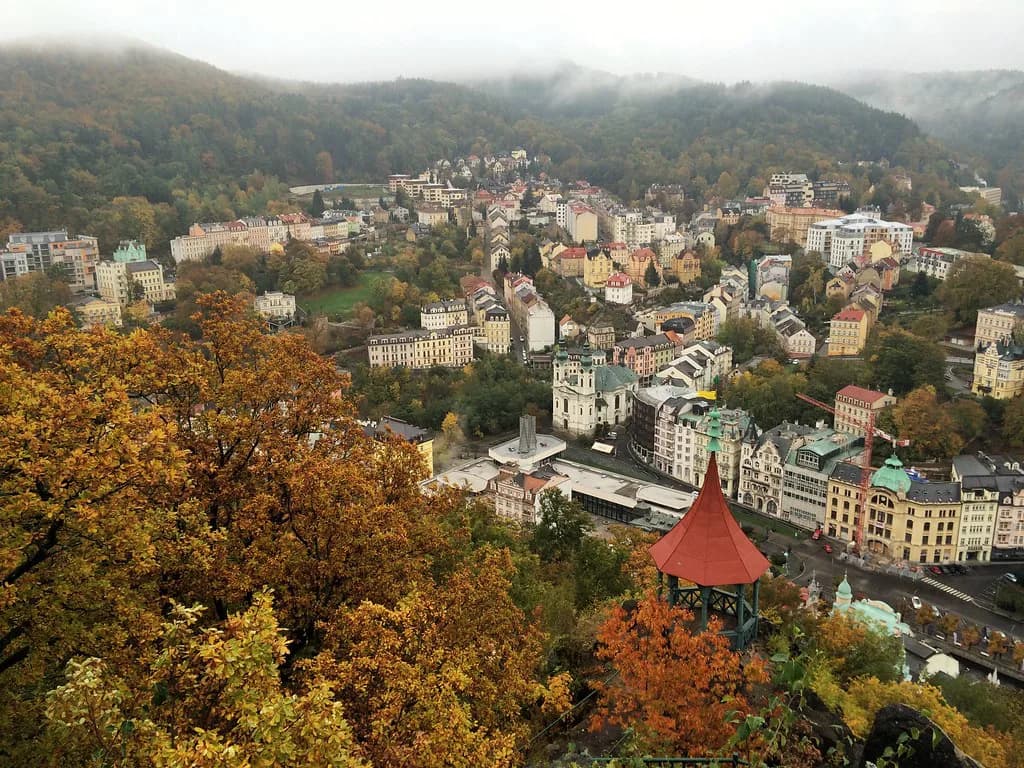
In the mountains, winter means real snow and a ski season centered on resorts such as Špindlerův Mlýn in Krkonoše. Outside the resorts, many hiking trails become unsafe or unmarked under snow, so plan winter trips around skiing, spa towns such as Karlovy Vary, or city stays instead.
Month-by-month table: typical highs, lows and what each month suits
Rather than repeat invented figures, use this as a planning guide: March to April for cheap city breaks; May for spring color and quiet castles; June and September for the best overall balance; July and August for warm weather if you can tolerate crowds; October for foliage and hiking; November to February for budget city trips, with December the busiest of the winter months.
For the specific numbers behind each month, cross-check the Czech Hydrometeorological Institute's climate normals for Prague and the mountain regions, since lowland and upland temperatures diverge sharply.
Best time for Prague specifically versus the rest of the country
Prague's best months are May, June and September, when the weather is pleasant and the center is busy without being unpleasant. If you want the city at its quietest, aim for late November or January, accepting cold and short days in exchange for space.
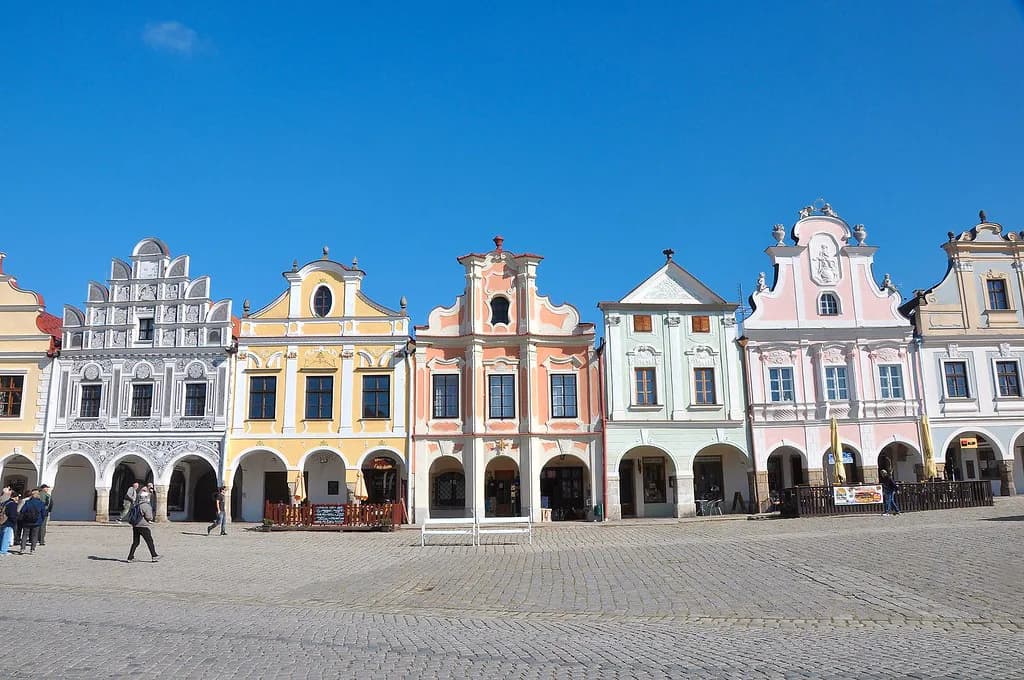
Outside Prague, the seasonal answer shifts. Spa towns and UNESCO towns such as Český Krumlov, Kutná Hora and Telč are best in May, June and September, when they are open and walkable without the August crush. Český Krumlov in particular becomes a day-trip bottleneck in high summer, so an overnight stay in the shoulder months is far more enjoyable.
Best time for castles, spa towns and UNESCO towns
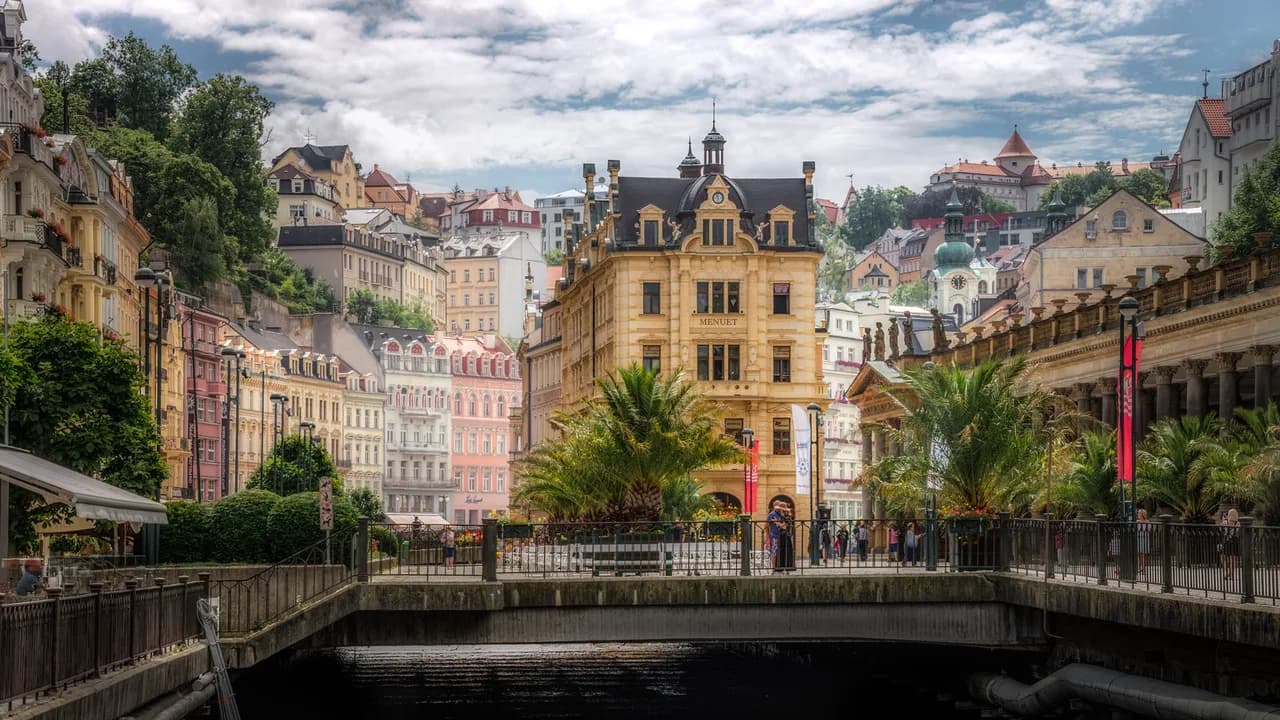
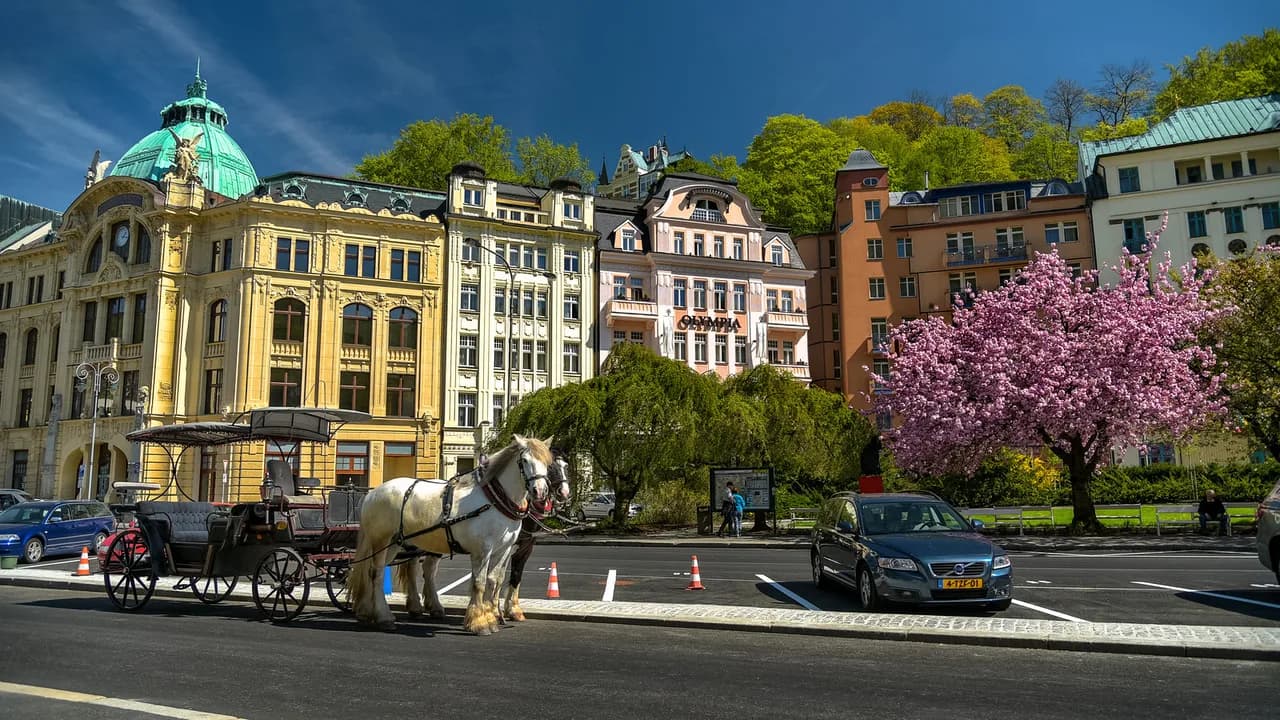
Castles and chateaux cluster their opening hours around the warm months, so late May through September is the safest window for a castle-focused circuit. Kutná Hora's bone church and silver-mining heritage, Karlovy Vary's colonnade and hot springs, and Telč's Renaissance square all work best in spring and early autumn, when you can walk them without heat or crowds.
If your trip is built around a specific castle interior, confirm its opening calendar before booking, because many smaller sites run weekend-only or guided-tour-only schedules outside the main season.
Best time for hiking and mountains
For Krkonoše National Park and Sněžka, June and September are the best months: trails are clear, daylight is long and the weather is usually stable. Bohemian Switzerland, with the Pravčická Gate arch and the Kamenice gorge boat, is at its best in late spring and early autumn, when the sandstone paths are not crowded.
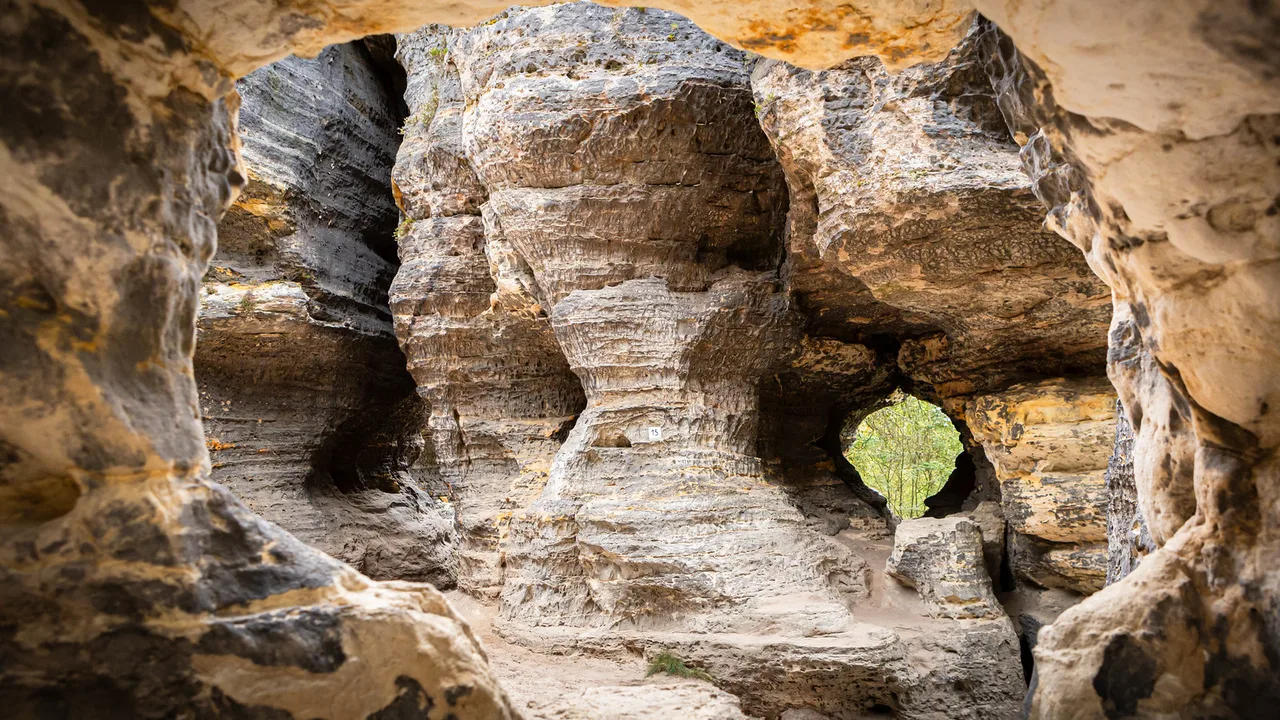
Bohemian Paradise, the sandstone rock region around Hruboskalsko, is excellent in May and October: cool enough to walk the rock labyrinths comfortably, with color in the forests on either side of summer. Winter hiking in any of these areas requires proper gear and local advice, since snow and ice change the difficulty of marked routes.
Best time for beer, food and city breaks on a budget
Budget-conscious travelers should aim for March, November or early December, when Prague hotel rates drop and restaurants are easy to walk into. The Czech Republic remains good value compared with Western Europe, and card payments are widely accepted across the country, so you do not need to carry large amounts of cash.
For a beer-focused trip, spring and autumn work better than high summer: brewery tours in Plzeň and České Budějovice are easier to book, and pub culture is at its most local when the tourist season is not at full pitch.
If your key question is how far your money goes, our guide to how expensive the Czech Republic is walks through daily costs in koruna.
Drawbacks to plan around: crowds, day-trippers and daylight
The biggest seasonal drawback is not weather but volume: July and August bring dense crowds to Prague's Old Town and to Český Krumlov, and day-trippers peak in the middle of the day. Short winter daylight is the second: in December, useful sightseeing hours are limited, so plan indoor sights for the afternoon and outdoor walks for mid-morning.
The Czech Republic uses the koruna, not the euro, so budget in CZK and watch exchange rates; avoid street exchange offices with headline rates that look too good, as Lonely Planet cautions.
How many days you need and how season changes the answer
Three to four days covers Prague well; a week lets you add Kutná Hora, Český Krumlov or Karlovy Vary; ten days to two weeks opens up Moravia, the mountains and a slower pace. In winter, shorter daylight effectively cuts a day's sightseeing in half, so add a day to any itinerary you plan for November through February.
Trains link the main cities efficiently, which makes a car-free multi-city trip realistic in any season.
Who should pick a different month, and who should pick a different country
If you want guaranteed heat and beach time, the Czech Republic is the wrong country in any month. If you want Prague without crowds, avoid July and August; if you want mountains without snow, avoid December through March. Choose the Czech Republic for cities, castles, beer and hiking, and pick your month around which of those matters most.
First-time visitors who want the classic Prague experience should target May, June or September and accept that the center will be busy. Those with flexibility should build the trip around the shoulder seasons rather than the school-holiday peak.
Plan Your Trip
For most travelers, late May to mid-June and September are the best times to visit the Czech Republic, balancing good weather, manageable crowds and reasonable prices. July and August suit heat-lovers who can handle the busiest streets, while winter rewards budget travelers willing to accept short days and cold.
Match your month to your trip type rather than the calendar average, and you will get far more out of the country than a Prague-only visit ever delivers.
Explore more Czech Republic trip-decision guides
Frequently Asked Questions
What is the best month to visit the Czech Republic?
June and September are the strongest all-round months, with pleasant temperatures, long days and lower crowds than July and August. May is also excellent if you want spring color and quieter castles.
Is May or September better for Prague?
Both are good, but May is cooler and greener while September is warmer and drier on average. September usually feels less crowded because the summer school holidays are over.
How hot does the Czech Republic get in July and August?
July and August are the warmest months, with typical daytime temperatures often in the mid-20s Celsius and occasional hotter spells. Treat any figure as a normal, not a forecast, and check the Czech Hydrometeorological Institute for current climate normals.
Is the Czech Republic worth visiting in winter?
Yes, if you want cheap city breaks and a festive December atmosphere in Prague. Expect short daylight, cold temperatures and snow in the mountains, and plan indoor sights for the afternoons.
What is the cheapest month to visit the Czech Republic?
November and January are typically the cheapest for city hotels, followed by March. Prices rise sharply in July and August and around the December holidays.
When should I go to the Czech Republic for hiking in Krkonoše?
June and September are the best months for Krkonoše, with clear trails and reliable mountain transport. Winter hiking requires proper gear and local advice because snow and ice change route difficulty.
How many days do you need in the Czech Republic?
Allow three to four days for Prague, a week to add castles and spa towns, and two weeks to include Moravia and the mountains. Short winter daylight means adding a day to any itinerary between November and February.
Is the Czech Republic expensive to visit?
It is generally good value compared with Western Europe, especially outside Prague and in the shoulder seasons. The country uses the koruna rather than the euro, and card payments are widely accepted.
Sources
Trip-decision notes
Optional updates when we publish or revise a destination verdict.
You might also like

Continue reading
More guides you'll find useful