Is the Czech Republic Expensive? A Trip-Cost Verdict
The Czech Republic costs less than Austria or Germany but more than it used to. See how Prague and the regions compare, and which budget tier fits you.
On this page
No, the Czech Republic is not an expensive country by Western European standards, but it is no longer the bargain it was in the 2000s. Compared with Austria, Switzerland and southern Germany it remains noticeably cheaper, while Prague has climbed to the point where it now reads as a mid-priced European capital rather than a budget one. The honest answer is that your trip cost depends far more on whether you base yourself in Prague or outside it than on the country as a whole.
Treat the country as two price levels. Prague carries a tourist-core premium on meals, drinks and anything within sight of the old town, while Brno, Olomouc, Ostrava, Plzeň and České Budějovice run meaningfully cheaper for the same standard of food and lodging. If your decision hinges on value rather than sightseeing, that split is the single most useful fact you can plan around. It also answers the bigger question of whether the Czech Republic is worth visiting at all for your kind of trip.
The Verdict
The Czech Republic is a mid-priced Central European destination with one expensive pocket called Prague. Budget travelers who stay outside the capital and eat where locals eat will find it comfortable; mid-range couples will find it reasonable; comfort travelers paying Prague boutique rates will find it closer to Germany than they expected. Anyone chasing the rock-bottom prices of the 1990s should look at Poland or Romania instead.
The comparison that matters most is regional. The Czech Republic is cheaper than Austria, Switzerland and southern Germany for meals, rooms and daily spending, and that gap is the main reason to choose it over Vienna or Bavaria for a similar itinerary. Against Poland and Romania it loses on price but wins on density of sights, which is the trade-off most travelers are actually weighing. If you are also comparing nearby neighbours, our verdict on whether Slovenia is worth visiting covers the same cost-versus-value question.
Who This Price Level Suits
This price level suits travelers who want a full Central European city break with castles, beer culture and reliable transport without Alpine pricing. It suits backpackers who accept dorm beds and supermarket lunches, and mid-range couples who want a nice dinner and a decent hotel without flinching at the bill. It also suits families priced out of Austria who still want museums, zoos and short train hops.
Choose somewhere else if your trip is defined by the cheapest possible day. Poland and Romania deliver lower day-to-day costs for comparable city experiences, and the Balkans undercut the Czech Republic on food and lodging almost everywhere except the coast in August. If your priority is Alpine scenery at Alpine prices with the service level that implies, Austria is the more coherent choice.
Budget, Mid-Range and Comfort: What Each Tier Buys
Budget tier means hostel dorms or simple guesthouse rooms outside Prague, supermarket and bakery lunches, stand-and-eat street food, and trains and buses booked in advance rather than flexibly. You still see the main sights because Czech entry fees are modest by Western European standards, but you spend deliberately and skip the guided versions.
Mid-range means a three-star hotel or a well-located apartment, a sit-down lunch and dinner most days, a couple of paid attractions daily and a day trip by train. This is the tier where the Czech Republic feels like good value, particularly in Brno or Olomouc, where the same money buys noticeably more than in central Prague. Comfort tier means four-star Prague hotels, tasting menus and private transfers, and at that point the country stops looking cheap and starts looking like any Western European capital.
For a benchmark on the residential side, Wise puts the average monthly living cost for a single person in the Czech Republic at about $2,216 in Australian dollars as of 2026, with Prague highest among Czech cities at roughly $3,101 and Olomouc around $2,216. Read those as resident costs including rent, not as what a visitor spends in a week. The direction is what matters: Prague is the outlier, and the regional cities sit a clear step below it.
Where the Money Goes
Food and drink absorb the most visible share of a Czech day. Beer is still cheap by international standards and is often the least inflated item on a menu, while coffee, wine and anything sold on a main square carries a premium. Restaurant lunches are the reliable value meal; dinner in the tourist core of Prague is where budgets stretch without a corresponding jump in quality.
Local transport is inexpensive relative to Western Europe, and trams and metro tickets are sold by time rather than distance, so a short hop costs the same as a longer one. Intercity trains and buses are the better deal, and booking ahead on the national rail operator's site usually beats turning up. Sights are moderately priced, with the big exceptions being the headline Prague attractions that charge capital-city rates.
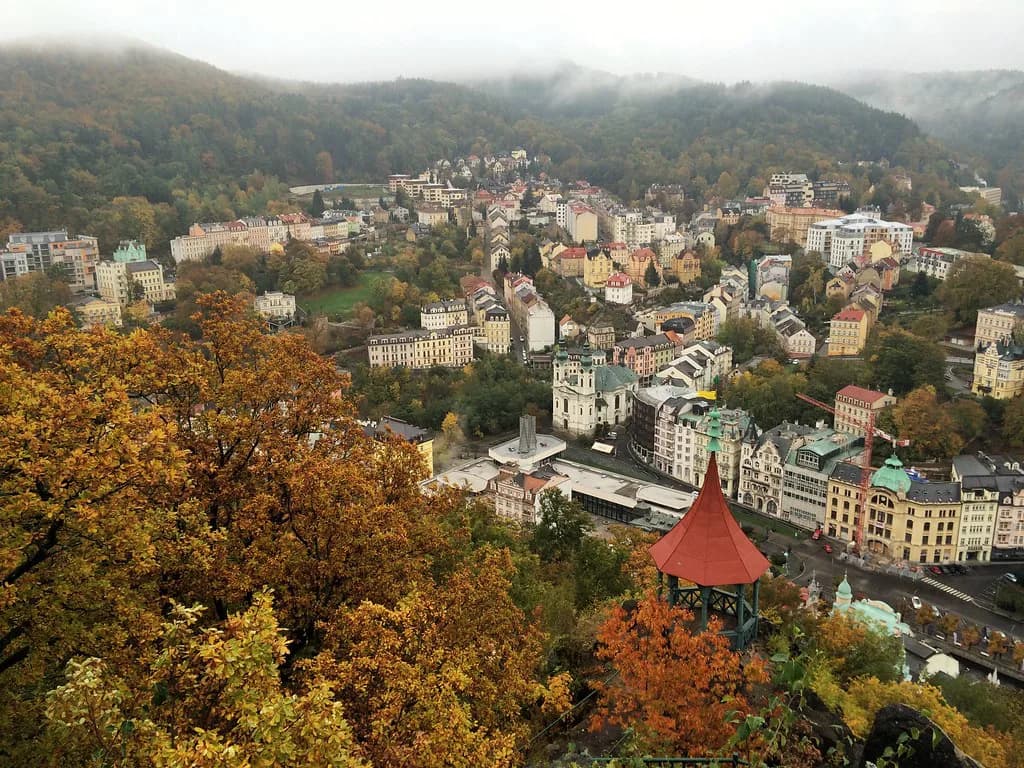
Day trips are the cheapest way to upgrade a trip. Karlovy Vary, Kutná Hora and Český Krumlov are all reachable without a car, and the wine towns of Valtice and Lednice in South Moravia make a low-cost alternative to a city day. Each replaces a costly Prague afternoon with a train fare and a walk, which is why they show up in budget guidance for the country again and again.
Prague Versus Everywhere Else
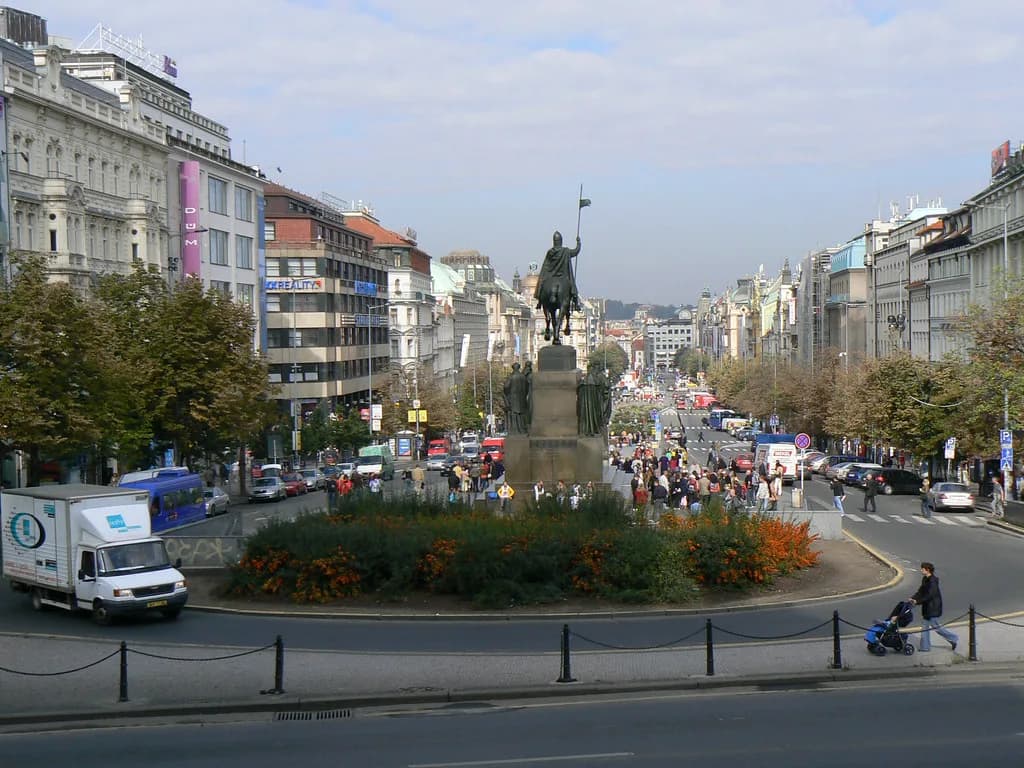
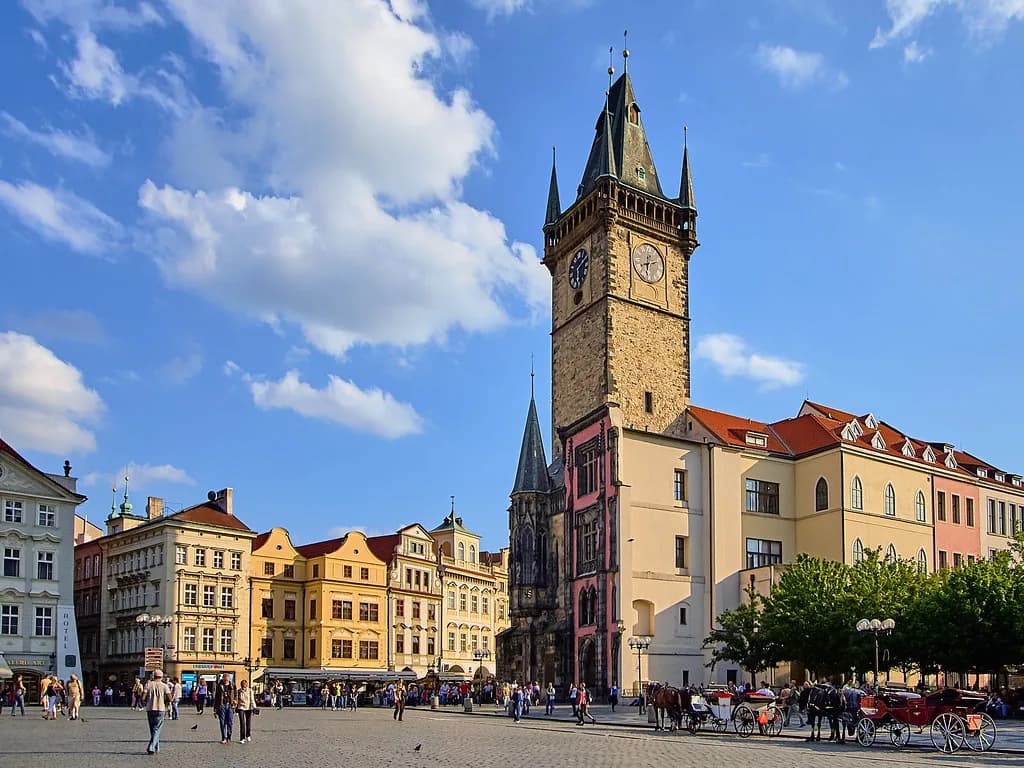
Prague is the most expensive city in the country and the only one that regularly draws the word expensive from visitors. Its hotels, restaurants and tours are priced for an international capital, and the concentration of tourists in the old town means you pay for proximity rather than quality. Even so, Prague's higher prices remain below those of Vienna, Munich or Zurich for equivalent experiences.
Brno, the second city, is cheaper across the board and has its own Gothic core, café culture and a functioning student population that keeps prices honest. Plzeň pairs the Budweiser Budvar brewery with a compact, walkable center where dinner costs less than in Prague, and České Budějovice does the same for the original Budweiser lagers. Olomouc and Ostrava are the deepest value of the larger cities, with Olomouc's baroque center and holy trinity column giving it more sightseeing weight than its prices suggest.
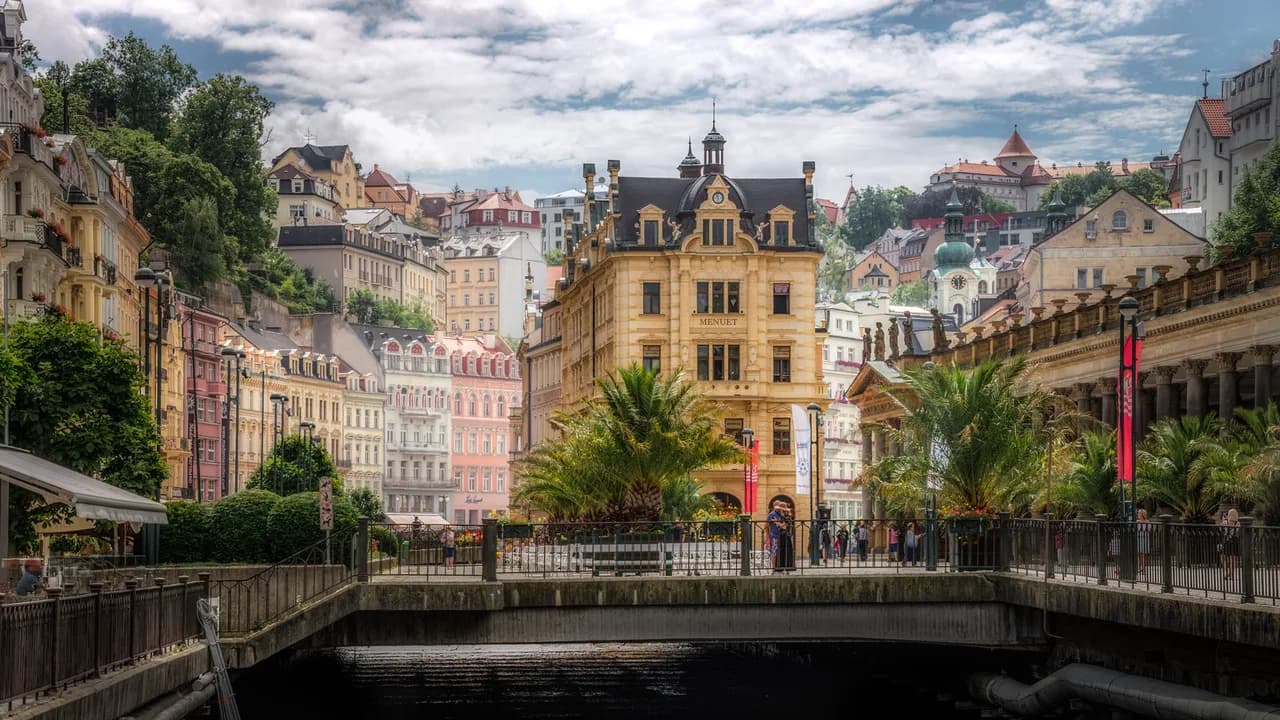
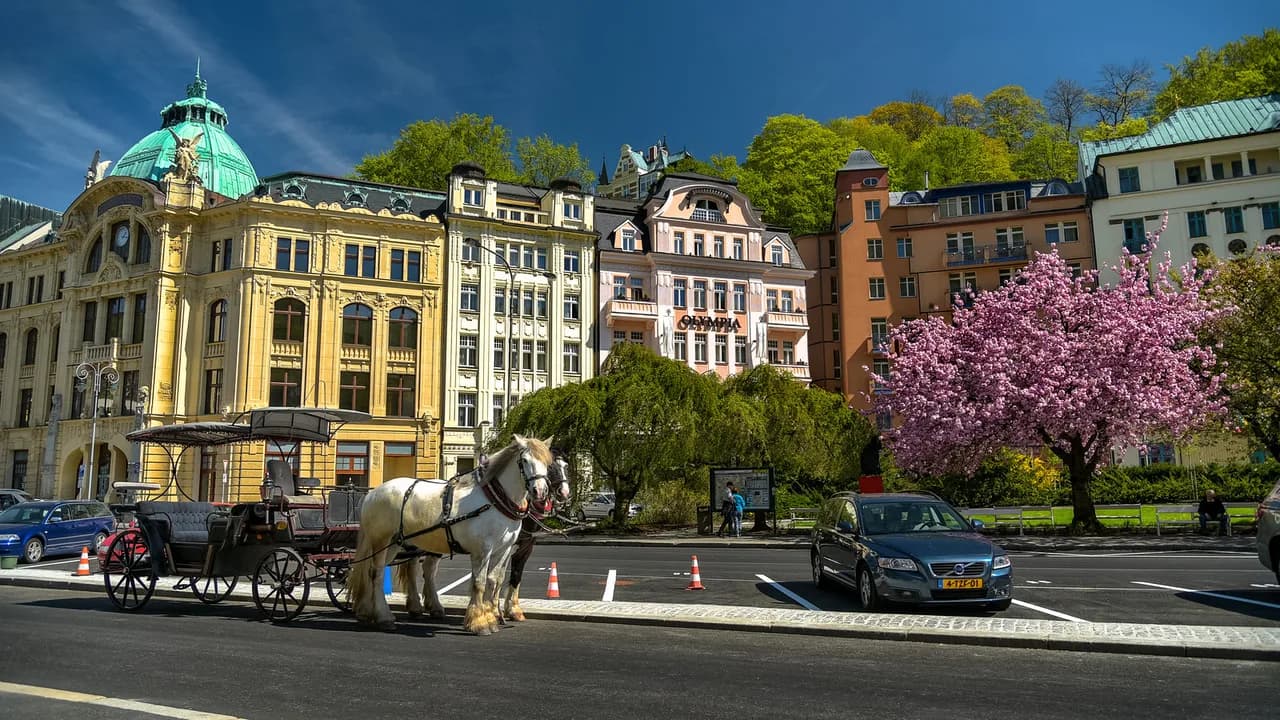
Smaller destinations change the arithmetic further. Karlovy Vary is a spa town with a grand colonnade and hot springs that costs less per day than Prague despite its polished appearance, and the South Moravian wine villages trade city prices for cellar-door tastings. If you want the best places to visit in Czech Republic without paying capital rates, the answer is consistently outside Prague.
The Currency Trap
The Czech Republic uses the koruna, not the euro, so the first spending decision of the trip is how you pay. Card terminals frequently offer to charge you in your home currency at the point of sale; that convenience comes with a conversion margin baked into the rate, and declining it and paying in koruna is almost always cheaper. Choose the koruna option when the terminal asks.
Cash still works in markets, small pubs and rural stops, but you need far less of it than a decade ago. Withdraw from a bank ATM rather than a standalone currency kiosk in the tourist center, and avoid dynamic currency conversion at ATMs for the same reason as at the card terminal. The practical rule is simple: always transact in koruna and let your bank do the conversion.
Tipping is the other small line item people underestimate. It is customary to round up or leave roughly ten percent at a sit-down restaurant, but it is rarely added automatically outside tourist-heavy places, so check the bill before adding. Service charges in the old town of Prague are more common than elsewhere in the country.
Costs by Traveler Type
A solo budget traveler does best outside Prague, where hostel and guesthouse rates fall and cheap lunches are easy to find. The main variable is transport: a rail pass only pays off if you move between cities frequently, so a one-base trip in Brno or Olomouc keeps both accommodation and travel costs down. Solo mid-range travelers pay a premium on single rooms, which is the one category where the Czech Republic can feel less generous than expected.
Couples get the best ratio of cost to experience, because a double room costs barely more than a single and shared meals and taxis divide in two. Two people based in Prague for part of the trip and Brno or Olomouc for the rest see both price levels without doubling their travel costs. Families face the sharpest jump: child tickets and family passes help on trains and at sights, but four restaurant meals a day adds up fast, and self-catering apartments in regional cities are the practical lever.
Drawbacks
Prices have risen, and the country's reputation as a budget paradise lags behind reality. The gap with Austria and Germany is still real but narrower than it was, and anyone planning on 1990s numbers will be caught out. Tourist-core pricing in Prague is the single biggest distortion: the same beer and the same goulash cost noticeably more within a few minutes' walk of the astronomical clock.
There is also a seasonal effect on value. Peak summer and the Christmas period push Prague hotel rates up sharply and make the cheap tier harder to find, while the shoulder months give you the same city at lower rates with fewer crowds. Winter outside the festive weeks is the cheapest time to be in the cities, though shorter daylight hours limit what you can fit into a day. If your dates are flexible, aim for spring or early autumn.

How to Keep a Czech Trip Affordable
Base yourself outside Prague for most nights and visit the capital as a day trip or a short final stop. Brno, Olomouc and Plzeň all have enough to fill two or three days each, and intercity trains are frequent enough that you are not sacrificing convenience for savings. This one decision does more for a budget than any other single choice.
Eat your main meal at lunch, when restaurants charge less for the same kitchen, and buy breakfast and picnic supplies from supermarkets and bakeries. Drink the local beer and the local wine rather than imported brands, and use the tram network instead of taxis. None of this feels like sacrifice in a country where the everyday food culture is built around exactly those habits.
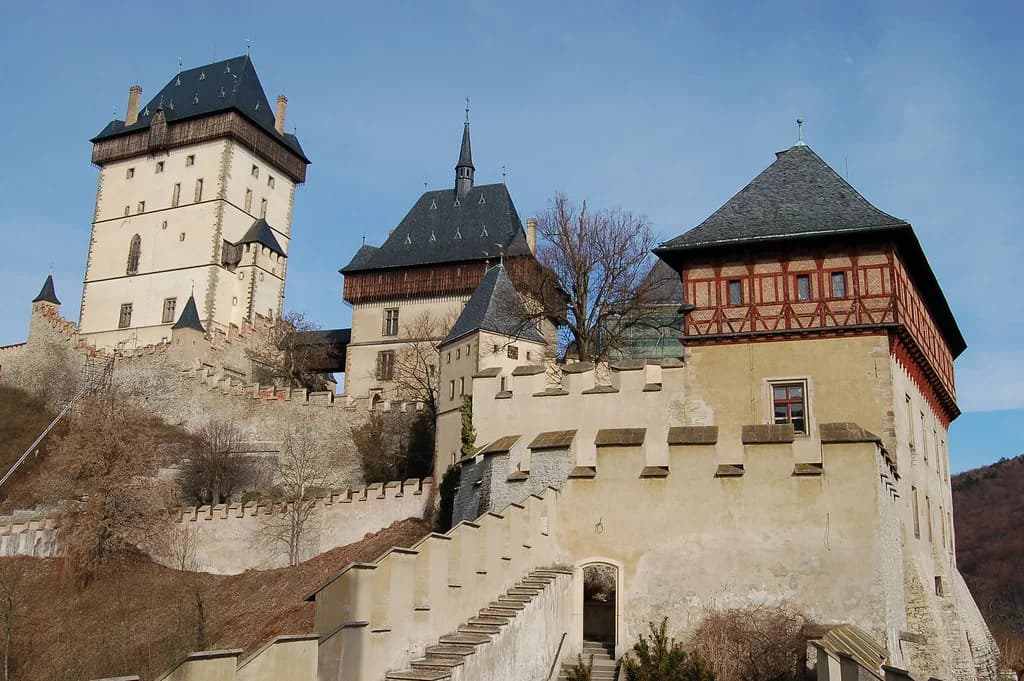
Be selective with paid attractions. Pick the two or three you genuinely care about, such as Prague Zoo or a castle interior, and spend the rest of your time on free walks, viewpoints and markets. If you plan to range beyond the cities, renting a car in Czech Republic can undercut per-person train fares for groups of three or more, though parking in Prague works against the savings.
Travel light on electronics but bring the right adapter, since Czech sockets are not the same as US or UK ones. Buying one at the airport costs more than ordering ahead, which is a small but avoidable first-day expense.
Is the Czech Republic Expensive? The Bottom Line
The Czech Republic is moderately priced for Central Europe: cheaper than Austria, Germany and Switzerland, more expensive than Poland, Romania and most of the Balkans, and no longer the giveaway it once was. Prague is the expensive pocket and the regional cities are where the value sits, so your itinerary matters more than your budget tier. Plan around the koruna, eat your big meal at midday and spend your nights outside the capital, and the arithmetic works in your favor.
Plan Your Visit
Decide first whether Prague is the point of the trip or just the arrival airport. If it is the point, budget for capital-city prices and treat the rest of the country as your value layer; if it is not, skip straight to Brno, Olomouc or Plzeň and use the savings on day trips. Either way, pay in koruna, book trains ahead and keep one flexible day for a spa town or a wine village.
For the wider picture on whether the country fits your travel style, the best time to go and how long to stay, the country-level verdict is the place to start before you commit to dates. Costs are only one input in that decision, and the Czech Republic's real argument is density of sights per day rather than rock-bottom prices.
Explore more Czech Republic trip-decision guides
Frequently Asked Questions
Is the Czech Republic expensive compared with Germany and Austria?
No. The Czech Republic is cheaper than Germany, Austria and Switzerland for meals, accommodation and daily spending, though the gap is narrower than it was a decade ago. Prague narrows it further, so the savings are largest in regional cities such as Brno, Olomouc and Plzeň.
Is Prague more expensive than the rest of the Czech Republic?
Yes. Prague is the most expensive city in the country and the only one that regularly draws complaints about prices. Hotels, restaurants and tours in the tourist core carry a premium, while regional cities offer the same standard of food and lodging for less.
Should I pay in Czech koruna or euros?
Pay in koruna. The Czech Republic uses the koruna, and card terminals that offer to charge you in your home currency apply a conversion margin. Decline that option and let your bank convert, and use a bank ATM rather than a currency kiosk in the tourist center.
Is the Czech Republic a good budget destination for US travelers?
It works well for budget travelers who base themselves outside Prague and eat where locals eat, with modest sight entry fees and inexpensive local transport. Prague raises the floor, especially in peak season, so a split itinerary keeps costs closer to the budget tier.
How much does a day in the Czech Republic cost?
There is no single figure, because Prague and the regional cities run at different price levels. Budget travelers keep days cheap with hostel beds, supermarket lunches and advance-booked trains, while comfort travelers in central Prague pay Western European capital rates. Set your tier by city first, then by choices.
How many days do you need in the Czech Republic?
Four to five days covers Prague well, and a week to ten days lets you add Brno, Olomouc or Plzeň plus a day trip to a spa town or a Moravian wine village. Longer stays lower your average daily cost because the expensive first and last days are spread across more of the trip.
Where does the money go on a Czech trip?
Food and drink, accommodation and paid sights take most of it, with local transport a modest line item. The biggest avoidable costs are tourist-core restaurant prices in Prague and dynamic currency conversion at card terminals and ATMs.
Sources
Trip-decision notes
Optional updates when we publish or revise a destination verdict.
You might also like

Continue reading
More guides you'll find useful