Best Places to Visit in Czech Republic: Where to Go
The best places to visit in the Czech Republic, ranked by what each is actually good for: Prague, Český Krumlov, Bohemian Switzerland, Krkonoše, Brno and more.
On this page
The best places to visit in the Czech Republic are the ones that match how you travel, not a fixed top ten. Prague earns two or three days for its castle, bridge and lanes, but the country's real payoff is elsewhere: medieval towns like Český Krumlov and Kutná Hora, sandstone parks at Bohemian Switzerland and Bohemian Paradise, and the Krkonoše ridge with Sněžka at 1,602 m.
This is a small country of about 10.6 million people, which is why the hops between highlights run two to four hours by rail or bus rather than a full day. That compactness is the argument for building a route instead of base-camping in the capital.
The verdict
Come for a week and split it: three nights in Prague, then two or three places out in the regions. Anyone who spends a week inside Prague's ring road has seen the postcard and missed the country.
The trade-off is logistics. Rail and bus work well between the big names, but the sandstone parks and mountain trailheads need a car, a tour, or patience with seasonal connections. Decide early whether you are a rail traveler or a driver, because that decision shapes the whole list.
How to read this list
Each entry below states what the place is best for and how many days it needs, so you can slot it into a route rather than collecting names. First-timers should take Prague plus one showpiece town; hikers should take Bohemian Switzerland or Krkonoše; castle-chasers get Kutná Hora, Karlštejn and the rock castles of Bohemian Paradise.
Families do well in Liberec, where the Ještěd cable car and in-town climbing area break up the sightseeing, and in the Krkonoše resorts. If you only have a long weekend, take Prague and one day trip and skip the rest without regret.
Prague: the unavoidable first stop
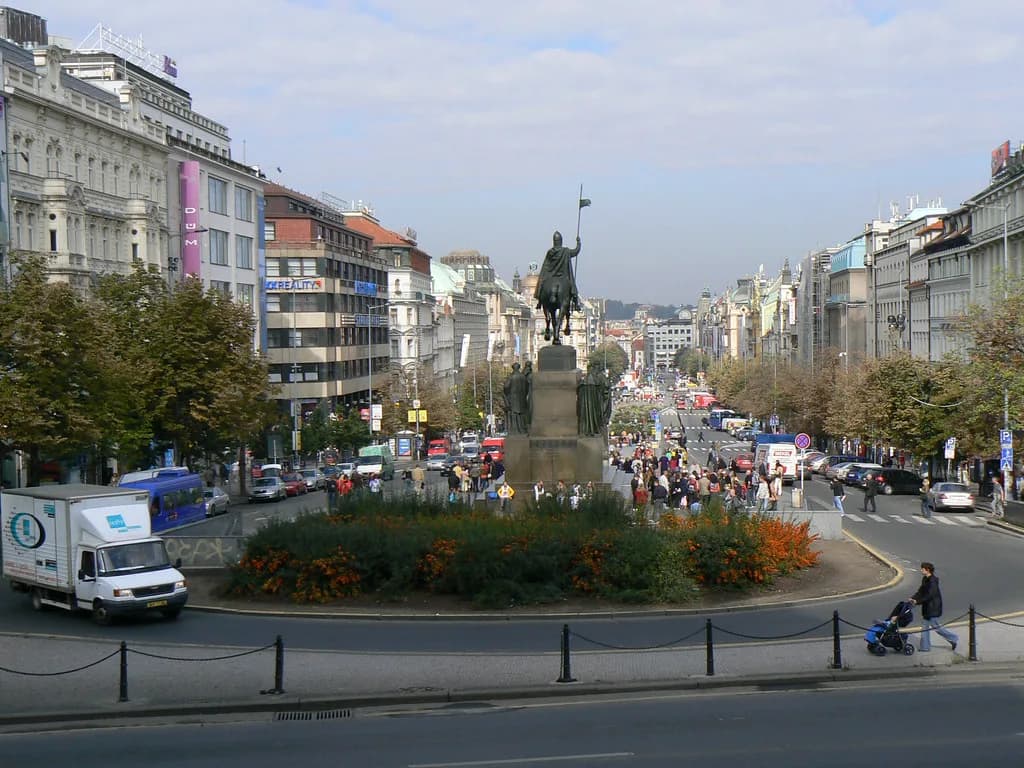
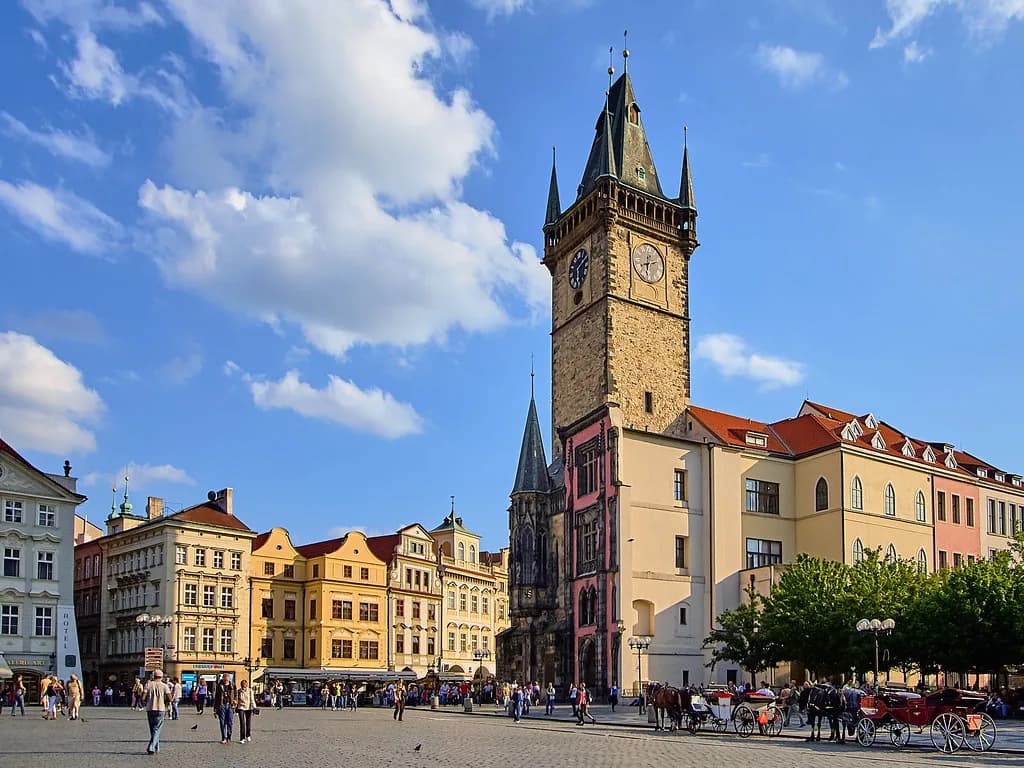
Prague is where most trips begin, and its headline circuit — Prague Castle, Charles Bridge, the Astronomical Clock on Old Town Square — justifies a full day. The city is also openly touristy, so treat the center as a sightseeing zone rather than a place to linger over lunch.
The better move is to sleep and eat in the residential quarters: Vinohrady, Žižkov, Letná and Holešovice, all reachable on the metro and tram network. Viewpoints at Petřín and the Hanavský Pavilion give you the skyline without the crush at street level.
Give Prague two to three days unless you are using it as a base for day trips. Note that the metro does not run all the way to the airport, so the final leg is bus or taxi; validate your transit ticket before boarding or you risk a fine.
Český Krumlov: the South Bohemian showpiece
Český Krumlov is the country's most photogenic small town, a bend of the Vltava wrapped around a castle and a maze of lanes. It is also the place most exposed to day-tripper crowds, which concentrate in the middle of the day and thin sharply in the evening.
The honest trade-off: come as a day trip and you get the crush without the atmosphere; stay overnight and the town is yours after the coaches leave. One night is enough for most travelers, two if you want to walk the surrounding countryside.
Kutná Hora and Sedlec: silver and bone
Kutná Hora was a silver-mining town that helped fund the kingdom, and its cathedral and old mint give it more substance than its size suggests. The Sedlec ossuary, decorated with human bone, is the reason most people come, and it is short, strange and crowded in equal measure.
It works best as a day trip from Prague, since the two are close enough by train to leave in the morning and be back for dinner. Go early in the day if the ossuary is the priority.
Karlovy Vary: colonnades and hot springs
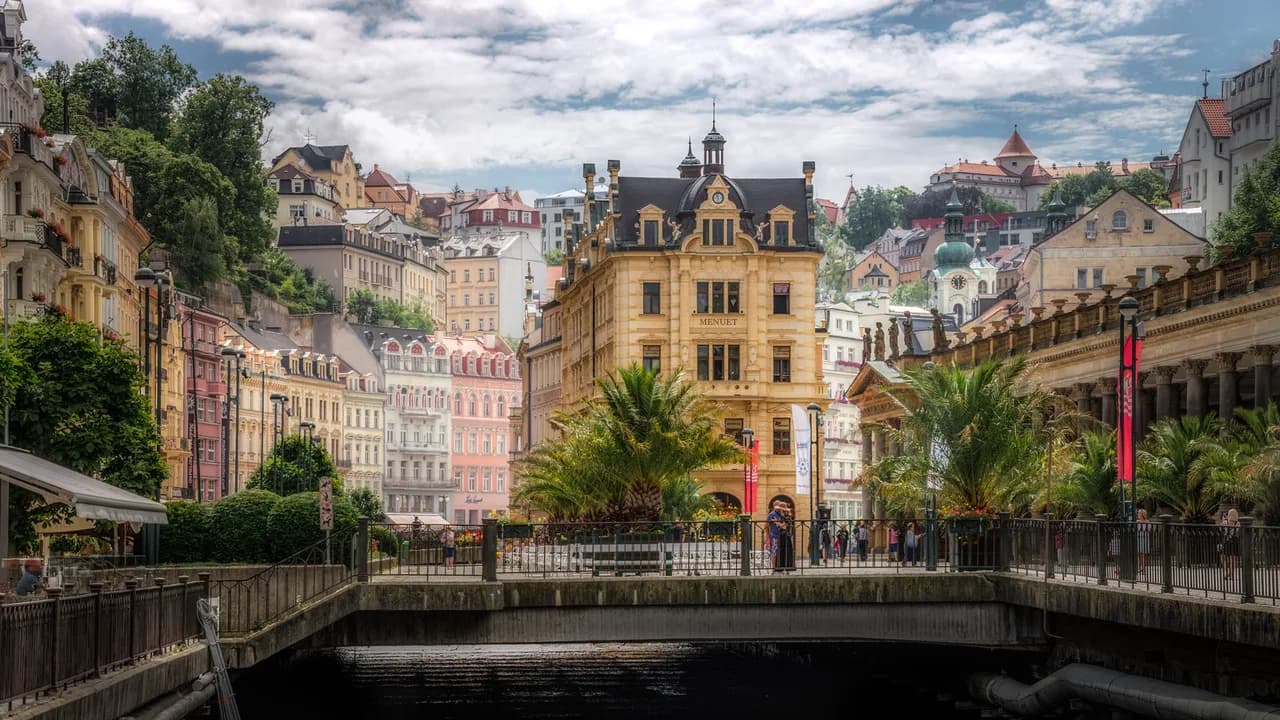
Karlovy Vary is the west Bohemian spa town of colonnades, hot springs and grand hotels, built for strolling with a porcelain cup in hand. It is a slower, more formal place than the rest of this list, which is exactly why it suits travelers who want a spa stop between Prague and Germany.
Half a day covers the colonnade circuit; a full day lets you add the funicular and the hillside views. It is also one of the country's international airports, which matters if you are flying into the west rather than the capital.
Plzeň: the birthplace of golden lager
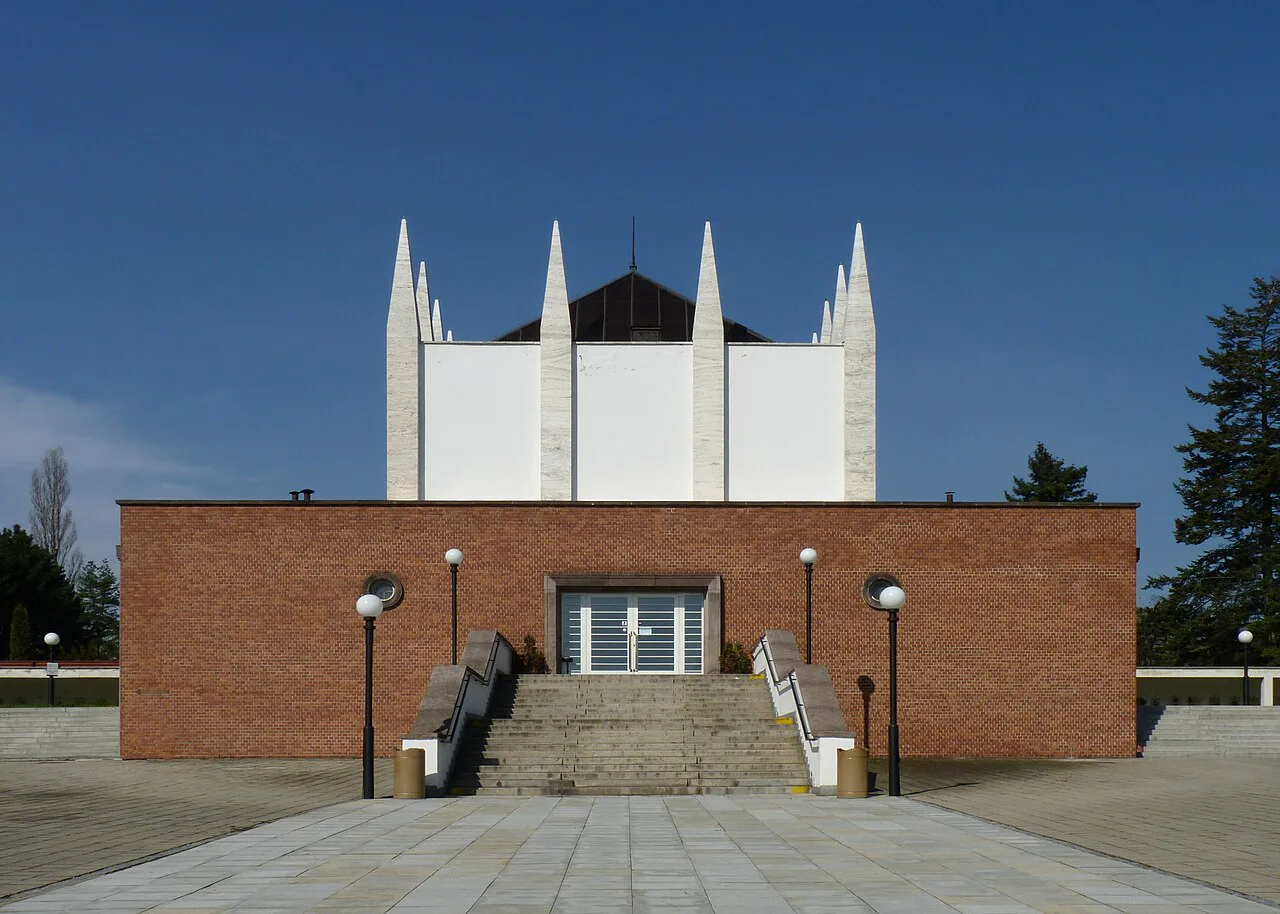
Plzeň is where the golden lager style began in 1842, and the Pilsner Urquell brewery is the reason to give the city a day rather than pass through. The town center itself has a large square, a cathedral and enough cafes for an afternoon.
Beer is the country's national drink and cheaper here than abroad, but that does not make every bar a bargain — Old Town Square terraces in Prague charge a premium for the view. Drink where locals drink and the price level drops fast.
Bohemian Switzerland National Park: sandstone and gorges
Bohemian Switzerland, on the northern border with Germany, is the country's best single day of walking: the Pravčická Gate sandstone arch, the Kamenice gorge boat ride and the Tisá rock towers. The arch is the largest sandstone arch in Europe, and the gorge trip is short but memorable.
Logistics from Prague are the catch. Public transport reaches the gateway towns, but trailheads and viewpoints are spread out, so many travelers take a guided day tour or rent a car for the day. Either way, plan a full day rather than an afternoon.
Bohemian Paradise (Český ráj): rock castles and sandstone towers
Bohemian Paradise, or Český ráj, is a sandstone geopark of pine forest, towers and two rock castles worth the climb: Vranov, reached by steep stairways and narrow passages, and Valdštejn. Hruboskalsko's towers are the classic view, and the marked trails between them are easy to follow.
This is the alternative to Bohemian Switzerland for travelers who want castles with their walking and fewer coach groups. Autumn works particularly well here, when the trails empty out and the sandstone looks its best.
Krkonoše and Špindlerův Mlýn: the high country
Krkonoše National Park holds Sněžka, the country's highest peak at 1,602 m, and the resort town of Špindlerův Mlýn sits roughly two hours from Prague. It is a ski destination in winter, but the cable cars, ridge walks and mountain lodges keep it busy in summer and fall too.
Expect services to thin outside the main season, when some mountain facilities reduce hours. Build in a buffer day if the ridge is the reason for your trip, and check the lift schedule before committing.
Brno and Moravia: the second city
Brno is the country's second city, a lively university town that works as a base for the Moravian Karst cave systems and the surrounding wine country. It gets a fraction of Prague's visitors and has a food and cafe scene to match.
South Moravia, with its vineyard villages and rolling hills, is the warmest corner of the country and a good add-on for a second week. Brno's main station is also a rail hub, which makes it an easy link between Prague and Vienna.
Liberec and Ještěd: the north under its tower
Liberec sits below Ještěd mountain, whose summit tower combines a TV mast, restaurant and hotel in one landmark. A cable car runs up, and the old town square with its city hall is a pleasant hour before or after.
What sets Liberec apart is the via ferrata and climbing area in the middle of town, built by local climbers on a former dump site. It is unusual enough to justify a night here rather than a day trip, and it suits active families.
Honorable mentions: Olomouc, Ostrava, České Budějovice and Holašovice
With a second week, add Olomouc for its baroque column and quiet squares, Ostrava for its industrial heritage, and České Budějovice as the Budvar brewery town and gateway to the south. Holašovice, a preserved village of farmhouses, is a short hop from the latter.
These are not filler, but they reward travelers who have already seen the headline towns and want a slower pace. Pick one or two rather than trying to chain all four.
How to string them together
Rail and bus are the backbone, and the deciding factor is journey time rather than distance. Prague to Kutná Hora and Prague to Plzeň are comfortable rail hops; Český Krumlov and the mountain areas are less convenient without a car.
A sensible ten-day route runs Prague, Kutná Hora, Český Krumlov, Brno and back, or Prague, Plzeň, Karlovy Vary and the north. A car buys you the sandstone parks and Krkonoše but costs you the ease of station-to-station travel.
Typical costs
The Czech Republic uses its own currency, the Czech crown, despite EU membership, so budget in koruna rather than euros. Cards are accepted almost everywhere, including restaurants, hotels and parking machines, which makes cash a backup rather than a necessity.
Prague still offers good value for a European capital, but only outside the tourist core: eat and sleep in the residential quarters and the price level drops noticeably. Exchange-rate traps near the main squares are a real risk, so avoid the offices advertising rates that look too good.
For a fuller picture of what a mid-range trip costs, the trip-cost verdict breaks it down by category. Budget more for Prague in peak season and less for the regional towns.
Drawbacks to plan around
Prague 1 is genuinely crowded in high season, and the Old Town circuit can feel like a queue. The fix is timing and geography: see the sights early, then retreat to Vinohrady, Žižkov, Letná or Holešovice for the rest of the day.
Outside tourist zones, English thins out, so a translation app and a few Czech words — dobrý den for hello, děkuji for thank you — go a long way. Mountain services also thin outside the main season, which is worth knowing before you build a trip around a ridge walk.
VisitCzechia lists 230V electricity on the European standard, so most travelers need a plug adapter rather than a converter. Check your devices before you pack.
Plan Your Visit
Book Prague for two or three nights, then commit to two regional bases and accept the travel time between them. That structure gets you the castle, a medieval town, a sandstone park or a mountain ridge without a week of train seats.
Match the season to the plan: cities and towns work year-round, while the parks and ridges are at their best when the weather is dry. Check the broader country verdict before you book flights, and book the route around what you actually want to do. If you are weighing a second Central European stop after Prague, compare it against our verdict on whether Hungary is worth visiting before locking the itinerary.
Explore more Czech Republic trip-decision guides
Frequently Asked Questions
What are the prettiest towns in the Czech Republic?
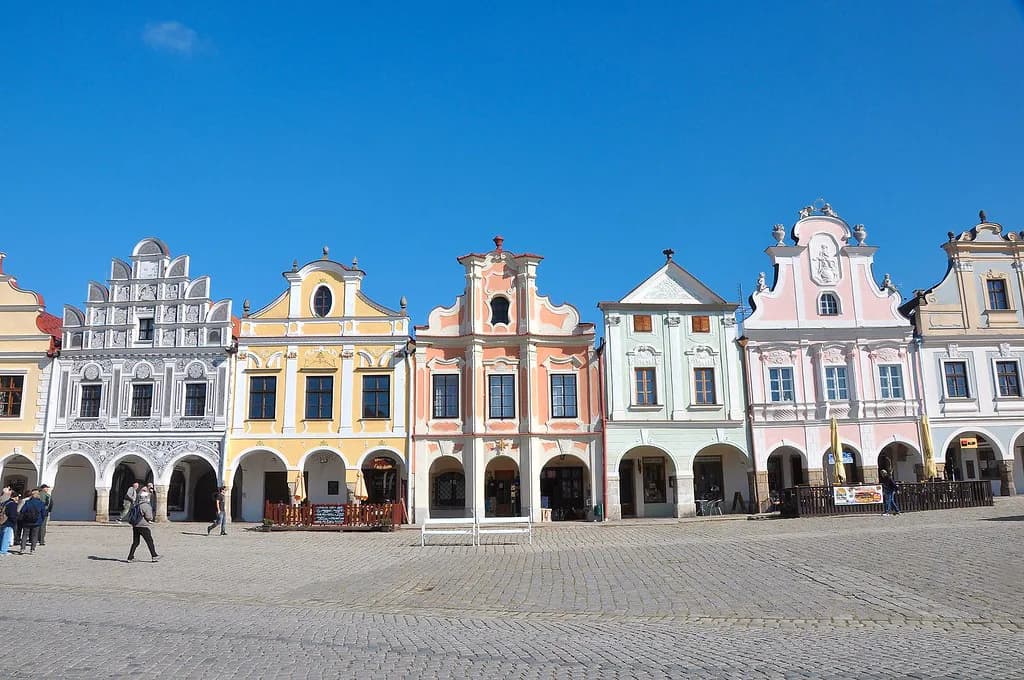
Český Krumlov is the most photogenic, with the Vltava wrapped around its castle and old lanes. Kutná Hora and Karlovy Vary are close behind for very different reasons: silver-mining history and colonnaded spa streets. Olomouc and Holašovice reward a second week.
What is the best part of Prague to visit?
For the sights, Prague Castle, Charles Bridge and Old Town Square are the essentials and take a full day. For actually enjoying the city, base yourself in Vinohrady, Žižkov, Letná or Holešovice, where the cafes and restaurants are aimed at residents rather than tour groups.
Is the Czech Republic a cheap place to visit?
It is good value by Western European standards, especially outside Prague's tourist core, but it is not a bargain destination. Prices rise sharply in Prague 1 in peak season, and exchange-rate traps near the main squares catch careless visitors. Pay by card and avoid offices advertising rates that look too good.
How do I say hi in Czech?
Ahoj is the informal hello, used with friends and people you know. Dobrý den is the polite greeting for shops, hotels and strangers. Děkuji means thank you, and na zdraví is what you say when glasses are raised.
How many days do you need in the Czech Republic?
A week is the minimum for Prague plus two regional stops: three nights in the capital and two or three places out in the regions. Ten days lets you add Brno and Moravia or the northern parks without rushing. A long weekend covers Prague and one day trip only.
Should you visit the Czech Republic beyond Prague?
Yes, and the country makes it easy: the highlights sit two to four hours apart by rail or bus. Český Krumlov, Kutná Hora and Plzeň are straightforward connections, while Bohemian Switzerland and Krkonoše need a car or a guided day tour.
Do you need a car to see the Czech Republic?
No for the cities and towns, where rail and bus work well. Yes, or a guided tour, for the sandstone parks and mountain trailheads, where connections are thinner and trailheads are spread out. Rent a car for the northern parks and use the train for everything else.
Sources
Trip-decision notes
Optional updates when we publish or revise a destination verdict.
You might also like
Continue reading
More guides you'll find useful