Best Cities in the Czech Republic: 10 Places Worth Your Time
Prague, Brno, Olomouc, Český Krumlov and beyond: an honest pick of the best cities in the Czech Republic, with who each suits and what to expect.
On this page
The best city in the Czech Republic depends on what you are actually optimizing for: Prague wins on sheer concentration of sights, Brno wins on livability and food, Olomouc wins on Baroque squares without the tour groups, and Český Krumlov wins on pure looks. If you are weighing whether the country earns a slot in your itinerary at all, start with is Czech Republic worth visiting, then use this list to choose where to sleep.
Two practical notes before the list. The currency is the koruna, not the euro, and intercity travel is mostly by bus and train rather than by plane. Fares and schedules change, so plan routes with our guide to getting around Czech Republic and buy tickets directly from the bus or rail company rather than from a reseller.
The verdict: which Czech city suits which trip
For a first trip of four to seven days, base in Prague and add one second city rather than three. Prague rewards three full days before you start day-tripping, and a second base in Brno or Olomouc gives you Moravia without long transfers. If your priority is scenery over museums, take Prague plus an overnight in Český Krumlov and skip the rest.
Travelers who have already done Prague should go straight to Moravia: Brno for food, wine bars and a working-city feel, Olomouc for a compact historic core you can cross on foot in twenty minutes. Spa-seekers and architecture fans get more from Karlovy Vary, and anyone curious about post-industrial Europe will find Ostrava the most surprising stop in the country.
Budget shapes the choice less than you might expect, because prices outside Prague drop noticeably while quality holds up. Read is Czech Republic expensive before you commit to a Prague-only plan, since two nights in Moravia often cost less than two extra nights in the capital.
Prague: the big, crowded, unmissable one
Prague is the country's largest city by a wide margin, with well over a million residents against roughly 400,000 in Brno and around 280,000 in Ostrava, which tells you most of what you need to know about scale.
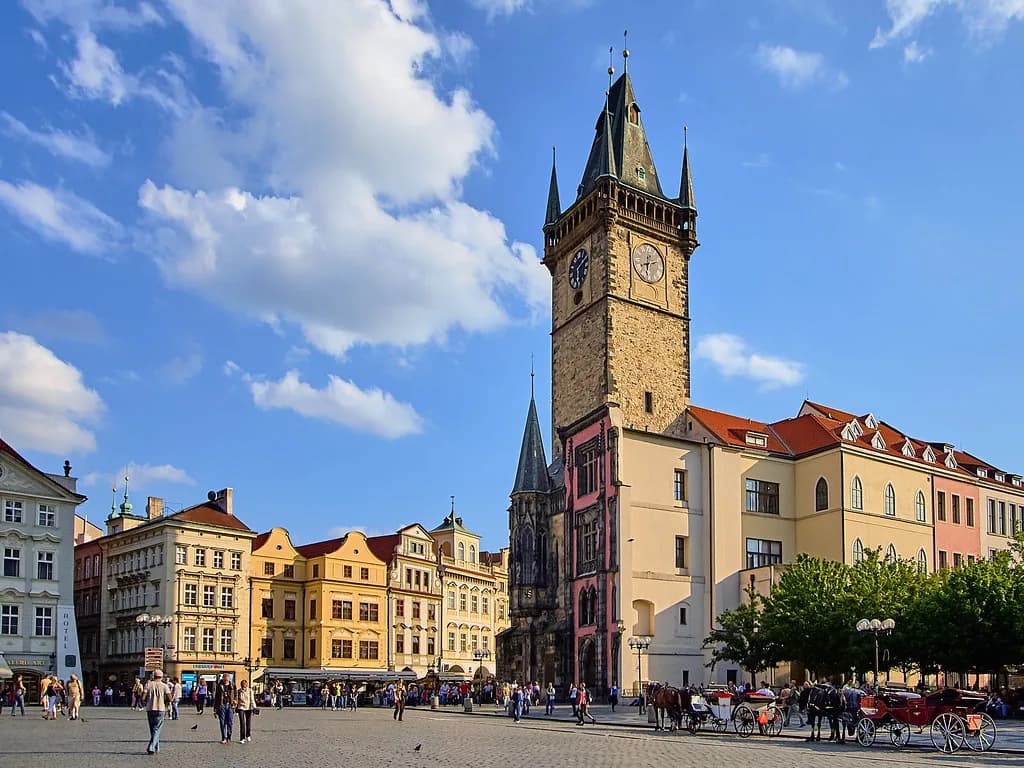
The Old Town Square, Charles Bridge and the castle compound are genuinely worth the crowds, but the crowds are the trade-off: the bridge and square are at their worst in the middle of the day. Walk the bridge before breakfast or after dark, and use the early morning for the castle courtyards.
Prague suits first-timers, museum-goers and anyone who wants a full week without changing hotels. It suits people poorly if you dislike tour groups or want quiet evenings, in which case stay in a residential district and treat the center as a daytime destination. Spend three days minimum here; anything less turns the city into a checklist.
Brno: the second city that feels like a real one
Brno is the Moravian capital and the country's second city, and it behaves like one: trams, universities, a functioning center that locals actually use, and far thinner tour traffic than Prague. Špilberk Castle above the center gives you the history and the view, and the Villa Tugendhat is the reason architecture travelers put Brno on their route.
The food and drink side is where Brno beats Prague on value: wine bars serving Moravian whites, honest pub kitchens, and a cafe culture built around students rather than tourists. This makes Brno a strong two-night base for Moravia, including day trips to the karst country south of the city.
The drawback is that Brno has no single must-see that justifies a long detour on its own; its appeal is cumulative. Travelers on a five-day first trip should treat it as an alternative to Prague, not an addition.
Olomouc: Baroque squares without the tour groups
Olomouc is the city most often recommended to travelers who ask for a smaller Prague, and the comparison holds for the historic core: a large square anchored by a Holy Trinity Column, fountains, and quiet side streets. What it lacks is Prague's density of blockbuster sights, which is precisely why it stays calm. If you are comparing calm, compact historic cities across the region, it is also worth weighing is Slovenia worth visiting for the same kind of unhurried old town.
It works brilliantly as a two-night stop between Brno and the mountains, and it is compact enough to cover on foot in a day with time left for the archdiocese museums and the university quarter. Food and drink prices here sit at Moravian levels rather than capital levels, so it suits budget-conscious travelers who still want a proper city.
The trade-off is evening energy: Olomouc is a university town but not a late-night city, and travelers wanting bars open past midnight will prefer Brno.
Český Krumlov: gorgeous, tiny and best as an overnight
Český Krumlov sits in South Bohemia near the Austrian border, and its castle complex is a UNESCO World Heritage Site with roots going back to 1240. The castle tower gives the defining view over the river bend and red roofs, and the castle museum covers the successive noble families who owned the place, with a porcelain collection as the standout.
In town, St. Vitus' Church near the main square charges no admission, and there are two monasteries, the Minorite and the Klarisses, plus a synagogue and a regional museum. The castle's main tour routes close in some periods, so the tower and museum may be all that is open on your dates.
The honest drawback is size and logistics: the town is small enough to see in a few hours, and day-trippers from Prague face roughly three hours each way by bus. Student Agency buses run the route but popular departures sell out, so book ahead, and note that they leave from a stop south of Prague's Old Town rather than the main bus station.
Stay the night and the equation flips: you get the town after the coaches leave and before they arrive. Budget four hours of sightseeing if you day-trip, more if you sleep over.
Plzeň: beer, and a reason to stay past the brewery
Plzeň is the home of Pilsner Urquell and the reason the world's pale lagers exist, so the brewery tour is the obvious anchor. The center around Republic Square is larger and more confident than most visitors expect, with the cathedral spire giving the skyline its shape.
It suits beer travelers and anyone breaking the Prague–Bavaria journey by rail, and it works as a half-day stop or a single overnight. It suits people poorly if you want scenery: Plzeň is a working city, and its interest is urban rather than picturesque.
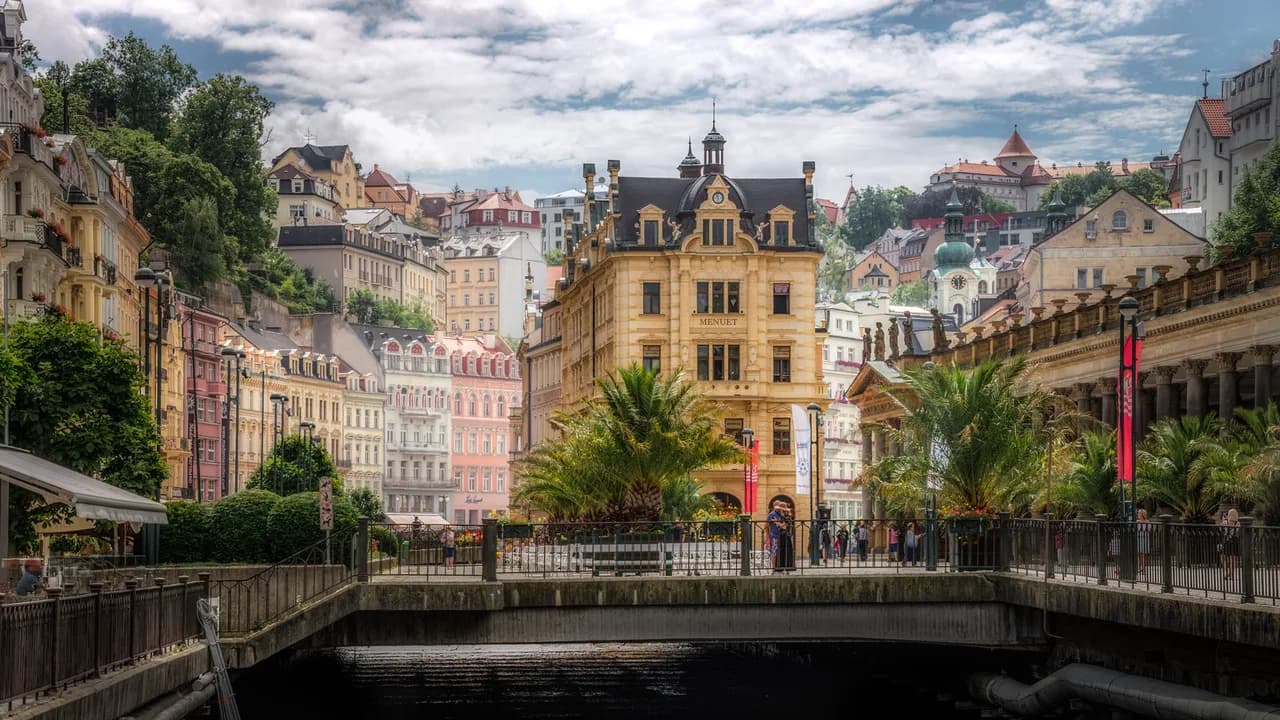
Karlovy Vary: spa-town elegance on a day trip from Prague
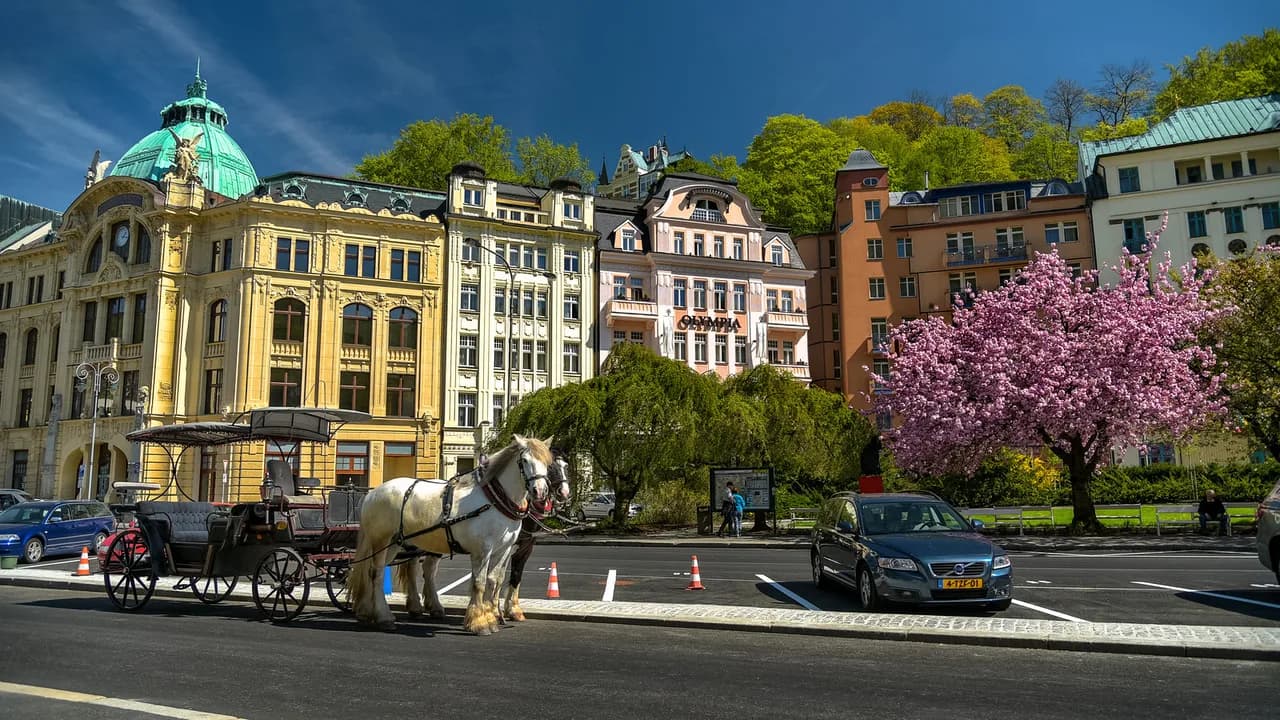
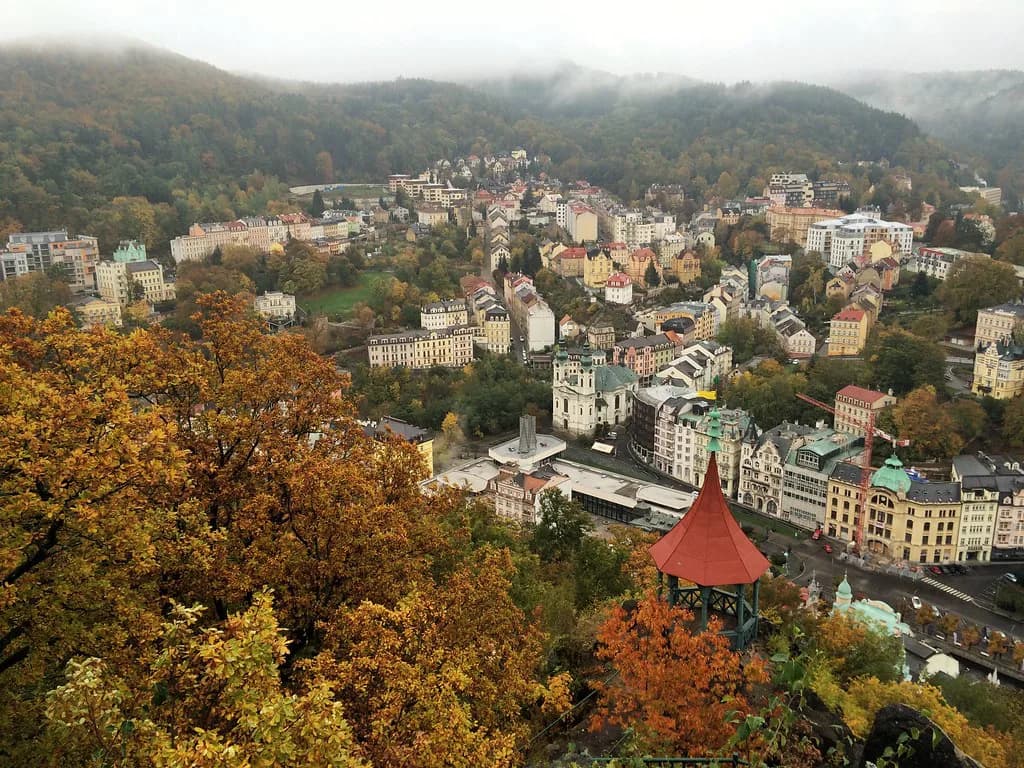
Karlovy Vary is the country's grand spa town, a valley of colonnades, hot springs and pastel facades that has drawn European visitors for centuries. The promenade walk between the springs is the main event, and the architecture rewards slow wandering more than any single sight.
It is close enough to Prague for a long day trip by bus, and that is how most people see it. The trade-off is that day-tripping strips out the town's best hours, which are early morning and evening when the colonnades empty out; one night here is worth more than a rushed afternoon.
Ostrava: industrial, gritty and changing fast
Ostrava is the country's third-largest city and its most distinctive, built on coal and steel and now converting the machinery into cultural space. Dolní Vítkovice, the former ironworks with its blast furnaces and mining structures, is the reason to come, and it is unlike anything else in the country.
It suits travelers who have seen the pretty towns and want something with edge, plus music fans drawn by the summer festivals. It suits people poorly if you want postcard streets: Ostrava's landscape is industrial, and that is the point. Give it one full day, two if you add the surrounding Beskid foothills.
Kutná Hora: the bone church and a UNESCO old town
Kutná Hora made its fortune on silver and retains a UNESCO-listed historic core, with St. Barbara's Church as the showpiece. The Sedlec Ossuary, decorated with human bones, is the sight everyone comes for, and it is smaller and busier than photographs suggest.
It is an easy day trip by train from Prague, which makes it the best short excursion if you have only one spare day. The trade-off is that the ossuary draws heavy midday traffic, so go early and spend the rest of the day in the old town rather than reversing the order.
Telč and other small towns worth the detour
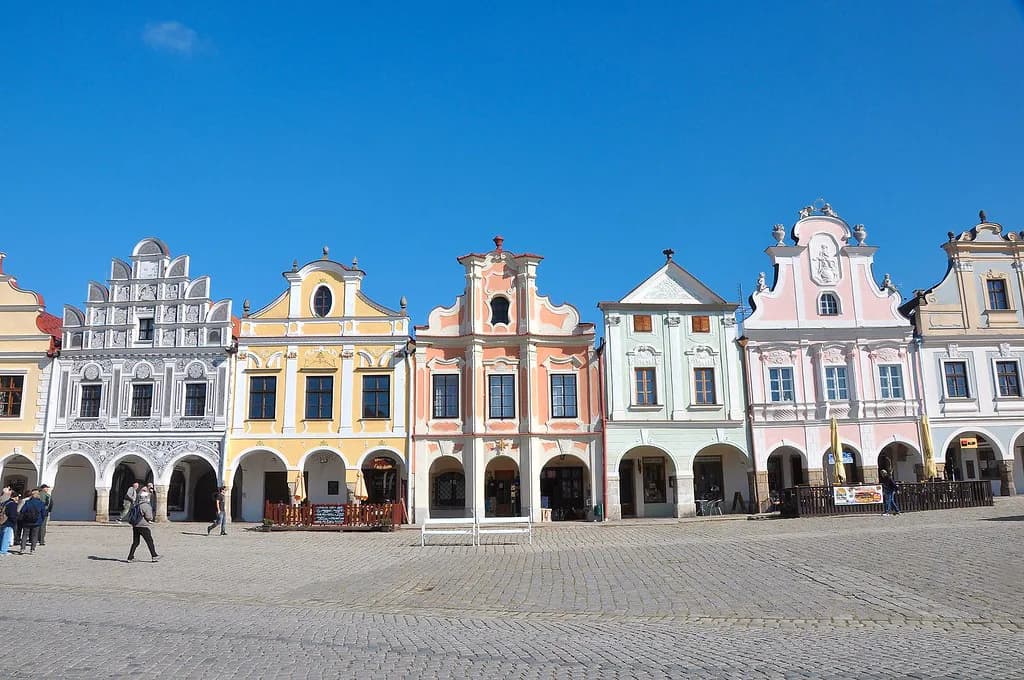
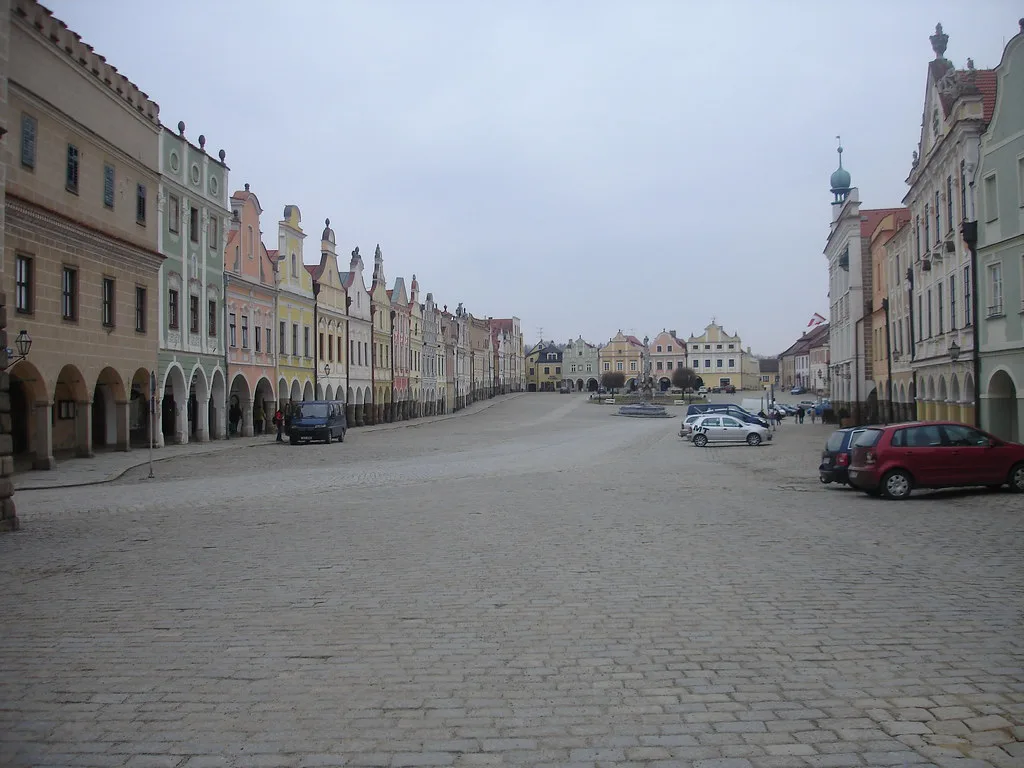
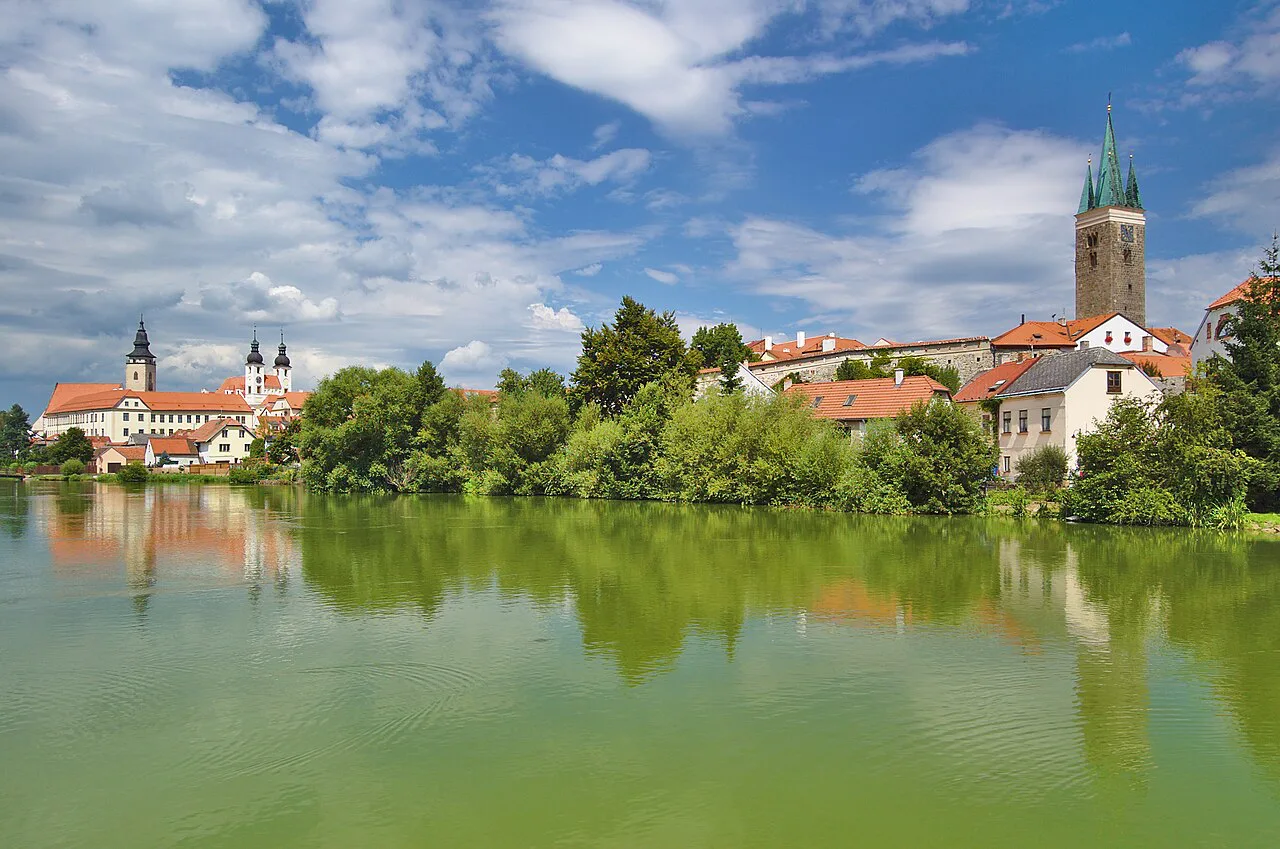
Telč is the archetype of the Czech small town: a long square lined with arcaded Renaissance houses in pastel colors, small enough to walk in an hour and photogenic enough to justify the trip. It sits in South Moravia, close enough to combine with a wine-country day.
Other names worth knowing are Mikulov in the wine hills, Litomyšl with its castle, and Kroměříž with its gardens. These reward travelers with a car or a flexible bus schedule; without one, pick a single town rather than trying to string three together.
How many days each city needs
Prague needs three full days to cover the castle, the Old Town, the Jewish Quarter and one neighborhood beyond the center. Brno needs two nights to include the castle, the Villa Tugendhat and an evening of Moravian wine, and Olomouc needs two nights at most.
Český Krumlov needs one night, not two, unless you are using it as a base for South Bohemia. Karlovy Vary takes a long day trip or one night, Plzeň half a day to a night, Ostrava one full day, and Kutná Hora a single day from Prague. Telč and similar towns take half a day each.
If you have a week, Prague plus Brno or Olomouc is the strongest pairing; with ten days, add Český Krumlov as an overnight between them. Resist the temptation to add four cities to a seven-day trip, because transfer time eats the sightseeing.
Getting between the cities by bus and train
The rail and bus network is dense and the distances are short: Prague to Brno is a comfortable train ride, and Prague to Český Krumlov is a roughly three-hour bus run. Book popular bus departures in advance, especially on the Český Krumlov route where day-trip times sell out first.
Buses often beat trains on price and routing for smaller towns, while trains win on comfort for the main Prague–Brno–Ostrava corridor. Compare both before booking, then buy directly from the carrier's own site or app and check current prices and dates before you travel.
If you plan to reach Telč, Mikulov and other small towns, a car changes the trip more than any other decision. Prague Airport is the usual pickup point, but pick up outside the center to avoid driving in the historic core.
Who should skip which city
Skip Prague-only itineraries if you have already been, and skip Český Krumlov as a day trip if you cannot leave early, because a rushed few hours undersells it. Skip Karlovy Vary if spa culture and promenade walks bore you, and skip Plzeň entirely if you do not drink beer.
Skip Ostrava if industrial landscapes do not appeal, and skip Olomouc if you need late-night energy. Skipping Brno is the most common mistake among repeat visitors, since it is the easiest city to use as a base for the whole of Moravia.
Come in April or May and the smaller towns open up without the summer crush, though some castle interiors stay on limited schedules until later in spring.
Money and practicalities across the cities
The Czech Republic uses the koruna, so ignore any price quoted to you in euros unless the seller converts it. Cards are widely accepted in cities, but carry some cash for small towns, market stalls and rural bus stops.
Electricity runs on the European standard, so US and UK plugs need an adapter. Check the plug type before you pack, because the Czech socket is not the same as the UK three-pin.
For entry rules and any current requirements, use the official Czech government pages rather than third-party summaries. For timing, the best time to visit Czech Republic depends on whether you want warm squares and crowds or cheap, quiet shoulder months.
Plan Your Visit
Pick Prague for a first trip with three days to spare, and add Moravia through Brno or Olomouc if you have a week. Choose Český Krumlov as an overnight rather than a day trip, and use Karlovy Vary, Kutná Hora or Plzeň to fill a single spare day.
The country rewards travelers who slow down: two cities done well beats five done by bus window. Settle the currency and transport questions early, then let the towns set the pace.
Explore more Czech Republic trip-decision guides
Frequently Asked Questions
What are the prettiest towns in the Czech Republic?
Český Krumlov is the most photographed, thanks to its castle tower view over the river bend, and Telč offers a near-perfect arcaded square. Olomouc and Kutná Hora are the stronger picks if you want UNESCO-listed architecture with fewer crowds around you.
Which Czech cities are worth visiting besides Prague?
Brno and Olomouc are the two best urban alternatives, giving you Moravian food, wine and historic cores without Prague's tour traffic. Ostrava is the most distinctive stop for industrial heritage, and Plzeň works well for beer travelers breaking a journey west.
Is Český Krumlov worth visiting as a day trip from Prague?
It works, but the bus takes roughly three hours each way, so leave early and expect only a few hours in town. Staying one night gives you the calm hours before and after the day-trippers, which is when the town is at its best.
How many days do you need in Prague and Brno?
Allow three full days in Prague for the castle, Old Town and one outer neighborhood, then two nights in Brno for Špilberk, the Villa Tugendhat and an evening of Moravian wine. That five-day pairing covers the country's two strongest urban experiences.
What currency should I use in the Czech Republic?
The Czech koruna is the local currency, not the euro, so pay in koruna and avoid vendors who quote in euros at their own rate. Cards work in cities, but small towns and markets still appreciate cash.
Should I visit Karlovy Vary or Plzeň?
Choose Karlovy Vary for spa architecture and a gentle promenade day, and Plzeň if beer and a working-city atmosphere interest you more than colonnades. Karlovy Vary is the easier day trip from Prague; Plzeň fits naturally into a westward rail route.
Sources
Trip-decision notes
Optional updates when we publish or revise a destination verdict.
You might also like

Continue reading
More guides you'll find useful