Getting Around Czech Republic: Trains, Buses and Cars
Trains, buses and rental cars compared for getting around the Czech Republic: journey times, ticket prices, when a car makes sense and where rail falls short.
On this page
You can see the Czech Republic's headline destinations without ever touching a steering wheel. The country's rail network is one of Europe's densest, private buses fill the gaps on routes the trains serve slowly, and Prague's trams and metro handle the capital. The decision that actually matters is narrower: whether your itinerary includes enough rural stops to justify a rental car.
Distances are short by US standards. Prague to Brno is roughly a two-and-a-half-hour train ride, and the whole country fits inside a day's drive. That means transport choices are less about endurance and more about frequency, cost and whether your last mile is a village with two buses a day.
The verdict
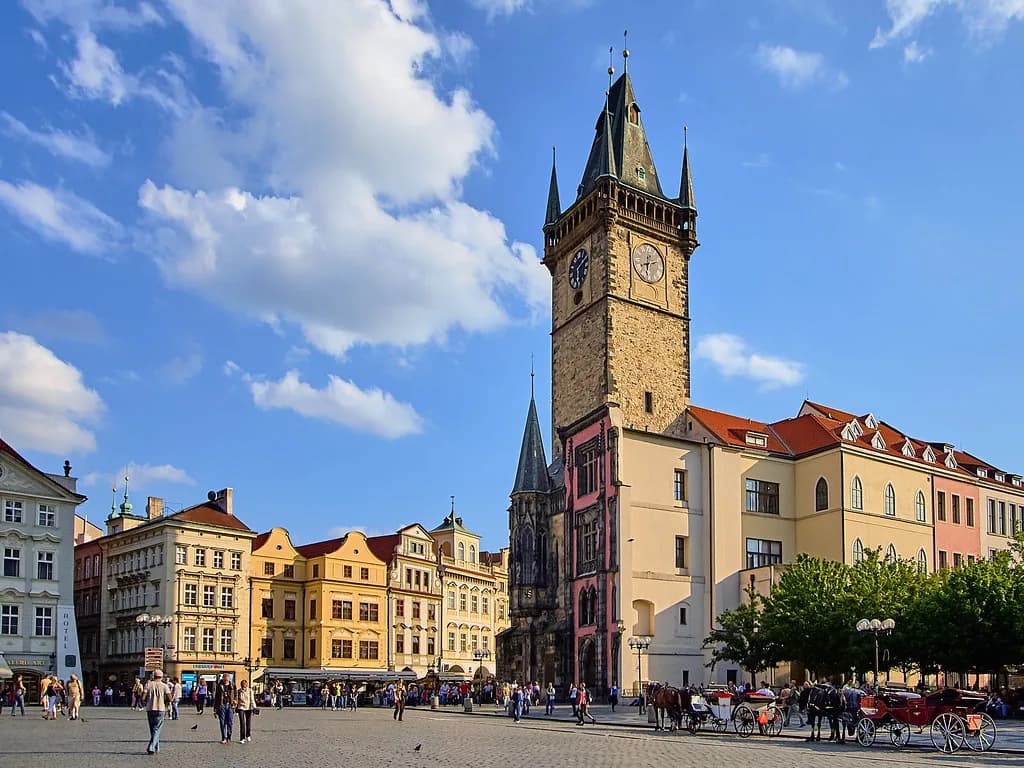
Take trains and buses if you are visiting Prague, Brno, Ostrava, Plzeň, Olomouc, Kutná Hora or Český Krumlov. Rail plus the occasional bus covers all of these comfortably, and you avoid city parking, Czech zero-tolerance drink-driving rules and the 50 km/h urban speed limit that catches out visitors.
Rent a car only when your trip centers on wine villages in South Moravia, spa towns off the main lines, or castle-and-countryside wandering. Even then, a sensible pattern is train between cities and a short car rental based in one region rather than a vehicle for the whole trip.
Trains: the backbone for Prague, Brno and Ostrava
České dráhy runs most national services, with private operators such as RegioJet competing on the main Prague–Brno–Ostrava corridor. The Prague to Brno trip takes about two and a half hours and typically costs 200–300 CZK in second class, which makes the train the default choice between the two biggest cities.
Booking ahead pays. Advance tickets on these routes can be discounted substantially compared with walk-up fares, so buy online a few weeks out rather than at the station. Use the national IDOS timetable to compare train and bus options on any given route before committing.
Regional lines reach smaller places but run less often, and some rural connections need a change. Check connection counts before you build a day around a branch line; a route that looks short on the map can eat half a day if the timetable is thin.
Buses: cheaper, often faster on certain routes
Buses are the quiet winner on several routes. FlixBus and Czech operators like RegioJet cover long-distance and cross-border services, and on some corridors the bus is both cheaper and quicker than the train. For Prague to Český Krumlov, direct buses are the standard choice, while the train takes around three hours.
Bus stations are sometimes a walk from the center, and luggage handling is on you. For a two-hour hop that is a minor annoyance; for a family with several bags and a late arrival, the train's city-center stations usually win.
When a rental car earns its keep
A car makes sense for South Moravia's wine villages, where tasting rooms sit in small towns like Mikulov and Pavlov with limited evening connections, and for hopping between Bohemian spa towns and castle ruins off the main lines. Daily rental rates typically run 600–1,200 CZK depending on vehicle class and season.
Weigh the fixed costs honestly: rental, fuel, parking in Prague or Brno, and the fact that one of you cannot drink at a wine tasting. If your trip is city-focused, those costs buy you congestion and a search for parking rather than freedom.
Driving rules are strict and simple. Czechia drives on the right, enforces a zero-alcohol policy, bans handheld phone calls and sets limits of 50 km/h in towns, 90 km/h outside them and 130 km/h on motorways.
Prague in practice: trams, metro and the airport bus
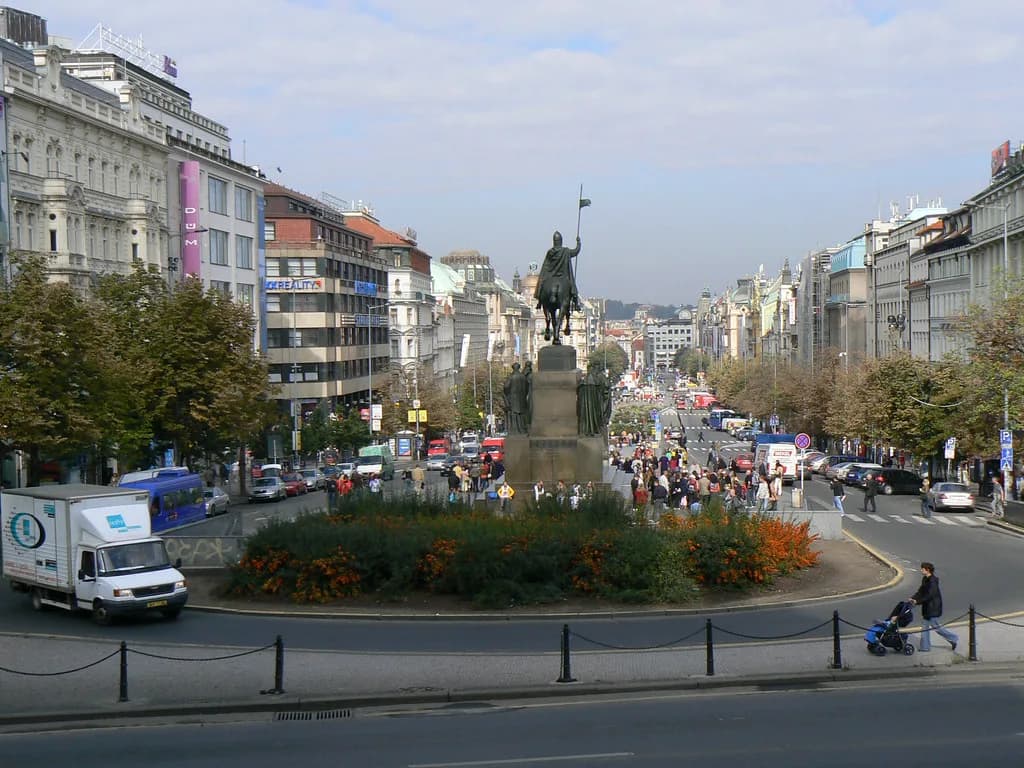
Prague's trams, metro and buses form one integrated system, and most visitor trips are covered by short tram hops plus the metro on the main axes. A 90-minute ticket costs around 50 CZK, and the PID Lítačka app lets you buy and validate tickets on your phone.
From Václav Havel Airport, the Airport Express bus reaches the main train station in about 30 minutes for around 100 CZK, while regular city bus lines and ride-hailing apps such as Bolt and Uber cover other routes. Taxis work too, but order through an app to avoid negotiating a fare.
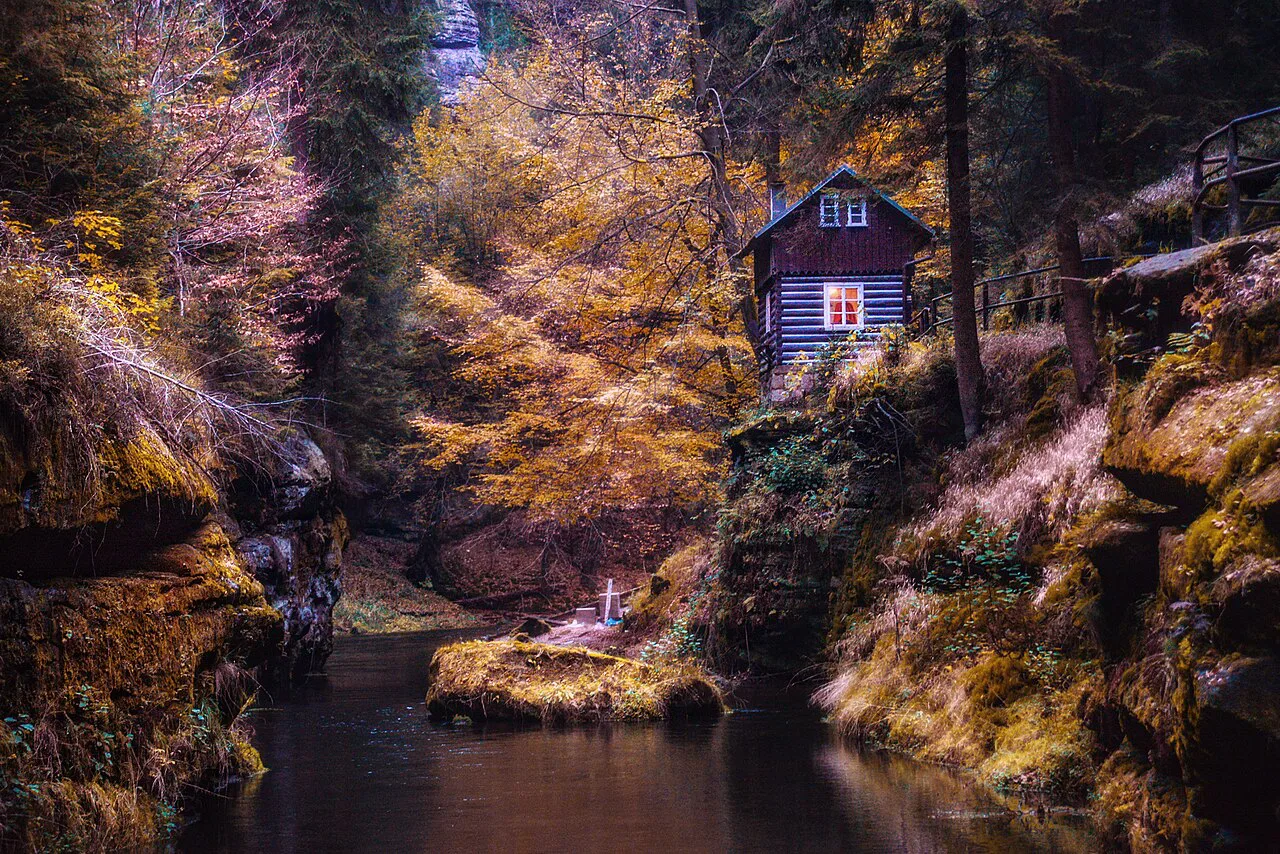
Paying for tickets and validating them
Buy a ticket before boarding and validate it on the first vehicle you use; Prague's inspectors do check, and an unvalidated ticket is treated as no ticket. Paper tickets go into the yellow machines at tram and bus doors, while app tickets are activated in the app.
Cards are widely accepted across Czechia, including contactless and mobile wallets, so you rarely need cash for transport, though smaller rural establishments still appreciate it. The currency is the Czech koruna, not the euro, so ignore the fixed conversion figures you see on tourist boards and use a bank ATM.
Day trips that work without a car
Kutná Hora sits under an hour from Prague by train, close enough to pair St. Barbara's Cathedral with the Sedlec Ossuary and be back for dinner. Terezín works the same way, with a short bus or train connection from the capital.
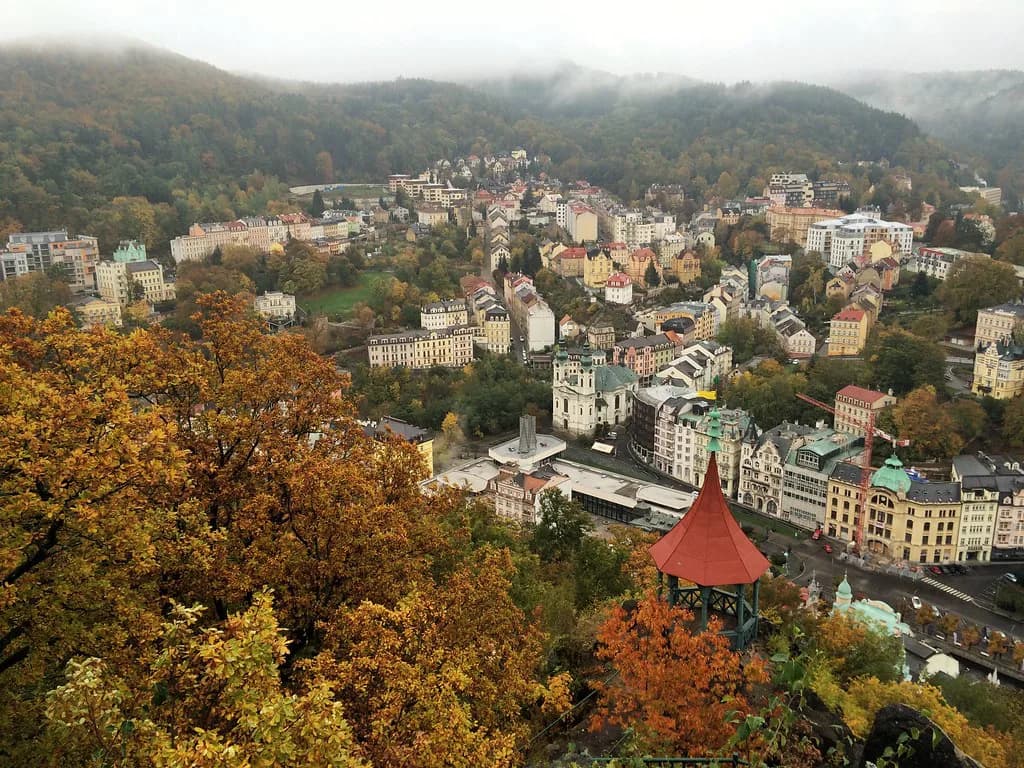
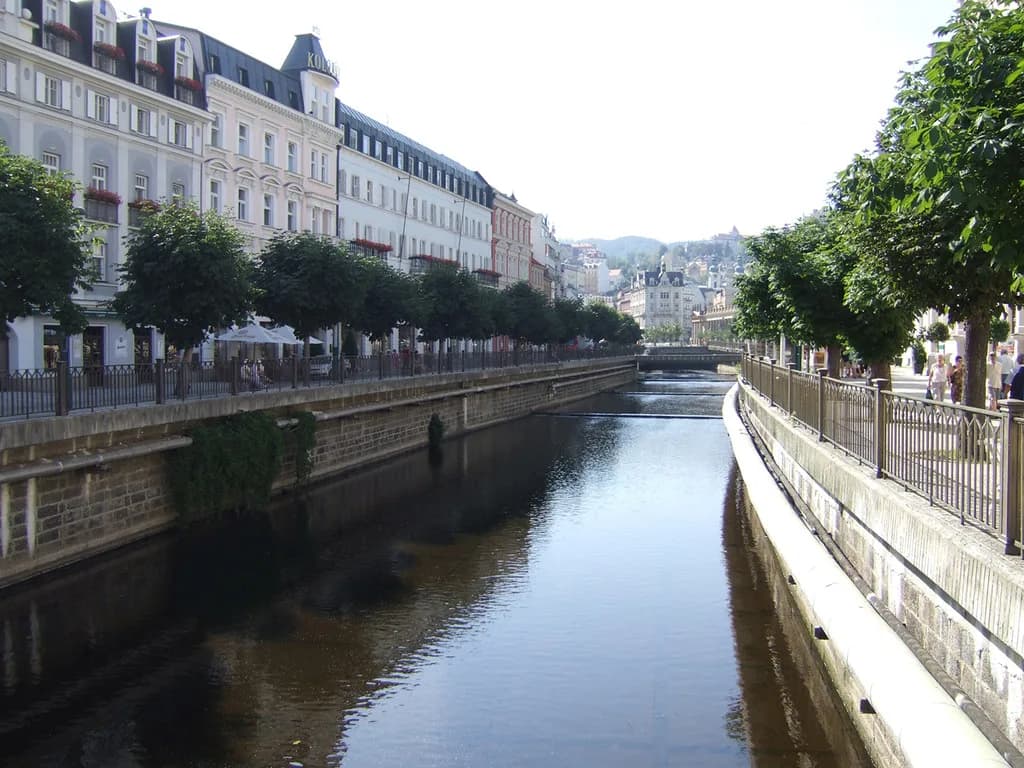
Karlovy Vary and Český Krumlov are both reachable by bus or rail from Prague, though Český Krumlov rewards an overnight stay once the day-trippers leave. Staying the night also solves the awkward evening timetable back to the capital.
Day trips that need a car
The wine country around Mikulov and Pavlov is the clearest case for wheels. Small producers sit in villages with sparse evening buses, and tastings typically cost a few hundred koruna per person, so designating a driver keeps the day flexible.
Rural castle ruins, spa hinterlands and the Bohemian and Moravian border country are easier with a car for the same reason: connections exist but are infrequent. If you want that kind of day without driving, base yourself in the region for two nights and use local buses rather than attempting a there-and-back trip from Prague.
Getting between Prague and Český Krumlov
The fastest and most reliable option is a direct long-distance bus, with a journey of roughly three hours. Trains on the route take a similar time or longer and often involve a change, so compare departures on IDOS before booking.
Travel in the morning, drop your bag and treat the afternoon as the sightseeing window, because the town's lanes and castle grounds are busiest midday. In summer, book the return leg in advance; the last evening departures fill up.
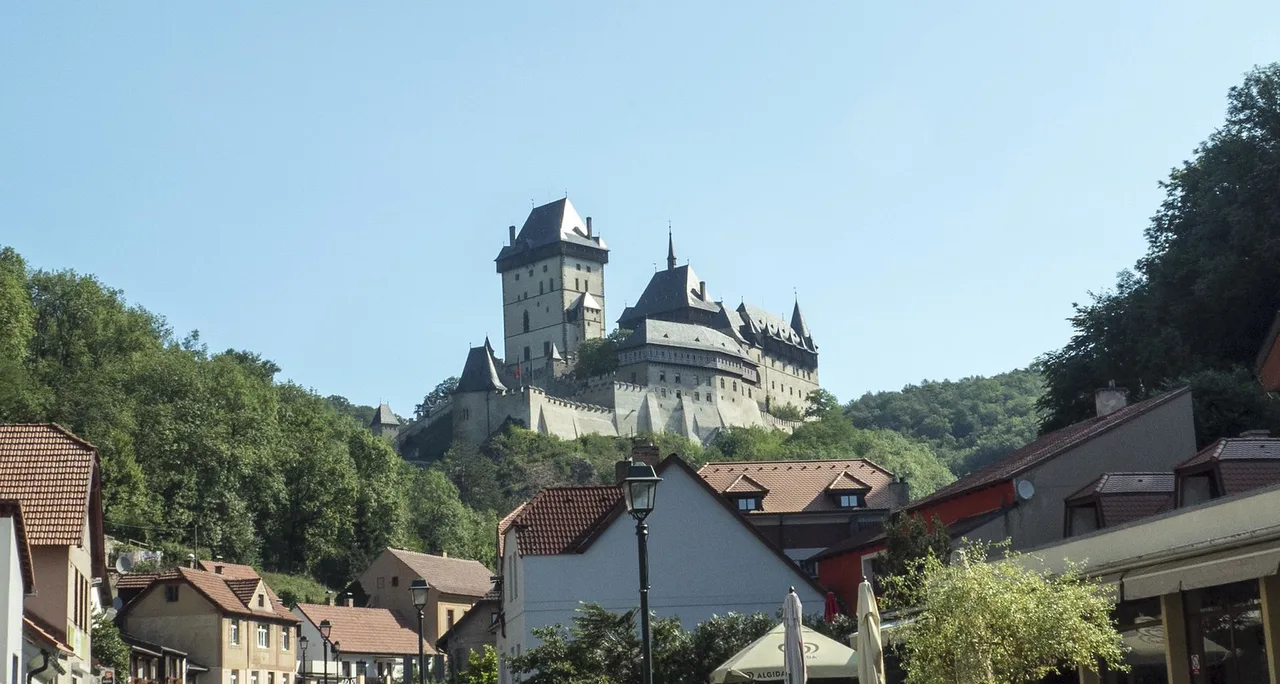
Heading to Moravia's wine country
Brno is the rail gateway to Moravia, and from there regional trains and buses run to Mikulov and the surrounding wine villages. It can be done car-free, but the timetable dictates your tasting schedule, so check IDOS for the last connection before you commit to an afternoon.
April is a pleasant time for the region's villages and vineyards, before the summer crowds arrive. For a fuller picture of the country's highlights beyond Prague, see our guide to the best places to visit.
Crossing into Austria, Germany, Poland and Slovakia
International trains and buses connect Prague with Vienna, Berlin, Dresden, Kraków and Bratislava directly, and České dráhy sells cross-border tickets alongside private operators. For short hops, the bus is often the cheaper and simpler choice.
One practical detail: Czechia's 230V network uses European-standard sockets, so US appliances need a Type E-compatible adapter and a voltage converter for anything not dual-voltage. Phones, laptops and cameras are usually fine with an adapter alone.
Who should take trains, who should drive
Solo city-hoppers and couples doing Prague, Brno, Olomouc and Český Krumlov should stick to trains and buses; the network is dense, the fares modest and the city-center stations unbeatable. Families with young children do better on trains between cities and a car only if rural days dominate the plan.
Wine-focused travelers and photographers chasing small-town Moravia should rent a car for two or three days rather than a full week, based in the region. Travelers with seven to ten days can mix both: rail for the cities, a short rental for the countryside, and no car in Prague at all.
Plan Your Transport Around Your Itinerary
Decide the shape of the trip first, then pick transport: if the itinerary is cities and famous towns, trains and buses are sufficient and cheaper. If it is wine cellars, spa valleys and village castles, a short regional rental pays for itself in time saved. Neighboring Austria and Slovenia offer similar city-versus-countryside transport trade-offs, so compare notes on whether Slovenia is worth visiting before you commit to a car-based itinerary.
Before booking, read our country verdict to check that the Czech Republic matches your interests, then confirm train and bus departures on IDOS for your dates. Keep a few hundred koruna in cash for rural stops, and remember that the Czech koruna, not the euro, is the currency you will be spending.
Explore more Czech Republic trip-decision guides
- Czech Republic Plug Type
- Best Time to Visit the Czech Republic
- The Best Cities in the Czech Republic, Ranked by What You Want From a Trip
- Tipping in the Czech Republic
- Brno vs Prague
- Czech Republic Itinerary
- Czech Republic SIM Card
- Do They Speak English in the Czech Republic? What Travelers Should Expect
Frequently Asked Questions
Is it easy to get around the Czech Republic without a car?
Yes for cities and headline towns. Czechia has a dense rail network plus competing bus operators, and Prague's trams and metro cover the capital. Rural wine villages and small castles are reachable but with thin timetables, so plan around them or rent a car for a few days.
Is it cheaper to take the train or the bus in the Czech Republic?
It depends on the route. Buses are often cheaper on long-distance and cross-border routes, while advance train tickets on the main Prague–Brno–Ostrava corridor can be discounted well below walk-up fares. Compare both on IDOS before booking.
Do I need a rental car in the Czech Republic?
Only if your trip focuses on rural areas such as the South Moravian wine villages or spa towns off the main lines. For Prague, Brno, Ostrava, Olomouc, Kutná Hora and Český Krumlov, trains and buses are simpler and avoid parking and drink-driving restrictions.
How do I get from Prague to Český Krumlov?
Direct long-distance buses are the standard choice, taking roughly three hours. Trains take a similar time or longer and often require a change. Book the return leg ahead in summer, when evening departures fill.
How do I pay for public transport in Prague?
Buy a ticket before boarding, either from a machine or through the PID Lítačka app, and validate it on your first vehicle. A 90-minute ticket costs around 50 CZK. Cards and mobile wallets are widely accepted across Czechia.
What are the driving rules in the Czech Republic?
Drive on the right, observe a zero-alcohol policy, avoid handheld phone calls and respect the 50 km/h urban, 90 km/h rural and 130 km/h motorway limits. Speed limits and drink-driving rules are actively enforced.
Sources
Trip-decision notes
Optional updates when we publish or revise a destination verdict.
You might also like

Continue reading
More guides you'll find useful