Best Places to Visit in Hungary: 12 Spots Worth the Trip
Budapest, Eger, the Danube Bend, Lake Balaton and Tokaj: a candid pick of the best places to visit in Hungary, with who each one suits and what to skip.
On this page
Budapest is the best place to visit in Hungary if you only have one trip in you, and it is the only city in the country where a long weekend barely scratches the surface. The catch is that treating the capital as the whole country leaves out wine hills, a basalt-and-forest birding belt, and a freshwater lake that Hungarians treat as their summer living room.
Think of a realistic week as Budapest plus one, not a grand tour. The country is compact on a map but the interesting stops sit in different directions from the capital, so the rail and road network, not the list of sights, decides what fits.
The verdict
First-timers should give Budapest three or four nights and add a single second stop that matches their interests: the Danube Bend for river scenery and medieval fortifications, Eger for wine and Ottoman-era landmarks, or Lake Balaton for a slower summer rhythm. Wine people will get more from pairing Eger with Tokaj than from squeezing in another city, while birders should build their trip around the north-east.
Travelers who want coastline, serious mountain hiking or a big-city nightlife scene should look elsewhere in the region, because Hungary delivers none of those in the way Croatia, Slovakia or Romania do. What it delivers instead is urban architecture, thermal bathing culture, wetlands and wine country within a few hours of each other, which is the trade-off set out in our guide to whether Hungary is worth visiting. If you are weighing similar trade-offs across the region, our take on whether Serbia is worth visiting follows the same logic for a neighbouring country.
Budapest
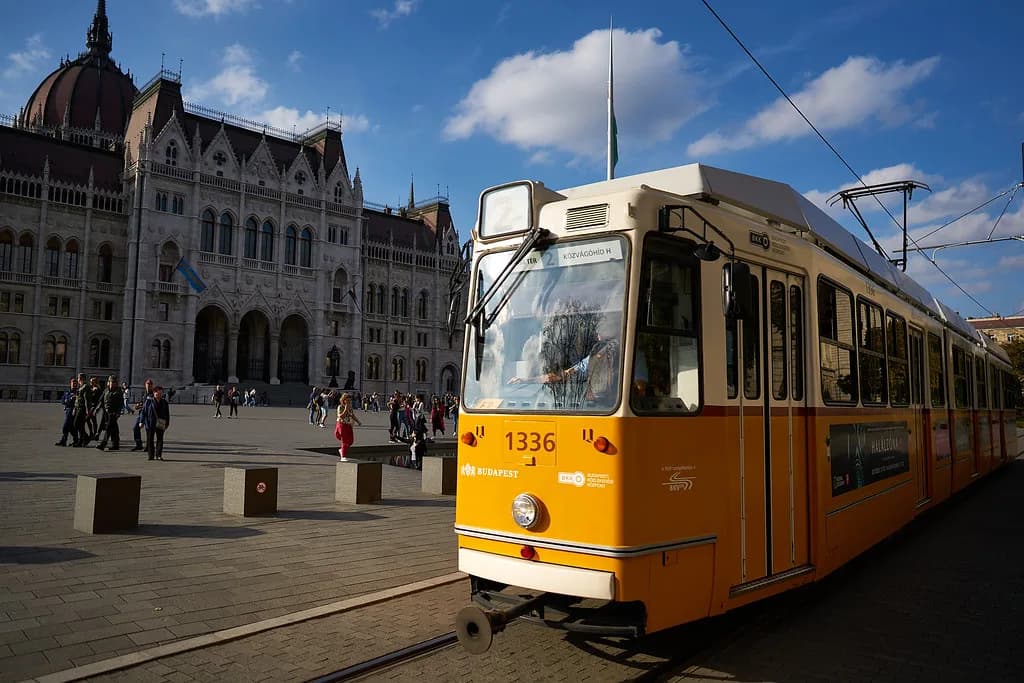
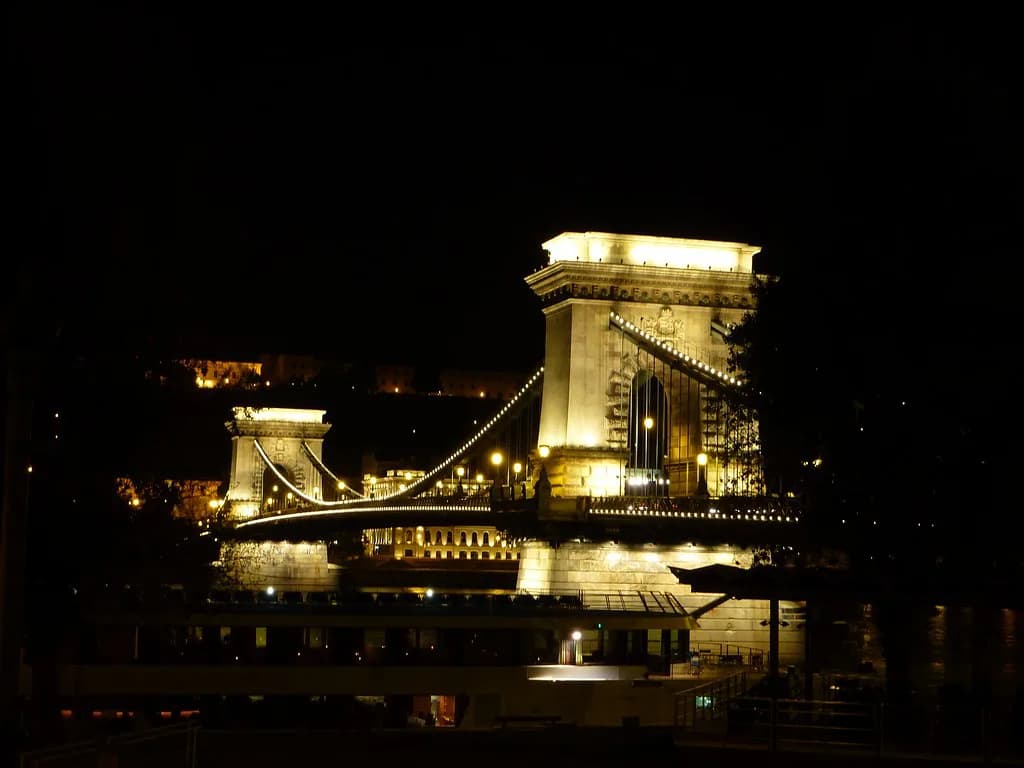
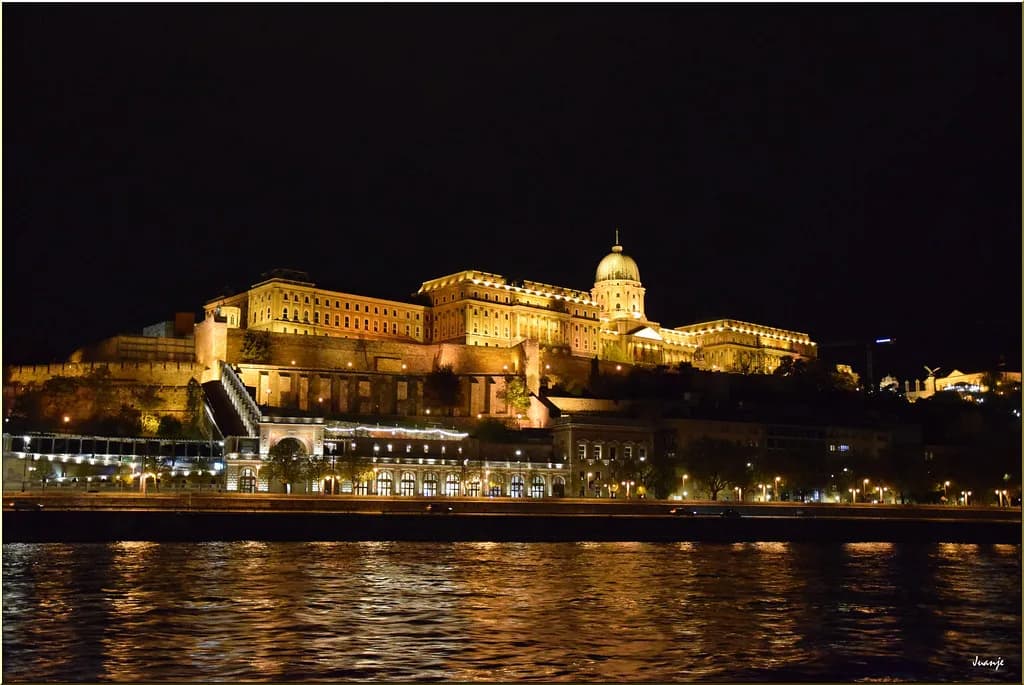
Budapest splits into Buda on the west bank and Pest on the east, and the pair packs extravagant architecture, homegrown wine and wide boulevards into a Danube-straddling footprint. Ride the funicular up Castle Hill for the classic view of the Gothic Revival Parliament, then cross to Pest for the riverfront promenade and the covered market halls behind it.
Gellért Baths is the showpiece bathing stop, a thermal complex whose pools sit under Art Nouveau arcades and stained glass. It suits travelers who want the architecture as much as the water, and it is the reason a half-day in Buda is not wasted.
The honest drawback is company. Coach groups and river-cruise passengers concentrate along the castle district and the Parliament frontage through the high season, and the city is at its most pleasant outside those months. Build your days around early mornings on Castle Hill and leave the middle of the afternoon for a bath or a cellar.
The Danube Bend and Szentendre
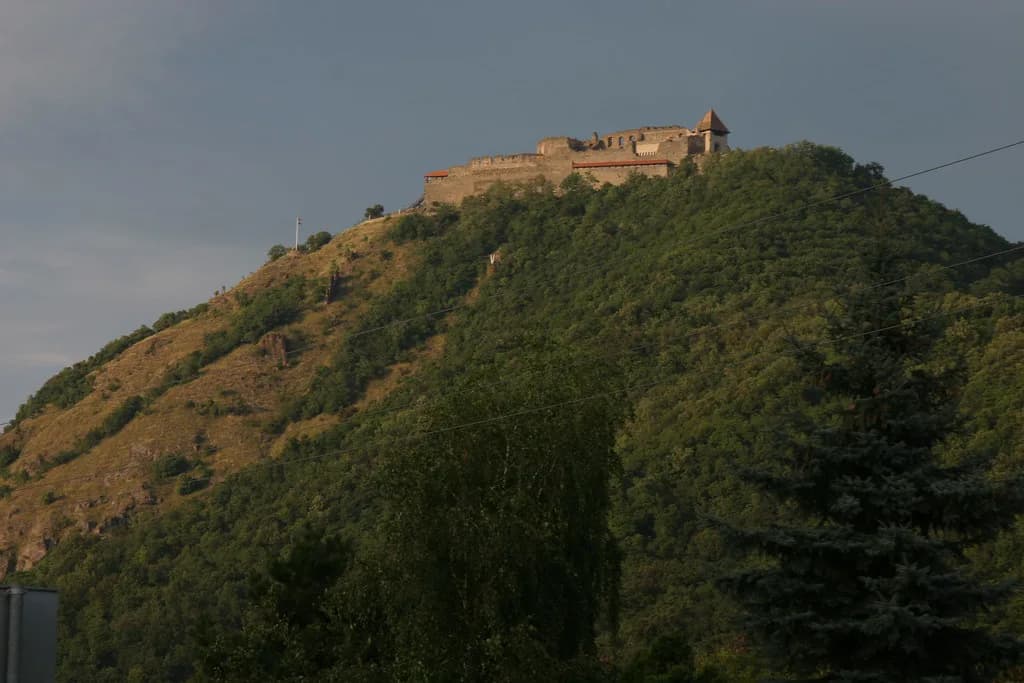
North of Budapest the Danube turns sharply between hills, and the bend is lined with the stops that make the easiest day out of the capital. Visegrád's medieval citadel sits above the river on the Pest side of the turn, and the views from the upper fortress take in the whole curve of the valley.
Szentendre is the gentle option, a baroque town of churches and galleries that works as a ferry hop from the capital. The river crossing from Budapest to Szentendre takes about an hour by ferry, which makes it a scenic half-day rather than a full excursion.
This is the stop to choose if you have a car or are comfortable with regional buses and boats, and it rewards travelers who want river scenery without committing to a multi-day cycle route. It is less compelling if your only goal is museums, which Budapest does better.
Esztergom
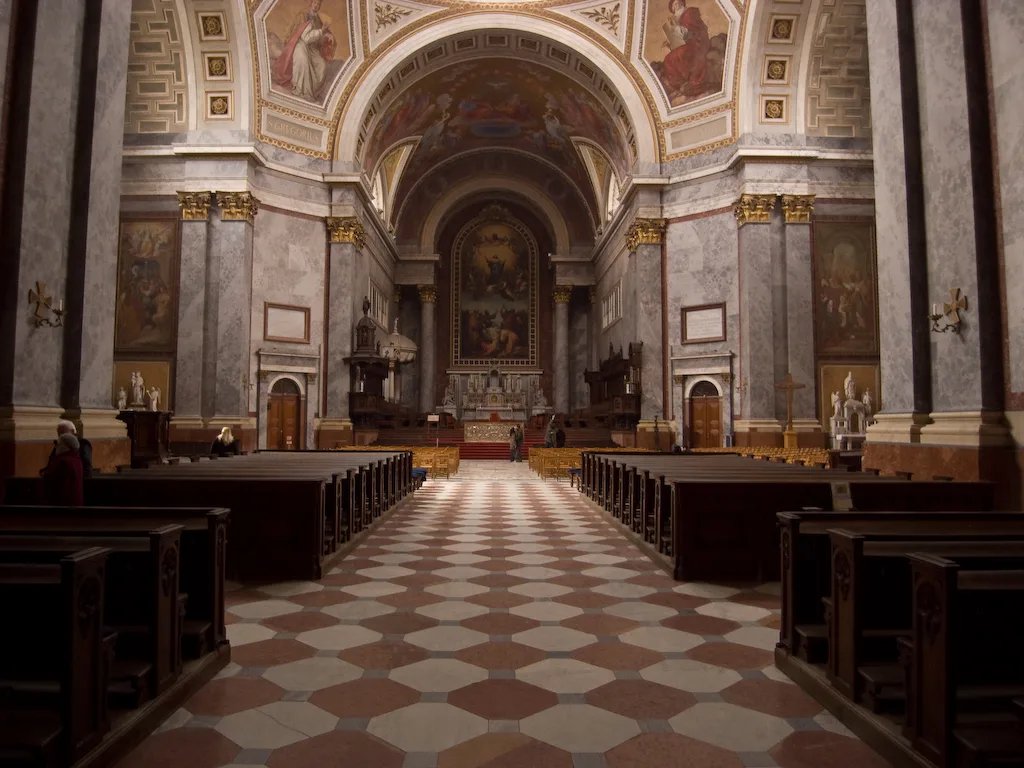
Esztergom was Hungary's former capital and remains the seat of the Hungarian Catholic Church, and its basilica on the Danube bank overlooking Slovakia is the reason most people come. It is described as the third largest church in Europe, and the scale inside is what makes the detour worthwhile even for travelers who have seen plenty of cathedrals.
Below the basilica, the Royal Castle Palace and the old Víziváros, or Watertown, district give the town more texture than a single-monument stop. The district takes its name from the hot springs that fed it.
Esztergom works best as a day trip from Budapest or as the first overnight on a Danube Cycle Path ride toward the capital. Cyclists who ride the path from Esztergom to Budapest should plan roughly two leisurely days in the saddle rather than trying to force it into an afternoon.
Eger
Eger sits in the hills of the Bükk Mountains and earns its place on two counts: a castle that held against Ottoman siege and a wine culture built on Egri Bikavér, the Bull's Blood blend. Climb the 40-metre minaret left from the Ottoman period for a view over the baroque rooftops, then soak in one of the town's thermal baths.
Wine tasting happens in the Valley of the Beautiful Woman, a short walk from the historic center where cellar doors line the lane. Eger suits travelers who want a walkable wine town with real history rather than a purpose-built resort.
Give it two nights if you plan to taste seriously, because the cellar visits and the castle fill a full day before you count the baths. Travelers who prefer sweeter, botrytised wines should look at the northeast instead and treat Eger as the red-wine stop on the same loop.
The Bükk Mountains and birding country
Northeast of Budapest, the country changes character. Bükk National Park is mainly deciduous forest and is known for its woodpeckers, while Lake Tisza and the Heves Plain hold storks and eagles, and Hortobágy National Park adds wetlands and the raptors that hunt over them.
Eger makes the practical base for this belt, with a huge variety of habitats on its doorstep and Hortobágy about an hour and a half away by car. That combination of forest, wetland and plain within a day's driving is why birding groups keep returning to this corner of the country.
This itinerary only makes sense with a car or an organized birding tour, since the habitats are spread across open country with thin public transport. Travelers who do not care about birds should spend the time in Eger instead and skip the loop entirely.
Tokaj
Tokaj, in the northeast, is the wine region behind the world's oldest known quality wines, and the sweet Aszú styles are what built its reputation. It pairs naturally with Eger on a north-eastern loop, turning a wine trip into a few days of cellar visits and hillside villages rather than a single afternoon.
Choose Tokaj over Eger if you prefer sweet whites and quiet villages, and choose Eger if you want reds, a castle and a larger town to walk around. Doing both costs you a day of driving across the north, which is a fair trade for anyone serious about wine.
Lake Balaton and Hévíz
Balatonfüred anchors the north shore of Lake Balaton, Hungary's largest freshwater lake, with a resort strip that fills in summer and quietens sharply outside it. Hévíz, on the western end of the same shore, has a thermal lake that draws travelers for bathing rather than scenery.
Both run on a summer rhythm, so the lake is at its best from late spring through early autumn and thin on the ground in winter. Families and travelers who want to swim and cycle between vineyards will get the most from a few days here; city-focused visitors can see the lake as a half-day and move on.
Pécs, Győr and Gyula
Pécs is the southern cultural city, a former Roman settlement with an early Christian necropolis and a lively festival calendar that justifies a night or two. Győr sits roughly halfway between Budapest and Vienna at the meeting of three rivers, with a baroque old core around Káptalan Hill, a grand Town Hall on Városház Square and the pedestrian Kiraly Street.
Gyula lies in the southeastern corner near the Romanian and Serbian borders and is built around a brick fortress and thermal baths, which makes it a sensible stop only if your route already heads that way. None of these three is a must on a first trip, but each rewards travelers with an extra week and an interest in smaller cities.
Spa towns beyond Hévíz
Hajdúszoboszló in the east, Zalakaros in the west and Egerszalók near Eger are all built around thermal bathing, and each draws a mostly domestic crowd on multi-day cures. That is the point and also the warning: these are places to soak, eat and sleep, not places to sightsee.
A day or two of bathing suits travelers who enjoy the routine and want a contrast to city days. Anyone who needs a full itinerary of sights will be bored by the second afternoon.
Getting around
Rail and road decide what your week can hold. Vienna to Budapest takes about 2 hours 40 minutes by train, which makes the Austrian capital a realistic add-on rather than a separate trip, and long-distance services link Budapest with the rest of the region.
Outside the capital, the car is what unlocks the Bükk Mountains, Hortobágy and the wine villages, and renting one at Liszt Ferenc International Airport on arrival saves a transfer into the city first. Trains and buses reach Eger, Győr and the Balaton shore comfortably, so you only need a car for the rural stretches.

How many days you need
Three days gives you Budapest properly, with Castle Hill, the Parliament frontage, a bath and one long evening of food. Five days allows the capital plus a single second stop, and seven is where the country opens up: Budapest with the Danube Bend, then Eger and the Bükk foothills, or a lake-and-spa week in the west.
Ten days to two weeks is the range where a north-eastern wine and birding loop with Tokaj and Hortobágy stops feeling rushed. Anything shorter and you are choosing between the east and the west rather than seeing both.
When to go
Spring and early autumn are the comfortable windows, with the capital at its best before the high-season coach traffic builds and after it eases. Budapest in May and Hungary in September both give you long daylight and outdoor bathing weather without the midsummer crush.
October brings wine-harvest activity in Eger and Tokaj and quieter streets in Buda, though the lakeside resorts start closing down for the year. Hungary in October is a good compromise for travelers who want the cities and wine country rather than swimming.
Typical costs and money
Hungary uses the forint, and you should keep prices in the local currency rather than converting in your head at every till. Larger hotels and restaurants in Budapest accept euros while smaller businesses can be cash-only, so it pays to read up on money in Hungary before you go.
On the ground, Budapest is the expensive part of the trip and the countryside is noticeably cheaper, particularly outside the spa towns. Treat baths, castle entries and wine tastings as the budget line items you plan around, and confirm each venue's current entry price on its own site before you go.
Who should choose a different trip
Skip Hungary if your ideal week involves a coastline, high Alpine hiking or a nightlife-led city break, because you will spend the trip looking for what is not there. Travelers who want a beach-and-mountains holiday should look at Croatia or Slovakia instead and save Hungary for a city-and-wine trip.
Come to Hungary if you want architecture and bathing in the same city, wetland birds within a morning's drive, and a wine scene you can drive between in an afternoon. The country suits couples, small friend groups and families with older children better than it suits travelers chasing adrenaline.
Plan Your Visit
Build your trip around Budapest, then pick one second stop and give it real time instead of collecting three in a week. Eger for wine and Ottoman history, the Danube Bend for river country, Balaton for a summer stay, and the northeast for birds and sweet wine.
Pack for the season you are actually traveling in and sort out the small practical details before you fly. Check the Hungary plug type if you are bringing appliances from outside Europe, since the country's sockets take the standard European round-pin Type C plug.
Frequently Asked Questions
What are the best places to visit in Hungary?
Budapest is the essential stop, followed by Eger for wine and castle history, the Danube Bend with Visegrád and Szentendre for river scenery, and Lake Balaton with Hévíz for a summer stay. Travelers with more time should add Tokaj and the birding country around Bükk National Park and Hortobágy.
Is Budapest enough on its own?
For a short break, yes. Budapest fills three or four days comfortably with Castle Hill, the Parliament frontage, the baths and the food scene. If you have five days or more, add one second stop rather than a third city, because the travel between distant regions eats the time you came for.
Where in Hungary is it good to visit outside Budapest?
Eger and the Bükk Mountains in the northeast, Tokaj for sweet wines, the Danube Bend towns of Esztergom, Visegrád and Szentendre, and the Balaton shore with Hévíz in the west. Pécs, Győr and Gyula reward travelers with an extra week and an interest in smaller cities.
Should you go to Eger or Tokaj for wine?
Choose Eger for reds, a walkable historic center, a castle and Ottoman-era landmarks including the minaret and thermal baths. Choose Tokaj for sweet Aszú wines and quiet hillside villages. Serious wine travelers can drive between the two in a loop, but it costs a day of the trip.
How many days do you need in Hungary?
Three days is enough for Budapest alone, five days covers the capital plus one nearby stop, and a week to ten days lets you combine Budapest with Eger and the northeast or with Balaton and the west. Two weeks is where a wine-and-birding loop stops feeling rushed.
Is Hungary a cheap destination?
Budapest is the expensive part of any Hungarian trip, while the countryside is noticeably cheaper, especially outside the spa towns. Prices are in Hungarian forint, and smaller restaurants and rural businesses often take cash only, so check the amount before you commit.
What is the best time to visit Hungary?
Spring and early autumn give you comfortable temperatures, long days and thinner crowds than midsummer. September and October are particularly good for the capital and the wine regions, though lakeside resorts start closing after the summer season.
What is the plug type in Hungary?
Hungary uses European-style round-pin sockets, so travelers from the US and UK need a plug adapter rather than a converter for dual-voltage devices. Check your appliance's voltage label before plugging anything in.
Sources
Trip-decision notes
Optional updates when we publish or revise a destination verdict.
You might also like
Continue reading
More guides you'll find useful