Hungary in September: Weather, Crowds and What's On
September gives Hungary warm afternoons, thinner summer crowds and a busy festival calendar. Here is what to expect, who it suits and what it costs.
On this page
Yes — September is the most balanced month for a first trip to Hungary. Days are still summery, the worst of the summer crush has gone, and the festival calendar gives Budapest a reason to be out on the streets and terraces rather than inside museums. The trade-offs are real but manageable: hotel beds tighten when conventions land, and evenings swing cool fast.
The picture differs sharply between the capital and the rest of the country. Budapest in September is an events city; the countryside and Lake Balaton are a weather story, with quieter roads and a season that is winding down rather than revving up. Pick your version of the month, and the rest of the planning falls into place.
The verdict
September suits travelers who want warmth without July's heat and a city with something happening. It is the best all-round month for a first visit to Hungary: long daylight, comfortable walking weather and a festival calendar concentrated in Budapest. If you want guaranteed beach heat or a full rural harvest scene, June and early October do those jobs better.
Think of the month as two destinations in one booking. Budapest delivers the events, the museum shows and the riverside life; the countryside delivers quiet wine towns, lake swimming in the early weeks and shorter queues at the sights that stay open. Splitting five to seven days between the two is the most rewarding use of September.
Weather is the reason the month works, and the logic of the Hungarian year explains it: the tourist season runs roughly from May through September, so September is the last full month of reliable outdoor conditions before the shoulder season begins. That makes it a safer bet than late April for a first trip built around walking and sightseeing. For the bigger picture of what the country offers and who it rewards, see whether Hungary is worth visiting.
Who will love it, and who should pick another month
Couples and friends on a city break will get the most from September. Terrace dining, Danube cruises and castle-district wandering all depend on dry, mild evenings, and the month delivers them more often than not. Culture travelers benefit too: Budapest's classical concerts and organ recitals run on weekly schedules that pick up again as autumn programming starts.
Families with school-age children have a harder call. Hungarian schools are back in session, so family-oriented events skew local rather than tourist-facing, and the free weekend programming on the Danube embankment is genuinely child-friendly. If your group needs water-park heat and long lake days, aim for late June or July instead.
Budget travelers should weigh September against May. September is no longer low season: it sits inside the tourist window, and convention business adds pressure on city rooms. If your priority is the lowest possible nightly rate, the shoulder weeks on either side of summer will usually beat it. If your priority is maximizing what you can do in pleasant weather, September wins.
Weather by month: what September days and evenings feel like
September in Budapest is usually still warm and sunny, with daily temperatures in the low twenties Celsius, and light showers or rainy spells can occur. Treat that as typical September character rather than a forecast, and check a short-range forecast for the Hungarian Meteorological Service before you finalize outdoor plans. Late September evenings cool noticeably, so a light layer pays for itself after sunset.
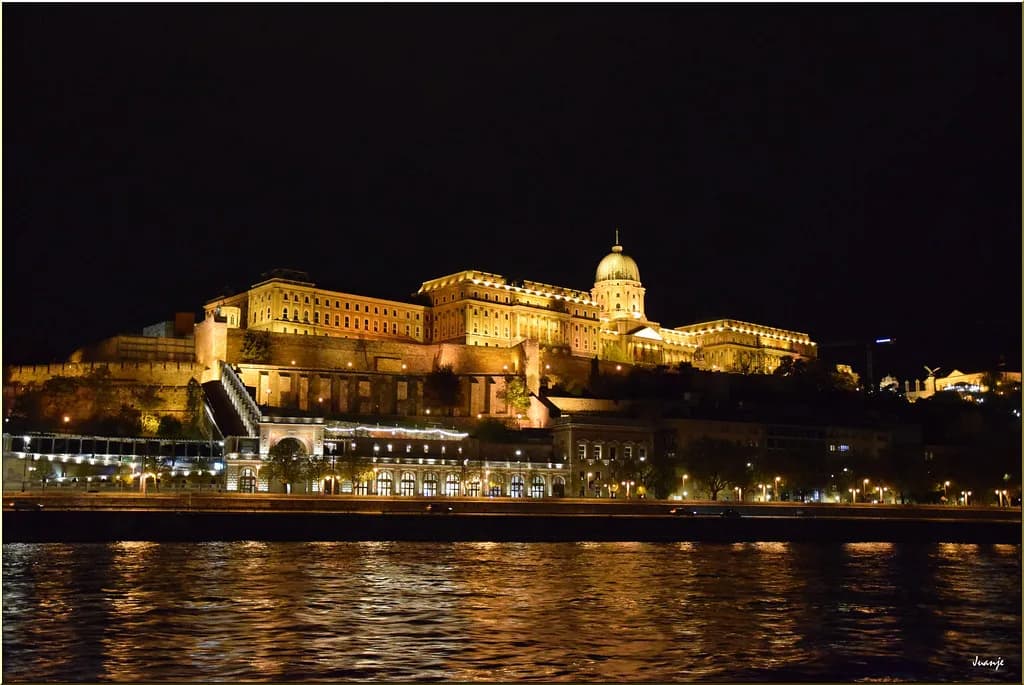
The pattern across the month is a gradual slide rather than a sudden break. The first half behaves like an extension of summer, which is why the early-September beer festival on Liberty Square draws crowds outdoors into the night. The second half starts to feel autumnal on the terraces of Buda Castle, especially once the sun drops behind the hills.
Compare the months around it and the logic is clear. July and August are hotter and busier; October is cooler and quieter, with a shorter festival list. September is the bridge month where you get warmth and activity together, which is why it carries the reputation it does. If you want the quieter, sweater-weather version, look at Hungary in October.
Why tourist season runs into September and what that means for crowds
Hungary's tourist season runs roughly from May through September, which places September firmly inside the busy window rather than after it. The practical effect is that major sights in Budapest still see steady foot traffic, but the intensity of high summer eases as the month progresses. You get a working city rather than a peak-season crush.
The catch is a different kind of demand. September is also prime convention time in Budapest, when large events fill hotel beds that tourists would otherwise take. That means room availability can tighten on specific dates even though headline visitor numbers are falling. Book around convention dates rather than counting on September to deliver bargains.
For daytime sightseeing, the crowds are manageable if you work with the rhythm of the city. Castle Hill, Fisherman's Bastion and the riverside promenades are busiest in the middle of the day; early mornings are calmer and the light is better. Save the indoor sights for the afternoon shower window that September sometimes delivers.
What's on: Budapest's September 2026 festival calendar
Budapest's September is unusually packed, and the 2026 dates are specific rather than recurring. The month opens with a six-day beer festival on Liberty Square from September 1 to 6, 2026, with free entry, a required festival glass priced at 4,250 Hungarian forint and pay-per-drink service, running from midday into the early hours. The neighborhood Pozsonyi Picnic follows on September 5 along the Danube promenade in Újlipótváros, free and family-friendly.
The middle of the month is the crowded stretch. The Budapest Wine Festival runs at Buda Castle from September 9 to 12, 2026, overlapping with the inaugural World Athletics Ultimate Championship at the National Athletics Centre from September 11 to 13, whose sessions are in the evenings. That overlap is workable: wine on the castle terraces in the afternoon, athletics after sunset.
The same weekend brings a second, craft-focused beer festival. KRAFT at Dürer Kert in South Buda runs September 10 to 13, 2026, with free entry and a token-and-glass system for drinking. Later in the month, the car-free Danube embankment program takes over the weekend of September 19 to 20, and OktoberFest Budapest closes the month from September 25 to 27 before continuing October 2 to 4. None of these dates should be assumed for 2027 until organizers publish them.
Buda Castle Wine Festival: cost, dates and whether it's worth a day
The wine festival is the marquee event of the Budapest month, and its economics are worth understanding before you commit. Daily tickets run up to 8,900 forint, depending on the day, and include a crystal tasting glass, buyable online or at the venue. There is also a half-price afternoon Explorer ticket at 4,950 forint valid from opening until 5 pm, which is the smarter buy if your main interest is tasting rather than the evening concert program.
Weigh the ticket against what you actually get. The festival spreads across Buda Castle's terraces and courtyards with hundreds of Hungarian and international wines, plus guest stands from the Americas in 2026, a gourmet food court and evening concerts. The afternoon ticket lets you stay past 5 pm but not re-enter once you leave, so plan one continuous visit rather than a split day.
Is it worth a whole day? For wine-focused travelers, yes — it is the single best use of an afternoon in the city. For everyone else, it works better as a late-afternoon anchor with a castle-district walk before and dinner after. If you are choosing between the wine festival and the free embankment weekend, the answer depends on budget more than taste. Money in Hungary runs on the Hungarian forint, and festival kiosks generally price in it.
Beer festivals compared: Liberty Square vs KRAFT at Dürer Kert
The two beer festivals are different products, and the choice matters. Liberty Square's event, September 1 to 6, is a city-center showcase: roughly 250 Hungarian breweries, Hungarian food such as lángos and stuffed cabbage, and live local bands, with opening hours from noon to midnight midweek and to 2 am Thursday through Saturday. You pay for a festival glass at 4,250 forint, then buy drinks and food as you go.
KRAFT at Dürer Kert, September 10 to 13, is the craft crowd's version. It is pay-as-you-drink with free entry, but you need an official KRAFT/BPBW glass and event tokens, and glassware and tokens from previous years remain valid — a detail that rewards repeat visitors. The setting is a riverside venue in South Buda rather than a central square, with food trucks and DJs adding to a relaxed, community feel.
Choose Liberty Square if you want a central, easy-to-reach festival with food and music and don't mind a large crowd. Choose KRAFT if you care more about fresh craft releases and meeting brewers, and you're happy to make the trip to Buda. Attending both is feasible since the dates barely overlap, but two beer festivals in one trip is a lot of standing.
Free and low-cost events: the car-free Danube embankment and Pozsonyi Picnic
Not everything in September costs money, and the free programming is genuinely good. The Pozsonyi Picnic on September 5, 2026, fills the Danube promenade between Margaret Bridge and Szent István Park with two stages of local theater and music, artisan and publisher stalls, and a children's zone along Radnóti Miklós utca. It is free and family-friendly.
The car-free Danube embankment weekend on September 19 and 20 ties into European Mobility Week, which runs September 16 to 22. Expect free sports equipment lending, pedal go-karts, a roller disco, skating, a cargo-bike petting zoo and an upcycling workshop on the Pest side between the Elizabeth and Margaret bridges. It is free and family-friendly, and it drew around 20,000 visitors a day last year.
Beyond the festival weekend, stretches of the Pest embankment are closed to cars through summer and into autumn as part of an ongoing pedestrianization program, so riverside walking is a reliable, free pleasure any day of the month. Add the open-air choir concert at Fisherman's Bastion on September 19 at 11 am, also free, and you can build a satisfying no-ticket day around Castle Hill and the river.
Beyond Budapest: where September works best in the countryside
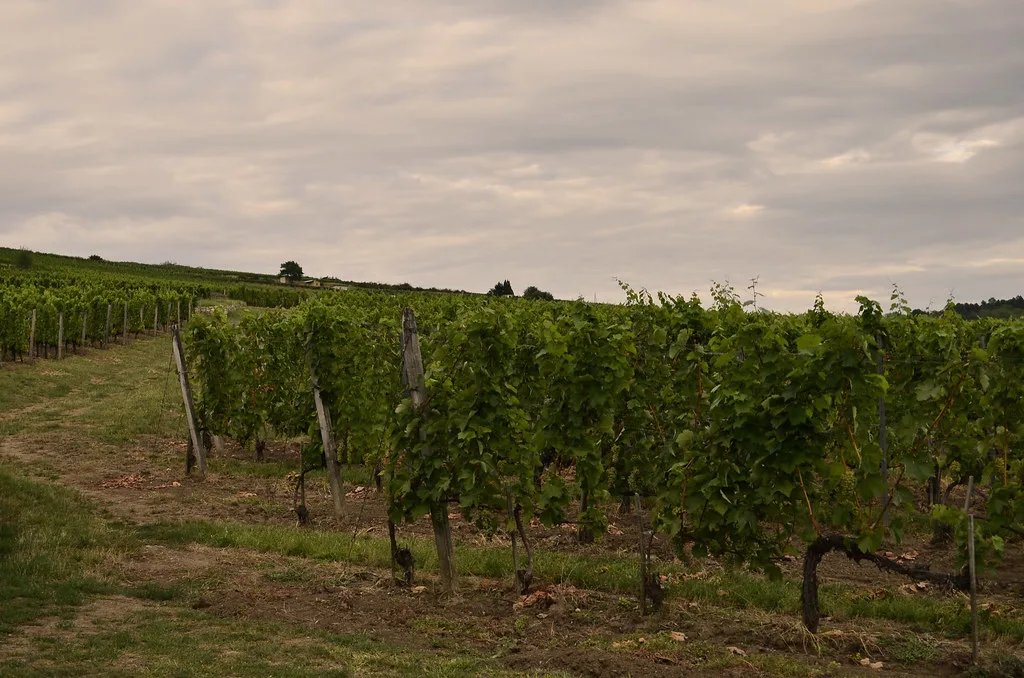
Outside the capital, September is a weather month rather than an events month, and the appeal is quieter. The countryside rewards road trips: vineyard towns, small historic centers and rural thermal baths are all more comfortable in September than in July, and the roads are calmer once school restarts. If you plan to drive, renting a car in Hungary is worth organizing before you arrive, particularly from Liszt Ferenc International Airport.
Gödöllő's Royal Palace of Gödöllő makes an easy day trip from Budapest and pairs naturally with a slower countryside loop. Eger and the Tokaj wine region make sense for anyone who wants the harvest atmosphere without the festival pricing of the capital. For a broader ranking of where to spend your days, the best places to visit in Hungary covers the practical picks.
Lake Balaton is the one place where September is a fading proposition rather than a rising one. Early September still supports lake swimming and lakeside dining, but by late in the month the water and the resort atmosphere cool, and the rhythm shifts toward walking, wine and spa time. Plan Balaton for the first half of the month if swimming is the point.
Lake Balaton and the Hungarian countryside in September
Balaton in September is a trade-off, not a disappointment. You get fewer crowds, easier parking and a more local feel, especially around the smaller northern-shore towns, but you also get a shorter window of genuinely warm water and some seasonal businesses winding down. Go early in the month and treat swimming as a bonus rather than a guarantee.
The countryside's reliable September attractions are the ones that don't depend on peak season. Thermal spas, castle and palace visits, wine tastings and market towns all function well in mild weather, and the light is better for photography than in high summer. Check individual opening days directly with the venue, since rural sights often run reduced days outside summer.
If you want a single base outside Budapest, choose one with rail or road connections that make day trips easy rather than trying to cover three regions. Two nights in one place beats one night in three, and September's shorter evenings make a settled base more appealing. Hungary's rail network will get you between regional centers, and a car fills the gaps to smaller sights.
How many days you need
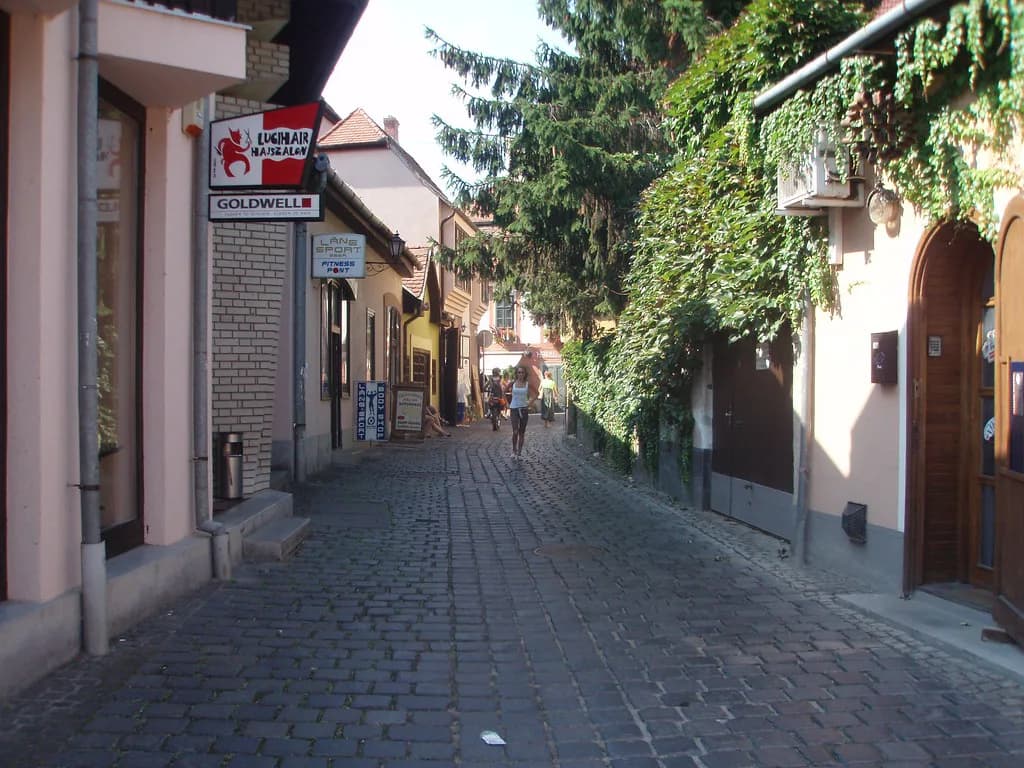
Five days is the honest minimum for Budapest in September if you want to attend a festival and still see the city. Three days covers the core: Castle Hill, the Parliament, a Danube walk and one evening out. Adding a wine festival afternoon and the embankment weekend plus a day trip to Gödöllő or Szentendre brings you to five or six comfortable days.
For a Hungary-wide trip, allow ten days to two weeks. That gives Budapest four or five nights, a countryside base or two, and enough slack to absorb a rainy spell without losing a headline sight. September's festival overlap in the middle of the month means your dates should be set before anything else.
Don't over-plan the days. September's value is in the weather being good enough to improvise — a riverside afternoon, a thermal bath visit, an unplanned terrace dinner — and a packed schedule squanders exactly what makes the month work. Build in one free afternoon for every two planned ones.
Typical costs and how September pricing differs
September is mid-to-high season for pricing, not a bargain month. Accommodation tightens around convention dates, and the festival calendar gives venues little reason to discount. Event pricing is transparent where it is published: the wine festival's daily tickets up to 8,900 forint and half-price afternoon ticket at 4,950 forint, the beer festival glass at 4,250 forint, and Matthias Church classical concerts from 40 euros for a Category A seat are all listed by their organizers.
Fringe costs mount faster than headline tickets. Wine festival tastings are bought on top of entry, dinner cruises and folk-show dinners are separately ticketed, and the craft beer festivals operate on tokens. Budget for the festival as an evening out rather than a single admission, and keep some cash for kiosks and market stalls.
The frugal version of September is entirely possible. The Pozsonyi Picnic, the car-free embankment weekend and the Fisherman's Bastion choir concert are free, and the city's public spaces are at their best in this weather. Pair free programming with picnic lunches and one paid festival, and the month costs less than a summer trip with the same itinerary. For payment habits and cash expectations, the guide to money in Hungary covers the practical side.
Getting there and around
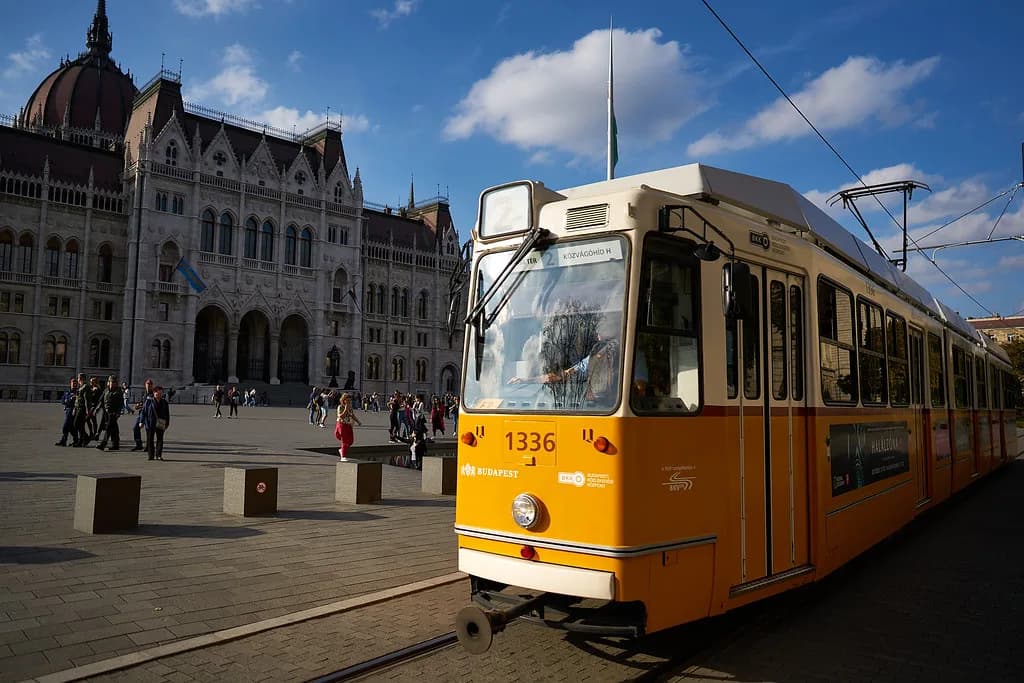
Most trips start at Budapest Ferenc Liszt International Airport, which connects to the city by public transport and taxi. From the airport, follow official signage and licensed taxi desks rather than informal offers. Once in the city, Budapest's metro, trams and buses handle everything a short trip requires, and the M1, M2 and M3 lines meet at Deák Ferenc tér, which puts Erzsébet tér market events within easy reach.
For the festival-heavy stretch in early and mid-September, public transport beats driving every time. Dürer Kert is in South Buda, the National Athletics Centre sits by the Rákóczi Bridge on the Pest side, and both are reachable without a car. If you plan to combine Budapest with the countryside, pick up a rental at the airport at the start or end of the trip rather than in the middle.
Travelers driving in from elsewhere in Europe should plan tolls and vignettes in advance, since Hungary's motorway system is not free. Rail works well between major cities, and buses fill regional gaps. For visa and entry rules, check the official Hungarian government consular page once and rely on it for your nationality.
Drawbacks: convention crowds, cooler evenings, closed seasonal spots
The main drawback is hotel demand from conventions, which can make city rooms scarce and expensive on specific dates even as tourist numbers ease. Book early or shift your dates around known event weeks. The second issue is the weather turning: September afternoons can be warm, but evenings cool quickly, and rainy spells arrive, so terraces and river cruises need a backup plan.
Seasonal closures deserve attention outside Budapest. Lake Balaton's resort infrastructure starts winding down late in the month, and some rural sights run reduced opening days after summer. In the capital, the festival calendar is a crowd magnet: the wine festival and the athletics championship overlap in mid-September, so hotel and transport demand spikes then. Plan for more people than a quiet autumn image suggests.
Finally, September is not a secret. The reputation of the month has made it popular with other visitors, and events sell out. Dinner cruises and ticketed concerts are the first to go. The honest framing is that September is popular because it deserves to be, and the fix is to book the few things you really want rather than to hunt for an uncrowded alternative that doesn't exist.
Verdict by traveler type
First-time visitors: go in September. The weather, the daylight and the festival calendar let you see the city at its most sociable, and the countryside at its most comfortable. Couples and friends: this is the best city-break month of the year for terrace evenings and a Danube cruise. Culture travelers: the concerts, organ recitals and wine festival give the month a cultural spine.
Budget travelers: choose May or October if price is the deciding factor. Families: early September works if you lean on the free embankment weekend; late June or July is better for lake swimming. Wine lovers: the Buda Castle festival is the reason to come. If you are still deciding between Hungary and its neighbors, the Hungary verdict lays out the trade-offs before you commit. For a nearby alternative on the same decision, weigh is Serbia worth visiting against what September in Hungary offers.
Plan Your Visit
September rewards the traveler who treats Hungary as two trips: a festival-rich capital in the first half of the month and a calmer countryside in the second. Set your dates before you book, anchor the trip around one or two ticketed events, and leave room for the free riverside weekends that make the month feel easy.
Book accommodation early if your dates fall around the mid-September overlap, and confirm smaller rural sights directly as the season shifts. If you have flexibility on timing and want the cooler, quieter version of the same country, compare with October before you commit. Either way, September earns its reputation as Hungary's most balanced month.
Explore more Hungary trip-decision guides
Frequently Asked Questions
Is September a good time to visit Hungary?
Yes. September is the most balanced month for a first trip: afternoons are usually warm, the peak-summer intensity eases, and Budapest's festival calendar is at its busiest. The main caveats are convention demand on city hotel rooms and evenings that cool quickly.
How hot is Budapest in September?
Expect typically warm days in the low twenties Celsius, with light showers possible and cooler evenings, especially late in the month. Treat that as the character of the month rather than a forecast and check a short-range forecast from the Hungarian Meteorological Service before finalizing outdoor plans.
What is there to do in Hungary in September?
Budapest carries most of the calendar: beer festivals, the Buda Castle wine festival, an athletics championship, the car-free Danube embankment weekend and neighborhood events like the Pozsonyi Picnic. Outside the capital, the month suits wine regions, thermal spas, castle visits and early-September lake swimming.
Is September cheaper than summer in Budapest?
Not reliably. September sits inside the tourist season and convention business adds pressure on rooms, so city prices can hold up. The free programming — the embankment weekend, the Pozsonyi Picnic, the Fisherman's Bastion choir concert — is where the month delivers value.
Should I go to Budapest in September or October?
Choose September for warmer days and a much fuller events calendar. Choose October for quieter streets, cooler weather and a slower pace. First trips generally favor September; return visits and budget-led trips often favor October.
Should I book festival tickets in advance?
Yes for anything you are sure about. Dinner cruises and ticketed concerts sell out first, and the wine festival sells tickets online through the organizer as well as at the venue. Check the organizer's page for current dates and prices before booking.
Do I need a car to see Hungary in September?
Not for Budapest, where public transport covers the festivals and sights easily. A car helps for countryside wine regions and smaller sights, and it is worth booking from the airport at the start or end of the trip rather than in the middle.
Sources
Trip-decision notes
Optional updates when we publish or revise a destination verdict.
You might also like
Continue reading
More guides you'll find useful