Hungary in October: Is It Worth Visiting? Weather & Crowds
October is Hungary's most underrated month: mild days, thinner crowds and lower prices, with a few rain risks. Here's who it suits and who should go earlier.
On this page
Yes, October is worth it, provided you want fewer crowds more than guaranteed sunshine. Hungary's high season runs through June to August, and October drops out of it: rooms are easier to find, queues at the big Budapest sights thin out, and daytime temperatures still allow long hours outdoors. The price is shorter days, a real chance of rain, and one public holiday that reshuffles opening hours across the country.
The month rewards a mixed plan rather than a single-track one. Bank on warm, bright afternoons early on and cooler, wetter stretches toward the end, then keep thermal baths, museums and wine cellars as your fallback when the sky turns. If you are still weighing the country as a whole, our guide to whether Hungary is worth visiting sets out the wider case beyond this one month.
The verdict
October is the sweet spot for Budapest and a strong month for the countryside, but only if you accept a narrower weather margin than summer gives you. Fewer tourists and softer rates are the headline gains, and outdoor sightseeing and hiking remain comfortable through most of the month. What you give up is certainty: a sunny morning can turn into a cloudy, wet afternoon, so a plan built entirely around terraces and trails will eventually need a backup.
Treat the first half of the month and the last week as two different trips. Early October holds the best odds of the warm Indian summer Hungarians call vénasszonyok nyara, an eight-to-ten-day mild, sunny window at the end of September and the beginning-middle of October that is ideal for outdoor programs. Late October brings the festival calendar and the national holiday, plus noticeably earlier dusk and more rain.
Who will love October in Hungary
Couples and small groups who want Budapest's main sights without the July scrum will find October close to ideal. Buda Castle, the Fisherman's Bastion area and the riverside walks are far calmer than in peak season, and you can book a table without a week's notice. Anyone pairing a city break with a wine region or a few days of hiking gets a month that works for both halves of the trip.
Culture-led travelers also do well. October carries a genuinely busy program of concerts, light installations, food weekends and museum openings in the capital, so evenings fill up without any effort. Families with younger children will appreciate the pumpkin festival, held at the City Park Ice Rink across three weekends in October, and the chimney cake weekend at the Citadella on Gellért Hill, where admission is free.
Who should pick a different month
If long, reliably warm days are the point of your trip, go earlier. Hungary in May gives you warm weather, blooming gardens and a full festival slate with none of the autumn rain risk, while July and August deliver the heat and the lake-swimming season that October cannot. Hikers who want dry trails and long daylight should also look at late spring rather than the back end of autumn.
Travelers with tight schedules and no flexibility on dates should think twice, because one rain-heavy stretch can wipe out the outdoor plans you came for. The same applies if you are chasing guaranteed sunshine for a special occasion: October is mild, not summery, and the month can throw a genuinely cold snap near the end.
Weather in October: typical highs, lows, rain and sunshine
Budapest in October typically averages around 16°C to 17°C (61°F to 63°F), with afternoon highs near 19°C (66°F) and nights dropping to roughly 7°C (45°F). Rain amounts to around 56 to 60 mm over about 12 days of the month, and you can still count on roughly ten hours of daylight per day. Those are typical conditions rather than a forecast, so treat them as the shape of the month, not a promise for your week.
Across the country as a whole, average temperatures sit near 13°C (55°F) in October, with the month starting warmer and cooling toward the end. Rain is a recurring feature, and cloud cover builds, so mornings often outshine afternoons. Pack for variety rather than for a single climate, and keep a light waterproof layer within reach on any day you plan to be outside for hours.
Weather beyond Budapest: Miskolc, hiking country and Lake Balaton
Budapest is not the whole story. Miskolc, one of the colder cities in the country, sees October lows around 5°C (41°F), and it is unusual for anywhere in Hungary to fall below freezing during the month. If you are heading northeast for the Bükk hills or the cave bath at Miskolctapolca, add a layer compared with what you would wear in the capital on the same day.
Hiking areas are where October shines and where it bites. Bükk National Park in the north offers trails for every fitness level through karst formations and forest, and autumn turns the woods gold, making it one of the best reasons to come this month. The caveat is that wet, slippery days arrive without warning, so build flexibility into any multi-day walking plan rather than fixing every stage in advance.
Lake Balaton and the spa towns around it work better as shoulder-season add-ons than as beach destinations. The thermal lake at Hevíz stays open and draws visitors for the warm water rather than the shoreline, and a Miskolctapolca cave bath is a sensible rainy-day substitute for a hike. Beach bars and lakeside swimming, by contrast, belong to the summer months.
What October adds to the calendar: national day, harvest and food festivals
October 23 is a public holiday commemorating the 1956 revolution, and it changes how the country operates for a day. Shops, markets and services close, public transport runs on a Sunday and holiday timetable, and many museums waive entry to their permanent exhibitions. Thermal baths stay open but charge holiday pricing, so plan a museum-and-bath day around it rather than a shopping one.
The same long weekend brings the season's best free entertainment. The lower Danube embankment in Pest closes to traffic for the last time in the year, with concerts, children's activities and a candlelit dinner along the riverside between the Elizabeth and Margaret bridges. Over on Gellért Hill, the Citadella hosts a chimney cake weekend running alongside the holiday, with free admission, live music and city views.
Food and drink dominate the rest of the month. Restaurant Week lets you sample three-course menus at low prices, chimney cake gets its own festival treatment, and the Eger wine region is at its best for cellar visits and tastings of its red blends and whites such as Egri Leányka. For anything ticketed, book through the organiser, since capacity is limited and some workshops require advance registration.
Budapest in October: Buda Castle, the baths and the Danube embankment
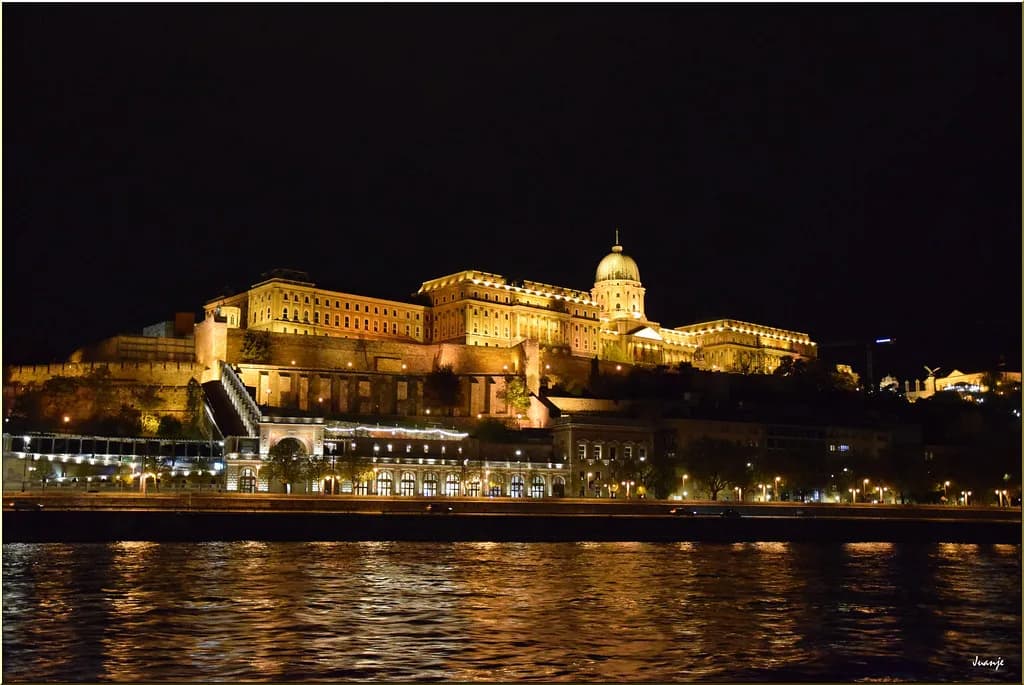
Budapest carries most of the month's weight, and the big sights are simply easier. Buda Castle, St. Stephen's Basilica and the Great Market Hall all benefit from thinner crowds, and the autumn light around the castle district is arguably better for photographs than the summer glare. Use the calmer conditions to walk rather than queue: the Castle District, Gellért Hill and the Margaret Island paths reward an unhurried morning.
The baths are October's insurance policy. Széchenyi and the Gellért Baths give you a warm, indoor-friendly half-day when rain settles in, and the outdoor pools remain usable on mild afternoons. Pair a morning bath with an afternoon museum and you have a rainy-day plan that does not feel like a consolation prize.
Concerts and light shows fill the evenings. Liszt Fest runs at MüPa and other venues in early-to-mid October, with tickets priced from a few thousand forint for some performances up to roughly 28,900 HUF for the biggest orchestral nights. Lumina Park opens at Palatinus Bath on Margaret Island with adult entry in the region of 4,900 to 5,200 HUF, and the Citadella's Halloween workshops charge 2,500 HUF for children's puppet-making.
Beyond Budapest: Eger wine country, Bükk National Park, Pécs and Miskolctapolca
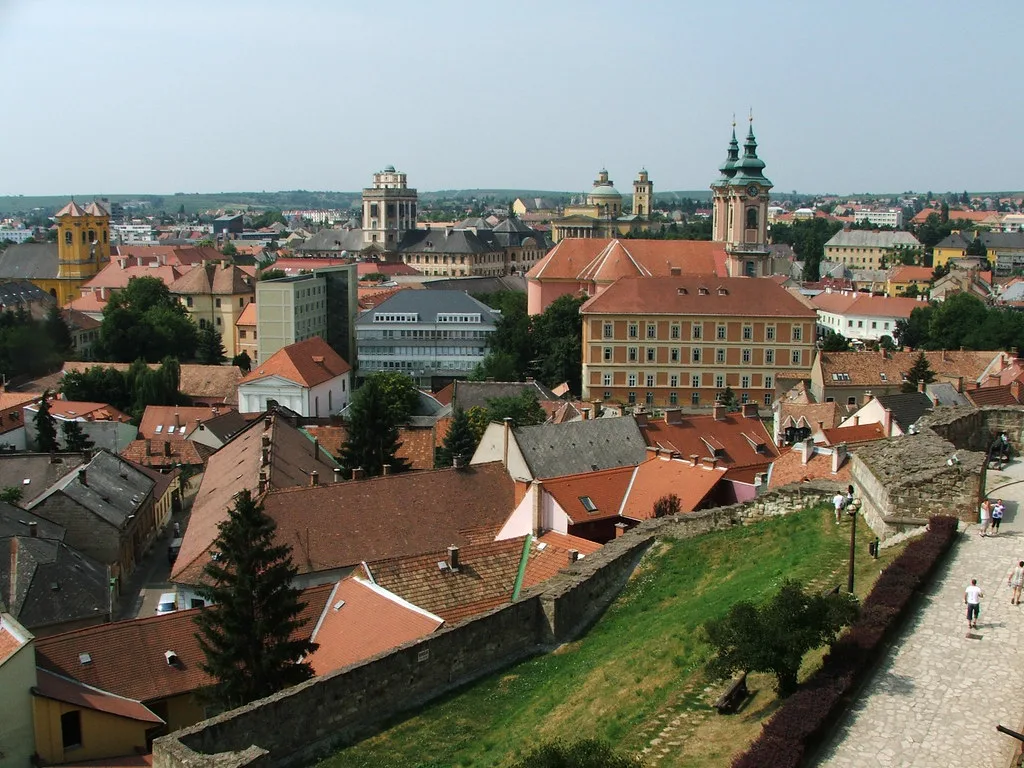
Eger is the easiest day trip with a real payoff. The baroque town centre sits below a castle and a valley of wine cellars, and October is prime time for tasting the region's red blend and its whites. Go midweek if you can, and choose a cellar with a seated tasting rather than a standing bar if you want to learn anything about what you are drinking.
Pécs rewards a full day and an overnight. Its UNESCO-listed necropolis of Sopianae, the early Christian burial complex beneath the city, is the kind of sight that justifies the trip on its own, and the old town is small enough to cover on foot. Combine it with a slow lunch and you have a city that suits the month's gentler pace.
For a nature-and-spa pairing, head northeast to Bükk National Park and the cave bath at Miskolctapolca. The water there is low in salt, which lets bathers stay in longer, and the setting is unusual enough to make a rainy afternoon worthwhile. You will need a car or a patient bus connection to link the two, so treat it as a full-day outing rather than a quick stop.
Crowds and prices compared with June to August
October is out of high season, and the difference is real. In July, finding a short-term apartment in Budapest at a reasonable rate can be close to impossible, whereas in October the options multiply and rates soften across the board. The savings extend to tours and restaurants, where competition for your booking drops sharply once the summer peak ends.
Crowds follow the same pattern. The most popular attractions no longer come with hour-long queues, so you can see more in a day and still leave room for a long lunch. Hotel and flight prices move constantly, so compare your own dates rather than relying on any published average; for day-to-day spending, our guide to money in Hungary explains the forint and how cards are used.
How many days you need in October
Give Budapest three full days and you will see the headline sights at a comfortable pace, with one of those days reserved for a bath and a museum. Add two or three nights in the countryside, either in Eger for wine or in the northeast for hiking and the cave bath, and a week to ten days covers the country well. Because daylight shrinks through the month, plan outdoor sightseeing for the morning and keep afternoons flexible.
If you only have a long weekend, stay in Budapest and use it properly. Two days of walking and baths plus one day trip to Eger or Pécs is a satisfying trip, and the lack of summer crowds makes a short visit feel less rushed. The best places to visit in Hungary can help you choose the day trip that matches your interests.
Getting around Hungary in October
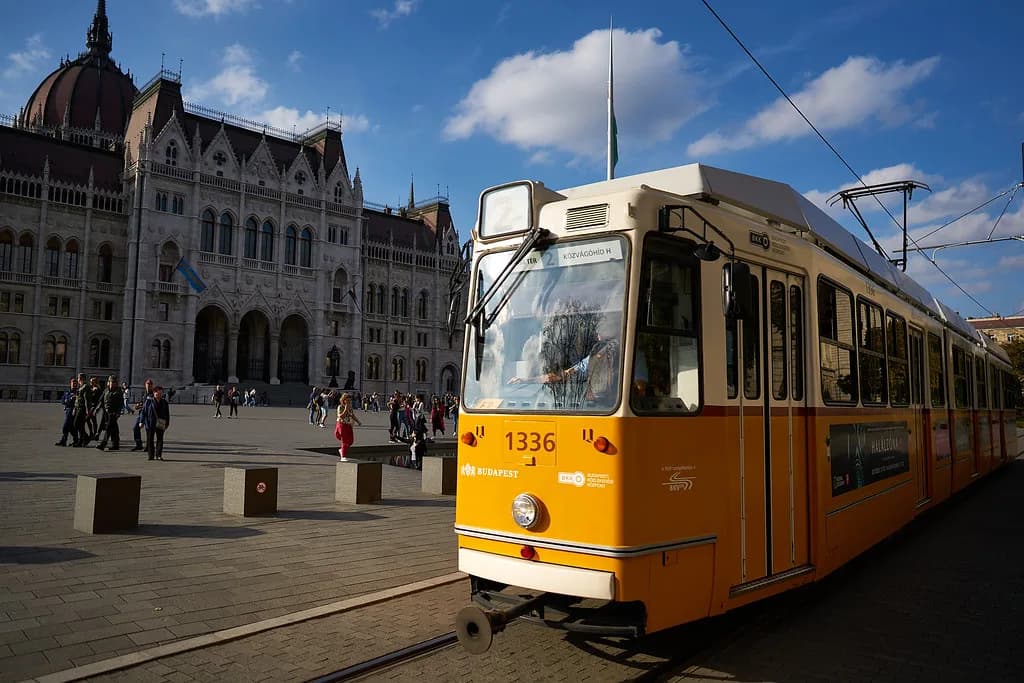
Budapest itself is best handled on foot and by public transport, which runs on a Sunday and holiday schedule on October 23. For the countryside, the train network connects Budapest with Eger, Pécs and Miskolc, and journey times are long enough that you should check timetables before committing to a day trip. Regional buses fill the gaps to smaller places, but rural services are infrequent, so build slack into any connection.
Renting a car makes sense if you want Bükk, the Balaton shore and Hevíz in one loop, and it gives you the freedom to abandon a wet hiking day without losing a ticket. Weigh that against city parking and the hassle of pick-up in Budapest; renting a car in Hungary covers what the paperwork involves before you decide.
Drawbacks: rain, early dark, holiday closures and indoor-heavy days
Rain is the main one, and it is not a drizzle. Around 12 days of the month see rain in Budapest, some of it heavy enough to cancel outdoor plans, and the light fades noticeably earlier as the weeks pass. An itinerary with no indoor fallback will eventually feel like a gamble, so pair every walking day with a bath, museum or cellar.
The October 23 holiday is the other trap. Shops and markets close, transport shifts to a holiday timetable, and anything you planned to buy or browse that day needs to move. On the plus side, permanent museum exhibits are typically free, which makes it a good day for culture if you plan ahead.
October versus September and November
September is warmer and drier, with a strong festival calendar and the start of the wine harvest, but crowds are still meaningful and rates have not fully dropped. October trades some of that warmth for quiet and lower prices, and adds the national holiday weekend. If you want heat and long evenings, September wins; if you want calm and value, October does.
November is a step colder and darker again, with the tourist season winding down and more indoor time. October is the better bridge month because it still offers genuinely pleasant afternoons and the countryside is at its most photogenic. Unless you are specifically after the pre-winter calm, there is little reason to push past October.
Practical tips that actually change your trip
Book the big-ticket cultural events before you arrive, since Liszt Fest performances and Lumina Park slots are date-specific and sell on popularity. Check each organiser's own page for the current programme, then build the rest of the day around it rather than the other way round. Carrying a small amount of forint cash helps at markets and rural cellars, even though cards are widely accepted.
Two small practicalities save real hassle. Hungary uses the standard European plug type, so a simple adapter covers most devices. Check the official government travel page once for entry requirements before booking, and leave the rest of your planning to the weather and the calendar rather than to forums.
Plan Your Visit
October is the month to choose if you want Hungary without the summer crush and can accept a bit of rain. Budapest is at its most walkable, the wine regions are in season, and the national holiday weekend delivers more free culture than any other week of the autumn. Go early in the month for the best weather, late for the festivals, and keep an indoor plan ready either way.
If you are still deciding between months, weigh your tolerance for grey skies against your preference for crowds. Travelers who need guaranteed sun should look at late spring; everyone else will find October a quietly excellent compromise. If you are weighing a wider regional loop, our guide asking is Serbia worth visiting covers the same shoulder-season trade-offs just across the border.
Explore more Hungary trip-decision guides
Frequently Asked Questions
Is Budapest cold in October?
Not cold, but cool. Typical October conditions in Budapest average around 16°C to 17°C (61°F to 63°F), with afternoon highs near 19°C (66°F) and nights around 7°C (45°F). Evenings and early mornings feel distinctly autumnal, so a warm layer is worth carrying.
What is the weather like in Hungary in October?
Country-wide, October averages near 13°C (55°F), with warmer days early in the month and cooler ones toward the end. Rain falls across roughly 12 days of the month, and colder cities such as Miskolc see lows near 5°C (41°F). Treat these as typical conditions, not a forecast.
Is October a good time to visit Hungary?
Yes, for most travelers. It sits outside the June-to-August high season, so crowds thin and rates soften, while daytime temperatures still allow hiking and long walks. The trade-offs are shorter days, a real chance of rain and the October 23 public holiday, when shops close and transport runs on a holiday timetable.
What's happening in Budapest in October?
The month brings Liszt Fest concerts, a pumpkin festival at the City Park Ice Rink, a chimney cake weekend at the Citadella, Halloween activities, Restaurant Week and the October 23 national holiday with free embankment programs. Liszt Fest tickets run from a few thousand forint to roughly 28,900 HUF depending on the performance.
How many days do you need in Hungary in October?
Three full days in Budapest plus two or three nights in the countryside makes a comfortable week to ten days. A long weekend covers Budapest with one day trip to Eger or Pécs, though shorter daylight means front-loading outdoor sightseeing into mornings.
Sources
Trip-decision notes
Optional updates when we publish or revise a destination verdict.
You might also like
Continue reading
More guides you'll find useful