Best Time to Visit Romania: Weather, Crowds & Seasons
May and September are the best months to visit Romania for mild weather, thinner crowds and lower prices. Here is how each season changes the trip you get.
On this page
For most first trips, the best time to visit Romania is May or September. Both months sit outside the July and August crush, keep daytime temperatures in a range that suits walking and hiking, and leave the country's key landscapes open and working.
The honest caveat is that Romania is not one climate. The Carpathians, the continental east and the Black Sea-influenced south behave differently enough that the right month for a Bucharest city break can be the wrong one for a Danube Delta boat trip.
The verdict: May and September for most first trips
May is the single best month for a mixed Romania itinerary. Spring settles in, the hills of Transylvania turn green, snow retreats from the Carpathian trails, and the Danube Delta fills with returning migratory birds.
September is the strongest alternative. Summer heat has eased, the holiday crowds thin out, and the countryside stays warm enough for long days outside without the peak-season pressure on rooms and roads. Bucharest specialists rate both spring and early autumn above midsummer and winter for city visits, recommending April, May, June, September and October for the capital.
What you get in either month is a trip that works across regions: cities, Saxon towns, mountain walks and delta waterways in one itinerary without the compromises that July heat or December cold force on you.
Who should pick a different month
Choose July or August only if swimming in the Black Sea is the point of the trip. The coast is at its warmest and sunniest then, but southern cities such as Bucharest and Constanța turn genuinely hot, and resorts and hotels charge peak rates.
Budget travelers and photographers who dislike crowds should look at April or late October instead. You trade some bloom and daylight for lower prices and quieter streets, and April in particular brings more rain than May.
Travelers whose only goal is a city break in Bucharest can widen the window to April, June, September and October, since the capital rewards walking weather more than beach weather.
Weather by season: what the three climate zones mean for your itinerary
Romania splits into three broad climate zones: a moderate west of the Carpathians, a sharply continental east with cold winters and hot summers, and a south and coast with Mediterranean influence. A single national forecast is close to useless for planning.
In practice this means you build the trip around the zone you care about most. Transylvania and Maramureș in the north and center want late spring to early autumn, the delta and Moldavia in the east peak in the same window but with more rain in high summer, and the coast belongs to July and August.
Mountain areas run cooler than the lowlands at any time of year. Evenings in Transylvania can drop to around 10°C (50°F) in May, so a warm layer matters more than a rain jacket in the evening.
Romania in May: the sweet spot for hiking, cities and the Danube Delta
May delivers typical daytime highs of 18–24°C (65–75°F), a national range of roughly 12–22°C (54–72°F), rain averaging about 70mm over 10–12 days, and close to 15 hours of daylight by the end of the month. Showers tend to arrive in short afternoon bursts rather than washing out whole days.
It is the best month for the Seven Ladders Canyon near Brașov, where snowmelt pushes the waterfalls to full flow and the ladder route through the limestone gorge takes roughly three to four hours including the forest approach from the Piatra Mare chalet.
In the Danube Delta, May means warm but not hot conditions, fewer mosquitoes than summer, and pelicans, herons and possibly white-tailed eagles along the channels between Tulcea and Sulina. The boat leg takes about four hours each way, so plan it as a full day rather than a side trip.
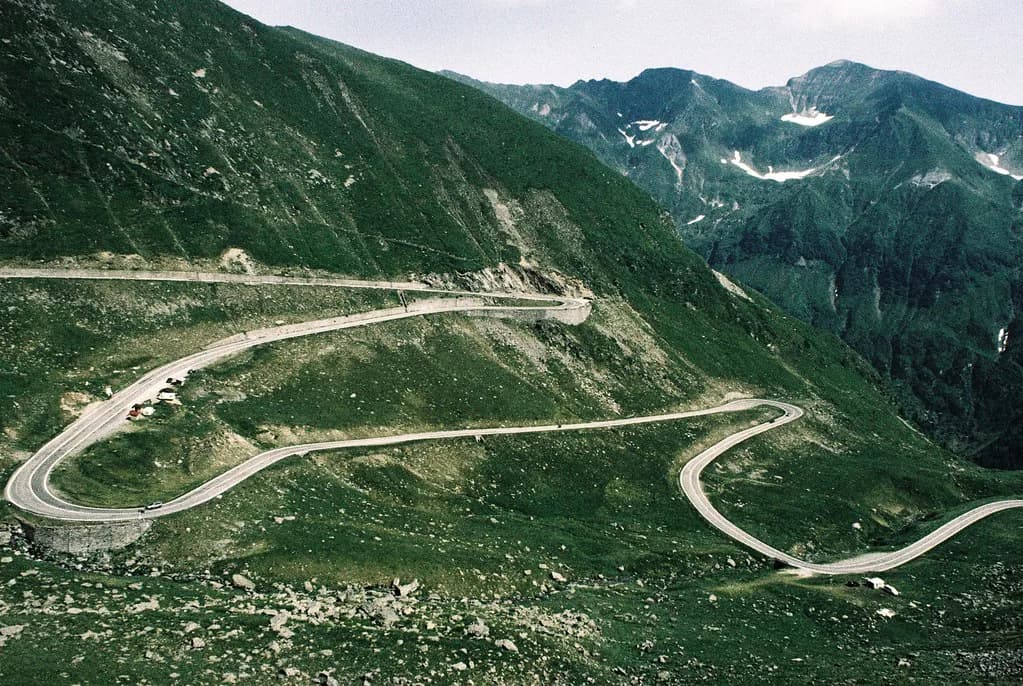
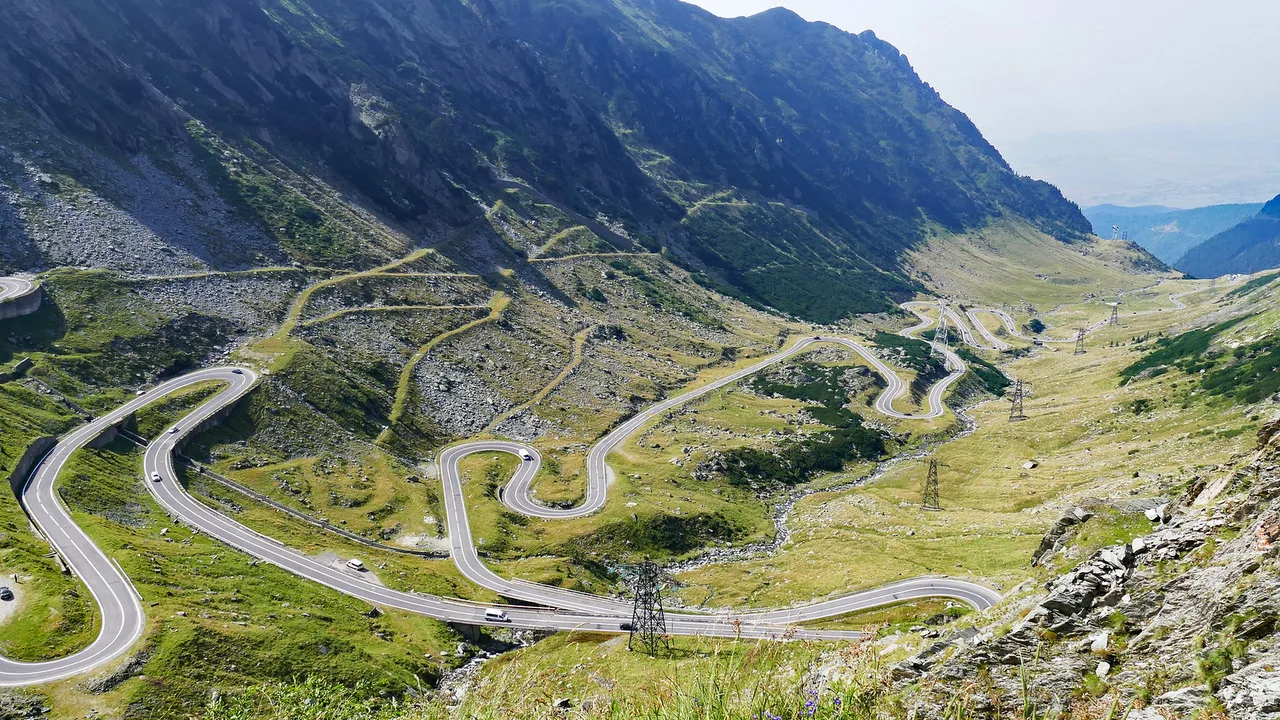
Higher ground also opens up. The Transalpina, Romania's highest road, typically opens in May, so late spring is the narrow window when you can drive it with snow still on the Parâng peaks above and clear asphalt beneath the wheels.
Romania in June: warm, long days, rising prices
June pushes temperatures into early-summer territory, with long daylight hours and mostly dry, settled days across Transylvania and the cities. It is a strong month for walking in Brașov, Sibiu and Sighișoara before the school holidays arrive.
The trade-off is momentum. Tourist numbers climb toward the July and August peak, room rates follow, and the first-choice hotels in the popular Saxon towns start filling earlier in the booking cycle.
Use June for Sarmizegetusa Regia in the Orăștie Mountains, where clear skies and mild air make the walk through the Dacian capital's limestone foundations and sacred zones comfortable, and for Turda Gorge's hiking trail if you want its cliffs without summer heat.
July and August: Black Sea beaches versus city heat
Midsummer is the coast's month and the interior's least comfortable stretch. Southern cities and the Black Sea resorts see the year's highest temperatures, and August is typically the hottest month in the south.
If you go in midsummer, structure days around mornings and evenings in Bucharest, Constanța and Craiova, and put the middle of the day into air-conditioned museums or a beach. The same heat that makes cities hard work makes the sea inviting.
Expect peak-season pressure: busier resorts, higher room rates and fuller roads toward the coast. Booking well ahead and keeping a flexible plan for the hottest days is a better use of effort than chasing a discount in late July.
Romania in September and early October: the editor's second pick
September keeps summer's warmth in the soil and sea while shedding the crowds. Cities become pleasant for long walks again, the countryside stays open, and hotel rates typically ease from their August highs.
This is the better month for travelers who want Transylvania's fortified churches and Corvin Castle without tour-bus congestion, and for anyone combining hiking with city time.
Early October extends the window with cooler air and thinner crowds, especially in Bucharest, where autumn is rated as pleasant before November turns chilly.
April and late October: the shoulder-season trade-offs
April brings spring color and lower prices but more rain than May, and some mountain trails still hold snow. Book it for cities and cultural sights rather than high-altitude walking.
Late October is a different bargain: decent walking weather in the lowlands, fewer visitors, and an easy case for Bucharest and the Saxon towns, but shorter days and a higher chance of cold, wet spells.
Both shoulder months work well for travelers who value quiet and lower costs over guaranteed sunshine, and badly for anyone set on swimming or delta birdlife at its peak.
Probably not November to March for a first visit
Winter narrows the trip considerably. Short daylight, cold in the east and mountains, and snow that can disrupt transport make it a poor fit for a first visit built on hiking and driving.
There are exceptions worth knowing. Orthodox Easter, which sometimes falls in spring, fills streets with midnight candlelit processions and feasting, and city breaks in Bucharest or Timișoara are workable if you accept early darkness and a quieter sightseeing calendar.
Treat winter as a specialist season for city culture, not a general-purpose Romania trip, and confirm which attractions and mountain roads are operating before you commit.
Crowds and costs: shoulder versus peak
May and September sit in shoulder season: tourist numbers are rising or falling rather than peaked, rates are typically below midsummer levels, and you have a much better chance of the room you actually want.
July and August invert that. Resorts and popular Transylvanian towns fill, prices climb, and spontaneity costs more. April and late October sit at the other end, with the cheapest and quietest conditions and the least reliable weather.
Currency matters for your budget: Romania uses the Romanian leu, so plan your spending around local cash and card use rather than assuming euro prices.
The Black Sea coast: why May is for walking, not swimming
May is a fine time to be on the coast for walking, seafood and empty beaches, but the water sits around 17°C (63°F), which is chilly for all but the most determined swimmers.
For actual swimming, July and August are the months that deliver, at the cost of peak prices and busier resorts. Constanța and the surrounding resorts are at their best then, though the same heat that warms the sea also bakes the city streets.
A sensible compromise is early September, when the sea retains summer warmth, the crowds thin and the light stays long enough for beach afternoons followed by old-town evenings.
Mountain timing: Transalpina, Carpathian trails and altitude
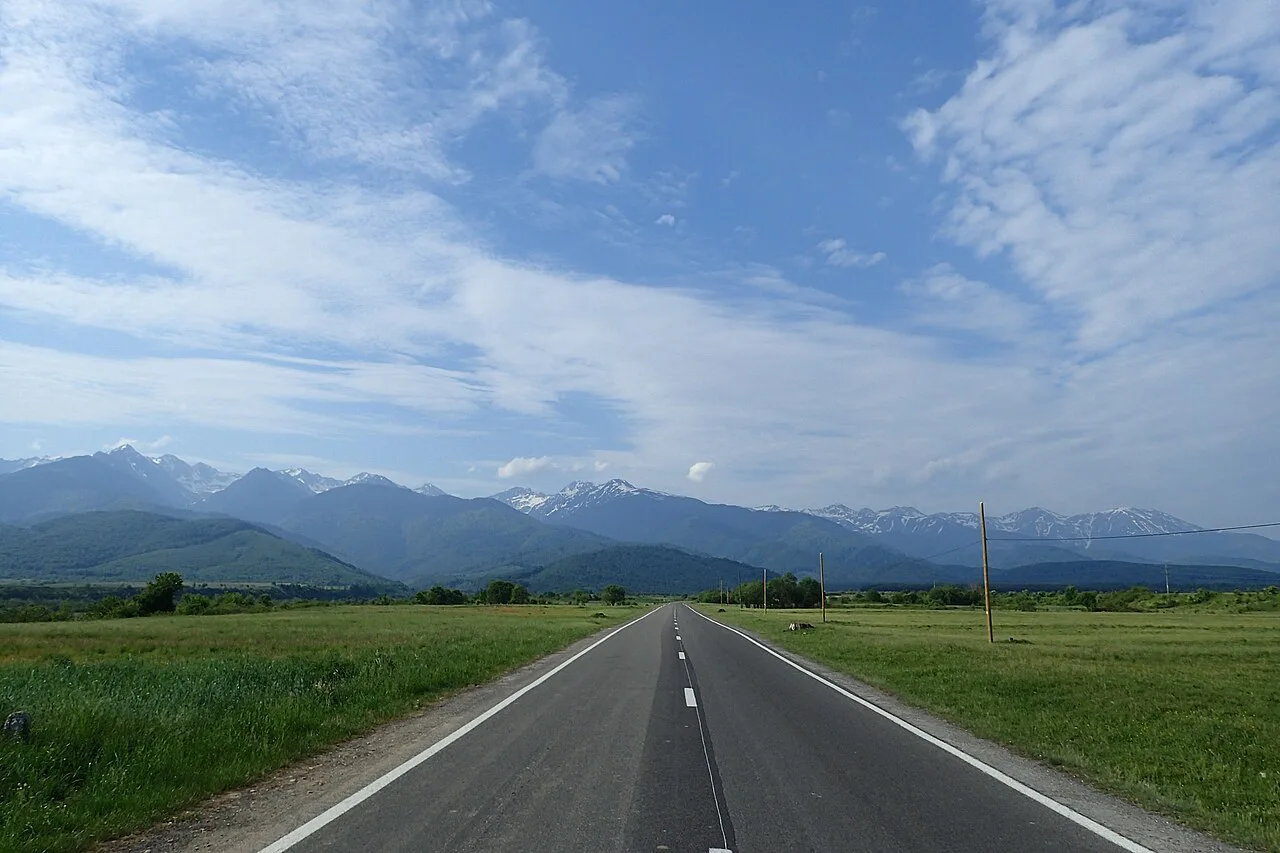
Mountain plans are the most date-sensitive part of a Romania trip. The Transalpina typically opens in May, and until it does the high pass is closed, so an early-spring visit cannot rely on it.
Trails in the Retezat and Parâng ranges clear later than the valleys. Late May through September is the reliable window for hut-to-hut walking and for the Seven Ladders Canyon, which is at its most dramatic with spring meltwater.
Altitude also changes the clothing decision. Temperatures fall noticeably as you climb, so a May day that feels mild in Brașov can be cold at 2,000 meters, and the gap widens in the shoulder months.
Regional timing: Transylvania, Bucharest, the Danube Delta and Maramureș
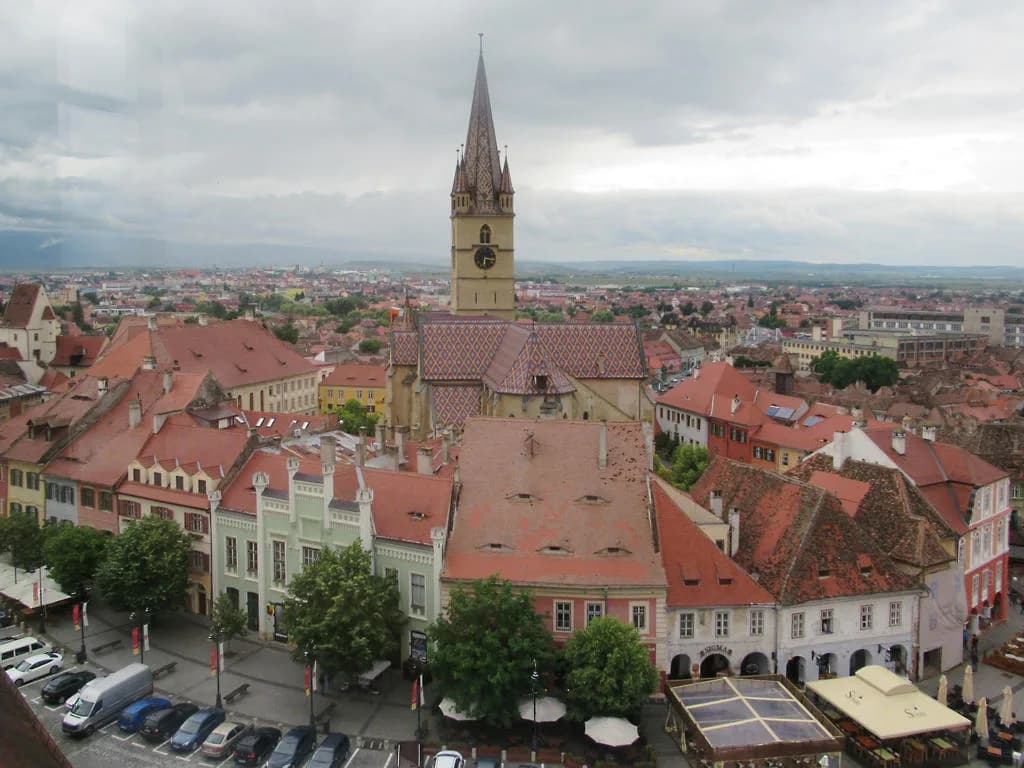
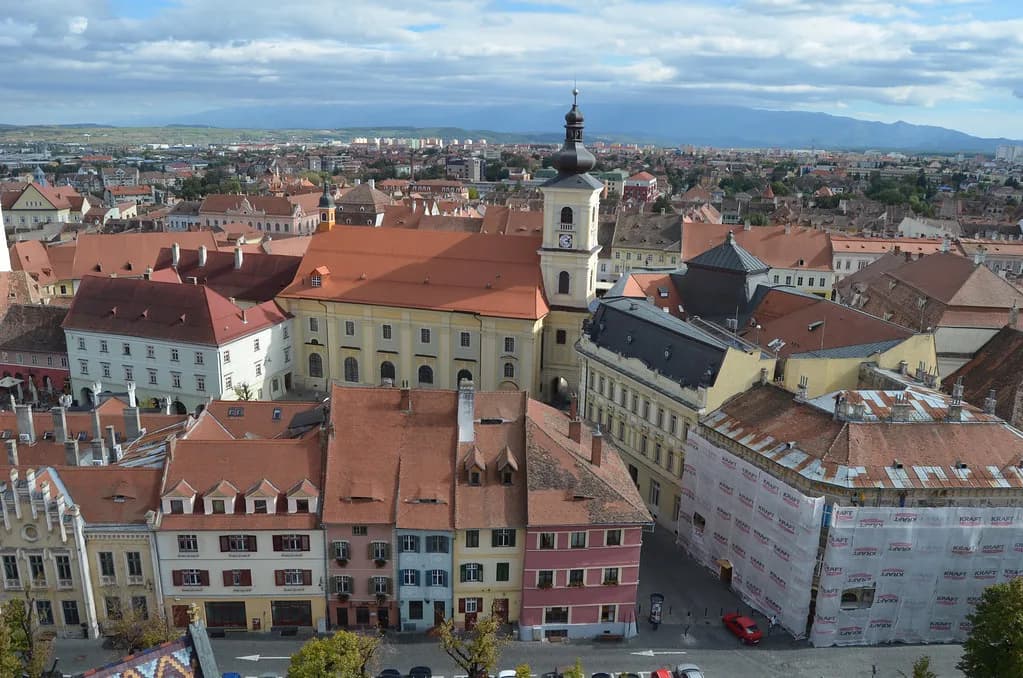
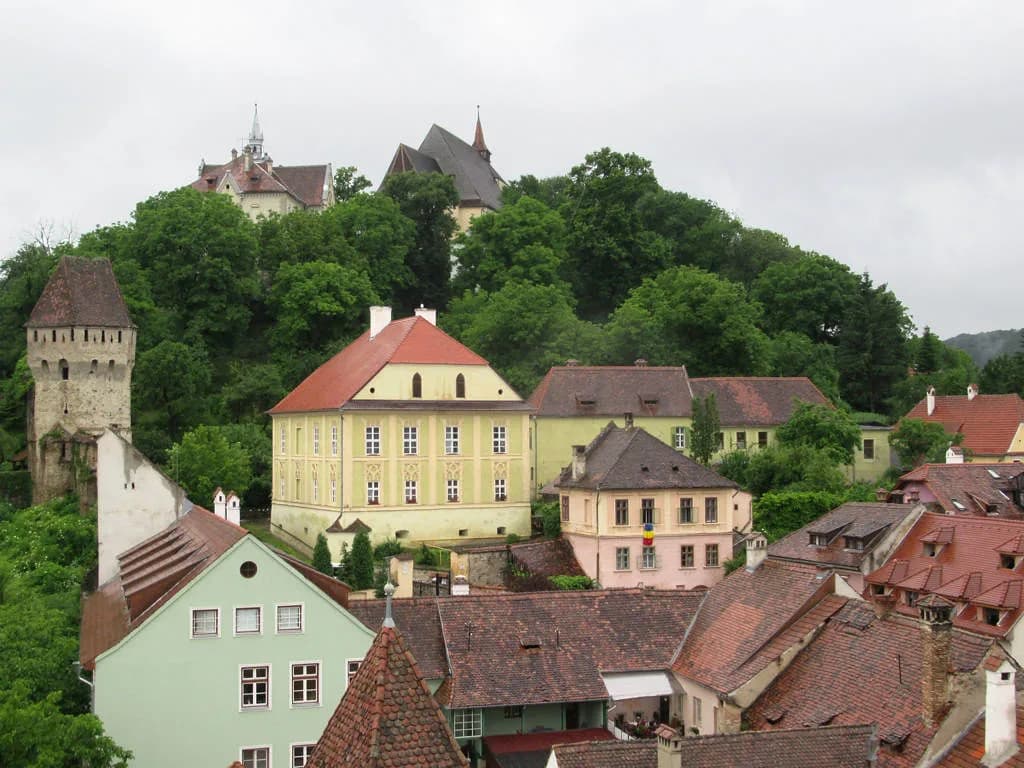
For Transylvania's towns and castles, aim for May, June or September. Brașov, Sibiu and Sighișoara are walkable in those months, and Bran Castle and Peleș Castle fit comfortably into a day's driving; renting a car from Brașov-Ghimbav International Airport makes that loop far easier than tying the castles to bus timetables.
Bucharest is most comfortable in spring and early autumn. Midsummer heat makes the long boulevards tiring, and deep winter shortens the sightseeing day, so April, May, June, September and October are the practical picks.
The Danube Delta belongs to late spring and early summer for birdlife and mild weather; Tulcea and Sulina are the gateways, and the boat journeys are long enough that you should build the delta into the itinerary as a multi-day stop.
Maramureș and the north reward June to September, when the wooden churches and villages are accessible and the mountain roads are clear. Negrești-Oaș hosts the Sâmbra Oilor shepherds' festival in May, one of the most authentic seasonal events in the country.
Festivals that fix a date
A few events justify scheduling a trip around them. In May, the Sâmbra Oilor Festival at Negrești-Oaș marks the shepherds' move to mountain pastures with folk music, cheese-making and local spirits.
Bucharest's EUROPAfest brings hundreds of international musicians into historic venues across the city, and the Romanian Wine Fair showcases regions such as Dealu Mare and Recaș. Dates for each shift year to year, so confirm them with the organizers before booking flights.
How many days to give each season
With a week in May or September you can link Bucharest with Transylvania, or take in Brașov, Sibiu and the surrounding fortified churches at a comfortable pace without long transfers every day.
Ten days to two weeks lets you add the Danube Delta or Maramureș, but only if you accept a slower rhythm: the delta boat legs alone consume most of a day in each direction.
In July and August, add a buffer day for heat and traffic if you are combining the coast with the interior, and cut the number of stops rather than the time in each place.
Pick Your Month, Then Your Route
Rank the months by trip type. Hikers, delta birdwatchers and mixed itineraries should take May or September. Beach-focused families should take July or August and accept higher prices. City-focused visitors can widen the field to April, June and early October. If you are weighing Romania against its neighbors while you plan, our guide to whether Serbia is worth visiting applies the same season-by-season logic.
Once the month is set, let it shape the geography: coast in midsummer, Transylvania in late spring and early autumn, and the delta when the water is warm and the birds are in. That single sequencing decision does more for a Romania trip than any list of sights.
Explore more Romania trip-decision guides
Frequently Asked Questions
What is the best month to visit Romania?
May is the strongest all-round month for most travelers, with mild daytime temperatures, long days and full access to mountain trails and the Danube Delta. September is a close second: summer warmth lingers, crowds thin and room rates usually ease after August.
Is May a good time to visit Romania?
Yes. May typically brings daytime highs of 18–24°C (65–75°F), rain spread over roughly 10–12 days and close to 15 hours of daylight by month's end. It suits hiking, city walking and delta boat trips, though evenings in Transylvania can drop to around 10°C (50°F).
Can you swim in the Black Sea in May?
Rarely for most people. The sea sits around 17°C (63°F) in May, which is brisk for swimming, so May is better for beach walks and coastal towns. For warm water, wait for July and August, when prices and crowds peak.
When should I visit the Danube Delta?
Late spring and early summer are the best window. May offers warm but not hot weather, fewer mosquitoes than midsummer, and returning migratory birds along the channels from Tulcea to Sulina. Allow a full day for that boat route, which takes about four hours each way.
Is September a good time to visit Transylvania?
Yes. September keeps enough warmth for walking in Brașov, Sibiu and Sighișoara while shedding the August crowds and easing hotel rates. It is also a good month for Bran and Peleș castles and the fortified churches of the Saxon villages.
Is July too hot for Bucharest?
It can be. Southern Romania, including Bucharest and Constanța, sees its highest temperatures in midsummer, with August typically the hottest month. Plan sightseeing for mornings and evenings, use air-conditioned museums at midday, and keep a flexible schedule for heat spikes.
What is the cheapest month to fly to Romania?
Fares fluctuate with routes and sales, and airline prices vary by departure city and booking timing. The pattern to watch is that shoulder months like April and late October are cheaper in cost terms than July and August. Compare fares across carriers for your exact dates rather than relying on a single cheapest month.
How far ahead should I book accommodation in peak season?
In July and August, the popular resorts and Transylvanian towns fill and peak rates apply, so book early if your dates are fixed. In May and September, availability is usually more forgiving and you have a better chance of getting your first-choice rooms at lower rates.
Sources
Trip-decision notes
Optional updates when we publish or revise a destination verdict.
You might also like
Continue reading
More guides you'll find useful