Getting Around Romania: Trains, Buses, Cars and Flights
How to get around Romania: slow trains, quicker buses, rental cars for castles and villages, domestic flights, and the journey times that decide your route.
On this page
Getting around Romania means picking a corridor and accepting that distance costs time: the country is large, and the fastest route between two famous towns is rarely the one you would guess. For most one-week trips, the practical answer is a bus-and-train spine through Transylvania with Bucharest at one end, or a rental car if Peles, Bran and the villages between them are the reason you came.
Bucharest is the transport hub, Transylvania's towns — Brasov, Sibiu, Sighisoara and Cluj-Napoca — sit to the northwest, Timisoara anchors the west, and the Black Sea coast runs east. Almost every routing question comes down to which of those clusters you are connecting, and whether a slow scenic rail line or a quicker bus serves it better.
The verdict
Treat Romania as a country where the mode changes with the corridor rather than one where a single pass or timetable solves everything. Trains are comfortable and picturesque on some links but frequently slower than the road, buses fill the gaps between Transylvania's smaller towns, and a car is the only sensible choice if you want castles, salt mines and Carpathian scenery on your own schedule.
If you have a week or less, choose two or three bases and connect them directly; a Bucharest-plus-Brasov-plus-Sibiu line is far more rewarding than a dash to five cities. If you have ten days or more, add Cluj-Napoca or Timisoara and let one long transfer day absorb the distance. The itinerary logic matters more than loyalty to any one mode.
Romania's transport map in plain terms
Bucharest sits in the south and holds the main international airport, so most trips start or end there. Transylvania spreads northwest of the Carpathians, with Brasov closest to Bucharest, Sibiu and Sighisoara in the middle, and Cluj-Napoca further north; Timisoara is out west near the Hungarian border.
That geography explains the common mistake of planning a day trip between towns that look close on a map of Europe but sit three to six hours apart by Romanian transport. Grouping Brasov, Sinaia and Bran makes sense; pairing Bucharest with Cluj-Napoca in a single day does not, and should be treated as a flight or a long transfer instead.
Trains: what the network is good for and where it drags
Romanian rail is at its best on the corridors linking Bucharest with Brasov and on the line from Brasov up to Sinaia, where the mountain scenery is the point as much as the destination. Elsewhere it can be painfully indirect: the run from Timisoara to Cluj-Napoca has been described as taking around seven hours, which is a full day lost for a journey a car covers far faster.
Long-distance trains are generally slower than buses between Transylvania's towns, so check both before committing. Where the rail line is scenic, the extra hours can be worth it; where it is a plain utility connection, take the faster option and spend the saved time in Sibiu's old town or on Brasov's slopes.
For fares and departure times, buy through the national rail operator's own site or at the station rather than relying on third-party summaries, since timetables shift with the season. A Romanian leu budget goes a long way on trains, but the currency question is separate from the timetable question.
Buses and minibuses: the practical backbone between Transylvania's towns
Buses and minibuses do much of the real work between Brasov, Sibiu, Sighisoara and the smaller towns, and they are often quicker than the train on the same link. Journey times are typical rather than guaranteed: Sibiu is roughly three and a half hours by bus from Bucharest and around three hours from Sighisoara, while the train alternative to Sibiu takes nearly six.
The catch is fragmentation. Services are run by many private operators rather than one national brand, so you buy each leg separately and departure points differ — some leave from bus stations, others from stops on the edge of town. Build in slack, and avoid scheduling a tight connection onto an onward train or flight.
Minibuses are the norm on thinner rural routes, and they may run only a few times a day or fill up and leave when full. If a village or trailhead is the goal, plan the return leg before you set out instead of counting on an evening service materialising.
Renting a car: the case for it, road conditions and the trade-offs
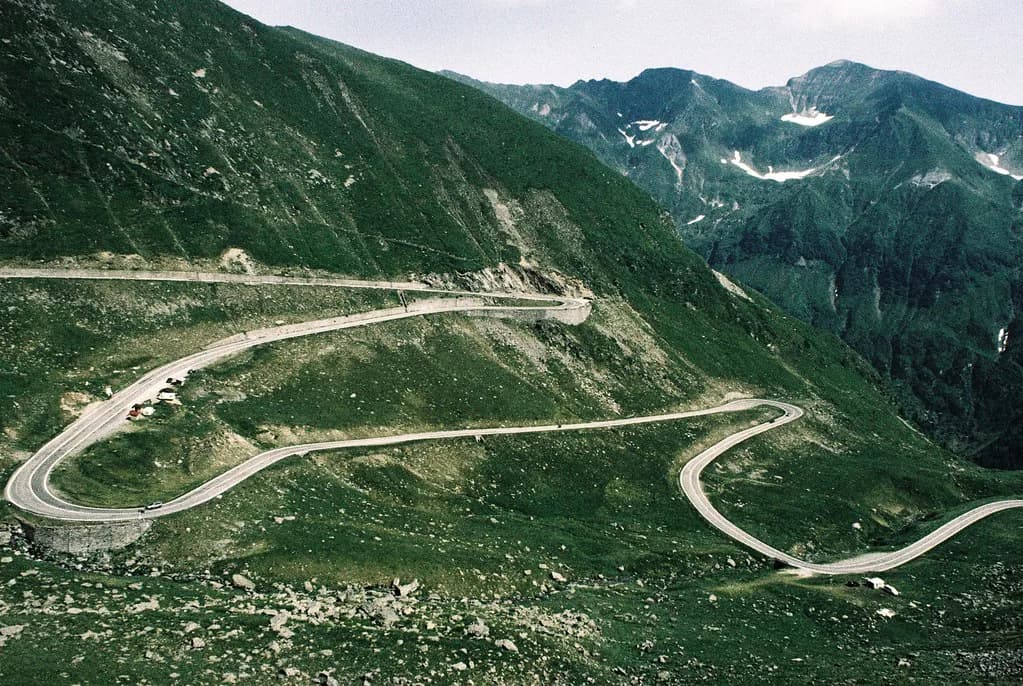
A car earns its cost when your list includes Peles and Bran castles, the Turda salt mine, Carpathian viewpoints and villages that buses reach awkwardly or not at all. It also collapses the long Transylvania transfers: Sibiu to Brasov by road is about two and a half hours, versus a fiddly public-transport day.
The trade-offs are real. Many rentals are manual unless you book an automatic specifically, mountain roads are slow and winding, and parking in Bucharest and Brasov's old cores is a nuisance. Driving standards vary, and you should not treat rural roads as fast shortcuts after dark.
Pick-up at the airports is the simplest arrangement, and Brasov-Ghimbav International Airport has made the Transylvania castles far easier to reach by air and road than the old Bucharest-only approach. Compare the total cost of a car against two or three intercity bus tickets plus local transfers before deciding.
Getting between the classic cities: Bucharest, Brasov, Sinaia, Sibiu, Sighisoara, Cluj-Napoca and Timisoara
Bucharest to Brasov is the country's most-used tourist corridor, served by frequent trains that climb into the mountains; from Brasov, Sinaia and Peles Castle are an easy day trip, with a round-trip train ticket to Sinaia costing about 25 LEI and a taxi from the station up to the castle around 20 LEI.
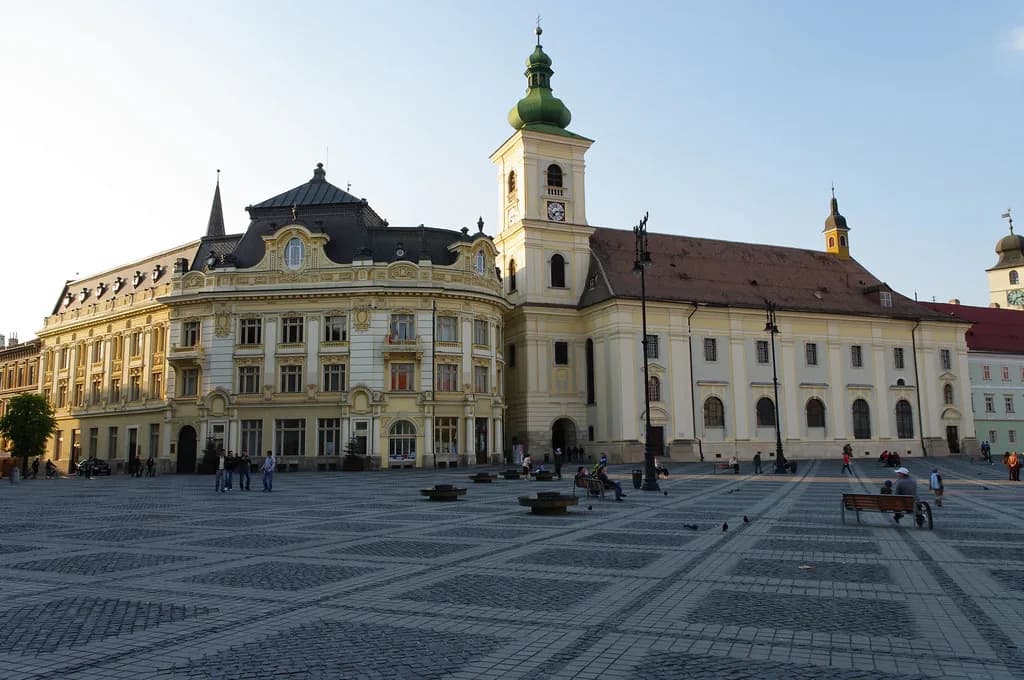
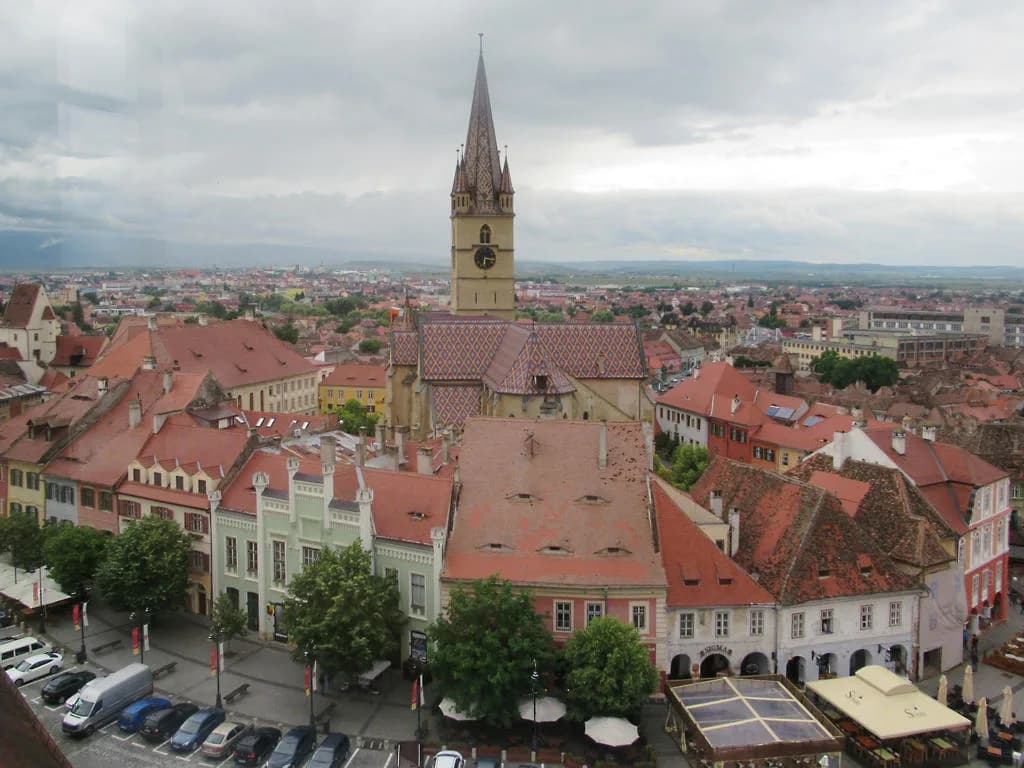
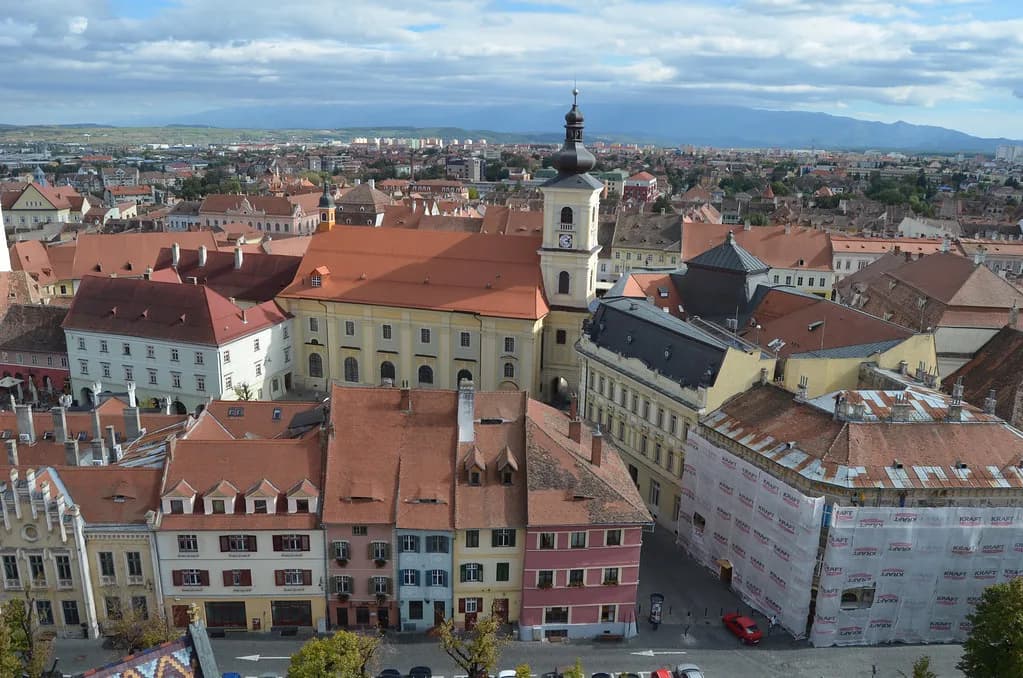
Brasov to Sibiu is a straightforward bus or car hop, and Sibiu to Sighisoara is around three hours; both towns are compact enough to see in a day or two each. Sighisoara's fortified centre and clock tower reward an overnight rather than a rushed afternoon stop.
Sighisoara to Cluj-Napoca and Cluj-Napoca to Timisoara are the long western links, and this is where flying or ride-sharing beats rail. Budget a half-day for each and resist squeezing a third town into the same day.
If you are still weighing which of these towns deserve your nights, the best places to visit in Romania shortlist helps you narrow it down before you sort out transport.
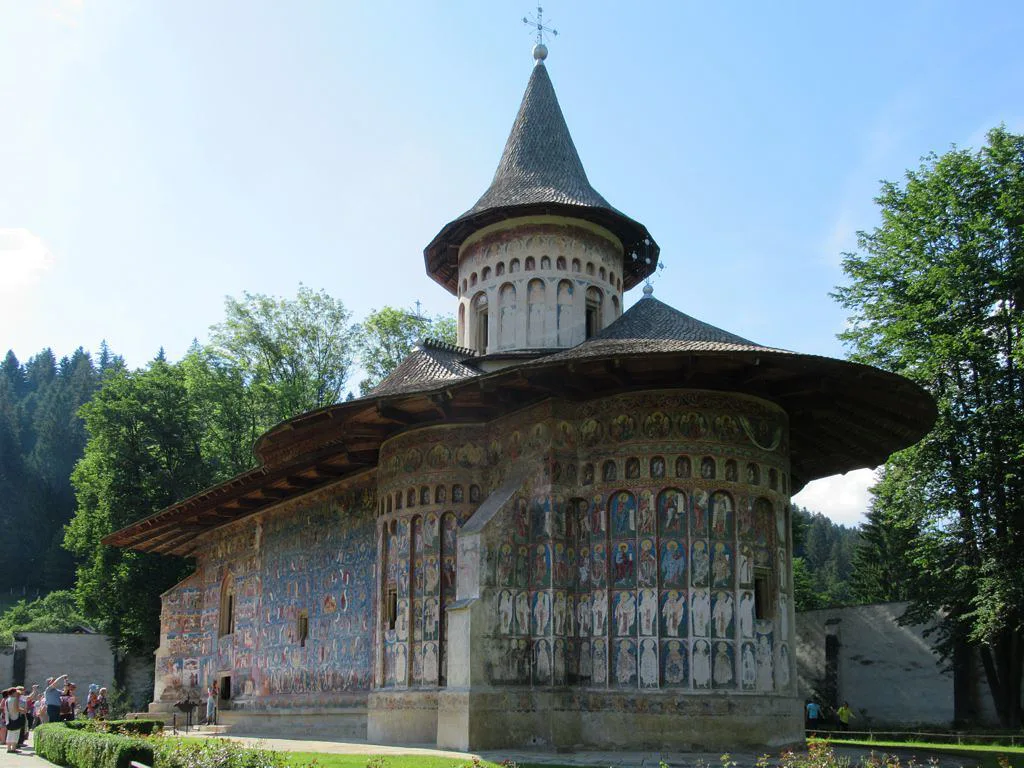
Day trips without a car: Peles and Bran from Brasov, Turda from Cluj-Napoca
Brasov is the best car-free base for castles: trains run to Sinaia for Peles, and organised day tours from Brasov or Bucharest combine Peles, Bran Castle and a stop in Brasov in a single long day. These tours start early and finish late, so do not plan an evening train on the same day.
From Cluj-Napoca, the Turda salt mine is the classic half-day outing, reached by bus or taxi from the city before a short onward transfer to the mine itself. It is a genuinely strange underground space, and going early avoids the worst of the queue.
Domestic flights: when Bucharest to Cluj-Napoca or Timisoara is worth it
Romania's domestic flights make sense for the long diagonal hops — Bucharest to Cluj-Napoca, Bucharest to Timisoara, or Cluj-Napoca out to another European city — where the alternative is most of a day on the road. Cluj-Napoca's airport is small and quick to use, which shortens the door-to-door time considerably.
For shorter links, flying is a false economy once you add airport transfers and check-in time. Bucharest to Brasov, for example, is a train ride, not a flight. Use flights to buy time on the big transfers and spend that time in Transylvania instead.
Ride-sharing and taxis for the last stretch
BlaBlaCar is widely used by Romanians for intercity legs and often beats both bus and train on speed and price, particularly on routes like Sibiu to Brasov. Seats are offered by drivers planning the route anyway, and listings typically appear only about a week before the date, so book as soon as something matches your plan.
Taxis and ride-hailing apps handle station-to-hotel and castle-car-park hops, and metered fares are modest by Western European standards. Agree the meter or use an app rather than accepting a flat quote from a driver at a station rank.
Getting into Romania: Bucharest and Cluj-Napoca airports, plus rail and bus from neighbors
Bucharest's main airport is served by numerous budget European carriers, making it the default entry point, while Cluj-Napoca's smaller airport is handy for Transylvania and for onward flights. Rail and bus links also connect Romania with Hungary, Bulgaria and Serbia for travellers arriving overland, which makes it easy to compare shoulders — if you are weighing is Bulgaria worth visiting or the Hungarian side of the border, the same overland logic applies.
Sort out entry requirements on the official government page for your nationality before booking anything non-refundable, and keep the document with your itinerary. Within Romania, the practical arrival decision is simply whether you land in Bucharest and head north, or fly straight into Transylvania.
What it costs to move around
Transport in Romania is cheap by Western European standards. A beer in a touristy area runs about 10–15 RON and a glass of wine 15–20 RON, a main course in a restaurant around 30–40 RON, and city-centre accommodation has been found for under 200 RON a night — figures that give a sense of how far a transport budget stretches once fares are paid.
For fares themselves, the carriers are the only reliable source: rail tickets from CFR Călători, the national rail operator, bus tickets from each carrier, and rental quotes in writing. Confirm what a fare includes — seat reservation, luggage, airport surcharge — before comparing two options on price alone.
If the budget question is bigger than transport, the broader picture of how far your money goes is worth settling early, so that a car or a flight becomes a clear upgrade rather than a guess.
How many days you need and how transport shapes the route
One week supports a tight Bucharest, Brasov and Sibiu loop with Sinaia and Bran folded in; nine days or more lets you add Sighisoara and Cluj-Napoca, or swing west to Timisoara. Because transfers eat whole mornings, the number of bases matters more than the number of sights on your list.
A workable rule is one full day of sightseeing per transfer day. That keeps a seven-day trip to three bases and a ten-day trip to four or five, and leaves room for the unplanned afternoon that makes a place memorable.
Drawbacks: slow lines, rural gaps and station logistics
The honest downsides are slow rail links outside the upgraded corridors, patchy rural services, and station areas that are more functional than charming. Bucharest's main stations and bus terminals need a bit of attention to taxi touts, and late arrivals in smaller towns leave you dependent on a pre-booked ride.
Weather adds a seasonal variable: mountain roads and scenic rail lines are at their best from late spring through early autumn, and winter conditions can slow everything down. If your trip hinges on a specific route, travel in the shoulder months and keep one flexible day in reserve.
Verdict by traveler type
First-time visitors with a week should take the train-and-bus spine through Bucharest, Brasov and Sibiu and skip the west entirely. Castle hunters and photographers should rent a car and base themselves in Brasov, while city-break travellers can fly into Cluj-Napoca and stay on foot.
Budget travellers do fine without a car on the main corridors; families and small groups usually find a rental cheaper and calmer than juggling minibuses with luggage. Anyone set on Timisoara plus the Transylvanian towns should plan a flight or accept a long transfer day.
Plan Your Visit
The transport decision comes before the itinerary: choose the corridor you can actually move along, then fill it with towns. A car buys freedom in Transylvania, buses and trains buy simplicity on the Bucharest-Brasov-Sibiu line, and flights buy time on the long western hops.
Settle your route, book the long legs first, and leave the short ones flexible. Your Romania trip will feel considerably shorter the moment those connections are sorted.
Explore more Romania trip-decision guides
Frequently Asked Questions
Is Romania affordable to travel?
Yes, by Western European standards. Food, drink and accommodation sit at a modest price level, and intercity transport is inexpensive; the main variable is whether you pay for a rental car. Rail fares and bus fares change, so check current prices when planning.
How do I get to Romania?
Most travellers fly into Bucharest, which has the widest choice of budget European flights, or into Cluj-Napoca for Transylvania. Overland rail and bus links connect Romania with Hungary, Bulgaria and Serbia. Check entry requirements on the official government page for your nationality.
Do you need a car to get around Romania?
Not for the classic Bucharest-Brasov-Sibiu route, which works well on trains and buses, with organised tours covering Peles and Bran. A car is worth it for villages, Carpathian scenery and sights like the Turda salt mine, where public transport is thin or slow.
Are trains in Romania slow?
On many links, yes. The upgraded corridors are comfortable, but some intercity journeys take far longer than the road equivalent, and the Timisoara to Cluj-Napoca run can take around seven hours. Compare the bus before committing to rail on a long transfer.
How do you get from Bucharest to Brasov or Sibiu?
Bucharest to Brasov is the most frequent rail corridor; Bucharest to Sibiu is roughly three and a half hours by bus versus nearly six by train. That difference is usually enough to decide the mode.
How do you reach Bran and Peles castles without a car?
Peles is a short train ride from Brasov to Sinaia followed by a taxi or uphill walk, while Bran is covered by organised day tours from Brasov or Bucharest. Tours run as long days, so keep the evening free.
Is flying between Romanian cities worth it?
For the long diagonal hops such as Bucharest to Cluj-Napoca or Timisoara, yes, because the alternative is most of a day on the road. For short links like Bucharest to Brasov, the train is quicker door to door.
How many days do you need in Romania?
One week covers Bucharest, Brasov and Sibiu with castles and mountain scenery. Nine days or more lets you add Sighisoara and Cluj-Napoca at a relaxed pace, allowing for the transfer time between bases.
Sources
Trip-decision notes
Optional updates when we publish or revise a destination verdict.
You might also like
Continue reading
More guides you'll find useful