Romania Travel Tips: What to Know Before Booking
Practical Romania travel tips on money, trains, driving, language and timing, with a clear verdict on who Romania suits and how far your budget stretches.
On this page
Romania is worth visiting if you want Carpathian hiking, Saxon towns and painted monasteries at prices well below Western Europe, and it is a poor fit if you want fast rail between distant cities or a beach holiday outside a six-week window. The country delivers far more than the Dracula postcard, but it punishes loose planning: distances are long, roads are slow and the best mountain drives open only for part of the year. If you are weighing it against its neighbors, our Hungary verdict covers a similar decision at a nearby destination.
The tips below are the ones that actually change an itinerary: how the leu works, when trains beat driving, why 100 km can eat two hours, and which weeks to avoid. Treat them as decisions to make before you book rather than trivia to read on the plane.
The verdict: who Romania suits and who should pick elsewhere
Romania suits hikers, road-trippers, history-minded travelers and anyone who values landscapes and local guesthouses over polished tourist infrastructure. It suits budget-conscious visitors from the US and UK especially well, because accommodation, food and city transport sit far below London or Paris levels.
It suits you less if you want to see Bucharest, Brașov, the Danube Delta and Maramureș in one week without internal flights, or if you expect German-style highways and hourly intercity trains. Travelers who need step-free access, predictable timetables and English everywhere will find the countryside charming but logistically demanding.
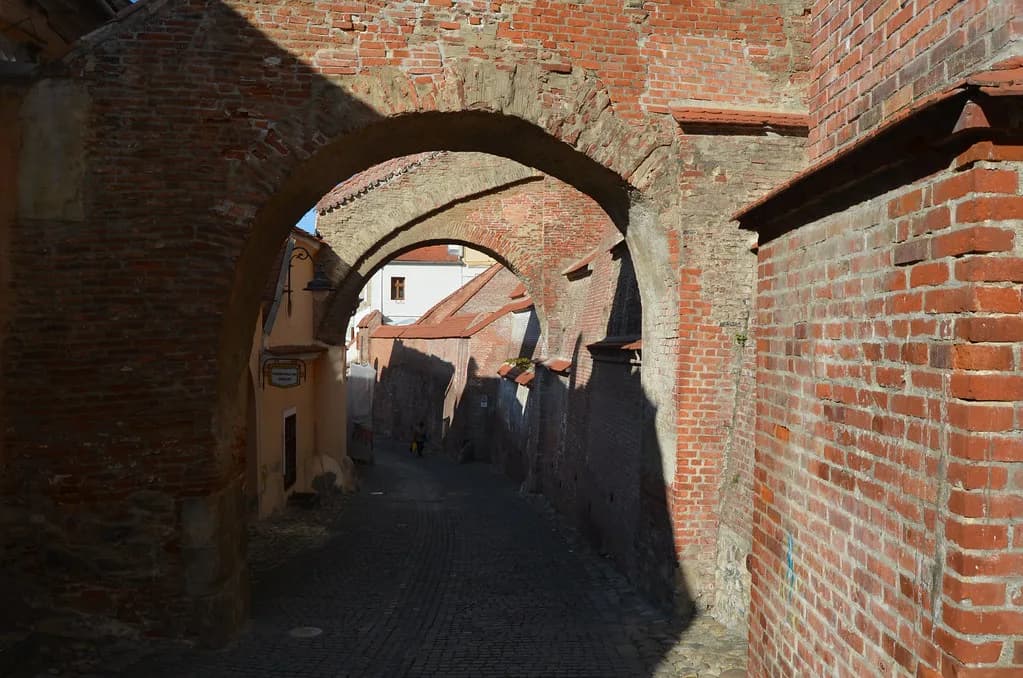
The most common expectation gap is the Dracula framing. Bran Castle is a real fortress with a thin link to the legend, while the country's stronger draws are the fortified churches of Transylvania, the wooden churches of Maramureș and the painted monasteries of Bucovina.
What Romania is like on the ground: regions, distances and why 100 km can take two hours
Romania splits into three historical regions, Wallachia, Transylvania and Moldova, plus the distinct zones of Maramureș in the north, Bucovina in the northeast, the Danube Delta on the Black Sea edge and the Black Sea coast itself. Each is a trip of its own: Transylvania for medieval towns and castles, Maramureș for wooden churches and village life, the delta for birdwatching by boat.
Road congestion and single-lane stretches mean 100 km can take about two hours, so plan by hours rather than kilometers. Highway coverage is limited and rural roads narrow or unpaved, with livestock and assertive drivers as regular hazards.
The practical consequence is that a first trip should pick two regions, not five. Bucharest plus Transylvania is comfortable in a week; adding the delta or Maramureș needs another three to four days and, usually, a domestic flight or a long transfer day.
Money: the leu, cards versus cash, exchange bureaus and where you still need notes
Romania uses the leu, written RON and often called lei; euro cash is not accepted in shops even where prices are quoted in euros. Cards work widely in city hotels, restaurants and supermarkets, and Visa and Mastercard are near-universal while American Express is patchy.
Carry notes for taxis, farmers' markets, craft fairs, rural guesthouses and small mountain restaurants, and treat cash as essential outside towns. Exchange bureaus in towns usually beat banks and airport counters, and comparing against the official reference rate before you change money is a two-minute habit that pays for itself.
Budget expectations are moderate rather than rock-bottom: a mid-range hotel runs around $100 a night, a hearty meal for two with local wine rarely exceeds $30 to $40, and a city bus ticket costs as little as $0.60. Round-trip flights booked early on low-cost carriers can start around 60 euros, though fares swing hard by season.
Getting in: flights to Bucharest and the regional airports, plus direct trains from Budapest, Vienna, Belgrade, Sofia and Thessaloniki
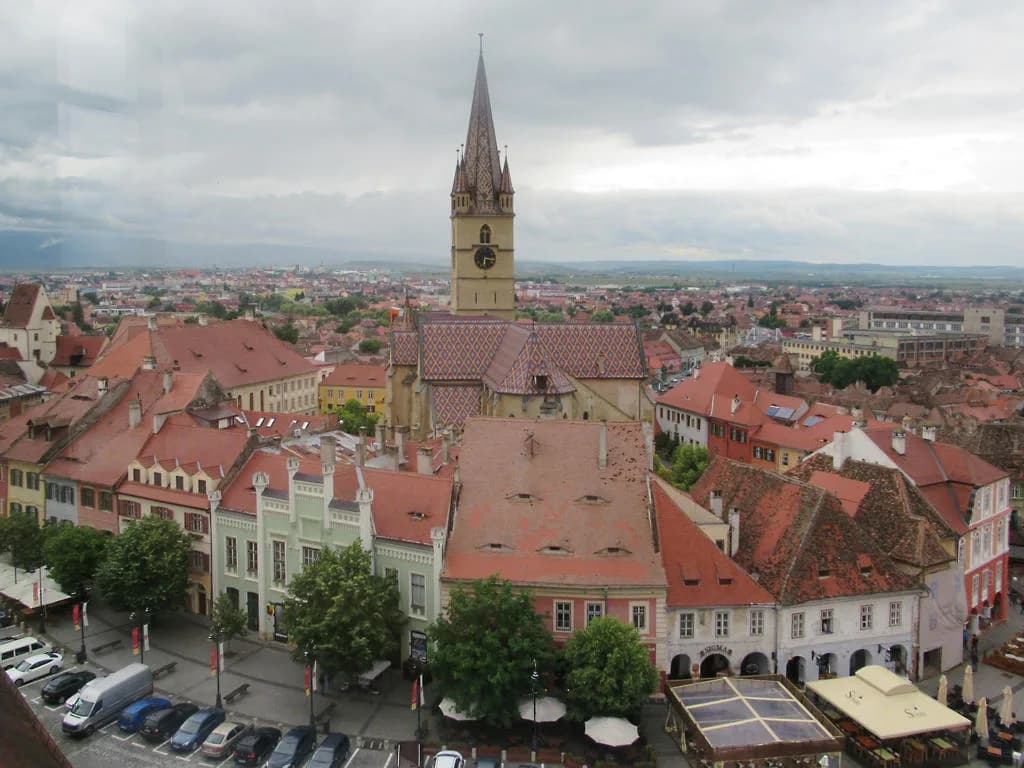
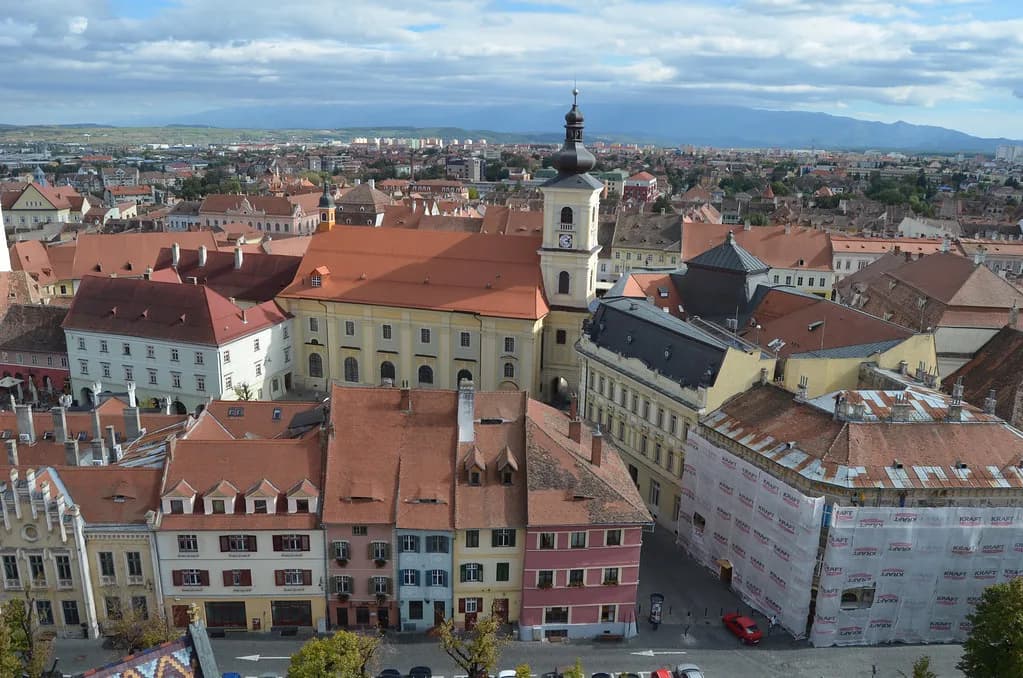
Flying is the simplest way in. Bucharest Otopeni handles the most traffic, and nine other city airports across the country connect to over 100 European destinations, largely through Wizz Air and Ryanair. Landing in Cluj-Napoca, Iași, Timișoara, Sibiu or Brașov can save a full day of overland travel if your plan centers on Transylvania.
Direct trains reach Romania from Vienna, Budapest, Belgrade, Sofia and Thessaloniki, which suits travelers already touring Central Europe or the Balkans. Cross-border services and seasonal carriages vary, so check the timetable on the national rail operator's own site before committing to a connection.
Entry rules are volatile, so confirm passport and visa conditions on the official Romanian Ministry of Foreign Affairs site before booking anything non-refundable. US, UK, Canadian, Australian and Israeli citizens traveling for under 90 days generally do not need a visa, but the ministry's list is the version that counts.
Getting around: slow but cheap trains, buses for shorter hops, and when to fly internally
Rail is inexpensive but slow, with an average speed around 80 km/h on aging track, and the network does not reach every place you want to see. For hops under roughly 200 km, a car, train or bus all work; for long hauls over 300 km, break the journey or take an internal flight such as Bucharest to Cluj-Napoca or Timișoara.
Buses fill the gaps trains leave, particularly in Maramureș, Bucovina and around the Danube Delta, where boat transfers are part of the trip. Ask your guesthouse to confirm the local bus or minibus schedule, because rural services thin out sharply at weekends.
Car rental makes sense for fortified churches, mountain trails and village stays, but only if you accept slow average speeds and frequent police checks. Keep all vehicle documents with you and plan daily distances conservatively rather than aiming for a 400 km day.
Driving in Romania: the rovinieta vignette, speed limits, an International Driving Permit for non-EU licences and police checks
Buy the rovinieta road tax vignette online or at a gas station before using the national road network; driving without it brings fines. Speed limits are 50 km/h in towns, 90 km/h on rural roads and 130 km/h on highways, and non-EU licence holders need an International Driving Permit alongside their home licence.
Toll roads are rare beyond the vignette, but secondary roads are narrow and Romania's road accident rate sits above the EU average, so drive defensively and avoid night driving on rural routes. Livestock, horse carts and pedestrians share the shoulder in many villages.
The Transfăgărășan and mountain roads: a short summer season and why high passes matter
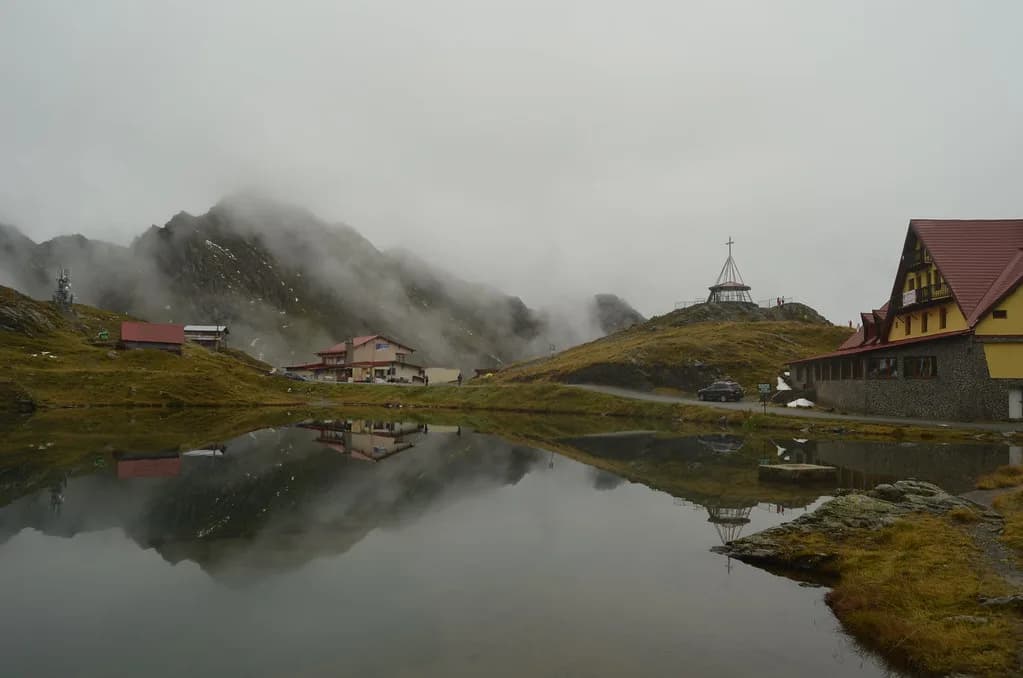
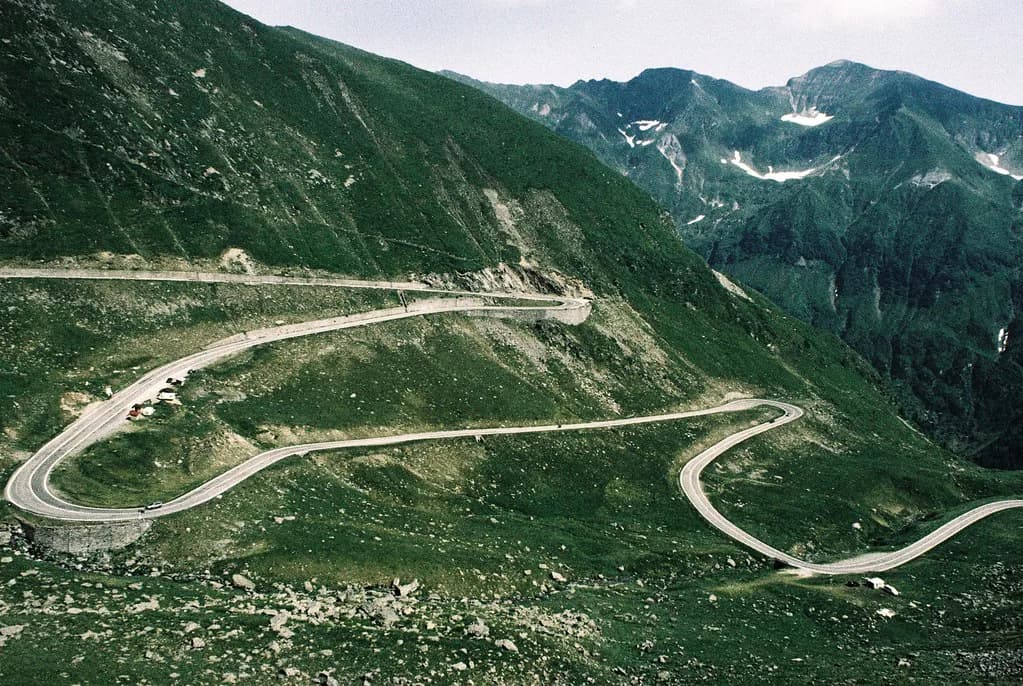
The Transfăgărășan is open roughly June to September, and outside that window the high section is closed to traffic, so a road trip built around it needs to sit in that block. Snow can persist above 2,000 m in the Făgăraș, Retezat and Bucegi mountains until late June, which further narrows early-summer plans.
Treat the pass as a scenic day rather than a transit route: it is slow, busy in August and weather-dependent, and it pairs naturally with a Brasov or Sibiu base. Elsewhere the Transalpina and the Transbucegi road follow similar short summer windows.
If a mountain drive is the point of the trip, build flexibility around it and check the road operator's status before setting out; one closed day can be the difference between the highlight and a wasted drive.
When to go: April to October for sightseeing, the 1 August–15 September crush, and why September and October are the editor's pick
Sightseeing works best from April to October, when the weather is warm and daylight long. The domestic peak runs from 1 August to 15 September, and that is when Brasov, Sibiu, Bran and the coast fill up and accommodation prices rise.
Early September onward is the strongest window: the Carpathian forests turn gold, orange and brown, the August crowds thin, and temperatures stay comfortable for walking. October brings cooler days and shorter evenings but rewarding light and lower prices in Transylvania's towns.
Spring is underrated but faster-changing: April can be mild in Bucharest and crisp in the mountains, with the delta waking up for birdwatching. Pack layers and expect rain, because spring weather swings within a single day.
For a second read on crowds and heat, August is the month to approach carefully; it is peak everywhere, and the coast and mountain resorts are at their busiest.
Hiking and wildlife timing: snow in the Făgăraș, Retezat and Bucegi until late June, prime months in August and September
Hiking runs from late spring to mid-October, but high routes above 2,000 m in the Făgăraș, Retezat and Bucegi hold snow until late June and carry unpredictable weather. August and September are the prime months for long ridge walks and multi-day hut trips.
The Carpathians cover nearly 45% of the country and include over 100 peaks above 2,300 m, with trails from easy valley walks to serious scrambles. Bear and other wildlife are most active from late spring to late autumn, and wildlife viewing depends on licensed guides and advance booking.
Piatra Craiului, Bucegi, Apuseni and Retezat are the headline national parks, each with marked trails and mountain cabins, but deeper routes often need a car or a guide and cabins are few. Plan hut-to-hut stages well ahead rather than assuming a bed will be free.
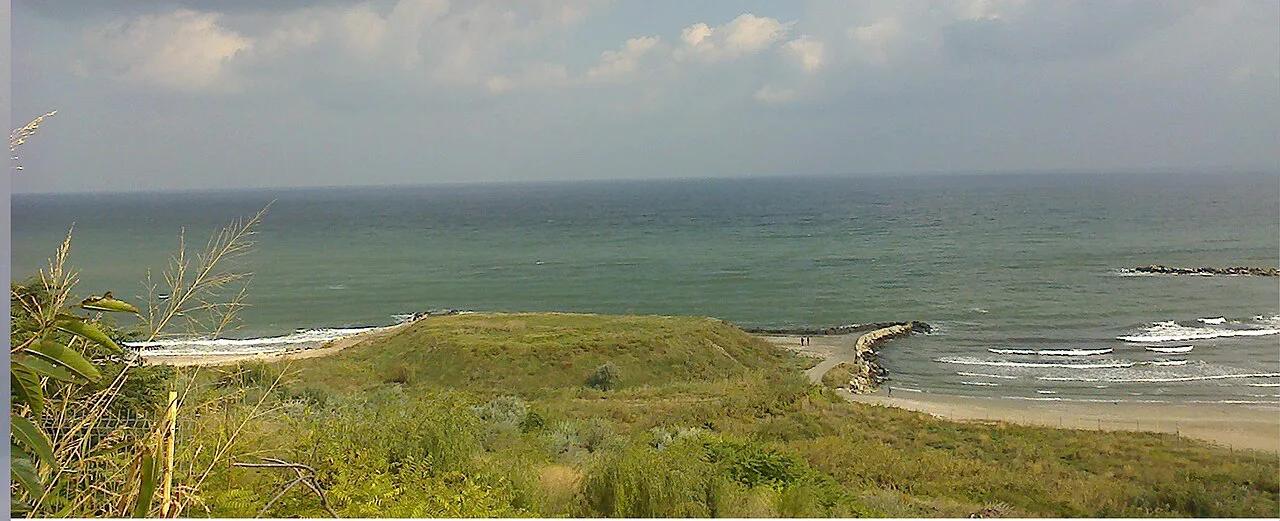
The Black Sea coast: a short season from mid-July to late August and what that does to prices
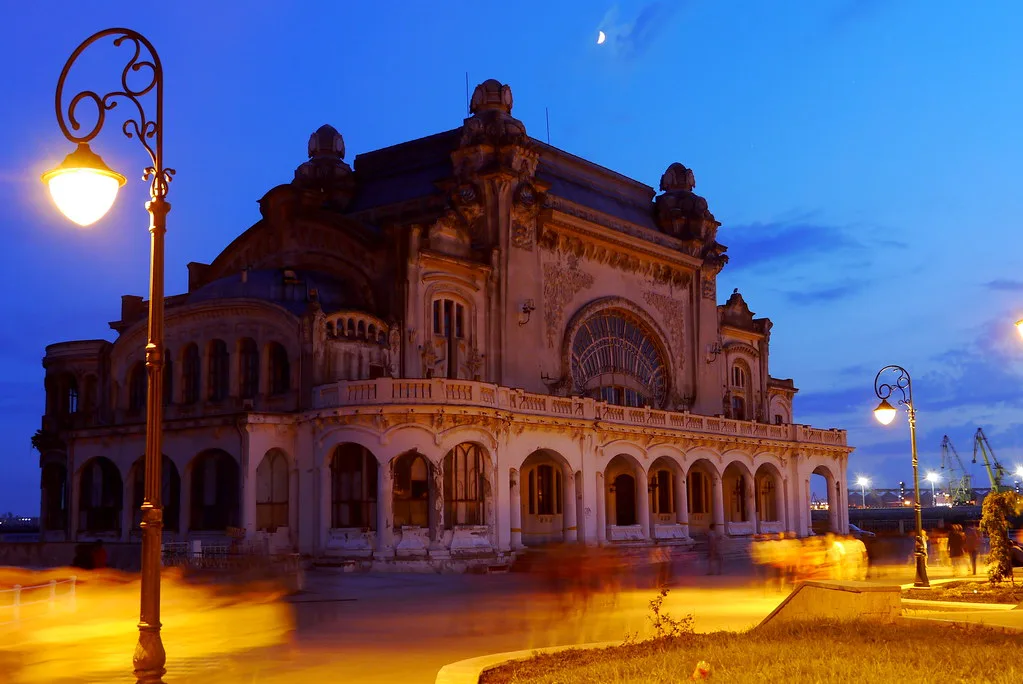
Romania's coastal season is shorter than the Mediterranean norm, typically 15 July to 30 August, which concentrates demand into about six weeks. Resorts such as Mamaia and Eforie Nord fill fast in that window, and prices peak accordingly.
Outside those weeks the coast is quiet and cheaper but water and air temperatures are less reliable, so treat it as a bonus stop rather than the anchor of a Romania trip. Most first-timers are better off spending their beach days elsewhere and giving the time to Transylvania or the delta.
Language: where English carries you and where a few Romanian phrases earn goodwill
English is spoken by roughly 30% of the population, concentrated among younger people in cities, so Bucharest, Cluj-Napoca, Brasov and Sibiu are easy while villages and older residents are not. Learning mulțumesc for thank you and bună ziua for good day smooths most encounters.
Romanian is a Romance language, which helps travelers with French, Italian or Spanish, and menus in tourist towns usually carry English. In rural guesthouses and mountain cabins, a translation app and a few phrases do more work than loud slow English.
Tipping, taxis and markets: the cash habits that catch visitors out
Tipping in restaurants is expected, typically around 10% and often left in cash even when you pay by card. Say the amount you want to add rather than assuming the card machine will prompt you.
Use ride-hailing apps or agree the fare before getting into a taxi, and keep small notes for markets and artisan stalls. Farmers' markets are cash-first, and informal exchange offers are best declined in favor of a bureau with a posted rate board.
Rural stays: family-run pensiuni, half board and limited card acceptance in Maramureș, Bucovina and the Danube Delta
In Transylvania, Maramureș, Bucovina and the Danube Delta, accommodation is usually a family-run pensiune or casa with private rooms and often half board, which is worth taking where dining options are thin. Book ahead rather than arriving in the hope of a room.
Small guesthouses and village restaurants frequently do not accept cards, so ask when booking and carry enough lei for two or three days. ATMs thin out in rural areas, though most villages have one near the town hall.
Bringing euros, US dollars, pounds or Swiss francs in cash is practical because they convert easily in towns, but change them before heading into the mountains.
Health and practicalities: 112, travel insurance, and modest expectations of rural healthcare
The emergency number is 112 for police, fire or medical help. Travel insurance is strongly advisable, and EU citizens can rely on the European Health Insurance Card for basic public coverage; US visitors should confirm their policy covers mountain activities before hiking.
Public hospitals treat emergencies first and sort paperwork later, but staffing is thin outside major cities, so serious problems are better handled in Bucharest, Cluj-Napoca or Timișoara. Pharmacies in towns stock standard over-the-counter medicines.
Romania uses 230V power with Type C and Type F sockets, so UK and US plugs need an adapter; check what your hotel provides before packing converters for every device.
Etiquette and common missteps: Dracula expectations, Roma communities and giving places a fair chance
Treat the Dracula story as branding rather than history and you will enjoy Bran and the castles far more. The richer experiences are the fortified churches around Viscri and Biertan, the Merry Cemetery at Săpânța and the painted monasteries of Bucovina.
Around Roma communities, skip the stereotypes and rely on organized cultural visits rather than casual assumptions. Basic courtesy, modest dress in churches and asking before photographing people cover most situations.
Bucharest, Transylvania and beyond: matching a first itinerary to the time you have
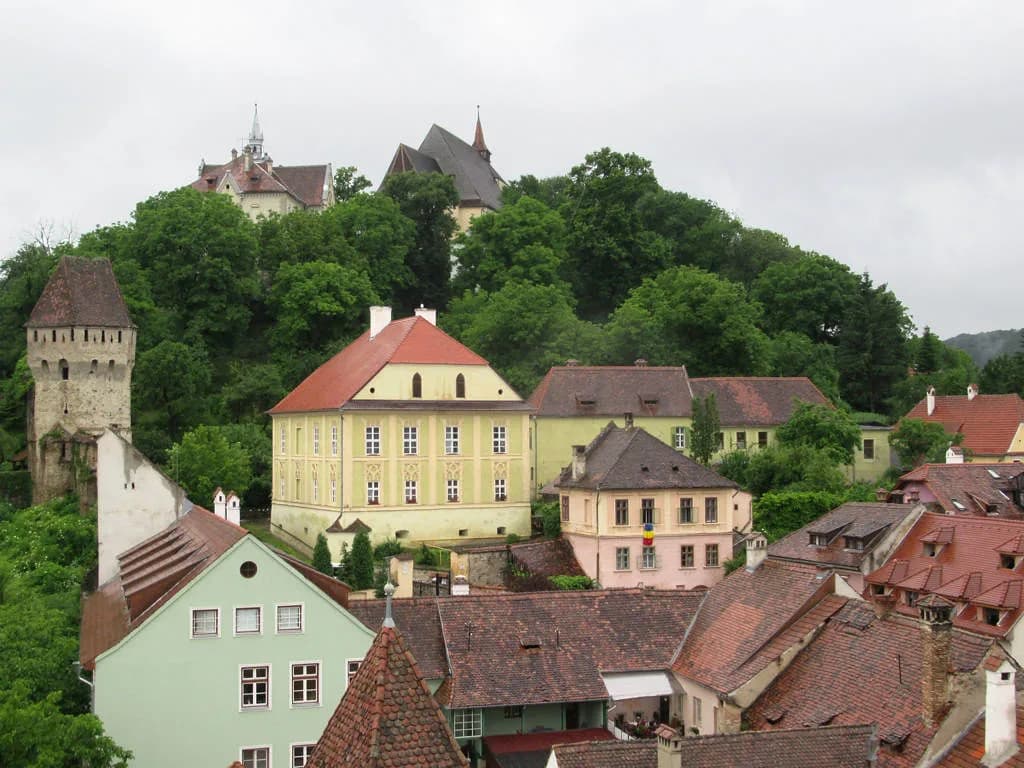
With a week, take Bucharest briefly, then Brașov, Bran, Sinaia and Sibiu by train or car, which covers the classic Transylvania circuit without long transfers. Peleș Castle at Sinaia and the Saxon town of Sighișoara slot in naturally along that line.
With ten days to two weeks, add either Maramureș and Bucovina in the north or the Danube Delta in the east, and accept one internal flight to protect your time. Trying to combine both plus the coast in two weeks means most of the trip happens in a car.
Whichever shape you choose, keep one buffer day for weather or a closed mountain road, and book the long-distance legs first so the rest of the plan fits around them.
Plan Your Visit
Romania rewards travelers who accept its pace: slow trains, short mountain seasons and a cash economy that still runs on the leu. Plan two regions well instead of five badly, put the Transfăgărășan and high hikes in the June-to-September block, and aim for September if you can choose.
If you want castles, Saxon towns, hiking and low prices in one trip, Romania is one of the best-value destinations in Europe right now. If you need fast rail, guaranteed beach weather or polished service in every village, spend your money elsewhere.
Explore more Romania trip-decision guides
Frequently Asked Questions
Is Romania friendly to American tourists?
Yes. Americans do not need a visa for stays under 90 days, English works in cities and younger Romanians, and visitors are generally welcomed warmly. Outside tourist areas, a few words of Romanian go a long way, and rural guesthouses are hospitable but often cash-only.
How far does $100 go in Romania?
It covers roughly a night in a mid-range hotel, or a generous dinner for two with wine plus change, or several days of city buses. City transport is very cheap and meals are well below Western European levels; mountain cabins, guided wildlife trips and peak-season coast rooms are where costs climb.
What should I know before going to Romania?
Know that the currency is the leu and euro cash is not accepted, that trains are cheap but slow, and that 100 km can take two hours by road. Buy the rovinieta vignette before driving, carry cash outside cities, and build the Transfăgărășan or high hikes into the June-to-September window.
Is Romania worth visiting for a first trip to Eastern Europe?
Yes, particularly for hikers, road-trippers and travelers who prefer medieval towns and landscapes to big-city sightseeing. It is less suitable if you want fast intercity rail, guaranteed beach weather or English everywhere in rural areas, so match the itinerary to two regions rather than many.
When is the best time to visit Romania?
April to October works for general sightseeing, with early September to late October the strongest window for autumn color, fewer crowds and comfortable walking temperatures. The domestic peak runs 1 August to 15 September, and the Black Sea coast has a short season from mid-July to late August.
Do I need cash in Romania?
Carry lei even though cards work in cities, because taxis, markets, rural guesthouses and many small mountain restaurants are cash-first. Exchange in town bureaus rather than at the airport, compare with the official rate, and keep enough notes for a few days when heading into rural areas.
How do you get around Romania without a car?
Use trains for main lines such as Bucharest to Brasov and Sibiu, buses for rural gaps in Maramureș, Bucovina and the delta, and internal flights for long hauls over 300 km. Expect slower journeys than in Western Europe and check local schedules with your guesthouse for weekend services.
Is the Transfăgărășan open in October?
The pass is typically open June to September, so October usually falls outside its season. Check the road operator's status before planning a drive, and treat the Transalpina and Transbucegi as similarly short-season routes rather than year-round alternatives.
Sources
Trip-decision notes
Optional updates when we publish or revise a destination verdict.
You might also like
Continue reading
More guides you'll find useful