Romania vs Hungary: Which Trip Fits You Better?
Romania vs Hungary is really a choice between Carpathian road trips and a polished Budapest city break. Here is how to pick, with costs, seasons and transport.
On this page
Choose Hungary if you want a tight, city-led break where one base does most of the work and Budapest carries the trip. Choose Romania if you want a road trip: medieval Saxon towns, Carpathian hiking and a scale of country that rewards a car and at least a week. The two are rarely interchangeable, and the right answer depends on whether you want polish or range.
The comparison below weighs character, highlights, crowds, costs, roads and seasons, and ends with clear verdicts by traveler type. Prices appear only in Romanian leu where a published source gives them; Hungarian costs are described in words. Expect to verify the rest with the venue or operator.
The verdict
Hungary wins for first-time Central Europe trips of three to five days, for anyone traveling without a car, and for travelers who value cafés, museums and architecture over landscapes. Budapest is the anchor, and a Hungary trip that skips it makes little sense. Romania wins for travelers with a week or more who want mountains, fortified churches and villages where the driving is part of the experience.
The hard trade-off is scale. Hungary is compact and city-centred; Romania is big, and the distances between Brașov, Sibiu, Sighișoara and the painted monasteries of Bucovina add up. If you have four days and no car, Romania will feel thin; if you have ten days and want wilderness, Hungary will feel short on mountains. If you are still weighing a short city break against a longer rural road trip, our Serbia verdict covers the same decision at another destination.
Neither country is obscure anymore, but Romania remains the quieter of the two outside peak summer, with historic centers that see a fraction of the foot traffic of Western Europe. Hungary concentrates its crowds in Budapest and around Lake Balaton in July and August. Plan Romania as a loop and Hungary as a base, and both behave predictably.
How the two compare at a glance
Character: Hungary is polished, urban and easy to navigate on foot and by tram; Romania is rougher at the edges, with more dramatic terrain and a rural texture that lingers. Highlights: Budapest's architecture and baths on one side; Brașov, Sibiu, Sighișoara, Peleș Castle and the Făgăraș Mountains on the other. Hungary gives you one great city; Romania gives you a route.
Crowds: Budapest draws year-round city traffic, while Romania's pinch points are Bran Castle and Peleș in high season. Roads: Hungary's network is fast and dense; Romania's main routes are good but slower once you leave them, which is why a realistic Romania itinerary builds in drive time. Currency: Hungary uses the forint and Romania uses the leu, so budget in two separate pots and read up on money in Romania before you go.
Neither country uses the euro, which surprises travelers who lump them in with their neighbors. Romania's currency is the Romanian leu, and you will get better value planning in it rather than converting mentally to euros. Card acceptance is broad in cities in both countries, but carry some local cash for villages, small guesthouses and rural bus stops.
Hungary: Budapest and what sits around it
Budapest is the reason most people go, and it earns that: a walkable core split by the Danube, grand 19th-century facades, thermal baths and a serious café culture. Three full days covers the main sights at an unhurried pace; five lets you slow down and take a day trip. Build the trip around the city rather than treating it as a launchpad.
Beyond Budapest, Hungary's appeal is regional and quieter. Lake Balaton is the summer water escape, the wine towns of Eger and Tokaj reward a slower pace, and Pécs offers a Mediterranean-tinged university city in the south. These places are pleasant and easy to reach, but none delivers the mountain drama or the medieval town-hopping that Romania does.
The honest limitation is landscape. Hungary is largely flat, so hikers, wildlife watchers and road-trippers looking for hairpin passes will find the country short on that kind of payoff. If your ideal trip involves a car, big views and remote villages, Hungary is the wrong country and Romania is the right one.
Romania: Transylvania, the Carpathians and Bucharest
Romania's classic loop runs Bucharest, Sinaia and Brașov, then Bran and Râșnov, the Zărnești area and Piatra Craiului, Sighișoara and Viscri, with Sibiu and Cluj-Napoca as the western anchors. Add Bucovina's painted monasteries or the Danube Delta only if you have extra days, because both are far from Transylvania and demand their own driving.
Bucharest is misunderstood and often skipped, which is a mistake in one sense and a reasonable shortcut in another: the capital has the Palace of Parliament, the Village Museum and a layered Belle Époque and communist streetscape, but it is not the reason you came. Give it a day at each end of the trip rather than a week.
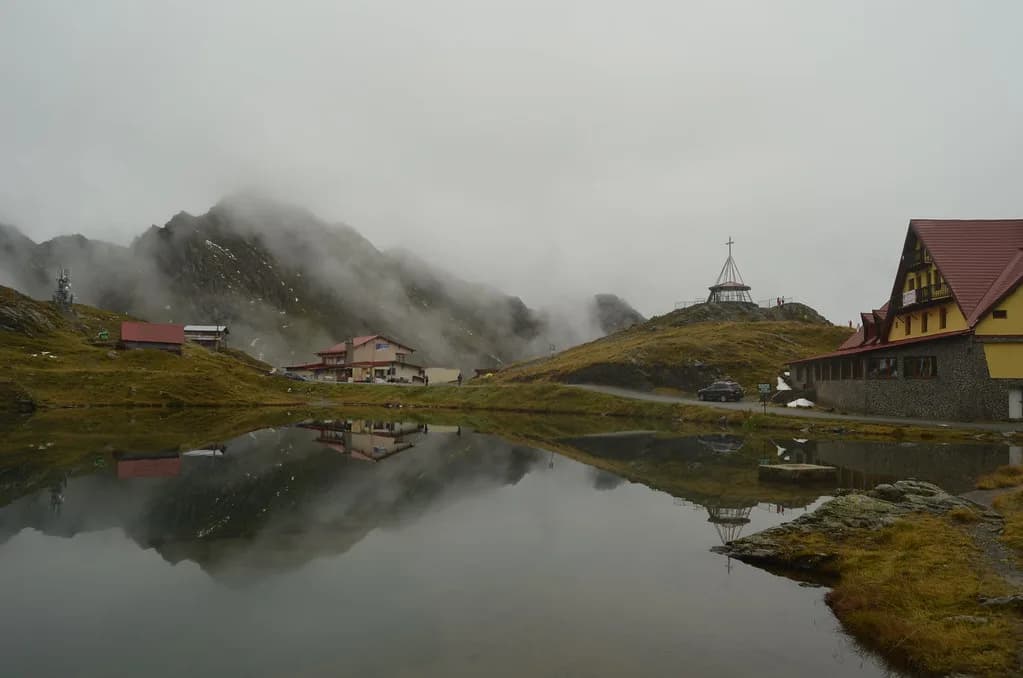
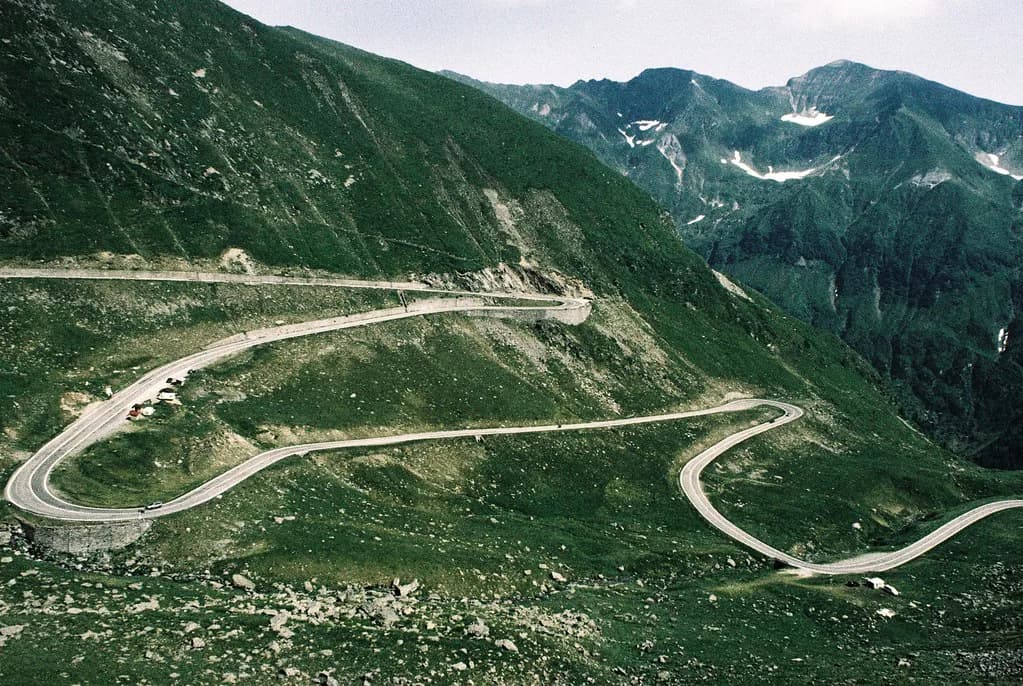
The Carpathians are the country's real draw. Piatra Craiului National Park offers limestone ridges and lower valley walks, the Făgăraș Mountains hold Romania's highest ridges and multi-day traverses, and Balea Lake and the Transfăgărășan road deliver the big scenic set pieces when the pass is open. Mountain weather changes fast, so treat ridge routes as serious undertakings.
A 10-day route starting and ending in Bucharest, with Brașov, a bear sanctuary visit near Zărnești, the Făgăraș and Sighișoara, is a sensible first trip and leaves out Maramureș, Bucovina and the delta without apology. Romania is bigger than most first-timers expect, and trying to cross the whole country in a week produces a lot of driving and little seeing.
Castles and medieval towns head to head
Romania wins this category on volume and variety. Peleș Castle near Sinaia is a lavishly decorated Neo-Renaissance royal residence with tiered ticket options: the ground floor costs 50 RON, a tour including the first floor 100 RON, and the ground, first and second floors 150 RON, with temporary exhibitions free.
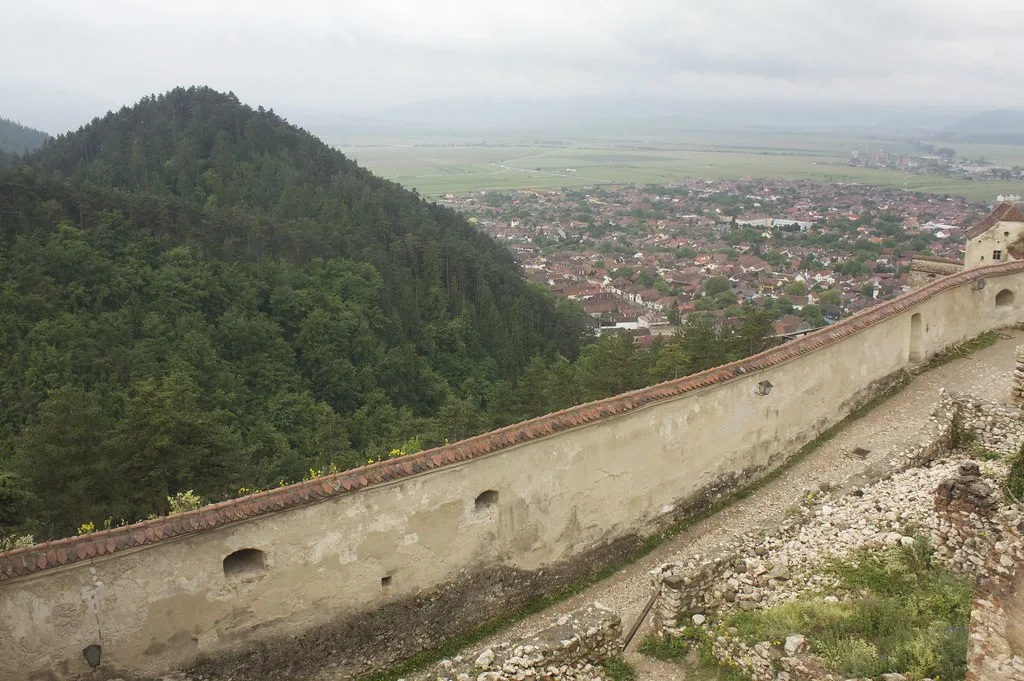
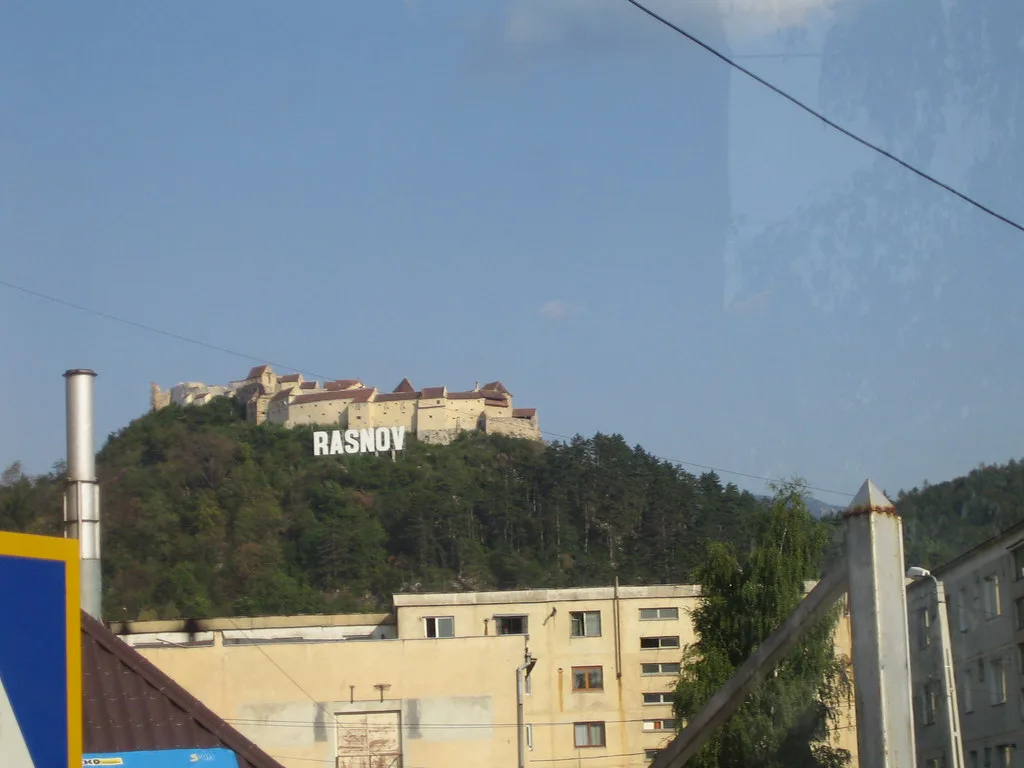
Bran Castle is the famous one, and it is worth seeing with clear eyes: its link to Vlad the Impaler is loose and its Dracula association is largely tourism rather than history. Go early, because it is the single busiest sight on the Transylvania circuit and selfie traffic builds through the morning. Pair it with Râșnov Fortress for broader views and a calmer defensive-history stop.
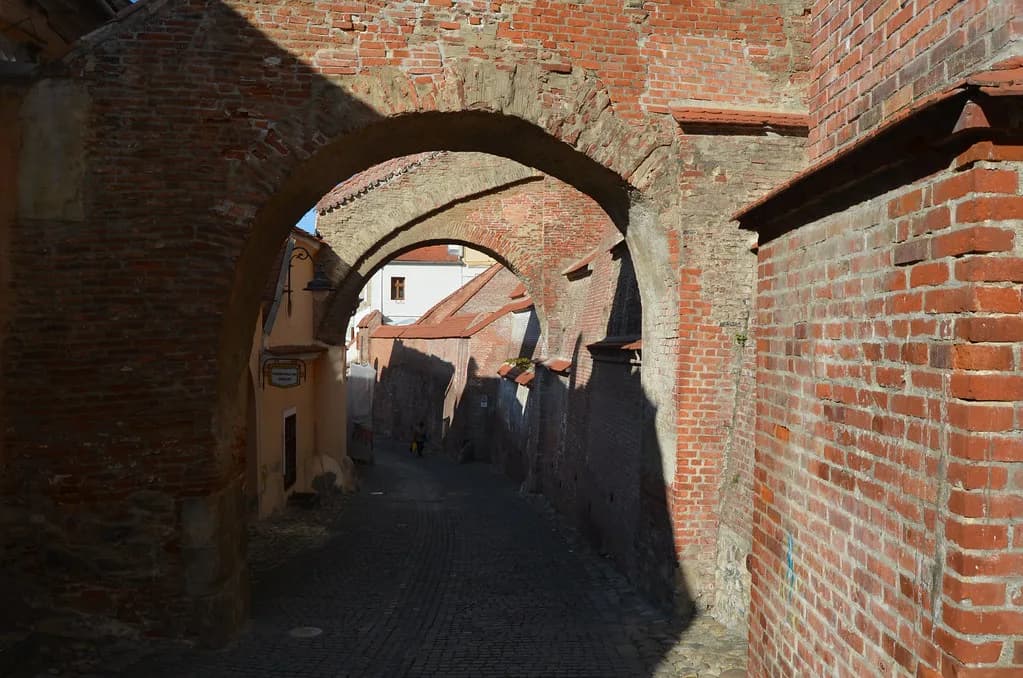
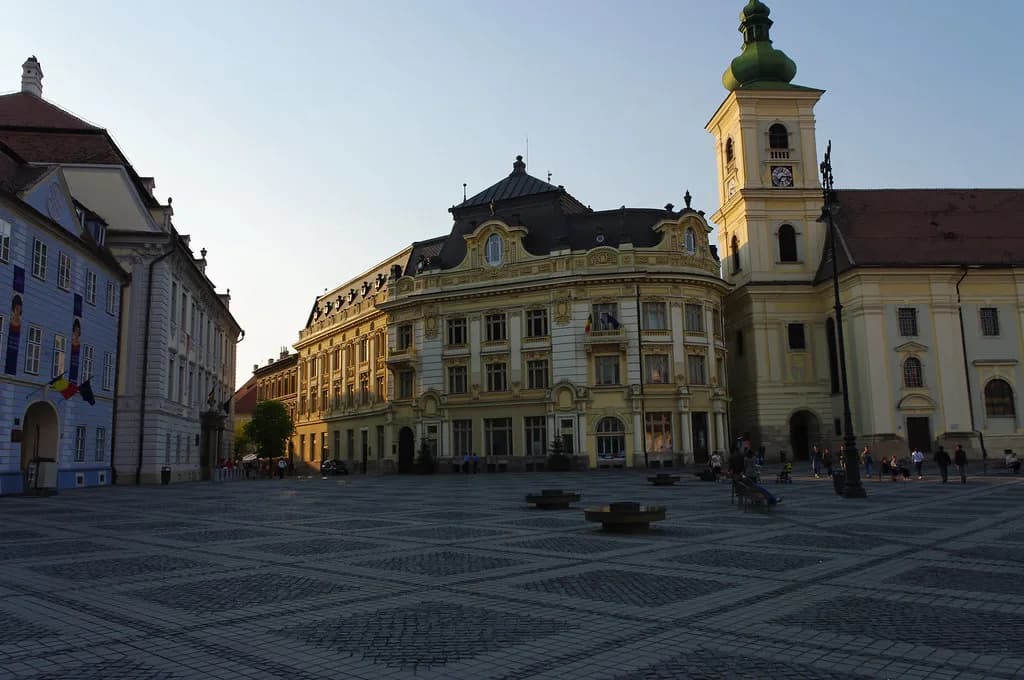
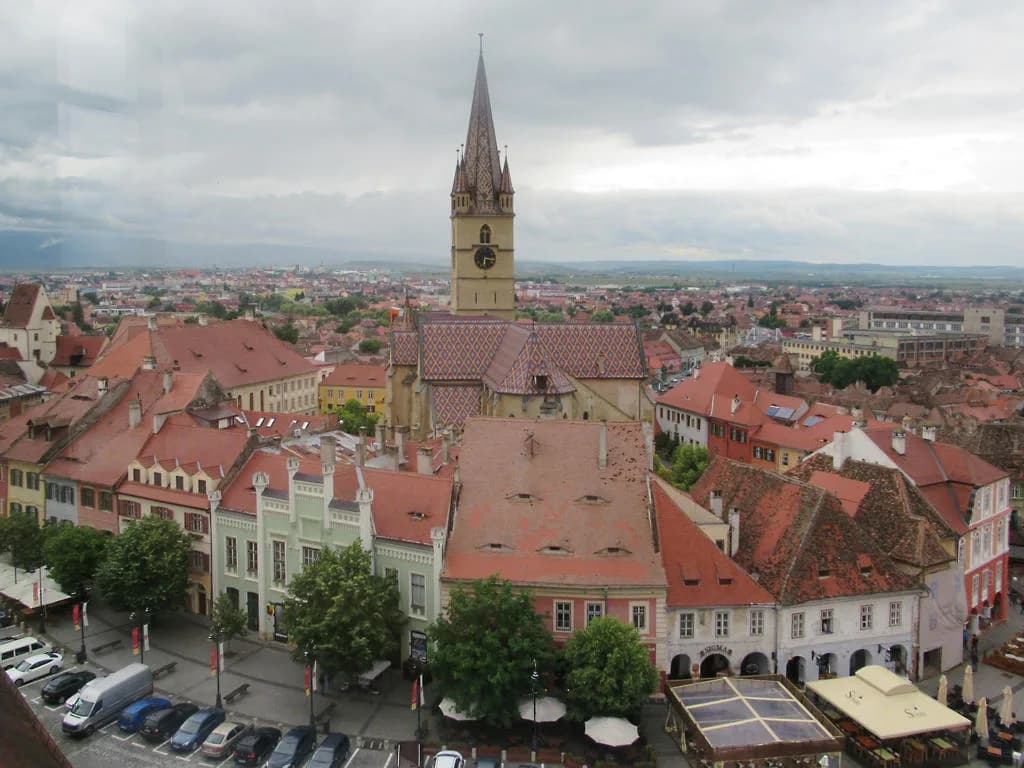
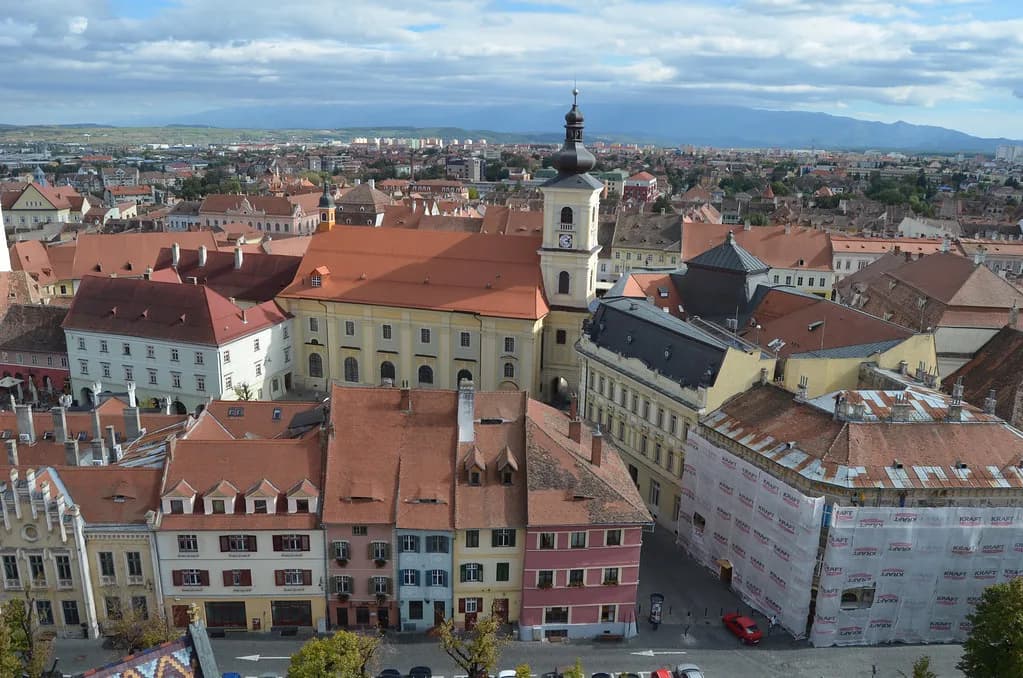
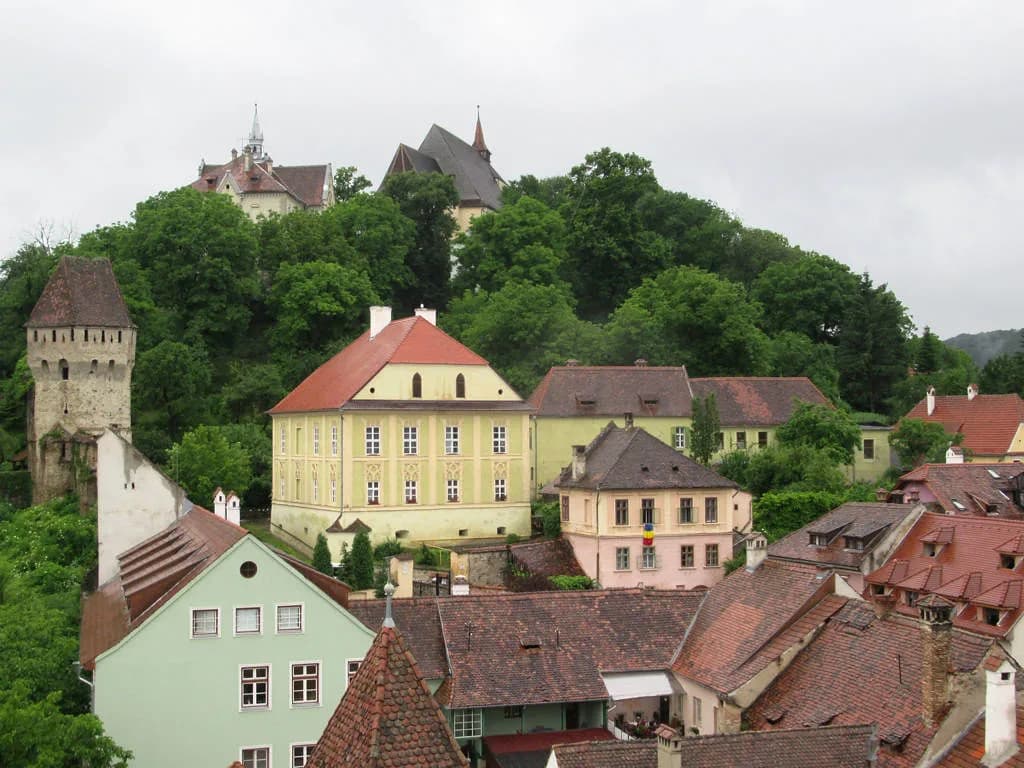
Sighișoara is the highlight of the Saxon towns, a UNESCO-listed citadel of cobbled lanes, guild towers and burgher houses where Vlad the Impaler was born. Sibiu counters with a pedestrian old town, the Brukenthal Museum and the distinctive eyebrow dormers that earned it the nickname the City with Eyes. Corvin Castle near Hunedoara, with its turrets and drawbridge, is the most theatrical of the lot.
Hungary's castle and town stock is thinner for travelers hunting this exact experience. Budapest has the Buda Castle quarter and a handsome historic core, but the fortified-church villages of Transylvania and the painted monasteries of Bucovina have no real Hungarian equivalent on the same scale. If castles and medieval streets are your priority, Romania is the trip.
Mountains, hiking and wildlife
Romania is a hiking country and Hungary is not, in the same sense. The Făgăraș offer long high-ridge traverses over peaks above 2,500 meters (8,200 feet), Piatra Craiului has marked valley and ridge routes out of Zărnești, and the Retezat and Bucegi ranges add more. Bring real boots; the weather at altitude is not decorative.
Wildlife is where Romania sets itself apart, but choose carefully. The Libearty Bear Sanctuary near Zărnești is a rescue facility rather than a zoo, visited by guided tour only, closed on Mondays and not open to children under five. That visit gives context before you consider any wild-bear watching.
Ethical bear watching means conservation-led hides, not roadside feeding or guaranteed sightings. Foundation Conservation Carpathia works across the Făgăraș landscape and runs a wildlife-watching programme where tourism funds habitat protection; a night in a hide is quiet, uncertain and far better for the animals than spectacle. If a tour promises bears for certain, walk away.
Costs: what your money buys in each
Romania is the cheaper of the two on most measures, and by some distance once you leave the tourist centers. Budget travelers can keep daily spending low with hostel dorms, supermarket food and slow trains, while midrange travelers eating out and taking the occasional taxi still find it gentle. Published budget ranges put backpacking at roughly 140 RON a day and midrange around 265 RON a day.
Some specific Romanian fees are published: the Alexandru Borza Botanic Gardens in Cluj-Napoca charge 15 RON, the Mount Tâmpa cable car above Brașov is 18 RON round trip, and Salina Turda costs 50 RON on weekdays and 60 RON at weekends. Danube Delta boat tours run about 210 to 300 RON for a full day with lunch, or 110 to 150 RON for a half day without.
Hungary's costs are best treated as a city-break budget rather than a country budget: Budapest accommodation, restaurants and attractions in the tourist core set the tone, and prices in forint feel high to travelers arriving from Romania. Outside the capital, in Eger, Pécs or around Balaton, costs drop. There is no reliable published figure here for Hungarian fees, so price your own shortlist directly.
Getting around: trains, roads and distances
Romania rewards a car and punishes unrealistic schedules. Trains are the cheapest way between cities and run overnight on long routes, but they are slow; buses fill gaps and rideshares like BlaBlaCar can be faster where schedules align. In Bucharest the metro costs 3 RON for a single ride and 8 RON for a day pass, which makes it the obvious choice over the crowded surface network.
If you are renting a car in Romania, pick it up as you leave Bucharest rather than on arrival, and allow more time than a map suggests once you are off the main roads. Mountain passes, including the Transfăgărășan, are seasonal and closed by snow for part of the year, so a route built around them needs a warm-month window.
Hungary is the easier country without a car: Budapest is walkable and tram-served, and the main regional cities connect by frequent rail. Distances are short, so a day trip to Eger or a Balaton weekend is practical. The difference in effort is real: Hungary is a city break, Romania is a driving trip.
When to go: seasons and crowds
Both countries are at their best in late spring and early autumn, when temperatures are moderate and the light is good. Summer brings the warmest weather and the heaviest crowds; Budapest in July is hot and busy, and Romania's castles and mountain roads fill in August. Winter is cold in both, with mountain snow in Romania and short city days in Budapest.
For Romania specifically, June and September are the sweet spots: wildflower season and long days early, warm settled weather and fewer families late. A Romania in April trip is quieter and greener but colder and wetter, with high roads still closed. August is peak for both domestic and foreign visitors, so book the Bran and Peleș stops early in the day.
October suits travelers who want autumn color in the Carpathians, cooler hiking and fewer people, with the trade-off of shorter days and some seasonal closures in rural areas. Group tours cluster in October too, so the main sights stay busy even as the trails empty out.
Who should choose Hungary
Choose Hungary for a three- to five-day city break, for a first taste of Central Europe, for architecture, baths, cafés and museums, and for anyone who wants to travel without a car. Budapest is one of Europe's great walking cities, and a week there with a Balaton or Eger day trip is a complete holiday rather than a compromise.
Choose Hungary if your group includes people who dislike long drives, if you want reliable four-season city infrastructure, or if you are combining Central Europe by train. It is the low-friction option, and the friction you avoid is real: Romanian mountain roads and slow rail are not for everyone.
Who should choose Romania
Choose Romania for a week or more, for hiking and wildlife, for medieval towns and fortified churches, and for a road trip where the driving is part of the point. Photography, history and rural culture all reward the effort, and the value for money is among the best in the region.
Choose Romania if you are comfortable with a car, willing to build in drive time, and happy with a few rough edges in infrastructure and service. If you need everything to run to schedule, or you have only a long weekend, Hungary is the better call and Romania deserves a proper week later.
Language is less of a barrier than many expect in the cities and tourist towns, though rural areas reward a few phrases. Read up on whether they speak English in Romania before you assume, and download offline maps for the mountain sections where signal drops.
Doing both in one trip
Combining the two works best on the ground rather than by air, with Cluj-Napoca as the hinge: it is a university city in Romania's northwest and a common crossing point for travelers coming east from Hungary. A route of Budapest, then Cluj, then the Saxon towns and Brașov takes about two to three weeks and gives you both characters in one trip.
The practical cost is time and currency switching. You will be budgeting in forint in Hungary and leu in Romania, and the slower Romanian roads mean the second half of the trip needs more days than the first. If you have under ten days, pick one country and do it properly.
Is Romania Worth Visiting on Its Own Merits?
Hungary's pull is concentrated in one city, while Romania's is spread across regions, which is why the answer to whether Romania is worth visiting depends on how you travel rather than on how much there is to see. If you have already decided the mountains and Saxon towns appeal, build the trip around them and skip the parts that require a second long drive.
Plan Your Visit
For most first-time travelers, Hungary is the lower-risk city break and Romania is the richer, higher-effort road trip. If you want polish, food and museums in a compact package, go to Budapest; if you want mountains, castles and villages at good value, go to Romania and give it the time it needs.
Before booking, settle four things: whether you will drive, how many days you can give, which season you can travel, and which currency you will budget in. Answer those and the Romania versus Hungary decision usually makes itself. For entry rules, use your own government's official travel page.
Explore more Romania trip-decision guides
Frequently Asked Questions
Is Romania or Hungary better for a first trip to Central Europe?
Hungary is the easier first trip: Budapest is compact, walkable and well served by public transport, and three to five days there with a day trip to Eger or Lake Balaton makes a complete holiday. Romania suits a first trip too, but only if you have a week or more and are willing to drive between Brașov, Sibiu, Sighișoara and the mountains. With a long weekend and no car, choose Hungary.
Is Romania cheaper than Hungary?
Romania is generally the cheaper of the two on most measures, and the gap widens once you leave the main tourist centers. Published Romanian budget ranges put backpacking at about 140 RON a day and midrange at about 265 RON a day, and specific fees such as the Mount Tâmpa cable car and Salina Turda are modest. Hungary's costs are concentrated in Budapest's tourist core, where forint prices tend to feel high to travelers arriving from Romania. Price your own shortlist directly for both countries before booking.
Do you need a car in Romania?
A car makes a big difference in Romania, but it is not compulsory. Trains and buses link the main cities cheaply, though slowly, and Bucharest's metro is a fast, inexpensive way around the capital. For the rural Saxon villages, Piatra Craiului and the Făgăraș Mountains, driving gives you far more freedom and saves hours, so pick up a rental as you leave Bucharest rather than on arrival.
How many days do you need in each country?
Hungary works in three to five days if Budapest is the focus, with a week enough to add Lake Balaton, Eger or Pécs. Romania needs at least a week and ideally ten days for a Bucharest and Transylvania loop, since distances between the Saxon towns and the mountain areas are long and the roads are slow once you leave the main routes. Trying to cover Maramureș, Bucovina and the Danube Delta as well needs a longer trip.
Can you combine Romania and Hungary in one trip?
Yes, and the natural hinge is Cluj-Napoca in northwestern Romania, a common crossing point for travelers coming east from Hungary. A route of Budapest, then Cluj-Napoca, then the Saxon towns and Brașov takes roughly two to three weeks. Budget separately in forint and leu, and give the Romanian half more days because the driving is slower. Under ten days, pick one country instead.
Is Romania good for hiking and wildlife?
Romania is the stronger choice of the two for both. The Făgăraș and Piatra Craiului ranges offer marked ridge and valley routes, with long high traverses above 2,500 meters (8,200 feet) for experienced hikers. For wildlife, the Libearty Bear Sanctuary near Zărnești is a rescue facility visited by guided tour, and ethical bear watching means conservation-led hides such as those run with Foundation Conservation Carpathia rather than roadside feeding.
Is Budapest enough on its own for a week?
A week in Budapest is a full holiday if you like museums, thermal baths, cafés and wandering distinct neighborhoods. Most first-timers cover the headline sights in three full days and use the rest for slower days and short trips to Eger, Pécs or Lake Balaton. What Budapest cannot give you is mountain hiking or the fortified-church villages of Transylvania, so if those top your list, split the time with Romania instead.
Sources
Trip-decision notes
Optional updates when we publish or revise a destination verdict.
You might also like
Continue reading
More guides you'll find useful