How Many Days in Tirana? The Honest Answer for Trip Planners
Two full days covers Tirana's core sights and one day trip; three days suits museum lovers and slow travelers. Here is how to pick your trip length.
On this page
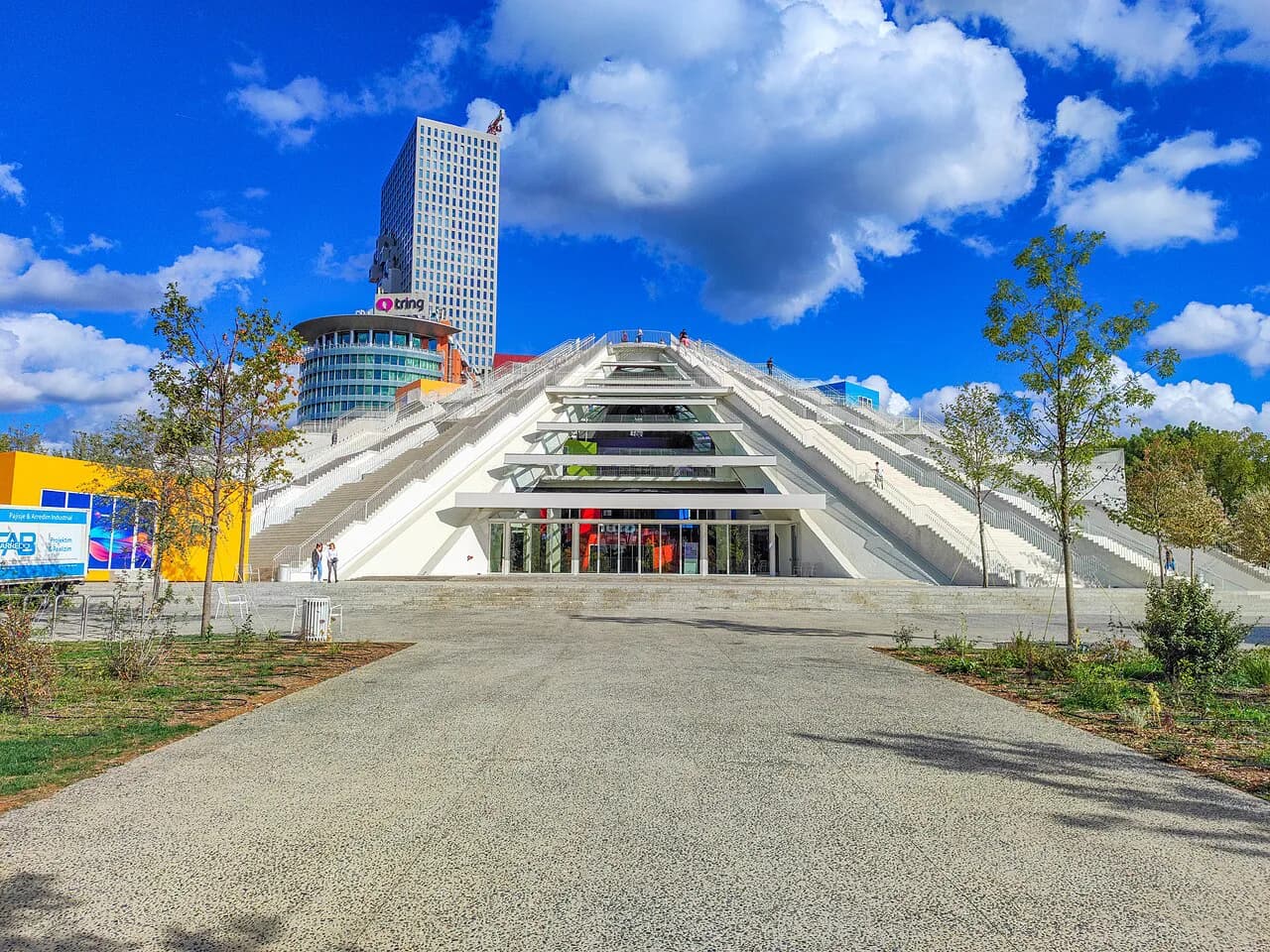
Two full days in Tirana is the honest answer for most travelers. That gives you the compact center around Skanderbeg Square, one of the Bunk'Art museums, the Pyramid and a half day on Dajti Mountain without racing between them.
Add a third day if Cold War history and mountain air matter more to you than clocking up more cities, or if you want a day trip to Krujë or Berat. A single day in Tirana is thin: it covers the square and one museum and leaves the rest untouched.
The verdict: two full days for most travelers
Count full days, not travel days. Arriving on an evening flight and leaving on a morning one gives you two usable days at best, and that is exactly what the city rewards: a morning on the square, an afternoon underground at Bunk'Art, a sunset from the Pyramid, then a second day on the mountain and in the markets.
The claim that Tirana works as a one- or two-day stop for the city and its bunkers matches the geography; the sights cluster tightly and you walk between most of them. The trade-off is depth: Albania's national story is dense, and a rushed visit to the National Historical Museum leaves you skimming a country you came to understand.
Who should plan one day in Tirana
One day suits travelers passing through toward the Albanian coast or transferring to Berat, and anyone who has already seen a lot of Balkan capitals. It also works for a dedicated Cold War stop: Bunk'Art 2 sits in the center, so a morning there plus Skanderbeg Square and the Pyramid makes a coherent single day.
The catch is that one day leaves no room for Dajti. The cable car ride from the city edge is a half-day block once you add travel to and from the lower station, and squeezing it into a single day means dropping either the museums or the old bazaar.
Who should give Tirana three days
Three days rewards museum people and slow travelers. The National Historical Museum covers everything from the Illyrian period to the communist era, and its facade mosaic alone is worth a look even from the square outside. Pair that with Bunk'Art 1, the large underground complex on the city's outskirts, and you have two serious history blocks.
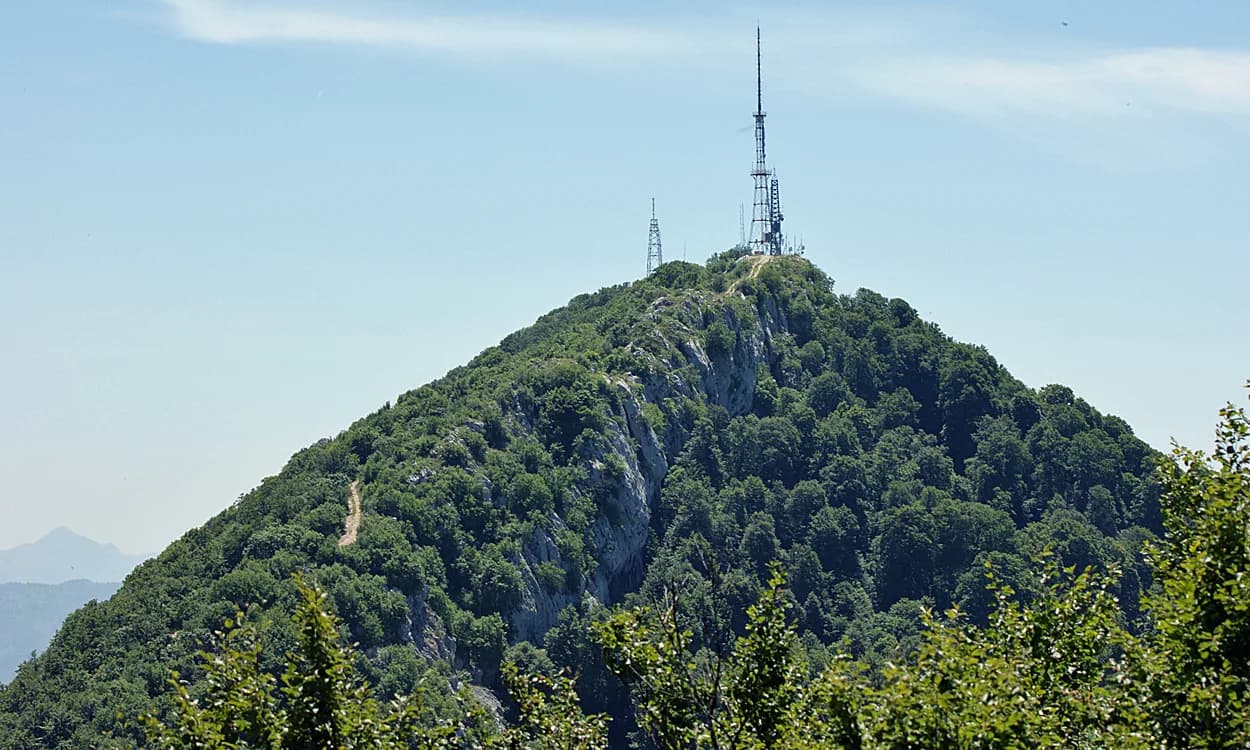
The third day also buys you a proper mountain morning. The Dajti Express cable car climbs from the edge of the city to Dajti Mountain National Park in about 15 minutes, which leaves the rest of the day for hiking or lunch with a view before heading back down.
What two days in Tirana actually covers
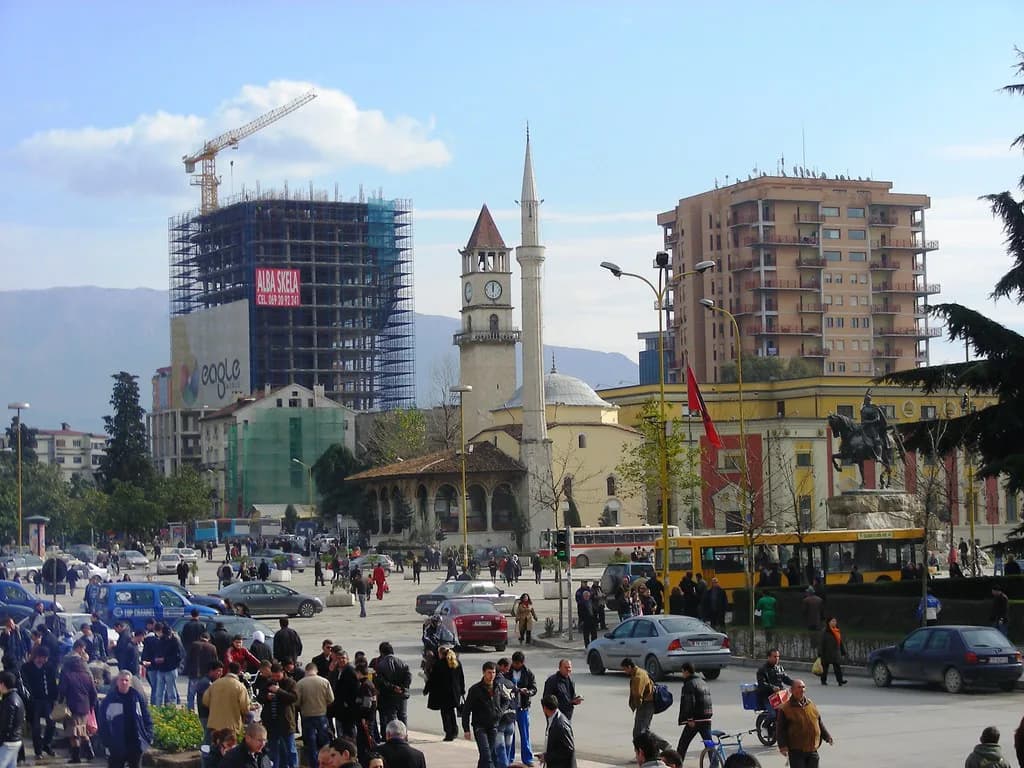
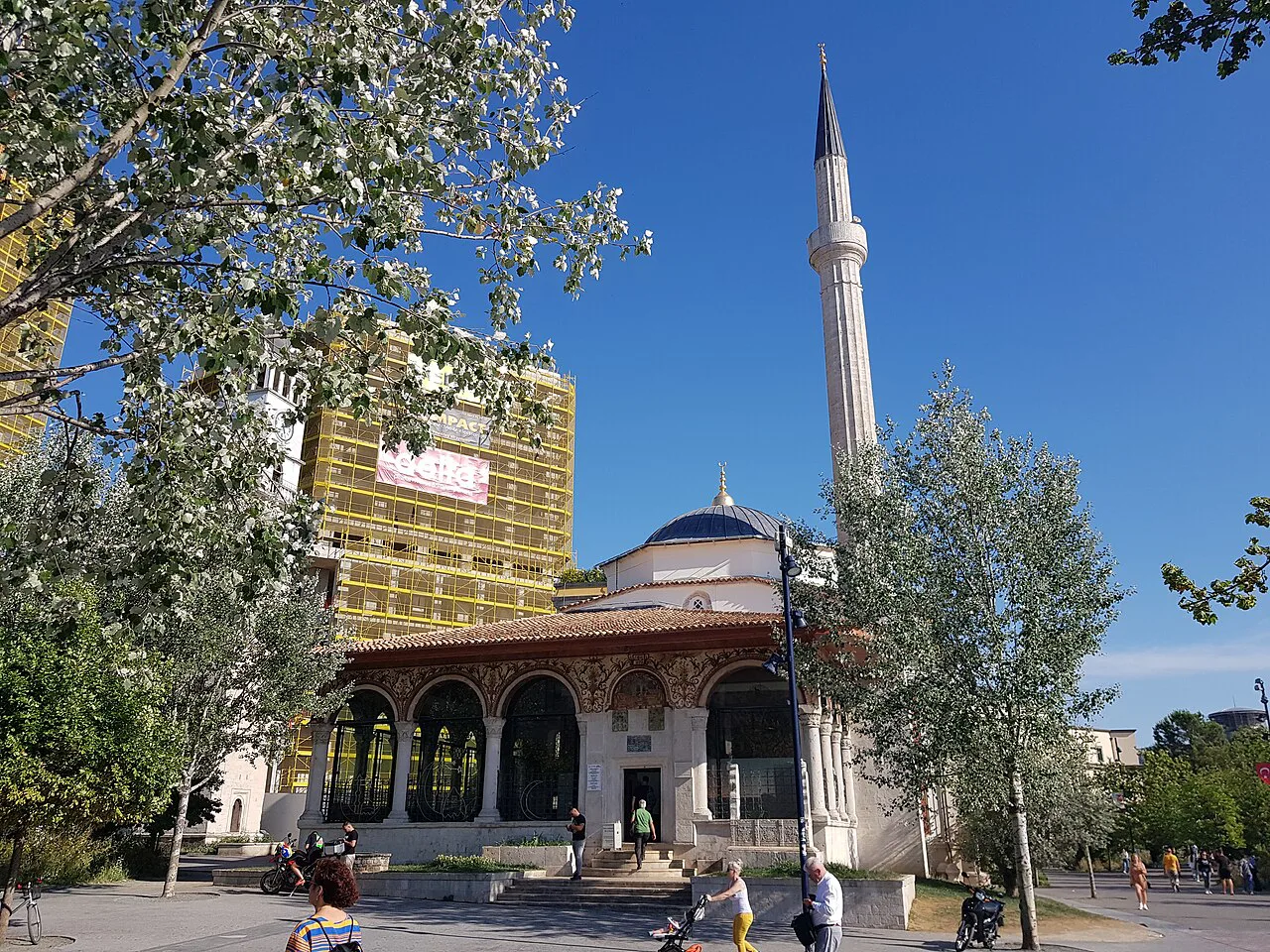
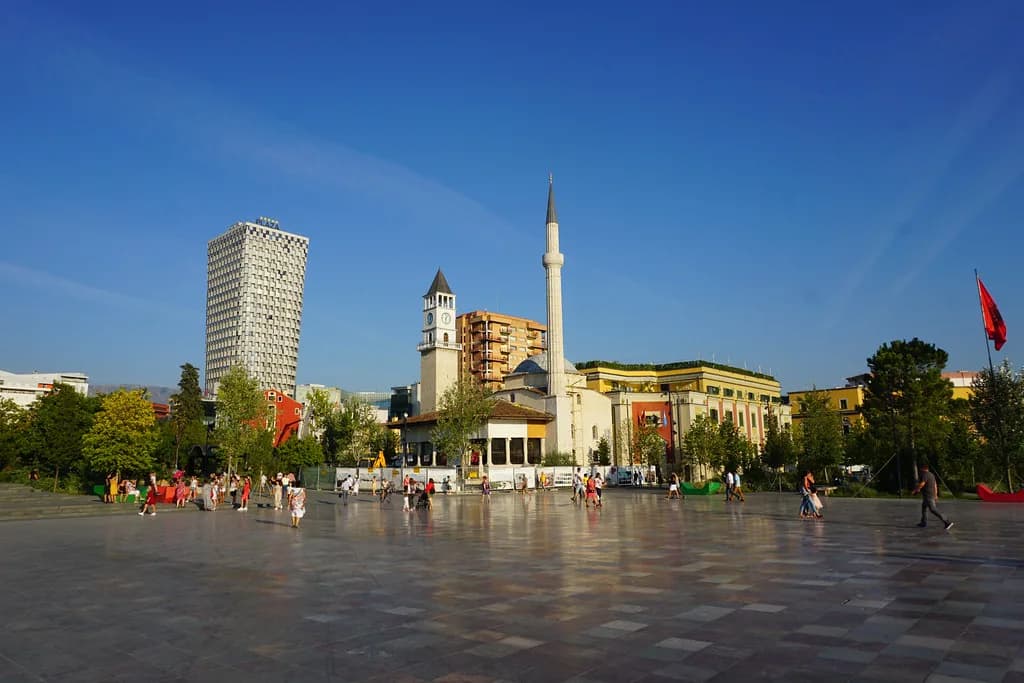
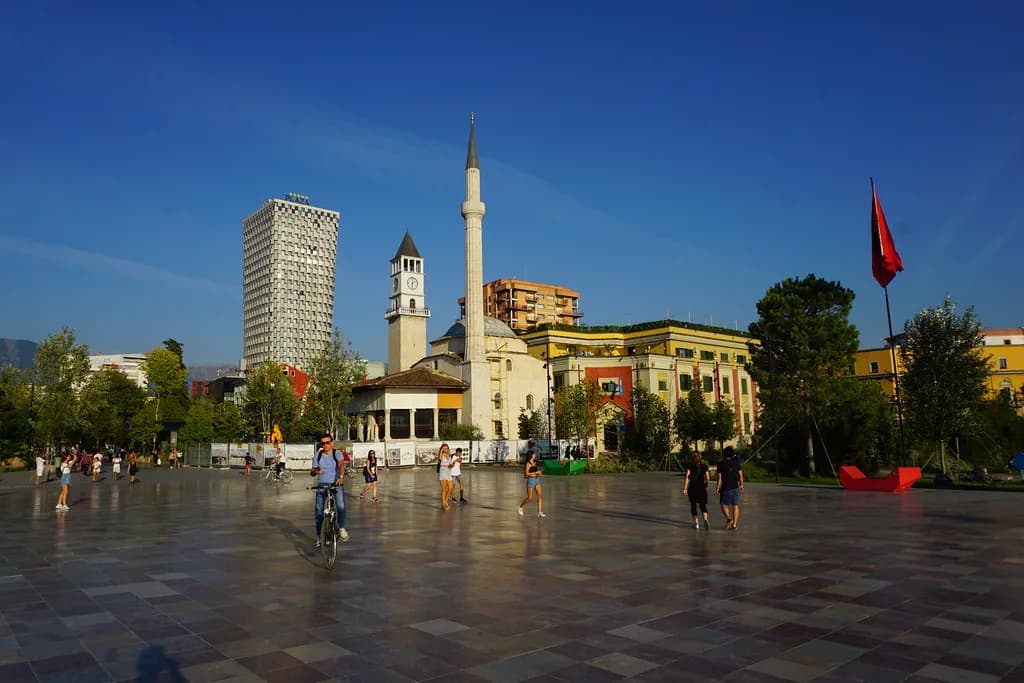
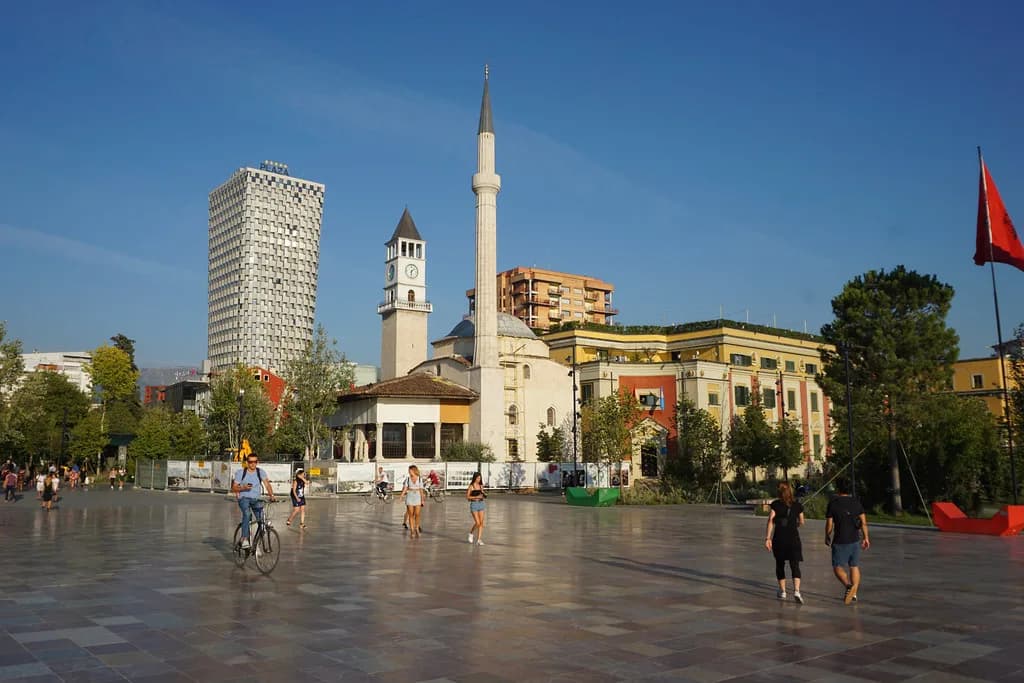
Day one belongs to the center. Start at Skanderbeg Square, where the Et'hem Bey Mosque, the Clock Tower and the National Historical Museum line up within a few minutes' walk, then head to Bunk'Art 2 and finish with the climb up the Pyramid for the view.
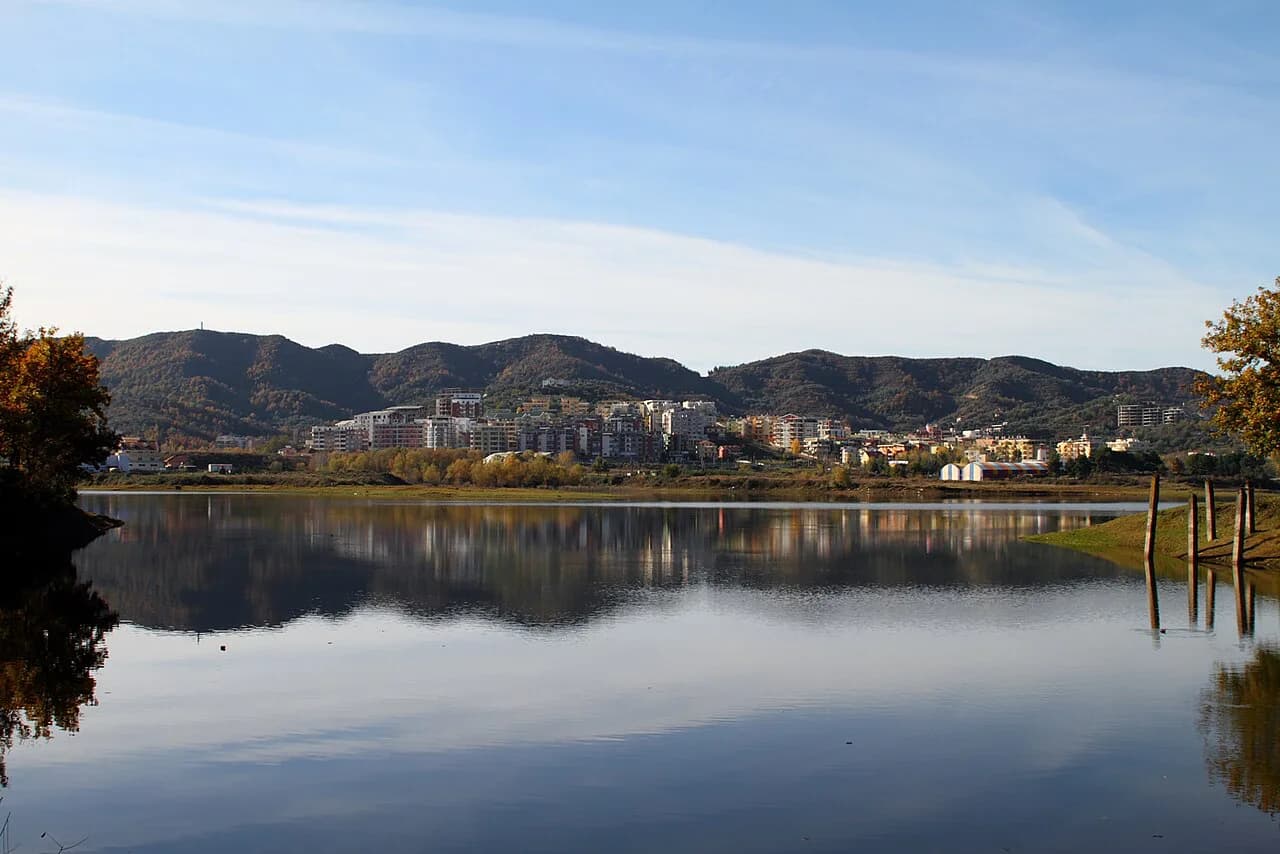
Day two is the mountain and the neighborhoods. Take the cable car up Dajti in the morning, then come back down for the Grand Park of Tirana, the New Market at Pazari i Ri and a wander through Blloku. If you are weighing whether the capital or the coast deserves your nights, our Tirana vs Durres comparison lays out the trade-offs.
A workable three-day plan with Dajti and a day trip
Keep the two-day core intact and bolt the third day onto the end. Spend day one on the square and Bunk'Art 2, day two on Dajti and the parks, and day three on a day trip: Krujë for the bazaar and castle, Berat for the UNESCO-listed old town, or Durrës for the Adriatic.
Berat sits about two hours from Tirana each way, which eats most of a day. That is fine for a third day, but it is a poor fit for a two-day visit because it crowds out the city you came to see.
Why a Tirana-only day is thin
The city's best sights are close together, which makes a single day feel productive, but it flattens the experience into a checklist. You see the square and one bunker, skip the mountain and the bazaar, and leave without the context that makes the rest of Albania legible.
One practical snag: some of the smaller sights and the National Historical Museum run on cash and modest opening windows, so check the museum's own page before you build a day around it. A short visit that loses an hour to a closed door is a wasted day.
Day trips that change the math: Krujë, Berat, Durrës and Shkodra
Each of these is a realistic day out, and each adds a day to your Tirana count. Krujë and Berat are the strongest pair for history; Durrës is the easiest for a beach-and-ruins half day; Shkodra and Kruja are both offered as organized day trips from Tirana, which suits travelers without a car.
If you only have two days in Tirana, resist adding a day trip. The capital plus Dajti already fills them, and moving between them on Albania's roads costs more time than the map suggests.
How many days in Albania overall
Give Albania itself a week or more if you want the coast and the UNESCO towns as well as the capital. Tirana takes two to three days, Berat a full day or an overnight, and the southern coast deserves its own block; stretching the country over four days means spending most of it in a bus.
The efficient shape is Tirana first, then a loop south through Berat toward Gjirokastra and the coast, ending back at Tirana International Airport. Building the capital at the start also gets the city's cash-and-crowd friction out of the way before the slower, prettier towns. If you are weighing a longer route across the border, our Montenegro verdict answers the same question for the country to the north.
When to go: weather that shapes your schedule
April and September are the sweet spots for a city break. April averages roughly 8 to 17°C (47 to 63°F), cool enough to walk all day and comfortable for the bunkers; September averages about 16 to 26°C (61 to 79°F), warm but past the August peak. Check the best time to visit Tirana before you book flights, since prices and dates shift with the season.
August is the hottest month, with highs near 32°C (89°F) and lows around 20°C (68°F), which makes midday sightseeing a slog and pushes locals toward the mountains and the coast. January is the coolest, averaging roughly 2 to 9°C (35 to 47°F), fine for museums but short on daylight.
Weather by month for planning
Use the two shoulder months as your planning anchors. April gives you mild days and the spring green on Dajti, and September gives you warm evenings on the square without the August crush. Both let you walk the city center rather than shelter from heat or rain.
For a summer trip, plan around the heat: put the mountain and the parks in the morning and museums in the afternoon. For a spring visit, our Tirana in April guide covers the temperature and event profile in more detail.
Getting there and getting around
Tirana International Airport is the main gateway. The city center is walkable, but reaching Dajti means a bus or taxi to the cable car station on the eastern edge, so budget the transfer time into any mountain morning.
Inside the center, walking is faster than any vehicle for the Skanderbeg Square cluster. For day trips, organized tours remove the guesswork; for independent travel, treat Berat's roughly two-hour drive as a serious chunk of the day.
Where a fourth day stops paying off
A fourth day in Tirana is only justified if you are using it as a base for multiple day trips or waiting on a flight. The core sights are done in two, and the mountain in a half day; after that you are adding restaurants and cafes rather than new places to see.
If money is the worry, a longer stay in the capital is usually cheaper per day than the coast in August, so check is Tirana expensive before you extend the trip for budget reasons alone.
Tirana against the coast and Berat: verdict by traveler type
History and city travelers: three days in Tirana, with Krujë or Berat as the third-day trip. Beach travelers: two days, then move to the coast. First-time Balkans visitors with a week: two days in Tirana, one in Berat, the rest on the coast.
If you are still deciding whether the capital belongs on your itinerary at all, the honest verdict on whether Tirana is worth visiting is the place to start; if you are already convinced, two full days is your number.
Plan Your Visit
Give Tirana two full days, three if museums and a day trip matter to you. Book around April or September for the most comfortable walking weather, and keep the mountain morning separate from the city day.
Build the rest of the country around that core rather than stretching the capital thin. For entry rules and official travel advice, use your government's Albania travel page once and move on to the itinerary.
Explore more Tirana trip-decision guides
Frequently Asked Questions
How many days do you need in Tirana?
Two full days for most travelers: the Skanderbeg Square cluster, one Bunk'Art museum, the Pyramid and a half day on Dajti. Add a third day for a Krujë or Berat day trip, or for slower museum time.
Is two days in Tirana enough?
Yes, for the city's core sights and one mountain half day. It is not enough if you also want Berat, Krujë or the coast, since each day trip consumes a full day on its own.
Is one day in Tirana worth it?
Only as a stopover or a focused Cold War visit. One day covers the square and one bunker, and leaves out Dajti, the markets and the national museum.
How many days should you spend in Albania?
Plan a week or more for the capital, a UNESCO town and the coast. Four days means choosing between Tirana and the southern coast rather than seeing both properly.
Is Tirana worth visiting at all?
Yes, for its layered history, walkable center and easy access to Dajti and the day-trip towns. Travelers who want beaches and old stone towns should give it less time and head south.
What is the best time of year to visit Tirana?
April and September offer the most comfortable walking conditions, with mild spring or early-autumn temperatures. August is hot enough to reshape your daily schedule around mornings and evenings.
Sources
Trip-decision notes
Optional updates when we publish or revise a destination verdict.
You might also like
Continue reading
More guides you'll find useful