Is Tirana Expensive? Honest Daily Costs for a Tirana Trip
Tirana is cheap by Western European standards but not as cheap as you expect. Here is what meals, transport, museums and a day in the capital really cost.
On this page
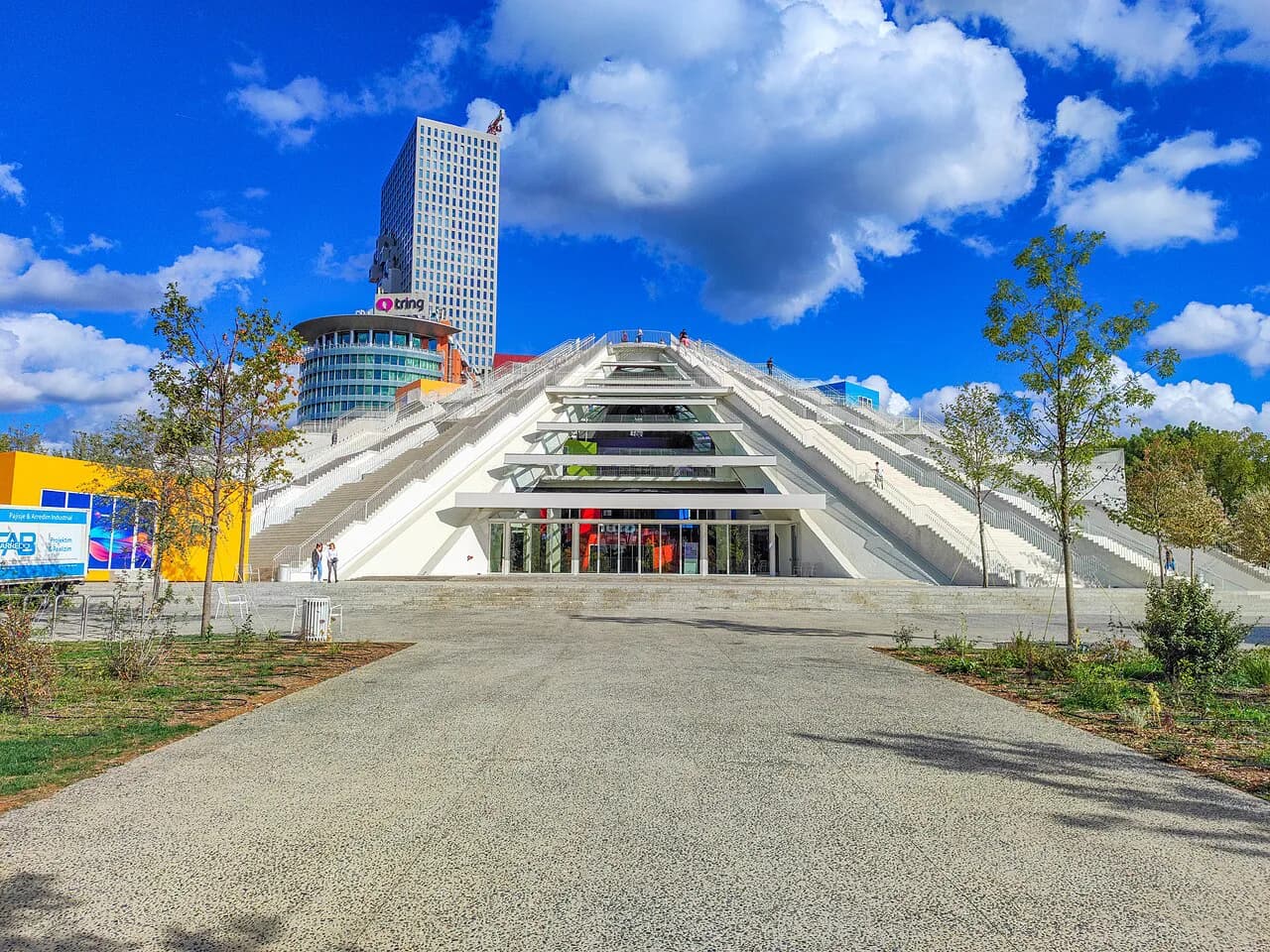
No, Tirana is not expensive by Western European standards, but it is no longer the bargain that Albania's reputation promises. A capital-city break here costs noticeably less than Rome, Berlin or Madrid for meals, coffee, local transport and museum tickets, while accommodation and the steady drip of cash withdrawals keep the total closer to mid-range Europe than to Southeast Asia. The honest answer is that Tirana is good value rather than cheap, and the gap between the two matters when you are building a budget.
The figures below come from recent cost reports and crowd-sourced price data, so treat them as a realistic recent range rather than a guaranteed rate. Prices in the capital have climbed with visitor numbers, and the coast now competes with Tirana rather than undercutting it. Budget with the upper end of each range in mind and you will not spend the trip recalculating.
Is Tirana expensive? The verdict
Tirana sits in the affordable middle of European capitals: cheaper than Italy, Spain or France for everyday spending, more expensive than most travelers expect from the Albania hype. Coffee, buses, museum entries and casual meals are genuinely low-cost, which is why a lean day here is easy to keep under control. The pressure comes from accommodation, restaurant dinners in the center and the cash-heavy payment culture rather than from headline prices.
For a three-day visit, the realistic picture is a city where a good espresso costs less than a bottle of water in London, but where a mid-range dinner for two can approach what you would pay in a secondary Italian city. The verdict for most travelers is straightforward: Tirana rewards a modest budget generously, and punishes nobody except those expecting Vietnam-level prices. If you are deciding whether the city justifies the flight, is Tirana worth visiting covers the sights and the trade-offs in more depth.
Who Tirana suits on a budget, and who should go elsewhere
Tirana suits travelers who want a compact, walkable capital with strong museums, a serious cafe culture and low transport costs, and who are happy to eat where locals eat. It also works well as a base for day trips and for anyone combining a city stay with the southern coast. Budget backpackers, couple travelers and first-time Balkan visitors get the most out of it, especially outside July and August when the city empties of locals and prices firm up.
Choose elsewhere if you want beaches, if you expect a polished historic core on the scale of Prague or Split, or if you refuse to carry cash. Travelers who want the sea should look at the coast and compare properly: the Tirana vs Durres choice is really a city-versus-beach decision, and Durrës wins on swimming while Tirana wins on food, museums and things to do after dark that do not involve sand.
What things cost in Tirana: food, drink and coffee
Coffee is the clearest proof that Tirana can still be cheap. A Turkish coffee in an ordinary neighborhood cafe runs around 50 lek, roughly half a euro, while a cappuccino in the center is typically under 200 lek, and draft beer in a bar around 290 lek. A meal at an inexpensive restaurant averages about 800 lek, with a three-course dinner for two without drinks around 4,500 lek. Those are crowd-sourced city figures rather than tourist-menu prices, so expect the center and Blloku to run higher.
Restaurant spending splits sharply by venue. A good traditional Albanian meal at a non-touristy restaurant can come in at under 10 to 15 euros a person, while an upscale dinner in the center can reach 20 to 25 euros, close to a normal restaurant bill in a major European capital. Local rakia at around 2 euros a shot and beer at 2.50 to 3 euros a bottle keep a night out modest by Western standards.
Groceries are a mixed bag. Fresh dairy, fruit, vegetables and meat are cheaper than in most of Western Europe and often fresher, and open-air markets such as Pazari i Ri are the place to buy seasonal produce. Some items surprise visitors, though: eggs can cost about the same as in the United States, and imported goods carry a premium.
Museums, attractions and nights out
Tirana's museum tickets are modest. Entry to Bunk'Art, the main museum of communism, is 5 euros, and the House of Leaves spy museum costs 7 euros, so a day of sights costs less than a single blockbuster exhibition in Western Europe. A produced cultural show in the city, such as a dance and music performance aimed at visitors, runs around 38 euros a person, which is where the upper end of Tirana's attraction pricing sits.
Nights out are cheap if you drink local. Rakia and Albanian wine keep the bill low, with bottles of local wine often under 10 euros and bar shots around 2 euros. The expensive version of a Tirana evening is imported spirits and cocktail bars in Blloku, which price like any European capital's nightlife district.
If you are weighing when to come, spring and early autumn put the same sights within reach without summer heat, and the city's calendar fills with outdoor events. Our notes on Tirana in May and Tirana in October both make the same practical point: the cost of the sights does not change, but the comfort of seeing them does.
Getting around Tirana and from the airport
Local transport is the cheapest line on any Tirana budget. A single city bus ticket costs 40 lek, and a monthly pass around 1,600 lek, which is why many visitors simply walk the center and take the bus for longer hops. Taxis are the exception: the meter starts around 300 lek and runs about 300 lek per kilometer, so short rides add up faster than you expect.
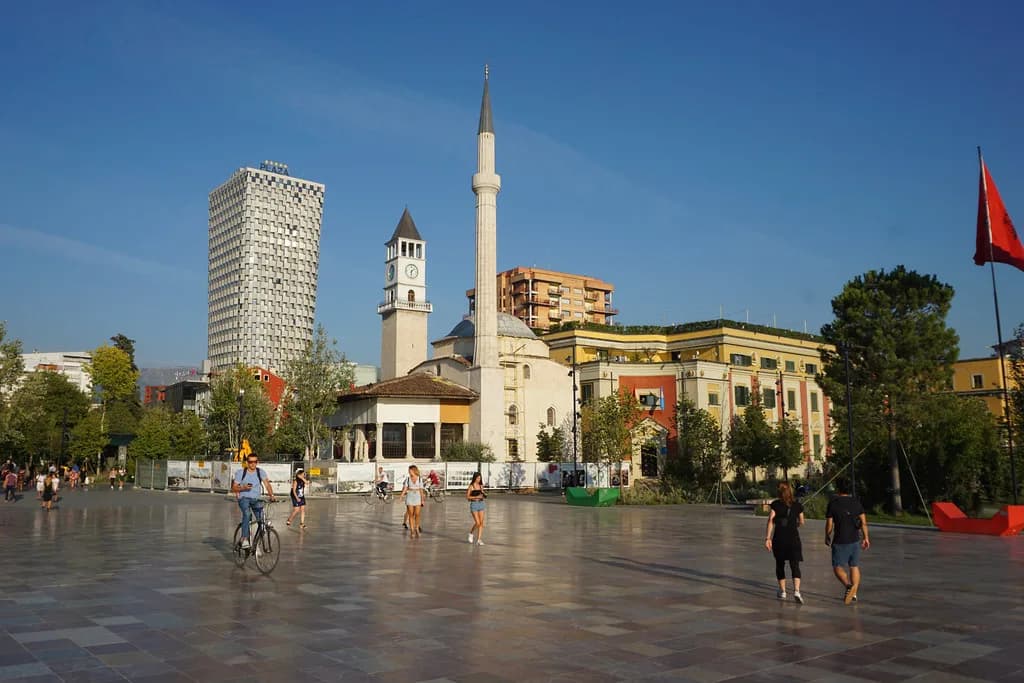
The airport transfer is where arrivals overspend. A taxi from the stand at Tirana International Airport costs about 20 euros each way, while booking through an app like Patoko or messaging Green Taxi can bring that down, and Green Taxi quotes 1,200 lek for the run into the city. The cheapest option is the Luna Travel shuttle from the airport to Skanderbeg Square at a little over 4 euros a person.
Intercity buses are the reason many travelers base themselves in Tirana at all. Services to southern beach towns such as Himarë, Dhërmi and Sarandë cost around 1,200 lek for a roughly three-hour ride, which makes a coast-and-capital trip cheaper than renting a car. Ask at the bus departure points directly, since Albanian bus stations are often unmarked street corners rather than terminals.
Accommodation price levels, in words
Accommodation is the line item that most often breaks the Albania-is-cheap expectation. A double room or apartment in the very center of Tirana typically falls in a moderate European-capital band rather than a bargain band, and rates climb through July and August. Guesthouses and budget-to-mid-range rooms around the country cluster at a level that makes a couple's nightly spend feel closer to mid-range Europe than to a hostel trip.
The bigger practical trap is payment. Many properties in Albania expect cash on arrival even when you booked online, which means visitors end up at an ATM almost daily, and withdrawal fees of around 5 euros per transaction are common. Build that fee into your budget rather than treating it as a surprise, and plan to visit machines less often by taking out larger amounts.
Is Tirana cheaper than the Albanian coast?
The coast is no longer the cheap escape it was marketed as. Sunbeds and umbrellas on the popular Ksamil beaches are privately owned and cost roughly 20 to 25 euros for a spot, with some beaches charging far more, so a beach day can cost more than a day of museums in Tirana. Coastal accommodation and food also run higher than inland, which reverses the old assumption that leaving the capital saves money.
Tirana is the cheaper base for a mixed trip: food, transport and sights are all lower, and a bus south costs little enough that you can split your stay. Travelers who want the sea should budget the coast as the expensive half of the itinerary, not the cheap reward after the capital.
Is Tirana expensive compared with Greece and Croatia?
Against Greece and Croatia, Tirana is clearly the cheaper city for everyday spending: coffee, casual meals, buses and museum tickets all sit below what you would pay in Corfu, Split or Dubrovnik, and accommodation is lower outside the peak weeks. The gap is largest on food and local transport, and smallest on accommodation in high season, when Tirana's center fills and prices firm up. If you are sizing up the wider country rather than the capital, is Albania expensive sets the national picture against the same neighbors.
Albania's own pricing has moved toward the middle of Europe. It remains cheaper than tourist-heavy parts of Greece and Croatia and far cheaper than Western Europe, but it is no longer dramatically cheap, and the famous beaches now carry prices to match. The comparison that holds up best is with a mid-priced Italian or Spanish secondary city rather than with Southeast Asia.
Typical daily budgets: budget, mid-range and comfort
A budget day in Tirana is built on supermarket or bakery breakfast, coffee at local prices, a 40-lek bus ride, one or two low-cost museums and a casual meal, with hostel dorms and shared rooms keeping the accommodation line low. This profile is realistic for backpackers and solo travelers who do not drink much in bars. The consistent risk to the budget is the cash-withdrawal fee, which can quietly add several euros to a single day.
The mid-range day, which is where most visitors land, means a private double room, three restaurant meals including one sit-down dinner, museum entries, a few taxis or buses and a drink in the evening. Independent travelers reporting their own spending in Albania landed around 80 euros a day each using guesthouses and public transport, which is a useful ceiling rather than a floor.
The comfort day adds a central hotel, a produced cultural show, upscale dining and app-based taxis, and it prices closest to a normal European capital day. Even here, Tirana stays below Western Europe on food and transport while accommodation does most of the work. If you are working out how long to stay, how many days in Tirana covers what each extra day actually buys.
Where Tirana costs creep up: cash, ATMs and fuel
Cash is the structural quirk in every Tirana budget. Albania's lek economy still runs on notes for many transactions, especially accommodation, and travelers report being unable to find fee-free ATMs, with withdrawals carrying a noticeable flat charge each time. Paying in euros on the coast is sometimes possible but at poor rates, so sticking with lek and withdrawing larger sums less often is the cheaper habit.
Three categories are genuinely expensive and worth avoiding: clothing, electronics, and fuel. Fuel prices in Albania are among the highest in Europe, so a road trip costs more than the bus, and electronics carry high import taxes, which is why buying gear here makes no sense. Secondhand shops in Tirana offer better value on clothing than new.
Living in Tirana versus visiting
A resident's Tirana and a visitor's Tirana are different budgets. Crowd-sourced cost-of-living data puts a single person's monthly expenses, excluding rent, at roughly 62,000 lek, with a one-bedroom apartment in the center averaging around 66,000 lek a month and outside the center around 39,000 lek. Those are local salary-relative numbers, so they say more about daily life than about a three-day trip.
For visitors, the resident data is still useful for calibration: a cinema ticket around 800 lek, a monthly gym membership near 4,700 lek and a mid-range bottle of wine around 850 lek show a city priced for local incomes rather than for tourists. That is why eating and drinking where Albanians do keeps a trip cheap, while the central tourist strip prices to the visitor.
If you are considering a longer stay, treat the resident figures as a starting point and check current rent and utilities through current listings rather than averages. Visitors planning a short break should ignore them entirely and focus on the meal, transport and museum prices above. Either way, the best time to visit determines how much of your budget goes to accommodation.
The Bottom Line on Tirana Costs
Tirana is not expensive for a European capital, but it is not the budget secret it was sold as. Meals, coffee, buses and museums stay low, accommodation and summer demand push the total up, and the cash economy adds a fee here and there that you should plan for rather than resent.
Come expecting good value at mid-range prices, carry enough cash to avoid daily ATM stops, and use the bus or the Luna Travel shuttle instead of airport taxis. Do that, and Tirana delivers a full city break for less than almost any Western European capital, which is the fairest reading of its price tag.
Explore more Tirana trip-decision guides
Frequently Asked Questions
Is Tirana expensive to visit?
No, not by Western European standards. Coffee, buses, museums and casual meals are cheap, and a modest daily budget covers a comfortable visit. Accommodation in the center and summer demand push the total toward mid-range Europe, so Tirana is best described as good value rather than cheap.
How much does a meal cost in Tirana?
A meal at an inexpensive restaurant averages a low double-digit figure in lek, and a three-course dinner for two without drinks stays well inside a modest European bill. Traditional restaurants outside the tourist heart of the city are the better-value choice, while upscale central dining prices closer to a normal Western European night out. Each restaurant posts its own menu prices, so compare a few before sitting down.
Is Tirana cheap for tourists?
It is cheaper than Greece, Croatia or most of Western Europe for food, drink, transport and sights. The hidden costs are accommodation, which has risen with visitor numbers, and cash-withdrawal fees, since many transactions still run on notes.
Do I need cash in Tirana?
Plan on it. Many properties expect payment in cash even for online bookings, and free ATMs are hard to find, so withdrawals carry fees. Take out larger amounts less often and keep lek rather than paying in euros.
How much is the bus from Tirana airport to the city?
Luna Travel runs a shuttle between Tirana International Airport and Skanderbeg Square and publishes the current fare. A taxi from the airport stand is the pricier option, while app-based or pre-booked taxis usually come in below the stand rate. Compare the shuttle fare with a pre-booked car before you land.
Is Tirana expensive compared with the Albanian coast?
Tirana is generally the cheaper base. Beach towns such as Ksamil charge separately for sunbeds and umbrellas, often at rates that exceed a day of museums in the capital, and coastal food and accommodation run higher. A mixed trip costs less with Tirana as your starting point.
How much does a museum ticket cost in Tirana?
Bunk'Art and the House of Leaves both keep tickets in single-digit euro territory, so a day of sightseeing costs less than a single major exhibition in Western Europe. Each museum posts its current entry fee at the ticket desk, which is the figure to budget with.
Is Tirana expensive to live in?
Resident costs are a different calculation from visitor costs. Crowd-sourced data puts a single person's monthly expenses excluding rent near 62,000 lek, with a central one-bedroom apartment around 66,000 lek a month. For a short trip, meal and transport prices matter far more.
Sources
Trip-decision notes
Optional updates when we publish or revise a destination verdict.
You might also like
Continue reading
More guides you'll find useful