Zadar vs Split: Which Croatian Coastal City Fits Your Trip?
Zadar and Split suit different trips: Split for island ferries and bigger-city energy, Zadar for a compact old town and a calmer northern Dalmatian base.
On this page
Split is the better base if you want ferries to the islands, a big-city feel and several days of urban wandering; Zadar is the better base if you want a small, walkable old town, calmer evenings and quicker access to the northern Dalmatian coast and Krka National Park. Neither is a mistake, but they reward different trips, and choosing the wrong one for your itinerary costs you time rather than money.
The two cities sit roughly 150 kilometers apart on the same stretch of coast, so plenty of travelers see both. The decision is really about which one gets your base and which gets a stopover, and the sections below sort that out by character, crowds, swimming, day trips and transfer logistics.
The verdict
Pick Split for a first trip of five nights or more, for island hopping, and for anyone who wants a city with a working ferry port, a long seafront promenade and enough restaurants and museums to fill rainy hours. Pick Zadar for a shorter stay of two or three nights, for a compact old-town peninsula you can cross on foot in twenty minutes, and for a quieter base between the northern coast and the parks. Travelers who want to combine both should give Split the longer share and treat Zadar as the calmer bookend.
Zadar suits couples, slow travelers and anyone driving north toward Krka, Šibenik or the Plitvice Lakes, while Split suits island-hoppers, families who want a pool of day-trip options and travelers arriving by ferry from Italy or Hvar. As the full guide to whether Zadar is worth visiting sets out, Zadar is a pleasure in the evening and thin on blockbuster sights; Split is the opposite, generous with sights and busier with them.
Side-by-side comparison
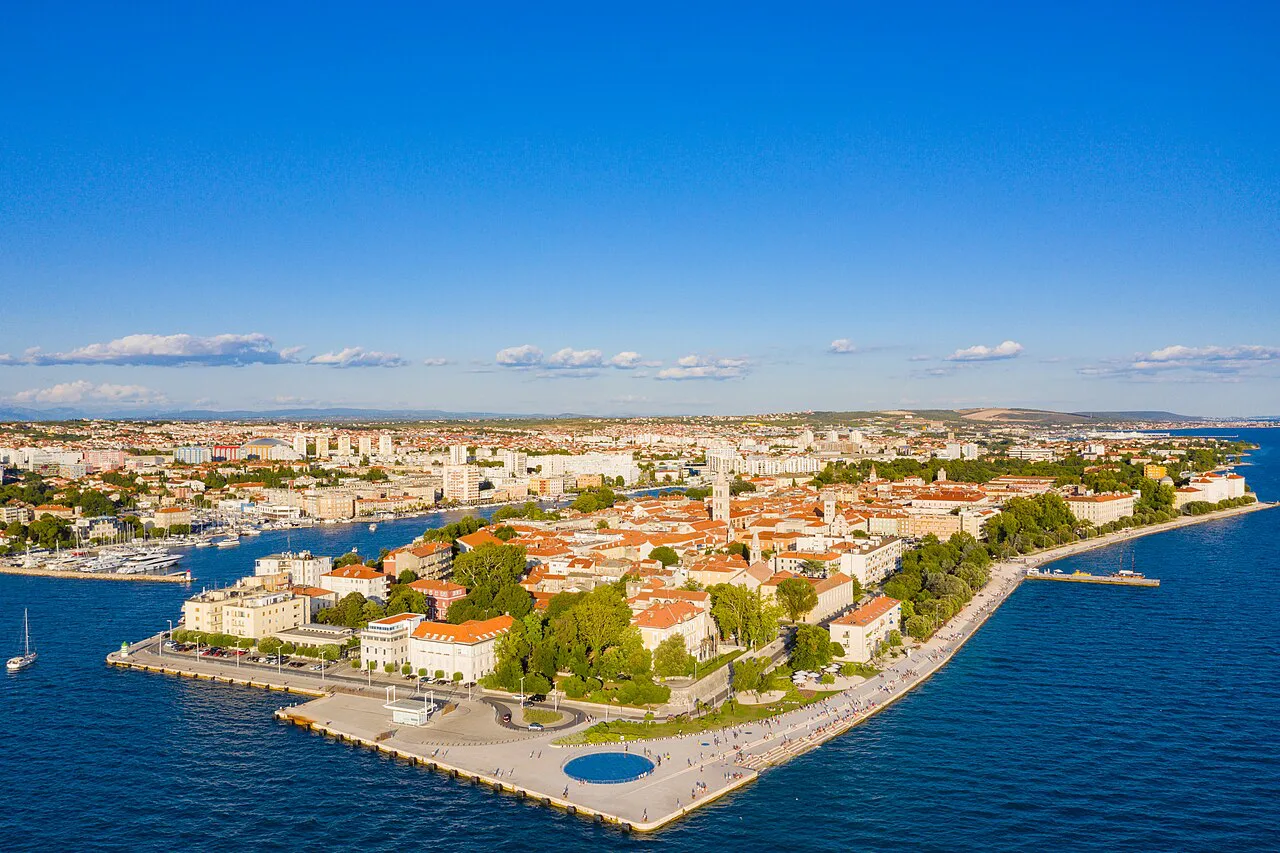
Split is the larger, louder city: a UNESCO-listed Roman core, a busy harbor and a metropolitan spread beyond it. Zadar is smaller and flatter in character, built around a peninsula where the Roman forum, a pre-Romanesque church and two waterfront installations carry most of the sightseeing weight. In practical terms, Split gives you more to do per day and more competition for it; Zadar gives you less to tick off and a gentler pace between them.
On crowds, Split absorbs far more cruise-passenger and ferry traffic into a tight old town, while Zadar's peninsula spreads visitors across a wider pedestrian area. On typical costs, both are Dalmatian coastal cities with peak-season pricing, and the cost question is best handled separately from the sightseeing question. If that is your deciding factor, the answer to whether Zadar is expensive is that it is a mid-priced Croatian coastal town rather than a budget one, and Split runs at a similar or slightly higher level in high season.
Split: Diocletian's Palace, the Riva and the ferry port
Split's old town is built inside and around Diocletian's Palace, a Roman retirement complex that later became a medieval city, so you walk through a lived-in ruin rather than around a fenced one. The Riva, the seafront promenade lined with cafes, is the city's living room and the natural place to start and end an evening. Marjan, the wooded hill west of the center, gives you pine-shaded paths, swimming coves and viewpoints without leaving the city.
The real structural advantage is the ferry port, which connects Split to the Dalmatian islands and to Italy, making it the natural base for anyone planning Hvar, Brač or Vis. That access also concentrates travelers: the harbor area and the palace streets fill quickly on summer mornings. Give Split three full days at minimum to see the palace, the Riva, Marjan and one island day, and more if the islands are the point of the trip.
Zadar: the old-town peninsula, the Sea Organ and the Roman forum
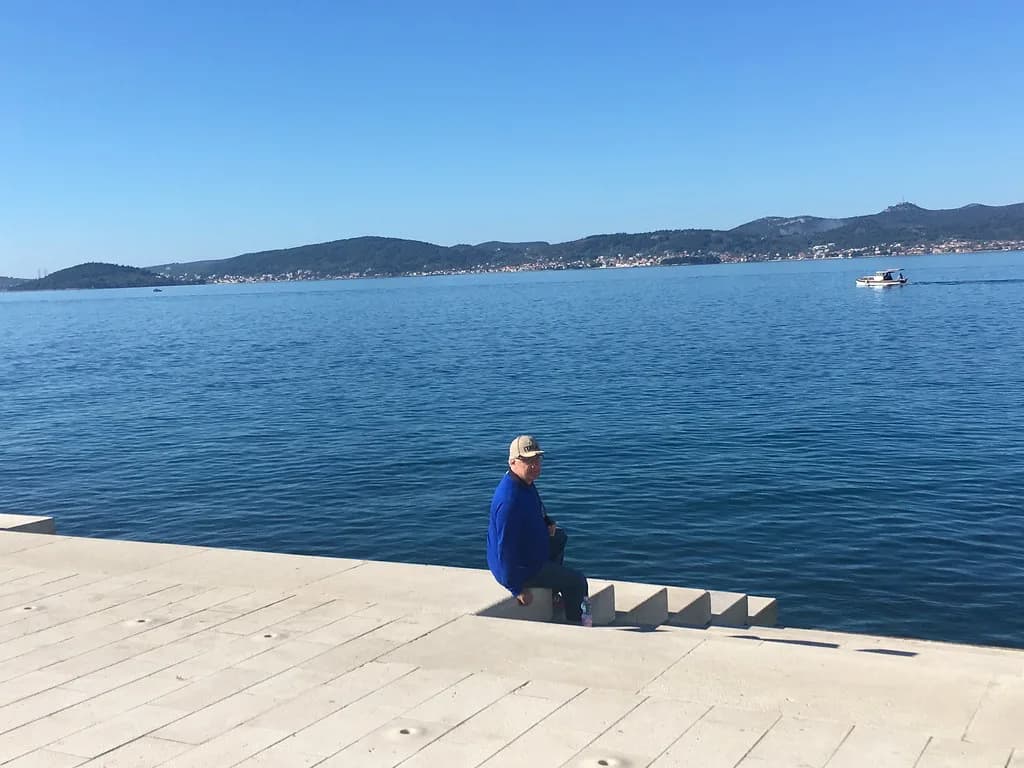
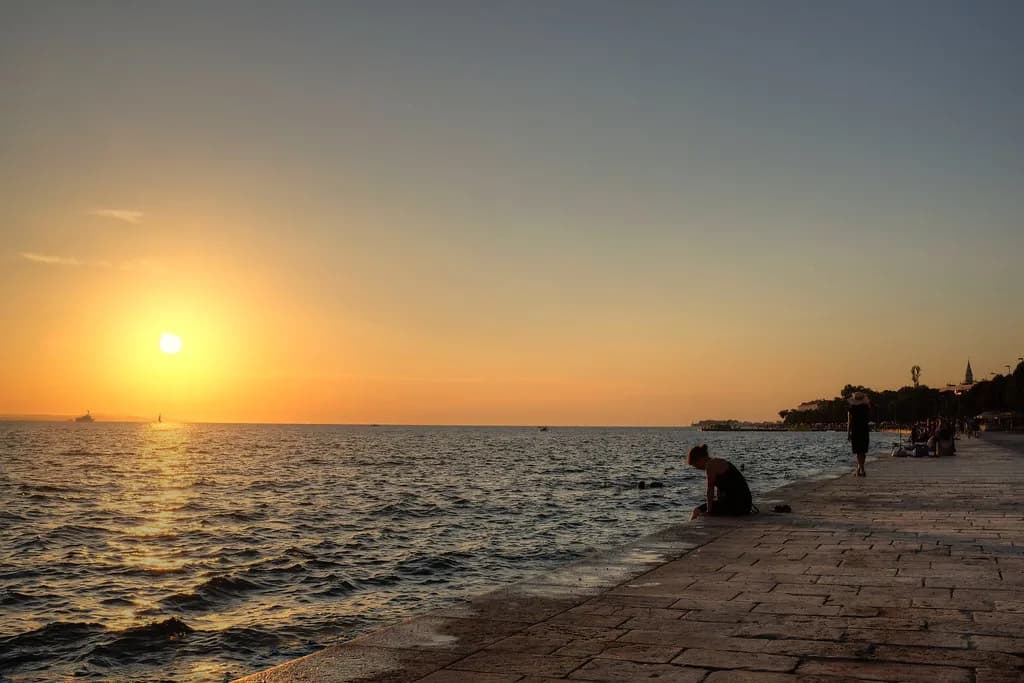
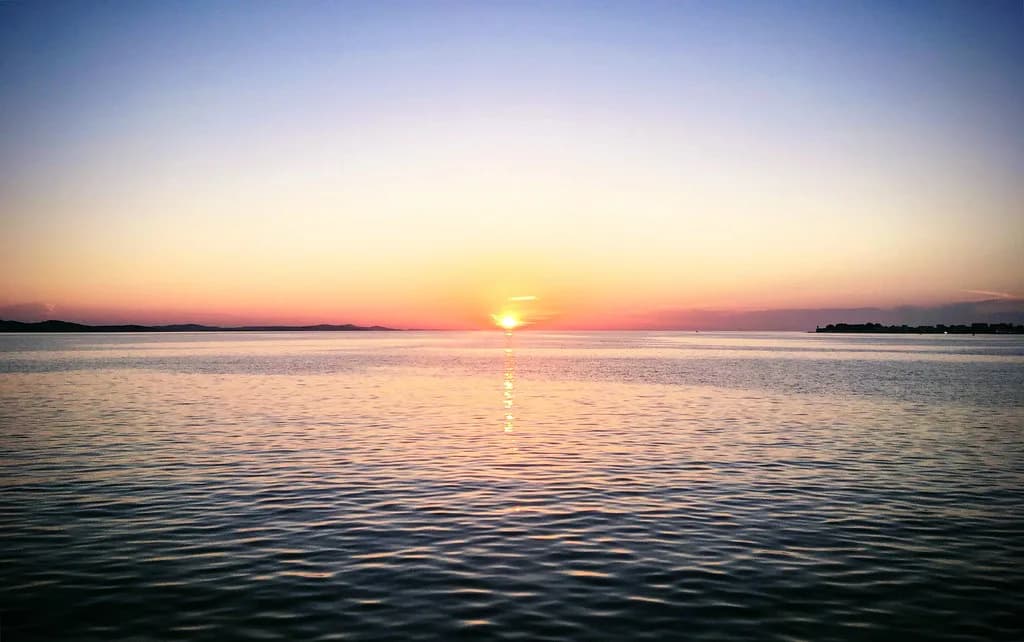
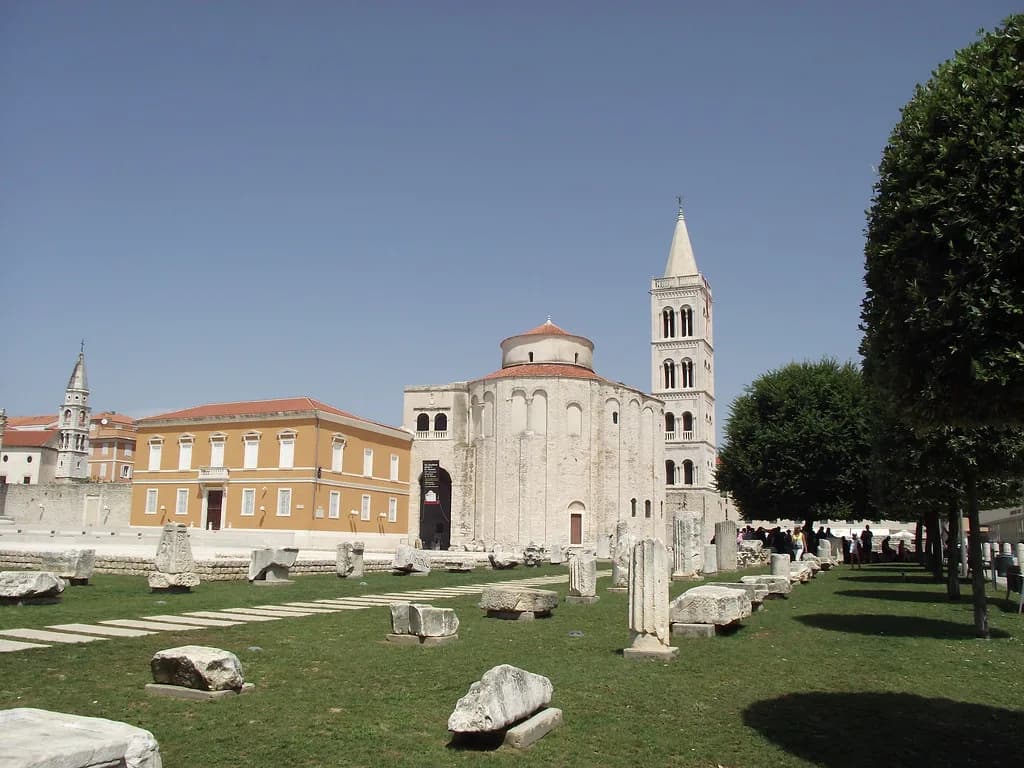
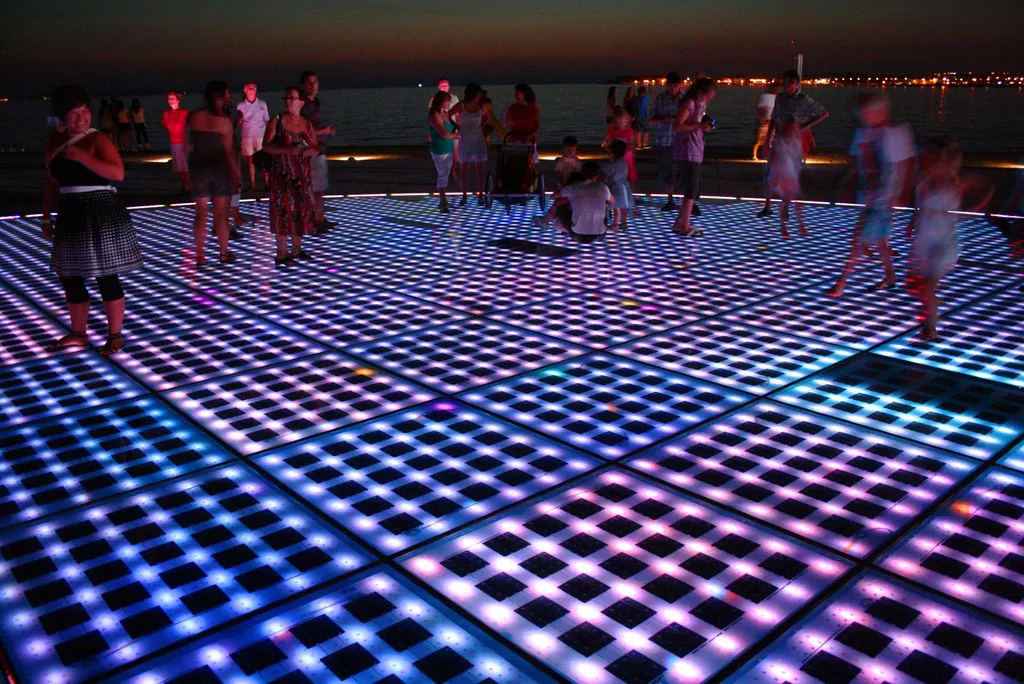
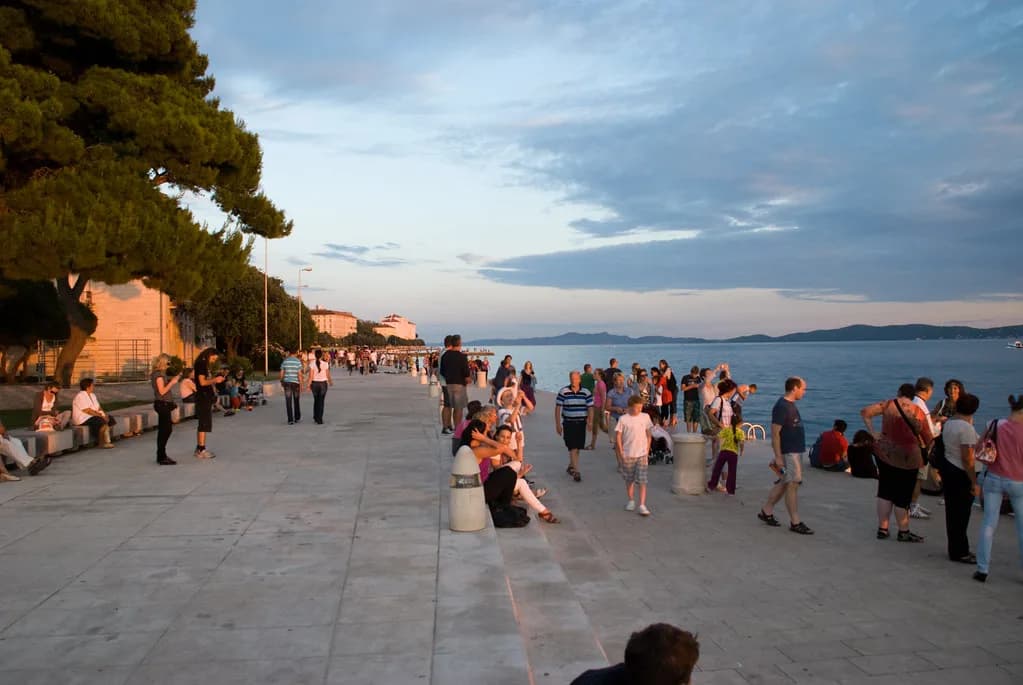
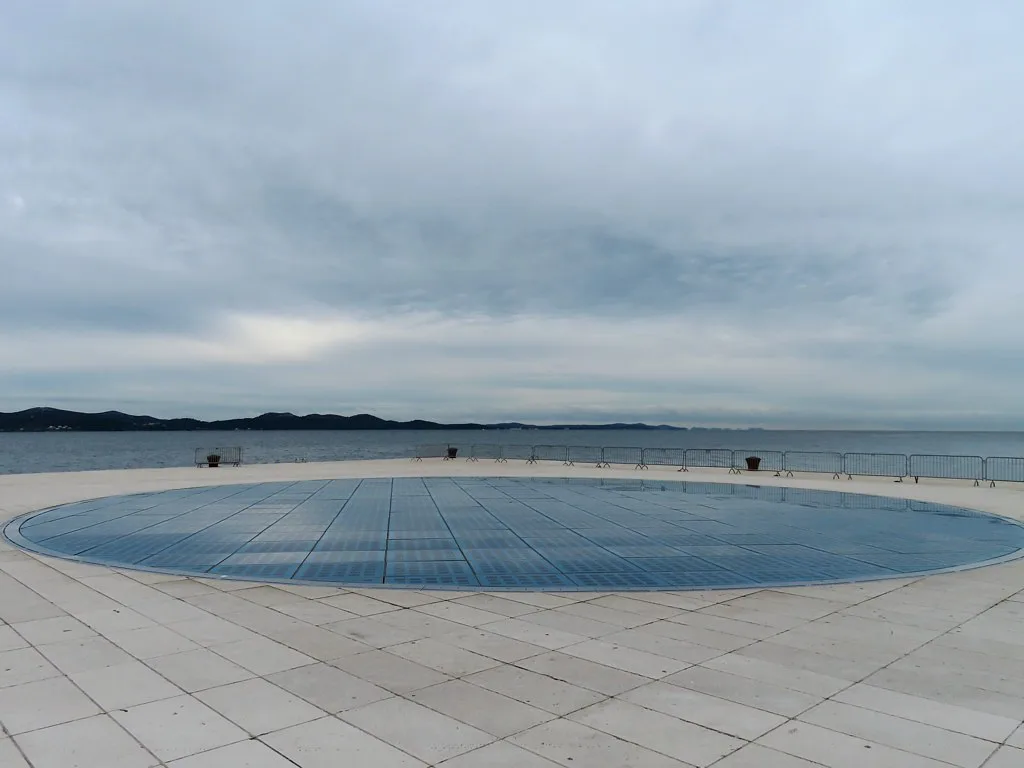
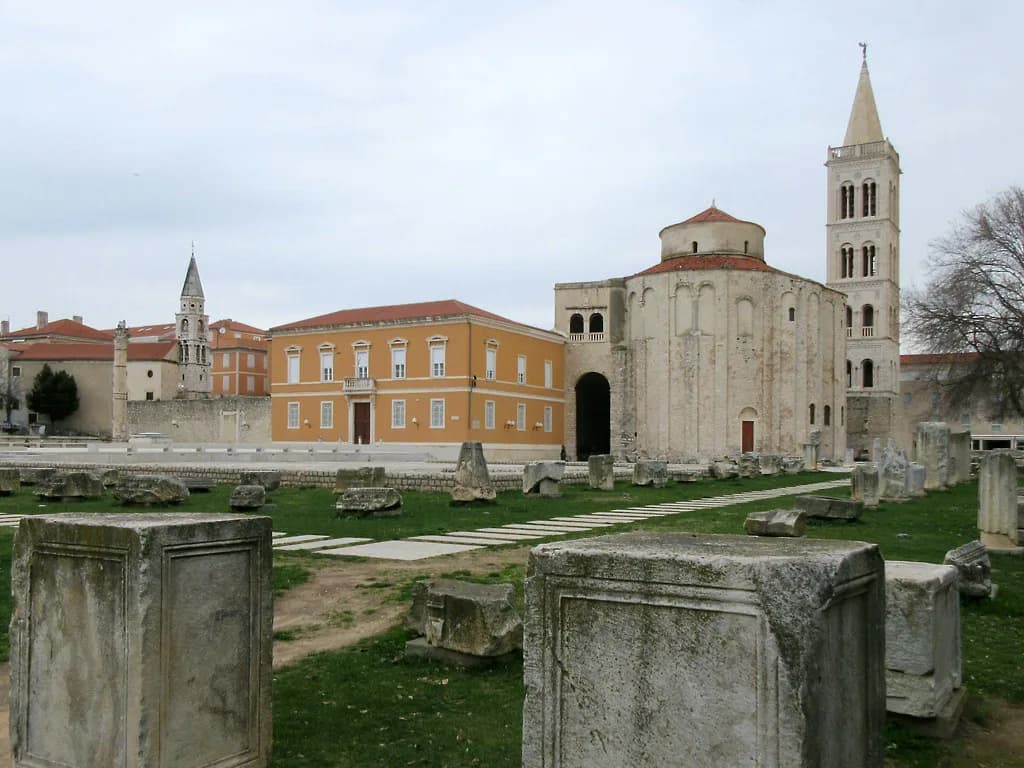
Zadar's old town sits on a peninsula you can walk end to end without a plan, and that is largely the pleasure of it. The Roman forum, the round pre-Romanesque Church of St Donat's Church and the medieval street grid give it more historical texture than its size suggests. At the tip, the Sea Organ turns wave action into sound and the Greeting to the Sun sets a solar-powered light display into the paving, both best at sunset when the waterfront fills.
Beyond those headline spots, Zadar is a place for wandering, coffee and a swim off the concrete platforms along the peninsula edge. It is not a city of museums and galleries on the Split scale, so travelers who need a full daily itinerary will run out of things to do after two or three days. That is also its appeal: fewer must-sees means less queueing and more time at the waterfront.
Crowds and cruise-ship days
Peak-season pressure in both cities is driven by cruise arrivals and by July and August domestic and European holiday traffic. In Split it lands hardest in the palace streets and along the Riva, where groups move in blocks; early mornings and evenings are noticeably calmer. Zadar's old town absorbs visitors better because the streets are wider and the sights are spread across the peninsula, but the Sea Organ waterfront at sunset is genuinely busy in summer.
The simplest crowd strategy for either city is to travel in the shoulder months. Late May, June and September give you warm swimming water and working ferries with a fraction of the August crush, and Zadar in September is a particularly comfortable compromise between sea temperatures and elbow room. If your dates are fixed in high summer, plan sights before ten in the morning and leave the waterfront to the evening.
Beaches and swimming
This stretch of the Croatian coast has stony beaches and concrete sunbathing platforms rather than sand, so pack water shoes and expect to enter the water from rock or steps. Split swimmers use Marjan's coves and the Bačvice beach near the center, where the local game of picigin is played in the shallows. Zadar swimmers use the platforms around the peninsula and the beaches on the city's edge, with the nearby Dražica beach at Biograd na Moru a good family option further south.
Water quality is generally high and the swimming season is long, but the sea is coolest in spring and warmest from July into September. Anyone who prioritizes lazy beach days over city sightseeing should look at smaller coastal towns rather than either city, because both Zadar and Split are urban swimming cities rather than resort towns.
Day trips: Krka and the coastal towns
Zadar has the edge for park access: Krka National Park, with its lakes, gorges and seven waterfalls, is about ten kilometers from Šibenik and comfortably reachable from the Zadar–Šibenik stretch, with five official entrances and Lozovac the most convenient for drivers. The coastal chain south of Zadar gives you Biograd na Moru, Vodice, Šibenik with its UNESCO-listed Cathedral of St James, and the walled islet town of Primošten. Buses link these towns, but service is often concentrated in the morning, so plan the return leg before you set out.
Split's day-trip strength is the islands plus Trogir, the small UNESCO town near Split Airport, and Klis Fortress inland. Šibenik sits roughly halfway between the two cities and works as a break of journey from either, which is why it appears in both itineraries. Travelers basing in Zadar should treat Split as a long day out rather than a casual hop, and vice versa.
Getting between the two: motorway or coastal road
There is no rail option on this coast, so the choice is car, bus or a long day of coastal stops. By motorway the 150-kilometer run takes about an hour and a half and carries a toll of approximately €8 for a car. The coastal road adds time rather than distance and takes a minimum of about two and a half hours depending on traffic and stops, but it puts Biograd, Vodice, Šibenik and Primošten on your route.
Without a car, long-distance buses cover the corridor between Zadar and Split, with local services filling in the shorter hops, though timetables are not always frequent. If you want the coastal towns without driving, build the journey into a full day with an early start rather than expecting a quick transfer.
How many days to give each city
Two nights is enough for Zadar's old town, the forum, the Sea Organ at sunset and a swim, with a third day for Krka or Šibenik. Split needs three nights at minimum for the palace, Marjan, the Riva and one island day, and five if island hopping is the centerpiece. A combined trip of a week works well as three nights in Split and two in Zadar, with the transfer day used for Šibenik or Primošten.
Travelers with only four or five days total should not split them evenly. Choose one base, add a single day trip, and use the saved transfer time for swimming or an island. Zadar in June and Zadar in May are good months for a compact first visit, when the city works at an unhurried pace and the sea is usable by late May.
Typical costs and the season
Both cities are mid-priced by Croatian coastal standards, and the biggest swing comes from season rather than from choosing one city over the other. Staying outside the immediate center and traveling in May, June or late September into October can cut accommodation and travel costs substantially compared with peak July and August. Parking is a real line item in both cities, with metered street parking and paid lots in the center, so check whether your accommodation includes a space before booking.
For specific tickets, treat the St Nicholas Fortress boat trip off Šibenik as a paid extra: departures run between May and October and the ticket is about €18 per person, with the schedule published by the boat operator running the sailings. Beyond that, compare current prices for the sights you actually plan to visit rather than working from a general city-versus-city cost assumption.
Getting there: airports and onward transport
Each city has its own airport: Zadar Airport serves the northern Dalmatian coast, and Split Airport sits between Split and Trogir, which makes Trogir a practical first or last night for Split-bound travelers. Both airports handle seasonal European traffic, and both cities connect onward by bus, ferry and, in Split's case, ferries to Italy. Neither airport is walkable to its city center, so plan the transfer leg as part of the booking.
Zadar works better as a fly-in base for Krka, Šibenik and the northern coast, while Split works better for islands and for onward travel south toward Dubrovnik. If you are routing a longer Dalmatian trip, fly into one and out of the other rather than backtracking along the same road.
Who should pick Zadar, who should pick Split, and who should do both
Choose Zadar if you want a compact, walkable old town, a calmer evening, easy access to Krka and the northern coastal towns, and a base that suits two or three nights. Choose Split if you want island ferries, a bigger city with more museums and restaurants, a Roman palace you can wander through at any hour, and enough to fill four or five days. Choose both if you have a week or more and are driving or comfortable with buses, giving Split the longer stay and using the transfer day for Šibenik or Primošten. If you want to keep weighing the northern alternative, read our Rovinj verdict before locking in your base.
Travelers who mainly want beaches should look at the smaller coastal towns instead of either city, and anyone traveling in August should weigh crowd tolerance heavily. Zadar in August is hot, busy at the waterfront and still manageable on the peninsula, while Split in August is at its most congested around the palace and harbor. Neither is a bad choice in high summer; both demand early starts.
Plan Your Visit
For most first-time visitors to Dalmatia, Split is the stronger base and Zadar the better short stop, with the reverse true for anyone heading north toward the parks. Give Split three to five nights if ferries and city life matter, and Zadar two to three if you want a compact old town and quick access to Krka and Šibenik. Either way, book the transfer between them as a deliberate day with stops rather than a chore to be rushed.
Time your trip for late May, June or September to get swimmable water and working ferries without the August crush, and decide your costs around season and location rather than city name. Both cities reward travelers who slow down: Split inside the palace walls, Zadar along the waterfront at dusk.
Explore more Zadar trip-decision guides
Frequently Asked Questions
Is Split or Zadar better for a first trip to Croatia?
Split is the better first base for most travelers because its ferry port opens the islands and its old town has more sights to fill several days. Zadar suits a shorter, calmer stay with quicker access to Krka National Park and the northern Dalmatian towns.
Is there a train between Zadar and Split?
No rail service covers this corridor, so the options are car, bus or a staged coastal drive. The motorway run takes about an hour and a half and the coastal road a minimum of roughly two and a half hours with stops; the toll for a car is given in the current price information.
How many days do you need in Zadar and Split?
Two nights covers Zadar's old town, forum and waterfront, with a third day for Krka or Šibenik. Split needs three nights for the palace, Marjan and one island day, and five if island hopping is the main purpose of the trip.
Is Zadar cheaper than Split?
Both are mid-priced Dalmatian cities whose bills swing more with season than with city, so traveling in May, June or September and staying outside the center saves more than switching cities. Compare accommodation and ticket prices for your dates; neither is reliably cheaper.
Can you visit Split as a day trip from Zadar?
It is possible by car on the motorway, but the drive is about an hour and a half each way and leaves little time for both the old town and the islands. Most travelers do better treating Split as a stopover or a separate base rather than a day trip.
Does either city have sandy beaches?
No, this stretch of coast is stony, with concrete swimming platforms and rocky coves instead of sand. Split swimmers use Marjan and Bačvice, while Zadar swimmers use the platforms around the peninsula and the nearby beaches outside the center.
Sources
Trip-decision notes
Optional updates when we publish or revise a destination verdict.
You might also like
Continue reading
More guides you'll find useful