Is Zadar Expensive? What to Know About Costs in Zadar
Zadar costs less than Dubrovnik and Split for most travelers, but July and August push prices up. Here is what a day in Zadar realistically costs.
On this page
No, Zadar is not a budget-buster by Croatian standards. It sits in the middle: cheaper than Dubrovnik and Hvar for almost everything, more expensive than inland Slavonia or Zagorje, and roughly comparable to Split outside the height of summer. Croatia has used the euro since 1 January 2023, so you can budget in euros without a currency conversion surprise.
The serious cost pressure comes from timing, not from the town itself. July and August bring the highest demand on the Dalmatian coast, and an old-town location adds a premium you can avoid by staying a short walk or bus ride outside the peninsula. The rest of the year, Zadar is a comfortable mid-range destination where a modest daily budget still buys a proper sit-down meal and a boat trip.
The verdict
Zadar suits travelers who want a Dalmatian base without Dubrovnik prices. It is the right choice for couples and independent travelers who will use it as a hub for Ugljan, Pag, Kornati or Krka, and for anyone who values a walkable old town over a resort package. If your priority is a string of polished beaches with resort service, or the cheapest possible Adriatic week, look at inland Croatia or shoulder-season dates instead.
The comparison against the UK gives a directional signal only. A crowdsourced cost-of-living comparison puts the United Kingdom about 42% more expensive overall than Zadar, with restaurants about 26% dearer in the UK and transport about 42% dearer. Those figures measure living costs rather than trip budgets, so treat them as a rough sense of scale, not a daily budget.
What makes Zadar cheaper than Croatia's headline destinations
Dubrovnik and Hvar carry a location premium that Zadar largely escapes. Zadar's old town sits on a compact peninsula with a residential population, so restaurants serve locals as well as visitors and there is less of the captive-audience pricing you find inside walled cities. Hvar's summer prices reflect its status as a yacht-and-celebrity island, and Dubrovnik's reflect cruise-ship volume in a very small walled area.
Zadar also has more competing accommodation than the headline destinations: apartments in residential districts, hostels and mid-range hotels spread beyond the peninsula. That supply keeps room rates steadier, and it means you can trade a five-minute walk for a noticeably lower nightly rate. If you are weighing the two big Dalmatian city bases, our Zadar vs Split comparison sets out where each one costs more.
Where the money goes: accommodation, food, transport, sights
Accommodation is the largest line in almost any Zadar budget, and its price swings more than anything else. A private apartment outside the old town in May or October costs a fraction of the same space in August, so shifting your dates by a few weeks is the single most effective saving. Within the old town, expect a premium for the convenience of walking to everything.
Food is where Zadar is genuinely reasonable for a coastal Croatian town. A konoba lunch of grilled fish, blitva and a glass of local wine is mid-range rather than cheap, but it is well below what the same meal costs in Dubrovnik. Coffee is inexpensive by Western European standards, and the old-town premium appears mainly on the waterfront terraces facing the harbor.
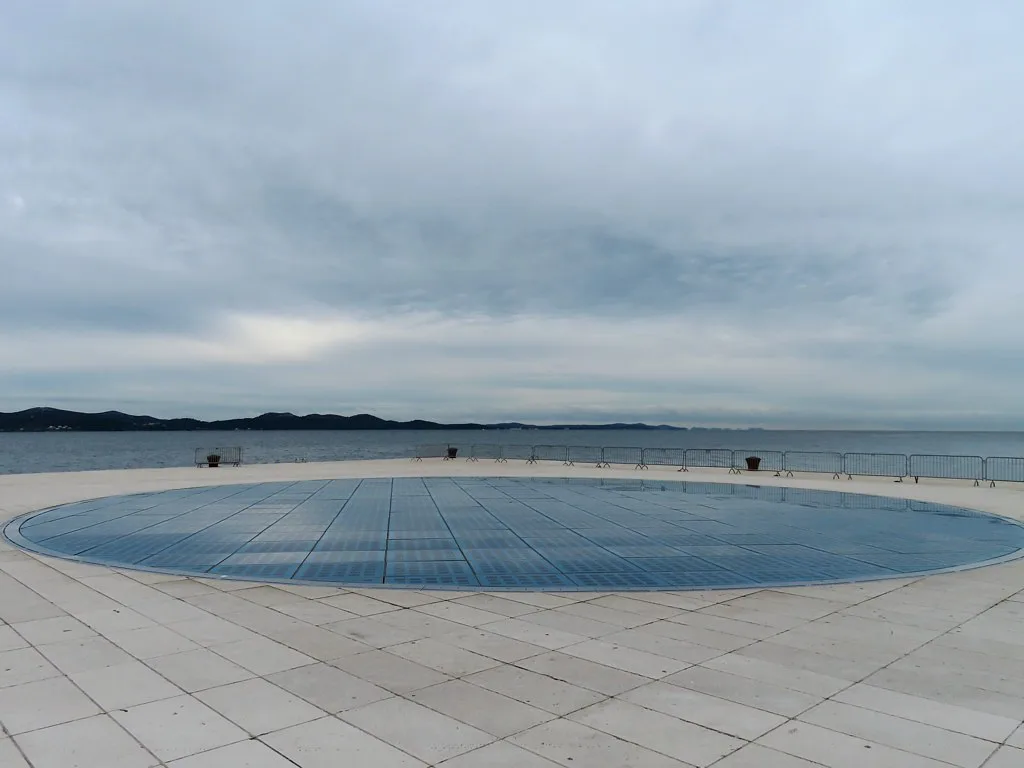
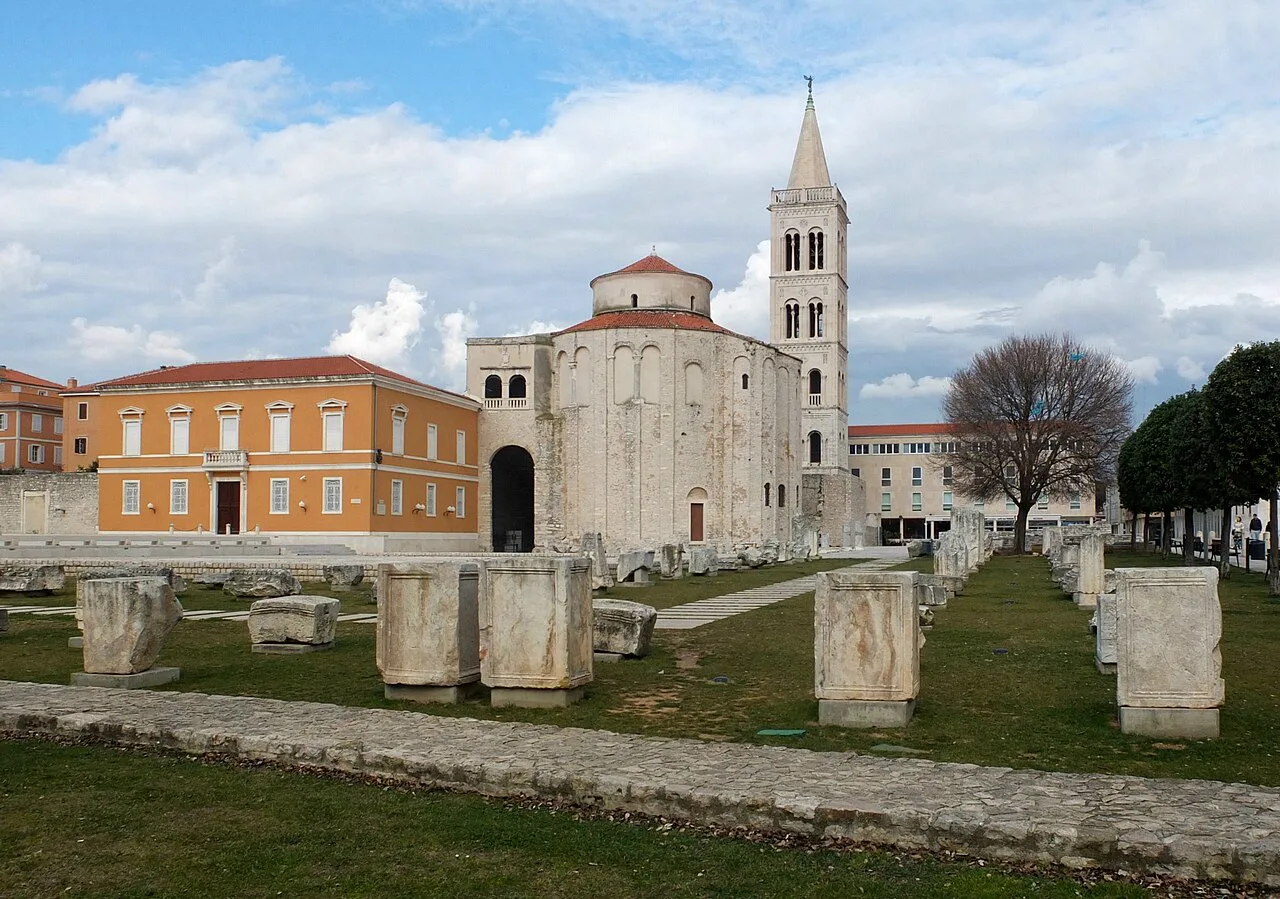
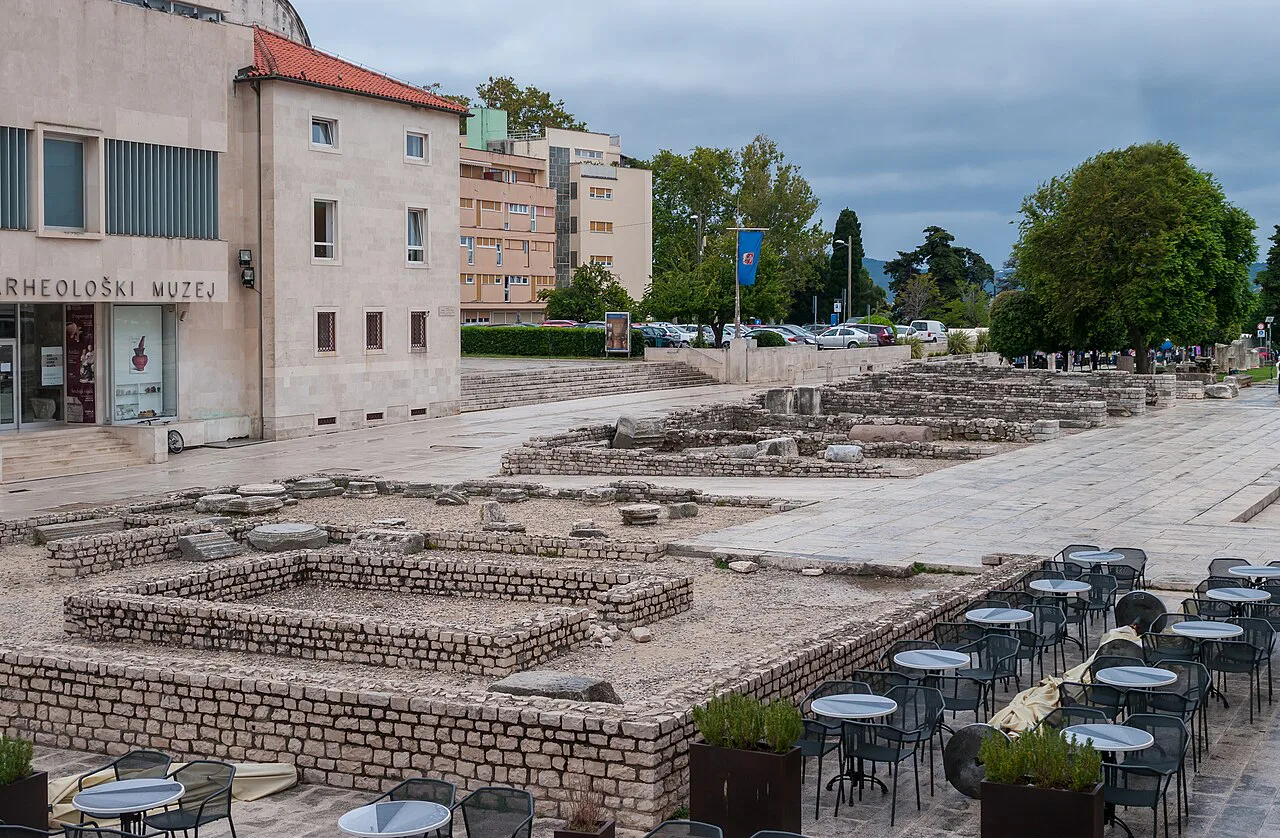
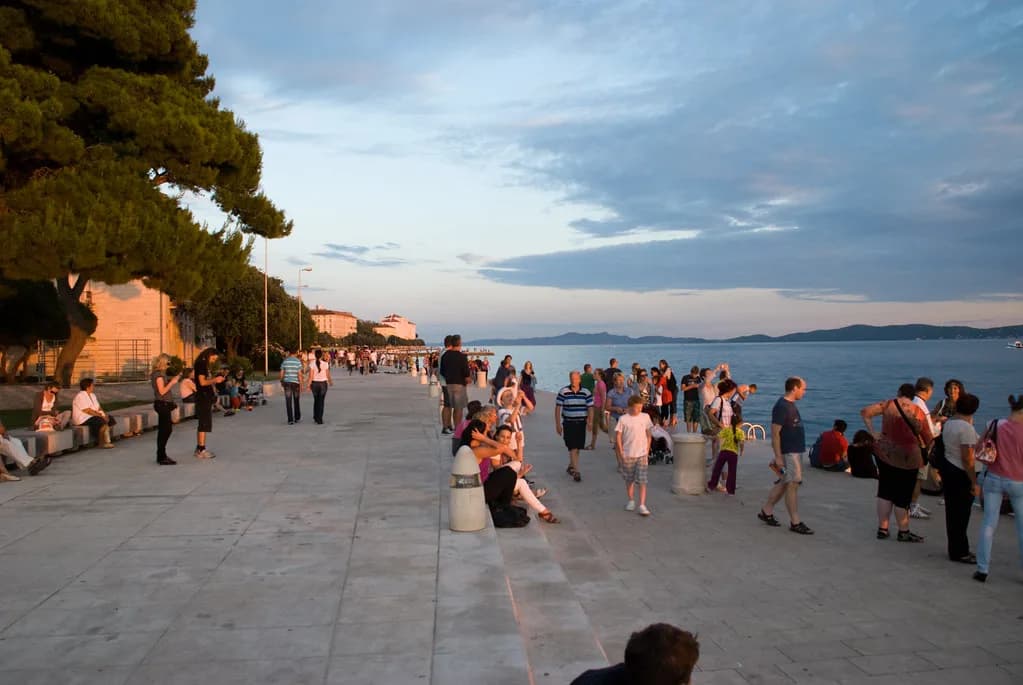
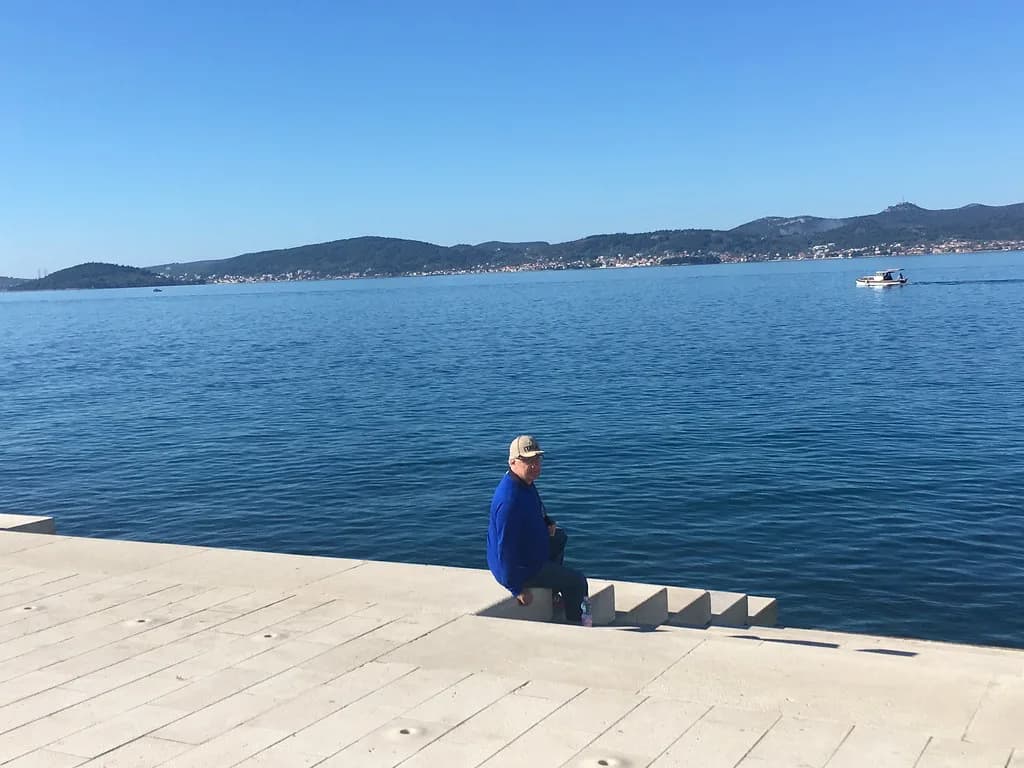
Sights are a small part of the budget because the best-known ones are free. The Sea Organ and the Greeting to the Sun on the western tip of the peninsula cost nothing, and walking the old town's streets and Roman forum costs nothing either. Paid entries — the archaeological museum, St Donat's Church, the city walls where a ticket applies — are modest, and boat trips to Kornati or Ugljan are the bigger optional outlay.
Typical costs for a day in Zadar: budget, mid-range and comfort travelers
In words rather than invented numbers: a budget day means a hostel or shared apartment, supermarket breakfast, one konoba meal and free sights, with local buses instead of taxis. A mid-range day adds a private apartment, a sit-down lunch and dinner, a couple of coffees and a paid museum or church entry. A comfort day means an old-town hotel, restaurant meals with wine, a taxi or rental car and a guided excursion to Kornati or Krka.
The jump between the three is driven less by food than by season and by excursions. Boat trips and national park entries are priced per person and vary by route and departure point, so ask the excursion desk or ticket office directly for the current rate rather than budgeting from a blog. The same applies to rental cars in August, when fleet availability tightens and rates rise.
Eating and drinking: konoba meals, coffee, drinks and the old-town premium
Zadar's eating-out scene is mid-range: konobas serving Dalmatian classics, pizza and pasta places, and a handful of smarter seafood restaurants. The gap between a neighborhood konoba and a waterfront terrace is real but not extreme, and lunch is consistently better value than dinner for the same kitchen. A glass of local Maraschino or a bottle of Dalmatian wine adds a modest amount to the bill.
Travelers regularly describe Croatia as close to Western European prices rather than a bargain destination, which fits Zadar's profile outside peak season. The value comes from portion size and quality rather than from low menu prices. If you want the cheapest eating, shop at the morning market and the supermarkets and keep restaurant meals to one a day.
Sights and day trips: what costs money and what is free
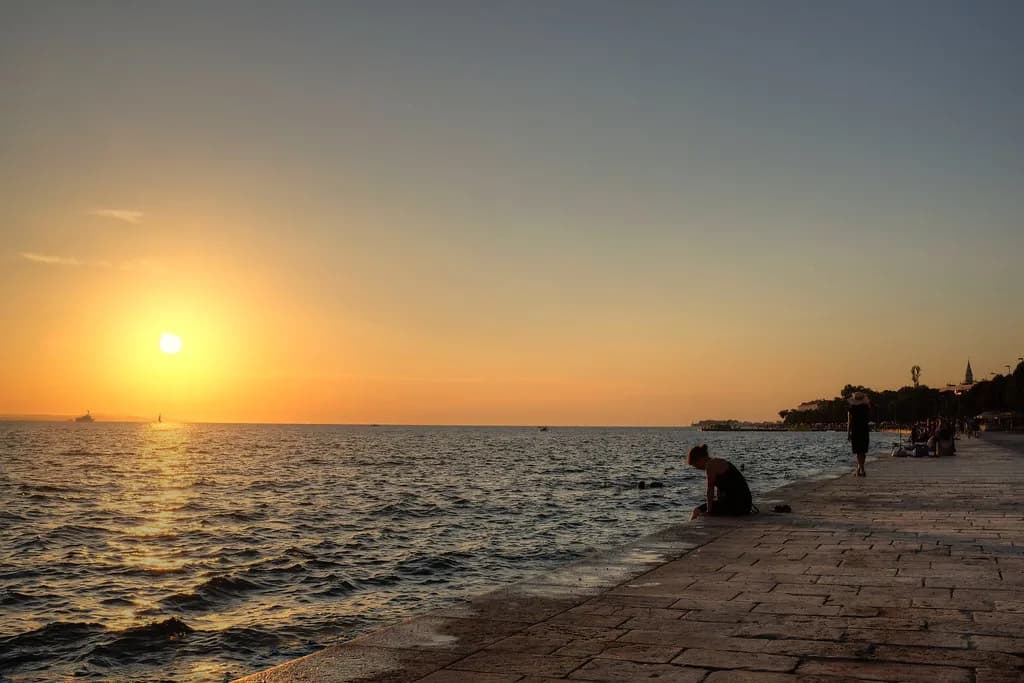
The free sights do a lot of work in Zadar. The Sea Organ's stone steps and the Greeting to the Sun's solar-powered circle sit at the western end of the peninsula and are the town's signature sunset spot, costing nothing. The Roman forum, the old town lanes and the view from the bridge are all free, which means a low-budget day still has plenty to do.
Paid experiences cluster around the water and the museums. Kornati National Park excursions run from Zadar's harbor, and the entry fee is set by the park rather than the boat operator, so the total depends on the route and inclusions. Krka National Park is a long day trip by road, and Ugljan is reachable by a short ferry hop — both add transport cost rather than admission alone.
For a cathedral-and-fortress day, Split is reachable by bus or catamaran, and Diocletian's Palace is free to walk through even if the substructures and cathedral charge admission. That makes Split a viable day trip on a modest budget, though the return journey and meals push the day's total up.
Getting around Zadar: local buses and taxis
Zadar's old town is compact enough to walk entirely, so local transport is mostly about reaching the bus station, the ferry port and the beaches outside the center. Local buses connect the peninsula with the residential districts and the main beach areas, and tickets are bought from the driver or at kiosks; Liburnija, the city bus operator, publishes current fares. Taxis are metered or app-based and cost more at night and in peak season.
A rental car only makes sense if you plan to reach Krka, Pag or Plitvice, where public transport is slow or infrequent. Parking in Zadar is paid and scarce in the old town, so a car becomes a cost and a hassle if you are staying on the peninsula. For Ugljan and the islands, the ferry is the sensible option and foot passengers travel cheaply.
Getting to Zadar: flights, buses and ferries
Zadar Airport handles seasonal low-cost flights from across Europe, which is often the cheapest way in during summer, while buses link Zadar with Zagreb, Split and the rest of Dalmatia year-round. Ferries and catamarans serve the islands and connect onward along the coast. Skyscanner's guide lists flights, car hire and airport transfer options in one place, which is a practical starting point for comparing arrival costs.
Arriving by bus is the cheapest option from Zagreb or Split if you are not flying, and the bus station is a short walk from the old town. Flights in July and August cost the most; May, June, September and October are cheaper and still warm. Ferry fares to Ugljan and the islands are modest and set by Jadrolinija, which publishes current prices or dates on its site.
Seasonality: when prices drop and when the town is at its fullest
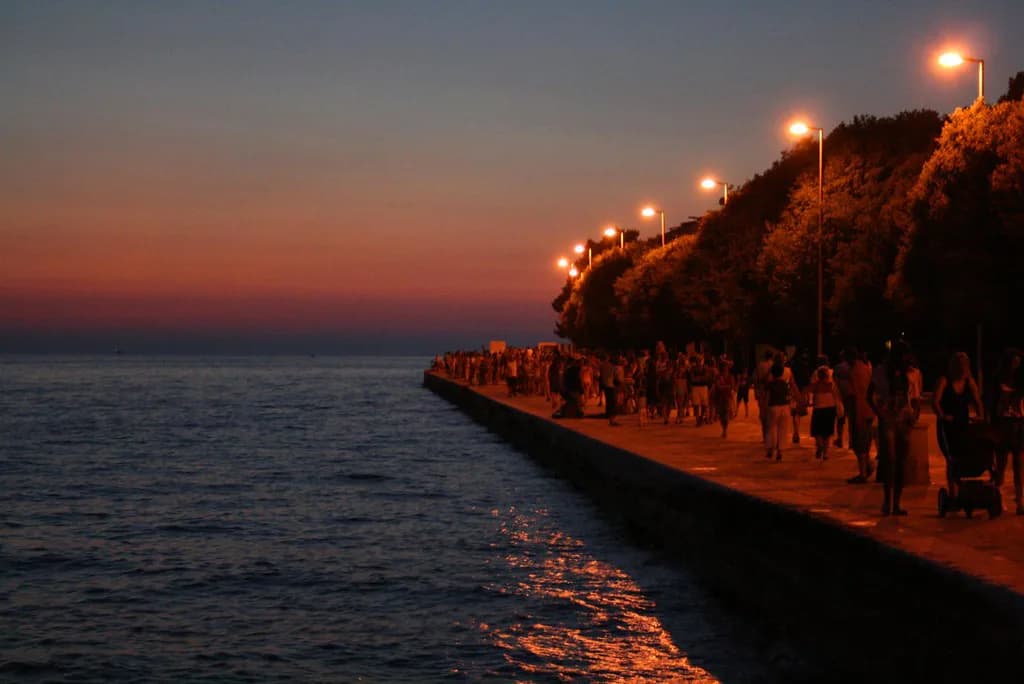
July and August are the expensive months: peak accommodation rates, busy restaurants and the highest demand for boat trips and rental cars. The town is at its fullest then, and the old-town peninsula can feel crowded, especially on evenings when the sunset crowds gather at the Sea Organ. If you want lower prices without cold weather, June and September are the sweet spots.
Shoulder months bring noticeably lower room rates and easier restaurant tables while the Adriatic Sea stays swimmable into autumn. April and May are quieter and greener, though some island ferries and excursion boats run reduced schedules before the season starts. October is a good compromise for sightseeing, with fewer visitors and cooler walking weather.
Money practicalities: Croatia uses the euro since 1 January 2023
Croatia adopted the euro on 1 January 2023, so prices in Zadar are quoted and paid in euros, and there is no need to change kuna. Cards are widely accepted in restaurants, shops and hotels, but smaller konobas and market stalls may prefer cash. Some pre-2023 price comparisons still quote kuna, so read older figures with care.
Tipping is not obligatory but is customary for good service in restaurants, usually rounded up or around ten percent. ATMs are plentiful in the old town and near the bus station. Budget in euros throughout, and keep a little cash for ferries and small purchases.
Who should pick Zadar on a budget, and who should go elsewhere
Zadar works well for budget-conscious travelers who want a Dalmatian base with free headline sights, cheap coffee and a walkable center. It also suits families and couples traveling in shoulder season, when apartments are affordable and the sea is warm. Independent travelers using buses and ferries can see a lot of the region without a car.
Travelers who want guaranteed sunshine and a resort beach on the doorstep should consider the Makarska Riviera or a Greek island, where the beach-and-pool model is more established. If your priority is a cheaper Croatian trip overall, compare with other coastal towns before committing: our Rovinj costs guide and our Pula costs guide show how the northern Adriatic compares on cost.
Plan Your Visit
Zadar is a mid-priced Croatian destination, not a cheap one: cheaper than Dubrovnik and Hvar, broadly comparable to Split outside peak season, and hardest on the wallet in July and August. The winning strategy is to travel in June, September or October, stay a short walk from the old town and spend your money on one good excursion rather than on waterfront dining every night.
Frequently Asked Questions
Is Zadar more expensive than Split?
Broadly comparable outside peak season, with Zadar usually the gentler option for accommodation and eating out. Split's larger city center and ferry hub bring more competition but also more demand in July and August. Use our Zadar vs Split comparison to decide which base fits your budget.
Is Zadar cheap to eat out?
It is mid-range rather than cheap. Konoba meals are good value by Dalmatian coastal standards, but restaurant prices are closer to Western Europe than to the Balkans. Eating lunch out and dinner in, or shopping at the morning market, keeps the daily food bill down.
Is Zadar affordable in May and September?
Yes, these are among the best-value months. Accommodation rates drop compared with July and August, restaurants are less crowded and the sea is still swimmable. Some island ferries and excursion boats run reduced schedules in May, so plan boat trips around the published timetable.
Do I need cash in Zadar or can I use euros?
Croatia uses the euro, so you can pay in euros everywhere. Cards are widely accepted, but smaller konobas and market stalls may prefer cash, so keep a little on hand. There is no need to exchange kuna.
Is Zadar worth visiting on a budget?
Yes. The Sea Organ, the Greeting to the Sun and the old-town streets are free, the town is walkable and local buses cover the rest. Shoulder-season travel and an apartment outside the peninsula keep costs low while still putting you within easy reach of the islands and Krka.
Sources
Trip-decision notes
Optional updates when we publish or revise a destination verdict.
You might also like
Continue reading
More guides you'll find useful