Zadar in June: Weather, Crowds and Whether It's Worth It
Zadar in June brings 26°C highs, a 21°C sea and about nine rain days. See who it suits, what crowds to expect and how many days you need.
On this page
Yes, June is one of the best months to visit Zadar: you get reliable warmth, a sea that has warmed enough to swim in, and a town that has not yet hit its July and August peak. The trade-off is that late June already fills the old peninsula with day-trippers and cruise groups, so if quiet streets matter more than sea temperature, adjust your dates rather than your destination. This guide gives you the numbers, the honest drawbacks and a verdict by traveler type so you can decide whether June is your month or whether to shift a few weeks either side.
The verdict
June earns a clear recommendation for most travelers. Typical June conditions run to an average high of 26°C (80°F) and an average low of 18°C (65°F), with roughly 12 hours of sunshine a day and about nine rain days across the month, according to the June climate averages for Zadar. That combination is close to ideal for a city-and-coast trip: warm enough to swim and sunbathe, cool enough to walk the old town and the waterfront without July's heat fatigue.
If you only want Zadar as a city break, read is Zadar worth visiting first and then book whichever month suits you, because the town itself delivers in any season. If the point of the trip is swimming, boat trips and the islands, June is the month where those plans most reliably work without the August premium and the August crowds. The month's main weakness is not weather but popularity: the last week of June behaves much more like July than the first week does.
June weather at a glance
Here is what the cited climate averages show for Zadar in June: average temperature 22°C (72°F), average high 26°C (80°F), average low 18°C (65°F), average sea temperature 21°C (71°F), 12 hours of daily sunshine, 9.2 rain days and 51.4 mm of rainfall over the month. Treat these as typical conditions built from historical records, not a forecast for your dates. They are the right numbers for comparing June against May and July, and the wrong numbers for deciding whether to pack an umbrella on a specific Tuesday.
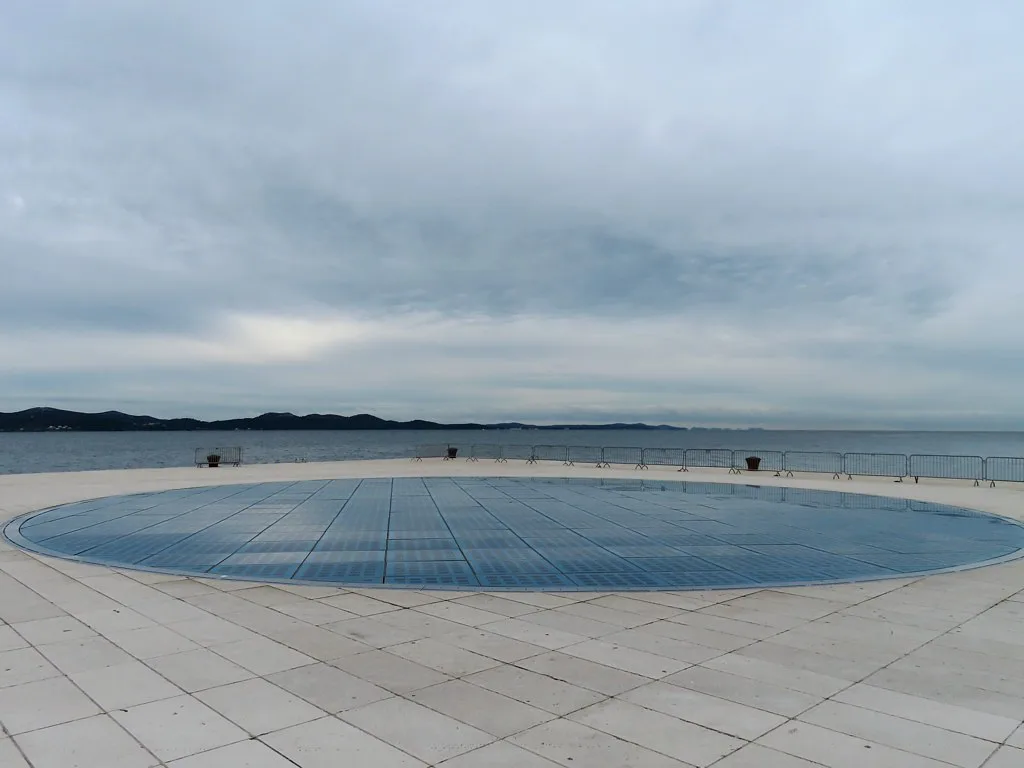
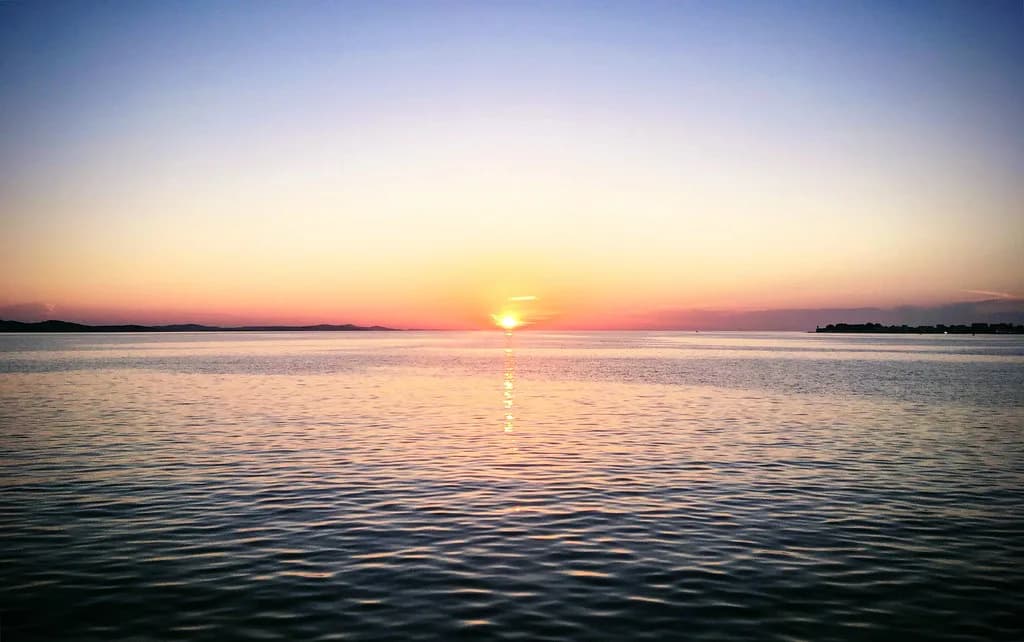
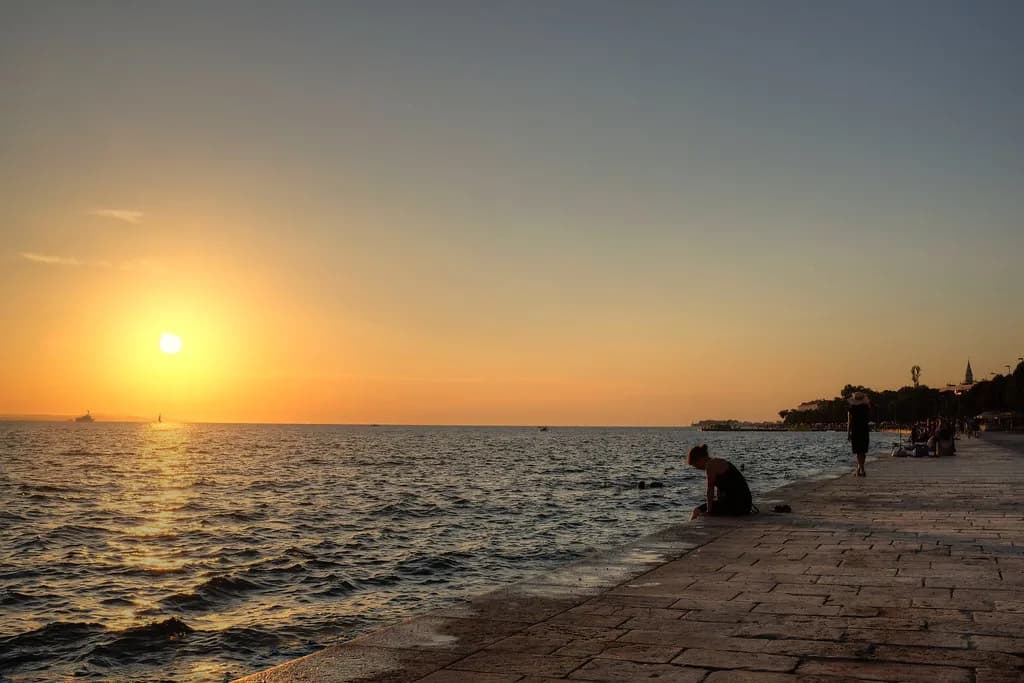
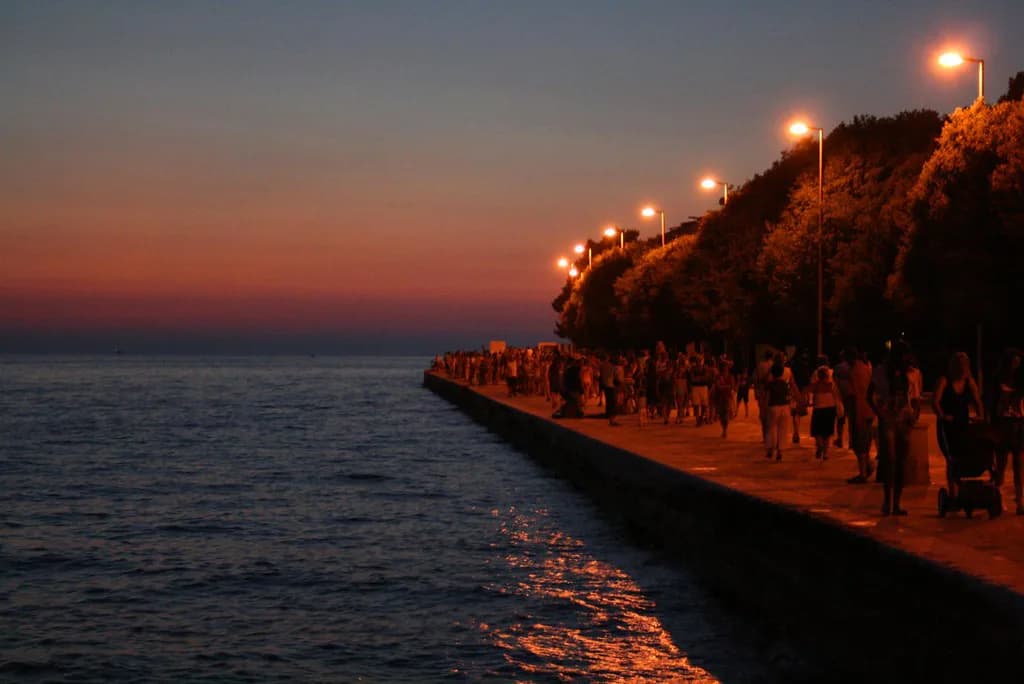
The sunshine figure matters more than it looks. Twelve hours of average daily sun means long, usable days: you can do a morning in the old town, an afternoon swim off the city beaches and still have daylight for the waterfront at the Sea Organ in the evening. For a shorter pre-peak version of the same trip, Zadar in May is cooler but quieter, with a lower sea temperature that suits walking more than swimming.
What 26°C (80°F) days actually feel like
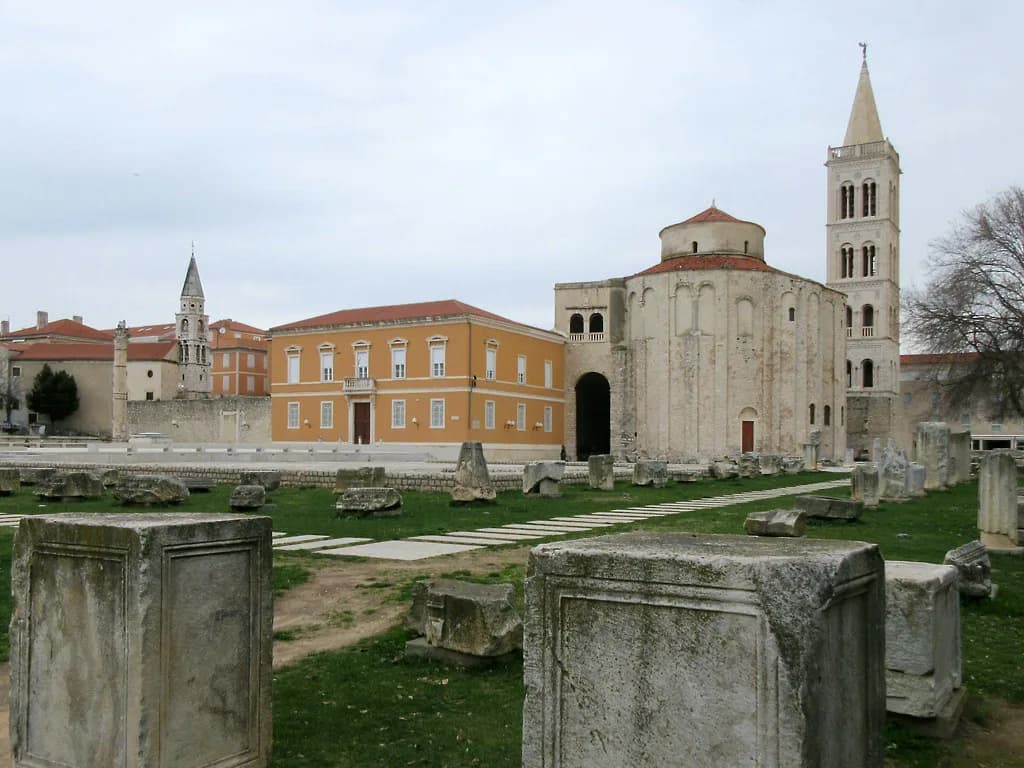
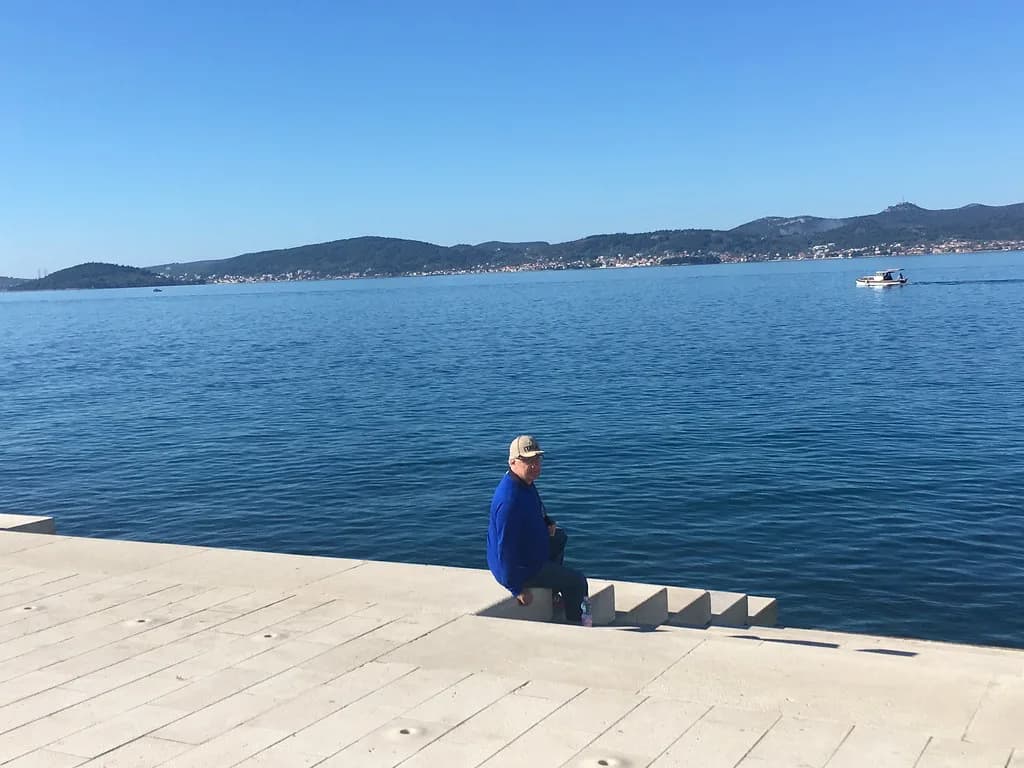
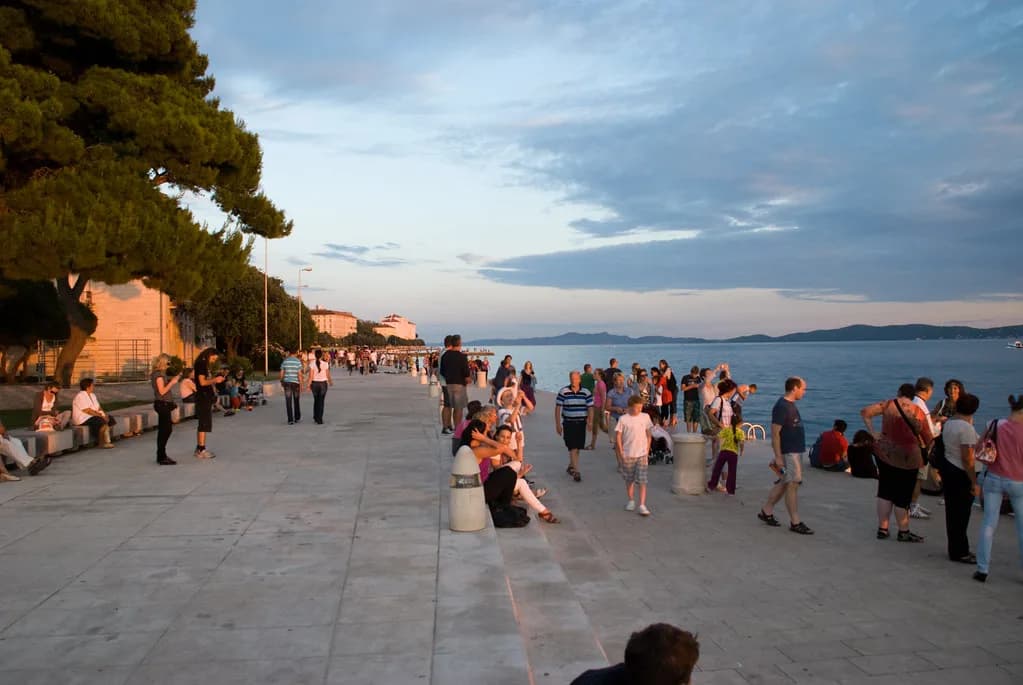
An 80°F afternoon in Zadar is pleasant rather than punishing. The old town's polished limestone streets and exposed squares, including the Roman Forum beside St Donat's Church, reflect heat, so midday is best spent in shade, by the water or over a long lunch; save the walking for morning and late afternoon. The waterfront and the Sea Organ area catch a breeze off the Adriatic Sea that makes the exposed western edge notably cooler than the lanes behind it.
Plan sightseeing in two blocks, roughly 8am to noon and 4pm onward, and keep the middle of the day for swimming, ferry-hopping or a shaded café. The evening low of 65°F is genuinely comfortable, which is why June evenings on the peninsula work late, with dinner outdoors and no need for a jacket. Anyone sensitive to heat should note that the old town core is stone and largely unshaded, so a June midday there feels hotter than the thermometer suggests.
Sea temperature in June
The average sea temperature in June is 21°C (71°F). That is warm enough for most adults and children to swim comfortably, especially on sunny afternoons and in the shallow, sheltered bays that heat faster than open water. It is not bathwater, so anyone who prefers a sea at 24–25°C (75–77°F) should look at Zadar in July or Zadar in August instead, when the Adriatic has had another month of sun.
The practical takeaway is that June splits the difference between a sightseeing trip and a beach trip. You can comfortably swim off the city beaches on the peninsula and on the nearby islands, and the water is still brisk enough that the beaches are far less crowded than in high summer. If swimming is your main reason for coming and you want the water at its warmest, late August and September are better bets; September keeps the warmth with fewer visitors, as Zadar in September explains.
Rain and wind
About nine rain days out of thirty sounds worse than it feels. In June, rain often arrives as short, heavy showers or a single unsettled day rather than washed-out weeks, sitting alongside 51.4 mm of total monthly rainfall in the climate averages. The structure of the month matters: build one flexible day into a week-long trip, for a museum, a long lunch or a bus ride inland, and a wet day costs you nothing.
Wind is the bigger variable for boat trips. When the bora or a strong southerly blows, ferries and excursion boats can be delayed or cancelled, and swimming becomes unpleasant. The sensible approach is not to pre-book every water-based day: keep boat trips and island crossings to the days when conditions are settled and ask the boat company or ferry line the evening before, so a windy spell reroutes your plans instead of wrecking them.
Crowds: early June versus late June
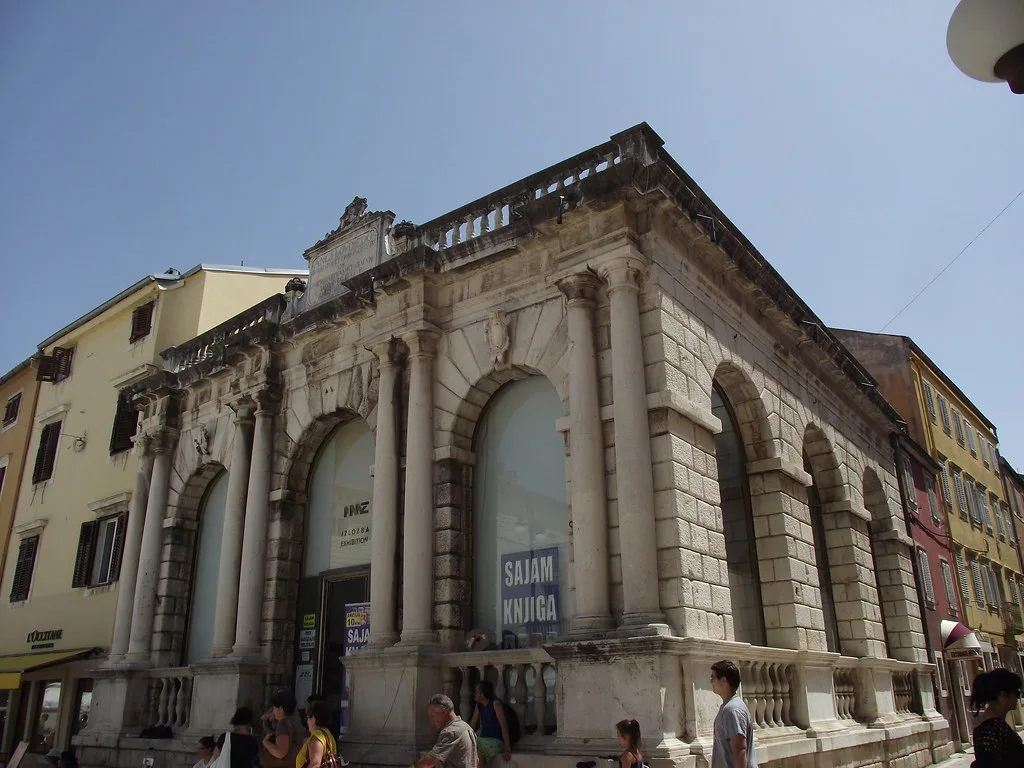
Early June is the value window. Cruise traffic and package holidays build through the month, so the first ten days or so typically bring the lightest crowds of the June-to-September stretch, with room to move on the peninsula and easier tables at waterfront restaurants. Late June behaves much more like peak season: the old town's squares and the Sea Organ fill at sunset, and the daily arrival of cruise groups concentrates foot traffic into a few hours around midday.
To dodge the worst of it, sightsee before 10am and after 4pm, when day-trippers thin out, and use the middle of the day for swimming or an island crossing. June is busiest on the waterfront and in the Roman Forum area; the quieter pleasure is the northern part of the Old Peninsula, where lanes and squares empty out quickly once you leave the main axis. If you compare Zadar vs Split for this trip, June tilts toward Zadar, which handles the same season with less intensity than Split's Diocletian's Palace crowds.
Who will love Zadar in June
Couples and friends who want a hybrid city-and-sea trip are the biggest winners. June gives you the old town, the Sea Organ and the sunsets at a comfortable temperature, plus real swimming and easy access to the islands, without August's prices and heat. Independent travelers who like to walk, take ferries and eat outdoors will find the month close to perfect.
Families do well in early June, when the sea is swimmable and the town is manageable, though late June brings queues and midday heat that test younger children. Photographers and slow travelers should aim for the first half of the month, when the light is long and the streets are emptier, and anyone who needs the sea at its warmest will be happier in July.
Who should choose somewhere else, or another month
Skip June if you cannot tolerate crowds at all or you need the sea to be genuinely warm for long swims; late August and September serve both better. If your priority is a quiet, cheap city break, May is the smarter month, and if you want heat and full-on beach life, July delivers. People chasing the country's biggest Roman sites should also weigh Pula in June, where the Pula Arena and Forum Square make a different kind of trip, though Pula's season follows the same early-versus-late pattern.
Travelers on a tight budget should know that June sits between the low season and the peak, so prices climb as the month wears on. Whether that matters depends on your plan: the Zadar costs guide sets out where the money goes, from accommodation to food to excursions. If you are flexible, the first week of June and the last week of September are the two sweet spots for value and weather combined.
How many days you need
Two full days cover the essentials: the old town, the Roman Forum, St Donat's Church, the Sea Organ and the waterfront sunset. Add a third day for a swim-and-beach rhythm or a half-day boat trip, and a fourth if you want an island day without rushing. A week is only too long if you stay put in the town; use Zadar as a base and a week fills easily with the islands and nearby coast.
A practical June plan is three nights, which gives you one sightseeing day, one water day and one buffer for weather or a delayed ferry. With four or five nights you can add an island and still have a relaxed final day. The main planning error is booking every day in advance; in June, leaving one day open handles both rain and wind.
Best day trips from Zadar in June
The islands are the obvious June draw, and the ferries from the port on the peninsula put them within easy reach. Kornati National Park, reached on organized boat excursions, is the headline for scenery, while Ugljan and Pašman, linked to the mainland by ferry and bridge, suit a low-key day of swimming and cycling. Closer to town, the beaches on the peninsula and the nearby coast give you a swim without a boat.
Inland, Krka National Park and its waterfalls make a long but rewarding day, and Plitvice Lakes is a fuller day trip that needs an early start. Both are most comfortable in June, before the summer heat and the heaviest visitor numbers arrive, so book timed entry where the park requires it and travel early. Keep one water-based plan in reserve for a windy day, and swap it for an inland trip instead.
Typical costs in June
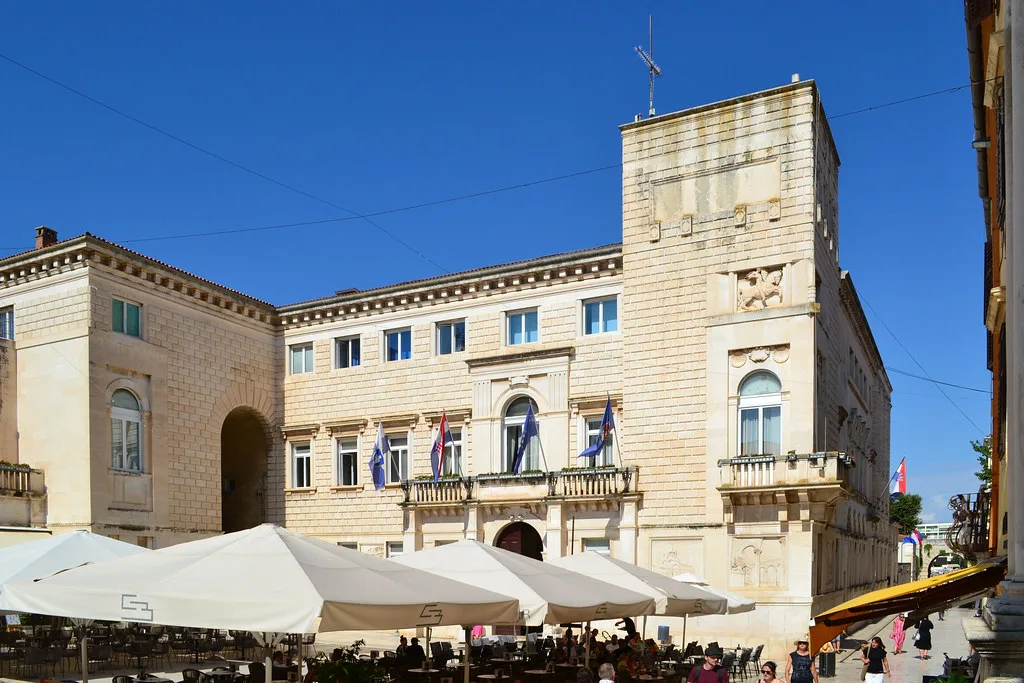
June pricing climbs steadily from the first week to the last. Early June still behaves like shoulder season for accommodation and tours, while late June slides toward high-season rates, and the difference between the two ends of the month is usually bigger than the difference between late June and early July. Expect to pay more for anything involving a boat or a waterfront table, and less for the town's free pleasures: the Sea Organ, the Roman Forum and the sunset.
Croatia has used the euro since 1 January 2023, so prices are in euros and you avoid the old kuna conversion entirely. Rather than guess at ticket prices, check the official operator or park website for the current figure before you commit to an excursion, and compare total trip costs rather than nightly rates alone. The full cost breakdown in the Zadar costs guide shows which categories move most in June.
Getting there and getting around in June
Zadar Airport sits outside the city and handles seasonal flights from across Europe, with the June schedule fuller than in spring. From the airport, transfers and buses connect to the city, though the exact timetable varies by route and season, so check your arrival plan rather than assuming a late-night connection. Skyscanner's Zadar travel pages list current flight options if you are still choosing dates.
Within Zadar, the old town is compact and walkable, and local buses cover the wider city and the beaches on the peninsula and nearby coast. For the islands, ferries and catamarans leave from the port at the tip of the peninsula; book the popular crossings ahead on busy weekends. Trains connect Zadar to Zagreb and the wider Croatian network, but for the coast and the islands the bus and ferry are the practical choices.
June versus May and July
May is quieter and cheaper, with cooler days and a sea that is bracing rather than inviting, so it suits walkers and city-breakers more than swimmers. June is the balance point: the sea is warm enough, the days are long, and the crowds are still building. July turns up the heat and the crowds, with the sea at its most inviting and prices at their highest.
By traveler type: swimmers and beach-focused travelers should choose July or late August; city-breakers and budget travelers do better in May or early June; families and couples wanting both town and sea should target the first half of June. Anyone who hates crowds should avoid late June and pick May or September. The weather data supports all of these calls, but the crowd pattern is the real decider.
Plan Your June Trip to Zadar
June is the month where Zadar works for almost everyone: warm days, a swimmable sea, long evenings and a town that is busy but not yet overwhelmed. The decision comes down to timing within the month. Book the first ten days for lighter crowds and lower prices, or accept the busier last week for guaranteed warm water and a livelier atmosphere.
Build a three- or four-night trip, keep one day flexible for wind or rain, plan sightseeing for mornings and late afternoons, and check the official operator or park pages for any ticket you plan to buy. If you are still deciding between destinations on the Dalmatian coast, weigh Zadar against Split on crowds and scale as well as sights. Done that way, June delivers the version of Zadar most travelers are hoping for.
Explore more Zadar trip-decision guides
Frequently Asked Questions
Is the sea warm enough to swim in Zadar in June?
Yes, for most people. The average sea temperature in June is 21°C (71°F), which is comfortable for adults and children on sunny afternoons, especially in shallow, sheltered bays. If you want noticeably warmer water, July and August are better, and September still holds warmth with fewer visitors.
Is June busy in Zadar?
Early June is relatively calm, while late June behaves much more like peak season, with cruise groups and day-trippers concentrated around midday on the peninsula and at the Sea Organ. Sightseeing before 10am and after 4pm avoids the worst of the crush, and the quieter lanes of the Old Peninsula empty out quickly away from the main squares.
How many days do you need in Zadar in June?
Three nights covers the old town, the Roman Forum, St Donat's Church and the Sea Organ, plus one proper swim or boat trip. Add a fourth or fifth night for an island day, and keep one day flexible so wind or rain does not disrupt the trip.
What is the weather like in Zadar in June?
Typical June conditions are an average high of 26°C (80°F), an average low of 18°C (65°F), about 12 hours of sunshine a day and roughly nine rain days across the month. These are climate averages, not a forecast, so treat them as the expected pattern rather than a guarantee for your dates.
Does it rain much in Zadar in June?
Rain falls on about nine days in a typical June, totaling around 51.4 mm. Showers are often short and heavy rather than all-day washouts, so a single flexible day in your itinerary is usually enough to absorb a wet spell without losing a sightseeing day.
Is June a good time to visit Zadar?
It is one of the best months for a combined city and coast trip. Days are warm but not exhausting, the sea is swimmable, evenings are comfortable, and the heaviest summer crowds and prices have not yet arrived. Travelers who need the warmest sea should choose July or August instead.
Sources
Trip-decision notes
Optional updates when we publish or revise a destination verdict.
You might also like
Continue reading
More guides you'll find useful