Zadar in August: August Weather, Crowds and Whether to Go
August in Zadar means hot, dry days, warm sea and the year's biggest crowds. Here's how the month feels, what to see and who should pick another time.
On this page
Yes, Zadar in August is worth it if your priority is warm water and long, sunny days on the Adriatic, and you accept that the Old Town peninsula will be at its busiest. If you want empty stone streets and lower prices, late September or early October is the better call. The deciding factor is not whether August is good, but whether the warmest sea of the year outweighs the crowds for you.
The verdict on August
August is peak season on Croatia's Dalmatian coast, and Zadar feels it: the pedestrianised Old Town fills through the day and the waterfront gets crowded at sunset. What you get in exchange is the most reliable beach weather of the summer and sea warm enough for long swims. If you are travelling primarily for swimming, sailing and evenings outdoors, August delivers.
It suits beach-first travellers, families tied to school holidays and anyone who wants the Sea Organ and the Greeting to the Sun at their liveliest. It suits less well anyone who pictured quiet Roman ruins, slow coffees on Narodni Trg and cheap accommodation. If that is your image of Zadar, look at June or September instead.
August weather in Zadar
Zadar has a Mediterranean climate with hot, dry summers and mild winters, which is exactly what August delivers. The heat peaks in July and August, so expect the middle of the day to be genuinely uncomfortable for walking a stone peninsula with little shade. Plan sightseeing for the morning and the late afternoon, and treat midday as a siesta or a swimming break.
Because August heat is intense rather than merely warm, the rhythm of your day matters more than any single sight. Do the Old Town circuit early, take a shaded lunch, then return to the Riva for the sunset. The sun stays strong well into the evening, so a hat and water are not optional.
If you are weighing months, the shoulder seasons bring gentler temperatures and thinner crowds; our guide to Zadar in September explains how the coast shifts once August ends.
Sea temperature and swimming
August gives you the warmest swimming of the Croatian year, and that is the strongest argument for coming now. The water on this stretch of the Adriatic is at its most inviting, and locals and visitors alike treat the sea as the main event rather than an add-on. Swimming is comfortable for long stretches, not the quick dip of early summer.
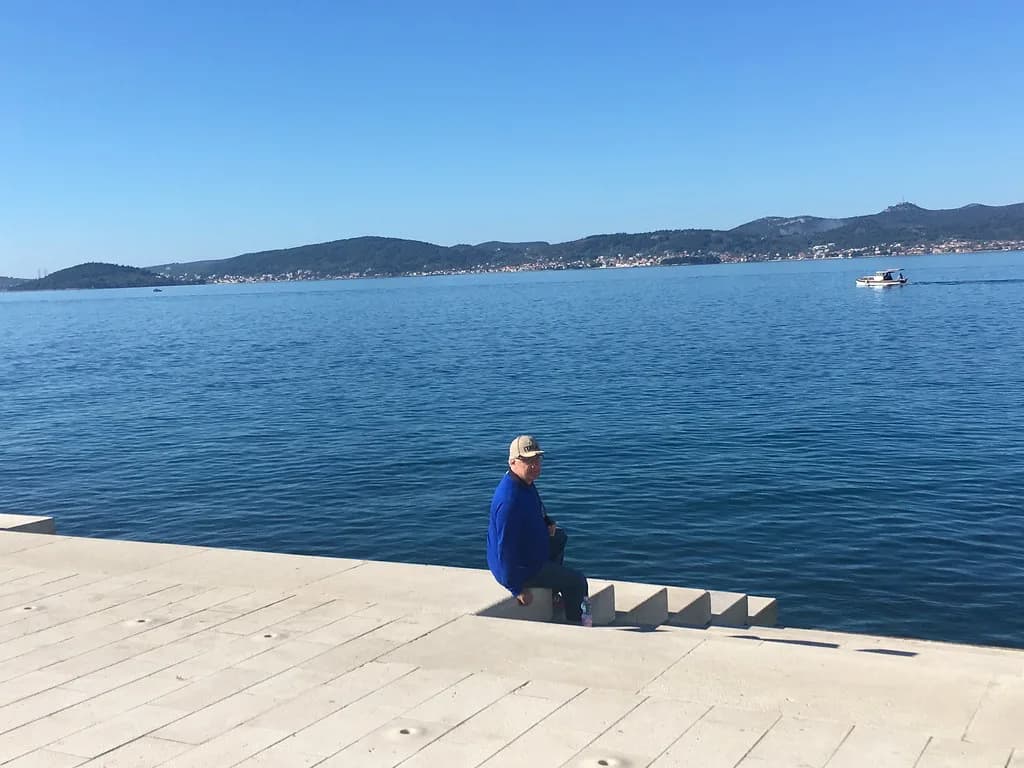
The Riva steps on the western edge of the Old Town are the most famous place to get in, doubling as seating for the Sea Organ and the sunset. They fill early and stay busy through the evening. Kolovare Beach, close to the Old Town, has pebbly and paved shoreline, permanently installed shade umbrellas, and free restrooms and showers, with several nearby places to buy refreshments.
If you want calmer water and fewer people, go early in the morning before the promenade wakes up. That is also when the light on the stone is best and the heat is still bearable.
How busy August gets
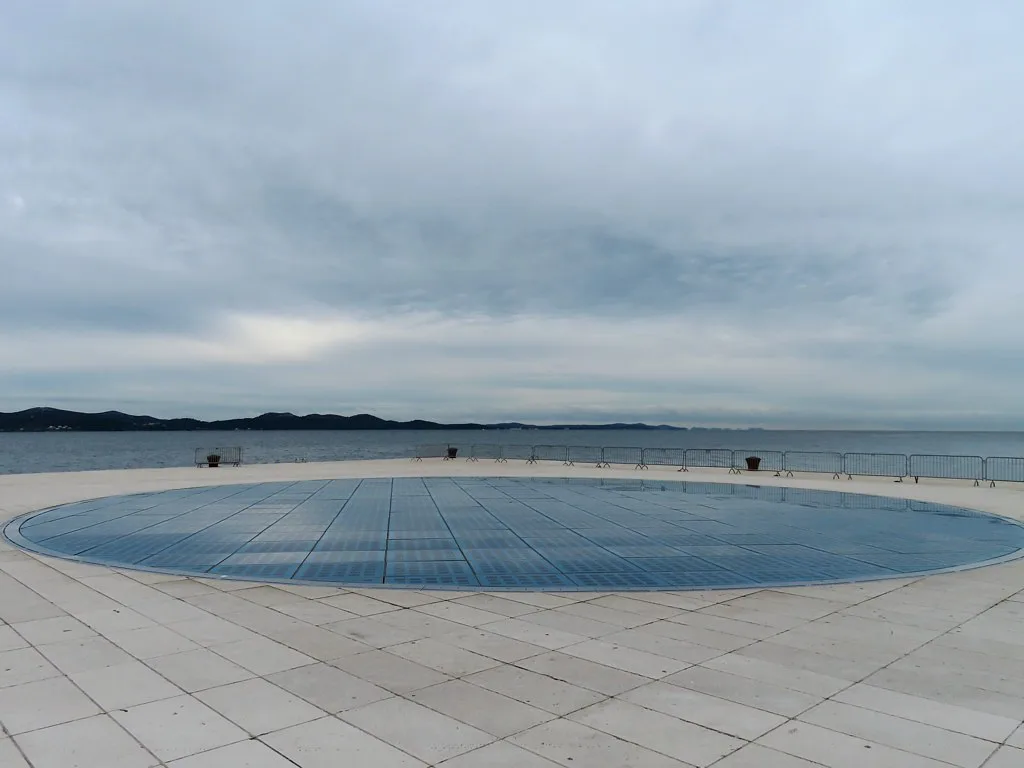
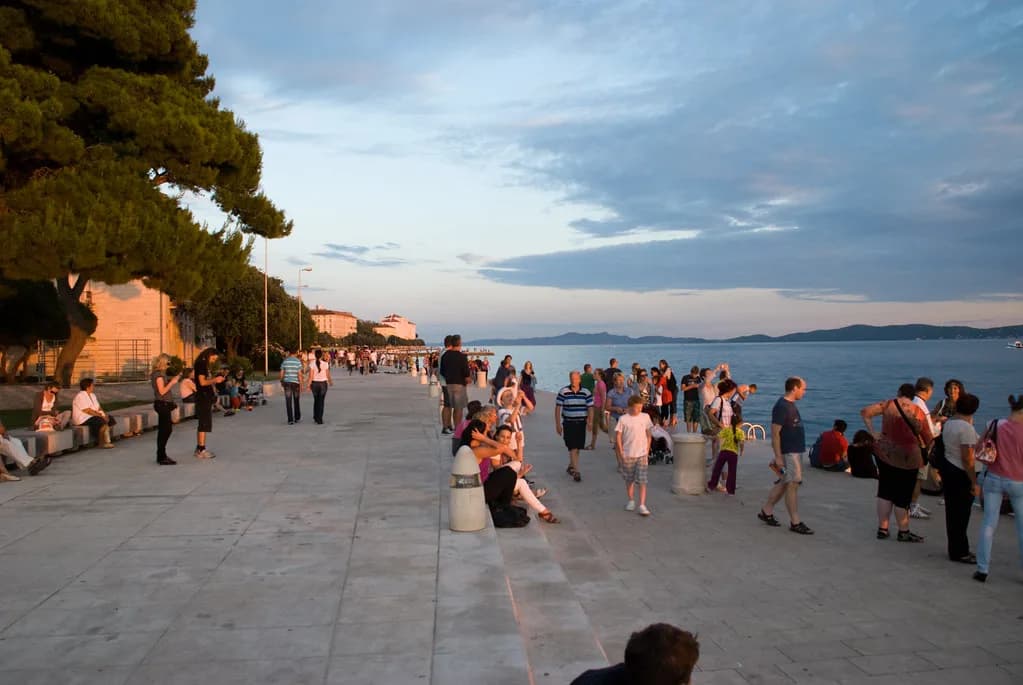
August is one of the two months when Zadar genuinely feels crowded, with the Old Town, the Roman Forum and the waterfront absorbing the pressure. The pinch points are the Sea Organ and the Greeting to the Sun at sunset, where everyone arrives at once for the same view. Arrive earlier than you think you need to, or watch the light from slightly further along the promenade.
Cruise calls and day-trippers add to the daytime crush around Narodni Trg and the cathedral. The practical fix is simple: walk the historic core in the morning, retreat during the hottest and busiest hours, and come back out after four. Evenings are lively but more spread out than the midday peak.
What to do in Zadar in August
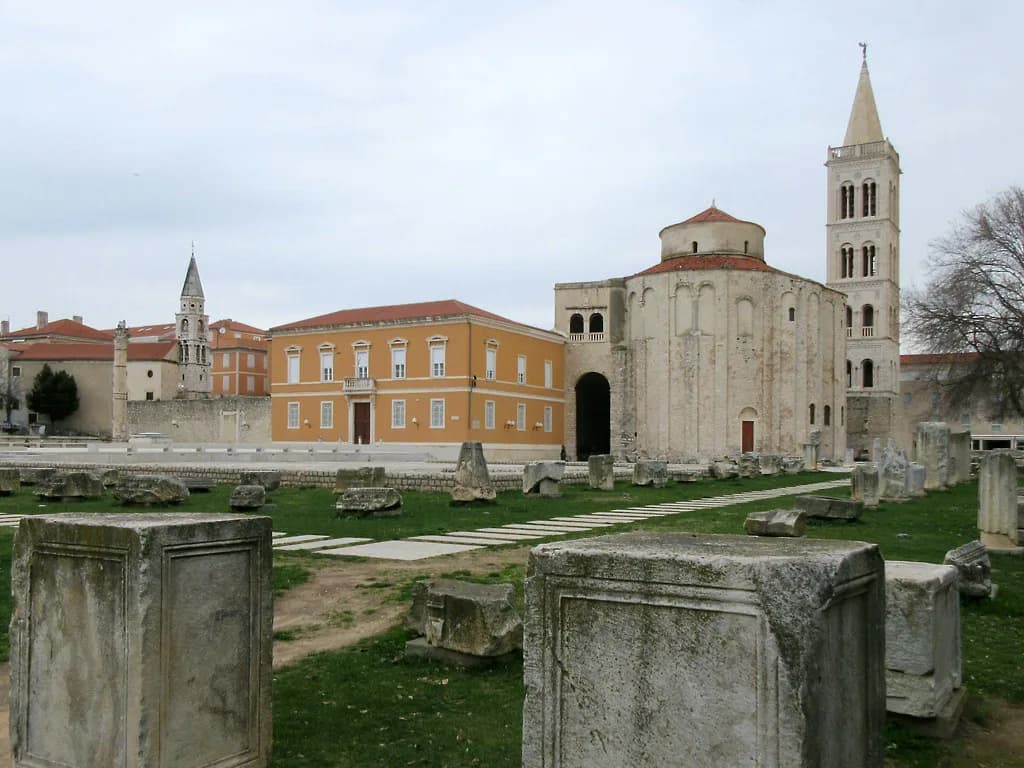
The Old Town circuit is compact enough to cover on foot in a morning. Start at Narodni Trg, the People's Square, which has been the city's hub since the Middle Ages and where the neoclassical City Loggia faces the 16th-century clock tower. From there, Kalelarga, officially Široka ulica, runs through the heart of the peninsula as a pedestrian-only street of shops, bars and cafés.
Behind the cathedral lie the remains of the Roman Forum, walkable ruins that put Zadar's 3,000-year history under your feet. Beside it stands the circular Church of St. Donatus, an early medieval Byzantine building dating possibly to the early 9th century that has become the city's signature landmark. Reported adult admission is €3.50, with daily opening in season but a closure from December 31 to March 31, so August is safely inside the window.
The Cathedral of St. Anastasia, the largest church in historic Dalmatia, anchors the same square and is free to enter, though dress respectfully. Its tiered bell tower is the best climb in the city, with views over the rooftops and the sea. Reckon on roughly 200 steps and a modest fee of about two euros, and note that the tower opens seasonally, so August is when you can actually do it.
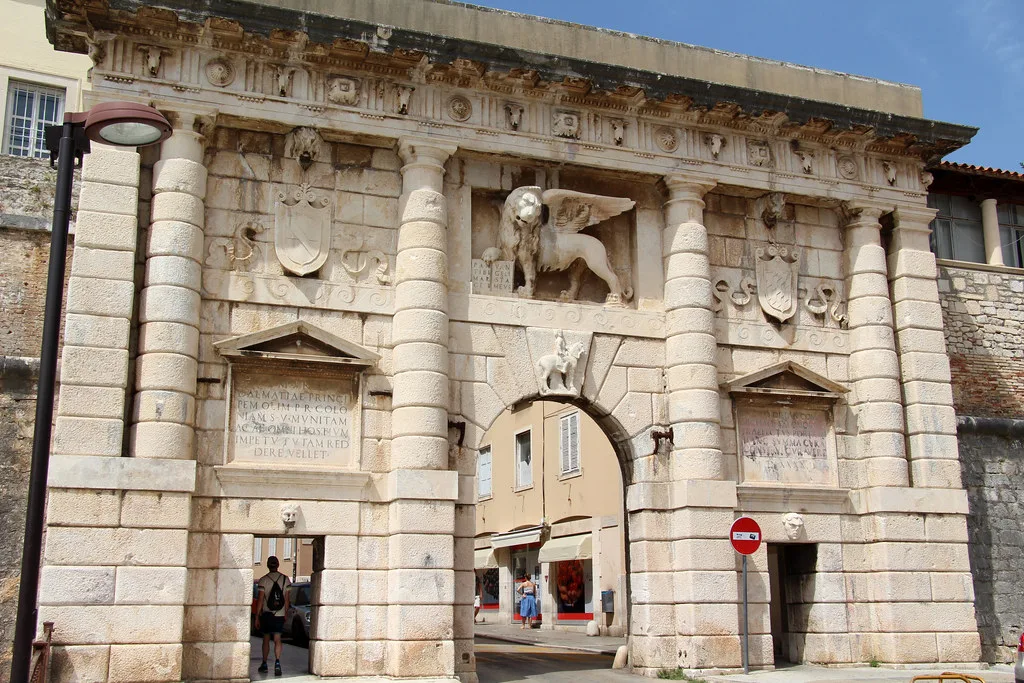
At the eastern entrance, the Land Gate of 1543 marks the main way into the peninsula as a triumphal arch, and the city walls it interrupts are part of a UNESCO World Heritage listing. Walking them costs nothing. Continue to Five Wells Square, named for the five wells that supplied the city until the late 19th century, and the greenery of Queen Jelena Madijevka Park, built around a historic bastion.
For indoor relief from the heat, the Museum of Ancient Glass holds more than 5,000 objects from the 1st century BC to the 5th century AD, with reported adult admission of €6 and child tickets at €3. The Archaeological Museum of Zadar, next to the Forum, has more than 100,000 artifacts and reported adult admission of €5. Both are air-conditioned refuges worth timing for the hottest part of the afternoon.
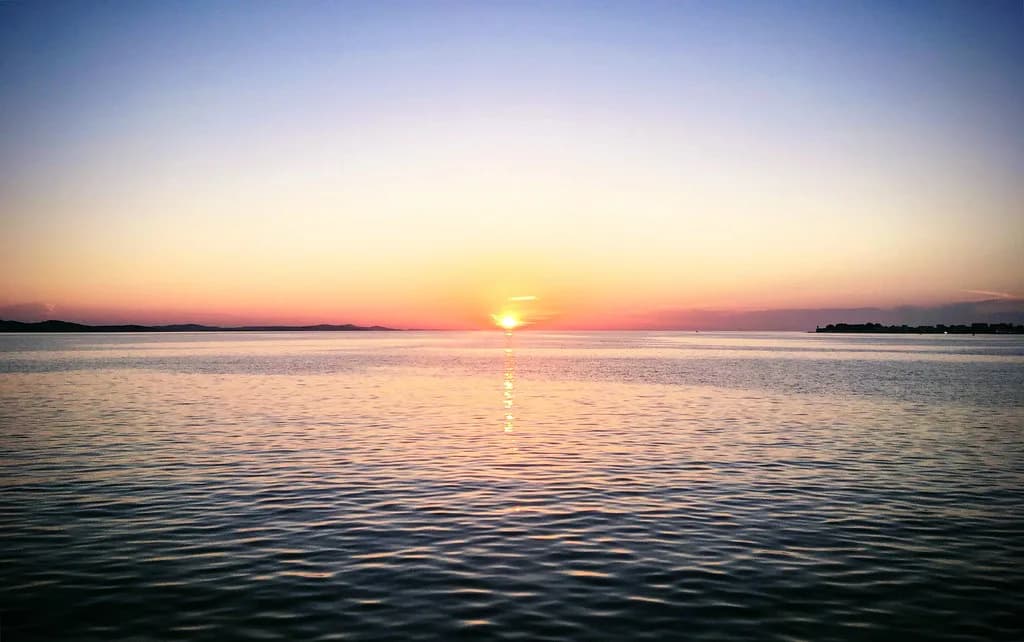
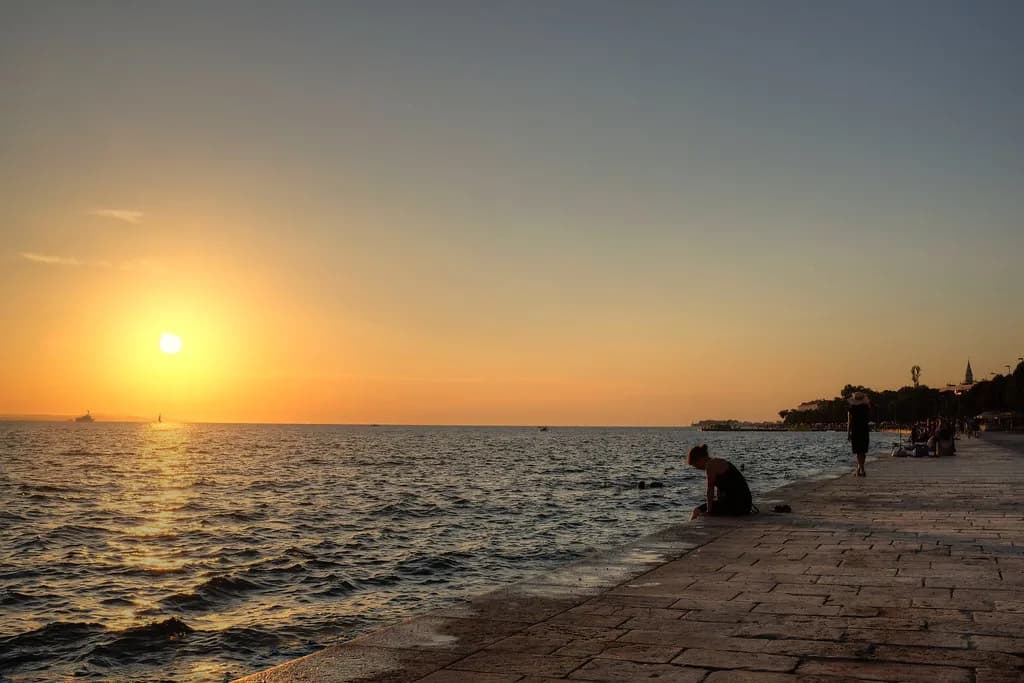
Come evening, the Greeting to the Sun and the Sea Organ are the reason to be on the waterfront. The solar-panel disk stores daylight and puts on a light show after dark, while the steps beside it turn the movement of the sea into a low, continuous music. Sit on the Riva steps for both and let the sunset do the rest.
Water time and the islands
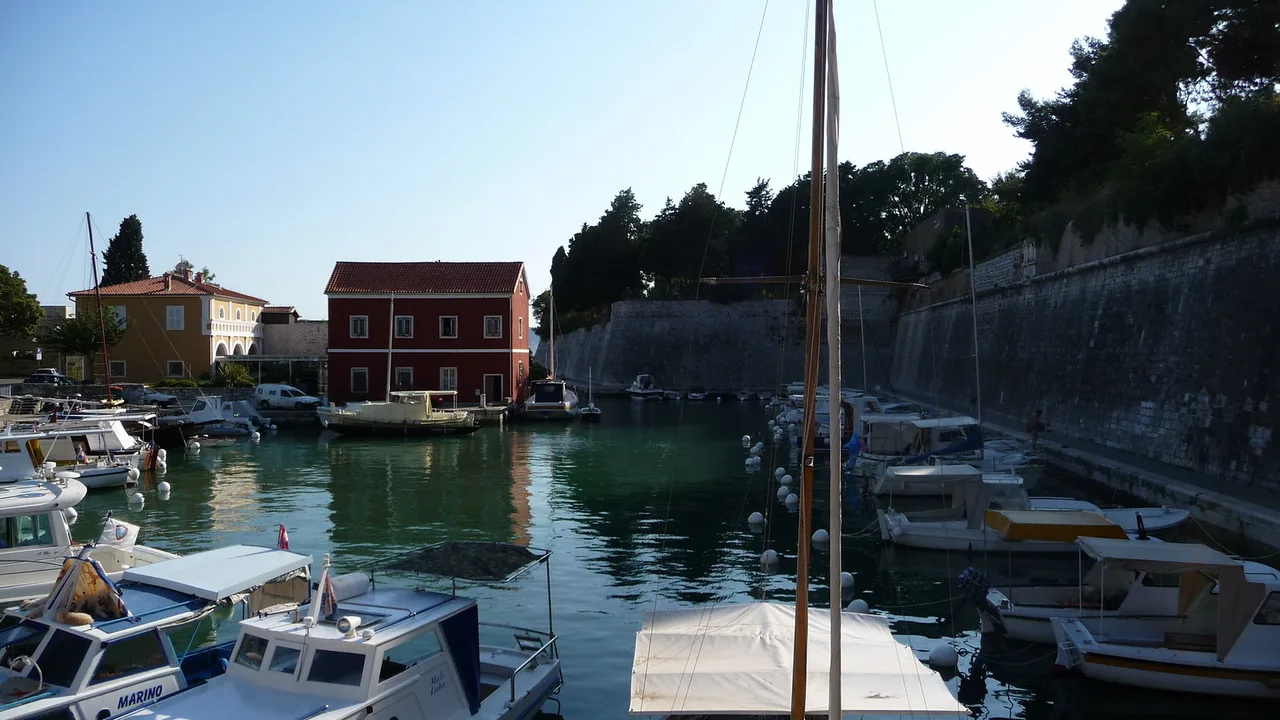
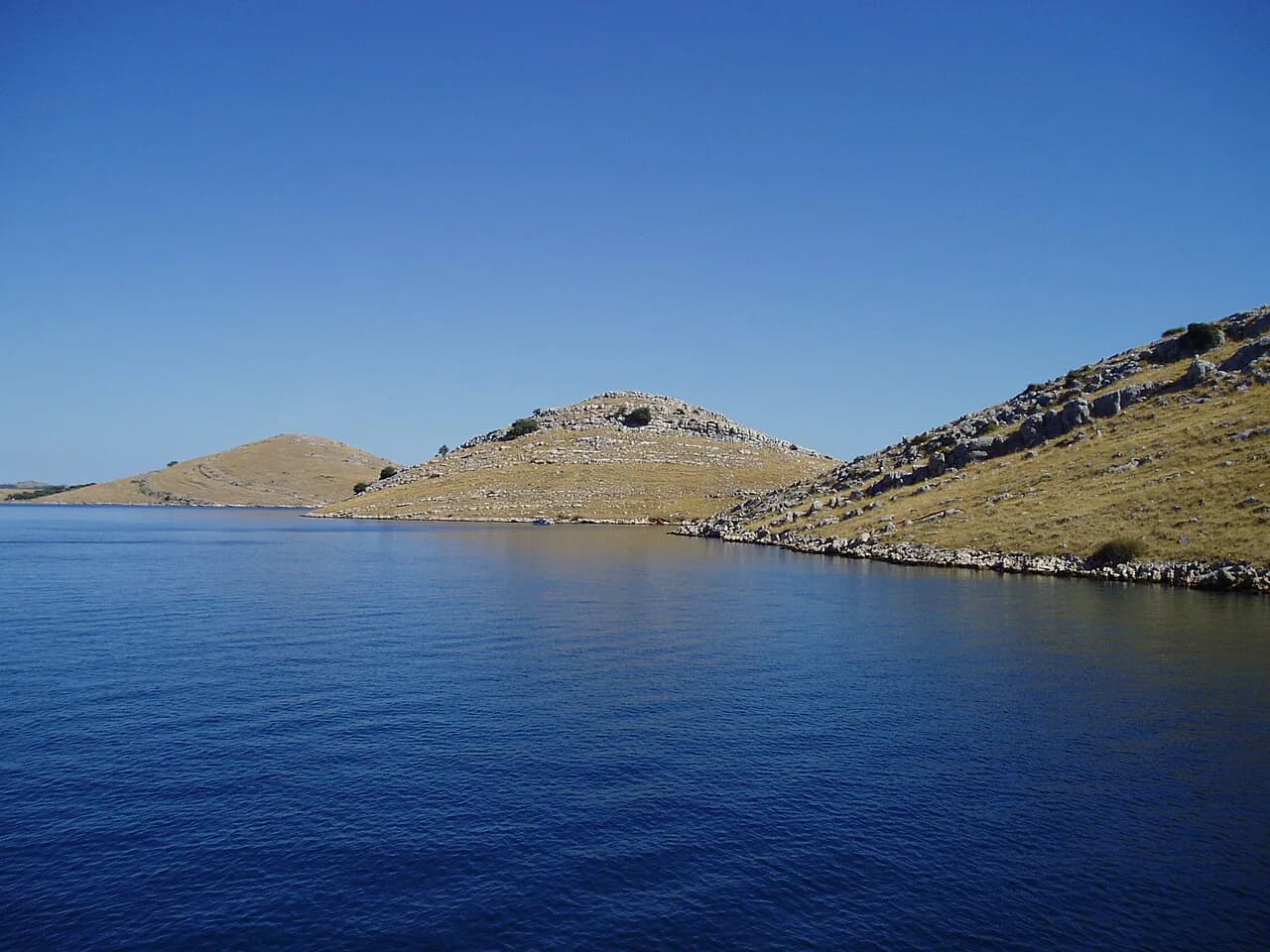
Zadar's ferry port makes it an island gateway in its own right, not just a stop on the way south. Boats run to Ugljan, Pašman, Dugi Otok and the Kornati archipelago, and half-day sailing or speedboat trips leave from the city. A four-hour islands sailing trip, for example, departs twice a day at 9am and 2pm, giving you either a morning on the water or an afternoon one.
For a more active day, sea kayaking tours run around the coastline, and a full-day speedboat trip reaches Kornati National Park. Booking ahead matters in August, when the popular departures fill. If you are comparing Zadar with Croatia's bigger coastal cities, the ferry access here is a genuine advantage over relying on Split alone.
Day trips from Zadar in August
Plitvice Lakes National Park, a UNESCO site of travertine terraces and turquoise water, is about a 90-minute drive away and the most popular day trip from the city. Walking Route A, a 2.1-mile loop past the park's largest waterfall, is rated easy to moderate. In August, leave early to beat both the heat and the coach arrivals, and expect to pay the park's seasonal entrance fee on top of any tour cost.
Closer to home, Paklenica National Park offers hiking with two mountains over 1,700 metres, Lake Vrana is a flat, bird-rich alternative, and Pag island is reachable for its sheep's-milk cheese. All of these work better as early starts in August than as midday excursions. Build in shade and water wherever you go.
Typical costs in August
August is the most expensive month for accommodation and boat trips on this coast, and you should expect peak-season rates rather than shoulder-season ones. Our guide to what a trip to Zadar costs lays out the realistic range.
Some costs are fixed and modest: the cathedral is free, the city walls and gates are free, and the waterfront installations cost nothing. The bell tower and the two main museums charge small entry fees. Meals range from casual konoba plates to waterfront dining, and seafood is the thing to order in a coastal city. Confirm current fees at the venue or museum ticket desk before you go.
Getting there and around
Zadar's Old Town sits on a peninsula and is largely pedestrian-only, which makes it one of the easiest historic cores in Croatia to explore on foot. You cross the pedestrian bridge through Bridge Gate or enter from the east via the Land Gate. Once inside, everything on the main circuit is within a few minutes' walk.
Zadar also has its own airport, and recent years have brought more international flights, which is part of why the city is busier than it once was. The ferry port serves the archipelago, and buses connect the city with the rest of Dalmatia. Check operator timetables for the specific day you travel, since August schedules differ from winter ones.
For travel planning and entry requirements, use the official Croatian government pages rather than second-hand summaries.
Drawbacks of an August visit
The honest downsides are crowds, heat and price. The Old Town and sunset waterfront are congested, midday walking is draining, and accommodation costs peak. The bell tower is seasonal, so August is actually one of the months you can climb it, but don't assume every attraction keeps long hours in the shoulder season.
Shade on the promenade is limited, and the stone streets radiate heat well into the afternoon. If you dislike being part of a crowd at a viewpoint, August will test your patience at the Sea Organ. That is the trade-off for the warmest sea and the most dependable beach weather.
Who should choose a different month
Families tied to school holidays will find August works well: the sea is warm, the evenings are long and the city is set up for summer visitors. Flexible travellers, couples and anyone who values quiet should aim for June or September, when the water is still swimmable but the crowds thin. Our guide to Zadar in June shows what that looks like.
If your trip is mostly about history and architecture rather than swimming, spring is worth considering, and our notes on Zadar in May cover the milder version of the same city. For a different Adriatic city in the same month, Pula in August offers a Roman amphitheatre and a quieter pace.
The verdict by traveller type
Beach lovers should go in August: the sea is at its warmest and the Riva and Kolovare give you easy access. History buffs will enjoy the Old Town but should walk it at dawn and dusk to avoid the crush, or shift to spring. Island hoppers get the best of Zadar's ferry network in summer, when departures are most frequent.
Crowd-avoiders should pick late September or early October for warm water, lower prices and thinner streets. For a broader read on whether the city justifies the trip at all, our honest verdict on whether Zadar is worth visiting weighs its strengths against Split and Dubrovnik.
Plan Your August Trip
Book early, plan your days around the heat, and treat the sea as the centre of the trip rather than an afterthought. If you want the warmest water and long evenings on the Riva, August rewards you; if you want quiet stone streets, wait a few weeks.
Frequently Asked Questions
Is Zadar worth visiting in August?
Yes, if warm sea and beach weather are your priority. August brings the year's warmest swimming and lively evenings on the waterfront, but also the heaviest crowds and peak prices. If quiet streets matter more, late September or early October is the better choice.
Is August a good time to visit Zadar or should I wait until September?
August suits swimmers and anyone tied to school holidays. September brings gentler heat, thinner crowds and lower prices while the sea stays warm enough to swim. Choose August for the fullest summer atmosphere and September for a calmer version of the same city.
Can you swim in Zadar in August?
Yes. August offers the warmest water of the year, and the Riva steps by the Sea Organ plus Kolovare Beach are the easiest places to get in. Swim early in the morning if you want space and calmer water.
How many days do you need in Zadar?
Two to three days lets you see the Old Town highlights, take a boat trip into the archipelago and add a day trip such as Plitvice Lakes. A single day covers the compact historic core and the waterfront at sunset.
What are the best things to do in Zadar in August?
Walk the Old Town circuit in the morning, including Narodni Trg, the Roman Forum, the Church of St. Donatus and the cathedral bell tower, then swim at Kolovare or off the Riva. Return for the Sea Organ and the Greeting to the Sun at sunset, and take a boat trip to the islands on another day.
How hot is Zadar in August?
August is one of Zadar's two hottest, driest months, with Mediterranean summer conditions and little shade on the peninsula. Plan sightseeing for morning and late afternoon and use the middle of the day for swimming, museums or a shaded lunch.
Sources
Trip-decision notes
Optional updates when we publish or revise a destination verdict.
You might also like
Continue reading
More guides you'll find useful