Pula in August: Heat, Crowds and Worth It?
August in Pula is the hottest, busiest stretch on the Istrian coast. What the weather feels like, what's on, and who should pick June or September instead.
On this page
Yes, August works in Pula, provided you want heat, warm sea and a city at full volume. It is the peak of the Istrian season, so the Arena, the Forum and the southern beaches fill up and prices sit at their annual high. If your ideal trip involves quiet stone streets and unhurried restaurant tables, June or September delivers the same Roman sights with far fewer people.
The month's saving grace is that Pula is a working port city rather than a resort carved out for tourists. Even in August you can eat a midday marenda away from the amphitheatre quarter, take a boat to the Brijuni Islands, and drive to Rovinj or Motovun for the day. Plan around the heat and the peak-week pressure and August becomes manageable rather than exhausting.
August in Pula at a glance
Expect the hottest, busiest weeks of the year, with daytime temperatures near 30°C (mid-80s Fahrenheit) and the Adriatic at its most inviting for swimming. Skyscanner names August as Pula's warmest month, reaching a maximum of about 29°C (84°F), which is warm rather than brutal by Mediterranean standards.
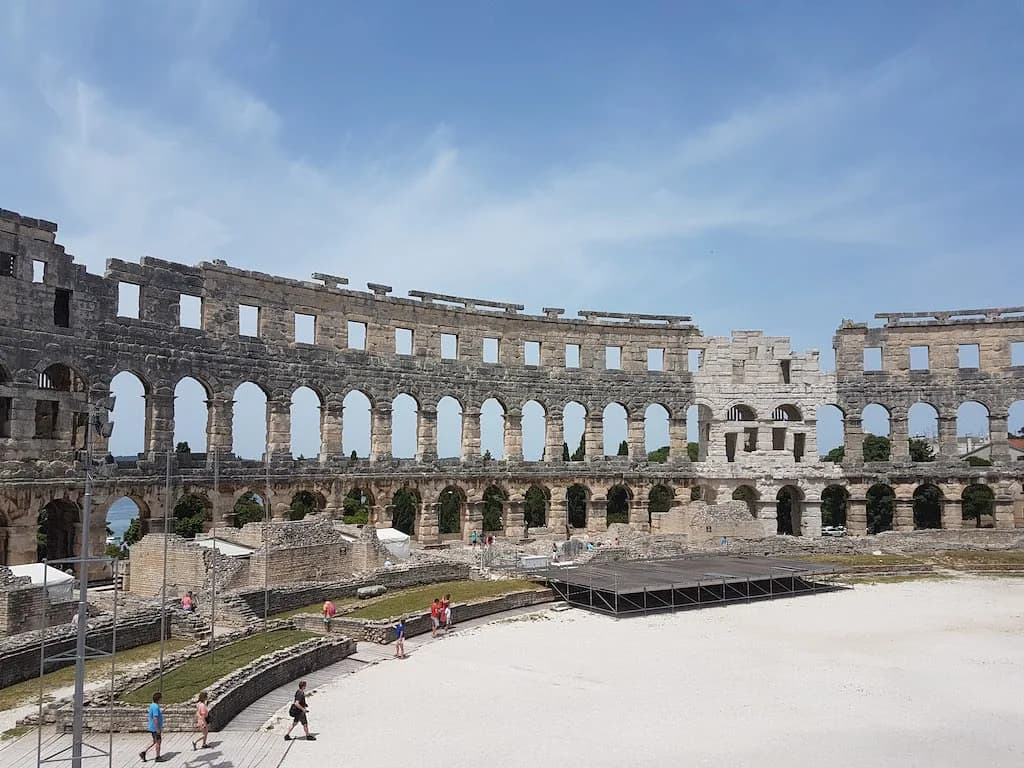
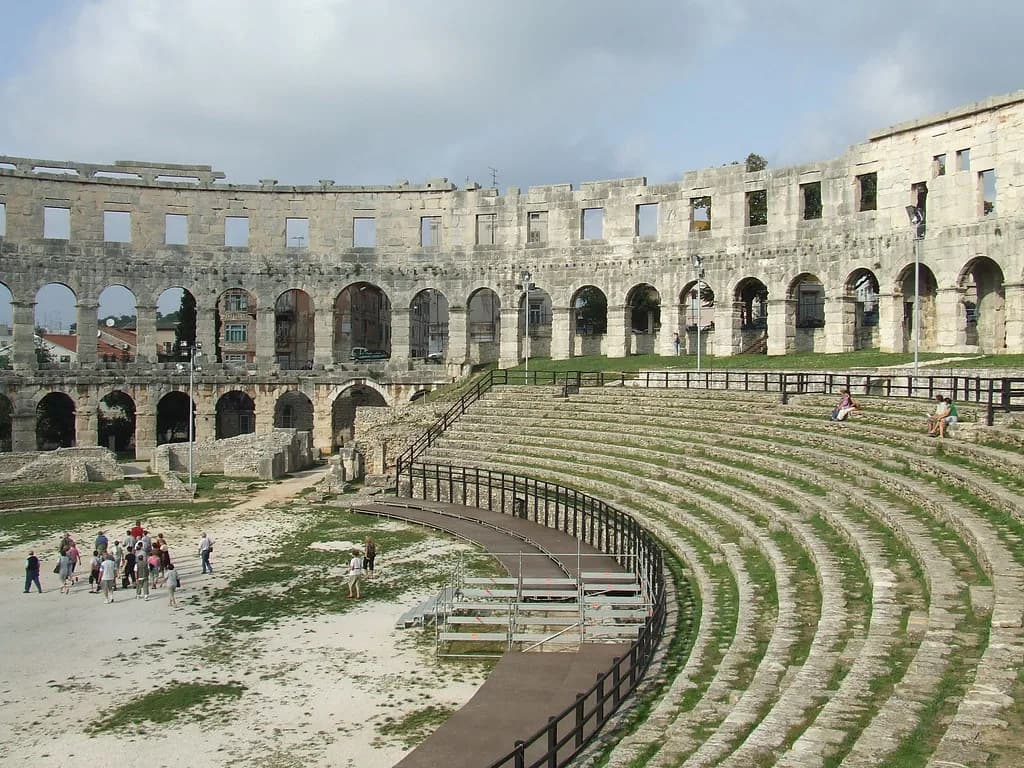
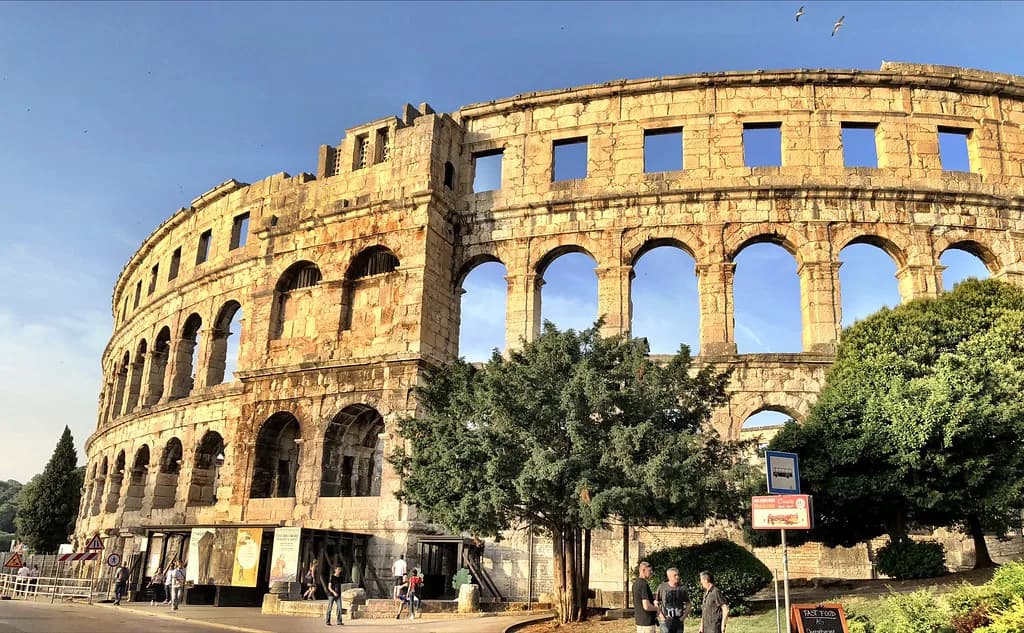
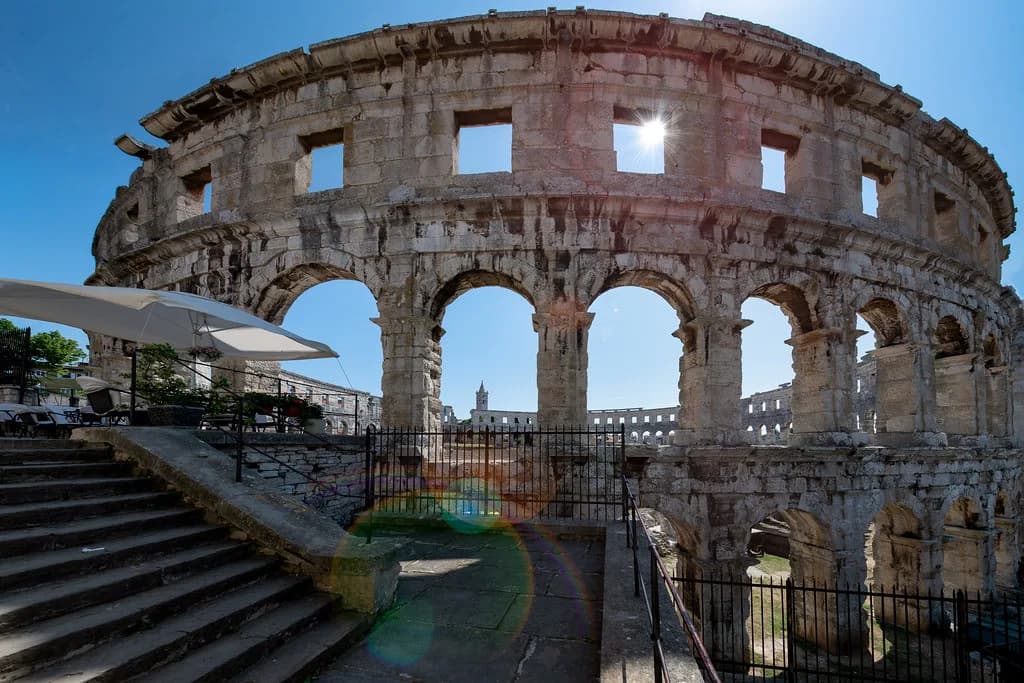
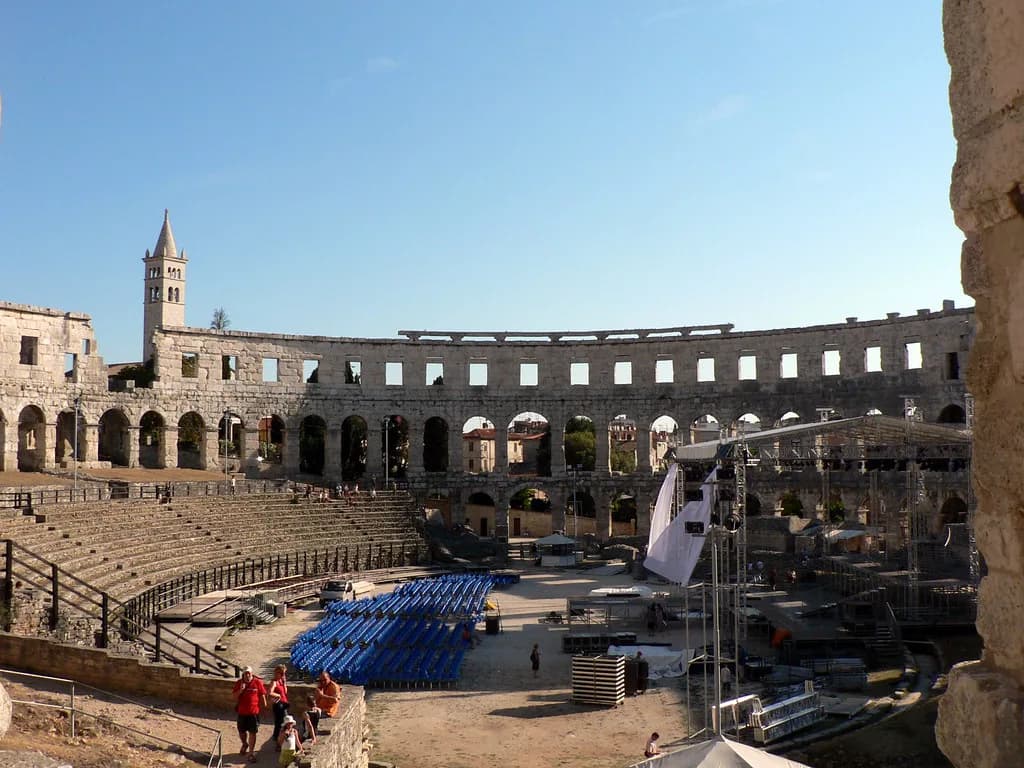
The city's headline sight is the Pula Arena, a Roman amphitheatre with remarkably preserved outer walls set a short walk north of the center. Around it, the old town is compact and walkable, so most of your August sightseeing happens on foot between shade stops. Accommodation clusters toward Verudela and Stoja on the coast, while Banjole to the south is where locals rate the seafood.
Croatia uses the euro, so you pay in euros throughout Pula rather than converting from kuna. English is widely spoken along the Istrian coast, which makes ordering, tickets and transport straightforward even in the busiest weeks.
The verdict: who August suits in Pula
August suits swimmers, families tied to school holidays, and anyone who wants the Arena and the Forum at their liveliest. It also suits travelers who treat the coast as a base and use the long days for boat trips and evening wandering rather than midday sightseeing. Before committing, the broader question of whether Pula is worth visiting is settled by whether you want gritty urban texture alongside Roman ruins and rocky beaches.
Choose another month if you dislike queueing for the amphitheatre, want empty pebble coves, or need moderate walking weather. June gives you warm sea with thinner crowds, and September brings the Visualia Festival of Light plus water that has had all summer to warm up. Both are better value than August on accommodation and easier on the nerves.
Use August if swimming and festival atmosphere matter more than solitude. Skip it if your trip is mainly about photographing quiet Roman streets at your own pace, because you will be sharing every frame.
August weather in Pula: what to expect
Treat figures as typical August conditions rather than a forecast. Skyscanner's guide puts the month's maximum at around 29°C (84°F) and describes June to August as hot, sunny and the peak tourist season, with the Adriatic reaching good swimming temperatures.
Rain is unlikely to dominate your week, but the coast does have wet spells and autumn is far wetter; November is the rainiest month with around 220 mm. That contrast matters when you are weighing August against a shoulder-season trip. For a parallel look at how the month behaves further down the Croatian coast, Zadar in August follows a similar hot, dry pattern.
If you want a second opinion on the season, a separate seasonal guide notes that August temperatures often exceed 30°C and frames the month as ideal for travelers whose main goal is swimming and sunbathing. That is consistent with the picture above: hot afternoons, warm sea, and a strong case for scheduling around the sun rather than fighting it.
How the heat shapes a day
Front-load the sightseeing. Walk to the Arena and the Forum early, when the stone still holds the night's cool and the tour groups have not fully assembled, then retreat for a long lunch. The old town's shaded alleys and the harbor front make natural mid-afternoon refuges.
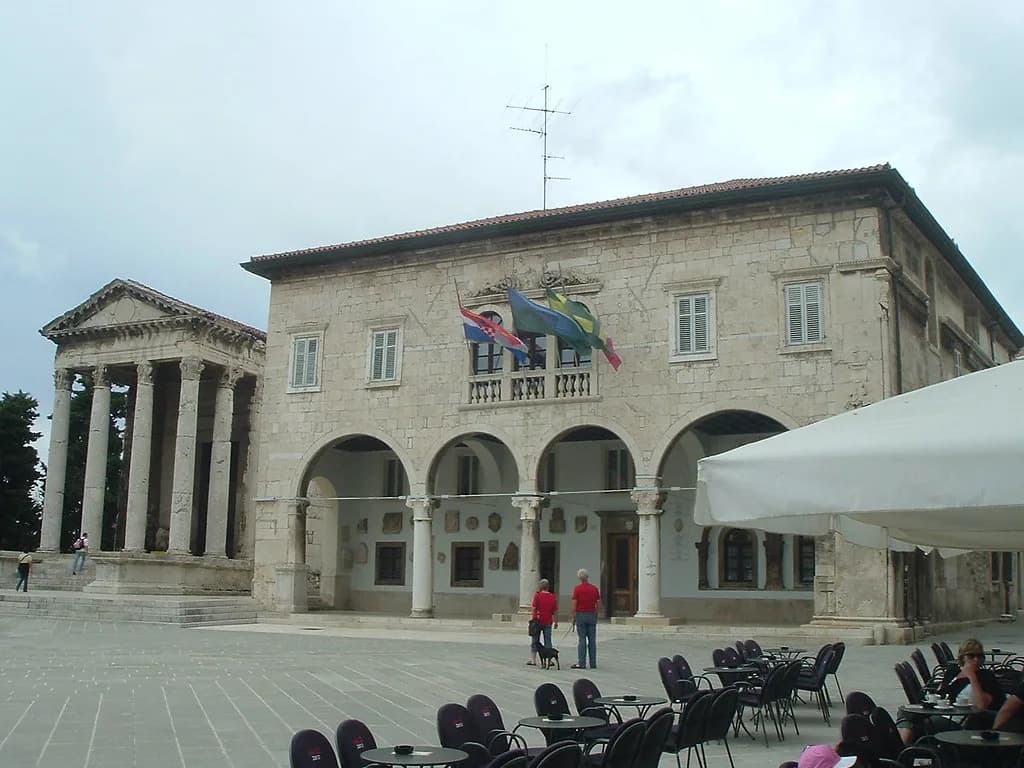
Give the afternoon to water. Head to the Verudela peninsula or the nearer Valsaline and Lungomare beaches for the hottest hours, then return to the city for a late dinner, when the Forum fills with tables and the temperature finally drops. This rhythm is what locals follow, and it turns the heat from a problem into the structure of the day.
Book the one thing you cannot miss for the start of the day, and keep evenings loose. August rewards flexibility: if a beach is packed, move along the coast; if the Arena is crowded, come back an hour later.
Crowds and timing around the Arena and Forum
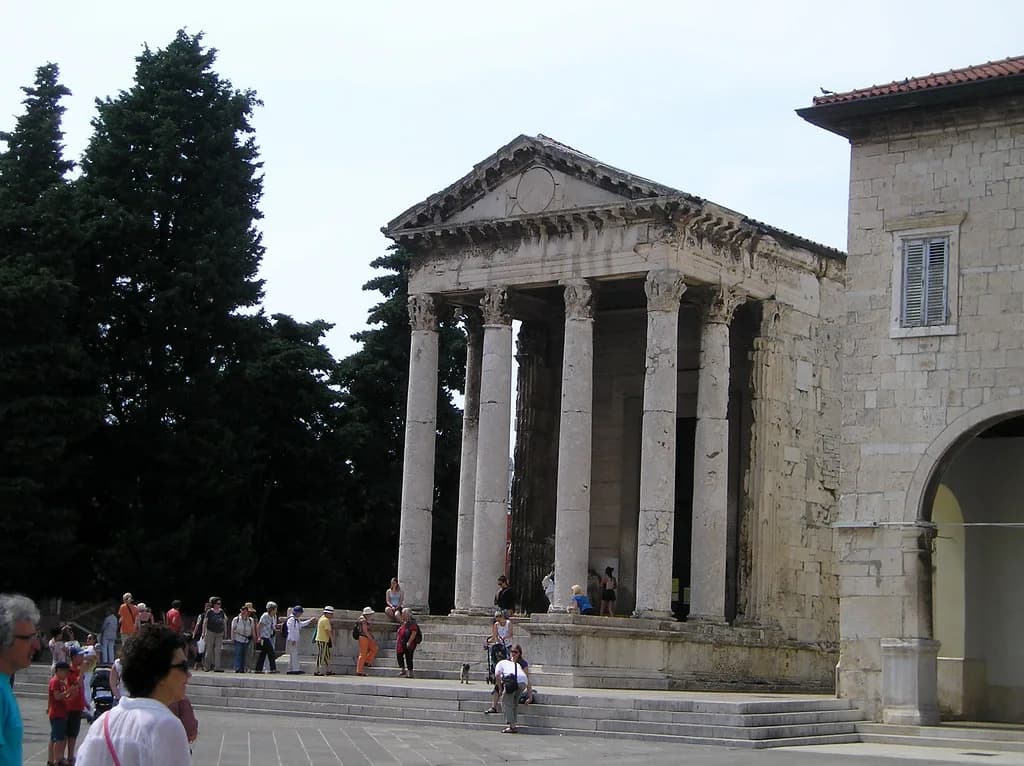
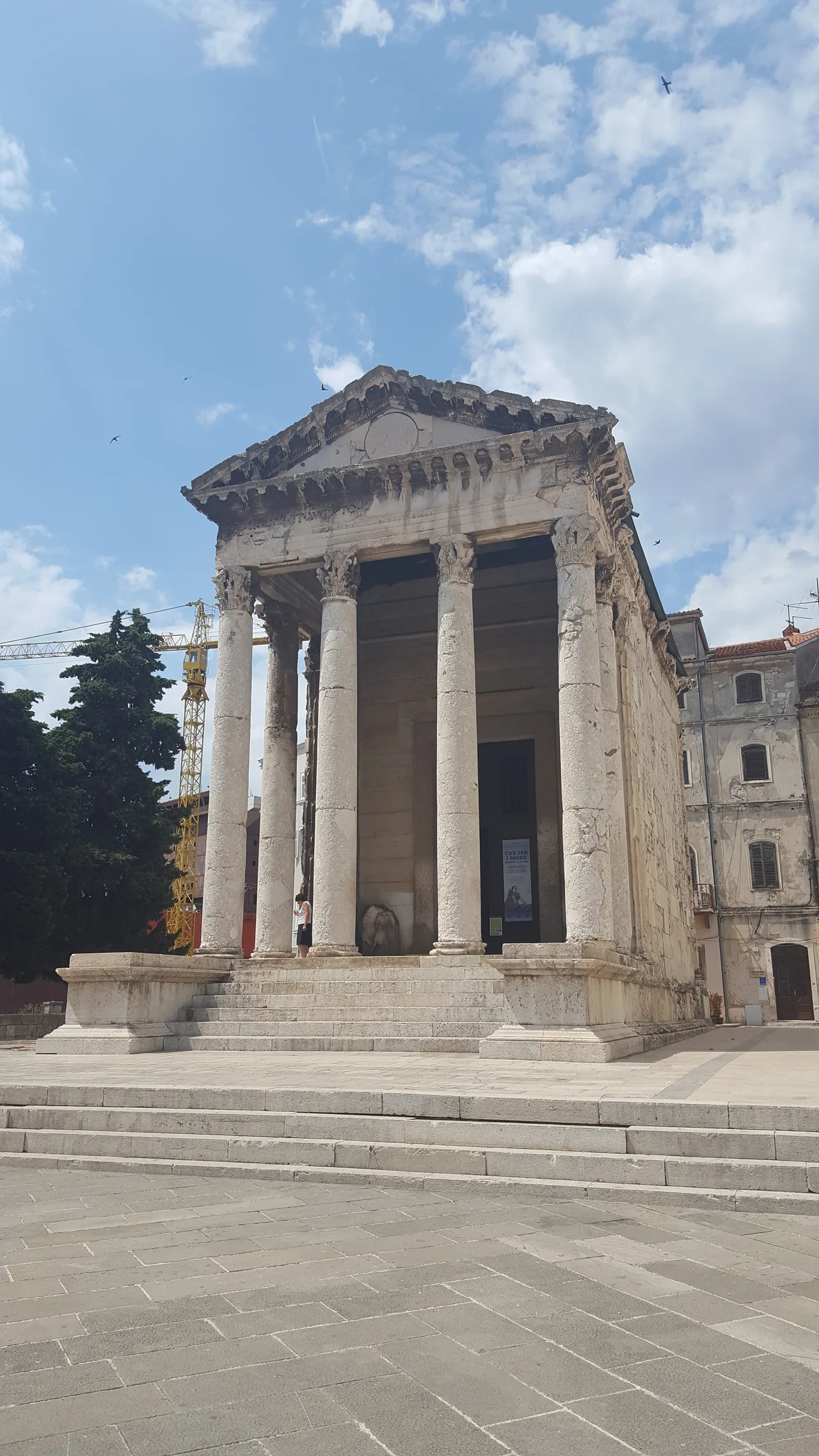
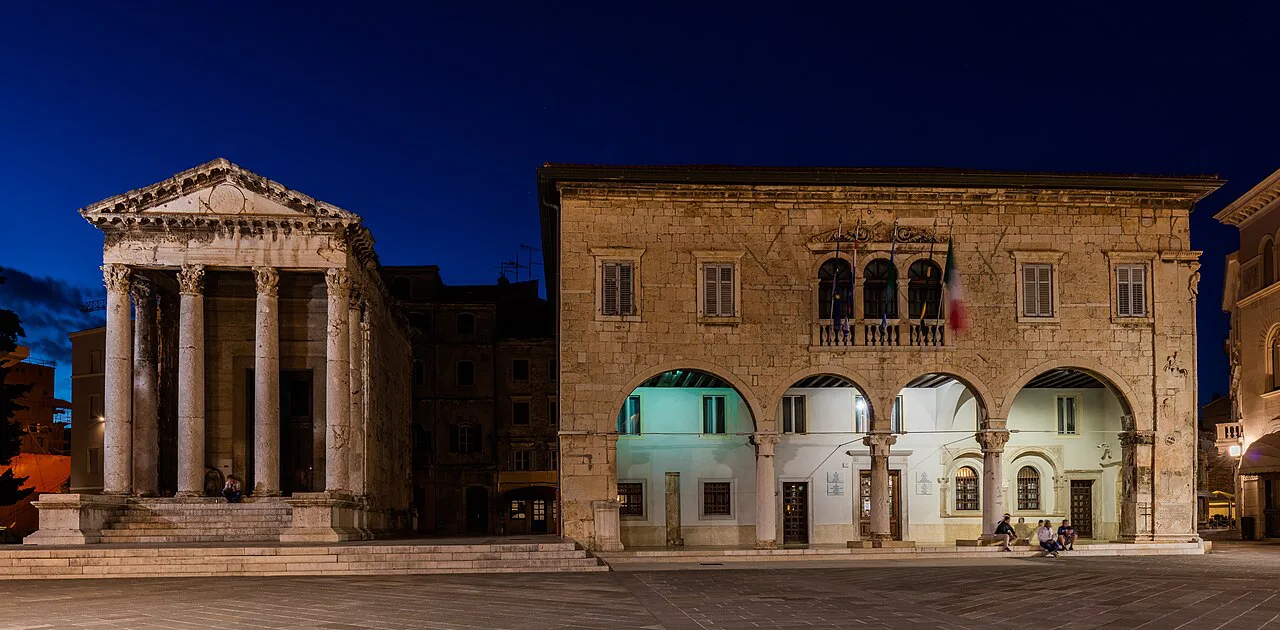
August pressure concentrates in a few places: the amphitheatre quarter north of the center, the Forum and its café terraces, and the Verudela shoreline at weekends. Cruise and day-trip traffic peaks around midday, so early mornings and after dusk are your windows for the Arena's outer walls and the Temple of Augustus. A July trip hits similar pressure, which makes planning for the season a sensible move overall.
Late August tends to ease as Croatian school holidays wind down, so the final week of the month is often noticeably calmer than the first. If you can only travel in August, aim for the back half of the month and you will get the same warm sea with a little more breathing room.
Expect crowds at the beaches too. Verudela's shingle coves are lined with resorts, loungers and restaurants, and they fill early on hot days. The lower-key Valsaline and Lungomare beaches closer to town are smaller but easier to reach without a car.
What's on in August: the Arena and the water
The Pula Film Festival takes over the Arena for one week each summer, staging screenings inside the Roman amphitheatre. Skyscanner places it in July or August rather than a fixed August date, so look at the festival's own calendar before you build a trip around it. Visualia, the Festival of Light, is a September event, not an August one.
Brijuni Islands National Park sits a short boat ride from Pula and combines beaches, forest trails, ruins and dinosaur footprints. In August, demand for those boats is at its height, so book ahead and go early rather than turning up on impulse. The islands were once a Yugoslav president's summer playground, and the mix of parkland and coastline still feels removed from the city bustle.
Evenings bring the Uljanik shipyard's Lighting Giants installation, which colors the cranes after dark in summer, with shows running hourly from dusk. It is a free-feeling, unusual contrast to the Roman sights and pairs well with a late waterfront walk.
Beaches in August: shingle, pebbles and warm water
Pula's beaches are shingle and pebble rather than sand, so bring shoes you can swim in and forget the sandcastle plans. The Verudela peninsula south of the center has the most resort-lined coves, with loungers, umbrellas and sea-view restaurants, and it is easily reached by local bus or car.
Closer in, Valsaline and Lungomare are low-key choices for picnicking and paddling, good for families who want shallow water without a long transfer. Pjescana Uvala, another family-friendly area, adds calm water and paths into the woods, plus the Cave Romanae quarry nearby for climbers and summer events.
August water is the warmest of the year, which is the strongest argument for the month. If you mainly want to swim and sunbathe, the packed shingle is a fair trade for sea temperatures you will not get in June.
Beyond the city: Istria day trips in August
Rovinj, about 40 minutes up the coast, has a cobbled Venetian-feeling old town and the clear Baluota Beach for a cooling dip. Going early beats the August traffic and gives you the streets before the day-trippers arrive. Motovun, an hour north, is a hilltop village above the Mirna Valley with walls, views and wineries.
Banjole, just south of Pula, is worth a detour for konoba cooking, with Batelina among the best-known seafood tables in Croatia. Book these places well ahead in August, because the entire coast is competing for the same small number of seats.
Mix one inland day with beach days rather than stacking day trips. The Istrian interior is cooler and quieter than the coast in August, which makes Motovun and the vineyard country a sensible break from the shoreline crowds.
How many days you need in Pula in August
Three to four full days covers Pula comfortably: the Arena and Forum, the old town on foot, a beach afternoon or two, and one day trip. That pace leaves room for the heat and for a slow meal in the middle of the day rather than squeezing sights into the hottest hours.
Add a day or two if Brijuni is on your list, since boat timings and August demand can eat a full day. A week lets you combine the city with Rovinj, Motovun and the interior without rushing, which is the version of an August trip most people actually enjoy.
Keep one afternoon entirely unplanned. In peak season, the best moments in Pula tend to come from a spontaneous swim or a longer-than-planned lunch, not from a fixed itinerary.
Typical August costs
Pula is generally cheaper than Dubrovnik and Split, which makes it a reasonable August base even at peak prices. Skyscanner's guide gives a rough sense of everyday spending: an inexpensive restaurant meal around €10, a local beer about €3, a cappuccino around €2 and a short taxi ride about €5.
August is when accommodation, boat trips and beach-club extras hit their annual ceiling, so budget above shoulder-season levels for anything you book in advance. Eating a marenda at midday and cooking or picnicking in the evening keeps daily costs down without missing the good food. For a fuller breakdown, see how expensive Pula is across a whole trip.
Prices for the Arena, Brijuni boats and festival tickets vary by operator and season, so confirm them with the venue when you book. Carrying some cash is still useful for smaller konobas and market stalls, even though cards are widely accepted.
Getting there and getting around in peak season
Pula's compact center is a pedestrian-friendly zone, so the Arena, Forum and Temple of Augustus need no transport at all. Public buses connect the center with the Verudela beaches and outlying areas, and a rental car adds flexibility for Rovinj, Motovun and the interior. If you are weighing arrival options, our guide to how to get to Pula covers the routes in detail.
In August, road traffic on the Istrian coast is at its worst, and parking near the center and Verudela is scarce. Use buses for beach days and save the car for inland excursions, which are far less congested.
Book long-distance transport and any Brijuni boat early, since peak-week seats sell out. Arriving in the morning gives you a calmer first few hours before the day-trippers build.
Drawbacks to plan around
Heat, packed beaches and higher prices are the honest downside of August in Pula. The shingle coves at Verudela fill early, restaurant tables near the Arena command peak rates, and midday walking becomes uncomfortable. Add cruise-day pressure in the old town and you have a month that rewards planning.
The Arena itself can feel crowded and the surrounding quarter busy, which undercuts the romance of a Roman monument. Go at opening time or in the evening, and treat the amphitheatre as one stop rather than the whole day.
If any of this sounds like a deal-breaker, compare Pula in June for warm sea with lighter crowds, or Pula in September for the Visualia light festival and water that has had all summer to warm. Same city, same ruins, calmer trip.
Verdict by traveler type
Families: August works, thanks to warm shallow water at Pjescana Uvala and Valsaline, but book the back half of the month and plan beach mornings. Couples: June or September are kinder, with quieter streets and easier dinner reservations; if you must travel in August, aim late and stay near the old town for evenings on foot.
History lovers: the Arena, Forum and Temple of Augustus are worth August crowds only if you start early, and a July trip brings similar conditions. Budget travelers: Pula is cheaper than Croatia's headline coastal cities, but August is its priciest month, so shoulder season stretches every euro further.
Swimmers and festival-goers: August is your month, with the warmest sea and the Arena hosting the film festival's week. Anyone chasing solitude should skip it entirely.
Plan Your August Trip to Pula
August in Pula is a confident yes for swimmers and festival-goers, and a qualified maybe for everyone else. Go late in the month if you can, front-load sightseeing, book Brijuni boats and popular konobas early, and leave afternoons for the water.
If crowds and heat are deal-breakers, June and September deliver the same Roman sights and warm Adriatic with more room to breathe. Whichever month you pick, check the Arena and Brijuni operators directly for openings and boat times before you book.
Explore more Pula trip-decision guides
Frequently Asked Questions
Is Pula too hot in August?
August is Pula's warmest month, with maximum temperatures around 29°C (84°F) in the figures Skyscanner publishes, and some seasonal guides put August highs above 30°C. That is hot but workable if you sightsee early, spend afternoons at the beach or in shade, and eat dinner late. Anyone who struggles in humid heat should look at June or September instead.
Is the sea warm enough to swim in Pula in August?
August is when the Adriatic is at its warmest along the Istrian coast, which is the main reason to accept the month's crowds and peak prices. Swimmers who want long, comfortable sessions in the water get the best conditions of the year, better than June and roughly matched by early September.
Does Pula have a sandy beach?
Almost all of Pula's swimming spots are shingle or pebble, including the resort-lined coves on the Verudela peninsula and the low-key Valsaline and Lungomare beaches nearer town. Bring shoes you can swim in, and expect sun loungers and umbrellas at Verudela rather than soft sand.
How many days should you spend in Pula in August?
Three to four full days covers the Arena, the Forum, the old town and a couple of beach afternoons at a relaxed August pace. Add one or two days if you want the Brijuni Islands boat trip, and a full week if you plan to combine the city with Rovinj, Motovun and the Istrian interior.
Is Pula crowded in August?
Yes, August is peak season, and the amphitheatre quarter, the Forum terraces and the Verudela shoreline are busiest around midday. Early mornings and after dusk are calmer for the Arena and the Temple of Augustus, and late August usually eases as Croatian school holidays end.
Is Pula expensive in August?
Pula is generally cheaper than Dubrovnik and Split, but August is its priciest month for accommodation, boat trips and beach facilities. Day-to-day food and drink stay reasonable, and eating a midday marenda while picnicking in the evening keeps the budget in check.
Sources
Trip-decision notes
Optional updates when we publish or revise a destination verdict.
You might also like
Continue reading
More guides you'll find useful