Pula in October: Shoulder-Season Weather, Crowds and Verdict
Pula in October brings mild days, thinner crowds and a calmer old town. See who should go, what the season wind-down means and when to pick elsewhere.
On this page
Yes, Pula in October is worth it if you are coming for Roman ruins, a walkable old town and coastal walks without July queues. It is a weaker choice if your trip depends on long, warm swimming days, because the season is winding down and the sea and air cool through the month. The honest framing is that October turns Pula into a sightseeing and walking destination first, with the beach as a bonus on milder days.
The verdict on Pula in October
October rewards travelers who want the Pula Arena, the Forum and the Arch of the Sergii without summer crowds, and who are happy to walk the Lungomare in a jacket rather than bake on it. It is a poor fit for anyone whose main goal is lying on a beach all day or relying on a full summer excursion and ferry timetable late in the month. If you are still weighing the destination itself, our take on whether Pula is worth visiting sets out what the city does and does not offer before you commit to a month.
Think of early October and late October as different trips. Early in the month you still get usable beach weather and a lively old town; by the end you are firmly in the quieter, cooler phase when the coast empties out. The main planning decision is therefore not whether October works but which half of it you book, and that choice should follow what you actually want to do.
Who will love it, and who should pick another month
This month suits couples and solo travelers who like ruins, food and walking, photographers who want the amphitheater and Forum with fewer people in frame, and anyone driving who wants to combine Pula with Rovinj, Poreč and central Istria at a calmer pace. It also works well for travelers who would rather eat Istrian ham, manestra and fritule in a half-empty taverna than queue for a table.
Choose July or August instead if your holiday is built around swimming, boat days and late nights, and accept the peak prices and crowds that come with them. Families with small children who need guaranteed warm sea and a full slate of water activities will also find October a compromise. If your priority is warm water with more life still in the season, Pula in September is the better shoulder call.
Weather in October
Expect typical October conditions rather than guaranteed sun: mild, changeable days with a real chance of rain and noticeably cooler evenings than in summer. Istria's winters are described as mild, with temperatures from 5 to 13 °C (41 to 55 °F), and October sits on the transition toward that pattern. Treat any daily figure as an average, not a forecast, and check the Croatian national weather service, DHMZ, for the actual outlook before you pack.
Practically, that means layers and a rain shell rather than beach kit as your default, with one warm-weather outfit for a lucky day. The sea is at its coolest end of the swimmable range, so plan swimming as an opportunistic dip off Verudela or Stoja rather than a daily routine. Sunshine hours shorten through the month, which pushes sightseeing earlier and makes an afternoon coffee-and-walk rhythm more sensible than a beach-then-dinner day.
What changes in October
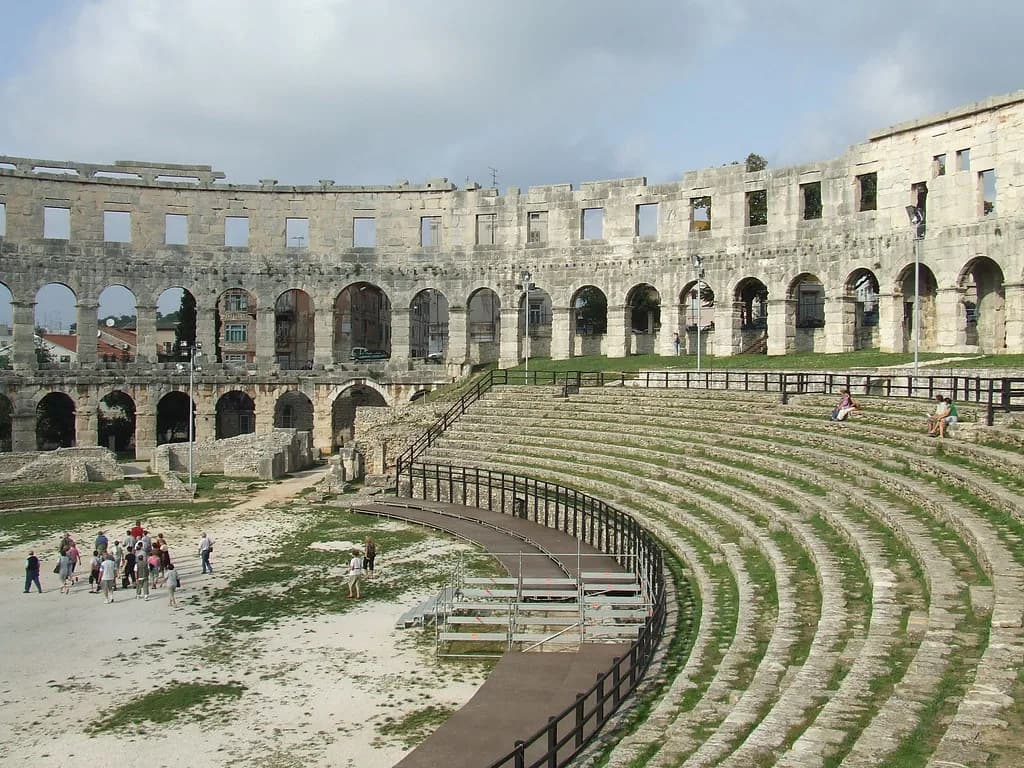
The biggest change is density: the old town, the Arena and the Forum are simply easier to move through, and you can often walk up to the amphitheater without the summer scrum. Even in peak season Pula is described as not feeling overcrowded, so October makes an already manageable city feel genuinely calm. That is the core argument for the month.
The trade-off is the wind-down. Travelers who have asked about visiting at the end of September and into October specifically wonder whether restaurants and buses are still running, which tells you the late-season question is real rather than imagined. Expect a thinner excursion and ferry program and some seasonal places scaling back as the month progresses, and build your days around the sights and walks that do not depend on a summer timetable.
Pula Arena and the old town
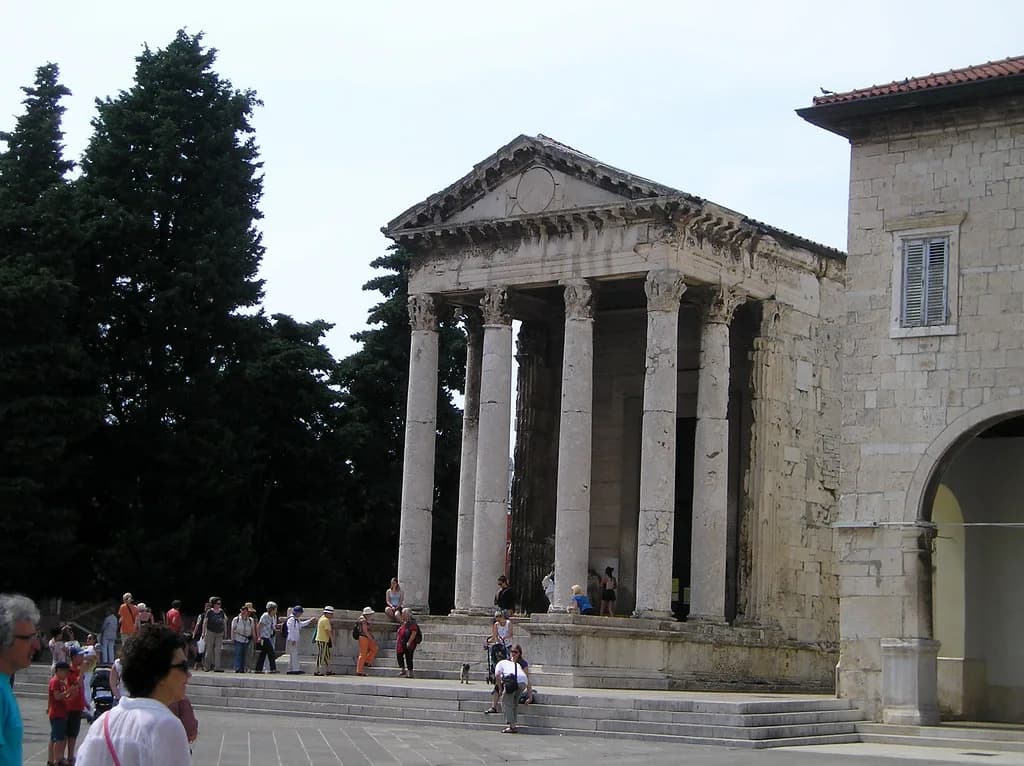
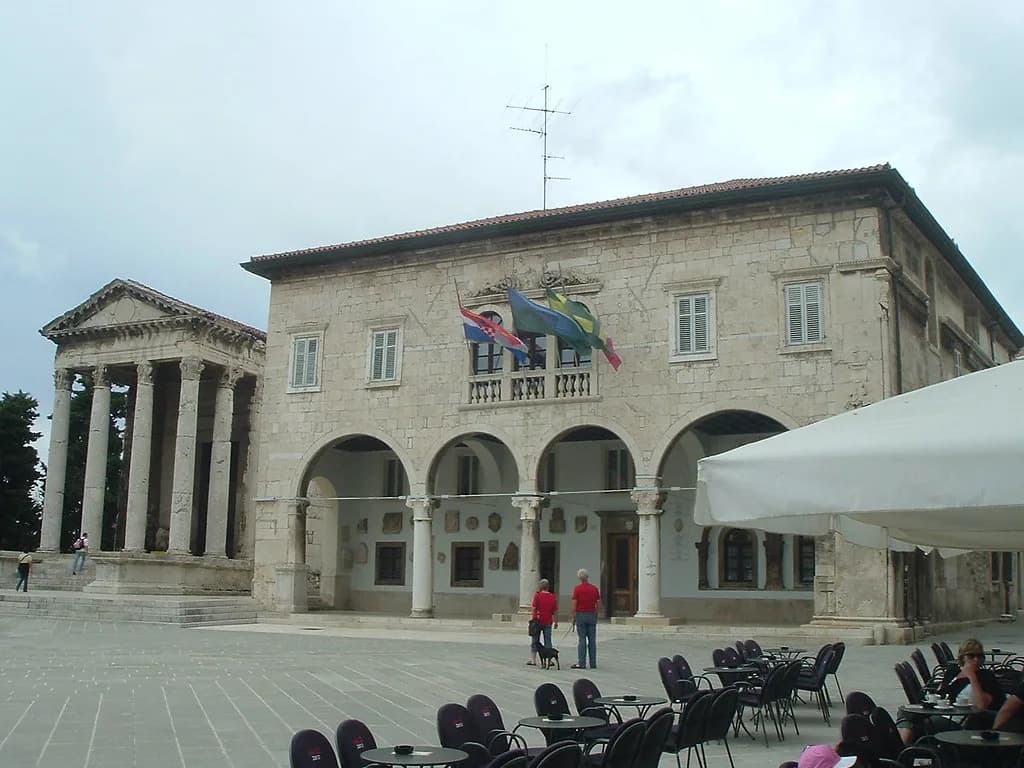
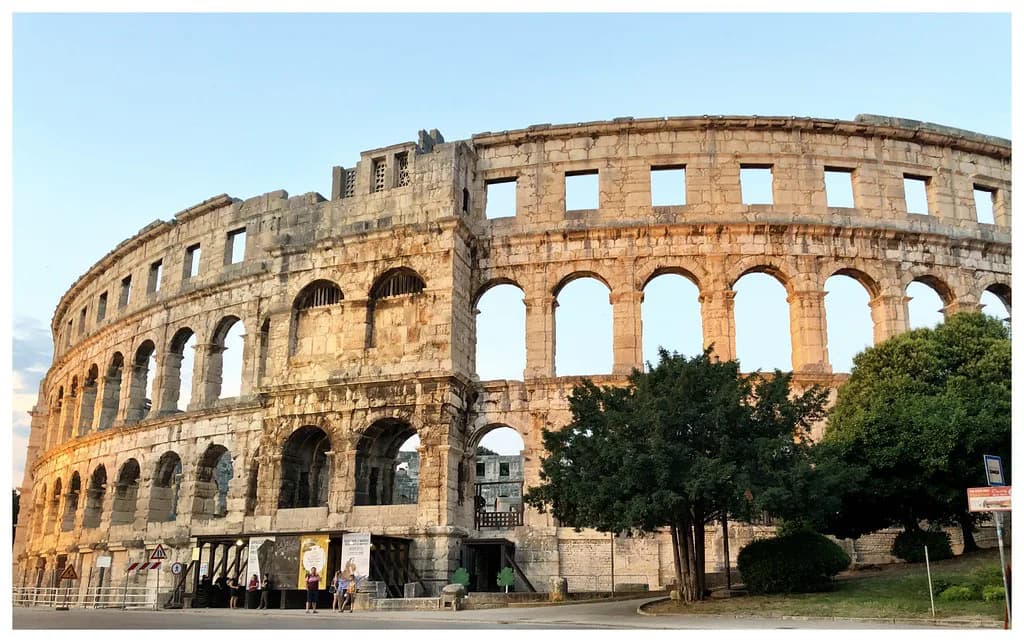
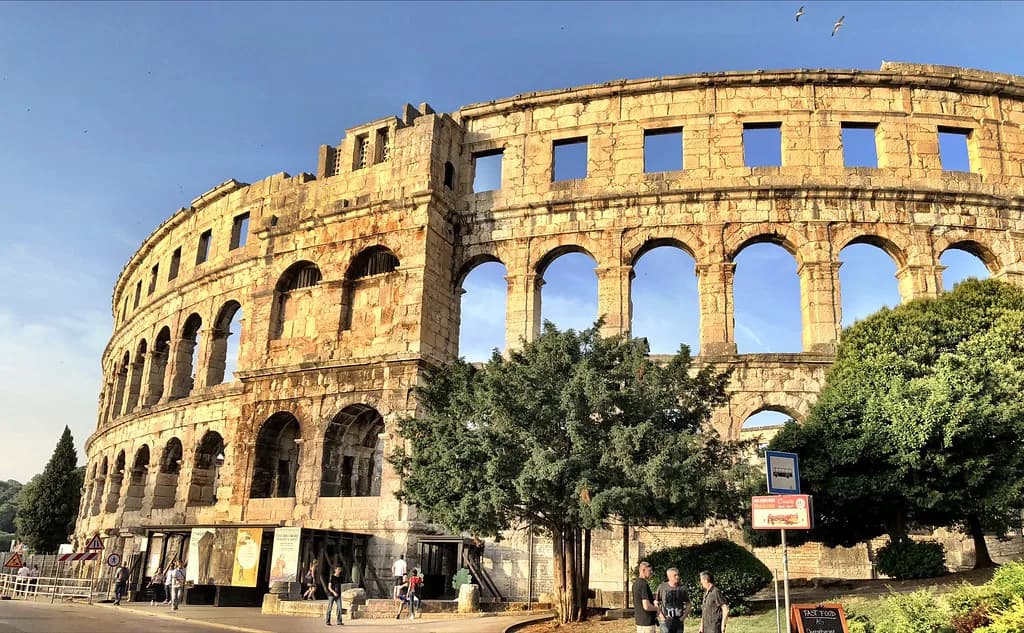
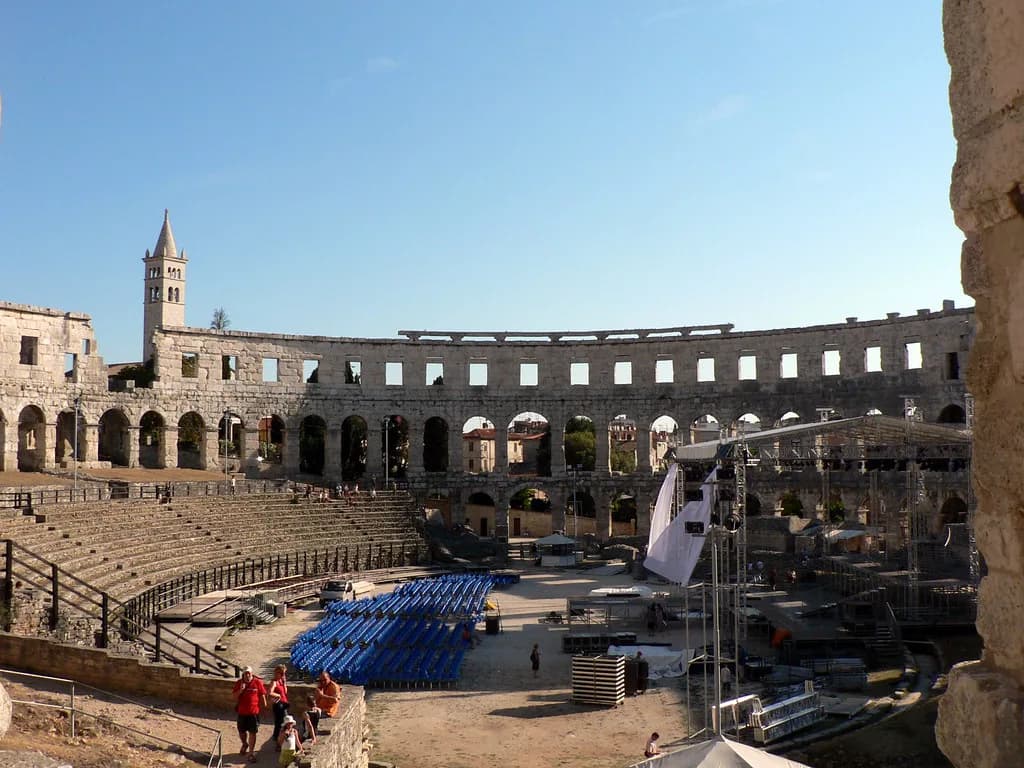
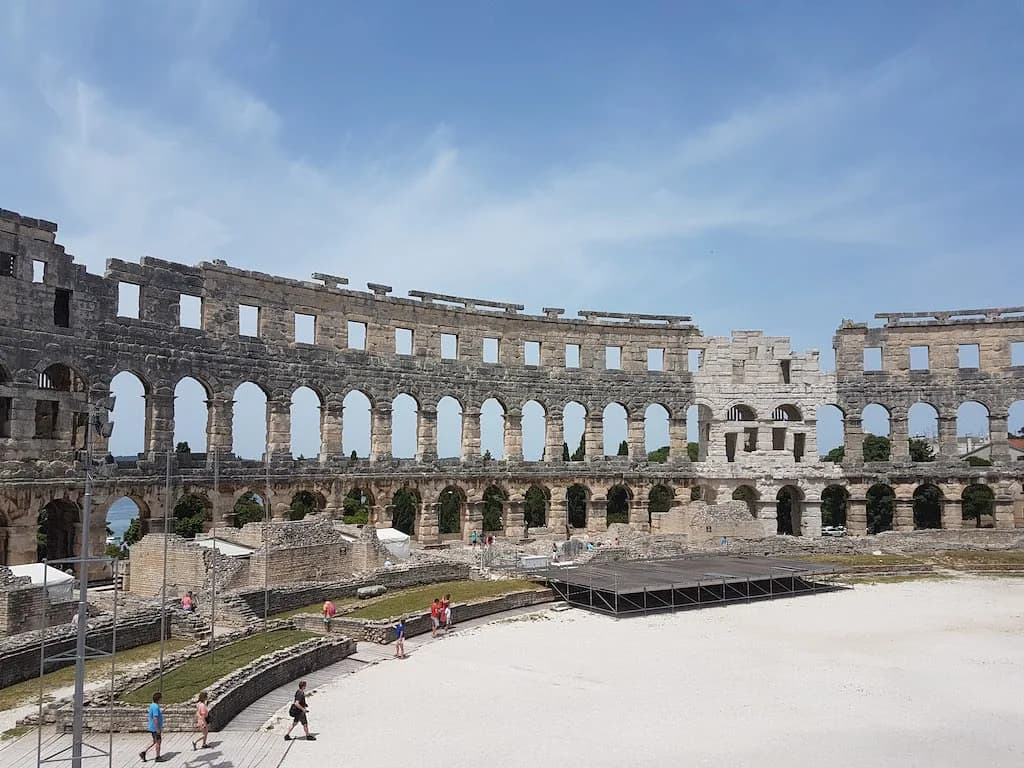
The Pula Arena is the reason many people come: a first-century amphitheater, among the best preserved Roman arenas anywhere, and older than the Colosseum. In October you get it without the summer crush, which matters because the pleasure here is walking the tiers and reading the stone rather than shuffling through. The adjacent old town then works as a compact loop: the Forum with the Temple of Augustus, the Arch of the Sergii as the old Golden Gate, and the lanes around them.
Allow a full day for the old town at an unhurried pace, with a long lunch in the middle, rather than trying to tick it off in two hours. The Aquarium Pula, housed in Fort Verudela, is a good wet-weather fallback and a solid choice with children when a rainy October day interrupts the plan. If you want the city at its liveliest, that is a summer story; the Arena's concert season belongs to the warmer months, not to October.
Day trips that still work
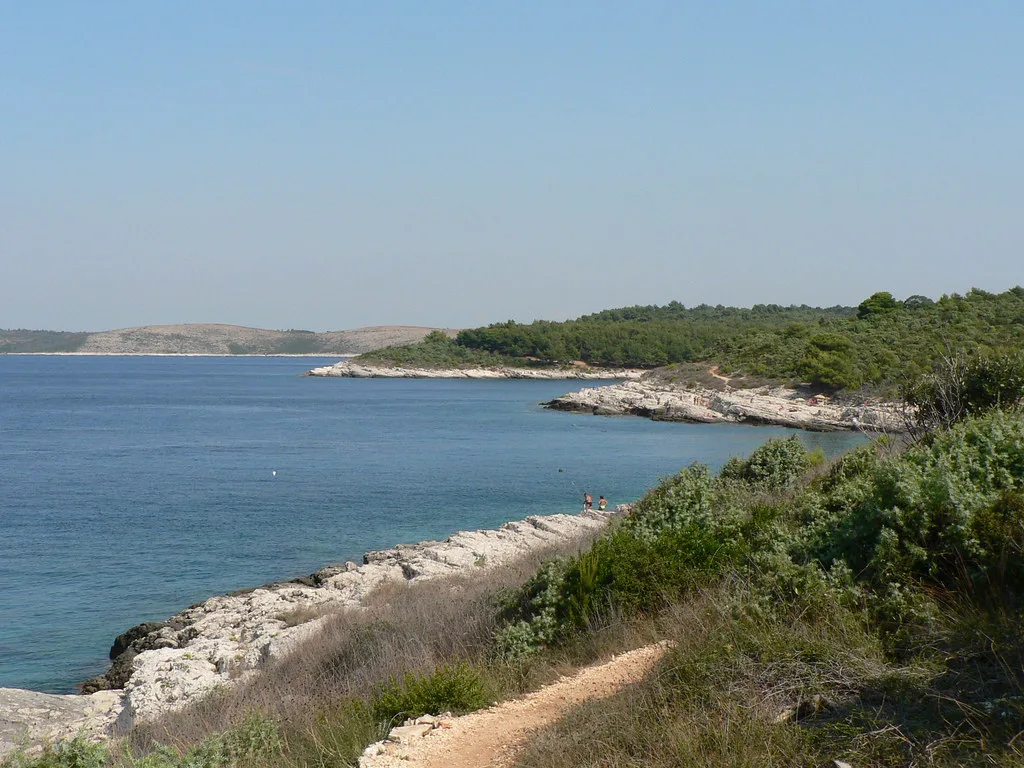
Brijuni National Park, the archipelago a short boat ride from Pula, remains the standout day trip, with its safari park, Roman villa remains at Verige Bay and dinosaur footprints. Treat the crossing and island transport as seasonal and confirm the day's boat and tour arrangements directly with the park before you build a day around them. Cape Kamenjak, the rugged southern tip of Istria near Premantura about a 40-minute drive from Pula, is the other classic, with a 30-kilometer coastline, coves and the sandy Mali Portic beach.
In October both reward walking and scenery more than sunbathing, and Kamenjak in particular is a place for a car, sturdy shoes and a windproof layer. Central Istria, with its hill towns, truffles and wine, is a strong third day and arguably better in cooler weather than in August heat. If you are considering a base in Poreč instead, our Poreč in October guidance covers how that town handles the same season, including the pull of the Euphrasian Basilica and the Parenzana trail.
Beaches around Pula in October
Verudela Peninsula is the most convenient beach zone, with Histria Beach for facilities and families and Hawaii Beach for rocks, pines and a younger crowd. Both are close to the Aquarium, which makes them easy to combine with a sightseeing morning when the weather cooperates. On the quieter Stoja Peninsula, Cyclone Beach offers pebbles and clear water a short drive from the old town.
For sand, Mali Portic at Kamenjak is the one to aim for, with a gentle entry that suits children and older swimmers, though it comes with the drive and, late in the season, a much quieter scene. Hidrobaza is the pick if you are traveling with a dog. In October, treat all of these as walking-and-picnic beaches first and swimming spots second, and check the day's conditions before committing.
How many days you need
Three days is the right minimum in October: one for the old town and Arena, one for Brijuni or Kamenjak, and one for central Istria or a slower coastal walk. Five days lets you do both Brijuni and Kamenjak without rushing and add Rovinj or Poreč. A day trip from another Istrian base is also viable if you only want the Roman core.
Because October days are shorter, resist the temptation to over-schedule. Two substantial activities a day, with a proper lunch, is a realistic ceiling once daylight starts to fade in the late afternoon. If your itinerary is mostly about the city rather than the coast, three days is genuinely enough.
Typical costs in October
Prices in Pula track the rest of coastal Croatia and are always higher in peak summer, so October sits below July and August on accommodation, and the month is generally cited among the cheaper times to travel. Croatia uses the euro, which simplifies budgeting. For a fuller breakdown of what things cost, see our guide to whether Pula is expensive.
The practical saving is not just the room rate: a calmer old town means less pressure to book the most popular tables and tours far ahead, and you can often decide the day before. Set your budget around food, a rental car for Kamenjak and central Istria, and any national park tickets, and confirm those ticket prices with the park directly.
Getting there
Pula Airport sits about a 15 minutes' drive from the center and has direct links to several European countries plus Dubrovnik, Zagreb and Zadar, though October connections are thinner than in summer. By road, the Istrian Y motorway brings you into southern Istria, with typical drives of around 2.5 hours from Ljubljana, 5 hours from Graz and 7 hours from Munich. Pula also has a central ferry port with services toward Venice, Trieste and Zadar, but these are seasonal, so check sailing times with the ferry companies before relying on them.
Having a car is the single biggest practical upgrade in October, because it opens Kamenjak, central Istria and Rovinj and spares you dependence on a reduced bus and excursion schedule. If you are arriving without one, plan around the old town on foot and book any Brijuni crossing in advance. Our guide to how to get to Pula covers the options in more detail.
October versus May and September
May is greener and often fresher, with the season building rather than fading, so you get growing energy and improving sea temperatures but a higher chance of cool, unsettled spells. September holds the warmest sea of the three and still feels like summer, which makes it the best of the shoulder months for swimming. October is the quietest and coolest, and therefore the best for ruins, walking and food with minimal company.
Pick by traveler type: swimmers and beach-first families should choose September; walkers, photographers and food-led travelers should choose October; and anyone wanting long days with the season still opening up should lean toward May. If you are comparing against the height of summer, Pula in August shows what the city looks like at full capacity.
Plan Your October Trip to Pula
October is the month to see Pula's Roman core at its most relaxed, provided you treat it as a walking and sightseeing trip with the beach as an occasional extra. Go early in the month if you want a realistic chance of a swim, and late if you want the quietest streets.
Build the trip around the Arena, the Forum, Brijuni and Kamenjak, allow three to five days, and check seasonal boat and excursion arrangements with the ferry and tour companies before you lock the itinerary. For entry formalities, use the official Croatian government pages once, then get on with the trip.
Explore more Pula trip-decision guides
Frequently Asked Questions
Is Pula warm in October?
Mild rather than hot. Expect changeable days and cool evenings, with Istria's cooler season running from about 5 to 13 °C (41 to 55 °F), so layers and a rain shell matter more than beachwear. Treat daily figures as averages and check the Croatian national weather service, DHMZ, for the actual outlook.
Can you still swim in Pula in October?
Yes, but as an opportunistic dip rather than a daily routine. The sea is at the cool end of the swimmable range and cools further through the month, so early October gives the best chance. Verudela and Stoja are the most convenient beaches for a quick swim close to the city.
Is Pula crowded in October?
No. The old town, the Arena and the Forum are noticeably calmer, and even in peak season Pula is described as not feeling overcrowded, so October makes an already manageable city feel quiet. Late October is the quietest stretch of the month.
Are restaurants and buses still running in Pula in late October?
The season is winding down, and travelers specifically ask whether restaurants and buses keep running into October. Expect a thinner excursion and ferry program and some seasonal places scaling back as the month progresses. Build days around sights and walks that do not depend on a summer timetable, and confirm boat and tour arrangements with the operator.
How many days do you need in Pula in October?
Three days is the right minimum: one for the old town and Arena, one for Brijuni or Kamenjak, and one for central Istria or a slower coastal walk. Five days lets you do both day trips without rushing and add Rovinj or Poreč. Shorter daylight means two substantial activities a day is a realistic ceiling.
Is October or September better for Pula?
September holds the warmer sea and still feels like summer, so it is the better shoulder month for swimming and beach-first families. October is quieter and cooler, which makes it the better pick for ruins, walking and food with minimal company. Choose by what you actually plan to do.
Sources
Trip-decision notes
Optional updates when we publish or revise a destination verdict.
You might also like
Continue reading
More guides you'll find useful