How to Get to Pula, Croatia: Flights, Buses and Ferries
The practical ways to reach Pula, Croatia, compared: the nearest airport and transfers, coach routes from Rovinj, Trieste and Zagreb, and the slow train.
On this page
Pula is easiest to reach by air into Pula Airport or by intercity coach from elsewhere in Istria, Trieste or Zagreb. The train is the weakest option for most travelers: rail access is slow and indirect, so it only makes sense if you are coming from Austria and want the journey itself.
The last leg matters more here than in most Croatian cities. Pula sits at the southern tip of the Istrian peninsula, so coastal towns like Rovinj and Poreč are close by road, while Venice, Zagreb and Split are long transfers. Deciding between a flight, a coach and a car comes down to how much luggage you carry and whether you plan day trips beyond the city.
The verdict
Fly into Pula Airport if your dates and budget allow it and you want the shortest transfer to the center. Take an intercity coach if you are already in Istria, arriving from Trieste or coming down from Zagreb, because the main bus station sits close to the old town. Choose a rental car only if day trips to hill towns and the coast are the point of the trip, since central parking is scarce and expensive.
Skip the train unless the ride from Austria is part of the plan. Rail into Pula is a long, scenic haul rather than a quick connection, and most travelers who compare it with a coach or flight end up choosing one of those instead. Wherever you land in the decision, the arrival options only make sense alongside a clear view of what the city offers, so read is Pula worth visiting before booking anything.
Where Pula sits in Istria and why the last leg matters
Pula occupies the southern tip of Istria, which shapes every arrival option. Rovinj is a short hop up the coast, Poreč is further north, and Trieste in Italy is a realistic approach point for the region. The airports at Venice, Zagreb and Rijeka all work as alternatives, but each adds a road transfer that can run to a few hours.
That geography means the cheapest ticket is rarely the cheapest arrival. A budget flight into a distant airport can cost more in transfer time and money than a slightly pricier connection into Pula itself. If you are still weighing bases on the peninsula, Rovinj vs Pula sets out how the two towns differ before you lock in a route.
Flying in: Pula Airport and the short transfer to the centre
Pula Airport is the closest and simplest air arrival. Direct airport shuttle buses run to coincide with flight arrivals and departures, and taxis or ride-shares are available for a faster, more expensive transfer, according to a Pula transport guide. That makes the airport the low-friction choice if your flight schedule lines up with the shuttle.
The trade-off is seasonal reach. Pula's flight network is thinner outside summer, so travelers arriving in spring or autumn may find better connections through larger airports and a road transfer down into Istria. Croatia uses the euro, so airport transfers and bus tickets can be paid in the same currency you will use for the rest of the trip.
Venice, Trieste, Rijeka and Zagreb airports as alternatives
Trieste is the most useful alternative airport for Istria, because it sits just across the border and coaches run directly to Pula. FILS operates a Trieste to Pula service that takes around two hours, which makes it a genuine arrival option rather than a workaround, according to CheckMyBus. The trade-off is that you trade a single short flight connection for a border crossing and a coach seat.
Venice, Rijeka and Zagreb airports all work but add distance. Venice involves a longer transfer along the northern Adriatic, Rijeka is closer but has a limited flight map, and Zagreb is a long road haul south to the peninsula. If you are weighing an arrival through Rijeka or Zagreb against a different coastal base, how to get to Rovinj and how to get to Poreč show how the same airports feed the rest of Istria.
Arriving by bus: the main bus station and who runs the routes
Pula's main bus station sits at Trg I istarske brigade 1, within walking distance of the old town, and a second stop at Giardini serves some arrivals closer to the center. Several operators serve the city, including Arriva, FlixBus, Autotrans, Brioni Pula and GoOpti, according to CheckMyBus. Which one you use depends mostly on your starting point and the time of day you travel.
Bus times and fares from Rovinj, Novigrad, Opatija, Trieste and beyond
From Rovinj, the coach is fast and cheap enough that there is little reason to drive. Arriva lists a Rovinj to Pula journey of around 12 minutes with fares from about $5, while slower services from the Sarižol stop take roughly half an hour, according to CheckMyBus. That makes Rovinj a practical base if you want both its old town and Pula's Roman sights on one trip.
From Opatija, FlixBus covers the run to Pula in about 2 hours 10 minutes, and the Trieste service on FILS takes around two hours. Longer approaches from Bosnia and Herzegovina and Austria appear on the same comparison, but the journey times stretch into many hours. Fares on these routes move with demand and season, so compare the day you actually travel rather than relying on a quoted figure.
Arriving by train: the Graz connection and what it involves
Rail into Pula is a slow, scenic option rather than a practical one. ÖBB services from Graz to Pula take roughly 9 to 11 hours depending on the connection, according to CheckMyBus, which is far longer than the equivalent coach or flight. The upside is the scenery through Austria and Slovenia and the absence of airport formalities.
Choose the train only if you are coming from Austria and want the ride to be part of the trip. From anywhere else in Croatia, the coach network is faster and more direct. Rail connections across the region are sparse, so build the journey around the published timetable rather than expecting a convenient departure.
Arriving by ferry and boat: the Brijuni Islands and coastal links
Ferries and boats matter less for reaching Pula than for what you do once you are there. The Brijuni Islands, a national park with beaches, forests and dinosaur tracks, lie a short boat journey from the city and are the standout water excursion, according to Skyscanner. Coastal links up the Adriatic exist, but they are not the primary way most travelers arrive.
If your trip leans on island hopping, plan the ferry legs around your time in Pula rather than the other way around. Boat schedules in the Adriatic thin out outside summer, so a shoulder-season visit may leave fewer crossings to choose from.
Driving to Pula: Istrian roads and parking in the centre
Driving gives you the most flexibility for Istrian hill towns, wineries and coastal stops, but it stops paying off inside Pula. Parking in the city center is scarce, expensive and often confusing, and summer traffic can cancel out the convenience, according to a Pula transport guide. Use paid garages or designated zones outside the core and walk in.
A sensible compromise is to arrive by coach or flight and rent a car only for the days you leave the city. That keeps you out of the parking problem on arrival day and still lets you reach Motovun, the Mirna River Valley and the coast. Croatia's motorway tolls and fuel are paid in euros.
Getting from the airport or bus station to your part of town
From the airport, the shuttle aligns with flights, while taxis and ride-shares like Bolt offer a quicker but pricier ride into town, according to a Pula transport guide. From the main bus station at Trg I istarske brigade 1, the old town, Forum and Arena are all within a 15-minute walk, though cobblestones make luggage awkward.
For the Verudela peninsula and its beaches, local Pulapromet buses connect the center with the resort area. Ride-shares are useful for late arrivals or heavy bags, but expect higher fares in peak season.
Getting around once you arrive: walking, Pulapromet buses and day trips
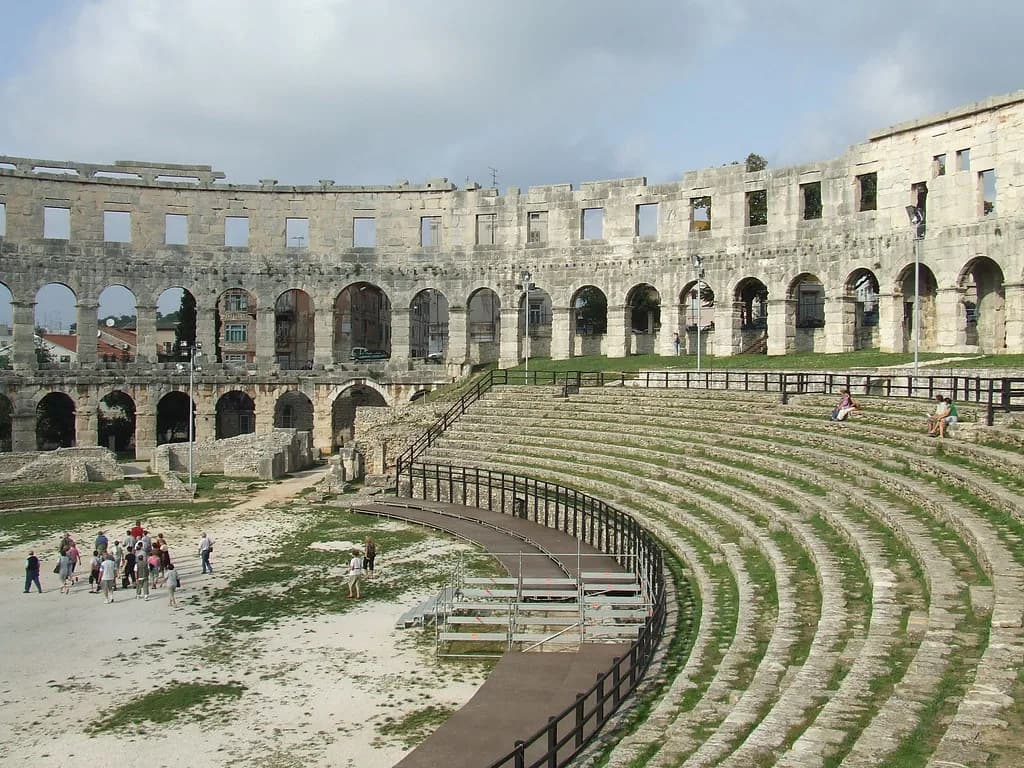
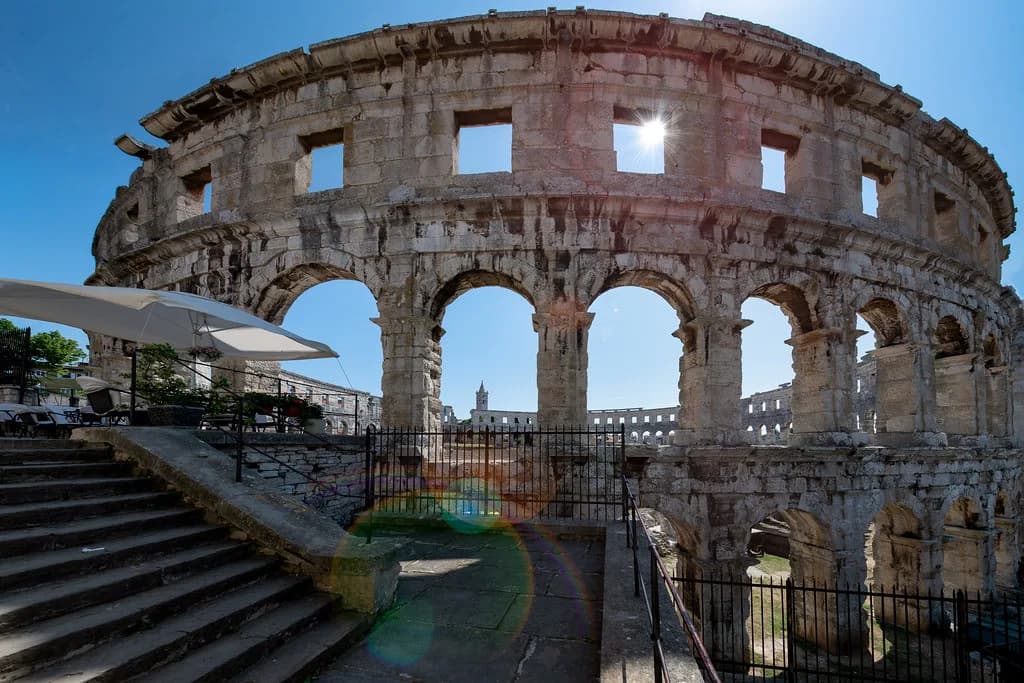
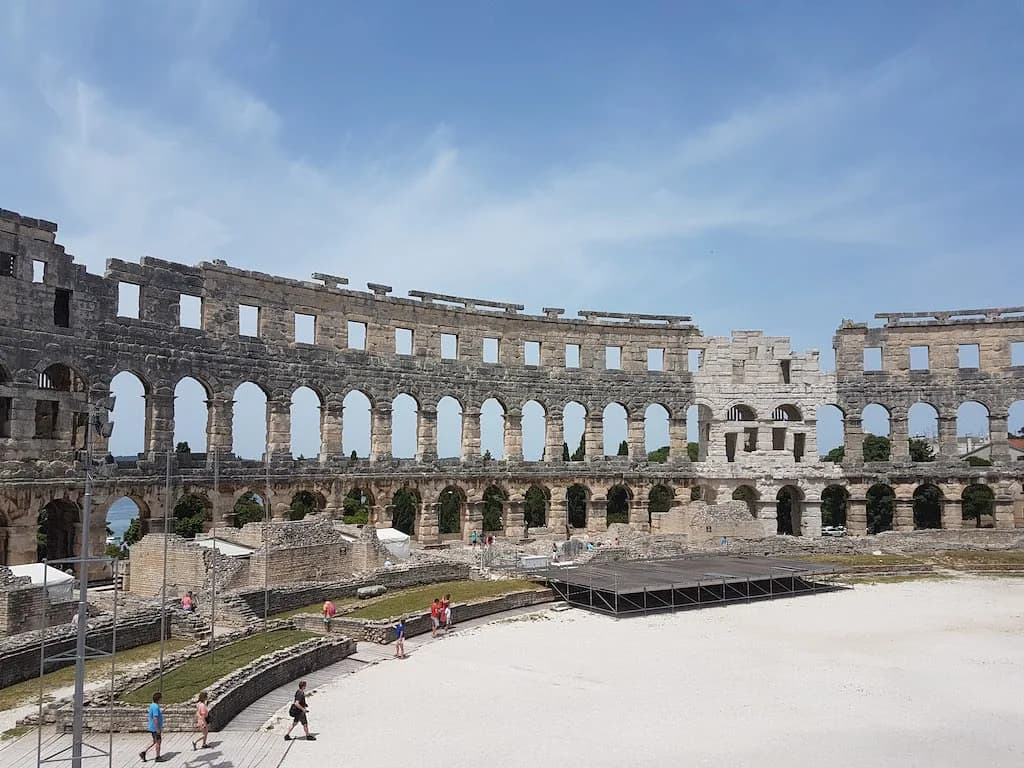
Pula's historic core, including the Arena, the Forum and the old town, is compact and best explored on foot. Pulapromet buses cover the city and its beaches, with tickets sold at kiosks, on board or through a mobile app, according to a Pula transport guide. Those local buses stay within the Pula area; coaches to Rovinj, Poreč and further afield leave from the main bus station.
Day trips are where a car earns its keep. Rovinj is around 40 minutes up the coast and Motovun about an hour north, both reachable by coach but easier by car if you want to stop along the way. If your timing is flexible, Pula in June and Pula in September pair warm weather with fewer crowds than midsummer, while Pula in April and Pula in October suit sightseeing over swimming.
How many days to allow and how arrival time shapes the plan
A long weekend covers the Arena, the Forum and a beach afternoon, while a full week lets you add Istrian hill towns and wine tasting, according to Skyscanner. Arrival time matters as much as length of stay: an evening flight or a late coach leaves you with a walk to dinner, while a morning arrival frees the whole first day.
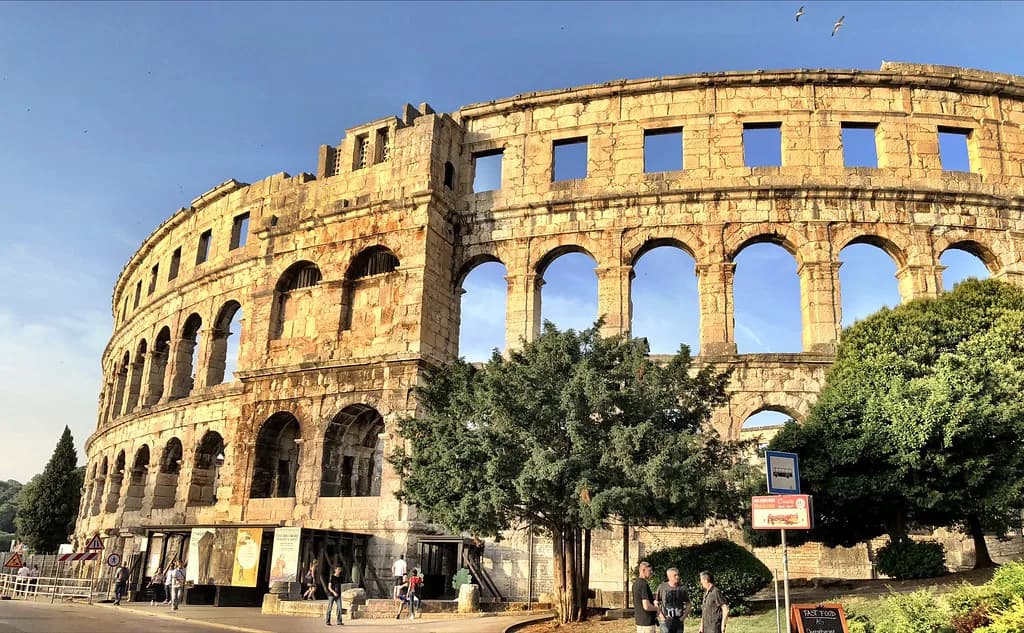
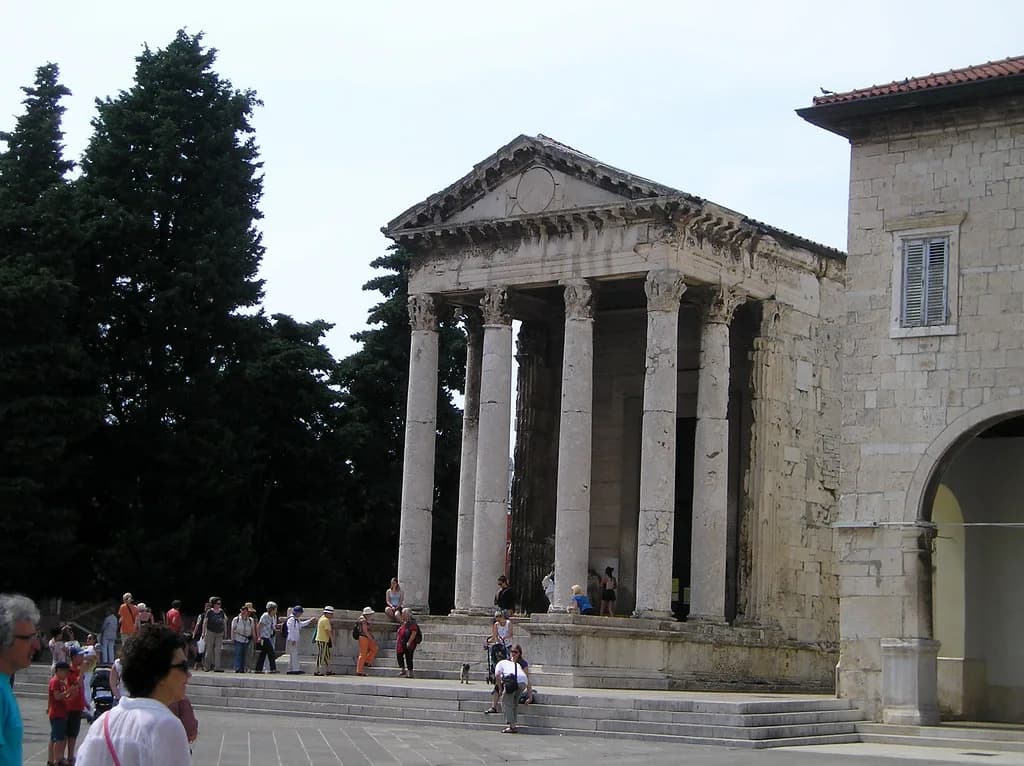
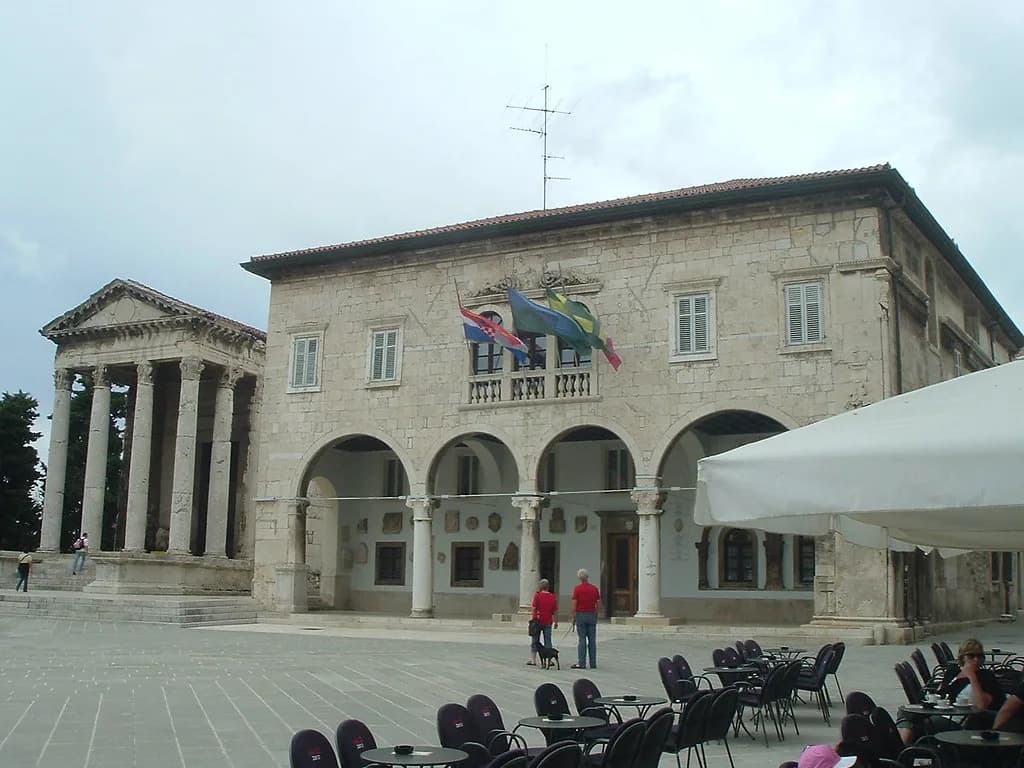
If you are coming for a specific reason, time the trip around it. Pula in July and Pula in August bring the festival season and the warmest sea, but also the highest prices and the densest crowds around the Pula Arena and the Temple of Augustus. Pula in May is a good compromise for sightseeing with comfortable temperatures.
Typical costs for each mode, in words and figures
Coaches are the cheapest way in, with short Istrian hops like Rovinj to Pula listed from about $5 and slightly longer runs from Novigrad or Opatija in the low double digits, according to CheckMyBus. Private transfers cost far more, and flying depends entirely on your origin and how far ahead you book.
Ground costs in Pula itself stay moderate by Croatian coastal standards. Expect lower restaurant prices than in Dubrovnik or Split, with an inexpensive meal around ten euros, a local beer about three euros and a short taxi ride about five euros, according to Skyscanner. For a fuller breakdown, is Pula expensive walks through what a trip actually costs.
Who should fly, who should bus, who should drive
Fly if your dates line up with a route into Pula Airport and you want the shortest transfer to the center. Take the coach if you are already in Istria, arriving from Trieste, or coming down from Zagreb, since the main station is close to the sights. Drive if your itinerary is built around hill towns, wineries and coastal stops rather than the city itself.
Travelers with tight schedules should avoid the train unless they are coming from Austria. Families with heavy luggage will find the airport shuttle or a pre-booked transfer easier than cobblestone walks from the station. Budget travelers who can be flexible on timing will usually find the coach the best value.
Verdict by traveler type
Solo travelers and couples on a short break should fly into Pula Airport or take a coach from Rovinj or Trieste, then explore the city on foot. Families with luggage do best with a flight plus shuttle or a pre-booked transfer, skipping the cobblestone walk from the bus station with heavy bags. Drivers should rent a car only for day trips and keep it out of the center.
Whichever route you choose, the arrival is the easy part; the real question is what you do with your days. Compare Pula with the rest of Istria on Rovinj vs Pula, and read is Pula expensive before you set a budget. For entry rules, use the official Croatian government pages once and plan the rest around your dates.
Frequently Asked Questions
What is the nearest airport to Pula?
Pula Airport is the closest air arrival, with shuttle buses timed to flight arrivals and departures plus taxis and ride-shares for a faster transfer into the center. Trieste across the Italian border is the most practical alternative, since direct coaches cover the run to Pula in about two hours. Venice, Rijeka and Zagreb airports all work but add a longer road transfer.
Can you get to Pula by train?
Yes, but rail is slow and indirect. The useful connection is from Graz in Austria, where ÖBB services take roughly nine to eleven hours depending on the connection. From elsewhere in Croatia the coach network is faster and more direct, so treat the train as a scenic journey for Austria-based travelers rather than a practical route.
Is there a direct bus to Pula from Rovinj or Trieste?
Direct coaches link both towns with Pula. The Rovinj run is short, with Arriva listing a journey of around twelve minutes from the main Rovinj bus station, while the FILS service from Trieste takes about two hours. Services arrive at Pula's main bus station at Trg I istarske brigade 1, a short walk from the old town.
How do you get from Pula Airport to the city centre?
Shuttle buses meet arriving flights and run into the center, and taxis or ride-shares are available if you want a quicker ride. The old town, Forum and Arena are compact once you arrive, so the transfer itself is short. Confirm the current shuttle times with the airport or your accommodation before you land.
Do you need a car in Pula?
No for the city itself: the Arena, Forum and old town are compact and best covered on foot, and Pulapromet buses reach the beaches on the Verudela peninsula. A car only earns its keep for day trips to hill towns like Motovun and the Istrian countryside, where central parking in Pula is scarce and expensive. Many travelers rent one just for those days.
How many days do you need in Pula?
A long weekend covers the Roman sights and a beach afternoon, while a full week lets you add Istrian hill towns and wine tasting. Arrival time shapes the plan as much as length of stay, since a morning arrival frees the whole first day and a late coach leaves only time for dinner.
Sources
Trip-decision notes
Optional updates when we publish or revise a destination verdict.
You might also like
Continue reading
More guides you'll find useful