How to Get to Poreč, Croatia: Airports, Buses and Ferries
Poreč has no airport or train station, so you arrive by air plus bus, car or boat. Realistic routes from Istria's airports and the coast.
On this page
You reach Poreč by road or sea, not by air or rail: the town has no airport and no train station, so every trip ends with a bus, a car or a boat along the Istrian coast. The nearest airport is Pula, at the southern tip of the peninsula; Trieste and Venice offer far more flights but add a border crossing and a longer transfer. Plan the final leg first, because that leg decides how smooth the day feels.
Poreč sits on the west coast of Istria, roughly midway between Pula and the Slovenian border, which is why the road network does the heavy lifting. Buses connect it to Rovinj, Pula, Zagreb, Rijeka and Ljubljana, and the coastal boats that ply the Adriatic give you a scenic alternative for part of the journey. What follows sorts the realistic routes by airport, then by bus, rail, car and boat, so you can pick the one that matches your luggage and your patience.
The verdict: easy by road, awkward by rail
Poreč is straightforward to reach if you accept a two-stage journey: a flight to Pula, Trieste, Venice, Rijeka or Zagreb, then a bus or car for the last stretch. It is genuinely awkward only if you insist on trains, because the rail network stops short of the town and leaves you finishing by bus or taxi from a nearby hub. For most travelers, the air-plus-bus combination is the cleanest answer, and a rental car is the upgrade that opens up the rest of Istria.
The trade-off is simple: fly to Pula for the shortest transfer, or fly to Trieste or Venice for more flight choice and cheaper fares at the cost of a border crossing and a longer drive. Anyone weighing whether the town justifies the effort should read our candid take on whether Poreč is worth visiting before committing to the routing. If the answer is yes, the logistics below are all manageable.
Where Poreč sits in Istria and why that shapes your route
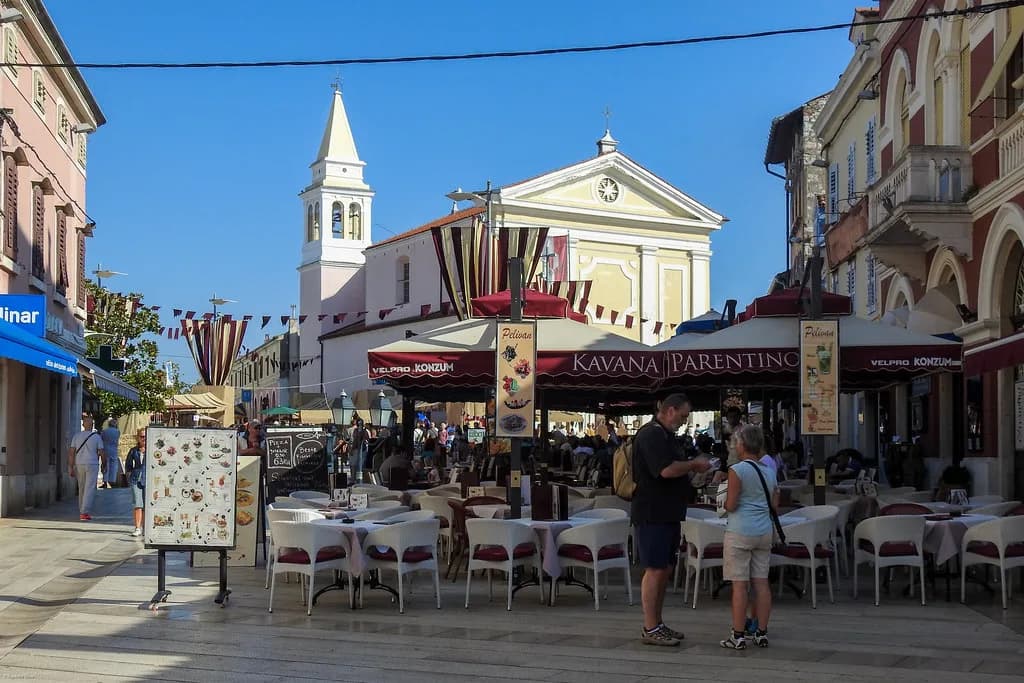
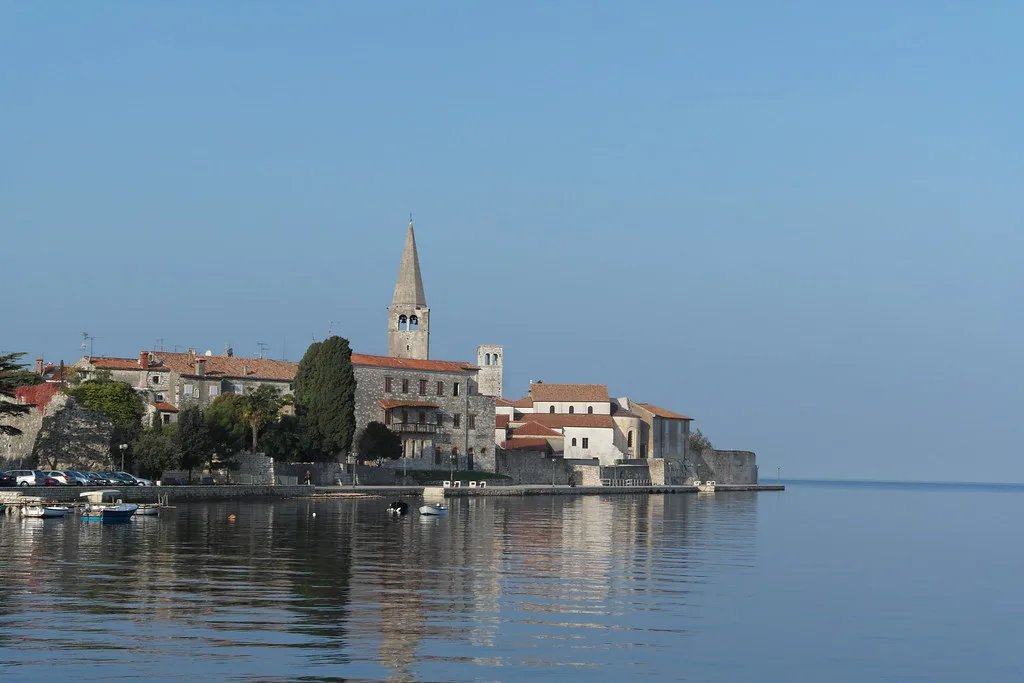
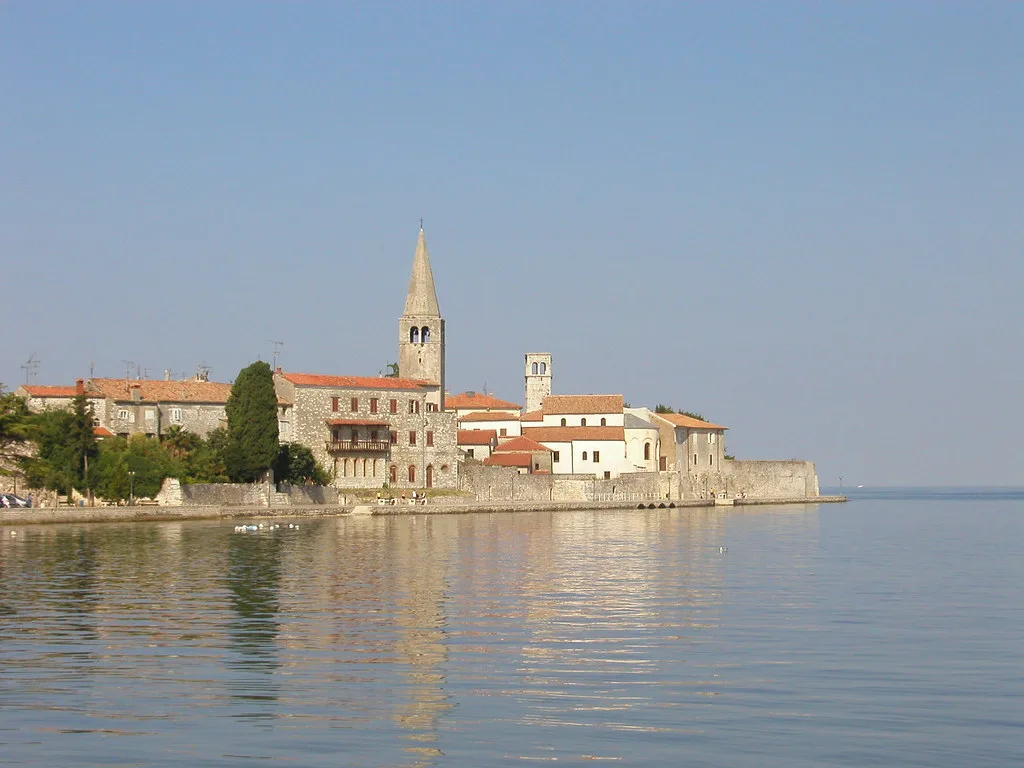
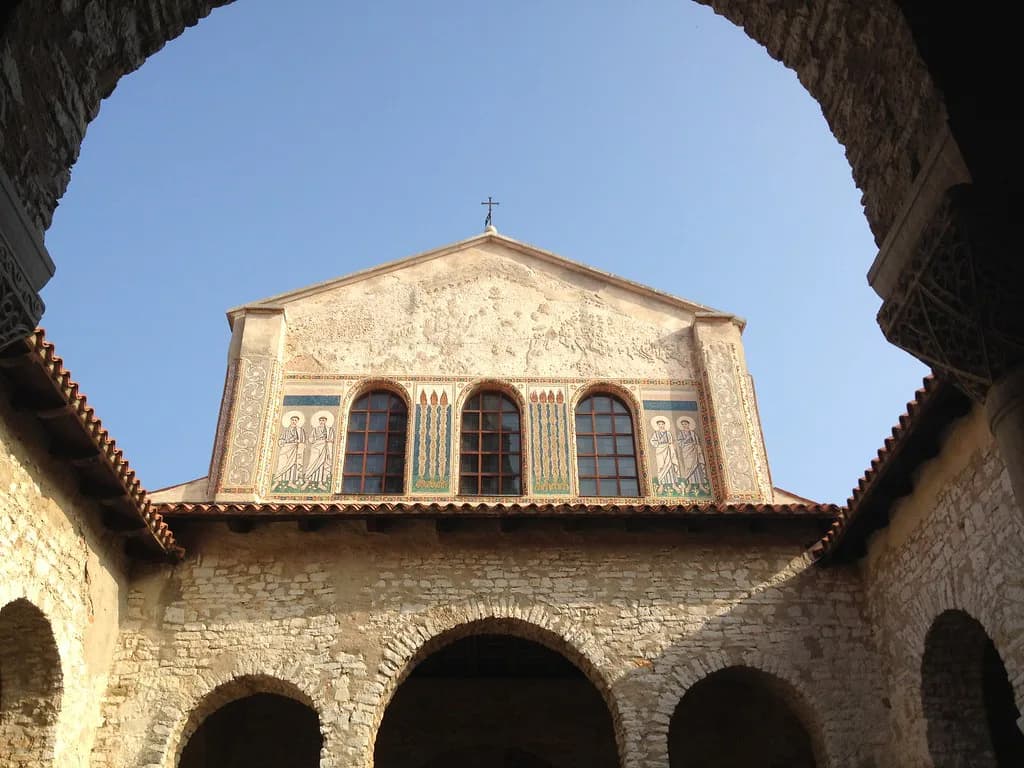
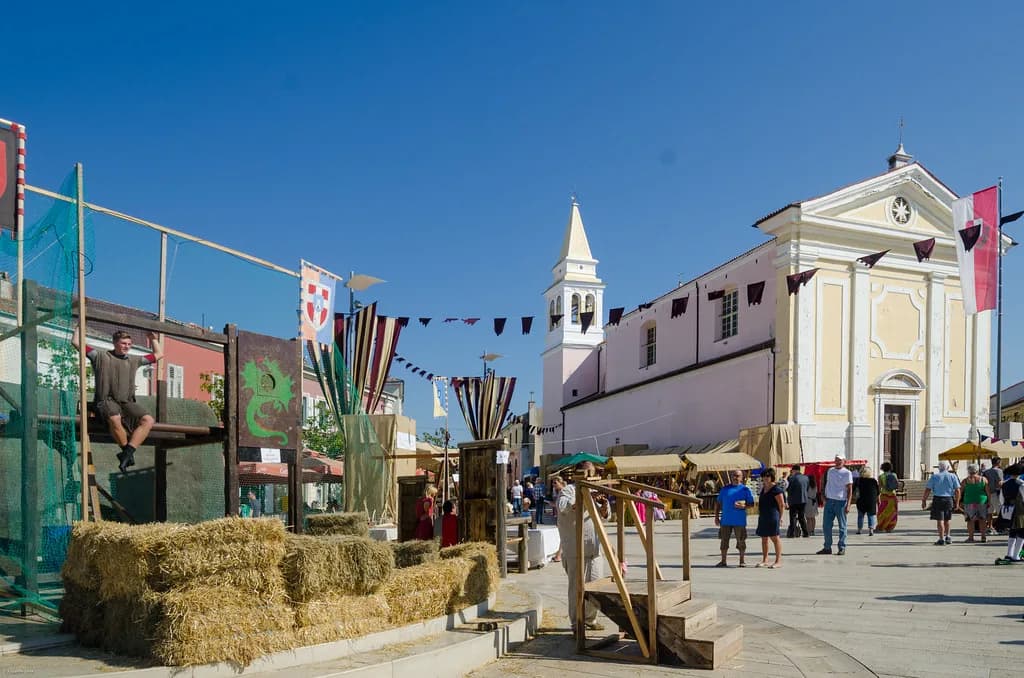
Poreč occupies a small peninsula on Istria's western shore, with a compact old town wrapped around the UNESCO-listed Euphrasian Basilica and a harbor that faces the open Adriatic Sea. That position puts it within easy reach of Rovinj to the south and Pula at the peninsula's tip, while the hill towns of the interior sit inland to the east. Because the coast road runs the length of the peninsula, almost every arrival route converges on the same corridor.
The practical consequence is that you rarely travel directly to Poreč from a major city; you travel to Istria and then along the coast. Buses and cars share that corridor, so the choice between them comes down to flexibility rather than speed. Travelers who want to combine Poreč with Rovinj or Pula should plan the sequence first, since a car makes those hops far easier than the bus network does.
Flying in: which airport to use
Four airports make sense for Poreč: Pula for proximity, Trieste and Venice for flight choice, and Rijeka or Zagreb as fallbacks when schedules or fares favor them. Pula wins on transfer time, Trieste and Venice win on connections, and Rijeka and Zagreb suit travelers who are already touring Croatia or arriving on a domestic flight. Pick the airport that matches your priority, then build the ground leg around it.
Whichever airport you choose, you finish the journey by road or sea. Rental cars are available at the larger airports, and long-distance buses link the bigger cities to Istria, but the final connection into Poreč is where planning pays off. Book the ground leg alongside the flight rather than leaving it to arrival day.
Pula Airport: the closest option
Pula Airport sits at the southern end of Istria and is the natural arrival point for Poreč, with the shortest road transfer of any airport serving the peninsula. It handles a modest roster of seasonal and year-round flights, so the trade-off is fewer connections than the Italian airports offer. If your dates and budget line up with a Pula flight, take it and skip the border crossing entirely.
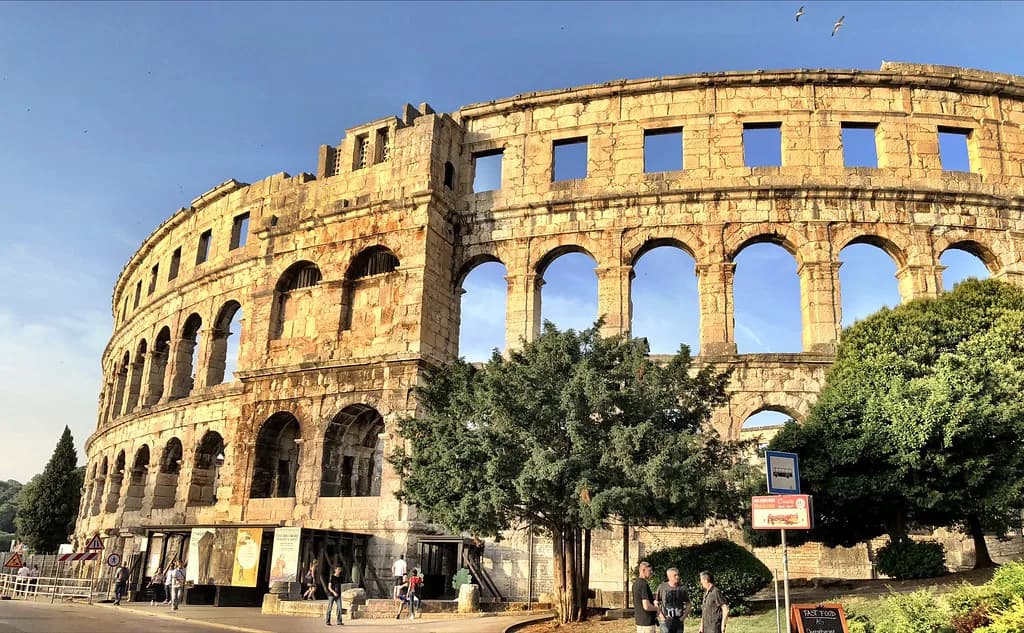
From Pula, you can pick up a rental car for the drive north along the coast or take a bus toward Poreč via the Istrian network. Pula itself deserves a stop for its Roman amphitheater, so arriving here also lets you split the trip between the two towns; our guide to how to get to Pula covers that airport in more detail. Travelers relying on public transport should treat the bus as the default and confirm departure points at the airport on arrival.
Trieste and Venice airports via Slovenia and Italy
Trieste and Venice airports give you far more flight options, including long-haul connections, but both routes cross into Croatia and add distance to the final leg. From Trieste you drive or ride south through Slovenia and over the border into Istria; from Venice the route is longer still, skirting the lagoon and following the coast east. The reward is flexibility and often better fares, and the cost is a border crossing and several extra hours on the road.
This route suits travelers with a rental car and a willingness to break the journey, perhaps with a night in Trieste or along the Slovenian coast. It suits public-transport travelers less well, because the connections multiply and each one adds risk to a late arrival. If you are flying into Italy, plan the crossing in daylight and keep the Poreč leg simple.
Rijeka and Zagreb as fallback arrival points
Rijeka, on the Kvarner Gulf, and Zagreb, in the interior, work as fallback airports when Pula, Trieste and Venice do not fit your schedule or budget. Rijeka is closer to Istria and connects by road around the gulf and across the peninsula; Zagreb is further inland but has the country's largest airport and the widest domestic network. Both involve a longer ground transfer than Pula, so they make most sense combined with a wider Croatian itinerary.
From Zagreb, long-distance buses run toward Istria, and the road route via Rijeka is the standard approach. From Rijeka, the coastal road leads west into Istria with Poreč as a natural stop. Neither is the fastest way to reach Poreč from abroad, but both are reliable ways to reach it from elsewhere in Croatia.
Airport transfers versus rental cars: the trade-off
A rental car gives you the most freedom: you can stop at hill towns, reach beaches that buses skip, and time your arrival to your flight. The trade-off is cost and responsibility, including fuel, tolls and parking in Poreč's old town, where space is tight. For a group or a family with luggage, the car usually wins on both convenience and cost per person.
An airport transfer or taxi is the low-effort option: someone else handles the border, the luggage and the navigation, and you arrive at your accommodation directly. It costs more per person for a solo traveler and less appealing for a group, and it gives you no flexibility once you are in Istria. Travelers staying only in Poreč and Rovinj often find buses and the occasional taxi sufficient, while anyone planning to explore the interior should rent.
Buses into Poreč and the Istrian network
Poreč has a bus station with connections along the Istrian coast and inland to the rest of Croatia and Slovenia, making buses the backbone of car-free travel here. Services link the town with Rovinj, Pula, Rijeka, Zagreb and Ljubljana, and the coastal run between Poreč and Rovinj is short enough for a day trip. Schedules thin out outside summer, so build in slack if you are connecting from a flight.
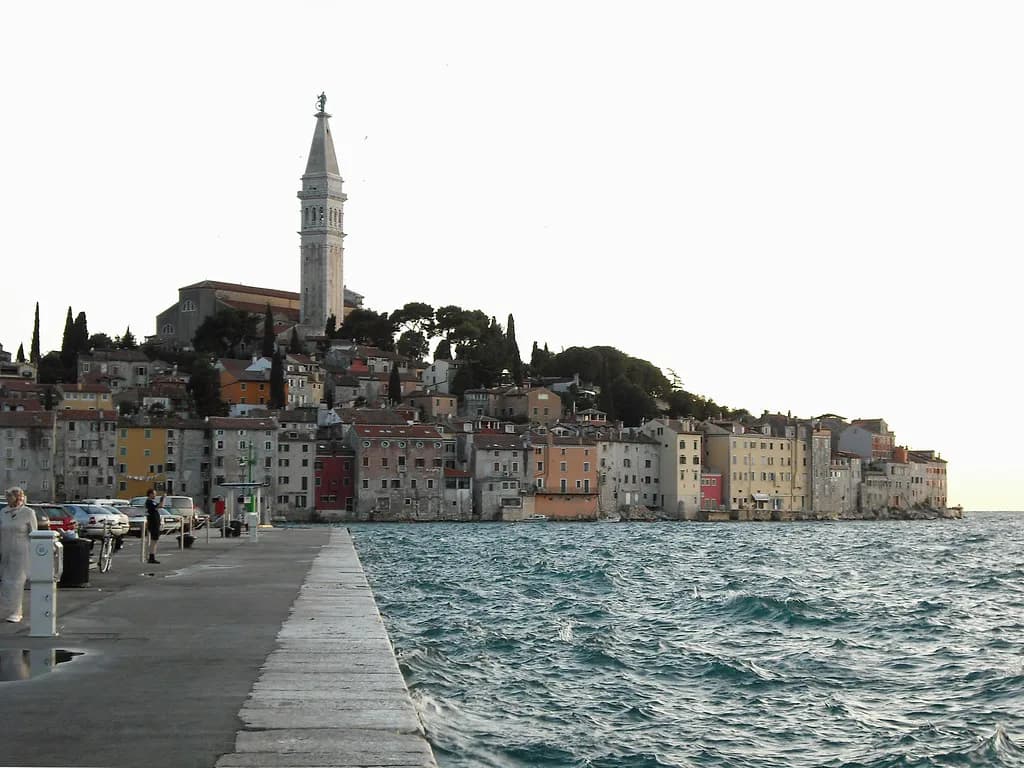
For Rovinj specifically, travelers report that the bus is a practical way to make the hop, and the coastal run between the two is short enough for a day trip. Our guide to how to get to Rovinj sets out the arrival options at the other end of that route.
Trains: why the rail option ends short of Poreč
Croatia's rail network does not reach Poreč, and Istria's rail lines serve the interior rather than the western coast, so a train will not deliver you to the town. The practical approach is to take a train as far as a connected hub, such as Rijeka or a station on the Istrian interior line, and finish by bus or car. That makes rail a reasonable choice for travelers coming from Zagreb or Ljubljana who prefer trains and do not mind the final transfer.
If you are set on rail, treat it as the first stage of a two-stage journey and book the bus leg in advance where possible. For most visitors the combination adds time without saving money, which is why the bus and car routes dominate. Rail makes best sense for slow travelers who value the journey itself.
Ferries and boats along the Istrian and Adriatic coast
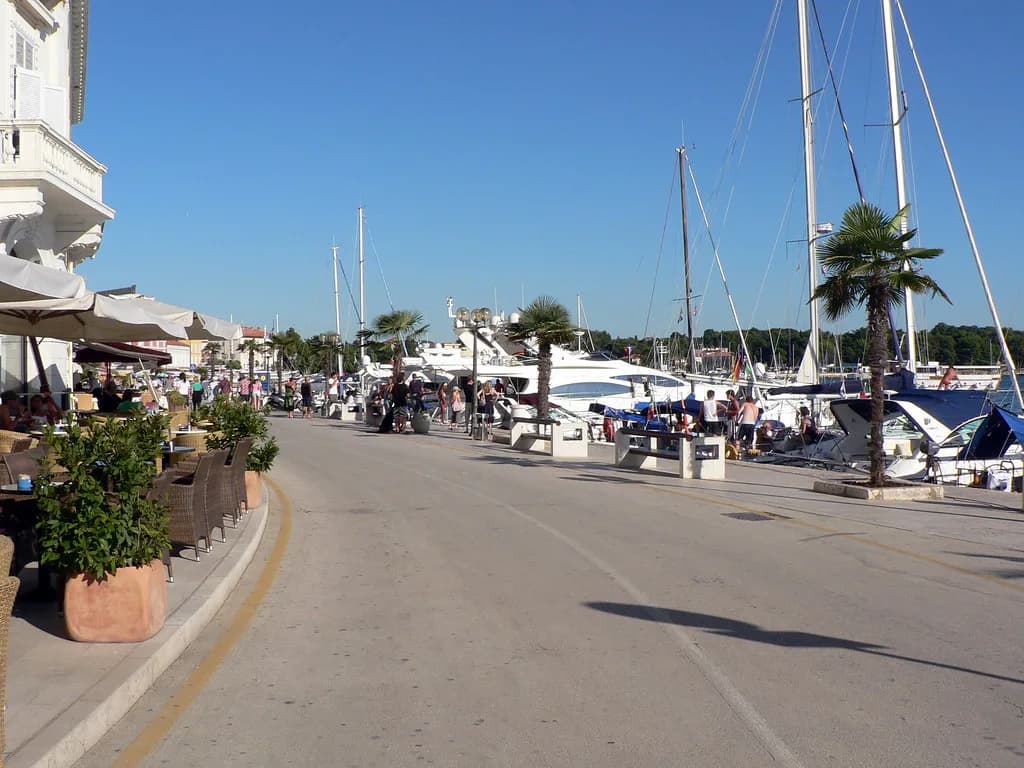
The sea is a genuine arrival option: coastal boats and excursion services along the Adriatic link Istrian ports and the wider Croatian coast, and arriving by water gives you the old town from the harbor side. Services are seasonal and weather-dependent, so treat them as a scenic complement to the road rather than a guaranteed connection. Check sailing days and current timetables before you build a trip around one.
For most travelers the boat is an add-on rather than the main route: a day trip from Poreč along the coast, or a crossing that connects with a larger itinerary. If you are coming from Italy by sea, the northern Adriatic crossings land at ports that then require a road leg to Poreč. Plan the boat as the memorable part of the journey, not the reliable one.
Driving yourself: tolls, vignettes and the Slovenian crossing
Driving to Poreč is simple in principle: motorways from Zagreb, Ljubljana or Trieste funnel traffic into Istria, and the peninsula's roads are good. Croatia charges tolls on its motorways, collected at booths or by ticket, and Slovenia requires a vignette for its motorway network, so budget for both if your route crosses Slovenia. Buy the vignette before you enter the motorway rather than at the border.
The border crossing between Slovenia and Croatia is part of the Schengen area, so checks are usually quick but can queue in summer holiday traffic. Carry your vehicle documents and rental agreement, and check the official Croatian government page for entry rules before you travel. Parking in Poreč is limited and paid in the center, so plan to park outside the old town and walk in, which is easier with a car than without one for the wider region.
Arriving from Rovinj, Pula, Zagreb, Ljubljana and Venice
From Rovinj, the coastal road and the bus make Poreč an easy half-day hop. From Pula, the drive or bus north takes you along the coast past Rovinj, making a natural two-stop itinerary. Both are short enough that Poreč works as a day trip from either town, though an overnight lets you see the old town without the midday crowds.
From Zagreb, Ljubljana or Venice, the journey is a proper half-day or more by road, so plan to arrive in the afternoon rather than squeezing it into a morning. Zagreb and Ljubljana connect by motorway through Slovenia, while Venice adds the Italian motorway network and a border crossing before Istria. Overnighting en route, in Ljubljana or Trieste, breaks the drive and turns the transfer into part of the trip.
Arriving with luggage, late flights or a first night elsewhere
Late flights into Pula, Trieste or Venice are the main risk in this journey, because the final bus or transfer may not run at night. The safe pattern is to spend the first night near the arrival airport or in a larger city, then travel to Poreč in the morning with the full day ahead. That is especially sensible for families and anyone landing after dark with checked bags.
Travelers with heavy luggage should favor a direct transfer or a rental car over multi-leg bus connections, since each change means hauling bags on and off. The old town's lanes are cobbled and narrow, which makes a drop-off near your accommodation worth arranging in advance. Car-free travelers can manage with a wheeled bag and a short walk, but should keep the number of connections to one.
Getting around once you are in Poreč
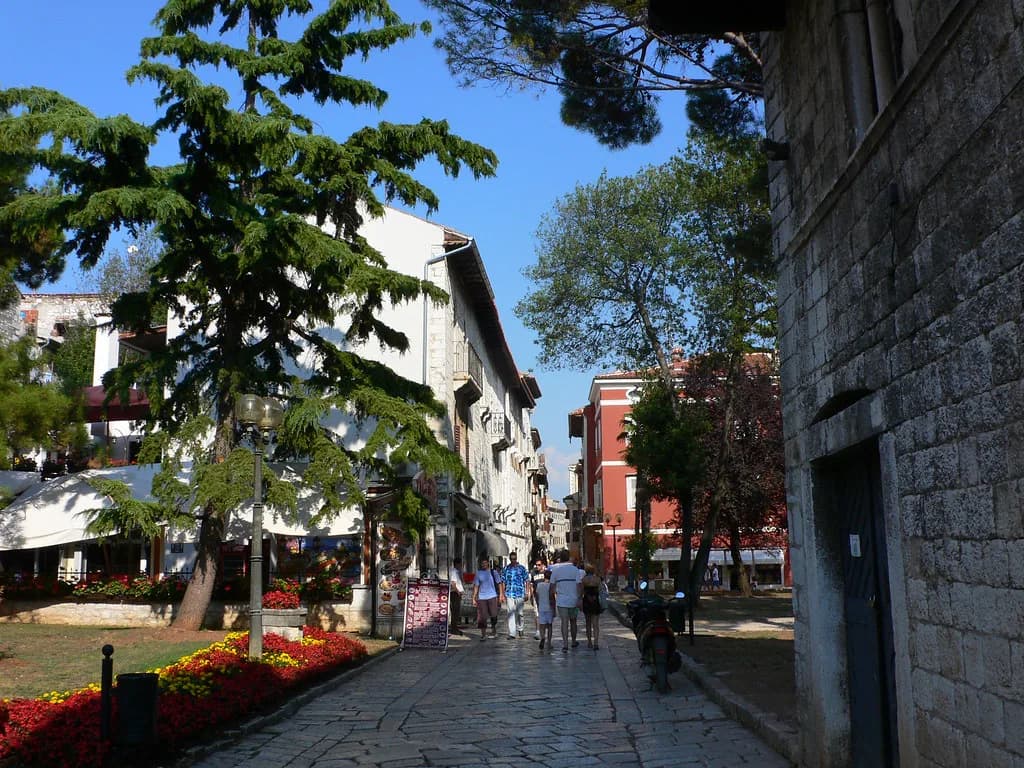
Poreč itself is small enough to explore on foot: the old town, the harbor and the Euphrasian Basilica sit within a short walk of each other. For beaches and the surrounding coast, local buses, taxis and boats fill the gaps, and a rental car helps only if you plan to leave town. Most visitors find that a car parked outside the center is a liability during their days in Poreč and an asset only for day trips.
Beyond the town, the Istrian interior and the coast are best reached by car or organized excursion, since rural bus service is thin. Cyclists will find quiet lanes and marked routes, and the sea offers boat trips along the shore. Whether you linger longer depends on the season: Poreč in May is quiet and green, while Poreč in September keeps the warm Adriatic Sea with fewer crowds, so the same town rewards different lengths of stay.
How much time to allow door to door
Budget by origin rather than by distance: from Pula, a morning is enough to land, collect bags and reach Poreč by road in time for lunch. From Trieste or Venice, count on most of a day once you add the border, the drive and any stops, and from Zagreb or Ljubljana plan a half-day of driving. Add a buffer for summer traffic on the coastal road and at the border.
The return leg deserves the same allowance, particularly if you are catching a flight from Italy. Travelers who build in a night near the airport on either end rarely regret it, and those who try to connect an afternoon flight to a morning bus often do. Think of the journey as part of the holiday rather than dead time, and the planning becomes easier.
Who should pick a different base
If you want a car-free beach holiday with frequent boats and buses, Poreč works well, but Rovinj offers a denser old town and more evening life within walking distance of the waterfront. If you are flying long-haul into Venice and want to minimize ground time, base yourself closer to the Italian border or in Trieste. And if your main interest is Istria's hill towns and wine roads, a car and a base inland will serve you better than the coast.
Plan Your Visit
The route that suits most travelers is a flight to Pula followed by a bus or rental car north along the Istrian coast, with Trieste and Venice as the flexible alternatives when flight choice matters more than transfer time. Book the ground leg with the flight, keep the number of connections low, and leave room for the border and the summer traffic. Once you are in Poreč, the town is small, walkable and best seen without a car in the center.
Decide first whether the town earns your time, then choose the airport that fits your budget and patience. From there, the rest is a matter of a bus ticket, a rental key or a boat schedule, and the journey becomes a pleasant prelude to the Euphrasian Basilica and the harbor.
Frequently Asked Questions
Which airport should I fly into for Poreč?
Pula Airport is the closest, with the shortest road transfer to Poreč and no border crossing. Trieste and Venice have more flights and often better fares, but they add a border crossing and a longer drive. Rijeka and Zagreb work as fallbacks if you are already touring Croatia.
Can you get to Poreč by train?
No, the rail network does not reach Poreč, and Istria's lines serve the interior rather than the western coast. The practical approach is to take a train to a connected hub such as Rijeka and finish by bus or car. For most visitors, the bus or a rental car is simpler.
Is there a ferry to Poreč?
Coastal boats and excursion services along the Adriatic link Istrian ports and the wider Croatian coast; they are seasonal and weather-dependent. Treat them as a scenic complement to the road, not a guaranteed connection, and check sailing days before planning around one.
How long does it take to get to Poreč from Rovinj?
The coastal bus is the standard way to make the hop and is short enough for a day trip. Travelers also walk between the two along the promenade and through pine forests, a route of roughly 20 to 30 minutes. With luggage, take the bus.
Do I need a car in Poreč?
Not for the town itself, which is compact and walkable, with the old town, harbor and Euphrasian Basilica close together. A car helps for Istria's hill towns, beaches and wine roads, but parking in the center is limited. Rent one for day trips rather than for your days in town.
How do I get from Pula Airport to Poreč?
Pick up a rental car for the drive north along the coast, or take a bus into Pula and connect toward Poreč on the Istrian network. A pre-booked transfer is the low-effort option with luggage. Check departure points at the airport on arrival, since schedules vary by season.
Sources
Trip-decision notes
Optional updates when we publish or revise a destination verdict.
You might also like
Continue reading
More guides you'll find useful