Rovinj vs Pula: Which Istrian Town Fits Your Trip
Rovinj wins on looks and Pula on Roman ruins and space. Compare crowds, beaches, day trips and costs to pick the right Istrian base for your trip.
On this page
Rovinj is the better base for a short, scenic Istrian trip; Pula is the better base for Roman monuments, more space and a working-city feel that does not revolve entirely around visitors. Pick Rovinj if you want a compact peninsula of alleys, a harbour and a church spire that you will photograph a hundred times. Pick Pula if you want temples, arches and theatres from antiquity within a few blocks of your coffee, and you do not mind a bigger, less polished city around them.
The verdict: Rovinj for scenery and a compact old town, Pula for Roman monuments and a working-city feel
The split is not close once you know what you want. Rovinj is a Venetian-era fishing town wrapped around a hill, where the reward is atmosphere: the harbour, the tight alleys and the baroque church spire above the rooftops. Pula is a larger harbour city with an industrial edge, and its reward is the density of Roman fabric that a history-focused traveler can stretch across several days.
If you have two nights and want the postcard, choose Rovinj and do not apologise for it. If you have three or four nights, care more about temples and amphitheatre masonry than about a photogenic skyline, and want a city that still functions outside July and August, Pula pays you back.
Character and scale: a Venetian fishing town on a peninsula versus a larger harbour city with an industrial edge
Rovinj sits on a peninsula, and that shape defines the visit: you walk the whole historic core in an afternoon, then spend the next two days finding the parts you liked. Its long Venetian period, roughly the 13th to 18th centuries, left the old walls and the crowded houses that make the profile so recognizable from the water.
Pula is bigger, flatter in feel and less precious about its own image. That is a virtue if you want a normal Croatian city with a market, suburbs and shipyard history alongside the antiquities, and a drawback if you came for narrow lanes and sunset terraces over the sea.
What you actually see in Rovinj: St. Euphemia's baroque church and spire, the harbour, the tangle of alleys behind it
St. Euphemia Church stands at the centre of the peninsula, high above the houses, and its baroque spire works as a beacon from well outside town. Below it, the harbour has been the town's commercial heart for centuries, and the best hour of any Rovinj day is a slow loop of the quay watching the fishing boats and the occasional sailing yacht.
Behind the waterfront, the alleys are genuinely intricate, and tourism has not buried the place in trinket shops to the same degree as many Adriatic towns. Walk without a route, look up at the stone, and stop where the fish smells honest; the catch is typically landed the same morning.
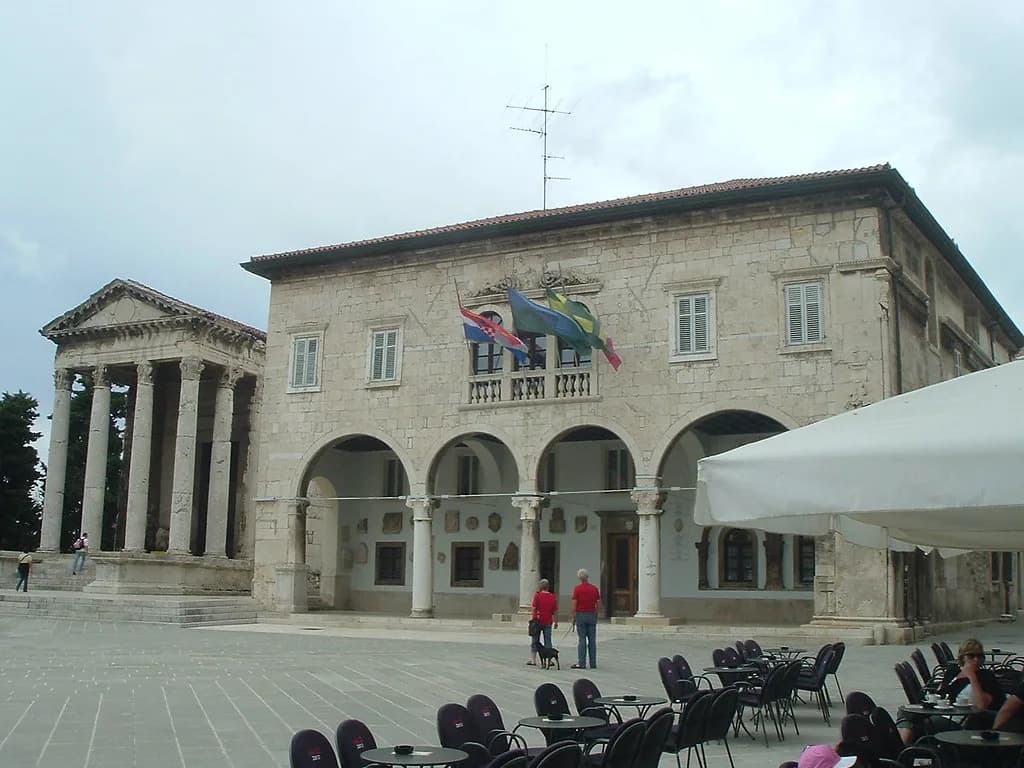
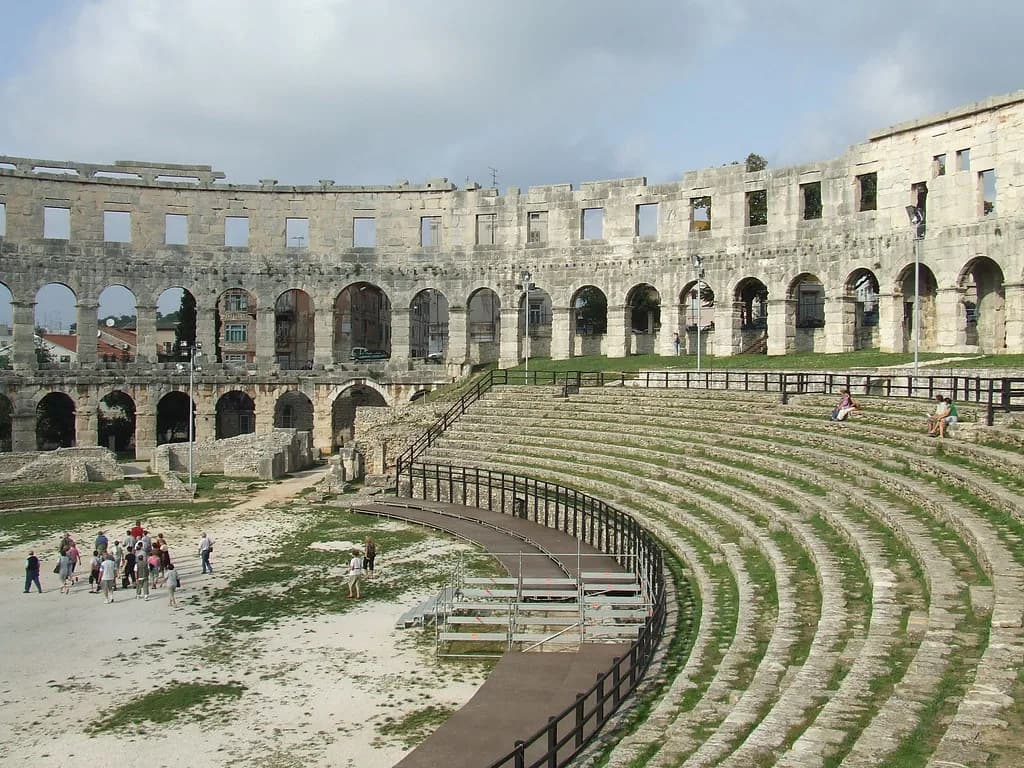
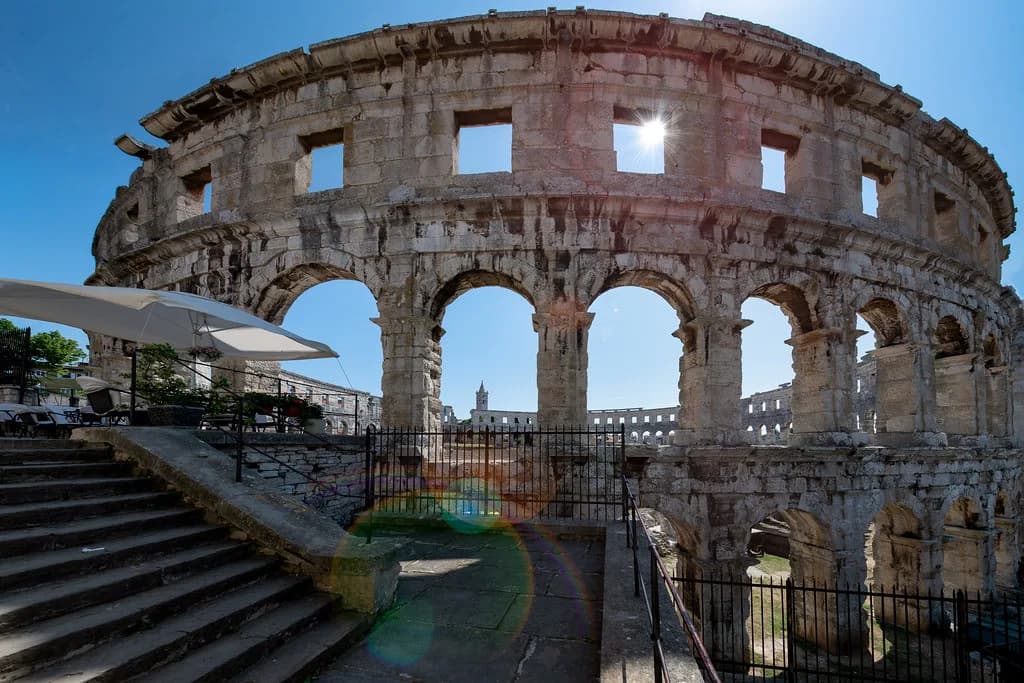
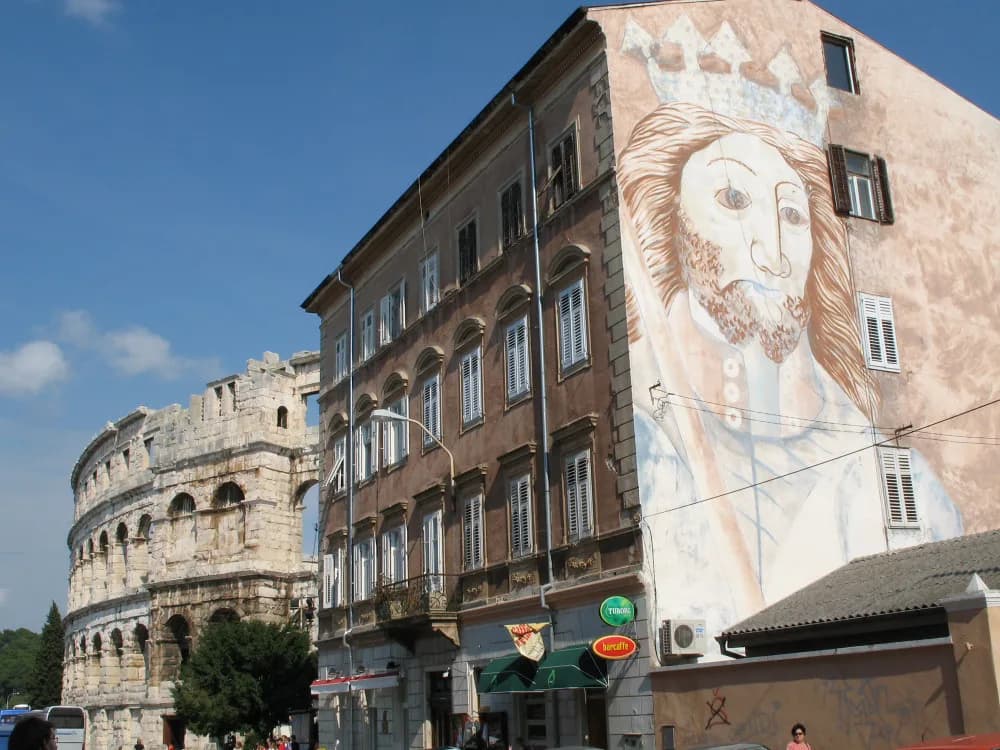
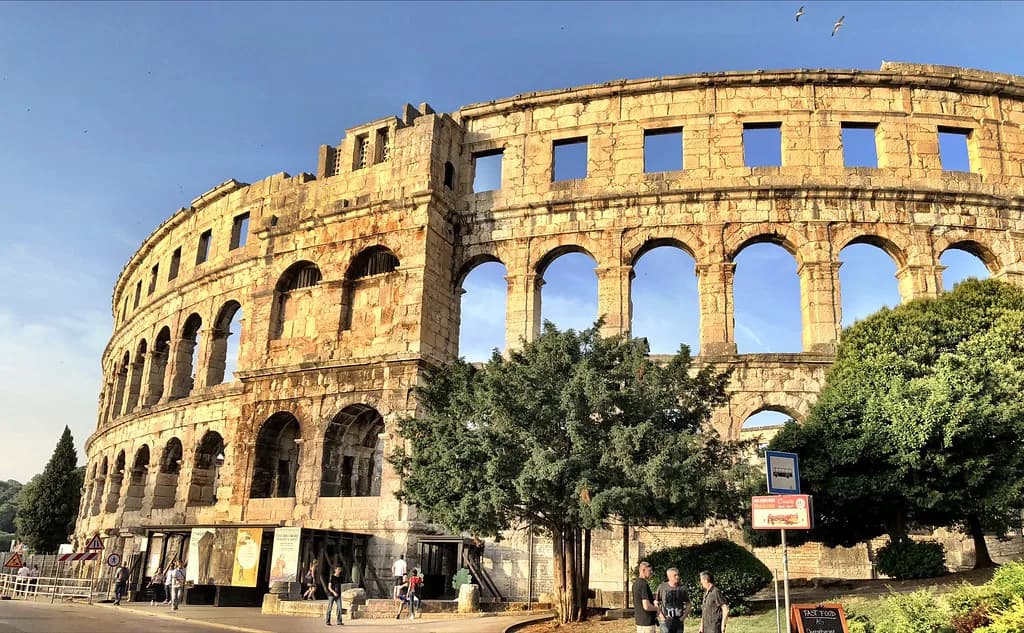
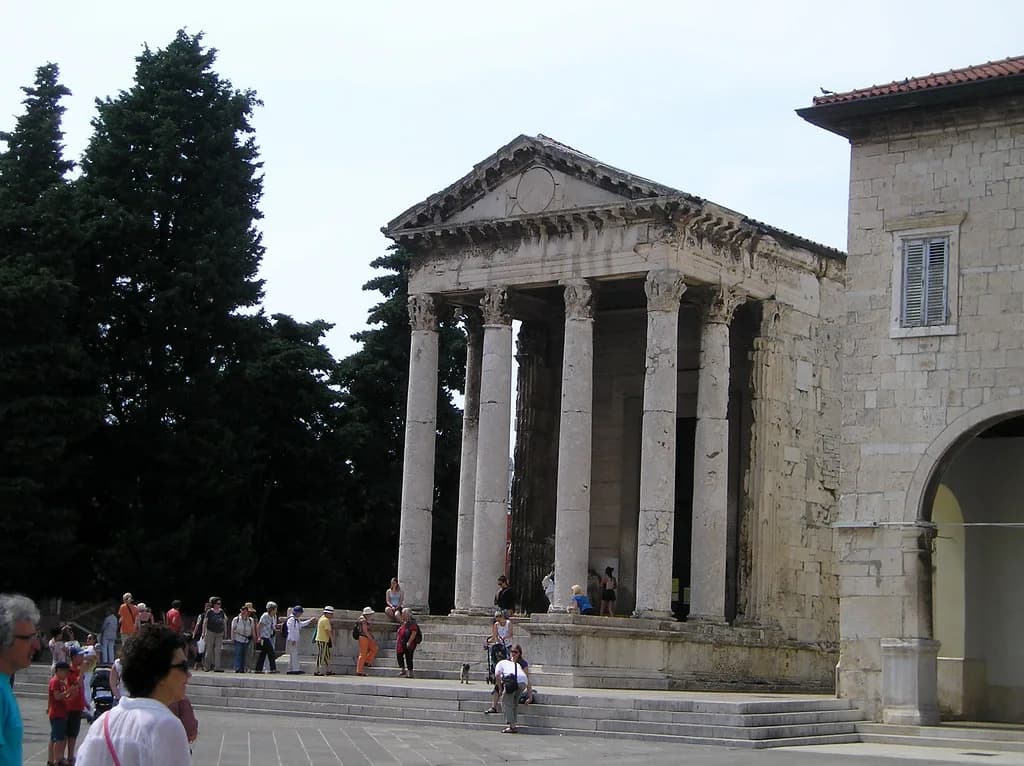
What you actually see in Pula: the first-century Temple of Rome, the Arch of the Sergii, the Roman forum and two Roman theatres
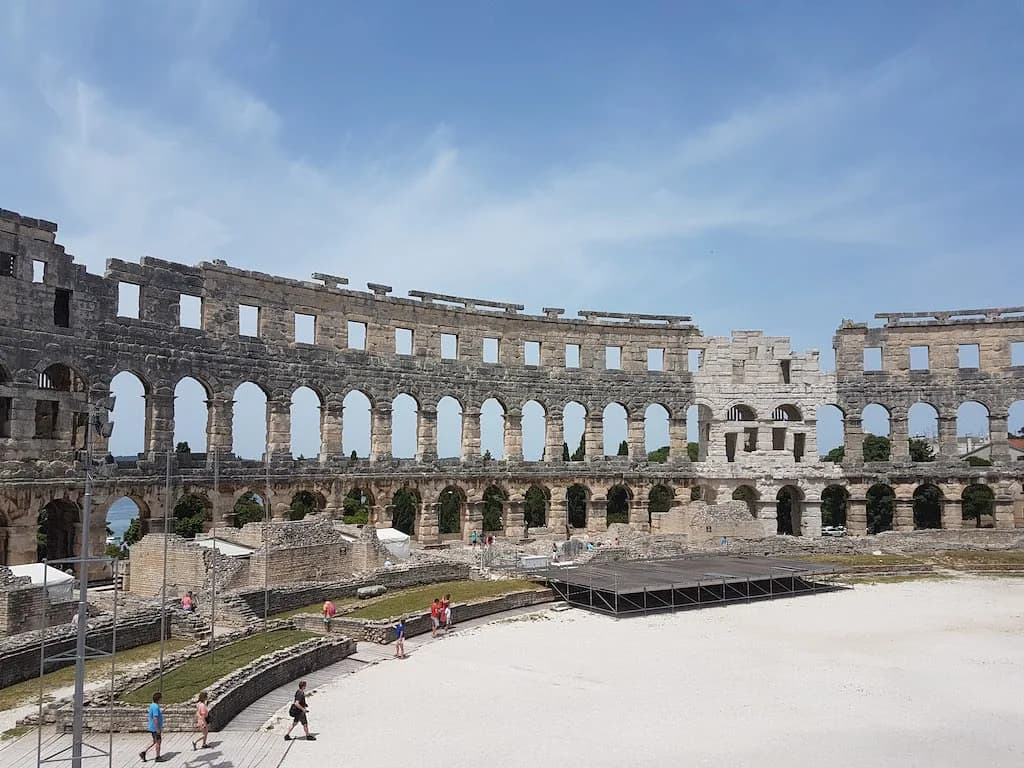
Pula's headline sights are ancient and unusually concentrated. The Temple of Rome, built in the first century AD, and the Arch of the Sergii stand near the forum, and the city also holds two Roman theatres, so you can spend a morning on one square and still have a queue of monuments for the afternoon.
Give a history buff several days here rather than one, because the sights reward a second pass in softer light and the city thins out of day-trippers by evening. The surrounding waters also draw divers, with wrecks spanning Roman times to the First World War, which is a specialised reason to base in Pula rather than Rovinj.
Beaches: narrow rocky coves and hidden swimming spots around Rovinj versus the beaches on Pula's coastline
This is Rovinj's weak point for swimming. Beaches are few and far between, and the ones outside the centre are reached down white rubble tracks, usually narrow, often backed by dense scrub and sometimes next to a campsite; asking locally for directions is how most people find them, and it is worth checking current prices and opening details with the Rovinj tourist office before you rely on a particular spot.
Pula is surrounded by coastal water and its shoreline gives you more room, though the region's default is rock and concrete platforms rather than sand. If swimming is the main point of the trip rather than one activity among several, the sandier stretches further south along the Croatian coast, including the islands of Krk and Cres, are the better fit.
Crowds and cruise-ship days: which town absorbs a summer surge better
Pula has the advantage of scale, with a bigger street grid, wider squares and a real local population that dilutes the seasonal surge. Rovinj's old town is small and canalised by its alleys, so a busy summer evening feels crowded in a way Pula rarely does, and Pula's look is the less picturesque of the two.
Both towns are lively tourist centres with good access to the water, so neither is a secret, and Rovinj's photogenic profile draws the heavier share of day visitors. Plan Rovinj's old town for early morning or after the day traffic thins, and save the harbour stroll for the evening.
Costs and price level: described in words
Neither town is cheap in high season, and Rovinj carries the premium you would expect from the more photographed of the pair, especially in the old town. Pula is generally the better place to stretch a budget over a longer stay, with more everyday commerce behind the tourist frontage, which is the pattern to weigh when you work out is Pula expensive for your dates.
Published rates go stale fast, so treat any figure you read as a starting point and price your own dates on booking sites. A dated example from the northern Istrian coast, a one-room apartment in Novigrad at around 40 euros a night, shows only the low end of the regional market at that moment, not a gauge of current Rovinj or Pula pricing.
Getting there and getting around: driving the Istrian coast and parking near Rovinj's harbour
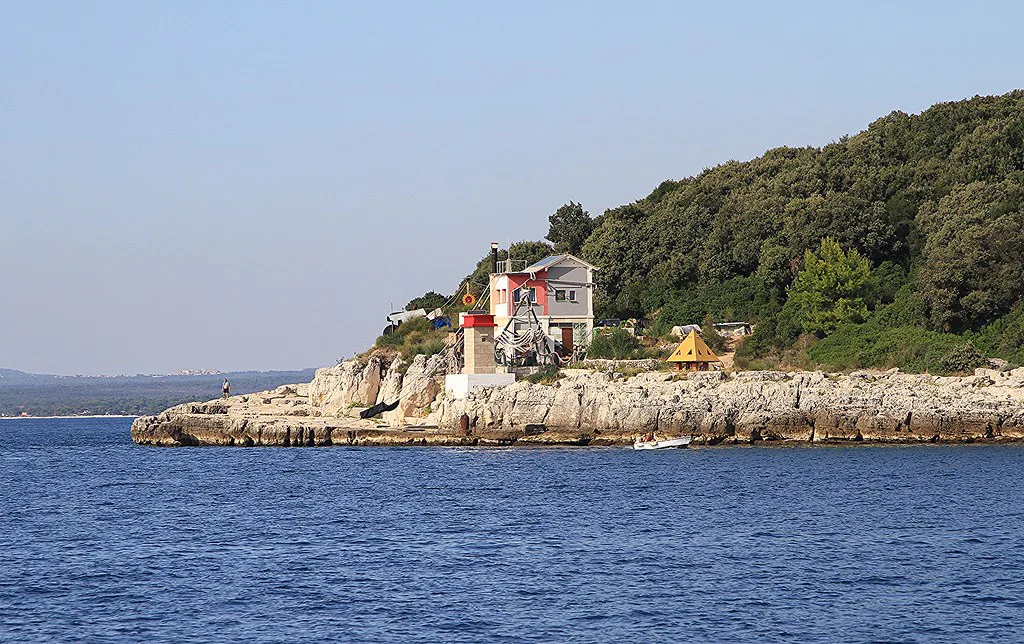
Driving is the most flexible way to link the two, and the roads are well maintained whether you arrive by car or motorcycle. The practical Rovinj detail is parking: the most useful area is close to the harbour where the cruise boats leave, and you then walk everything inside the peninsula.
If you would rather not drive, plan a single base and treat the other town as a day out, because the two sit on opposite sides of the peninsula and a car-free double base costs you time. Rovinj is very accessible by car, with roads circling the peninsula and rooms advertised on many houses, which suits a road trip along the Istrian coast.
How many days each deserves, and a split-stay plan covering both
Two nights is enough for Rovinj: one evening on the harbour, one morning for the church and the alleys, and an afternoon hunting a swimming spot. Pula earns three or four nights if you care about the Roman sights, and two if you treat it as a stop between the coast and the islands.
The efficient split for a week is three nights in Pula first, while your energy is high for monuments, then three in Rovinj for the slow half, with a day between them for the drive and a stop in a smaller Istrian town. Travelers weighing a week in one or the other tend to split it this way once they see how differently the two days run.
Who should pick Rovinj, who should pick Pula, and who should go somewhere else on the Istrian coast
Choose Rovinj for a short romantic break, a first taste of Istria, photography, or a base where the evening stroll is the main event. Choose Pula for Roman history, divers, families who want space and easy parking, and anyone staying long enough that a working city beats a stage set. If you are weighing a shorter or more northerly Istrian stop instead, it is worth asking is Poreč worth visiting before you settle on a base.
Skip both if your priority is long days on sand: the southern coast and the islands of Krk and Cres serve that better, while Istria's strength is coastal towns steeped in Venetian and Roman history that you explore on foot. Whichever you pick, you are trading one kind of Adriatic holiday for another rather than settling for second best.
Plan Your Visit
Decide by trip length and appetite for antiquity: short and scenic means Rovinj, longer and monument-hungry means Pula, and a week comfortably covers both. Croatia has used the euro since 2023, so budgeting is straightforward, and the remaining unknown is simply which dates you can get.
Explore more Pula trip-decision guides
Frequently Asked Questions
Is Rovinj or Pula better for a first trip to Istria?
Rovinj is the stronger first stop if you have two or three nights, because the peninsula, harbour and church spire deliver the Istrian postcard in a single walk. Pula is the better first stop if Roman monuments matter more to you than scenery, since its temple, arch, forum and theatres sit close together in a larger, less crowded city.
How much is a taxi from Pula to Rovinj?
No taxi fare for the Pula to Rovinj route is published in the material behind this guide, so treat any number you see online as unverified and ask a local operator for a quote before you travel. If you are weighing the cost of a transfer against a car, factor in that the two towns sit on opposite sides of the Istrian peninsula.
Why is Rovinj famous?
Rovinj is known for its Venetian-era old town on a peninsula, with the baroque St. Euphemia Church and its spire rising above the crowded houses, and a harbour that has been the town's commercial centre for centuries. Its alleys have kept more authenticity than many Adriatic towns, which is why it photographs so well.
What are the best beaches near Pula, Croatia?
Pula is ringed by coastal water and gives you more shoreline room than Rovinj, but expect the regional default of rock and concrete platforms rather than sand. Travelers who want genuinely sandy swimming generally head further south along the Croatian coast, including the islands of Krk and Cres.
What is the best month to visit Rovinj?
Shoulder months are the sensible choice for Rovinj, when the old town is walkable without the summer crush and the harbour is still lively. No month-by-month climate figures are published here, so compare Croatian national weather service climate normals for your dates before booking.
Do you need a car to visit Rovinj and Pula?
A car makes the pair easy to combine, and the roads along the Istrian coast are well maintained for drivers. Without one, pick a single base and visit the other town as a day out, since splitting your stay between two towns on opposite sides of the peninsula costs you time.
Which town is cheaper, Rovinj or Pula?
Pula is generally the easier place to stretch a budget, with more everyday commerce behind the tourist frontage, while Rovinj carries a premium for its looks, especially inside the old town. Compare live rates for your own dates rather than relying on published averages, which age quickly.
Sources
Trip-decision notes
Optional updates when we publish or revise a destination verdict.
You might also like
Continue reading
More guides you'll find useful