Zadar in September: Weather, Crowds and Whether to Go
Zadar in September brings warm days, cooler evenings and thinner crowds than August. Here is who it suits, what the weather does and how long to stay.
On this page
Yes, September is one of the best months to see Zadar, provided you accept a split month. The first half usually behaves like a softer August, with warm water, long evenings and enough heat to swim; the last ten days tilt toward sweater weather, rain showers and shorter beach windows.
The city itself rewards the calmer season. The Old Peninsula is small enough to walk end to end, so the real decision is not whether Zadar deserves two days but whether you build day trips around it. Hikers and climbers should come for Paklenica, beach-focused travelers should book early September, and anyone hoping to combine coast and interior in one trip gets the best balance here.
The verdict: who September suits, and who should choose another month
Book September for hiking, sightseeing and shoulder-season value, and come in the first week or two if swimming matters. Croatia's coast still delivers warm days, but the sea and the air cool noticeably as the month wears on.
Choose July if your trip is built around long, reliable beach days and you can tolerate peak crowds and peak prices in the Old Peninsula. Zadar in July is hotter and busier, and the water is at its most inviting.
Choose October instead if you want genuinely quiet streets, lower prices and are happy to trade beach time for walking, museums and day drives. September sits between the two, which is exactly why it works for mixed itineraries.
If you are still deciding whether the city justifies the stop at all, the honest answer is that it does, but for two or three days plus day trips rather than a week of city time. Our full is Zadar worth visiting verdict covers what the Old Peninsula delivers and where it falls short.
What September weather in Zadar actually feels like
Typical September conditions in Zadar run to an average high of about 24°C (76°F) and an average low near 17°C (63°F), described as pleasantly warm and breezy. Humidity sits around 61 percent, daylight lasts roughly 12.6 hours, and sunrise and sunset fall around 6:36 AM and 7:10 PM. Treat these as climate averages, not a forecast.
Rain is a real feature rather than a footnote, with roughly a one-in-four chance of a rain day in the month's averages. In practice that means one wet or unsettled day in a short stay is plausible: keep a museum or a cafe afternoon in reserve and you will not lose a day.
Wind matters more than the thermometer suggests. A breezy day on the waterfront feels cool even at 24°C, and the open stone squares of the peninsula offer little shelter. A light layer for evenings and windy afternoons earns its place in your bag.
For context, August in Zadar averages highs near 29°C (85°F) and lows around 21°C (70°F), while January drops to highs near 9°C (48°C). September is the month where the coast stops feeling tropical and starts feeling Mediterranean.
Swimming and the sea in September
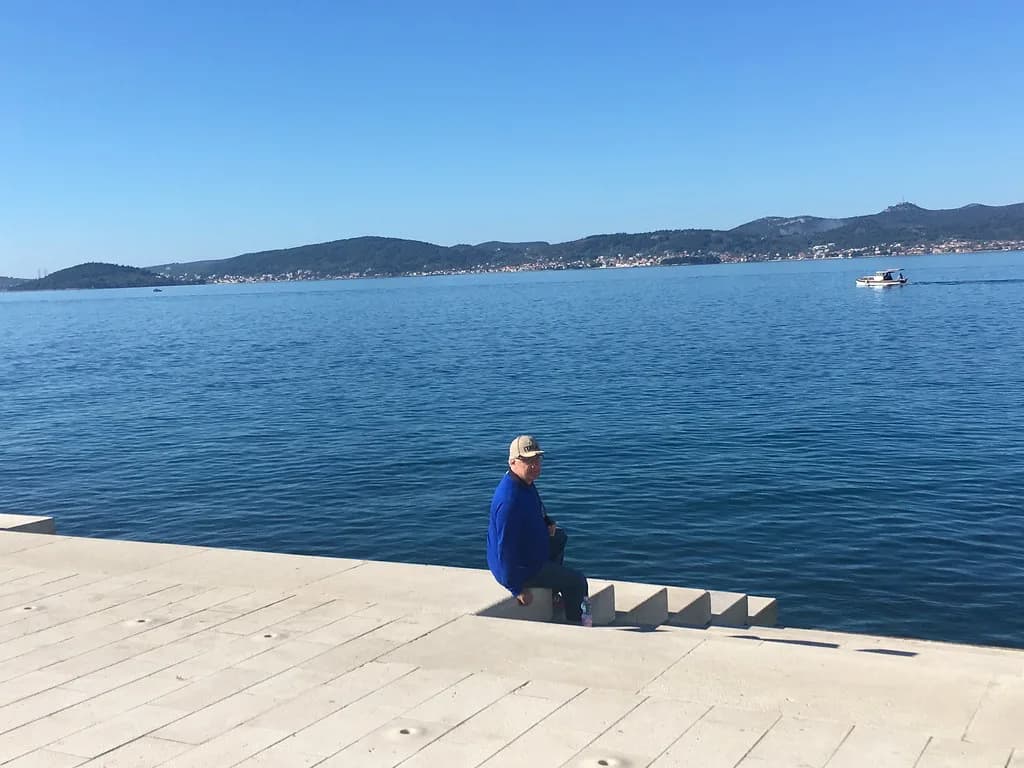
Early September is still swimming weather for most travelers, and the city's own waterfront is the easiest place to do it. The stretch along the Old Peninsula includes paved bathing areas and ladders into the Adriatic, so you can swim before breakfast and be at the Sea Organ ten minutes later.
Kolovare Beach, southeast of the peninsula, is the practical choice for a proper beach day, with a pebbly shoreline and facilities nearby. It is a town beach rather than a postcard cove, so come for convenience and calm water rather than scenery.
Late September is where the calculation changes. Locals and repeat visitors report the last week can turn cold enough that a planned beach day does not happen, and the sea loses its summer warmth. If swimming is the point of the trip, aim for the first half of the month and treat the second half as sightseeing time.
Crowds and cruise days on the Old Peninsula
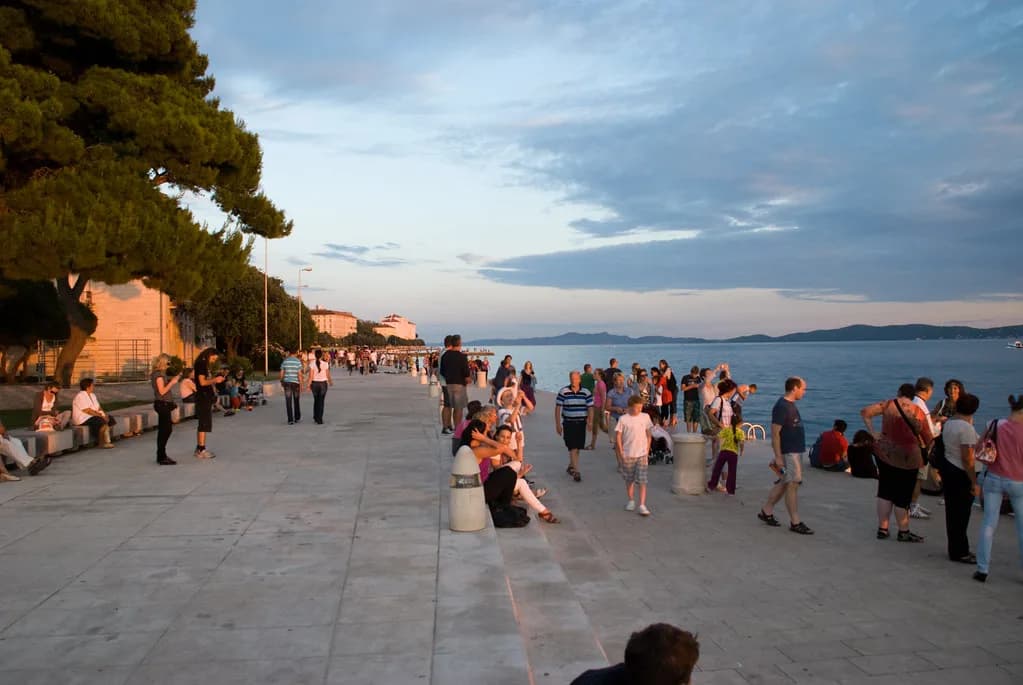
September is generally calmer than August, but Zadar sits on cruise itineraries and the peninsula is compact, so a ship day still fills Narodni trg and the waterfront within an hour. Crowding is a timing problem more than a month problem.
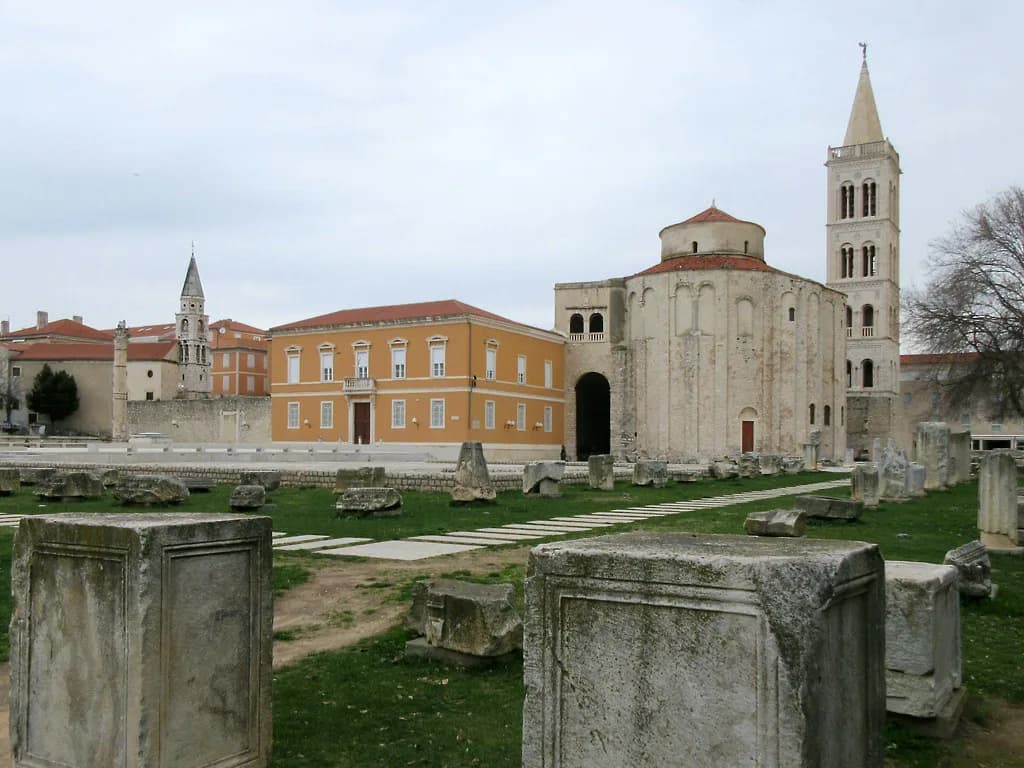
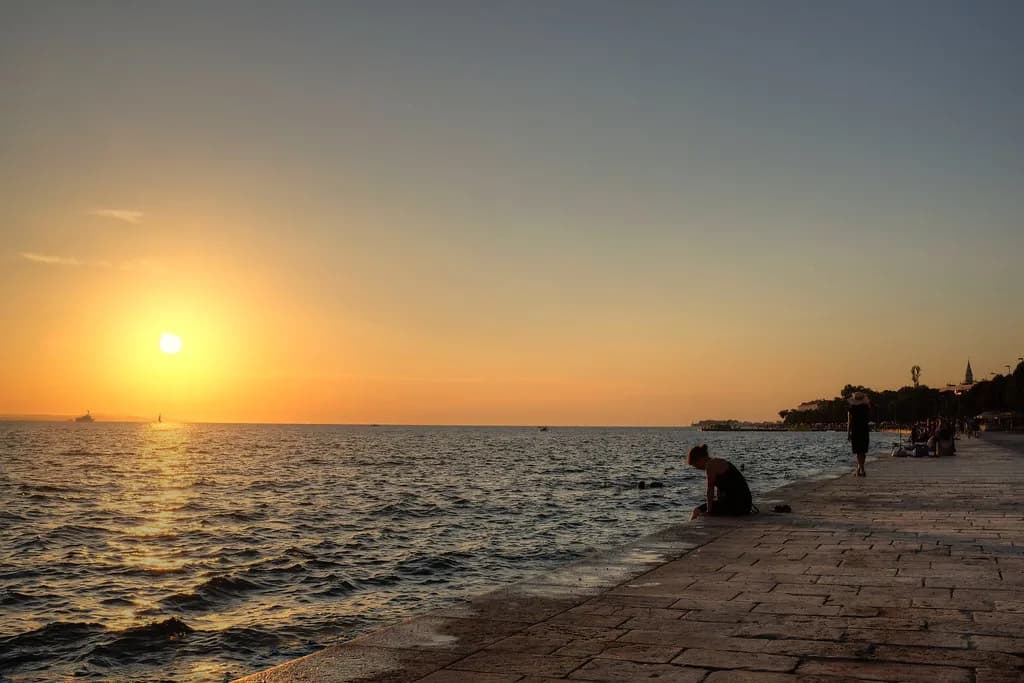
The fix is simple: walk the Old Peninsula early in the morning, when the stone streets are near empty and the light on the Roman forum is at its best, then retreat to museums or a long lunch when the midday groups arrive. The Sea Organ and Greeting to the Sun are busiest around sunset, so arrive twenty minutes early to claim a step.
If you want the same coast with a very different crowd profile, Poreč in September runs quieter on the Istrian side, and Pula in September pairs Roman sights with a similarly softened season. Neither is a substitute for Zadar's sunset, but both are worth weighing if you are building a wider Croatian route.
For comparison purposes, Pula in September gives you the Pula Arena and a bigger-city feel with fewer people than midsummer.
What to do in Zadar in September
The Old Peninsula is the whole show: a compact grid of marble-paved lanes on a former Roman forum. Start at the Land Gate, the monumental Venetian entrance, walk through Five Wells Square beneath the medieval walls, and end at Narodni trg, the main square lined with cafes.
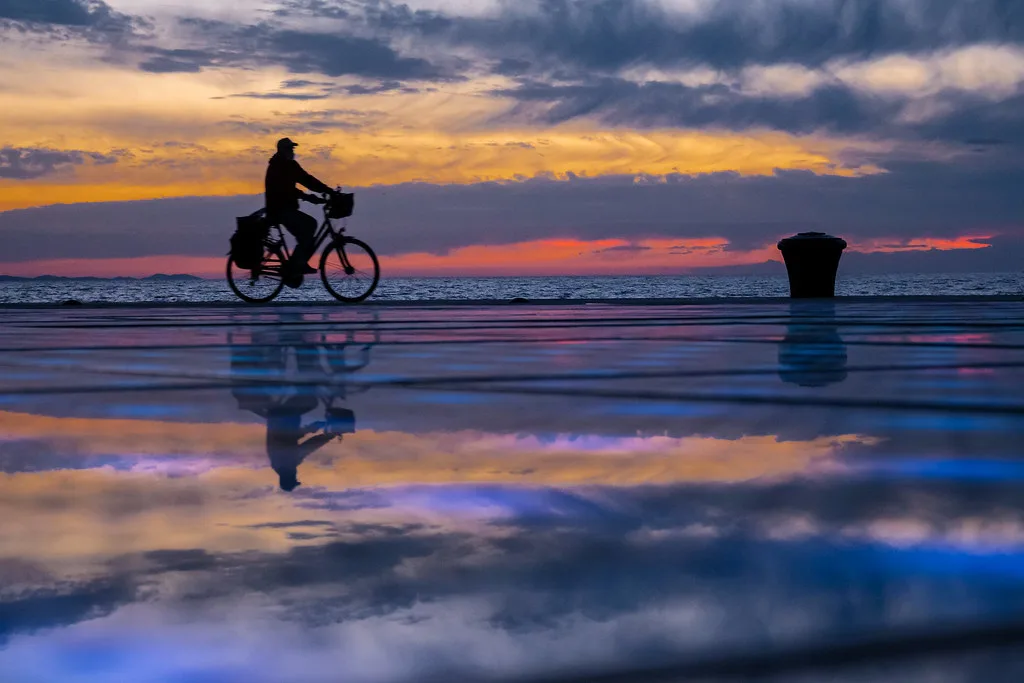
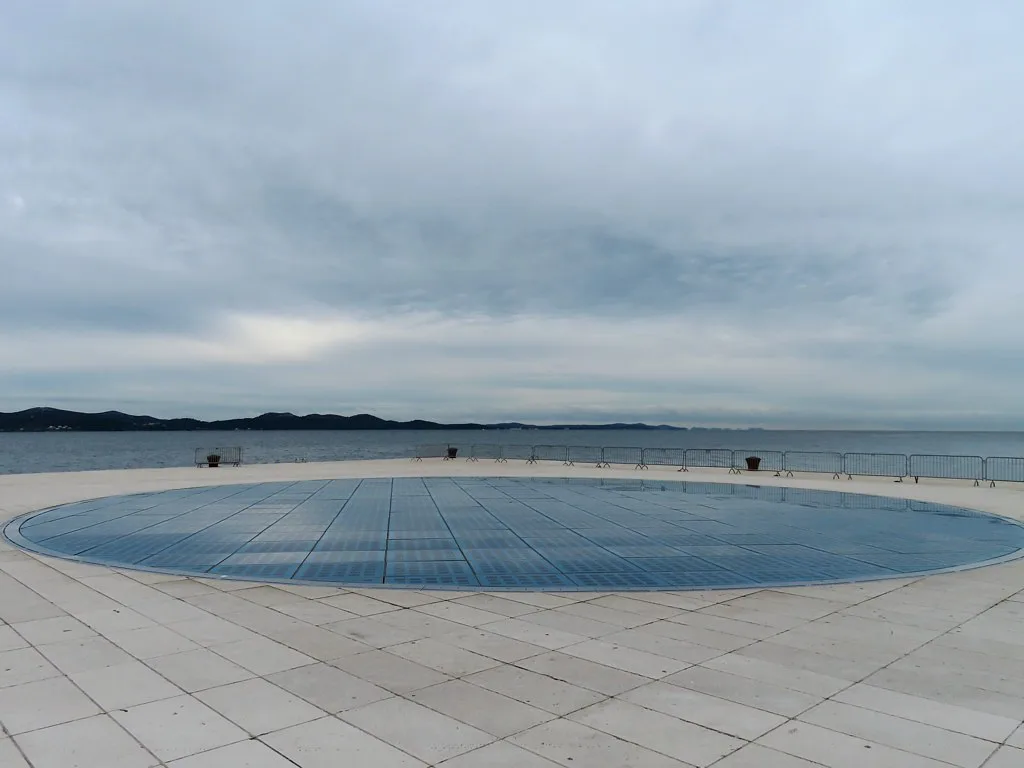
The Sea Organ and Greeting to the Sun anchor the western tip and are best experienced at sunset rather than midday. The Organ plays as waves push air through pipes under the steps, so a moderate breeze gives the best sound; flat calm produces near silence. Stay until dark for the solar installation's light show.
The Church of St. Donatus, a circular pre-Romanesque building from the ninth century, is the city's most distinctive piece of architecture, and Saint Anastasia's Cathedral nearby has a bell tower with views over the red roofs. The Museum of Ancient Glass covers the region's glassmaking history and is a sensible wet-weather stop.
For September specifically, the Archaeological Museum and the Museum of Illusions both give you indoor hours if a shower rolls through. The Old Town repays slow walking more than checklist ticking, so leave gaps between sights.
Day trips worth the time from Zadar
Paklenica National Park, reached via Starigrad-Paklenica at the foot of the Velebit mountains, is the standout day trip for hikers and climbers. September is close to ideal here: warm but not punishing, with the summer crowds thinned out and the karst scenery at its most comfortable to walk.
The Zrmanja river, inland toward Obrovac, is the other nature option, known for its canyon scenery and, in season, rafting and kayaking. It suits travelers who want a half-day of activity rather than a full hike.
Nin, a short drive north, offers a shallow lagoon beach that is far more forgiving for children than the city's rocky swimming spots. Combine it with the salt pans and the small old town for an easy half day.
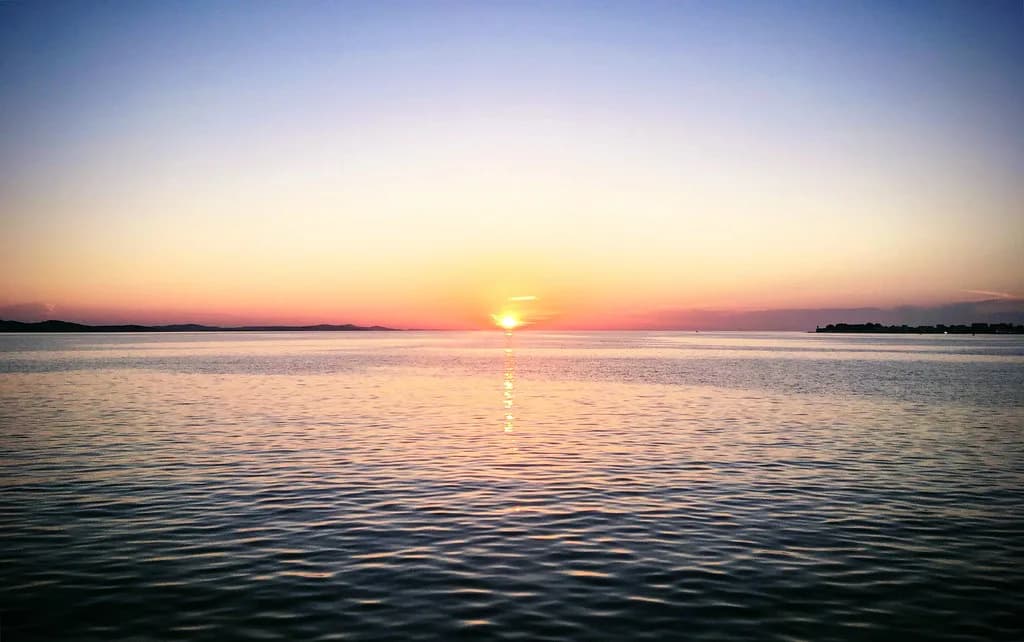
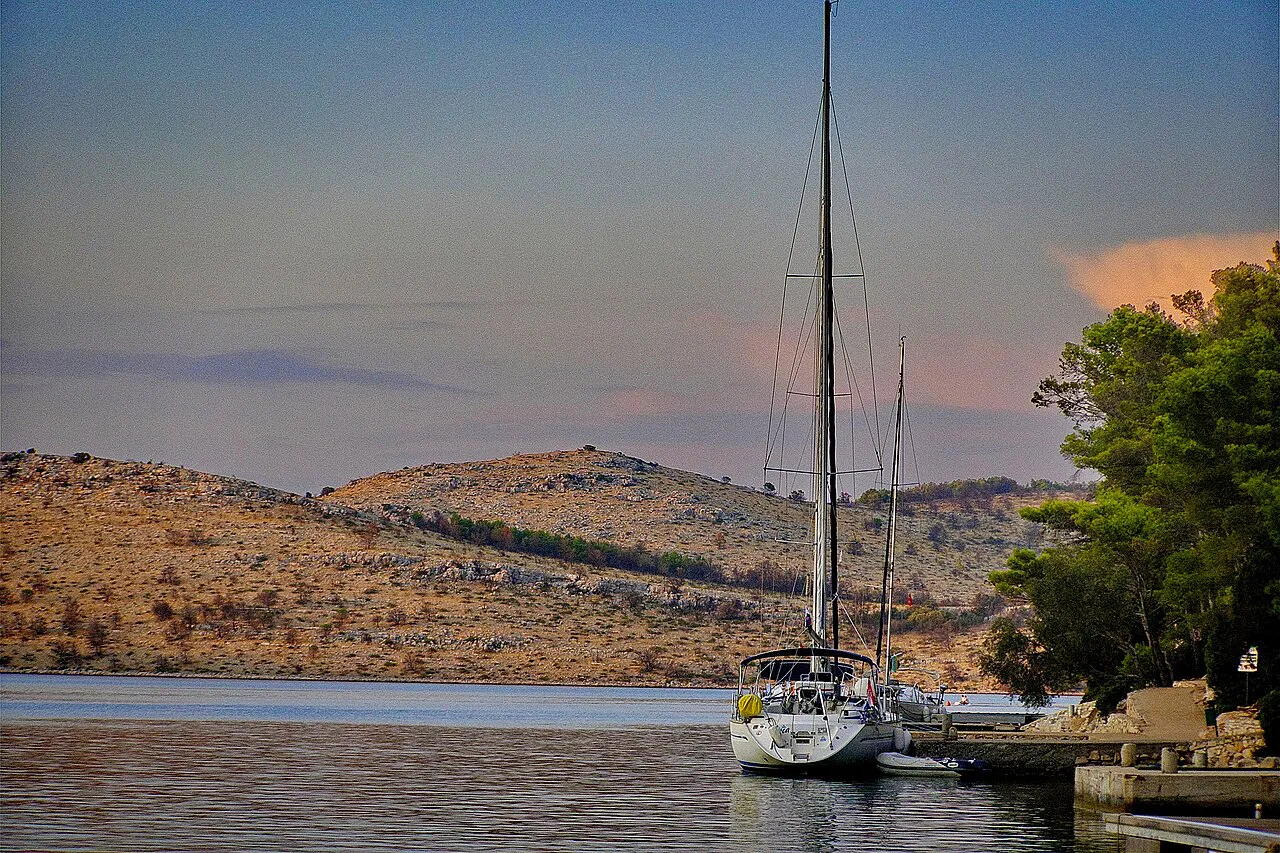
In the city itself, a boat trip on the Adriatic rounds out a stay, and the afternoon light over the islands is the reason many people rate Zadar's sunsets so highly. Book water-based excursions directly with whichever operator you choose well ahead of time, since daily departures thin out late in the month.
How many days you need
Two full days covers the Old Peninsula comfortably, including the Sea Organ at sunset, the cathedral tower, one museum and a slow lunch. Add a third day and you can slot in Paklenica or Nin without rushing.
With four or five days, Zadar becomes a base rather than a stop: one day for the city, one for Paklenica, one for the Zrmanja or Nin, and the rest for the coast and islands. Anything shorter than two days sells the place short, because the peninsula's appeal is in the wandering.
If you are deciding between Zadar and a bigger Dalmatian city, our Zadar vs Split comparison weighs the scale, transport and sightseeing trade-offs directly.
Typical costs in September
September prices sit below the August peak but above the winter trough, so expect mid-range rather than bargain rates. Accommodation is the biggest variable, and late September softens noticeably once the school holidays are over.
For a detailed breakdown by category, the Zadar costs guide cost guide covers what a day in the city realistically costs. Croatia uses the euro, so there is no currency conversion to factor in.
As a rule of thumb, the earlier in September you travel, the closer you are to summer pricing and summer demand. If your dates are flexible and budget matters more than swimming, push toward the last week.
Drawbacks to weigh
Cooler evenings, rain risk and unreliable late-month swimming are the honest downsides. A September trip that assumes daily beach weather can disappoint; one that assumes walking, museums and day hikes will not.
Schedules thin out as the month progresses. Ferries, boat excursions and seasonal attractions operate less frequently after the peak, so a plan built on daily departures can fall apart in the final week.
The Old Peninsula also gets a different kind of crowd: conference and city-break visitors rather than beach families, so restaurants stay busy even when the waterfront empties. Reserve a table for dinner instead of counting on walking in.
Getting there and around
Zadar airport sits inland at Zemunik, with buses and taxis connecting to the city. The Old Peninsula is pedestrian-only and small, so once you arrive you will not need a car for the city itself.
A car earns its keep for Paklenica, the Zrmanja and Nin, since public transport to those places is limited and slow. If you are staying in the city and only doing one day trip, a tour or a taxi is often simpler than renting for the whole stay.
Official entry rules and documentation are set by the Croatian government, and travelers should confirm current requirements there before booking.
September 25 and local holidays
September 25 is marked in Croatia as the Day of Unification of Istria, Rijeka, Zadar and the Islands, a national holiday with local significance in Zadar. Expect some services to run on a reduced schedule and plan museum visits around the date.
Holiday timing affects transport and opening hours more than it affects the weather. If your trip overlaps, book any day-trip transport in advance rather than relying on walk-up seats.
Verdict by traveler type
Couples should book early September for warm evenings, sunset at the Sea Organ and a calmer Old Peninsula than August. Hikers and climbers should aim for mid-September, when Paklenica is comfortable and the crowds have gone.
Families get the best value in the first week, combining shallow water at Nin with the city's short walking distances. Budget travelers should target the second half of the month for softer accommodation rates, accepting that swimming becomes a gamble.
Beach-first travelers should look at earlier months entirely: Zadar in June offers warm water with fewer people than August, and Zadar in May suits walking and day trips before the heat builds.
Plan Your Visit
September is a strong month for Zadar if you match your dates to your priorities: early for swimming and sunsets, late for hiking, museums and lower prices. The city rewards two to three days plus a day trip, and the shoulder season makes the interior genuinely pleasant.
If September is not quite right, Zadar in April and Zadar in May offer quieter streets at cooler temperatures.
For the bigger question of whether the city earns a place on your Croatia route at all, start with the full Is Zadar Worth Visiting? The Honest Verdict.
Frequently Asked Questions
Can you swim in Zadar in September?
Early September usually offers comfortable swimming from the city's waterfront bathing areas and at Kolovare Beach. As the month progresses the air and sea cool, and the final week can be too cold for a planned beach day, so if swimming is a priority choose dates in the first half of the month.
What is the weather like in Zadar in September?
Typical conditions are pleasantly warm and breezy, with average highs near 24°C (76°F) and lows around 17°C (63°F). Rain is possible, with roughly a one-in-four chance of a rain day in the monthly averages, and evenings feel cooler along the exposed waterfront. These are climate averages rather than a forecast for your dates.
How many days in Zadar is enough?
Two full days cover the Old Peninsula, the Sea Organ at sunset and one or two museums. Add a third day for Paklenica National Park or the shallow lagoon beach at Nin, and four to five days if you want Zadar as a base for the Zrmanja river and the surrounding coast.
Is Zadar quieter in September than in August?
Generally yes, though Zadar sits on cruise itineraries and the compact peninsula still fills when a ship is in port. Walking the Old Peninsula early in the morning and reserving sunset for the Sea Organ gives you the calmest version of the city regardless of the day.
Is Zadar worth visiting in late September?
Late September suits sightseeing, hiking and day trips better than beach holidays. The crowds thin further and prices soften, but rain risk rises and swimming becomes uncertain, so treat the last week as a walking and museum trip rather than a coastal one.
Sources
Trip-decision notes
Optional updates when we publish or revise a destination verdict.
You might also like
Continue reading
More guides you'll find useful