Zadar in July: Weather, Crowds and Whether It's Worth It
Zadar in July brings hot, sunny days near 30°C, warm sea and peak crowds. See who July suits, who should pick June or September, and why.
On this page
July is the month Zadar turns fully Mediterranean: hot, sun-drenched and crowded, with sea temperatures that make a late-evening swim the highlight of the day. The trade-off is midday heat that makes the Roman forum and the city walls hard work, and peak-season prices across the board.
The verdict
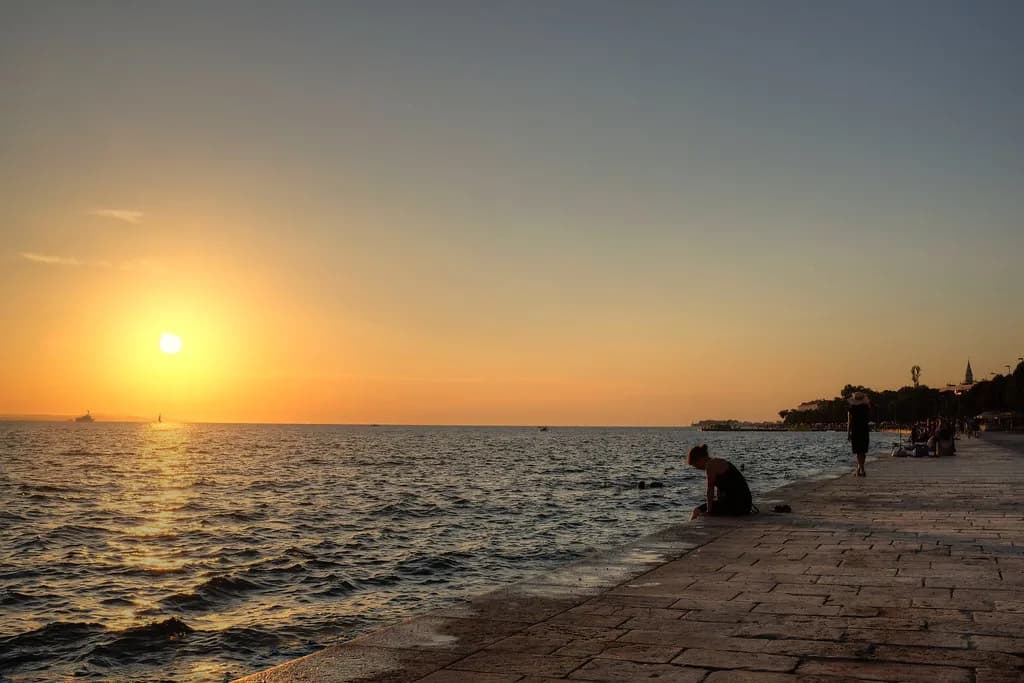
Go to Zadar in July if the sea is the point. This is the month for long swims, sunset walks on the tip of the peninsula and unhurried evenings when the stone finally cools. If your trip is about sightseeing, museums and hours of old-town wandering, July will fight you: the heat peaks in the afternoon and the streets are at their fullest.
Travelers who want both usually do better in June or September, when the water is still swimmable and the city is calmer. If your dates are fixed, plan around the heat rather than against it — early mornings and evenings outdoors, midday indoors or in the water.
How hot Zadar gets in July
July is the hottest stretch of the Zadar summer. AccuWeather's day-by-day July outlook for the city shows daily highs mostly in the low thirties Celsius, with nights that stay warm and sticky, often above 20°C (68°F).
Other climate summaries put the July average high closer to 30°C (86°F), with typical daily ranges between roughly 21°C and 29°C (70–84°F). The variation reflects how these figures are compiled — long-term normals versus a particular year's forecast — so treat the low thirties as a realistic midday high rather than a promise. As a rule, expect 86–90°F in the afternoon and around 68–72°F after dark.
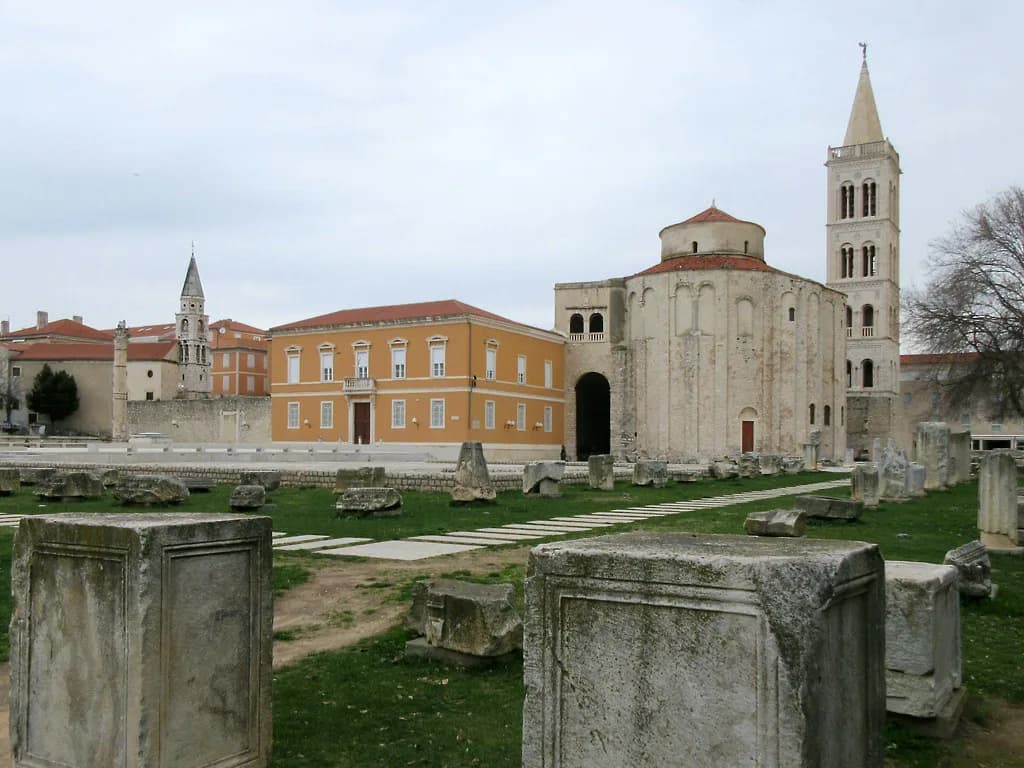
Heat management is the main July skill. The Roman forum and the city walls have almost no shade, and the stone radiates warmth well into the afternoon. Shift serious walking to before 10am or after 6pm, and treat the middle of the day as beach, swim or air-conditioned museum time.
Sun, sea and rain
July is one of the driest months on the Dalmatian coast, but not a rain-free one: occasional thunderstorms roll through, sometimes briefly and dramatically. They rarely wipe out a whole day, but they can interrupt a beach afternoon, so keep a flexible plan for one indoor option.
The Adriatic is at its most inviting. Sea temperatures sit in the mid-twenties Celsius — warm enough for an hour in the water without a wince — and sheltered spots like the beaches around the old town stay calm. This is why July works so well for travelers who measure a good day in swims rather than sights.
Sunshine is abundant, which also means strong UV in the middle of the day. Plan shade and water the way you would plan transport, and reserve the afternoon for the sea rather than the forum.
Cruise-ship days and crowds in the old town
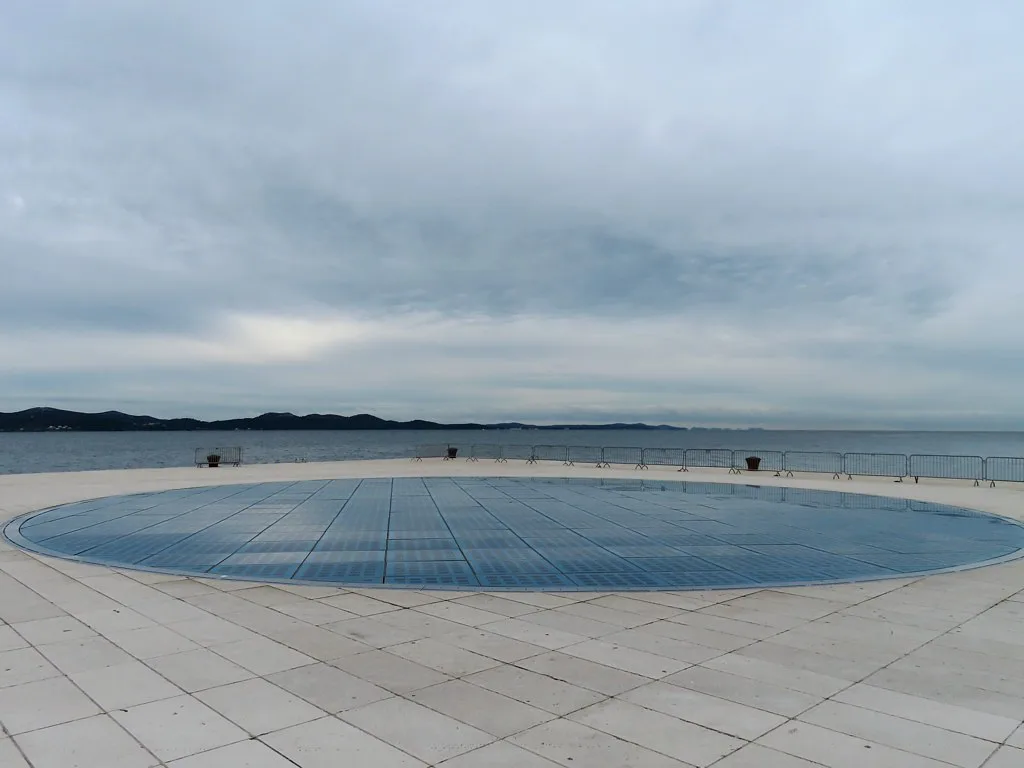
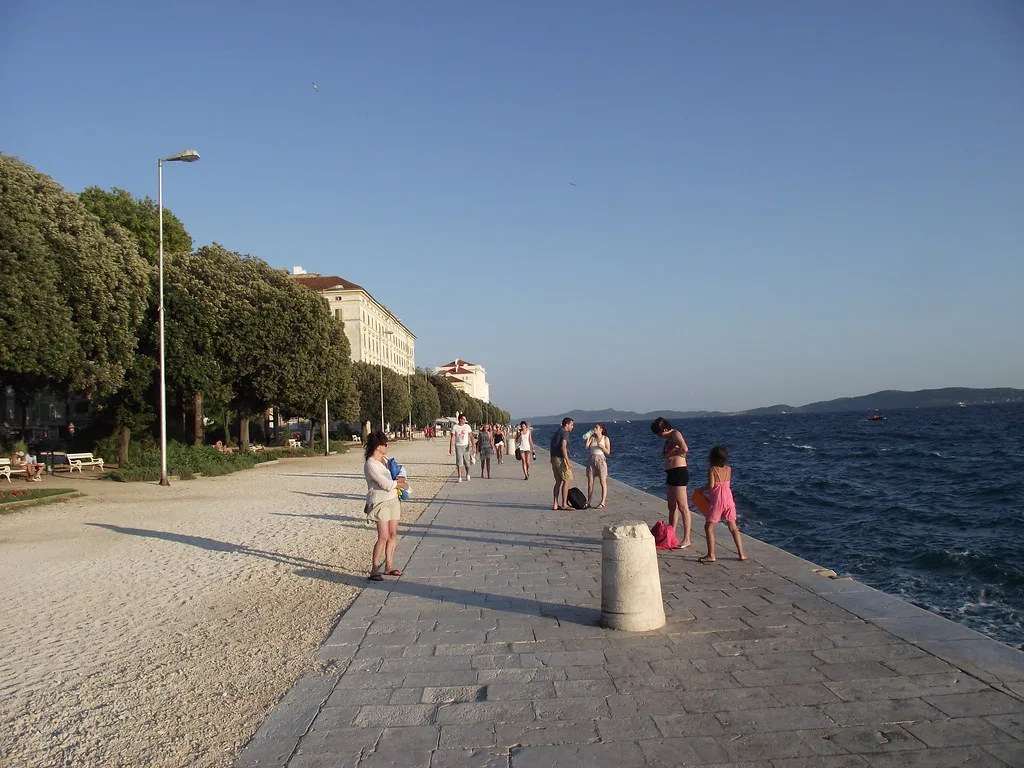
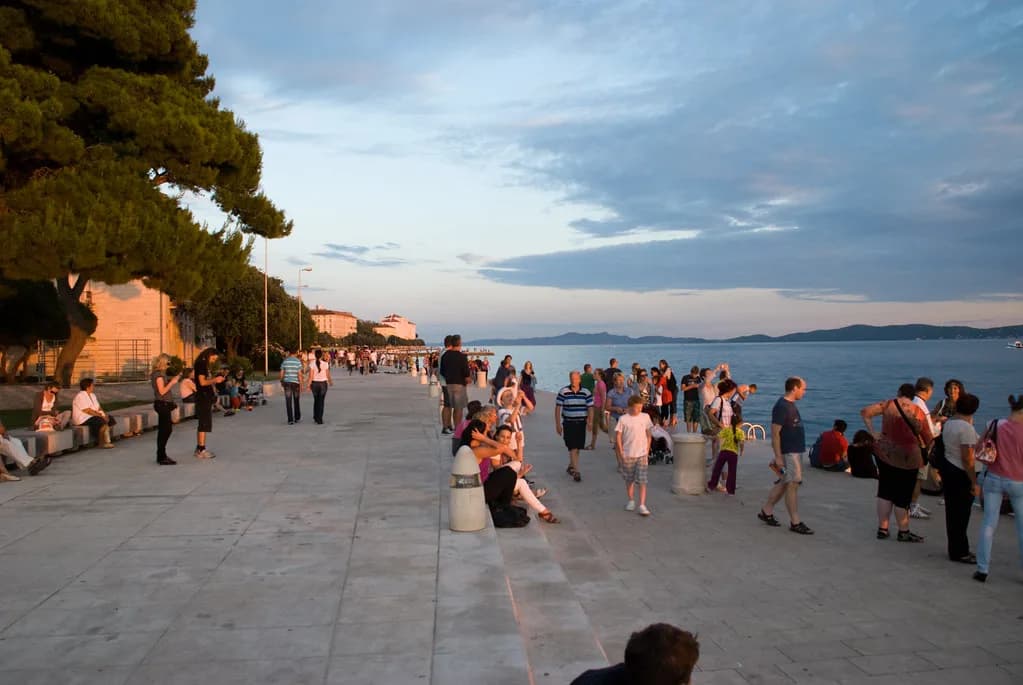
Zadar's old town sits on a compact peninsula, and when cruise ships are in port the main streets and the waterfront compress quickly. The effect is concentrated: the Sea Organ and the Greeting to the Sun are the first stops for most groups, so they are busiest in the late morning and early afternoon.
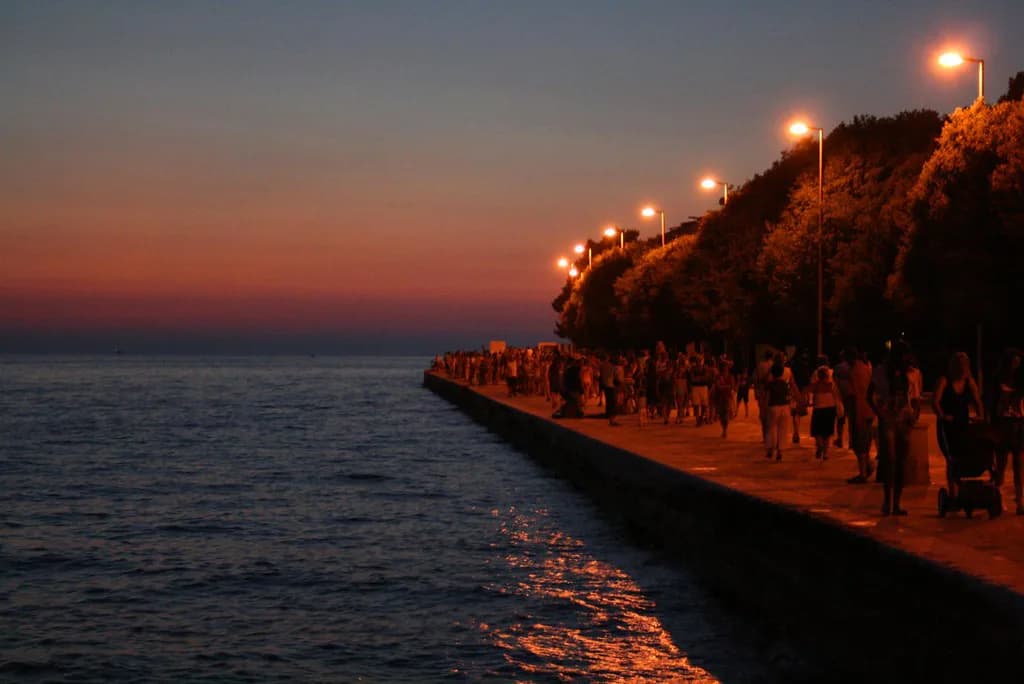
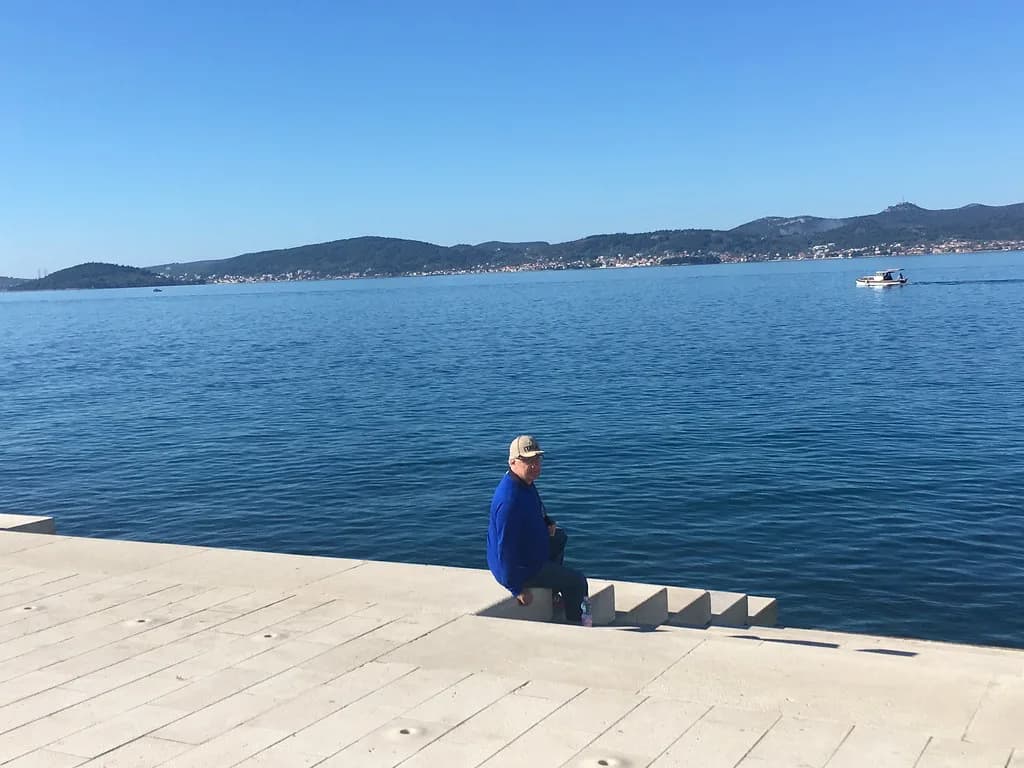
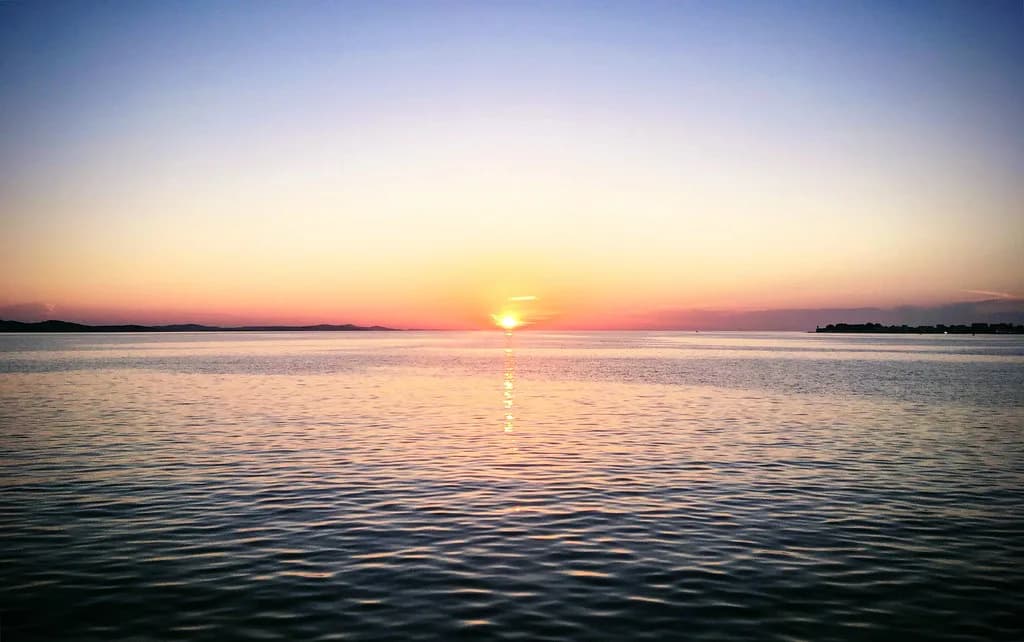
The fix is timing rather than avoidance. Visit the Sea Organ at sunrise, when the steps are almost empty and the instrument is at its most haunting, and return after the ships have sailed for the evening light. The Greeting to the Sun's light show is best appreciated after dark, when it is a different experience entirely.
Cruise calls vary by day and are not fixed in advance for visitors, so the rhythm of the city changes without warning. If you want the quietest version of the waterfront, early morning is the reliable bet regardless of the schedule.
July events and atmosphere
Summer is when Zadar's public spaces work hardest: open-air concerts, waterfont performances and evening promenades fill the calendar. The city's summer program is published locally each season rather than fixed years ahead, so any specific date you hear is provisional until the Zadar Tourist Board publishes the season's schedule.
The atmosphere is the real draw in July. Evenings on the peninsula are lively without being overwhelming, and the mix of swimmers, sailors and day-trippers gives the old town a holiday energy that June and September only hint at.
Beaches in and around Zadar for July
Kolovare is the closest proper beach to the old town, a short walk south of the peninsula, with a mix of concrete platforms and pebbles and calm, shallow water. In July it fills early; arrive before mid-morning or come in the late afternoon to find space on the platforms.
Borik, north of the center along the coast, is a resort beach with rocky and pebbly coves, more shade and a slightly more spread-out feel than Kolovare. It suits families and anyone who wants to swim with a little more room.
Farther out, the sandy beach at Nin and the coves along the coast toward Petrčane and the island of Pag offer alternatives for a full beach day. All of them require transport, and all of them are busier in July than at any other time — go early, carry water and expect to pay for parking near the popular ones.
Day trips that work in July heat
Kornati National Park is the classic Zadar boat trip: a full day on the water among bare, dramatic islands, with swimming stops built into the schedule. In July the boats are full and the sun is fierce, but being on the sea makes the heat far more manageable than inland sightseeing.
Plitvice Lakes is the big inland temptation and the one to think about hardest in July. The lakes are stunning but the park is at its busiest and the walking is exposed; the sensible version is an early start, a booked entry slot and a realistic acceptance that you will share the boardwalks.
Nin and Pag work as shorter, lower-stakes outings: Nin for its sandy lagoon and small old town, Pag for its stark landscape and cheese. Both can be done in half a day, which leaves the evening free for the Sea Organ.
Prices and availability in July
July is the most expensive month to be in Zadar, and it is worth knowing that before you commit. Accommodation, boat trips and car hire all sit at their seasonal peak, and the cheapest options disappear first. If you are set on July, book well ahead; if you are flexible, the same money buys more in June or September.
Eating out follows the same pattern. Waterfront tables command a premium and menus are priced for the season, while places a street or two back from the harbor cost noticeably less for similar food. For transport and any specific entry fee, check current prices and dates before you travel rather than relying on last year's figures.
Getting there and around in July
Zadar Airport handles seasonal flights from across Europe, and the bus from the airport into town is the straightforward option; the trip is short and avoids the parking problem entirely. In peak July, traffic into the city and parking near the peninsula are the two things most likely to eat your afternoon.
Once you are in the old town, walking is the whole game — the peninsula is compact and the buses and ferries to the islands leave from the waterfront. For day trips along the coast, buses are frequent in summer but fill up; buy tickets ahead where possible.
Zadar vs Split in July
Split is the bigger, busier city, with Diocletian's Palace at its heart and a major ferry port for the islands. Zadar is smaller, calmer and easier to walk in a day, with the Sea Organ and the sunset as its signature. If you are also weighing a trip further north, our guide to Pula in July covers how that Istrian city handles the same month.
In July, Split's scale cuts both ways: more to do indoors when the heat peaks, but more crowds and a hotter, denser center. Zadar's compact peninsula is easier to escape. Beach-first travelers tend to prefer Zadar; island-hoppers and city-break travelers who want ferry choice and nightlife lean toward Split.
Who should choose July and who should shift to June or September
Choose July if your trip is built around swimming, boat trips and long evenings, and if you are happy to organize your days around the heat. It is also the right month for travelers who want the city at full summer energy and do not mind paying for it.
Shift to June or September if you want to see Zadar rather than swim in it, if your budget matters, or if you are traveling with people who struggle in the heat. Both months keep the sea warm enough for swimming while cutting the crowds and the peak-season premium.
Weather by month comparison
Against June and September, July is the hottest, busiest and most expensive version of Zadar. June is cooler and quieter, with the sea warming up; September keeps much of the summer warmth while the crowds thin out and prices soften.
If your dates are locked to July, the weather itself will rarely be the problem — it is the combination of heat and crowds that shapes the trip. Plan the day around the water and the evening, and July delivers the best swimming of the year.
Plan Your Trip
July in Zadar is a sea-and-evenings month. Build your days around early swims, shaded afternoons and late walks on the peninsula, and the heat becomes an asset rather than an obstacle. If you want the city rather than the beach, June and September are the smarter windows.
For the wider question of whether the city deserves your time at all, and for how July compares with other months, start with our month-by-month guides and the broader Zadar verdict.
Frequently Asked Questions
Is Zadar too hot in July?
It is hot but manageable if you respect the rhythm of the day. Afternoon highs typically sit around 30°C (86°F), sometimes a few degrees above, and the stone streets of the peninsula hold the warmth into the evening. Swim or stay indoors from midday to late afternoon, and save the Roman forum and city walls for early morning or after 6pm.
How hot is Zadar in July, day and night?
Published July figures for Zadar cluster around an average high near 30°C (86°F), with some day-by-day outlooks showing highs in the low thirties Celsius. Overnight lows commonly stay above 20°C (68°F), so nights are warm rather than refreshing. Treat these as typical conditions for the month, not a forecast for your dates.
Is July a good time to visit Zadar?
July is excellent for a swimming-and-evenings trip and harder for a sightseeing-first one. The Adriatic is at its warmest, the city is at full summer energy, and open-air life runs late. The costs are peak-season prices, fuller streets when cruise ships are in port, and midday heat that limits long walks.
Which is better in July, Zadar or Split?
Split is larger, denser and busier, with Diocletian's Palace and a big ferry port giving it more indoor options and more island connections. Zadar is smaller and easier to cross on foot, with the Sea Organ and the sunset as its signature. Beach-first travelers usually prefer Zadar; island-hoppers and travelers who want more city tend to prefer Split.
Should I visit Zadar in July or September?
Pick July if warm sea and long evenings matter more than calm streets. Pick September if you want to walk the old town comfortably, find softer prices and still swim most days, accepting that some summer energy has gone. June is the other good alternative, cooler and quieter as the sea warms up.
Sources
Trip-decision notes
Optional updates when we publish or revise a destination verdict.
You might also like
Continue reading
More guides you'll find useful