Is Albania Expensive? What a Trip Really Costs in 2026
Albania is cheaper than Greece or Croatia but not the bargain you expect. Here is what a day costs, where the money goes and who should budget more.
On this page
Albania is not expensive by European standards, but it is no longer the bargain-basement country the internet still describes. Travelers on a budget-to-mid-range trip report roughly €80 a day each, using public transport, guesthouses and local food, which puts Albania well below Croatia or Greece but above the cheapest corners of the Balkans. If you are deciding whether the country fits your budget, that figure is the honest starting point.
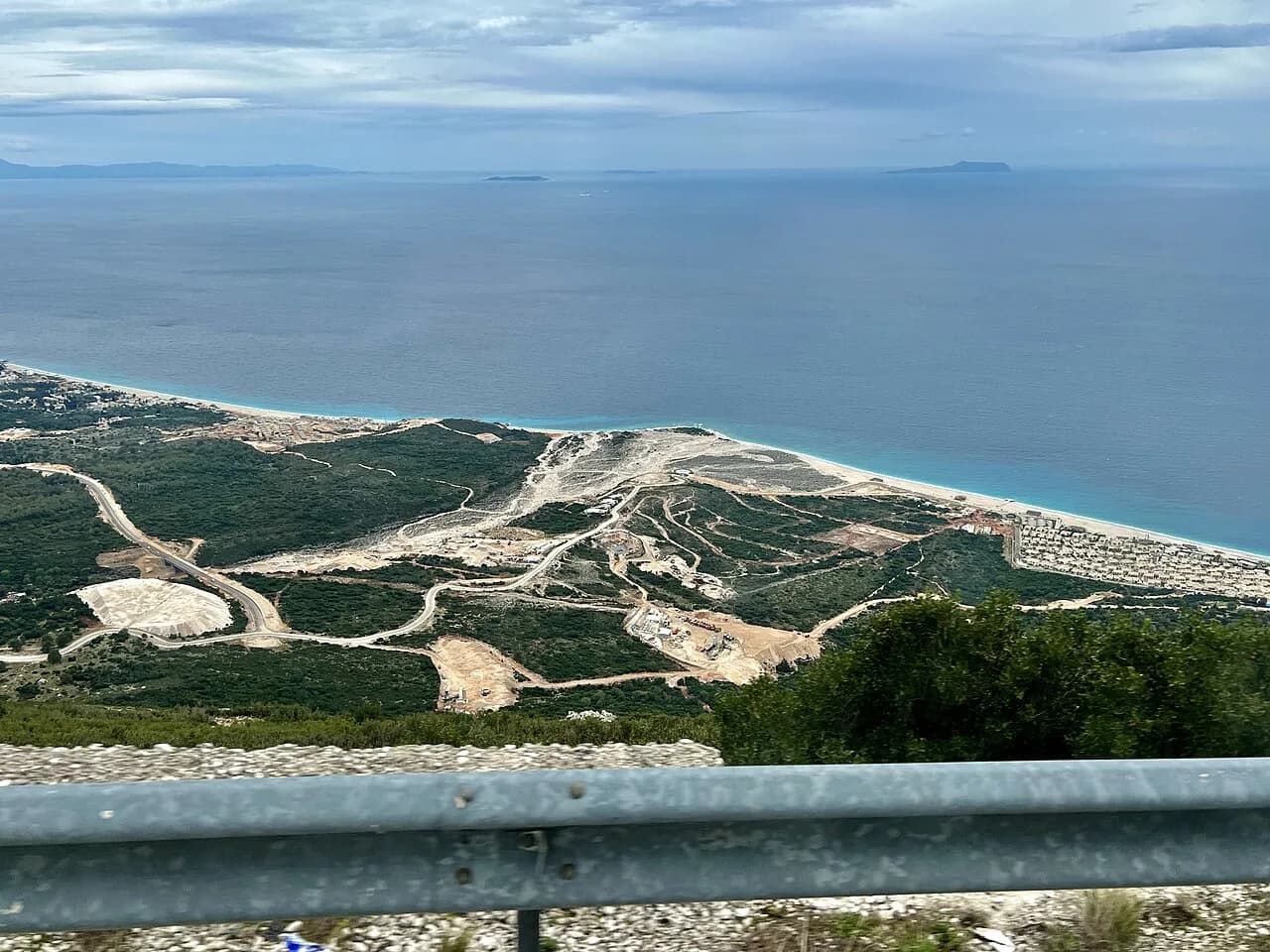
The gap between expectation and reality comes from three things: rising accommodation rates, a cash-first economy that adds ATM fees, and a coast that prices like a resort in summer. Inland towns such as Berat and Gjirokaster stay affordable, while Ksamil and Sarande push budgets upward.
The verdict
Albania is mid-priced by Balkan standards. It is cheaper than the tourist-heavy parts of Greece and Croatia and far cheaper than Western Europe, but the claim that it is the continent's cheapest country does not hold for 2026. Prices have climbed steadily and the coast now charges coastal money.
For most travelers the sensible planning figure is a moderate daily budget rather than a rock-bottom one, with a clear split between inland days and Riviera days. If you want the broader case for the country before committing, our verdict on whether Albania is worth visiting weighs the beaches and ruins against the rough edges.
Who should budget more and who gets away cheap
Backpackers and solo travelers spending on dorms and minivans come out cheapest, because the fixed costs of a room and a car are shared or avoided. Couples in guesthouses land in the middle: a private room costs more than two dorm beds in some cases, but breakfast and local advice often offset it.
Comfort travelers, families needing space, and anyone basing themselves on the Riviera in July and August should budget noticeably more. Beach clubs, private transfers and air-conditioned rooms near the water are where Albanian costs start to resemble Greece.
The currency question: lek, not euro
Albania uses the lek. Some coastal businesses will quote or accept euros, but the exchange rate you get is poor, so day-to-day spending belongs in lek. Expect to draw cash often, including for accommodation: many guesthouses and small hotels want payment on arrival even when you booked online.
ATM fees are a real line item. Per-withdrawal fees at Albanian ATMs add up quickly and fee-free machines are hard to find, so fewer, larger withdrawals beat daily top-ups. Cards work in some Tirana bars and for app-based taxis, but do not count on them inland or on the beach.
Typical costs per day
Treat daily budgets as reported ranges, not fixed prices. Budget travelers using dorms at roughly €18–25 a night, minivans and gyro-style meals spend far less than the €80-a-day mid-range figure. That mid-range number assumes a private guesthouse room around €50 a night, paid transport between towns and one paid activity or beach bed most days.
At the comfort end, costs scale mainly through accommodation and coastal extras rather than food, which stays reasonable almost everywhere. The practical approach is to budget inland days low and coast days high, then average them.
Where the money goes
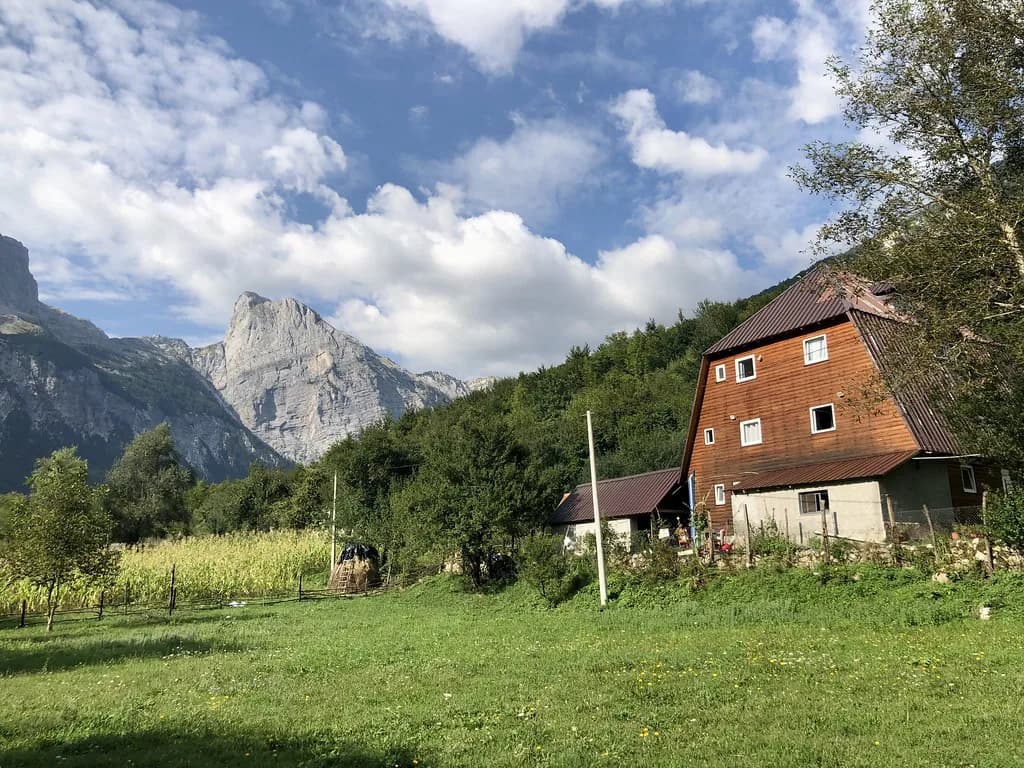
Accommodation is the category travelers most often underestimate relative to everything else. Guesthouses sit in the mid-range bracket in places like Berat and Gjirokaster, while a Himare apartment close to the beach can run higher in season. Food, by contrast, stays cheap if you eat where locals eat.
Transport is the sleeper cost. Minivans are inexpensive per trip but stations sit on the edge of towns, so you often add a short taxi ride at each end. If you are weighing the best places to visit in Albania, factor those transfers into the plan rather than treating them as an afterthought.
Beach beds and the coast premium
The Riviera is where Albania stops feeling cheap. Sunbeds and umbrellas at Ksamil's privately run beach areas carry a modest daily charge for a pair, and some spots charge noticeably more. The beaches themselves are public, so you can lay a towel down for nothing, but the front-row experience is priced like a resort.
One week-long trip put two chairs and an umbrella at roughly €10 in low season, so the same beach can swing widely depending on when you go. The cheapest strategy is to pick one paid beach day and use free public access the rest of the time.
Getting around: buses versus car hire
Minivans and buses are the budget option, with multi-hour journeys rarely costing more than a few euros. Sample fares include Tirana to Berat, Gjirokaster to Sarande and Sarande to Butrint, each just a few euros. The trade-off is unreliable timetables, stations that are little more than a roadside verge, and no easy advance booking.
Car hire starts at roughly €27 a day for the smallest category, before fuel. Roads are generally well paved, but parking in Berat and Gjirokaster is genuinely difficult and drivers are aggressive, so renting a car in Albania suits confident drivers who want to stop wherever they like. One week-long rental came in at about $33 a day for a small car.
Public transport works out cheaply per person per day, against a noticeably higher daily rate if you hire a car, which makes a car worth it mainly for groups of three or more or for reaching remote coast such as Gjipe Beach.
Food and drink
Eating cheaply in Albania is easy. A gyro typically costs under $5, and a casual lunch of that sort keeps daily food spending low. Travelers who stick to groceries and casual meals report spending around $18 on a lunch or dinner out.
Sit-down dinners cost more, especially on the coast, where seafood restaurants charge tourist prices in summer. Inland towns like Berat and Gjirokaster offer better value for the same quality, so plan your nicer meals away from the beach.
Money mistakes that inflate the budget
The most common mistakes are treating Albania as a euro country, withdrawing small amounts repeatedly and paying ATM fees each time, and booking a coast base for the whole trip. Another is trusting an online timetable: confirm pickup points directly with the bus company, because station locations in apps are frequently wrong.
Parking is the quiet fourth mistake for drivers. Many guesthouses have no on-site parking, so in hill towns you can lose an hour circling before paying to park outside the center and taking a taxi in.
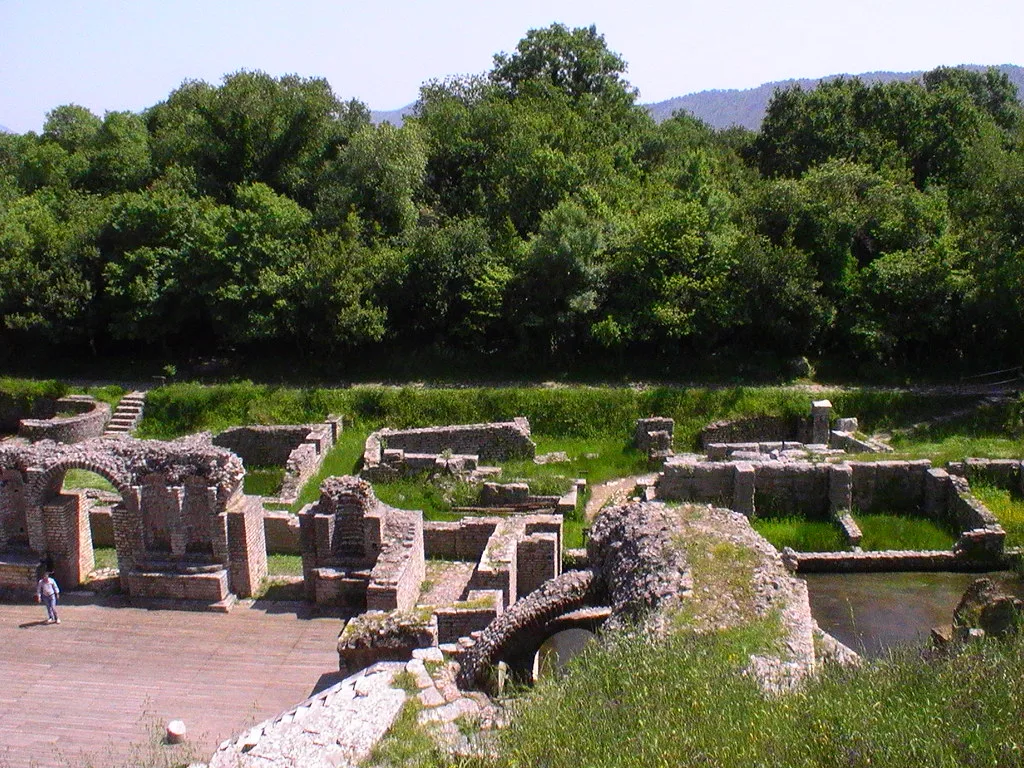
One week in Albania: what the totals look like
A practical five-night trip for a small group, with a rental car, a Ksamil hotel including breakfast and mostly casual food, came to a modest total. That figure included beach chairs twice, fuel for the drive from Tirana and back, and an airport hotel on the last night, which shows how far a modest budget stretches.
For a longer week using buses and guesthouses, add the mid-range daily figure across the days and allow extra for transfers and one or two paid beach days. The total lands closer to Greece's shoulder season than to its August prices.
Is Albania cheaper than Greece and Croatia?
Yes, still, but the margin is thinner than it was. Albania undercuts the crowded parts of both neighbors on accommodation and food, yet its Riviera beach clubs in high season charge prices that would not look out of place in Croatia. The savings come from inland days and from eating and sleeping where Albanians do.
Timing matters as much as destination. If you can travel outside July and August, the same trip costs meaningfully less, which is why the best time to visit Albania is a budget question as much as a weather one.
Is Albania expensive for a family or a couple?
Couples do well in guesthouses, where a private room with breakfast often costs less than two beds in a hostel and includes local advice worth having. Families need space and a car, which raises costs fastest: car hire, fuel and parking outweigh any saving on food.
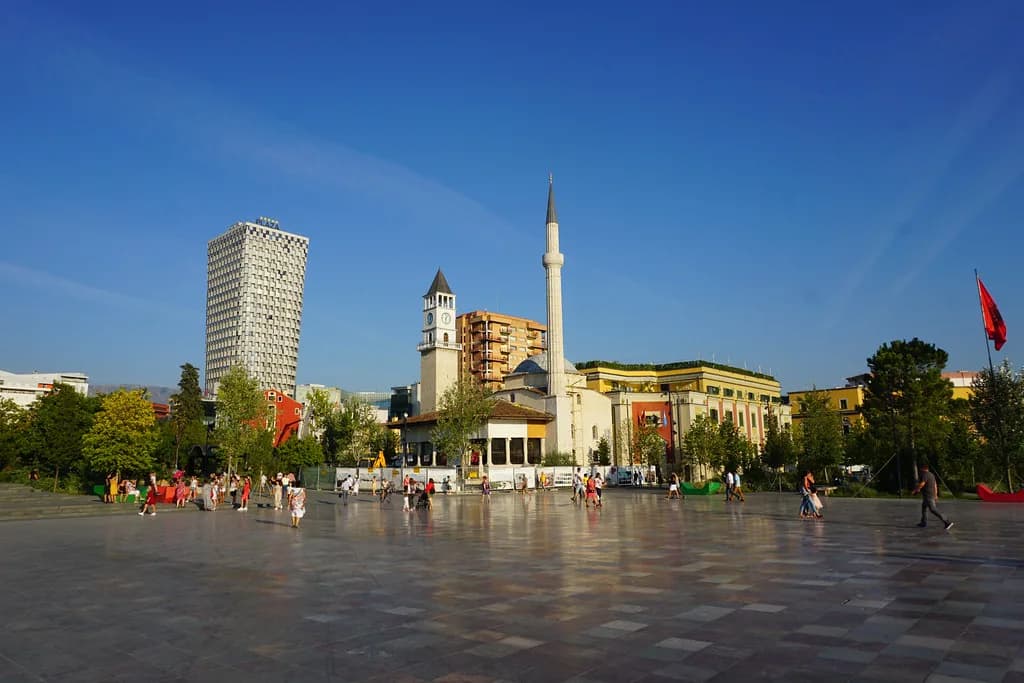
City days are a separate calculation, so treat Tirana as its own line in the budget before you set a daily limit for the whole trip. If you want the capital's numbers broken down before you commit, our guide to whether Tirana is expensive covers daily costs in detail.
Cash, Cards and Pet-Friendly Stays
If you are travelling with a dog, the cash-first rule matters more than it does for other visitors. Albania uses the lek as its currency, and because of the country's history of money laundering you will be expected to pay in cash for almost everything, especially accommodation. Even if you reserve online through Booking.com, you will be expected to meet the hotel or apartment owner in person and pay them in cash when you check in. For a dog owner this means budgeting for a daily ATM stop: fee-free ATMs are hard to find anywhere in the country and withdrawals carry a noticeable charge of a few euros, so plan each withdrawal around the guesthouse nights ahead rather than topping up in small amounts.
The same cash habit shapes how you pay for the places you sleep. Budget-to-mid-range guesthouses were the accommodation of choice on that two-week trip, with mid-range daily spending per person across guesthouses, public transport, local food and activities. Since the owner is paid face to face at check-in, that is the moment to confirm the practicalities of arriving with a dog, and to have the lek ready rather than relying on a card machine that may not exist.
Beach days need their own cash float. The famous beaches in Ksamil are all privately owned, and hiring a sunbed and umbrella costs €20–25, rising to as much as €70 for a spot for the day on some beaches. Other travellers paid around 10 Euros, give or take depending on the season, for two chairs and an umbrella, noting the beaches themselves are public and the chairs are not mandatory. You can occasionally pay for things in euros along the coastline, but the exchange rate is terrible, so stick with lek.
The verdict by traveler type
Backpackers and solo travelers will find Albania genuinely cheap, provided they stick to dorms, minivans and local food and accept the transport chaos. Couples in guesthouses get good value as long as they stay inland part of the time and treat the Riviera as a short, deliberate splurge.
Comfort travelers and families should plan a budget closer to Greece's shoulder season, especially in Ksamil and Sarande in summer. If you want the beaches without the premium, aim for late spring or early autumn and keep Tirana, Berat and Gjirokaster as your base for cheaper days.
Frequently Asked Questions
How much would a meal cost in Albania?
Casual food is the cheapest part of an Albania trip, with gyro shops and bakeries costing far less than a sit-down restaurant. Seafood dinners on the Riviera in summer are the exception and price closer to Greece. Menus are quoted in lek, so compare in the local currency rather than converting to euros.
How far does the US dollar go in Albania?
Reasonably far, but the currency is the lek, so you will convert on arrival or at an ATM. Accommodation and coastal beach clubs absorb most of a budget, while food and minivans stay cheap. Expect to pay cash for many guesthouses and to pay a fee at most ATMs.
How much money do I need for one week in Albania?
Set the budget from reported patterns rather than a single number: guesthouse rooms, bus and minivan fares and casual meals are the three lines that decide the total, and coast days cost more than inland ones. Add a buffer for ATM fees and short taxi transfers to and from bus stations. Season matters more than anything else, so build the estimate around your actual travel dates.
Is Albania expensive to eat out?
No, eating out is one of the cheapest parts of an Albania trip if you choose local restaurants and casual places. Prices rise on the Riviera in high season, where seaside restaurants charge tourist rates. Inland towns such as Berat and Gjirokaster offer better value for the same quality.
Is Albania cheaper than Greece?
Yes, on accommodation, food and local transport, but the gap narrows on the Riviera in July and August. Beach clubs in Ksamil charge prices comparable to Croatian resorts. Inland travel and shoulder-season timing are where the savings actually come from.
Are prices in Albania quoted in euro?
Some coastal businesses quote or accept euros, but the national currency is the lek and paying in euros gets you a poor exchange rate. Withdraw lek from ATMs instead, and expect cash to be expected at many small hotels and guesthouses.
Do I need cash in Albania?
Yes, far more than in Western Europe. Many guesthouses and small hotels want payment in cash on arrival even after an online booking, and ATM fees add up quickly. Make fewer, larger withdrawals rather than topping up every day.
Sources
Trip-decision notes
Optional updates when we publish or revise a destination verdict.
You might also like
Continue reading
More guides you'll find useful