Best Places to Visit in Albania: Where to Go and Why
The best places to visit in Albania, from Berat and Gjirokastër to the Riviera and the Accursed Mountains, with honest notes on what each is worth.
On this page
Albania suits travellers who want big scenery, UNESCO-listed Ottoman towns and a coastline that still feels half-discovered, and who can live with slow roads and thin public transport. It suits hikers, road-trippers and history-minded couples far better than anyone wanting polished resort infrastructure. If you want a week of easy beach transfers with everything bookable in advance, Greece or Croatia will ask less of you.
The single most useful decision is regional, not a ranked list. The Albanian Alps around Valbona and Theth, the Ottoman museum towns of Berat and Gjirokastër, and the Riviera south of Vlorë sit in three different corners of a mountainous country, and trying to do all three in a short trip means most of your holiday happens in a car. Pick one spine and build around it.
The verdict: who Albania suits
Come for landscapes and history, not for convenience. Albania delivers an unusual density of experiences: a capital layered with communist-era bunkers and museums, two UNESCO Ottoman towns, a Roman city at Butrint and a coastline of pebble coves and clear water. The trade-off is that distances take longer than the map suggests and the tourist infrastructure thins out quickly away from the coast.
Travellers who will love it: hikers heading for the Accursed Mountains, drivers who enjoy mountain roads, and anyone who prefers a guesthouse in a castle quarter to a chain hotel. Travellers who should choose somewhere else: families wanting shallow sandy beaches with lifeguards everywhere, and anyone with a tight schedule who cannot absorb a slow transfer day.
If you want the short version before committing days and money, is Albania worth visiting sets out the case for and against in full. It is the fastest way to decide whether this country fits the trip you have in mind.
How to think about the map
Think in three blocks. The north holds Shkodër, Lake Komani, Valbona and the Accursed Mountains. The centre gives you Tirana, Berat, Gjirokastër and the ruins at Butrint. The south is the Riviera, running from Vlorë through Himarë and Dhermi to Sarandë and Ksamil. The eastern border adds Lake Ohrid, shared with North Macedonia, around Pogradec; if that side of the lake tempts you into a border crossing, our North Macedonia verdict weighs up whether the country is worth extending the trip for.
Two blocks in one trip is realistic; three is a driving holiday. A common sensible pairing is Tirana plus Berat and Gjirokastër for a culture-focused week, or Tirana plus the Riviera for a beach-and-ruins week. The mountain north works best as its own trip, combined with Shkodër and Lake Komani rather than bolted onto a beach itinerary.
Tirana: bunkers, Blloku and the best museum start
Tirana is the right first stop because it explains the rest of the country. Bunk'Art 2 occupies a large former Ministry of Internal Affairs bunker and reconstructs the surveillance state through recreated interrogation rooms and installations, while the House of Leaves covers the same era of political police work. Both give context to the concrete mushrooms you will spot on clifftops and street corners for the rest of the trip.
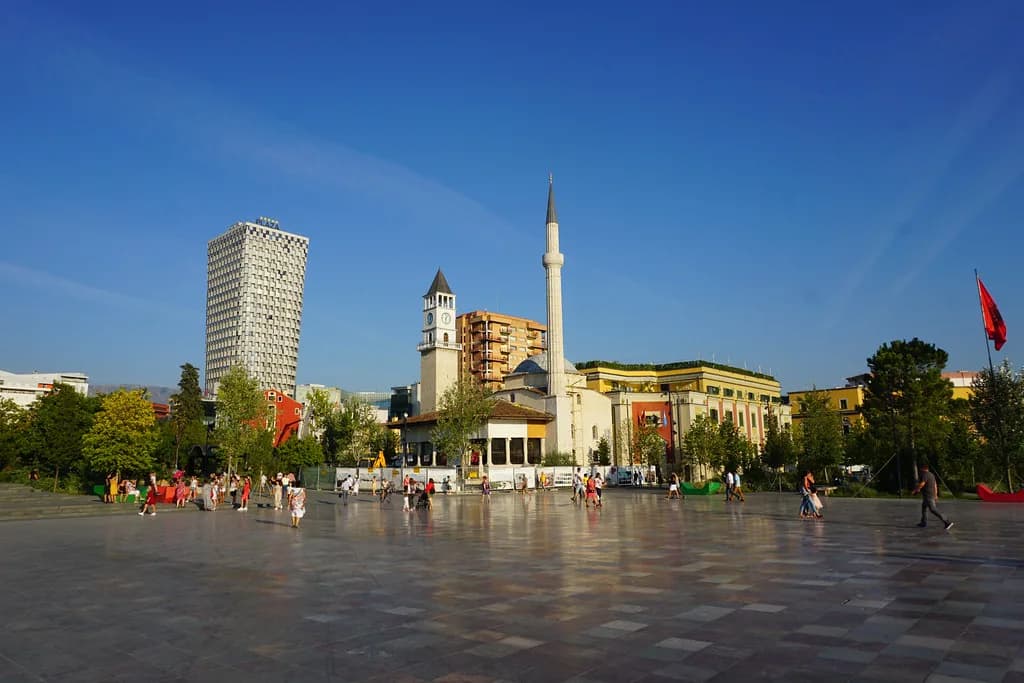
For a lighter half-day, Skënderbej Square holds the Et'hem Bey Mosque, whose frescoes include forests and waterfalls, and the 1822 clock tower, Kulla e Sahatit, which rewards a climb up a confined stairwell with rooftop views. The Blloku district around the corner mixes cafés, bars and design shops with monuments such as the Postbllok checkpoint memorial.
Berat: the Ottoman old town above the Osum
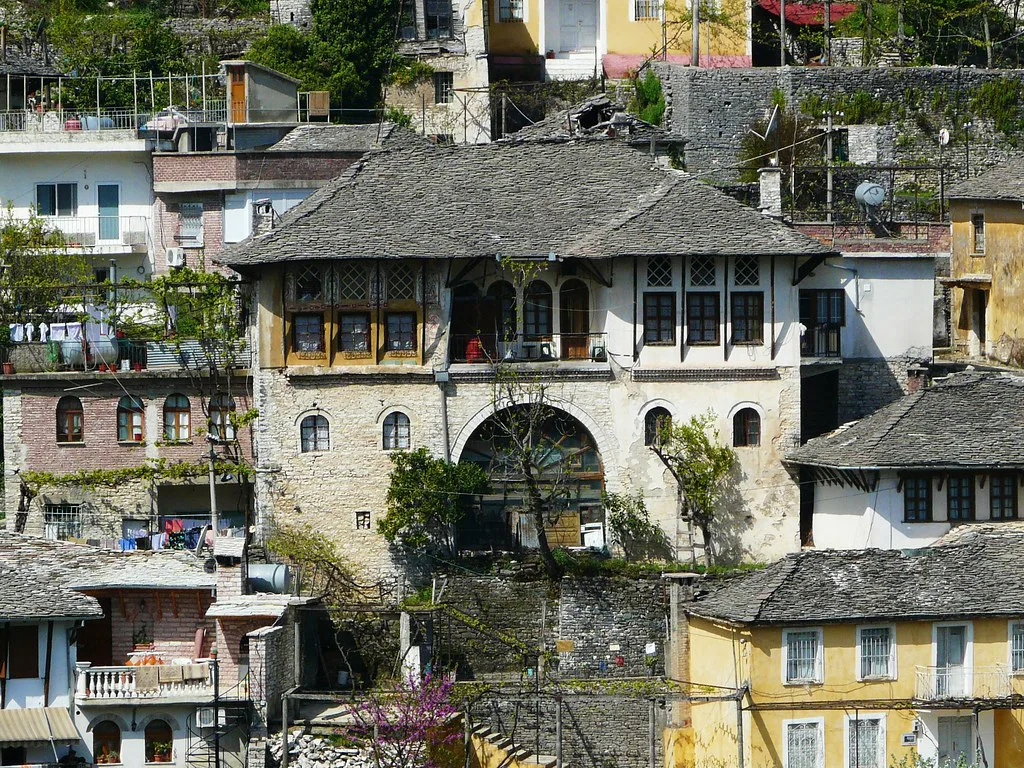
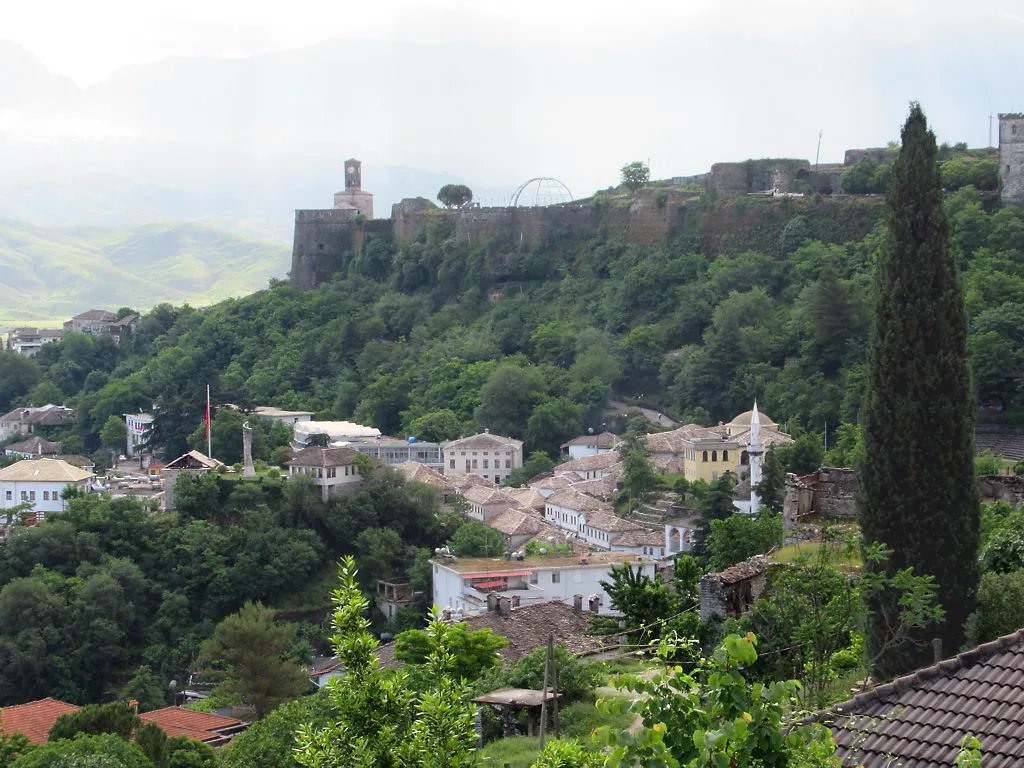
Berat is the postcard Ottoman town, a hillside of whitewashed houses with dark wooden windows stacked above the Osum river and crowned by a inhabited castle quarter. It is a UNESCO World Heritage site and rewards a full day and a night: wander the lower Mangalem and Gorica quarters in the evening light, then climb to the castle in the morning.
Berat is also the easier Ottoman town to reach from Tirana, which makes it the obvious pick if you only have one. The trade-off: it is smaller and more compressed than Gjirokastër, so if you want the more dramatic setting and the bigger castle, spend your single Ottoman day further south instead.
Gjirokastër: the City of Stone and its castle
If you can only see one Ottoman town, make it Gjirokastër. Its steep cobbled lanes climb toward Gjirokastër Castle, one of the largest in the Balkans, with views over the Drino Valley and the Gjerë mountains, and the old bazaar below still works as a bazaar rather than a stage set. The climb is genuinely strenuous, which is part of why it feels earned.
Save time for the small things: the bazaar's stone-carvers and embroiderers, the iso-polyphony museum in the tunnels beneath the bazaar mosque, and a plate of qifqi, the local rice-and-herb specialty. Gjirokastër is further from Tirana than Berat, so give it a night rather than a day trip, and pair it with Butrint or the coast road south.
Butrint and the far south: Roman ruins and a national park
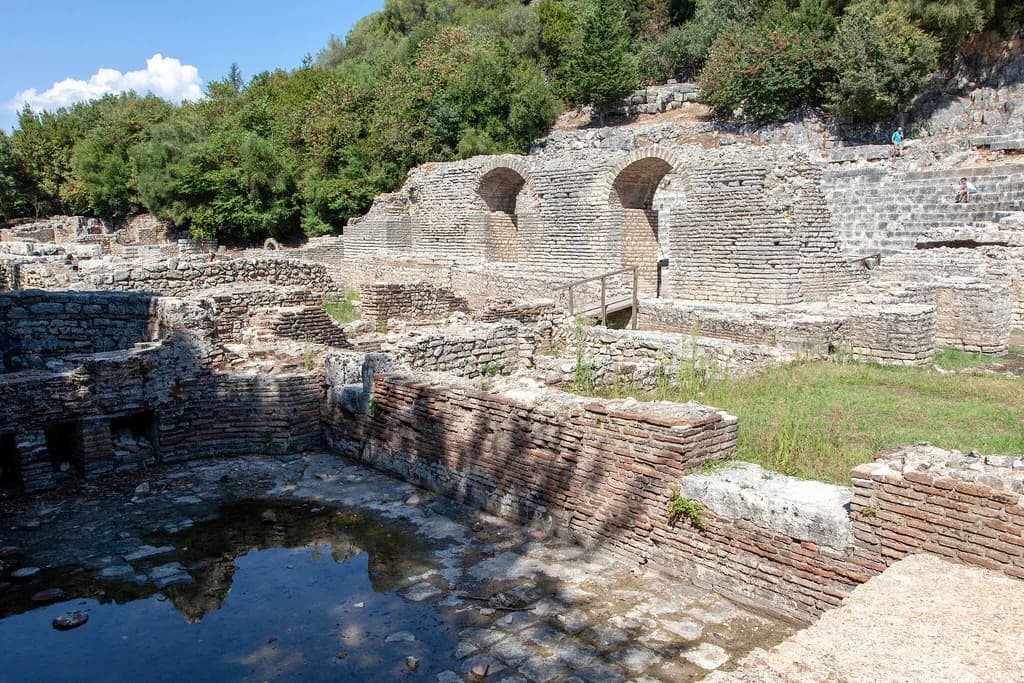
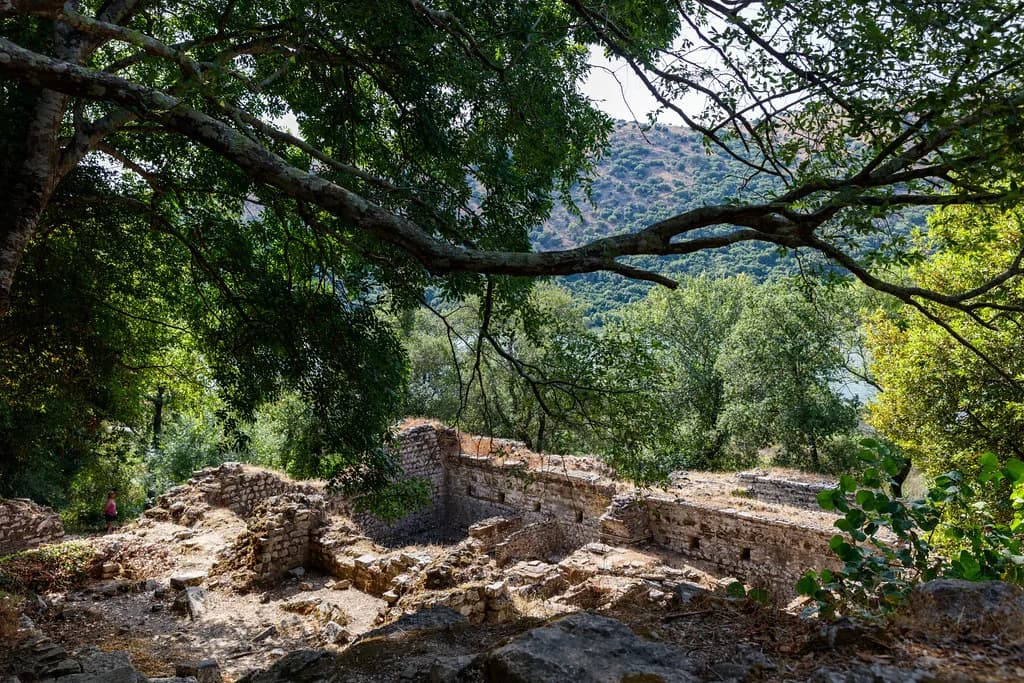
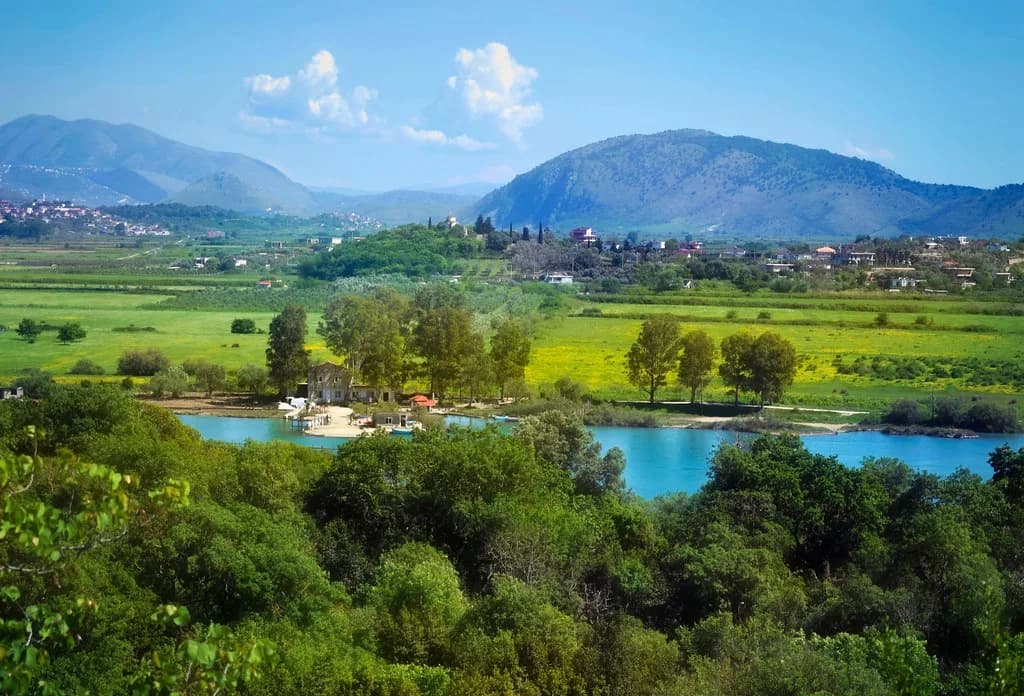
Butrint is Albania's most impressive archaeological site, a UNESCO-listed landscape of Roman arches, Byzantine mosaics and an ancient theater that still hosts summer performances, spread across more than 200 hectares. With limited time, head for the theater and the statue of Dea rather than trying to cover every path.
Nearby, Karaburun-Sazan National Marine Park covers a wild peninsula of cliffs and canyons where boat trips reach the Cave of Haxhi Ali and quiet swimming stops. Base yourself in Sarandë or Ksamil for both, and treat the ruins as a morning and the marine park as a separate day on the water.
The Albanian Riviera: where to base yourself
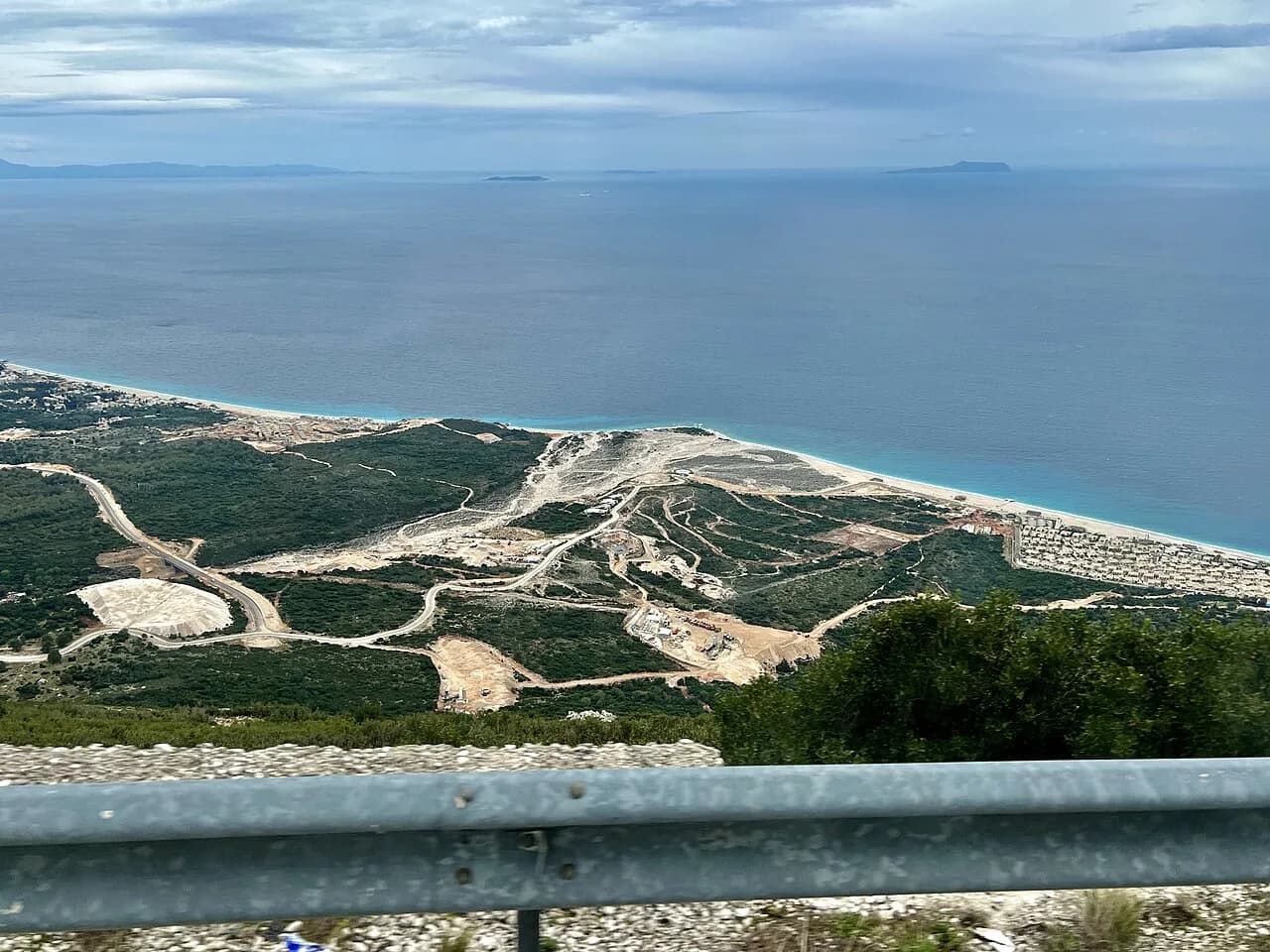
The Riviera is a string of distinct bases, not one destination. Sarandë is the resort hub, with a promenade, upscale restaurants and boat operators around a horseshoe bay. Himarë, a former fishing village, keeps a more local feel and suits anyone who wants quiet. Between them, Dhermi and the cliff-backed Gjipe beach deliver the scenery, though Gjipe needs a hike in.
Ksamil, south of Sarandë opposite Corfu, is the swimming showpiece: white pebble beaches and four islets reached by a short pedalo ride. Loungers and umbrellas there are limited, so arriving early is the practical move in July and August. The southern coast is where the best beaches sit, but it is also the most crowded.
The Blue Eye and the Vlorë hinterland
The Blue Eye, inland from Sarandë in the Vlorë region, is a spring of startling colour where a sunken cave pumps fresh water up through a dark blue centre. The water stays close to 50°F [10°C] year-round and swimming is prohibited, though the depth below the surface has never been established. Come early, because this is a coach-tour stop.
Treat the spring as a half-day from Sarandë or Gjirokastër and combine it with the surrounding park rather than making it the day's only goal. The roads inland are slow and winding, and this is one of several places where having your own car changes what is possible.
If you want to see what a hire car buys you on this coast, our guide to renting a car covers the cliffside roads, parking habits and where the Albanian Riviera rewards a vehicle most.
North: Shkodër, Lake Komani and the Valbona valley
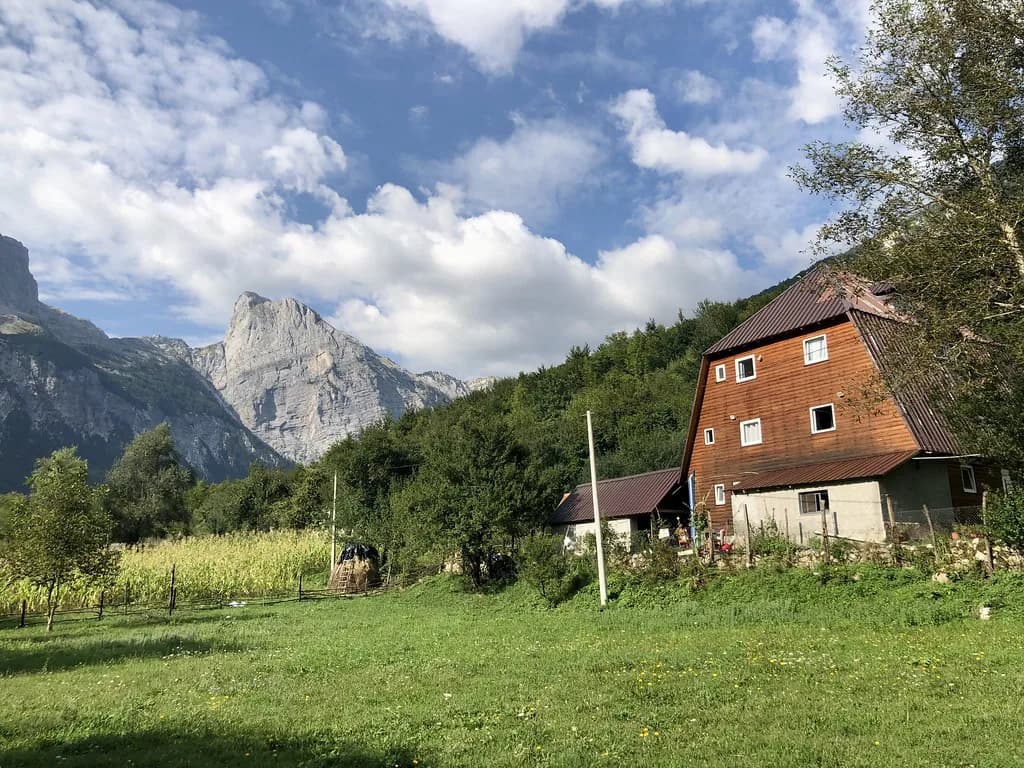
Shkodër is the gateway to the north, useful mainly as a base and a taste of Albanian city life, with a colourful street of houses, restaurants and shops and Lake Skadar on its doorstep for kayaking and birdlife. From here you push into the Albanian Alps, where Valbona National Park offers wildflower meadows, limestone peaks and empty trails in the Accursed Mountains.
Lake Komani is the north's signature journey: a long, narrow reservoir between steep green slopes, crossed by a public ferry carrying people and cars to Fierza, or by longer boat tours that include a lakeside guesthouse stop. The ferry is the practical link toward Valbona hiking; the tour is the scenic choice. Either way, allow most of a day.
Note the access constraint: this is a different trip from the Riviera, not a detour from it. The drive south to Tirana and then the coast swallows a day, so give the north three to four days of its own if you want the Valbona trails rather than a quick look.
Lake Ohrid and the eastern border
Lake Ohrid, shared with North Macedonia, brings Ottoman and Byzantine architecture to a glassy, deep lake around the town of Pogradec on the Albanian side. It is one of Europe's oldest and deepest lakes, and its shores are lined with a mix of Ottoman and Byzantine buildings. It fits naturally on a route between Tirana and Korçë rather than as a standalone destination.
Unless you are crossing the border, treat Lake Ohrid as a two-night pause on an eastward loop: lakeside walks, fish dinners and a slower pace. It is the weakest fit for a short first trip focused on the Riviera or the Alps, so skip it without guilt if time is tight.
How many days you need, by trip style
For a first trip built on culture, give Albania a week: two nights in Tirana, one in Berat, two in Gjirokastër and a night near Butrint or Sarandë. Beach-focused travellers can do the same length entirely in the south, flying into Tirana or taking the ferry from Corfu to Ksamil and heading for Himarë, Dhermi and Ksamil.
Hikers should budget five to seven days for the north alone, including Shkodër, the Komani crossing and two or three days on the Valbona trails. Anyone trying to combine the Alps and the Riviera should plan on ten days to two weeks, with a full day of driving between them rather than a hopeful afternoon.
Typical costs and what drives them up
Albania is a value destination by Western European standards, but the gap narrows sharply on the Riviera in July and August, when seafront places charge peak rates. Prices are in lek, and the biggest cost drivers are coastal accommodation in high season, car hire in summer and boat trips. Expect budget guesthouses inland and steeper bills on the coast.
Keep an eye on what you are actually paying for: a sea-view room in Ksamil in August can cost several times a comparable room in Berat. If you want a realistic breakdown of daily budgets by region and season, our look at whether Albania is expensive is the place to start.
Getting there and getting around
Fly into Tirana for a country-wide trip, into Corfu and ferry across to Sarandë or Ksamil for a southern coast trip, or into Podgorica and cross into Shkodër for the north. Tirana works for every route but adds backtracking if your focus is the far south.
A car is the single biggest upgrade to an Albanian itinerary: buses and day trips reach the highlights, but they cannot stitch together Berat, Gjirokastër, the Blue Eye and the coast on your own schedule. The public transport network is limited away from main corridors, so plan either a car or a series of organised transfers, not a hope that buses will fill the gaps.
Drivers should expect mountain roads with sheer drops on the coastal cliffs and slower average speeds than the distance suggests. Our guide to renting a car in Albania covers what to expect from the roads before you commit.
Drawbacks: crowds, roads and seasonality
The honest drawbacks are seasonal and geographic. Ksamil and Sarandë are seriously crowded in July and August, boat trips and beaches fill up, and the cliff road south becomes slow. Inland, Berat and Gjirokastër absorb tour groups in the middle of the day and go quiet by evening, which is an argument for staying the night rather than day-tripping.
Some places thin out or shut outside summer: Gjipe is a hike with limited services, and mountain guesthouses and lake trips operate on reduced schedules in the colder months. Late spring and early autumn are the sweet spots for combining coast and mountains without the peak crush.
Finally, the roads: mountain routes to Valbona and Lake Komani are slow and sometimes rough, and the coastal cliffs demand attention. Build slack into any day that involves a long transfer.
Best time to go, month by month
May, June and September are the best months for a mixed trip: warm enough for the Riviera, cool enough for walking in the Accursed Mountains, and quieter than August. July and August bring the best swimming but the worst crowds and the highest coastal prices.
Spring brings wildflowers to the mountain meadows and comfortable city sightseeing, while October still works for the south with fewer people on the beaches and cooler evenings. Winter suits Tirana, Berat and Gjirokastër but closes much of the high country and thins coastal services, so plan accordingly.
Verdict by traveller type
Beach seekers: base in Himarë or Ksamil, accept pebbles and crowds in August, and skip the north. Hikers: go north to Valbona and the Accursed Mountains, allow a week and take the Komani crossing. History buffs: give Berat and Gjirokastër two nights each and add Butrint. Families: stick to the Sarandë and Ksamil coast in June or September, where shallow water and shorter transfers make the trip easier.
If you are still weighing whether the country is for you at all, our fuller verdict sets out who should book and who should look elsewhere.
For the practical question of what the trip will cost by region and season, the costs guide answers it without guesswork.
Plan Your Visit
The best places to visit in Albania depend on the trip you actually want: Ottoman towns and ruins in the centre, wild mountains in the north, or the Riviera in the south. Choose one spine, give it a week, and accept that the country rewards slower travel rather than a ticked-off list.
Frequently Asked Questions
What is the most beautiful part of Albania?
Most travellers name the Albanian Riviera for its clear water and cliff-backed beaches, or the Accursed Mountains around Valbona for wild alpine scenery. The two are in different regions, so pick one rather than trying to see both in a short trip.
What is a must-see in Albania?
Gjirokastër's castle and old bazaar and the ruins at Butrint are the strongest single sights, with Berat close behind. Tirana's bunker museums are the best introduction to the country's recent history.
Where should I go in Albania for the first time?
Start in Tirana, then choose between the Ottoman towns of Berat and Gjirokastër and the southern coast. A week covering Tirana, Gjirokastër and Sarandë gives you history, scenery and a beach without long transfers.
How many days do you need in Albania?
A week covers either the central culture route or the Riviera. Ten days to two weeks lets you combine the northern mountains with the coast, allowing a full day of driving between them.
Is the Albanian Riviera worth it?
Yes, if you accept pebble beaches and heavy August crowds. Himarë and Dhermi keep more character than Sarandë, and Ksamil's islets are the swimming highlight.
Is Albania expensive or cheap?
Albania is good value by Western European standards, with the sharpest price rises on the Riviera in July and August. Inland towns and the mountains are cheaper than the coast in high season.
Sources
Trip-decision notes
Optional updates when we publish or revise a destination verdict.
You might also like
Continue reading
More guides you'll find useful