Best Time to Visit Albania: When to Go and What to Expect
May, June, September and October are the best months for Albania: a warm sea, open mountain trails and lighter Riviera crowds than the July and August peak.
On this page
Late May to June, and September to early October, are the best windows for most Albania trips: the sea is warm enough to swim, the Albanian Alps trails are open, and the Riviera is noticeably calmer than in July and August. Summer delivers the warmest water and the biggest crowds, while winter is cheap and quiet but leaves the northern mountains largely out of reach. If you are still deciding whether the country earns a place on your itinerary at all, our verdict on whether Albania is worth visiting covers the beaches, ruins and rough edges before you commit to dates.
The verdict on timing
For a trip that mixes coast, cities and a little hiking, aim for the second half of May, June, or September into early October, when daytime highs sit in a comfortable band and the Ionian is swimmable. Several operators rate May, June and September as the strongest travel months, with July and August marked good rather than best because of heat and coastal pressure, and January and February rated poor. If comfort matters more than the warmest possible water, the shoulder months win on almost every count.
The trade-off is real rather than cosmetic. May and early June can still bring unsettled weather in the mountains, and the sea warms more slowly than the air. September keeps the sea near its summer warmth while crowds thin after mid-month, which is why it edges out June for travelers who want both swimming and breathing room.
Why Albania's climate is split
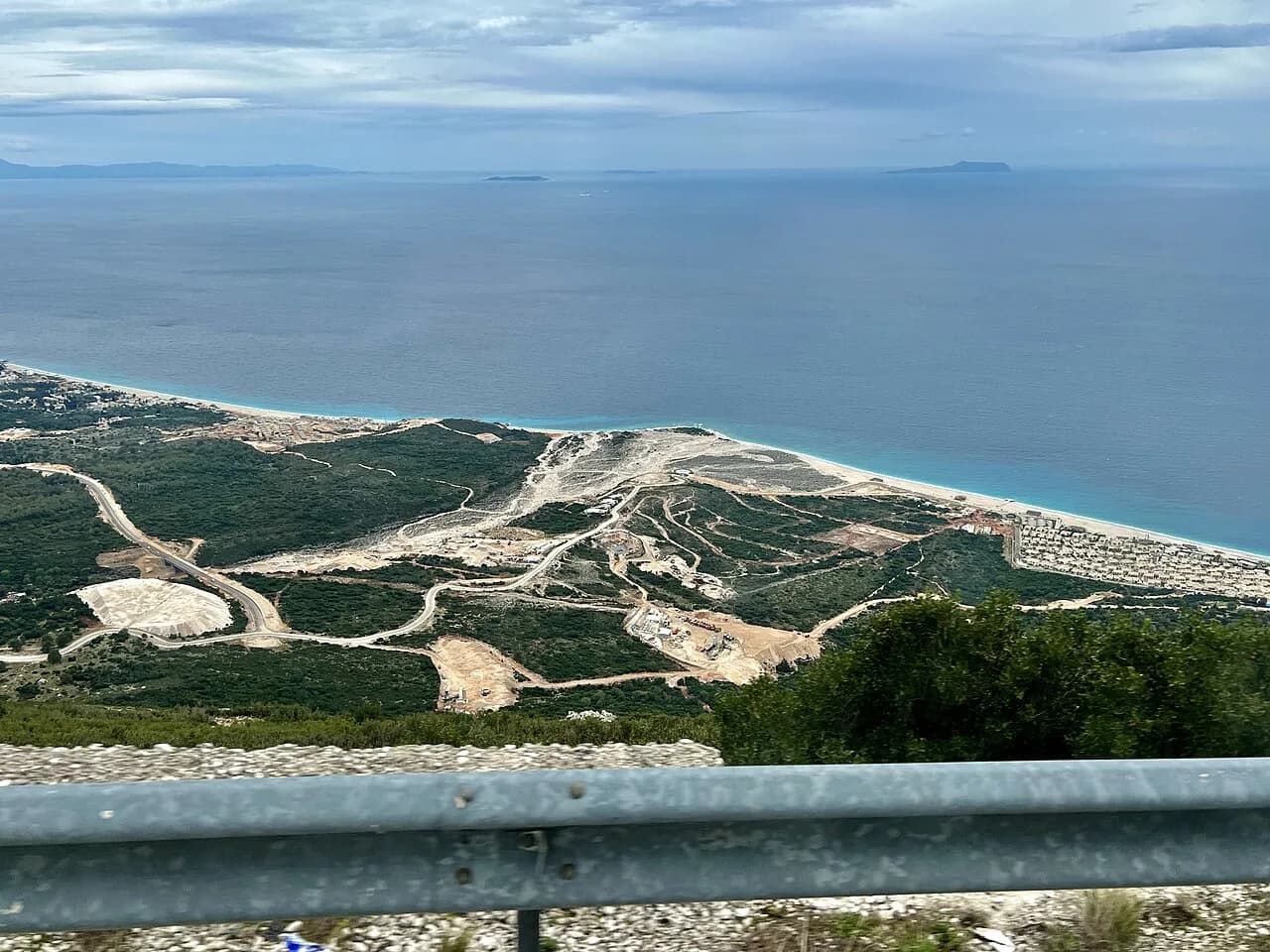
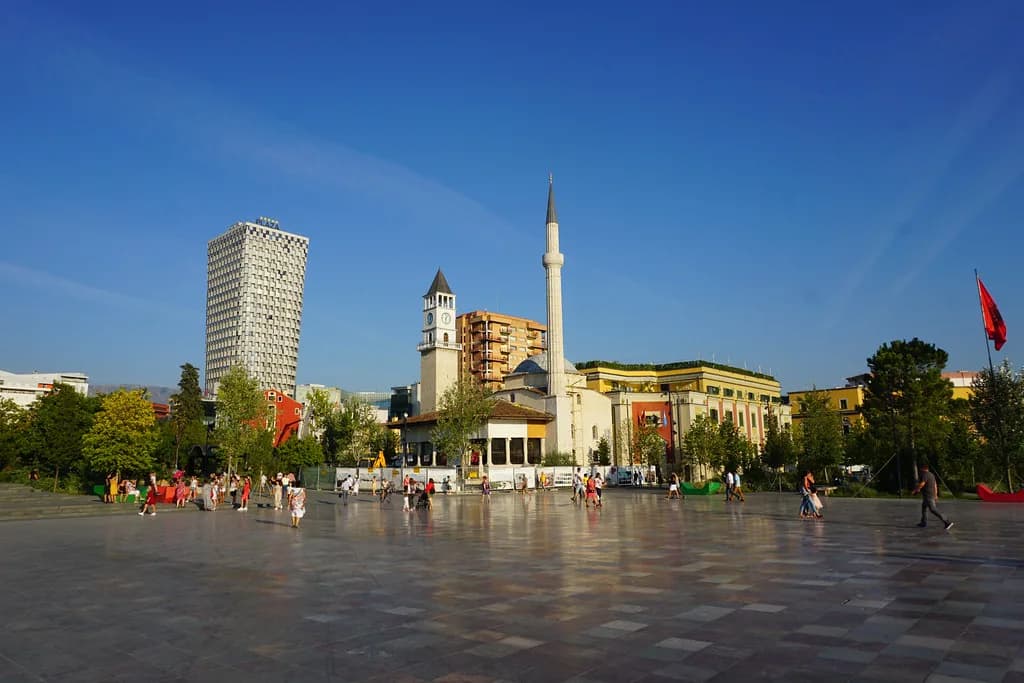
Albania packs a Mediterranean coastline and a continental interior into a country you can cross in a day, and the weather differs sharply between them. The Riviera around Sarandë, Vlorë, Dhërmi and Himarë runs on hot, dry summers and mild, wet winters. Tirana, only about 30 km inland, has hotter summers but cooler, wetter winters than the coast.
Head north to the Albanian Alps around Theth and Valbonë and the pattern turns alpine, with cold, snowy winters and summer days that stay pleasant rather than scorching. Activity operators make the same point about geography: the northern mountains run much colder than the seaside south, so the same week can suit one region and not the other. That means a single trip can hit beach weather and hiking weather in the same week in June, but rarely in April or November.
Weather by month in Tirana
Tirana's typical daytime highs climb from around 12.5°C (55°F) in January and 13.8°C (57°F) in February to 17°C (63°F) in March and 20.5°C (69°F) in April. May reaches about 24.8°C (77°F), June about 29.3°C (85°F), and July and August peak near 32–33°C (90–91°F). September eases to roughly 28.1°C (83°F), October to 23.4°C (74°F) and December to 14.1°C (57°F).
Rain follows its own calendar: the wet season runs roughly October to April, peaking in November and December, while June to August is reliably dry. Tirana takes around 1,345 mm a year, most of it outside summer, and the coast near Vlorë sees somewhat less at roughly 1,080 mm. November alone brings about 210 mm across roughly 12 rain days, and January counts around 10 rain days.
Sea temperatures along the Riviera track a similar curve, warming from about 14°C (57°F) in January to roughly 24°C (75°F) in July and peaking near 25°C (77°F) in August before easing back to about 24°C in September. That September figure explains why swimming remains comfortable well after the peak crowds leave. Treat all of these as typical conditions, not forecasts, and read them alongside our best time to visit Tirana guidance if the capital anchors your route.
Spring (March to May)
March and April bring mild, warming days, wildflowers across the countryside and far fewer visitors than summer. This is prime walking and rafting country, but the sea is still too cold for most swimmers in March, and some highland trails remain snow-affected into April. If your itinerary leans on culture and landscape rather than beaches, spring gives you the country at a gentler pace.
May is the real turning point: highs near 24.8°C (77°F), mostly dry days, a sea beginning to warm and everything fully open after winter. It is one of the best-value months for the coast, sitting just before the peak-rate climb. The compromise is water that still feels brisk to some swimmers early in the month.
Summer (June to August)
June offers the sweet spot of the summer months: highs around 29.3°C (85°F), a comfortably swimmable sea, long daylight hours and crowds that have not yet reached their peak. Late June is busier than early June, so travelers sensitive to density should lean earlier in the month. The Kala Festival at Dhërmi Beach, running 3–10 June 2026, tightens accommodation along that stretch of coast, so it pays to plan around it.
July and August are the hottest, driest and busiest stretch, with highs near 32–33°C (90–91°F) and the warmest sea of the year at around 25°C (77°F). On the Riviera, Sarandë, Vlorë and Dhërmi fill up and prices peak. For city touring and hiking, the heat and crowds make these the least comfortable weeks of the year, and the Sundance Festival on the Riviera from 9–12 July 2026 adds further demand.
Autumn (September to November)
September is the strongest all-round month. Highs sit around 28.1°C (83°F), the sea holds near 24°C (75°F), and crowds drop away after mid-month, so you get comfortable beach days and easier city sightseeing at once. The Tirana International Film Festival from 21–27 September 2026 is a reason to add the capital rather than avoid it. October stays mild at roughly 23.4°C (74°F), but rain picks up, especially in the north.
November is the wettest month of the year, with around 210 mm of rain over roughly 12 days, so it suits museums, food and the historic towns far better than coast or mountains. If you are weighing the shoulder months against each other, late September through mid-October is the better-value bet: warm enough for the sea, with prices well below the July and August peak. Our guide to whether Albania is expensive shows where that saving actually lands in a trip budget.
Winter (December to February)
Winter is the cheapest and quietest stretch of the year, with cold, often wet weather on the coast and in Tirana, and highs around 14.1°C (57°F) in December and 12.5°C (55°F) in January. Cities and museums are uncrowded, but short daylight and frequent rain shape what you can comfortably do. The Albanian Alps around Theth and Valbonë are snowbound, and mountain roads and passes are typically out of reach.
If your plan depends on northern hiking, treat December to February as non-negotiable skip months, not a gamble. If you want the country at its lowest prices and don't need the beach or the peaks, the cities deliver a slower, cheaper version of Albania.
Best time for the Albanian Riviera
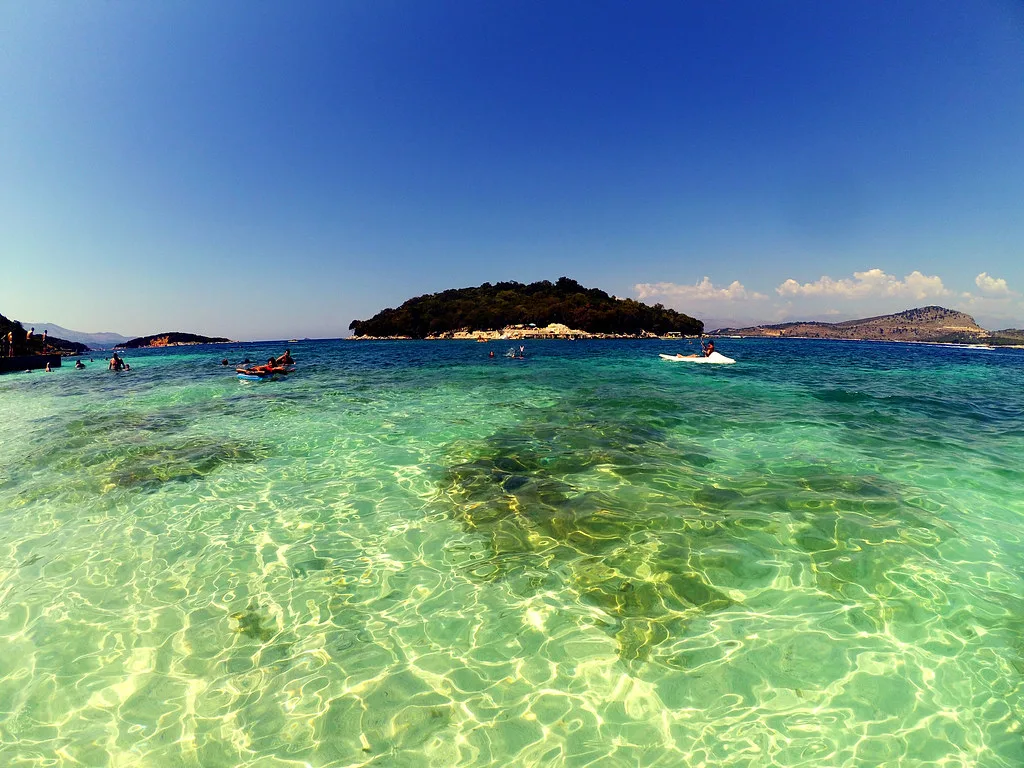
The coast around Sarandë, Vlorë, Dhërmi and Himarë is at its best from June through September, when the Ionian is genuinely warm and the beaches are fully serviced. June and September are the smart picks: sea temperatures near 24–25°C (75–77°F) with lighter crowds than the July and August peak. August has the warmest water but the heaviest pressure on beaches, roads and rooms.
Getting between the coastal towns is where the season really bites. Distances look short on a map, but the winding road from Tirana to Sarandë takes around six hours by car or up to eight by bus, so a peak-week transfer can swallow an entire day. Renting a car buys you flexibility for stopping at beaches off the bus line, such as Gjipe Beach between Dhërmi and Himarë, at the cost of hunting for crowded coastal parking in August.
Best time for the Albanian Alps
Theth, Valbonë and the Shkodër backcountry have a genuinely short window, typically June to September, when trails and mountain passes are clear. Outside those months the alpine climate leaves trails snow-affected, so a May booking aimed at these valleys can disappoint even though the coast is pleasant. If the northern mountains are your reason for coming, build the trip around late June to early September.
Summer days in the Alps are cool and comfortable rather than hot, which makes July and August far more appealing at altitude than on the coast. That inverts the usual advice: the months to avoid in Sarandë are the months to book in Theth. Hikers who want the northern valleys at their best should treat the summer window as the only realistic option.
Best time for Tirana, Berat and Gjirokastër
For cities and culture, aim for April to June or September and October, when you can walk Berat's steep lanes and Gjirokastër's stone streets without midday heat. Tirana works year-round, but its summer highs near 32–33°C (90–91°F) make July and August better for mornings and evenings than full days of sightseeing. Winter in the capital is cooler and wetter but cheap and calm.
Spring adds wildflowers and festival energy, with Dita e Verës on 14 March bringing a nationwide burst of activity, though the sea stays cold for swimming. Autumn brings the wine harvest and, in Tirana, the international film festival in late September. Either gives you a culture-first trip that does not depend on beach weather.
Shoulder season versus peak
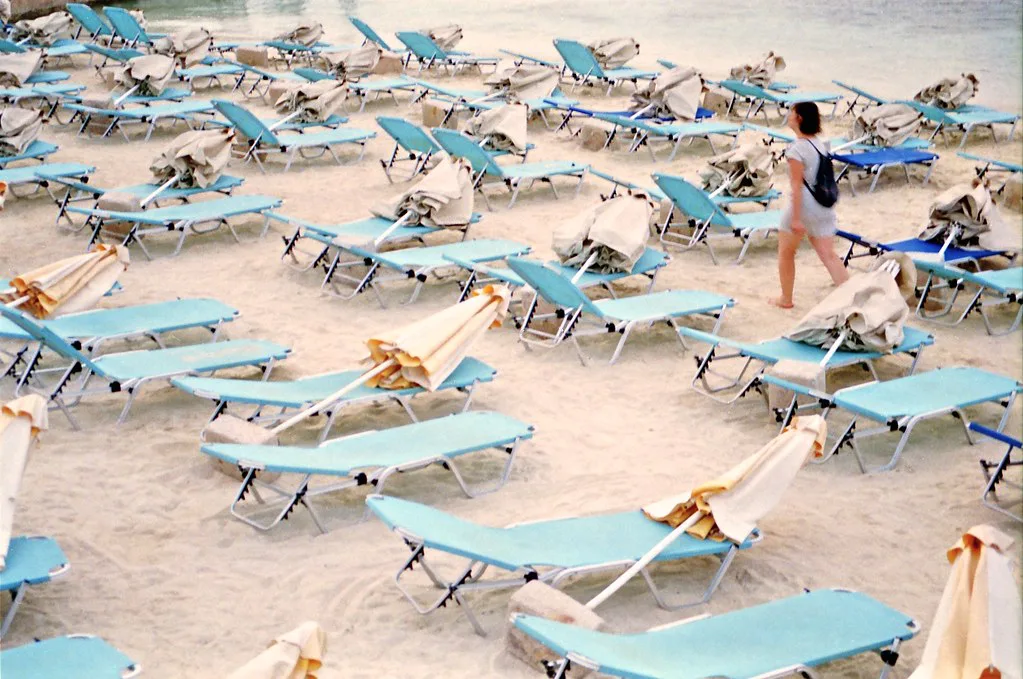
The shoulder seasons of May, June, September and October are cheaper and quieter than July and August, with a sea that stays swimmable from June into September. Peak season wins on water temperature and the guarantee of sun, and loses on crowds, heat and coastal prices. Off-season from November to February is the cheapest of all, at the price of cold, rain and snowbound mountains.
Choose the shoulder if you want a varied itinerary, and the peak only if beach time is the whole point. Sorting the country's highlights by region first makes that call much easier, and our list of the best places to visit in Albania is a useful starting point before you fix a month.
Events that shift the calendar
A handful of fixed events genuinely move demand and prices. Dita e Verës on 14 March fills towns nationwide, Kala Festival at Dhërmi Beach from 3–10 June 2026 and the Sundance Festival on the Riviera from 9–12 July 2026 tighten the coast, Korça Beer Fest from 12–16 August 2026 draws crowds to the southeast, and the Tirana International Film Festival from 21–27 September 2026 gives the capital a reason to feature in your route.
If you want the Riviera at its calmest, avoid the Kala and Sundance dates and prefer late June or early September. Festival weeks are lively but pricier, and transport and rooms around the host towns book up well ahead. Decide whether the event is your reason to travel or something to steer around.
How many days you need and how the season changes routing
Three to five days covers Tirana plus one coastal or southern highlight at a relaxed pace, but seven to ten days is the realistic range for combining coast, mountains and historic towns. Slow roads are the constraint: a single Tirana to Sarandë leg takes around six hours by car or up to eight by bus, so routing choices eat real time.
The season changes what is worth attempting in that window. In April a northern-valley leg may be closed by snow, so you should weight the trip south toward Berat, Gjirokastër and the coast; in July the heat argues for shorter driving days and mornings spent at the beach or at elevation. Renting a car is the most flexible way to reshape the plan as the weather dictates.
Who should pick a different month
Beach-first travelers who don't mind heat and crowds should go in July or August for the warmest water and the most reliable sun. Hikers should aim for late June through early September, and skip spring and late autumn for the northern valleys. City and culture travelers get the best of it in April, May, September and October, and budget travelers should look at November through February while accepting cold and rain.
Anyone whose trip hinges on both the Riviera and the Alps at once should book June or September, the only windows where both are comfortably in play. If your dates are fixed in August and you dislike crowds, weight the itinerary toward the mountains and inland towns and treat the coast as day trips.
The verdict by traveler type
If you want the sea, the mountains and the cities in one trip, go in June or September: both months give you swimmable water, open trails and lighter crowds, and September adds better value after mid-month. Pick July or August only if the warmest water matters more than comfort and cost.
If your dates are locked to winter, plan a city and culture trip around Tirana, Berat or Gjirokastër and leave the Alps out of it; confirm any venue or operator opening times directly before you commit. Otherwise, aim for the late May to early October band and build the route around which region you most want at its peak.
Frequently Asked Questions
What is the best month to visit Albania?
June and September are the strongest all-round months, with warm but not extreme temperatures, a swimmable sea and lighter crowds than July and August. May and October also work well for cities and landscapes, while the mountains are best from late June to early September.
Is Albania hot in October?
October is mild rather than hot, with Tirana daytime highs typically around 23.4°C (74°F) and rain becoming more frequent, especially in the north. It suits cities, wine country and gentle walking, but the coast is less reliable for beach days than in September.
Is Albania hot in June?
June is warm, with Tirana highs typically around 29.3°C (85°F), a comfortably swimmable sea and long daylight hours. It is one of the best months for combining beaches, historic towns and mountain walking before the peak-season crowds build.
Is Albania hot in September?
September stays warm, with highs typically around 28.1°C (83°F) and the sea near 24°C (75°F), so swimming remains comfortable. Crowds thin out after mid-month, which makes it one of the best-value months for the Riviera.
What is the worst time to visit Albania?
December to February is the hardest stretch for a varied trip: it is the coldest and wettest period, the Albanian Alps are snowbound and mountain passes are typically out of reach. It is cheap and quiet for cities, but a poor fit if you want beaches or northern hiking.
Can you swim in Albania in May?
Early May is still brisk in the water, but the sea begins to warm and later May becomes more comfortable, with Tirana highs near 24.8°C (77°F). For reliably warm swimming, June is a safer choice.
When can you hike in the Albanian Alps?
The usual window is June to September, when trails and mountain passes around Theth, Valbonë and the Shkodër backcountry are clear of snow. Outside those months, trails can be snow-affected, so build northern hiking into a summer trip rather than a spring one.
How many days do you need in Albania?
Three to five days covers Tirana plus one coastal or southern highlight at a relaxed pace, while seven to ten days lets you combine the coast, mountains and historic towns. Slow roads are the main constraint, with Tirana to Sarandë taking around six hours by car or up to eight by bus.
Sources
Trip-decision notes
Optional updates when we publish or revise a destination verdict.
You might also like
Continue reading
More guides you'll find useful