Best Time to Visit Bosnia and Herzegovina: When to Go
The best time to visit Bosnia and Herzegovina is late May to June or September to early October, when weather is mild, waterfalls run strong and crowds thin.
On this page
The best time to visit Bosnia and Herzegovina is late May to June or September to early October. In those windows the weather is comfortable for walking old towns, the waterfalls still carry spring melt or early autumn rain, and the summer coach crowds have not yet arrived or have already gone. Pick high summer only if rafting, swimming below Kravica or watching the Stari Most divers matters more to you than elbow room.
The country does not behave as one climate. Sarajevo sits in a mountain basin, Mostar bakes in the Neretva valley, and Una National Park in the northwest is cooler and wetter. Plan your month around the region you are actually visiting, not the national average. If you are still deciding whether the country deserves a slot on your Balkans route, our take on whether Bosnia is worth visiting settles that question first.
The verdict: who should go when
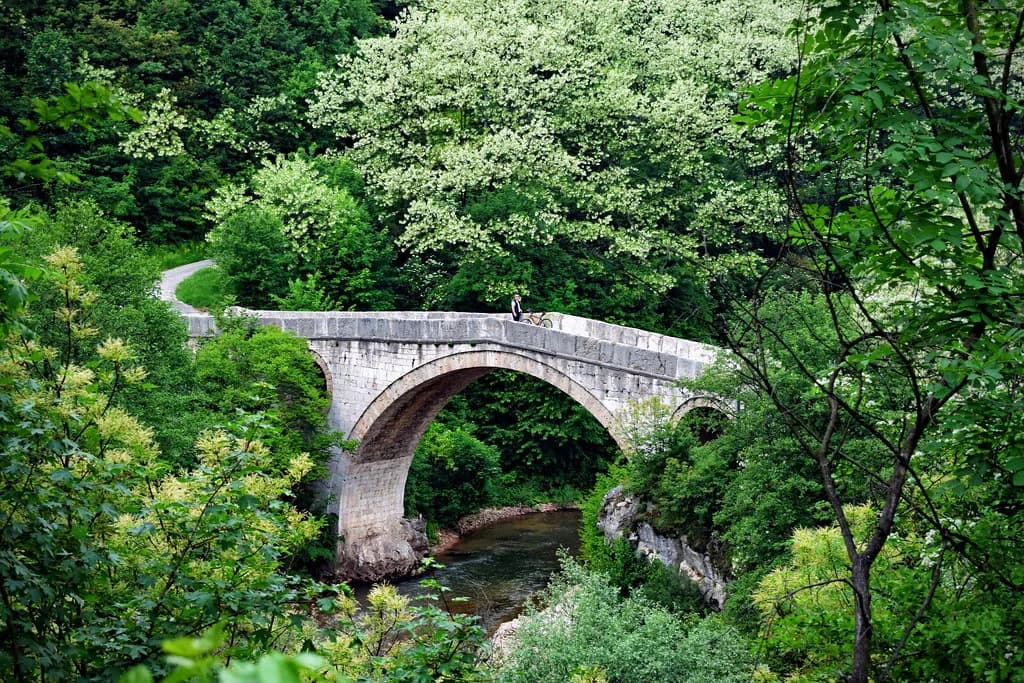
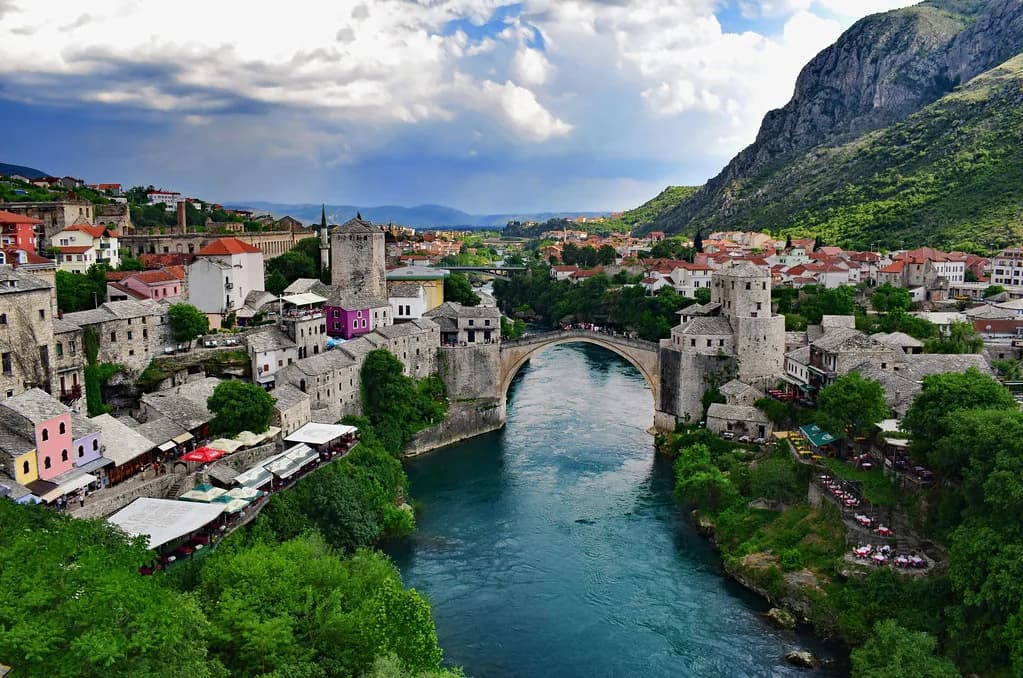
Spring, roughly March to May, rewards nature lovers and photographers. Wildflowers appear, valleys turn green and the waterfalls come alive, which makes the Neretva Valley and Mostar's old bridge especially photogenic. Traveller numbers stay below summer levels, so cobbled streets in Sarajevo and Mostar are easier to walk. Spring is also the season for hiking and cycling in mild weather before the heat builds.
Summer, June to August, is the peak season and the only reliable window for river sports and swimming. Rafting and kayaking run on the Neretva and Una rivers, Pliva Lake is warm enough to swim, and Sarajevo fills with music and cultural festivals. Evenings in Sarajevo and Mostar are lively with cafes and restaurants. The trade-off is price and pressure: book flights and accommodation early for Sarajevo and Mostar.
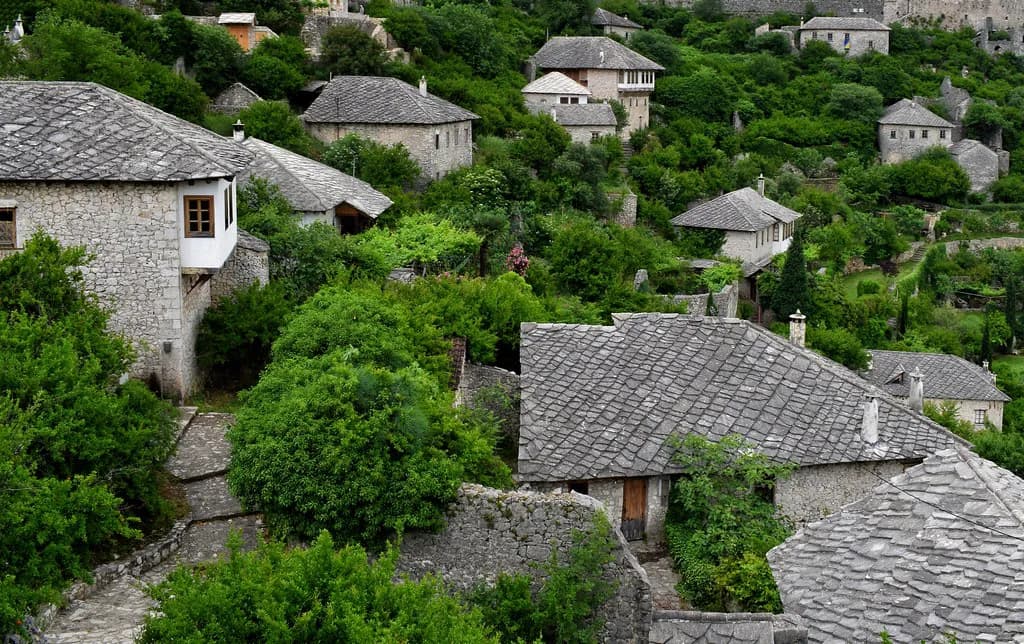
Autumn, September to November, is the editor's pick for cities and scenery. Leaves turn gold and red, temperatures are comfortable for sightseeing and scenic drives, and there are fewer visitors. Travnik, with its old castle and narrow streets, is a good autumn day trip. Food travellers also gain: seasonal produce and traditional dishes are at their best, and the pace is slower.
Winter, December to February, suits skiers and city-breakers rather than a nationwide tour. Jahorina and Bjelašnica, both associated with the 1984 Winter Olympics, draw skiers and snowboarders, while Sarajevo's museums and cafes carry the indoor side of a trip. Outside the resorts, mountain roads and shorter days limit what you can string together. Treat winter as a focused break, not a grand loop.
Spring (March to May): waterfalls at their best, fewer visitors
Spring is when Kravica Waterfalls are at their most spectacular. Melting snow and seasonal rainfall swell the cascades, and the surrounding greenery is at its freshest. The same logic applies at Blagaj Tekke, where the Buna spring feeds the river below the cliff. If waterfall photography is the point of your trip, aim for this window rather than August.
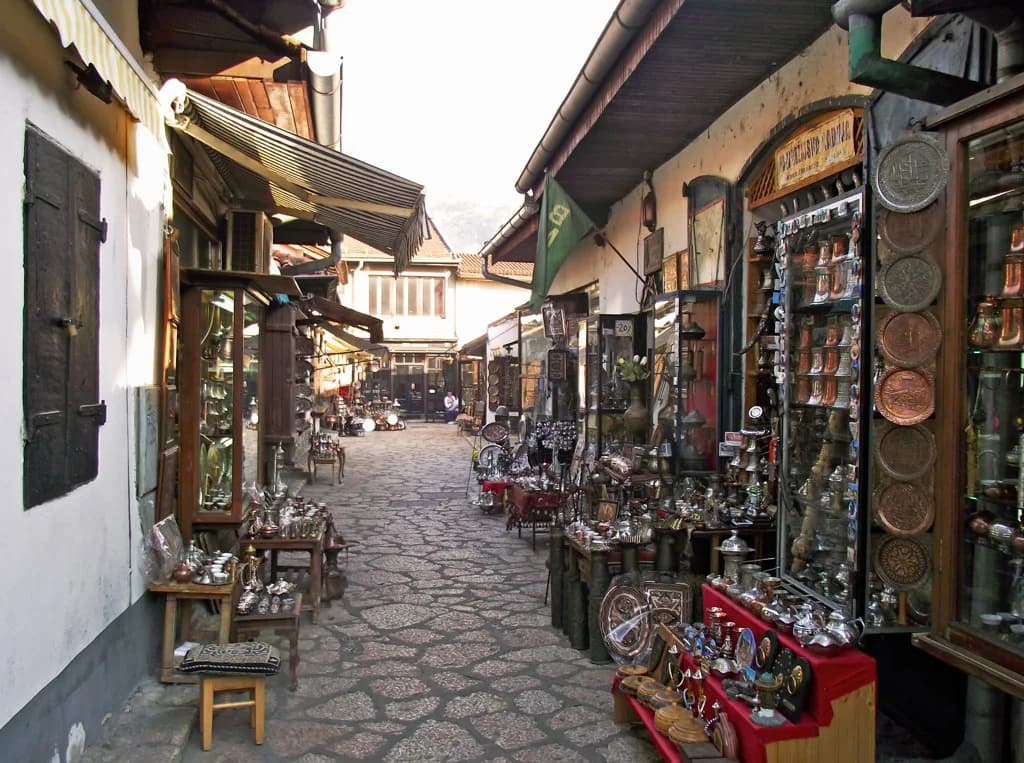
Fewer tourists than summer means a calmer experience in Sarajevo's Baščaršija and Mostar's Old Town. Comfortable temperatures make walking those cobbled streets pleasant rather than punishing. Outdoor activities such as hiking and cycling work well in the mild weather, and the Neretva Valley is at its most scenic. Note that spring weather can swing, so build slack into any mountain day. If you want a focused look at this shoulder month, Bosnia in April covers the specifics.
Summer (June to August): long days, rafting season, peak prices
Summer delivers long daylight hours and warm weather, which is why it is the busiest season in Bosnia and Herzegovina. Rafting on the Neretva and Una rivers is at its best, and you can swim in the pools below Kravica Waterfalls or in Pliva Lake. Hiking in the Dinaric Alps and exploring Una National Park fill the active days. Evenings are mild enough for outdoor dining and strolling Baščaršija or Mostar's Old Town after sunset.
Summer is also when the Stari Most divers perform, a tradition that draws crowds to the bridge. Book flights and accommodation early for Sarajevo and Mostar, where peak-season demand is strongest. If you want to keep costs down, the country is generally moderate value, but high-season beds are where budgets stretch. Our guide to money in Bosnia explains the convertible mark and how to pay without surprises.
Autumn (September to November): the editor's pick for cities and scenery
Autumn turns the forests, mountains and river valleys gold, orange and crimson. Comfortable temperatures and fewer visitors make this the best season for sightseeing, scenic drives and historic towns at a leisurely pace. Photographers and nature lovers get the country's most colourful landscapes without summer's queues. One traveller view on the Sarajevo forum puts it simply: if you want cooler weather and the bigger crowds gone, wait until October.
Food culture also improves in autumn, with seasonal produce and traditional dishes appearing in rural markets and restaurants. Wine regions nearby add another layer for slow travellers. If your trip is built around cities rather than rivers, this is the window to choose. Bosnia in October goes deeper on conditions and what stays open as the season turns.
Winter (December to February): Sarajevo's indoors and the ski slopes
Winter transforms the mountains into ski country. Jahorina and Bjelašnica are the two names to know, both linked to the 1984 Winter Olympics and offering slopes for different skill levels. Sarajevo's historic streets take on a quieter mood, with cafes serving warm drinks and traditional Bosnian food. Museums and galleries give cold days an indoor option. Temperatures can drop below freezing in some regions, so treat winter as a specialist season.
Away from the resorts, winter is not the season for a nationwide road trip. Shorter days and mountain conditions cut into scenic drives, and some rural attractions see little traffic. If skiing or a Sarajevo city break is the goal, winter works well. If you want Mostar, Kravica and Una in one loop, pick late spring or early autumn instead.
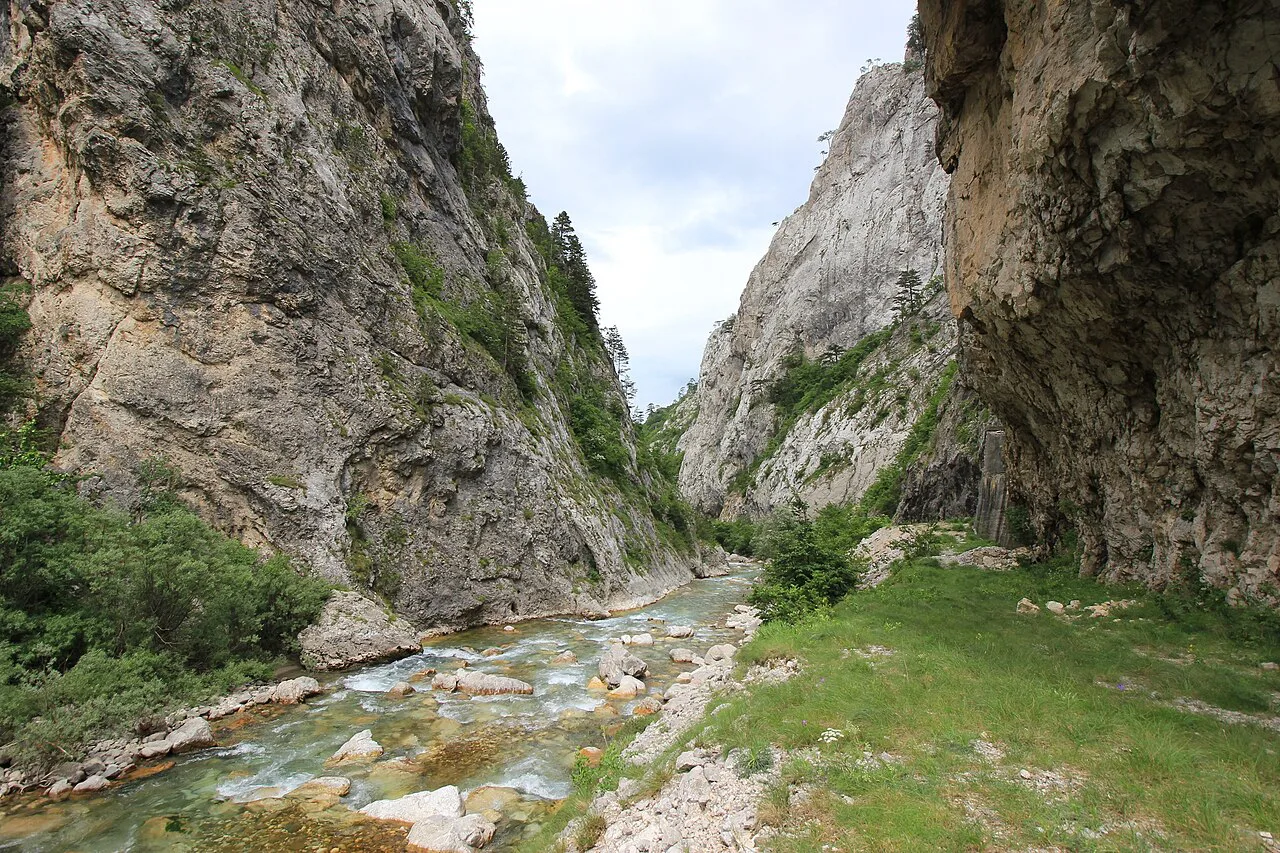
How the seasons compare for Sarajevo, Mostar and Una National Park
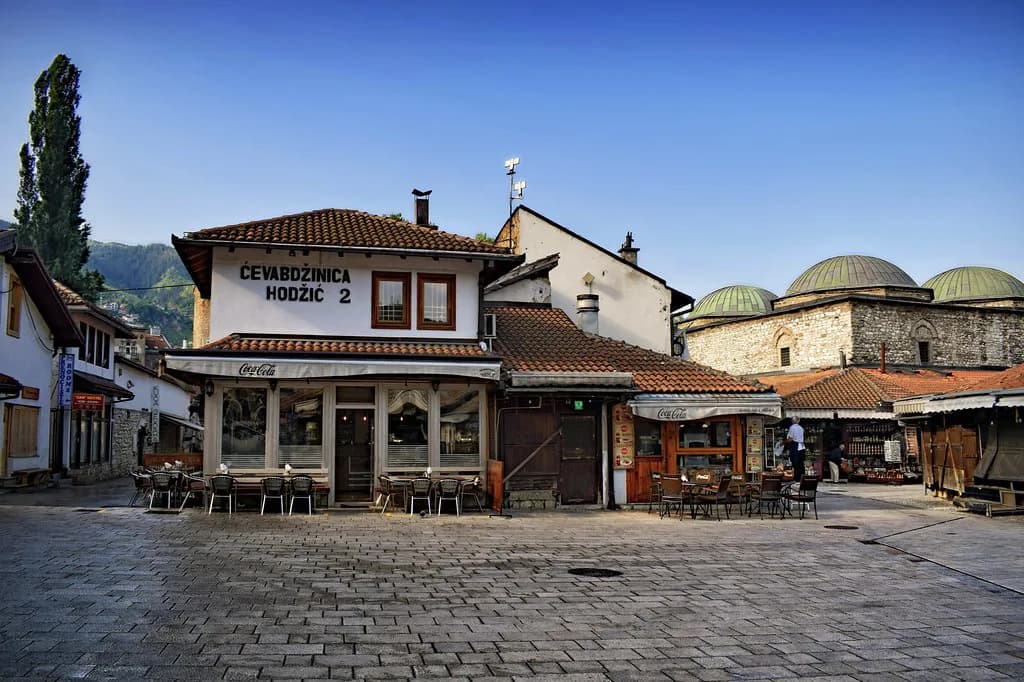
Sarajevo rewards spring and autumn most. The capital's Ottoman, Austro-Hungarian and modern layers are best explored on foot through Baščaršija, the Latin Bridge and its museums, and mild weather makes that pleasant. Summer brings festivals and cafe culture but also the biggest crowds. Winter shifts the emphasis indoors and toward the nearby ski mountains.
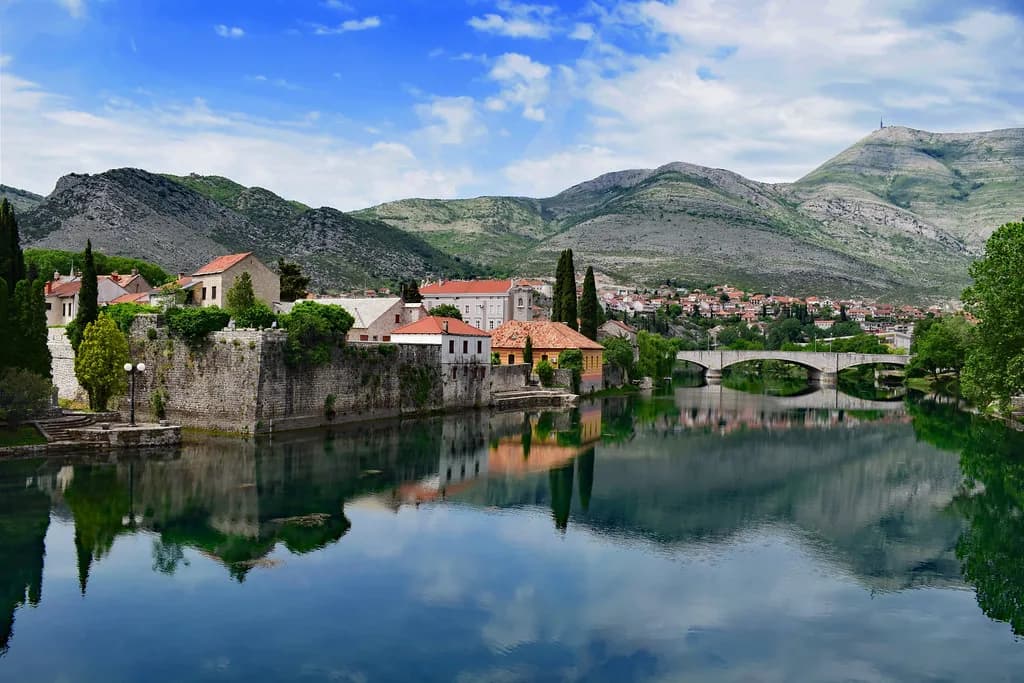
Mostar is a spring and autumn town for walking, and a summer town for spectacle. The UNESCO-listed Stari Most is the country's most recognisable landmark, and summer brings the divers who jump from it. Spring and autumn give you the old bazaar and riverside cafes without the crush. If you are building an itinerary around the bridge, the Old Bridge in Mostar features in our best places to visit in Bosnia. Neighbouring Montenegro's walled old town makes a natural next stop on the same route, and our Kotor verdict explains whether is Kotor worth visiting fits your shoulder-season timing.
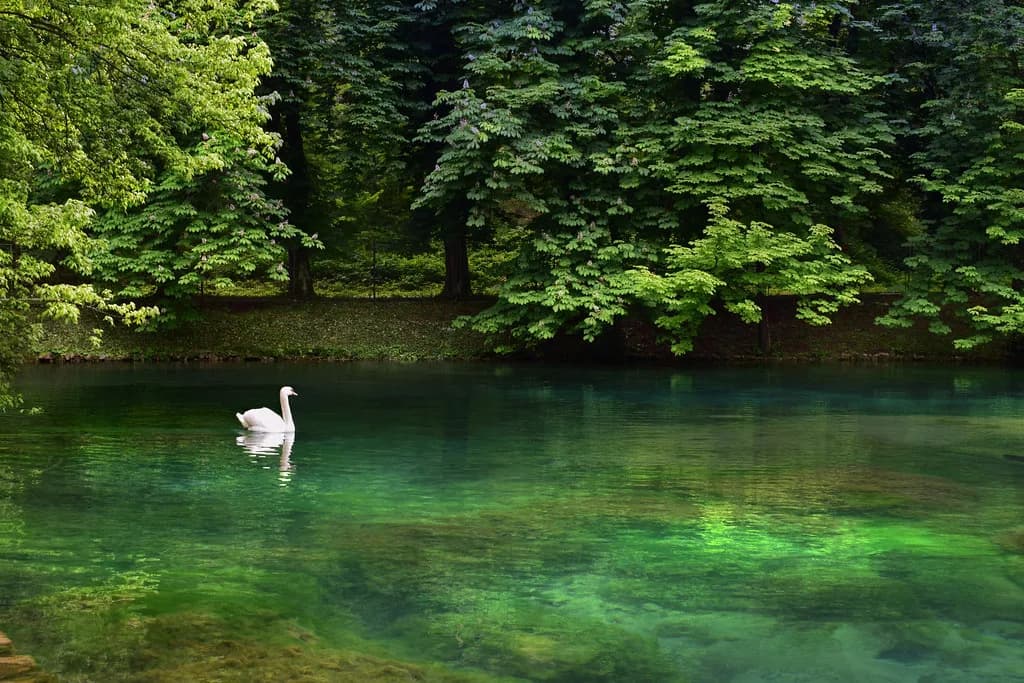
Una National Park is the most seasonal of the three. Its clear rivers, waterfalls and wildlife suit hikers and rafters, and summer is the reliable window for white water on the Una. Spring and autumn work for walking and viewpoints with fewer people. Winter is quiet and cold, and you will not get the river experience the park is known for.
Weather by season: what to expect in each region
Spring is mild and changeable. Expect blooming countryside and flowing waterfalls, but also rain spells that can interrupt hiking. Summer is warm and dry enough for river sports and swimming, with long days that let you pack more into each one. Autumn is comfortable and colourful, with cool mornings and clear light for photography. Winter is cold enough for snow in the mountains and sub-freezing spells in some regions.
Region matters as much as season. Sarajevo's basin runs cooler than the Neretva valley around Mostar, which heats up in summer. Una National Park in the northwest feels fresher and wetter than either. The Dinaric Alps create their own mountain weather, so a sunny morning in town does not guarantee a dry afternoon on the trail. Build a spare day into any mountain plan.
What each season costs you in crowds and money
Summer is the peak season, and that shows in flight and accommodation prices for Sarajevo and Mostar. Booking early is the practical defence, and it also protects you from the best places selling out. Spring and autumn sit below summer demand, which usually means more choice and better value for the same itinerary. Winter is quiet outside the ski resorts, where demand concentrates around the slopes.
The country uses the convertible mark, which keeps everyday spending predictable for euro and dollar travellers. Rather than guess at daily totals, compare your own travel style against real figures. Our guide to whether Bosnia is cheap breaks down what a trip actually costs in 2026. If you are weighing a car against buses, renting a car in Bosnia covers the trade-offs for reaching Kravica, Blagaj and Una.
How many days you need, season by season
In summer, a week lets you combine Sarajevo, Mostar and a river day without rushing. Long daylight hours make that pace realistic, and you can fit rafting or swimming alongside city time. In spring and autumn, the same week feels more relaxed because you are not competing with queues. Shorter days in late autumn mean fewer stops per day.
Winter needs a different shape. Give Sarajevo two or three days for museums and the old bazaar, then move to Jahorina or Bjelašnica for the slopes. Trying to add Mostar and Una National Park to a winter week leaves you driving in poor light. If your priority is the outdoors, spend the days where the season actually supports them.
Getting there and around in each season
Sarajevo is the main air gateway, and summer is when flights and beds fill fastest. Buses and trains link the main towns, and the train ride is a scenic way to see the countryside. Local transport between cities and villages is economical and gives you views a flight cannot. In winter, mountain roads can slow you down, so allow more time for transfers.
Spring and autumn are the easiest seasons for moving between Sarajevo, Mostar and the northwest. Roads are clear, days are long enough for a scenic drive, and you are not competing with peak-season demand. Summer works well if you book transport early. Winter is best kept to a single base plus the ski resorts.
The drawbacks nobody mentions
Summer crowds are the obvious one, but the quieter seasons have their own limits. Spring rain can swell waterfalls and also wash out a hiking day. Autumn shortens daylight through November, which cuts into scenic drives. Winter closes off much of the mountain countryside to casual visitors. None of these are deal-breakers, but each should shape your route.
Weather in the Dinaric Alps is unpredictable, and sudden changes are common. A flexible plan beats a tightly booked one, especially outside summer. The Sarajevo forum advice to wait for October if you want cooler weather and thinner crowds is a fair summary of the trade-off. The country rewards those who match the month to the activity rather than the other way round.
Who should pick a different month, and who should go elsewhere
Photographers should aim for spring waterfalls or autumn colour. Rafters need summer for the Neretva and Una. Skiers should come in winter for Jahorina and Bjelašnica. City-breakers get the best of Sarajevo and Mostar in late spring or early autumn. Budget travellers should avoid peak summer and target the shoulder months, when demand and prices ease.
Some travellers should look at a different country. If you want a beach holiday, Bosnia and Herzegovina is the wrong choice; its appeal is rivers, mountains and Ottoman-era towns. If you need guaranteed hot, dry weather, summer is your only real option. If you cannot handle changeable mountain conditions, stick to the shoulder months and the main towns.
Plan Your Trip Around the Season
The best time to visit Bosnia and Herzegovina is late May to June or September to early October. That window gives you mild walking weather, full waterfalls, thinner crowds and easier logistics across Sarajevo, Mostar and Una National Park. Choose summer only for rafting, swimming and the Stari Most divers, and accept peak-season prices and booking pressure. Choose winter only for skiing or a Sarajevo city break.
Build your route around one or two regions rather than the whole country, and leave a spare day for mountain weather. Check the official government travel page once for entry rules, and confirm transport times directly with whichever bus, train or shuttle company you plan to use, since timetables shift with the seasons. The right month depends on whether you are chasing water, colour, snow or cities.
Explore more Bosnia and Herzegovina trip-decision guides
- Bosnia eSIM
- Bosnia in August
- Bosnia in June
- Bosnia in May
- Bosnia in September
- Bosnia Itinerary
- Bosnia Plug Type
- Is Bosnia Cheap? Real Daily Costs for a Bosnia and Herzegovina Trip
- The Best Cities in Bosnia and Herzegovina
- Bosnia in July
- Do They Speak English in Bosnia and Herzegovina?
- Getting Around Bosnia and Herzegovina
Frequently Asked Questions
What is the best month to visit Bosnia and Herzegovina?
Late May to June and September to early October are the strongest months. Weather is mild for walking Sarajevo and Mostar, waterfalls still run well, and summer crowds have not arrived or have gone. Summer is the choice only if rafting, swimming or the Stari Most divers matter most to you.
How cold is Bosnia in the winter?
Winter is cold enough for snow in the mountains, and temperatures can drop below freezing in some regions. Jahorina and Bjelašnica become ski country, while Sarajevo shifts indoors to museums and cafes. Outside the resorts, shorter days and mountain conditions limit a nationwide road trip.
Is Bosnia expensive to visit?
Bosnia and Herzegovina is generally moderate value, with summer the most expensive season for flights and accommodation in Sarajevo and Mostar. Spring and autumn sit below peak demand, which usually means more choice and better value. The country uses the convertible mark.
What is Bosnia known for historically?
The country is known for its Ottoman, Austro-Hungarian and modern layers, visible in Sarajevo's Baščaršija, the Latin Bridge and Mostar's UNESCO-listed Stari Most. Jahorina and Bjelašnica hosted events during the 1984 Winter Olympics. Travnik's old castle and narrow streets add another historical stop.
Is summer or autumn better for Mostar and Sarajevo?
Autumn and late spring are better for walking both cities, with comfortable temperatures and fewer visitors. Summer brings festivals, cafe culture and the Stari Most divers, but also the biggest crowds. If you want both cities without the crush, September to early October is the better call.
When is rafting season on the Neretva and Una rivers?
Summer is the reliable window for rafting and kayaking on the Neretva and Una rivers, when warm weather and long days support river sports. Spring can bring high water from melt and rain, which suits experienced rafters but not casual ones. Confirm conditions with the operator you book.
Sources
Trip-decision notes
Optional updates when we publish or revise a destination verdict.
You might also like
Continue reading
More guides you'll find useful