Renting a Car in Bosnia and Herzegovina: Worth It?
A car makes Kravice, Una National Park and Vrelo Bosne easy, but Sarajevo and Mostar do not need one. Here is when to rent and what it costs.
On this page
Rent a car in Bosnia and Herzegovina if your trip includes Kravice Waterfalls, Una National Park, Sutjeska or Vrelo Bosne, because buses reach the cities well and the countryside badly. Skip the car if your plan is Sarajevo and Mostar only, where both old towns are pedestrian and a vehicle becomes a parking problem.
The trade-off is straightforward. A car buys you timing, which matters on mountain roads and at waterfalls that empty out in the late afternoon, and it costs you a deposit, winter tyre rules in the cold months and border paperwork if you cross into Croatia or Montenegro. Weigh it against how much of your trip sits outside the two main cities.
The verdict
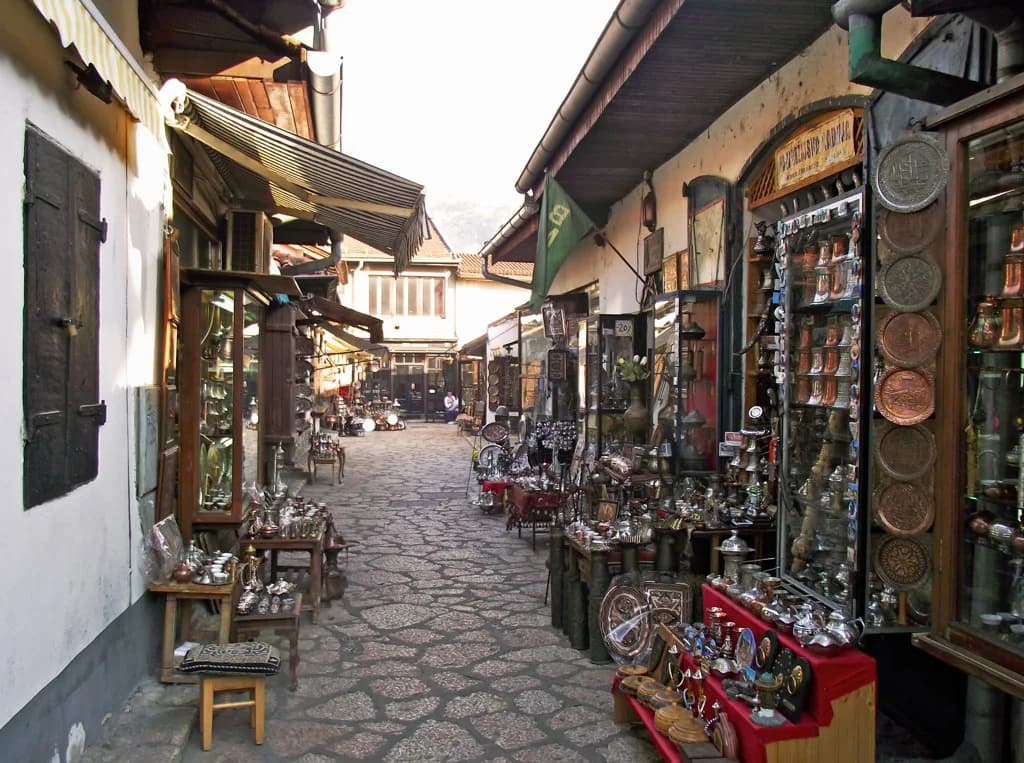
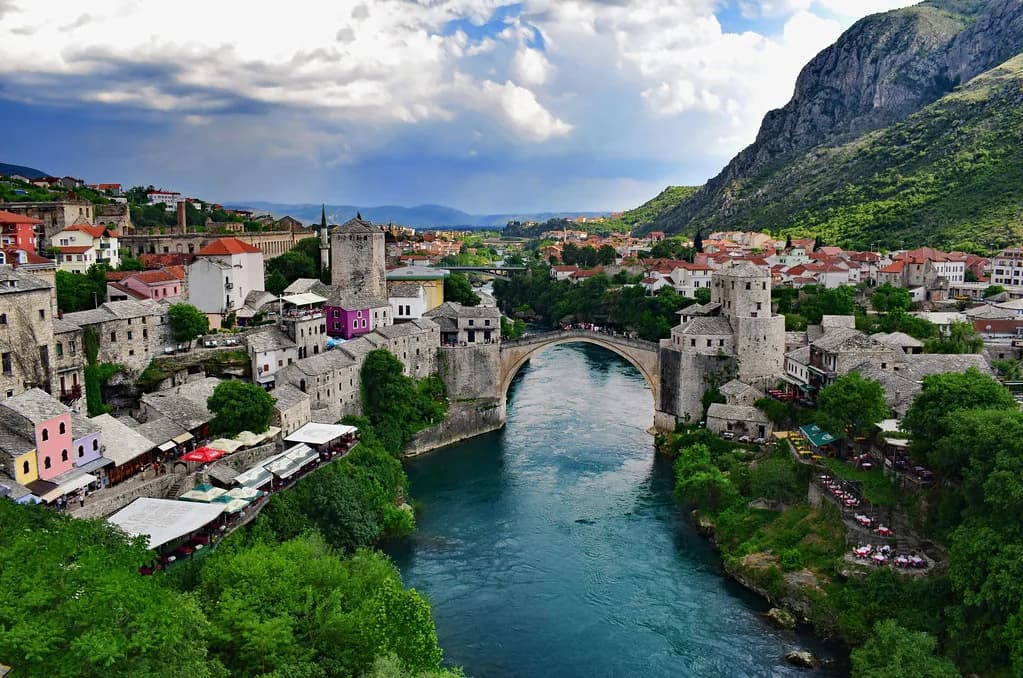
Rent for the middle of the trip, not the whole of it. Bosnia and Herzegovina rewards a car in Herzegovina's waterfall country, in the northwest around Una National Park and on the mountain roads of Sutjeska, and it punishes one in Baščaršija and the Old Bridge in Mostar, where you will pay to park a car you do not move. If your answer to whether Bosnia is worth visiting is yes for the landscapes rather than the cities alone, a car is close to essential. Build your route around a two- or three-day loop out of Sarajevo or Mostar and use buses or walking for the city days.
Travelers who should not rent: anyone spending three days or fewer on a Sarajevo–Mostar line, anyone unwilling to drive narrow mountain roads in the dark, and anyone whose itinerary crosses several borders in a week. Each of those trips is served by buses and trains that remove the parking, fuel and insurance decisions entirely.
What a car unlocks that buses do not
Kravice Waterfalls, in the Herzegovina region south of Mostar, is the clearest case. It is a natural spectacle of cascading turquoise water surrounded by greenery and a popular swimming and picnic spot, and reaching it by public transport involves several transfers and long walks. With a car it is a straightforward morning from Mostar.
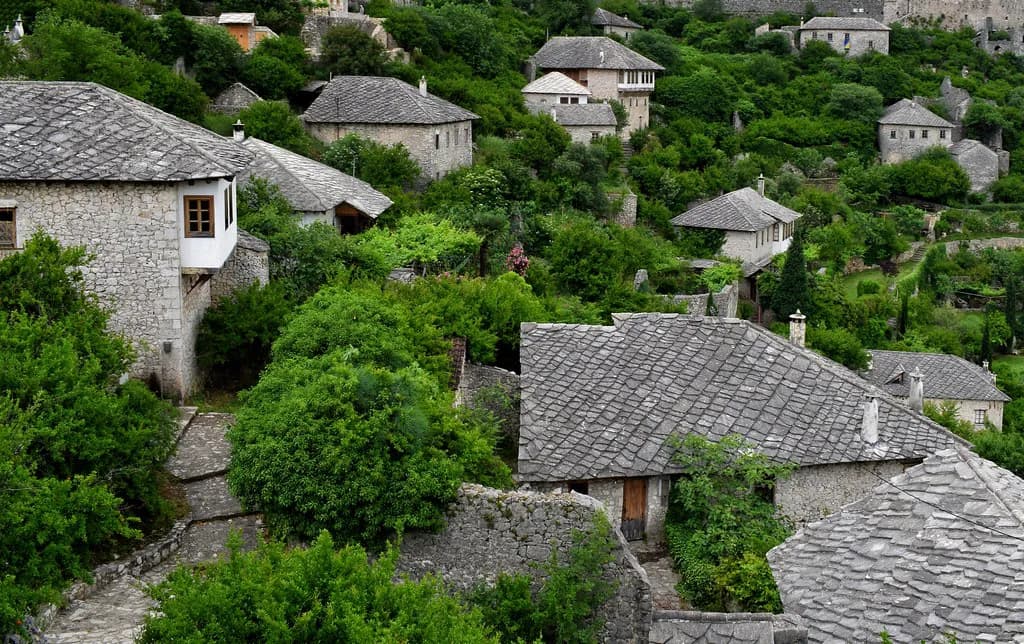
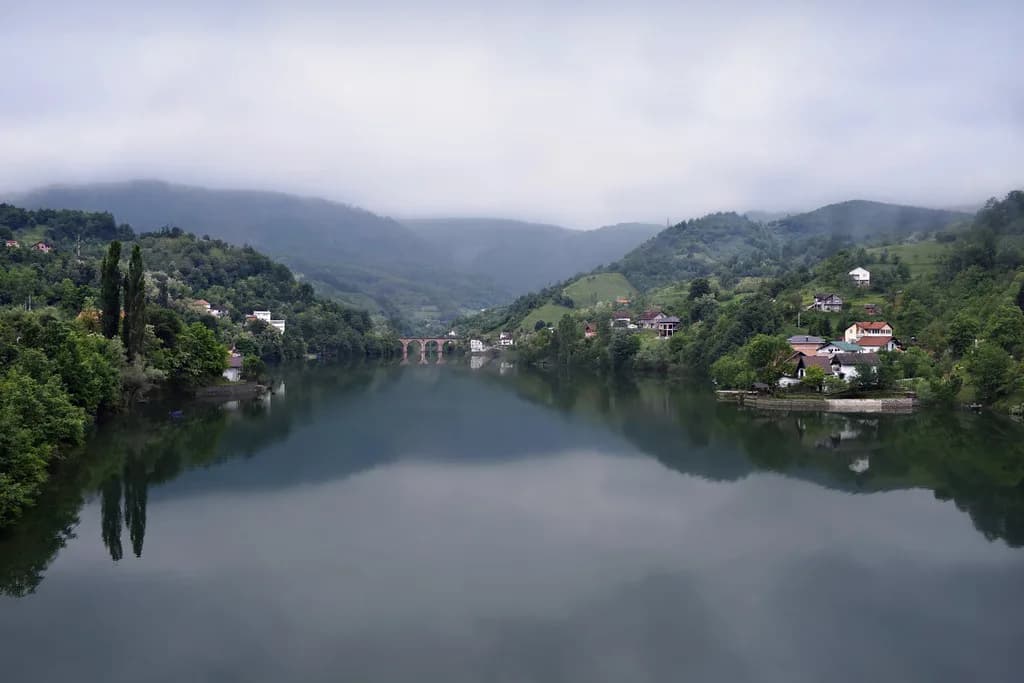
In the northwest, Una National Park takes its name from the Una River and is known for clear blue-green water and waterfalls, a landscape that rewards a driver who can stop where the road meets the river. In the southeast, Sutjeska National Park holds the Perućica rainforest and the Skakavac waterfall, terrain that is a long day out of Sarajevo without your own wheels. Vrelo Bosne, on the edge of Sarajevo, is an easy half-day by car and a slower one by tram and foot.
A car also lets you match the season rather than the timetable. If you are weighing when to go, the best time to visit Bosnia puts spring and early autumn ahead of the August crowds at Kravice and Una, and driving gives you the freedom to start early enough to beat them.
Where you can pick up a car
Enterprise lists Sarajevo International Airport (SJJ), its Sarajevo city branch, Mostar, and Tuzla International Airport (TZL), and it notes that Sarajevo is the country's main airport. Picking up at the airport is the simplest choice if you land and drive out the same day; picking up in the city centre saves you airport-counter time if you spend your first nights in Sarajevo.
Europcar's Bosnia and Herzegovina locations include Sarajevo, Mostar, Tuzla, Banja Luka and Ilidža, plus hotel-based counters in the Sarajevo area. Banja Luka, in the northwest, is the natural pickup for Una National Park and the thermal-spa country around it. Book the location that matches your route, because a one-way drop between Sarajevo and Mostar is a different booking from a round trip.
Typical costs
Treat advertised daily rates as indicative, not as quotes. KAYAK's comparison shows small cars around $19 a day on average, medium cars around $63, SUVs around $60, vans around $79 and luxury cars around $96, with cheaper deals appearing in any given week and August averaging about 60% above the yearly average. The same source puts the cheapest month at January, which is cold and short on daylight in the mountains.
Two extras change the arithmetic. Drivers under 25 often pay a daily surcharge that KAYAK puts at roughly 17 to 85 convertible marks, and the minimum rental age is 21 with some companies restricting younger drivers further. For fuel, KAYAK gives an average of about 8.63 convertible marks a gallon and notes that cards are widely accepted at filling stations, so there is no need to carry cash for refueling.
Add the costs the rate card omits: a credit card deposit held at pickup, fuel on return and parking in Sarajevo and Mostar. If you are still building a daily budget, is Bosnia cheap is the better question than the headline rental rate, because accommodation and food will outweigh a small car in most weeks.
Booking timing
KAYAK's booking data suggests reserving roughly 37 days ahead for a below-average price, and its seasonal pattern is the useful part: August is the expensive peak while January is the cheapest month. If your trip falls in late July or August, reserve as soon as your dates are fixed, because the good small cars go first and the remaining stock is pricier.
For a shoulder-season trip, comparing two or three weeks of quotes is worth more than booking months out. Small cars are the most popular category and also the most plentiful, so flexibility on model raises your chance of a low rate.
Documents and driver requirements
You need a full, valid driver's license from your home country, a passport, and an International Driving Permit if your license is not written in Latin characters, per Enterprise. Europcar asks for an IDP when the license is in a language or script the rental country cannot read, and always alongside your original license rather than instead of it. The minimum legal driving age in the country is 18, though rental companies set their own floors above that.
Bring a major credit card in the main driver's name. Europcar does not accept cash, debit or prepaid cards for the deposit, so a traveler relying on a debit card will be turned away at the counter even with a confirmed booking.
Driving rules that catch visitors out
You drive on the right, pass on the left, and headlights must be on at all times, day included. Seatbelts are mandatory for every passenger, handheld phones are banned, and the blood alcohol limit is 0.03%, lower than in most of the US. Carry your license, permit and passport while driving, because you may be asked for them at a roadside stop.
Speed limits run from 60 km/h in suburban areas to 80 km/h outside them, 100 km/h on major highways and up to 130 km/h on motorways, per KAYAK. On mountain passes the driver coming uphill has the right of way, and sheep crossings are common on rural roads, so plan your driving for daylight and add time rather than treating the map distance as a driving time.
Winter tyres and mountain roads
From 15 November to 15 April, cars are legally required to run winter tyres with at least 4 mm of tread, per KAYAK, and rental companies such as Sixt and Europcar can add them to a reservation. Skipping this carries a substantial fine and, more practically, leaves you with the wrong rubber on exactly the roads where it matters. Confirm the winter tyre setup when you collect the car, not after you reach the first pass.
The country is extremely mountainous, and many roads narrow to a single lane on steep climbs and descents. That makes a small, manual hatchback a genuinely sensible choice outside summer, and it argues against a van unless your group needs the seats. If you are traveling in the colder half of the year, read Bosnia in April for how late the snow can linger at altitude before committing to a mountain route.
Border crossings into Croatia and Montenegro
Bosnia and Herzegovina borders countries with their own draws, Croatia along the Dalmatian coast and Montenegro beyond Trebinje, and many itineraries want to cross at least one. If Montenegro is on your route, weigh the coastal stop at Kotor the same way you weigh this rental decision, and see whether Kotor is worth visiting before you commit the border paperwork. Tell the rental company before you book that you intend to leave the country and confirm in writing that the vehicle's insurance and paperwork cover the crossing, then keep the green card and rental contract with you at the border.
Not every rate permits leaving the country, and the ones that do may charge an add-on, so this is a deciding question at the booking stage rather than at the barrier. If the crossing is central to your route, make it the first filter on your search.
Fuel, tolls and parking
Refueling is straightforward and cheap by Western European standards, with cards accepted widely, per KAYAK's guide. Tolls are minimal because few roads carry them, lowering the running cost of a long drive. The money goes on fuel and, in the cities, on parking.
Parking is the real friction in Sarajevo and Mostar, where the sights you came for are in pedestrian zones and garages sit at the edge of the old cores. Budget for a garage for the city nights rather than hunting for curb space. Note that the vehicles are returned with the fuel policy you accepted at pickup, and the refueling terms differ by country and product, so read them before signing.
The bus and train alternative
Between Sarajevo and Mostar, the bus and train do the job without a car, and both cities are best explored on foot once you arrive. The car's value starts where the timetable stops: Kravice, Una, Sutjeska, Vrelo Bosne and the smaller towns around Banja Luka. A sensible split is to base yourself in each city and rent for the days in between.
For a wider route, the Bosnia itinerary pairs Sarajevo's Baščaršija and the Latin Bridge with Mostar's Old Bridge, using public transport for the classic line and a rental only for the detours. That keeps the deposit small and the driving short.
Renting for a day
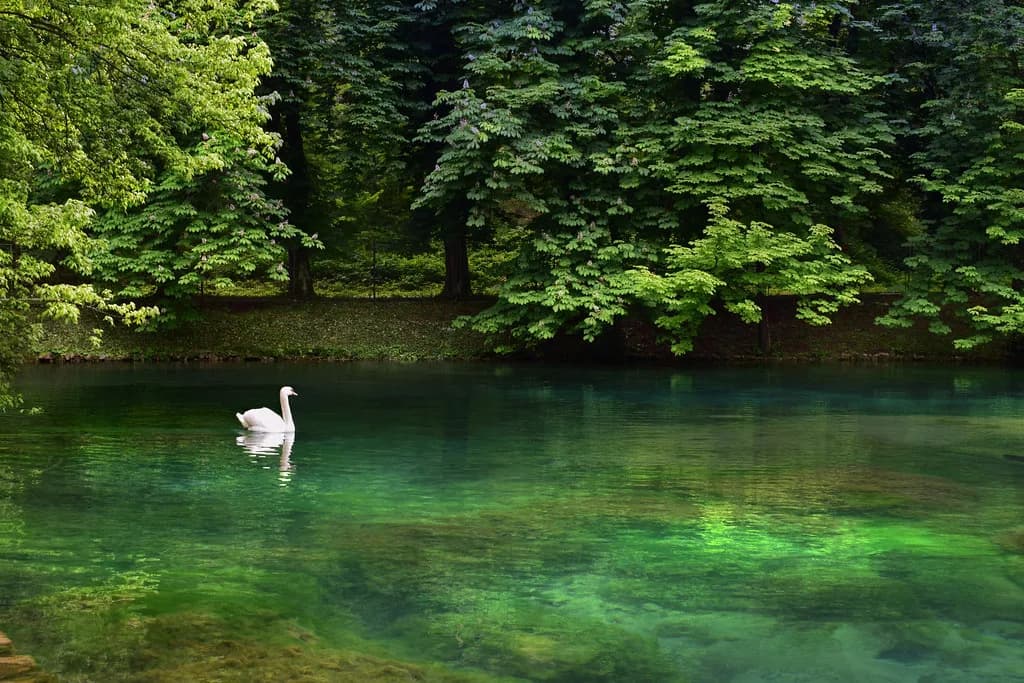
From Sarajevo, a single day covers Vrelo Bosne in the morning and the spring-fed park's walking trails before an afternoon back in the city. From Mostar, a day reaches Kravice Waterfalls and returns before evening, which is the classic one-day rental and needs no border formality. Book the smallest car that fits your group, because both routes are short and the parking is tight at the far end.
For a bigger day out of Sarajevo, Sutjeska and its Perućica rainforest make a long but memorable loop by car. Check the season first, since high ground holds snow well into spring; Bosnia in May is the better bet for that drive than the wetter weeks before it.
The verdict by traveler type
Waterfall and national-park chasers, photographers and families with children should rent, and should base the rental in Mostar or Sarajevo for two or three days. City-break travelers doing Sarajevo and Mostar in a long weekend should not, because the train and bus do it better and the parking will cost more than the convenience is worth. Travelers crossing into Croatia or Montenegro should rent only if a confirmed border-crossing allowance is part of the booking.
If the trip leans toward the towns, the best places to visit in Bosnia are largely walkable and reward slow time over mileage, which is the argument for skipping the car entirely. If it leans toward rivers and mountains, rent, book about a month ahead and match your dates to the season rather than the cheapest rate.
Plan Your Visit
The decision comes down to one question: how much of your trip is outside Sarajevo and Mostar? If the answer includes Kravice, Una, Sutjeska or Vrelo Bosne, rent a small car for those days, book roughly a month ahead, bring a credit card and an International Driving Permit if your license needs one, and confirm the winter tyres if you travel between mid-November and mid-April.
If your trip is the two cities and their old quarters, skip the car and let the timetable carry you. The driving is manageable, the scenery is the point, and the only real traps are the winter tyre rule and the border allowance, both settled before you leave the counter.
Explore more Bosnia and Herzegovina trip-decision guides
Frequently Asked Questions
Is renting a car in Bosnia and Herzegovina worth it?
Yes if you want Kravice Waterfalls, Una National Park, Sutjeska or Vrelo Bosne, which are slow or awkward by bus. No if your trip is Sarajevo and Mostar only, where both old towns are pedestrian and parking is a nuisance. A common compromise is a two- or three-day rental for the countryside between city stays.
How much does car rental cost per day in Bosnia and Herzegovina?
Published comparison data puts small cars at the lowest average daily rate and medium cars, SUVs, vans and luxury cars progressively higher, with August the most expensive month and January the cheapest. Treat any figure as indicative rather than a quote. Get your own price for your dates and location, and check the young-driver surcharge if the main driver is under 25.
Do I need an international driving permit to rent a car in Bosnia and Herzegovina?
Enterprise asks for an International Driving Permit when your license is not written in Latin characters, and Europcar requires one when the license is in a language or script the rental country cannot read. It is always carried alongside your original license, never instead of it. Bring your passport and a credit card in the main driver's name as well, since debit and prepaid cards are not accepted for the deposit.
Can I drive a rental car from Bosnia and Herzegovina into Croatia or Montenegro?
Only if your rental agreement allows it. Tell the company when you book that you plan to cross a border, confirm that the insurance and paperwork cover it, and keep the documents in the car. Some rates exclude cross-border travel or add a fee, so settle this before pickup rather than at the frontier.
Do I need winter tyres in Bosnia and Herzegovina?
From 15 November to 15 April, cars are legally required to have winter tyres with at least 4 mm of tread. Rental companies can add winter tyres to a reservation, so request them when you book if your trip falls in that window. Failing to have them risks a fine and poorer grip on mountain roads.
Is it better to rent a car or take buses in Bosnia and Herzegovina?
Buses and the Sarajevo–Mostar rail line cover the cities well and remove parking, fuel and insurance decisions. A car wins for Kravice, Una National Park, Sutjeska, Vrelo Bosne and smaller towns, where transfers and walks otherwise eat the day. Splitting the two, with transit between cities and a short rental for the countryside, fits most itineraries.
What side of the road do you drive on in Bosnia and Herzegovina?
You drive on the right and pass on the left, the same as in the US and most of Europe. Headlights must be on at all times, seatbelts are mandatory, handheld phones are banned and the blood alcohol limit is 0.03%. On mountain passes the driver coming uphill has the right of way, and animals on rural roads are a real hazard.
How far ahead should I book a rental car in Bosnia and Herzegovina?
Booking data points to roughly 37 days before travel for a below-average rate, and that is a sensible target for a summer trip. August is the seasonal price peak, so fix dates early if you travel then. In quieter months, comparing a few weeks of quotes is usually enough.
Sources
Trip-decision notes
Optional updates when we publish or revise a destination verdict.
You might also like
Continue reading
More guides you'll find useful