Is Bosnia Cheap? What a Trip Really Costs in 2026
Bosnia and Herzegovina is cheap by European standards. See what budget, mid-range and comfort days cost, from burek and buses to Kravica Falls tickets.
On this page
Bosnia and Herzegovina is cheap by European standards, and the gap is widest against its Adriatic neighbors. A backpacker day runs on hostel dorms, market food and public buses, while a mid-range day covers an apartment, restaurant meals and a paid sight or two. The country's low prices are exactly why it makes sense to weigh whether Bosnia is worth visiting before you commit to flights, and it's worth checking current prices on the ground once you arrive.
Prices are quoted in the convertible mark, written BAM, which is pegged to the euro at a fixed rate, so euro notes are easy to convert in your head. Almost everything you pay for on a trip — a bus seat, a waterfall ticket, a plate of ćevapi — sits well below Western European levels.
The verdict: cheap, with caveats
Bosnia and Herzegovina is a genuinely low-cost destination, but cheap does not mean free. The expensive parts of a trip are getting there, summer accommodation in Mostar, and organized day trips to waterfalls and canyons that bundle transport into the price. Independent travelers who use buses and eat where locals eat spend remarkably little once they are in the country.
The biggest variable is season. Summer prices in Mostar climb with day-tripper demand, while spring and autumn keep both prices and crowds lower. If your dates are flexible, the best time to visit Bosnia is worth settling before you fix a budget.
What your money buys: currency and price level
Everything is priced in the convertible mark, and the currency's fixed link to the euro means there are no nasty exchange swings during your trip. Day-to-day costs sit at Balkan rather than Adriatic levels: coffee, bakery food and bus tickets are the items that make a budget stretch. Carry some cash for small towns, market stalls and bus luggage fees, which are commonly charged separately from the ticket.
Typical costs by travel style: backpacker, mid-range, comfort
Budget travelers should plan on a hostel dorm bed, self-catered or bakery meals, and free walking tours, which puts a day near the bottom of the European range. A reported backpacker budget is around 85 BAM per day, a mid-range day around 160 BAM and an upscale day around 275 BAM. Those figures cover accommodation, food, local transport and a few paid activities rather than flights.
Real spending by a couple who stayed mostly with friends came in lower still, at roughly 86 US dollars per day for two people across Mostar, Sarajevo and a mountain village, with eating out the largest line item. That is a useful reminder that free lodging skews any total downward, so treat it as a floor rather than a typical case. Their breakdown also shows how much lunches, coffees and pastries add up over a week.
A single entry ticket sits at snack-money level by Western standards: Kravica Waterfall charges 20 BAM for admission, and swimming there is allowed. Package holidays booked from abroad naturally cost far more than the same days assembled locally. Expedia's Bosnia and Herzegovina vacation packages combine flights and accommodation, which is convenient but hides how little the ground costs actually are.
Food and drink: what a meal, coffee and a beer cost
Food is where Bosnia's value shows most clearly. Street food such as burek or ćevapi in bread is cheap enough to eat for lunch daily, while a sit-down restaurant meal typically falls somewhere in the middle of the price range, and a casual takeaway is cheaper again. A beer in an ordinary bar costs very little, and a week of groceries for self-catering is modest.
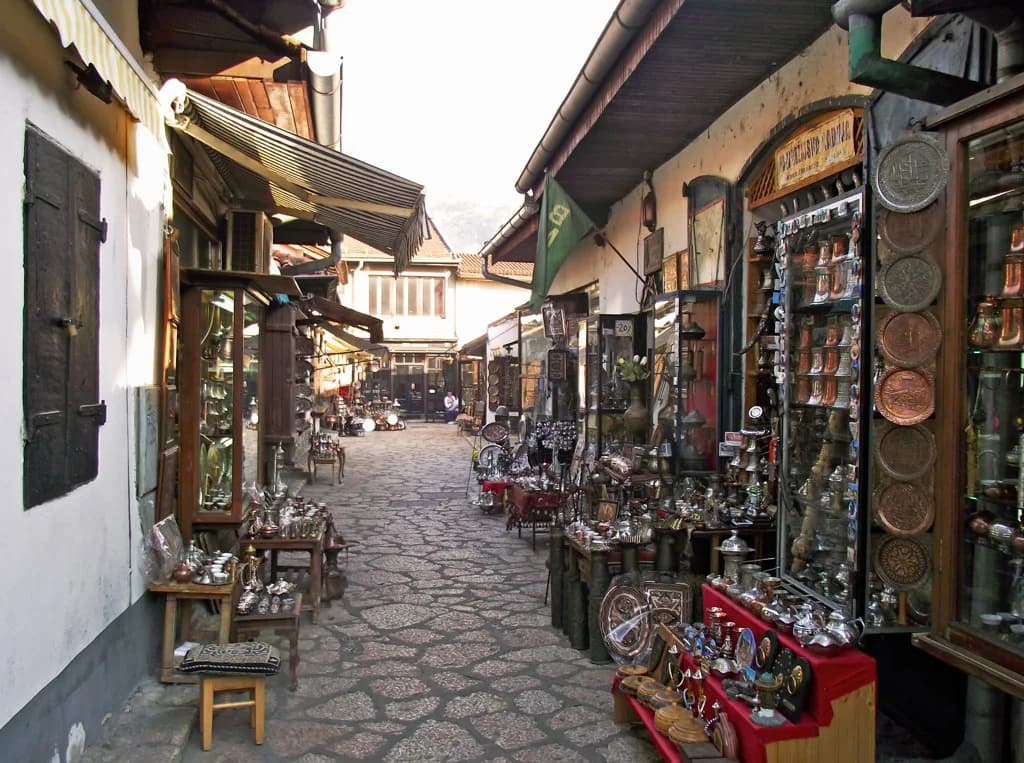
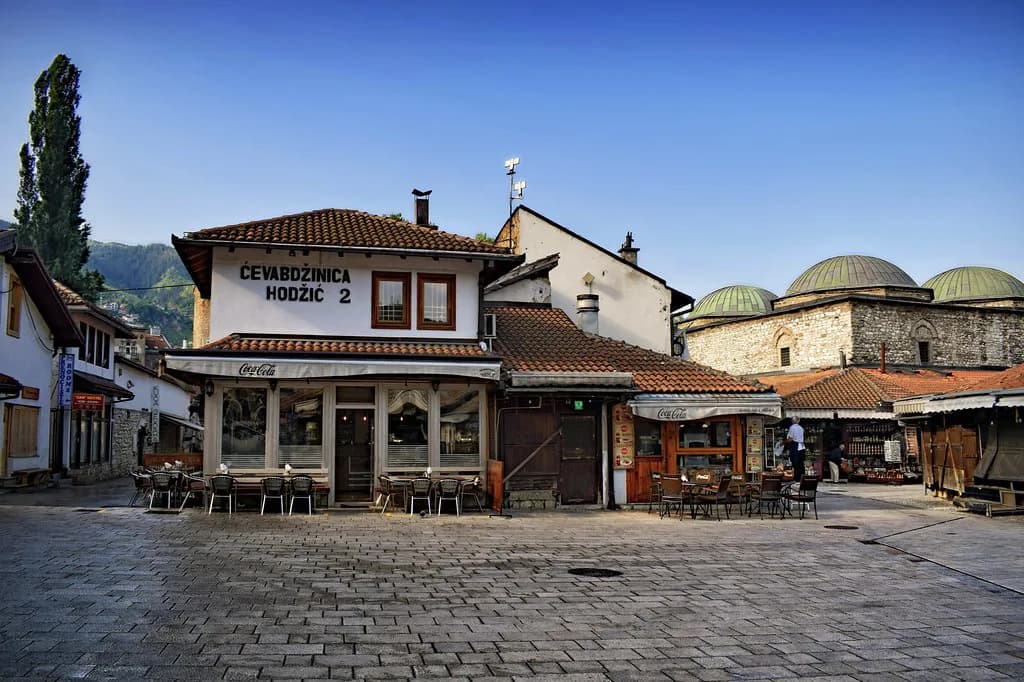
Coffee deserves its own line in the budget. Bosnian coffee served in a copper set in Sarajevo's Baščaršija is an experience rather than an expense, and many travelers end up buying a set to take home. Bakeries are the other budget lever: a pastry breakfast costs a fraction of a hotel one and is often better.
Getting around: bus fares, car hire and why trains are slow
Buses are the workhorse of Bosnian travel, with a dense network of intercity and international routes run by operators including Autoprevoz, Centrotrans and Globtour. Sarajevo to Mostar takes about 2.5 hours for roughly 11 BAM, Sarajevo to Trebinje is a long haul of nearly 10 hours for about 40 BAM, and Mostar to Jajce takes around 4.5 hours for about 27 BAM. Buy a return ticket with the same company where you can, since savings of up to 60 percent are reported against two singles, and budget a few marks extra for luggage in the hold.
City transport is barely worth budgeting for: a single bus, tram or trolleybus ticket is around 2 BAM in most cities, and taxis start low but add up over short hops. Trains exist but are slow and outdated, so the bus usually wins on both time and money. For trips to Pliva Lakes, Kravica or rural monasteries, renting a car in Bosnia can beat patching together buses, especially for two or more people splitting the cost.
If your plans center on the Herzegovina region, Mostar's Stari Most area and the old town are compact and walkable, so you can base yourself without a car for a couple of days. Longer canyon and mountain excursions are where transport costs and time both climb.
Entry tickets and day trips worth the money
Paid sights are few and inexpensive. Kravica Waterfall is the standout: 20 BAM to enter, with a swimming hole and café on site, and organized day trips from Mostar or Dubrovnik run around 70 BAM when transport is included. Tito's Bunker near Konjic can only be visited on a guided tour with Visit Konjic, which makes it a fixed cost rather than a DIY stop.
Rafting on the Tara River Canyon is the priciest common activity, with a full-day tour reported at 140 BAM including a traditional dinner of soup, grilled lamb and drinks. The Sarajevo Under Siege tour, which includes the Tunnel of Hope, was priced at 25 euros per person on one couple's trip. These are the items that separate a cheap Bosnian holiday from a very cheap one.
The cheap days: free sights in Sarajevo and Mostar
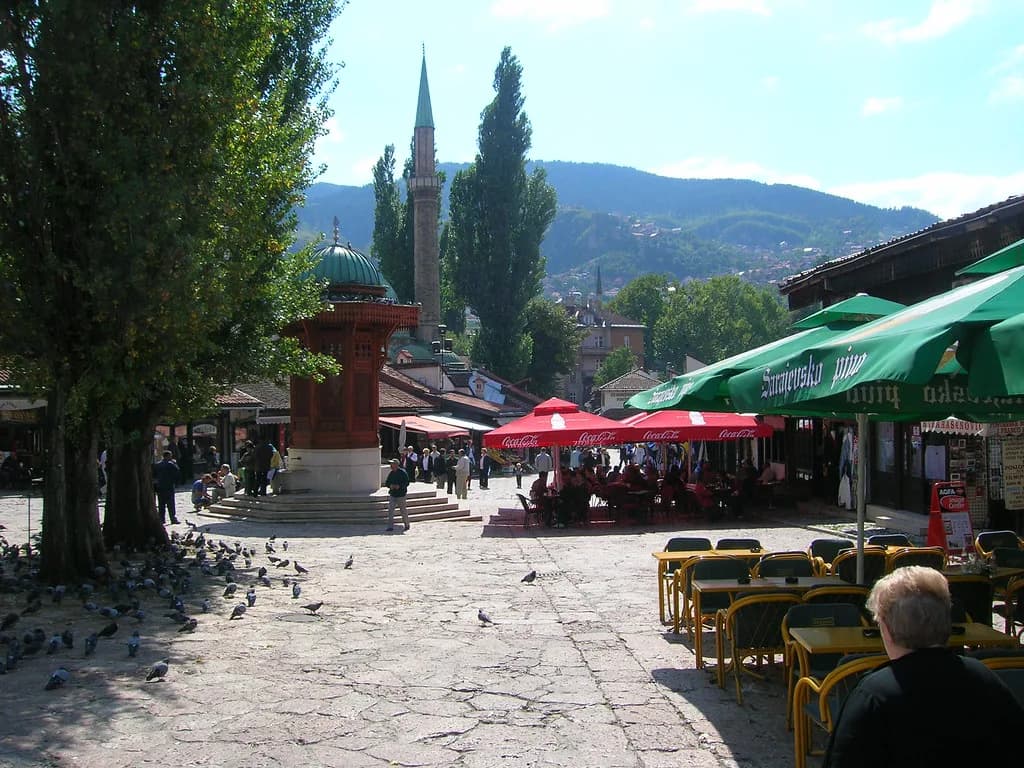
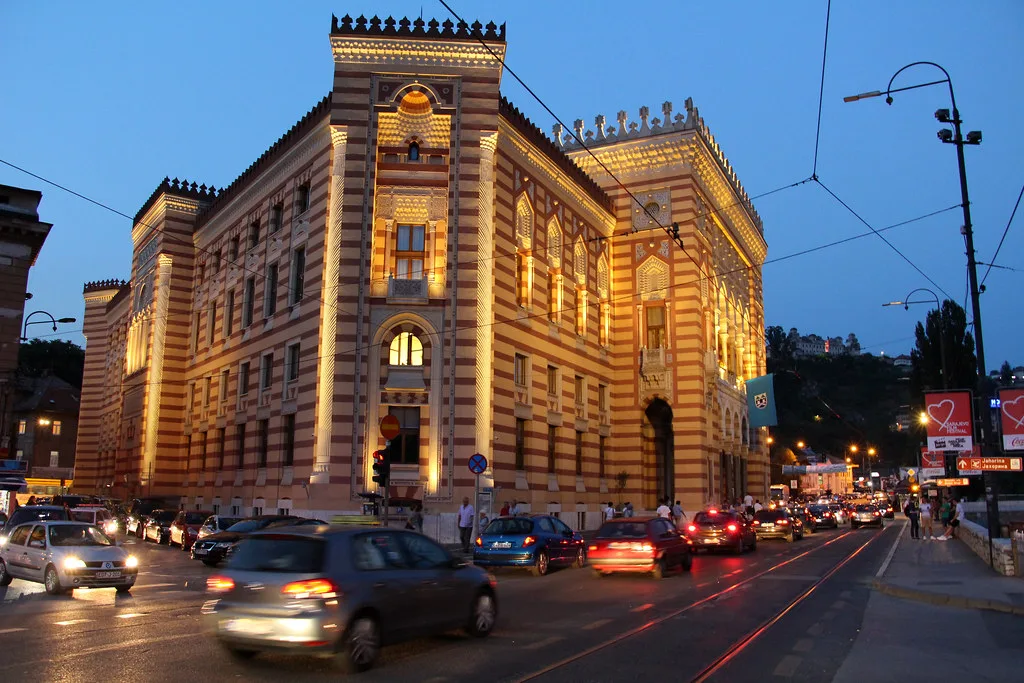
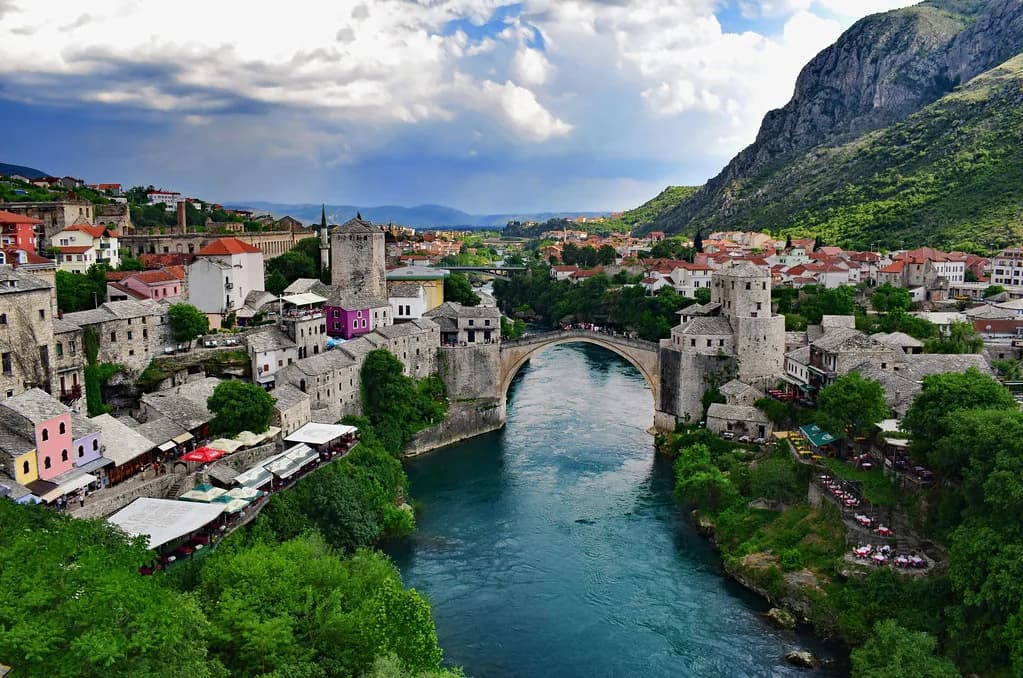
Sarajevo's Baščaršija bazaar, the Sebilj Fountain and the old Ottoman lanes cost nothing to wander, and the city's free walking tours operate on tips. Mostar's Old Bridge and cobbled streets are free to cross and photograph, and the surrounding mosques and Ottoman houses charge little or nothing. Both cities are compact enough to cover on foot, which removes transport from the day's budget entirely.
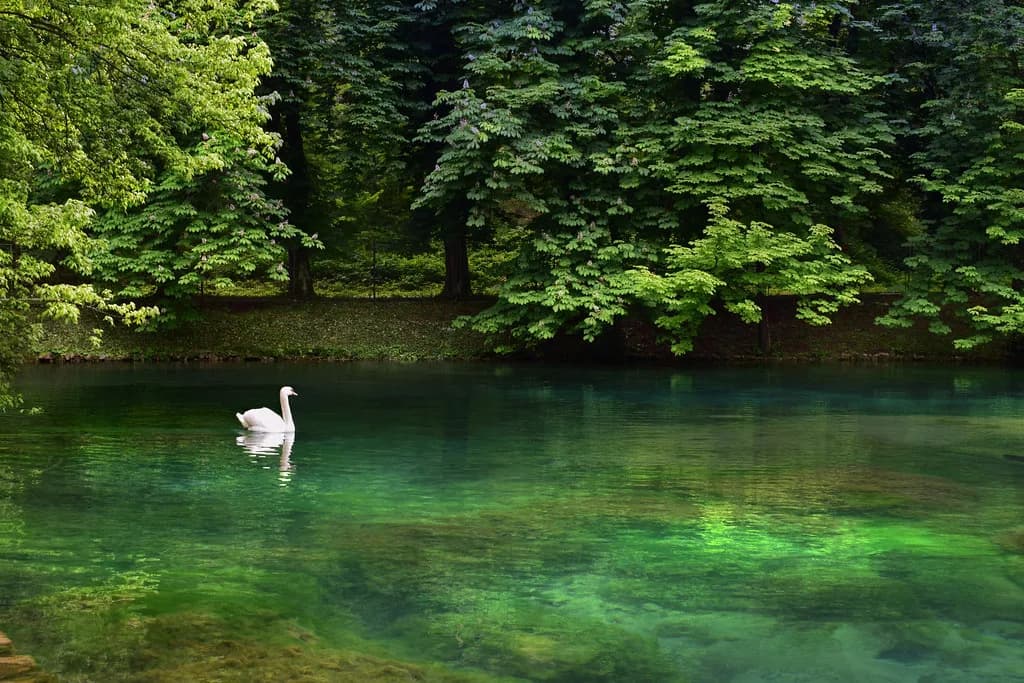
Nature is the other cheap option: the Pliva Lakes near Jajce come with watermills, bike paths and picnic areas, and the surrounding trails are open to anyone. The Tunnel of Hope and the National Museum in Sarajevo are paid but modest, and both are worth the outlay for context on the country's recent history.
Where costs climb: summer peak and day-trip pricing
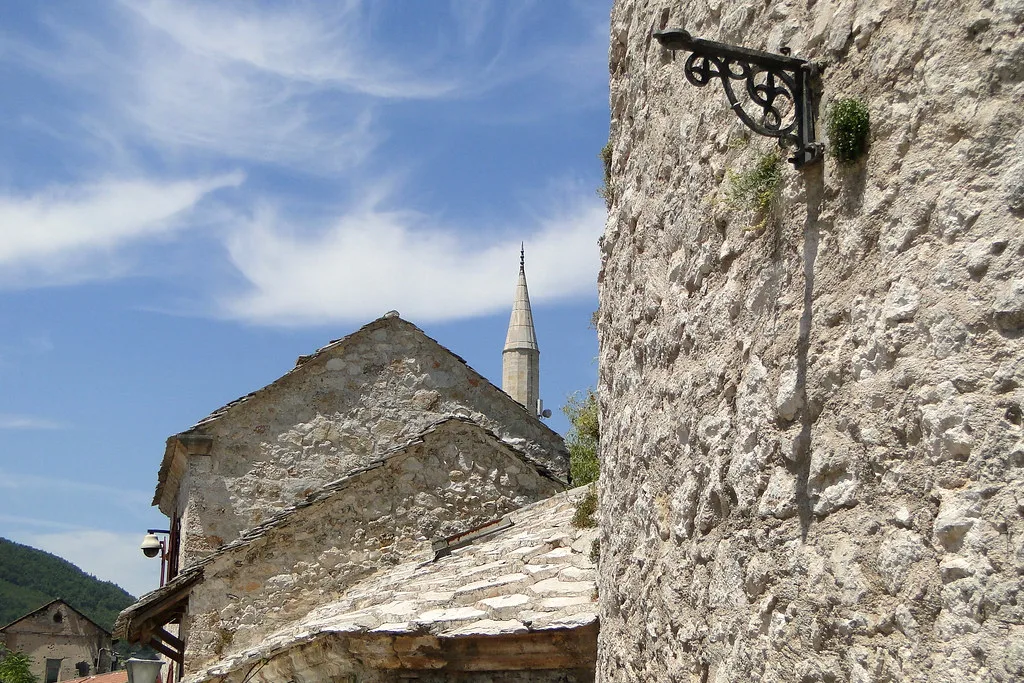
Mostar is the pressure point. It absorbs day-trippers from the Croatian coast, so summer accommodation and restaurant prices in the old town rise accordingly, while the rest of the country stays quiet. Booking a bed outside the immediate bridge area, or arriving outside July and August, keeps costs closer to the national norm.
Day trips are the second trap: a tour to Kravica or the surrounding canyons bundles transport, guide and entrance into one charge, which is convenient but rarely cheap. Comparing that bundled price with a bus ticket plus the entry fee is the single easiest saving. In autumn, when crowds thin, Bosnia in October keeps prices low and the Neretva valley comfortable for walking.
How Bosnia compares with Croatia and Montenegro
The comparison is stark. Croatia has used the euro since 2023 and Montenegro also uses the euro, and both price their coastal towns at Mediterranean levels. Bosnia and Herzegovina, priced in the convertible mark, stays markedly cheaper for accommodation, meals and transport, which is why travelers often cross from Dubrovnik or the Montenegrin coast to spend their money here. If Kotor is on your route, weighing is Kotor worth visiting against Bosnian prices shows how much the euro side of the border adds to a similar day.
The trade-off is infrastructure: Croatia and Montenegro have the polished coastal product, while Bosnia offers better value and rougher edges. If you want beach resorts and easy ferries, pay the Adriatic premium. If you want mountains, Ottoman towns and rafting for less, Bosnia wins on cost by a wide margin.
Drawbacks that affect your budget
Cheap does not mean frictionless. Winters are harsh and long, running roughly November to March with freezing temperatures and snow, so a winter trip buys low prices at the cost of closed rural sights and difficult roads. Spring and autumn are the sweet spot for hiking and sightseeing, while summer brings the warmest weather and the highest Mostar prices.
Some costs are hidden in logistics: luggage fees on buses, taxis from stations on city outskirts, and the time cost of slow connections. On hiking trails, stick to marked paths, as landmines remain in some rural areas from the war. Add a modest buffer to any tight budget for these small extras.
Who should go and who should not
Bosnia suits budget backpackers, history-minded travelers, hikers and anyone who wants Ottoman architecture and mountain scenery without Western European prices. It also suits couples and small groups who rent a car and split costs across waterfalls, canyons and monastery towns. Food lovers do well here, since eating out is one of the cheapest parts of the trip.
Choose elsewhere if you want a polished beach holiday, guaranteed sunshine in winter, or fast, frequent trains. Travelers who need predictable schedules and upscale hotels will find the country thinner on options than Croatia. Families with very young children may find the bus connections and rural roads more effort than the savings are worth.
Plan Your Visit
Bosnia and Herzegovina is cheap, and that is the honest headline: a mid-range day costs around 160 BAM, a waterfall ticket 20 BAM, and a two-and-a-half-hour intercity bus around 11 BAM. The costs that bite are flights, summer beds in Mostar and bundled day tours.
Build your trip around buses and free old towns, pay for one or two big experiences such as rafting or the Tunnel of Hope tour, and keep a small cash reserve for luggage fees and taxis. Travelers who do that find Bosnia among the best-value weeks in Europe.
Explore more Bosnia and Herzegovina trip-decision guides
- Bosnia in October
- Best Places to Visit in Bosnia and Herzegovina
- Bosnia eSIM
- Bosnia in April
- Bosnia in August
- Bosnia in June
- Bosnia in May
- Bosnia in September
- Bosnia Itinerary
- Bosnia Plug Type
- The Best Cities in Bosnia and Herzegovina
- Bosnia in July
- Do They Speak English in Bosnia and Herzegovina?
- Getting Around Bosnia and Herzegovina
- Mostar vs Sarajevo
Frequently Asked Questions
Is Bosnia cheap for tourists?
Yes. By European standards Bosnia and Herzegovina is inexpensive, with low-cost food, transport and accommodation outside the peak Mostar summer. A budget traveler can keep daily spending very low, while a mid-range trip with restaurant meals and a few paid tours still comes in well under Croatian coastal prices.
How much does a day in Bosnia cost?
Reported daily budgets run from roughly 85 BAM for backpackers to around 160 BAM for mid-range travel and 275 BAM for an upscale day, covering accommodation, food, local transport and some activities. Actual spending varies with season and whether you stay with friends or in paid lodging.
Is Bosnia cheaper than Croatia?
Yes, noticeably. Croatia prices in euros at Mediterranean levels, while Bosnia and Herzegovina uses the convertible mark and keeps meals, buses and beds well below that. The trade-off is rougher infrastructure and fewer polished resort options.
How much is food and drink in Bosnia and Herzegovina?
Street food and bakery items are the cheapest way to eat, sit-down restaurant meals sit in the middle of the price range, and a casual takeaway is cheaper again. Beer and coffee are inexpensive, which is why eating out is rarely the biggest line in a Bosnian budget.
Do you need cash in Bosnia?
Carry some convertible marks for markets, small towns and bus luggage fees, even though cards work in many city businesses. The currency is pegged to the euro at a fixed rate, so exchanging euro notes is straightforward.
Should I take the bus or the train in Bosnia?
Take the bus. The intercity network is dense and fares are low, with Sarajevo to Mostar taking about 2.5 hours for roughly 11 BAM, while trains are slow and outdated. Booking a return with the same company can cut the fare substantially.
Sources
Trip-decision notes
Optional updates when we publish or revise a destination verdict.
You might also like
Continue reading
More guides you'll find useful