Bosnia eSIM: Should You Buy One for Bosnia and Herzegovina?
A Bosnia eSIM gets you data in Bosnia and Herzegovina without hunting for a local SIM. See how eSIM and physical SIM options compare, and who should buy which.
On this page
Yes, a Bosnia eSIM is worth buying for most travelers with a recent unlocked phone, because it gets you maps, messaging and ride-hailing working the moment you land without a queue at a carrier shop. The main exception is a long stay or heavy data user who wants a local number and a local tariff, which a physical SIM from a Bosnian operator serves better.
Bosnia and Herzegovina uses the convertible mark, so your phone bill is one of the few things you will pay in euros before you even arrive. The trade-offs are real: country-only plans are cheap for a short trip but useless the moment you cross into Croatia, while regional plans cost more and cover the whole itinerary.
The verdict: buy an eSIM if your phone supports one
Buy an eSIM before you fly if your phone is eSIM-capable and unlocked. Activation is remote, there is no shop to find on arrival day, and your own number keeps receiving calls and texts while travel data runs on the eSIM.
Skip the eSIM if you are staying weeks rather than days, plan to stream heavily, or need a Bosnian phone number for local calls and bookings. A physical SIM from a local operator handles those cases better, though it means a shop visit with your passport and a small amount of paperwork.
If you are still deciding whether the country itself earns the trip, our honest answer on whether Bosnia is worth visiting comes down to how much you value Ottoman-era towns, mountain scenery and low prices over polished infrastructure.
How an eSIM differs from a physical Bosnia SIM card
An eSIM is a digital profile installed on your phone, so there is no plastic to swap and no tiny card to lose in a taxi. You keep your home SIM active for calls and SMS and route mobile data through the travel profile instead.
A physical local SIM works in any unlocked phone, including older handsets without eSIM support, and generally gives you a local number. The trade-off is the errand: finding an operator shop, showing ID and waiting while the card is registered.
One practical advantage of the eSIM route is that hotspot sharing is supported on the plans sold for Bosnia and Herzegovina, so a single plan can keep a laptop or a second phone online. That matters if you are working remotely from Sarajevo or Mostar for a few days.
Does your phone need an eSIM for Bosnia and Herzegovina at all?
Only eSIM-capable, carrier-unlocked phones can use a travel eSIM. Recent iPhones from the XS generation onward support it, and so do many current Android flagships, but budget handsets often do not.
You can test compatibility in seconds without buying anything by dialing the EID code on your keypad; if an eSIM identification number appears, the hardware supports a profile. On iPhone the add-eSIM path sits in mobile data settings, and on Samsung and other Android phones it sits under SIM management.
If your phone fails that test, do not buy a plan hoping it will work: a physical SIM bought locally is the sensible fallback for the same trip.
What a travel eSIM buys you in Bosnia and Herzegovina: data, hotspot, and your own number
The practical value is data: navigation, translation, messaging and booking apps all work on arrival, and hotspot sharing covers a second device. Your home line stays reachable for incoming calls and one-time verification codes, which many travelers need for banking or work.
Data-only plans keep things simple, while full plans bundle a real phone number, data, calls and SMS in one profile, which suits travelers who expect to make local calls to guesthouses or taxis. The catch is that a one-time full plan cannot be topped up once the allowance runs out; you buy a fresh plan instead.
Remember that WhatsApp calls and FaceTime run over data, so a data bundle covers most of what travelers actually do, including calling home.
Prices you will actually pay
Published prices for Bosnia plans sit in a moderate range rather than a bargain-basement one. Airport Telecom lists a 20GB data bundle at €37.00 and a 50GB bundle at €69.00, both valid for 31 days after activation, which is generous validity for a one- or two-week trip.
Numero eSIM prices its Full eSIM plans for Bosnia and Herzegovina at €30 and €31, bundling data with calls and SMS rather than selling data alone. That is the cheaper headline figure, but check how many days of validity the plan you pick includes before assuming it fits a longer stay.
GigSky sells Bosnia and Herzegovina coverage as part of a multi-country app-based service with fixed or unlimited plans, and advertises a free trial allowance on sign-up. Treat marketing bonuses as a bonus rather than the reason to choose a provider, and compare the paid plan against the two above.
Set the plan cost against what you will spend on the ground: a modest daily budget in Bosnia and Herzegovina makes a one-off data purchase a small line item, not a budget decision.
Coverage in Bosnia and Herzegovina: cities, towns, and the remote corners
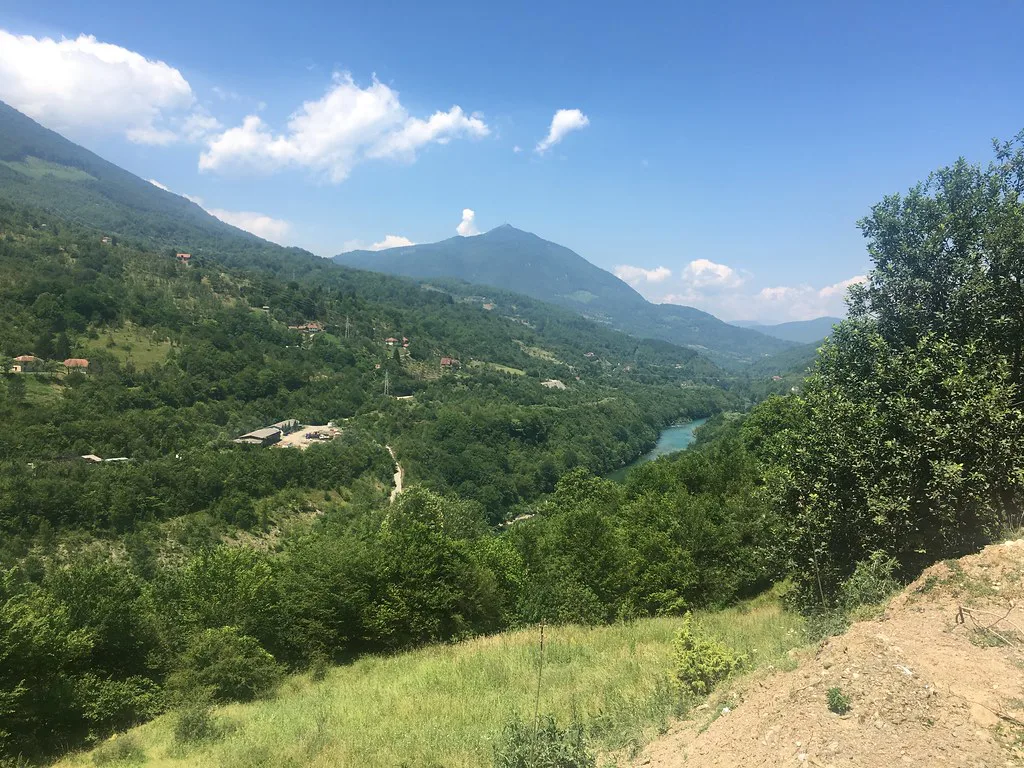
Mobile coverage is generally excellent in the major cities, Sarajevo and Mostar included, and holds up well in towns and villages along the main roads. Expect thinner signal in very remote natural areas, which in practice means canyons, high mountain valleys and some rural stretches.
Plan around that gap rather than fighting it: download offline maps for national-park days and save your accommodation address and confirmation before leaving town. If your trip leans heavily on hiking, that preparation matters more than which provider you pick.
Driving days in the mountains are when you will notice the difference, so it helps to have your route and fuel stops sorted before the signal drops. Our guide to renting a car in Bosnia covers the practical side of getting around by road.
One eSIM for a multi-country Balkans trip instead of a Bosnia-only plan
A Bosnia-only plan stops being useful the moment you cross a border, which is a real problem on the classic Sarajevo–Mostar–Dubrovnik or Bosnia–Montenegro routing. If your itinerary touches two or more countries, buy a regional or global plan instead of stacking single-country profiles. If Montenegro is on that route, it's worth reading our Kotor trip guide before deciding how far south to push.
GigSky's model is built for exactly this: install once, then choose a new destination in the app for each trip rather than reinstalling a profile every time. Travelers doing a week in Bosnia and a week in Croatia should compare that against the price of two separate country plans.
The trade-off is cost and complexity: a regional plan usually costs more than a single-country one and sometimes offers less data per euro. Do the arithmetic on your actual itinerary before defaulting to the broader option.
What to set up before you fly
Install the eSIM at home on reliable Wi-Fi, not at the airport gate. Installation needs a working internet connection, and a QR code can only be scanned once and cannot be transferred to another phone afterward, so a botched install on arrival is an expensive mistake.
Activation timing differs by provider. Numero states that installing the profile does not start the plan, and that activation happens when the device first connects to a supported network, so install early and activate on arrival. Check the same detail on GigSky's own pages before you buy.
Before boarding, label the travel profile clearly, enable data roaming on it, and turn off mobile data and data roaming on your home SIM. That single setting prevents most of the bill shock travelers report after a Balkans trip.

Mistakes that cost travelers money with a Bosnia eSIM
The most common error is leaving the home SIM's data roaming switched on, so a background app quietly racks up charges while the travel eSIM sits idle. The second is scanning the QR code on a weak connection and then discovering the code cannot be reused.
The third is buying a country-only plan for a multi-country route, then paying again at the border. The fourth is assuming a one-time plan can be extended; some, including Numero's full plans, cannot be topped up, so size the allowance to your trip length from the start.
Finally, check that your phone is unlocked by your home carrier before you travel. A locked handset will not accept any travel eSIM, however much you paid for the plan.
Local SIM cards versus eSIM for Bosnia and Herzegovina: a verdict by traveler type
Short-trip city travelers and weekend visitors should buy an eSIM: install at home, land connected, and skip the shop errand entirely. Two- to five-day stays in Sarajevo or Mostar rarely need a local number.
Multi-country Balkans travelers should buy a regional or global eSIM. The extra cost over a Bosnia-only plan is easier to accept than re-buying data in every country on the route.
Long-stay travelers, remote workers burning through data, and anyone without eSIM hardware should buy a physical local SIM instead. It is the cheaper route for heavy use and the only route for older phones, at the cost of a shop visit on arrival.
Plan Your Visit
For most travelers to Bosnia and Herzegovina, the decision is settled: buy an eSIM before you fly if your phone supports one, install it on Wi-Fi at home, and activate it when you land. Choose a regional plan if the itinerary crosses borders, and a physical local SIM if you are staying long or need a local number.
Sort the trip itself the same way you sort the data: pick the season, the bases and the transport before you book. The best places to visit in Bosnia are the ones you can reach without losing a day to the road.
Explore more Bosnia and Herzegovina trip-decision guides
Frequently Asked Questions
What is the best eSIM for Bosnia and Herzegovina?
There is no single best provider; the right choice depends on trip length and whether you need a phone number. Compare a data-only plan with generous validity against a full plan that bundles calls and SMS, and check which one covers every country on your route before you buy.
Does Bosnia and Herzegovina use eSIM technology, and will my phone work there?
Yes, eSIM profiles are sold for Bosnia and Herzegovina, and coverage is generally strong in cities such as Sarajevo and Mostar. Your phone must be eSIM-capable and carrier-unlocked. Dialing the EID code shows whether the hardware supports a profile, and your home carrier can confirm the handset is unlocked.
How much does a Bosnia eSIM cost?
Published prices for Bosnia and Herzegovina plans fall in a moderate range rather than the cheapest tier. Data bundles with a month of validity and full plans that include calls and SMS sit at different price points, so compare what each includes rather than the headline figure alone.
Is an eSIM cheaper than a local SIM card in Bosnia and Herzegovina?
It depends on usage. For a short trip the difference is small and the eSIM saves you a shop visit. For weeks of heavy data use, a local prepaid SIM from a Bosnian operator is usually the better value, at the cost of registering it in person with ID.
Can I keep my own phone number while using a Bosnia eSIM?
Yes. You keep your home SIM active for calls and texts while routing mobile data through the travel eSIM. The key step is to switch off data roaming on the home SIM so apps do not pull data through it and generate charges.
Can I install a Bosnia eSIM before I travel?
Yes, and you should. Installation needs a working internet connection, so do it at home on Wi-Fi. Activation timing varies: some providers start the plan on first network connection after arrival rather than at installation, so read the provider's own terms.
Does a Bosnia eSIM work across the Balkans?
A Bosnia-only plan is intended for use inside Bosnia and Herzegovina. For a route that crosses into Croatia, Montenegro or Serbia, buy a regional or global plan instead of relying on a single-country profile, and confirm the covered countries before purchase.
How good is mobile coverage in Bosnia and Herzegovina?
Coverage is generally excellent in major cities such as Sarajevo and Mostar and good in towns and villages, with thinner signal in very remote natural areas. Download offline maps for hiking and national-park days, and save accommodation details before leaving town.
Sources
Trip-decision notes
Optional updates when we publish or revise a destination verdict.
You might also like
Continue reading
More guides you'll find useful