Bosnia in May: Weather, Crowds and If the Month Suits You
May is one of the best months for Bosnia and Herzegovina: mild hiking weather, waterfalls in full flow and lighter crowds than July and August.
On this page
Yes, May is a strong month for Bosnia and Herzegovina, and for many travelers it is the best all-round window of the year. The valleys are warm without being hot, the rivers and waterfalls run full from snowmelt, and the summer tour buses have not yet arrived in force. If you want to know whether the country itself justifies the trip, our verdict on whether Bosnia is worth visiting covers that separately.
The verdict on May
Choose May if your trip is built around walking, water and old towns rather than beach time. Daytime temperatures in the valleys sit around 21°C (70°F) and fall to roughly 9°C (48°F) at night, which is comfortable for hiking and for wandering Sarajevo's Baščaršija or Mostar's old core. The catch is rain: May is among the wettest months of the year, so a trip planned around clear skies will disappoint.
What May is not is a guaranteed-sunshine holiday or a swimming month. High-altitude lakes and rivers stay cold enough to make a planned dip unpleasant, and mountain weather can turn a sunny morning into cold, wind-driven rain within an hour. Build the itinerary around one indoor or city day for every two outdoor days and the month works beautifully. If you are still choosing between seasons, the best time to visit Bosnia sets out the full calendar.
Who will love May
Hikers and photographers get the most from May. Trails above Sarajevo and in the Dinaric Alps are clear of snow at mid-elevations, spring flowers are out, and the light after a shower on old stone is superb. Kravice and the Neretva run hard with meltwater, so the waterfalls are loud and full rather than at their summer trickle.
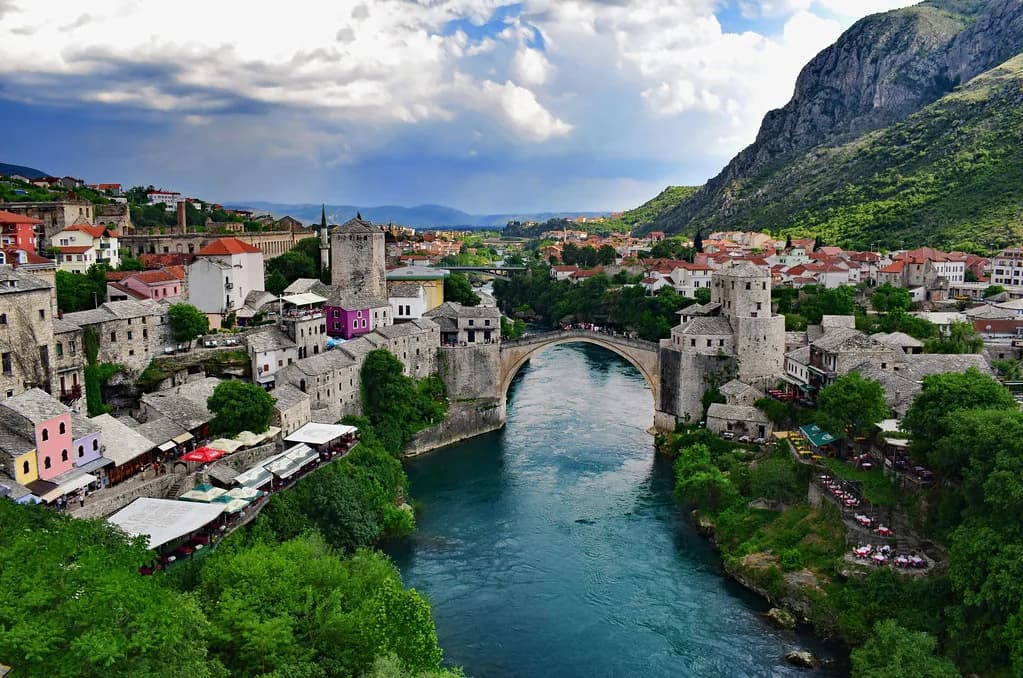
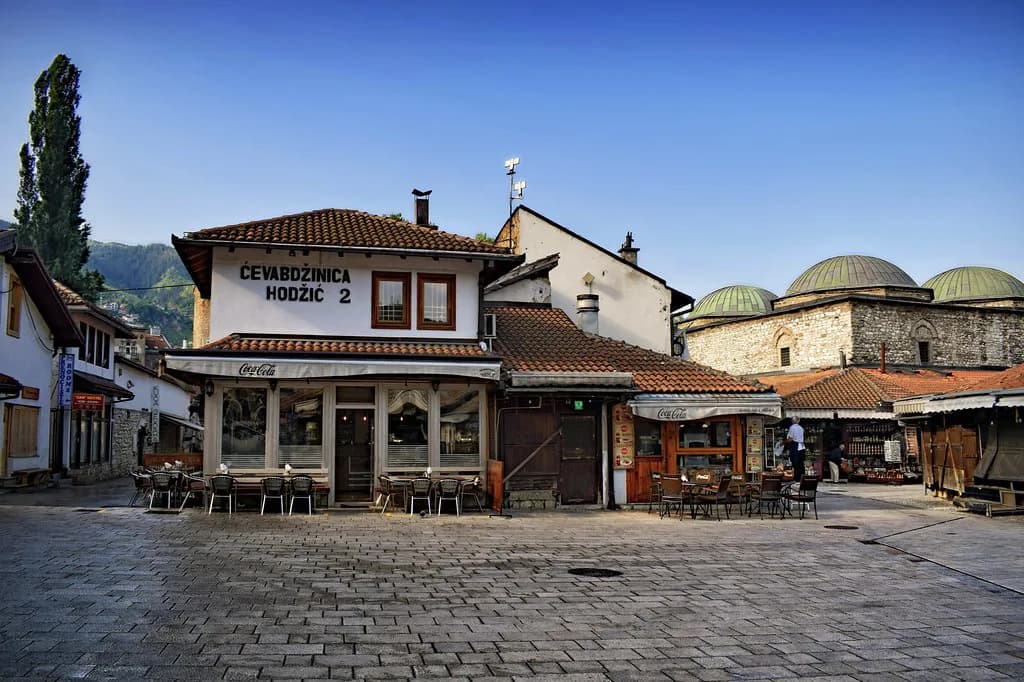
Travelers who dislike crowds also win. Arrive on Mostar's Stari Most at sunrise and you can have the bridge and the sound of the Neretva almost to yourself before the first coaches roll in mid-morning. The same logic applies to Sarajevo's bazaar quarter, where you can still find a seat at a ćevapi counter without queuing. If the Ottoman-era architecture and the bridge are your main reason to come, the best places to visit in Bosnia helps you sequence them.
Who should pick another month
Sun-seekers and families wanting warm water should look at July or August, when the valleys heat up properly and the rivers lose their bite. The trade-off is the summer crush at Mostar and Baščaršija and higher accommodation rates. For a calmer, drier-feeling shoulder with warm days, Bosnia in June is the closer match.
If your priority is deep winter snow for snowshoeing on Bjelašnica or Igman, May is the wrong end of the year entirely; February and March bring longer, sunnier days on the snowpack. And if you have only a long weekend and no flexibility for rain, a wet May can eat half your sightseeing time in the mountains.
May weather: average highs, lows and rainfall
Typical May conditions are mild by day and cool at night, with a wide spread. One set of climate figures puts the average high near 21°C (70°F) and the low near 9°C (48°F), with around 3.5 inches (89 mm) of rain across the month and humidity near 70 percent. Another dataset describes a typical range of roughly 14°C to 23°C (57°F to 73°F) across the month, with about half the days reaching 19°C (66°F) or more.
Treat these as climatological norms, not forecasts. Sarajevo sits in a bowl surrounded by mountains, so the city can see four seasons in a day, and the plateaus above it run several degrees colder than the valley floor. Check the local forecast the evening before any highland hike and be ready to turn back. Note that Bosnia and Herzegovina does not use the euro: prices are in convertible marks, and the money in Bosnia guide explains cash, cards and change.
What the rain actually means on the ground
Rain in May rarely means a washed-out day in the valley cities. It more often arrives as heavy, short showers or as a fast-moving band that turns cobblestones slick and then clears to bright light. Mostar's polished limestone and Sarajevo's steep side streets get genuinely slippery when wet, so footwear with grip matters more than an umbrella.
In the highlands the same weather is more serious. On exposed trails around Lukomir and the Rakitnica Canyon, cloud can drop visibility and wind chill can push the felt temperature toward freezing even when Sarajevo is mild. A waterproof shell and a warm mid-layer are planning items, not extras. The upside is that rain-fed rivers and waterfalls are at their best, which is why Kravice waterfalls reward a May visit more than an August one.
Crowds and prices before the summer peak
May sits in shoulder season, which in practice means two things: the headline sights are busy but not choked, and some smaller places are still waking up. Family-run guesthouses in Blagaj or Počitelj may not yet be open for the summer, so choices outside Sarajevo and Mostar narrow. In the cities, restaurants and museums generally run normal hours.
Accommodation and tour prices are lower than in July and August, though the country is affordable year-round by Western European standards. May Day at the start of the month is a nationwide public holiday and can fill domestic spots and slow transport for a day or two; plan city days around it rather than mountain drives. For a sense of value beyond lodging, see the money in Bosnia and Herzegovina guide.
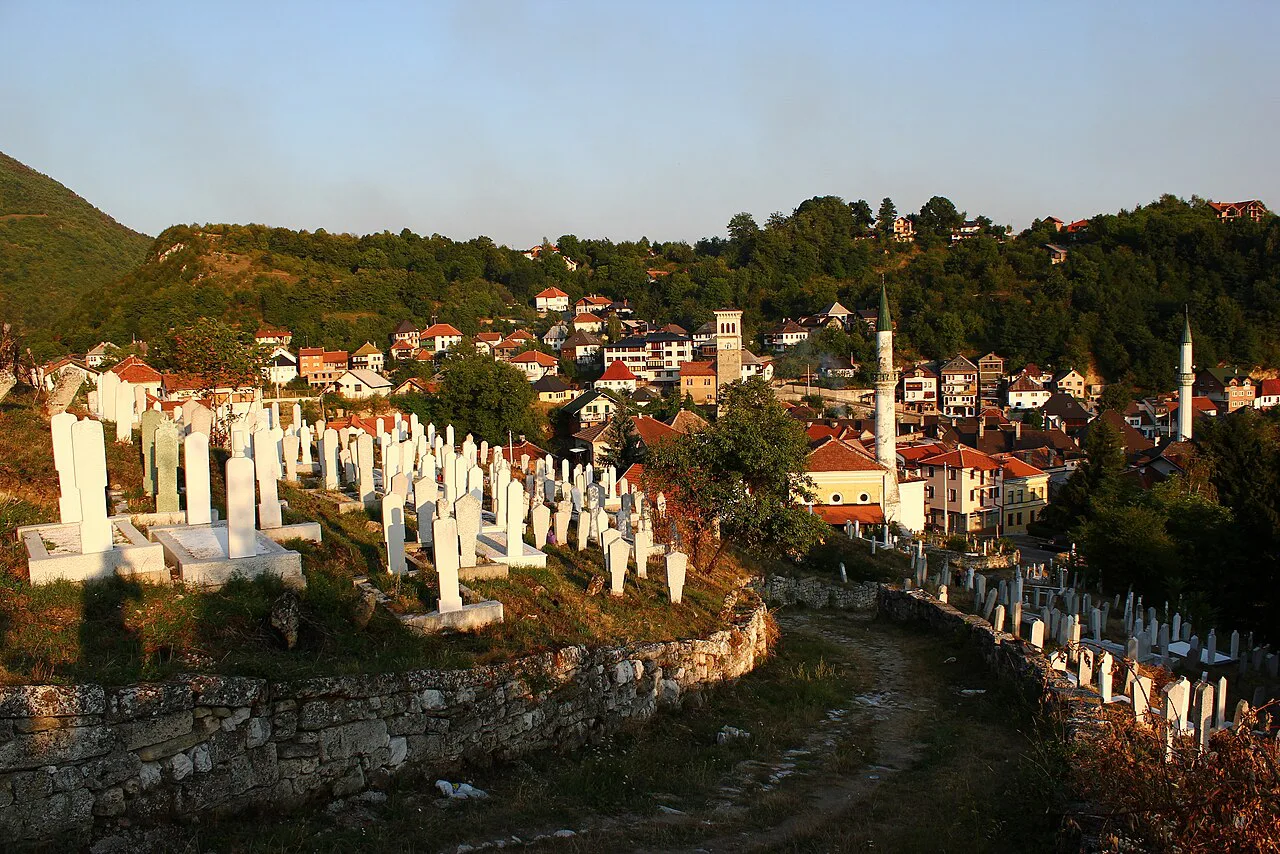
Sarajevo in May: Baščaršija, the Miljacka and the mountains above the city
Sarajevo is the natural base for a May trip. The old Ottoman core of Baščaršija, with its coppersmiths' lanes and courtyards around the Gazi Husrev-beg Mosque, rewards slow wandering, and the Austro-Hungarian avenues along the Miljacka give the city its layered feel. The Latin Bridge and the Tunnel of Hope anchor the 20th-century story, and pairing them makes sense of the city's history.
Above the city, the Bjelašnica and Igman plateaus are the easy mountain escape, and May is when they become walkable without specialist gear. Expect the tops to be colder and windier than the city by a wide margin. If you plan to drive yourself to trailheads and villages, renting a car in Bosnia covers the mountain-road realities before you commit.
Herzegovina in May: Mostar, the Neretva and Kravice
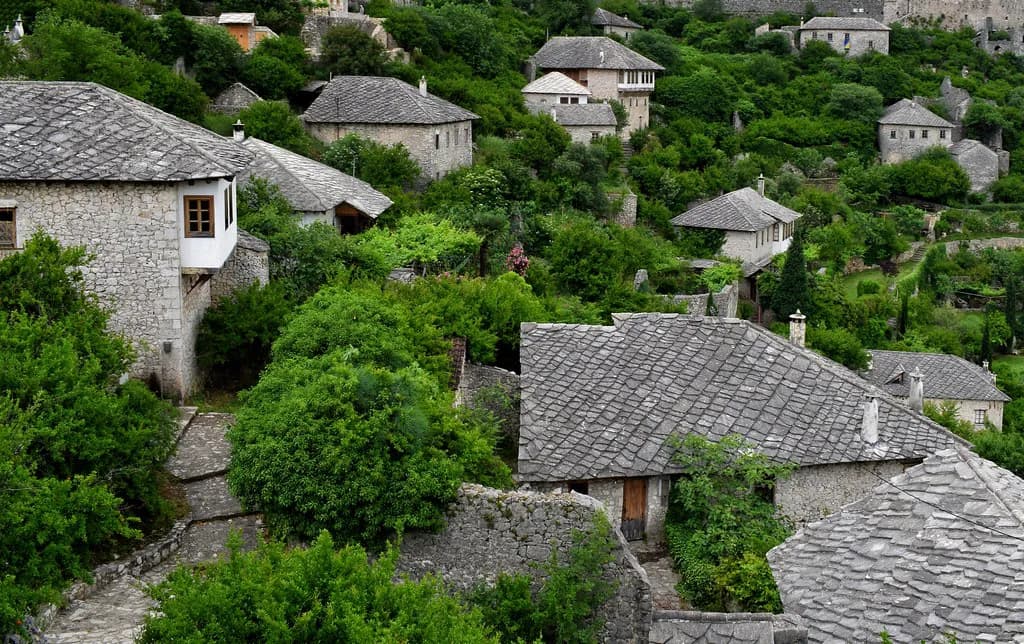
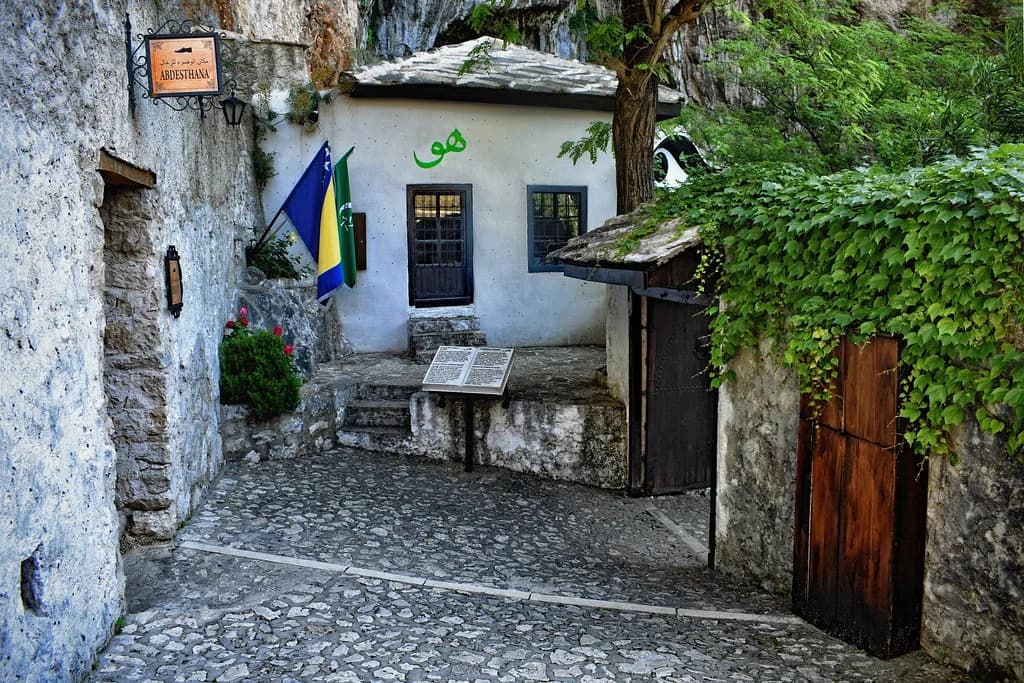
Herzegovina is warmer and drier than the Bosnian interior, and May is close to ideal here. Mostar's Stari Most and the reconstructed old town are the centerpiece, best seen early; the Neretva runs a vivid green below the bridge, fed by spring melt. Blagaj, with its cliff-side tekke and the Buna spring, and the stone village of Počitelj are short hops that fill a day between them.
Kravice, south of Mostar, is the waterfall trip most travelers want in May, when the falls are broad and loud rather than the summer trickle. Herzegovina cherries and early strawberries show up in markets around this time, which is its own small reason to come now. For the wider regional picture, the Old Bridge in Mostar guide places the town among the country's essential stops.
Highland villages and hiking: Lukomir and the plateaus
Lukomir, the highest permanently inhabited village in the country, sits on the edge of the Rakitnica Canyon and is the signature May hike from Sarajevo. The trail crosses wildflower slopes with long views into the gorge, and the village's pastoral life continues much as it has for centuries. It is a full day out, and the weather up there is the variable that decides whether it works.
Further afield, Sutjeska National Park and its primeval forest reward travelers with a car and an extra day. This is where the country's emptiness becomes the attraction: trails with few other walkers, remote mountain hamlets and steep gorges. A May visit trades guaranteed sunshine for that solitude, which is a fair deal for walkers.
Day trips from Sarajevo
Beyond the city, several day trips fit a May itinerary. The medieval fortresses at Vranduk, Tešanj and Srebrenik can be combined in a long day by car, and the drive through the Bosna valley is part of the point. Srebrenica, east of Sarajevo, is a somber and important visit to the memorial center at Potočari; allow a full day and dress respectfully.
Closer in, the Roman-era spa town of Ilidža and the spring-fed pools make an easy half-day. Visoko and its pyramid-branded hills draw a curious crowd, and the town works as a stop en route to the highlands. Spreading these over several days is the point, which is where a realistic Bosnia itinerary helps.
Public holidays in May and what they affect
May carries several public holidays that can shift opening hours and transport. May Day falls at the start of the month and is observed nationwide, which can mean fuller domestic destinations and reduced services for a day or two. Orthodox Easter sometimes falls in May and is observed in Republika Srpska, and Victory Day over fascism is marked there as well.
The practical consequence is modest but real: check opening hours for specific sights around those dates rather than assuming normal service. Holiday dates vary by year, so confirm them against the official holiday calendar before locking in a tight schedule. Otherwise May behaves like a normal shoulder-season month.
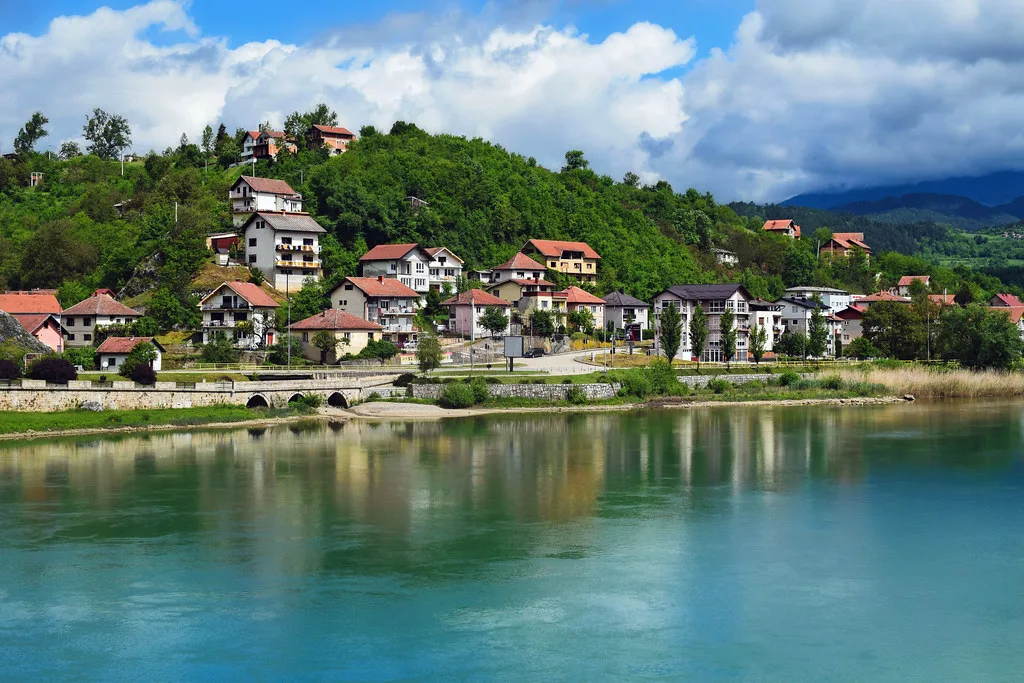
Getting around in May
Distances in Bosnia and Herzegovina are deceptive. Mountain roads are winding and slow, and a 50 km (31 mile) drive can easily take 90 minutes, so Sarajevo, Mostar and the waterfalls will not fit comfortably into one day. Buses link the main cities, and the train between Sarajevo and Mostar is a scenic option worth considering for the Neretva canyon views.
A car gives you the villages, the plateaus and the waterfalls on your own schedule, and May is a good month for it because the roads are clear of both snow and summer traffic. Mountain weather is the caveat: fog and sudden showers can slow the passes. If you are arriving by air, the Bosnia eSIM guide covers connectivity so you can navigate offline maps and rebook plans on the move.
How many days you need
Give Bosnia and Herzegovina at least five to seven days in May to do it justice. A workable shape is two or three nights in Sarajevo with one mountain day, two nights in Mostar with Kravice and Blagaj, and a night in between for the drive through the Neretva canyon. Anything shorter and the rain days start to bite.
If you have only a long weekend, choose one base and one direction: Sarajevo plus the highlands, or Mostar plus Herzegovina. Trying to add Sutjeska or the northern castles to a three-day trip means you spend most of it in the car. Allow a spare afternoon in the plan for the shower that closes a trail.
Typical costs in May
Bosnia and Herzegovina is inexpensive by Western European standards, and May rates sit below the July–August peak. Expect budget for meals, coffee and transport to be modest, with cash in convertible marks still useful in villages, family-run restaurants and taxis. Cards are widely accepted in Sarajevo and Mostar but less so in the countryside.
Accommodation is the biggest variable, and shoulder-season pricing means you get more for your money than in high summer. Entry fees and tour prices vary by operator, so compare directly rather than relying on round numbers. For the currency mechanics, the money guide explains notes, small change and where to withdraw.
May versus June and September
June is warmer and drier, with longer days and fuller waterfalls still, but the crowds build toward the end of the month and prices rise. September is the closest rival to May: the summer heat has broken, the light softens, and the country is quieter again, though some seasonal places start to close late in the month. If you want warmth with fewer people, June edges May; if you want the spring green and the meltwater, May wins.
For comparison, Bosnia in September shows why autumn appeals to hikers and photographers, and Bosnia in April shows the colder, wetter version of spring with fewer facilities open. If you are weighing a May trip against a similar shoulder-season coastal option, our Kotor trip guide makes a useful yardstick for how much rain and crowd-free time to expect. On balance, May and September are the two best months for a mixed city-and-nature trip, and the choice between them comes down to whether you prefer spring rivers or autumn light.
Plan Your May Trip
May is the best single month for a Bosnia and Herzegovina trip built around walking, old towns and rivers, provided you accept rain as part of the deal. Plan around a couple of wet days, keep a warm layer for the mountains and start your Mostar and Sarajevo sightseeing early. If you want guaranteed sun or warm swimming, wait for July.
Decide your base, book shoulder-season lodging early enough to get the good places, and leave room for a slow day when the weather turns. The country rewards that patience more than a tightly packed schedule. For the bigger question of whether the destination suits you at all, start with the Bosnia and Herzegovina verdict.
Explore more Bosnia and Herzegovina trip-decision guides
Frequently Asked Questions
Is May a good time to visit Bosnia and Herzegovina?
Yes. May gives mild daytime temperatures, green valleys, full waterfalls and fewer visitors than July and August. The trade-off is rain, which is common in May, and cold nights in the mountains. It suits hikers, photographers and city travelers more than beach or guaranteed-sunshine seekers.
What is the weather like in Bosnia and Herzegovina in May?
Typical May conditions are mild by day and cool at night, with averages near 21°C (70°F) and lows near 9°C (48°F), though the spread across the month is wide. Rain is likely and humidity is high, and mountain areas run colder and windier than the valleys. Treat these as climate norms rather than forecasts.
Does it rain a lot in Bosnia in May?
May is among the wetter months in the country's climate chart, with around 90 mm typical. Rain usually arrives as heavy showers or fast-moving bands rather than all-day drizzle, but mountain weather can turn quickly. Plan indoor or city days as backup.
Is May or June better for Bosnia and Herzegovina?
June is warmer and drier, with longer days, but crowds and prices rise toward the end of the month. May is greener, quieter and cheaper, with more rain. For a walking trip with fewer people, May wins; for reliably warm days, June is the safer bet.
How many days do you need in Bosnia and Herzegovina in May?
Five to seven days is a realistic minimum for Sarajevo, Mostar and the main natural sights without rushing. A longer weekend should focus on one region rather than trying to cover the whole country. Leave spare time for rain days.
Are the Kravice waterfalls worth seeing in May?
Yes. Spring melt makes the falls broad and loud, which is when they look their best. The water and the surrounding pools stay cold, so swimming is bracing rather than comfortable. Arrive early to avoid tour groups.
Do I need a car in Bosnia and Herzegovina in May?
A car makes the highland villages, plateaus and waterfalls far easier to reach on your own schedule, and May roads are clear. Buses cover the main cities, and the Sarajevo–Mostar train is a scenic option. Mountain fog and showers can slow driving.
Are there public holidays in May in Bosnia and Herzegovina?
Yes. May Day at the start of the month is observed nationwide, and Orthodox Easter and Victory Day are marked in Republika Srpska. Opening hours and transport can shift on those days. Holiday dates vary by year, so confirm them before locking in a tight plan.
Sources
Trip-decision notes
Optional updates when we publish or revise a destination verdict.
You might also like
Continue reading
More guides you'll find useful