Bosnia Plug Type: Sockets, Voltage and What to Bring
Bosnia and Herzegovina uses Type C and Type F sockets at 230 V and 50 Hz. Here is what US travelers need to know about adapters and dual-voltage devices.
On this page
You need a plug adapter in Bosnia and Herzegovina, not a voltage converter, for the gear most travelers carry. The country runs Type F sockets at 230 V and 50 Hz, so a US flat-pin charger has nothing to grip until you add a Schuko adapter.
Getting this right costs a few dollars and saves a dead-phone evening in Sarajevo or Mostar. It is also the one piece of trip prep that pays off across the whole region, since Croatia, Serbia and Montenegro use the same socket setup.
The sockets you will meet
Bosnia and Herzegovina uses Type F sockets, the recessed two-pin Schuko design common across continental Europe. Type C Europlugs, the thin round two-pin plugs, also fit these outlets, which is why travel guides often list both.
The supply is 230 V at 50 Hz, the standard European figure. That frequency matters for anything with a motor or a timer, because 60 Hz devices from the US may run slower or keep inaccurate time even when the voltage is fine.
Will your US plug fit?
No. American plugs have two flat parallel pins, and a Schuko socket has two round holes set into a circular recess, so the pins never make contact. You need a physical adapter, sometimes sold as a Type C to Type F or Europe adapter.
The adapter changes the shape of the plug only; it does not change the voltage. Pick one that fits flush in a recessed socket, because some slim universal blocks sit loose in Schuko outlets and drop out of café wall sockets.
Type F versus Type C
A Type F adapter covers both socket types, since the round Europlug pins slide into a Schuko outlet. If you buy only one adapter for the trip, make it a Schuko one and you will not have to think about which wall you are facing.
The reverse is not true: a Europlug device goes into a Schuko socket easily, but a Schuko plug will not fit a shallow Type C socket on older appliances. In practice almost every outlet in Bosnian hotels, cafés and apartments is the recessed Schuko type.
Do you need a voltage converter?
Usually not. Check the small print on the charger block: if it reads something like INPUT 100-240 V, the device handles both US and European voltage and only needs the plug adapter. Phones, tablets, laptops, camera chargers and electric toothbrushes almost always carry this dual-voltage label.
If the label lists a single range such as 120 V only, the device is not designed for Bosnian outlets. For low-power electronics that is now rare, but it is worth thirty seconds with a torch before you leave home.
Hair dryers, curling irons and other high-wattage gear
This is where converters earn their place. Hair dryers, straighteners and curling irons draw high wattage, and a cheap travel converter often cannot supply enough current, so the appliance runs cold or trips the outlet.
The practical answer for many travelers is to leave the high-wattage appliance at home and use the one in the apartment or hotel, or buy an inexpensive locally sold model. If you do bring a converter, match its wattage rating to the appliance, because an underpowered converter is worse than none.
What to buy
For a phone-and-laptop trip, a single Type F adapter is enough and costs very little. It weighs almost nothing, so there is no reason to share one between two travelers and fight over the socket at night.
A universal travel adapter makes sense if you cross into non-European countries on the same trip or travel often. It is bulkier and more expensive, and the moving parts are the first thing to fail, so treat it as a multi-trip purchase rather than a one-off.
Sockets on the ground
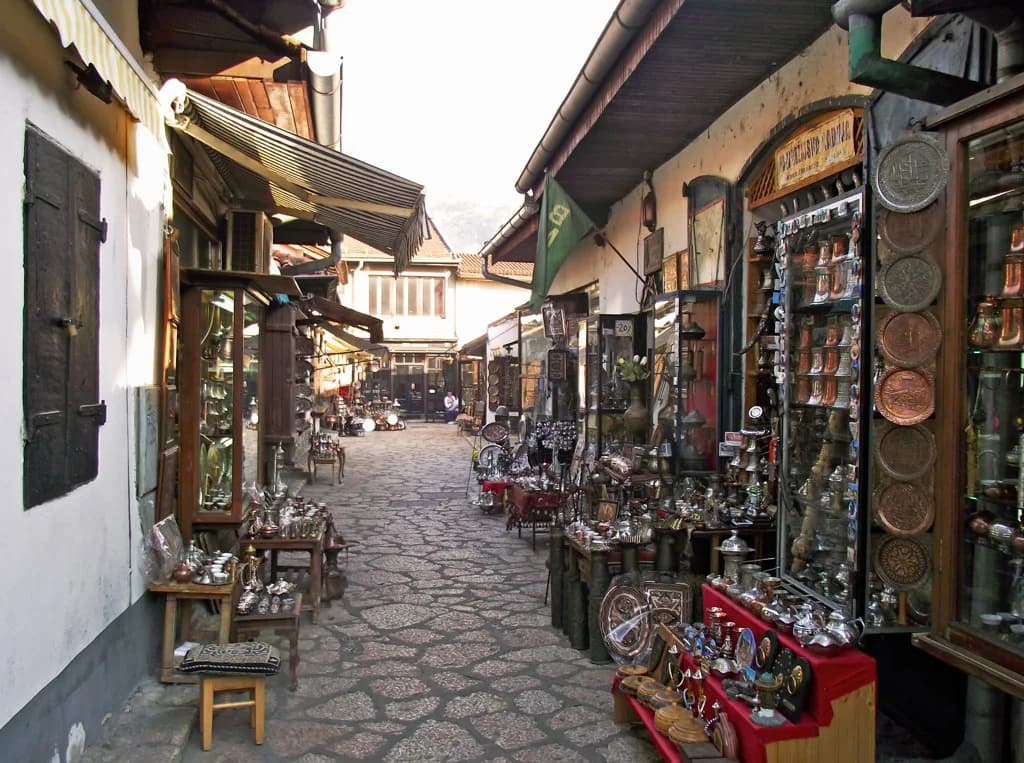
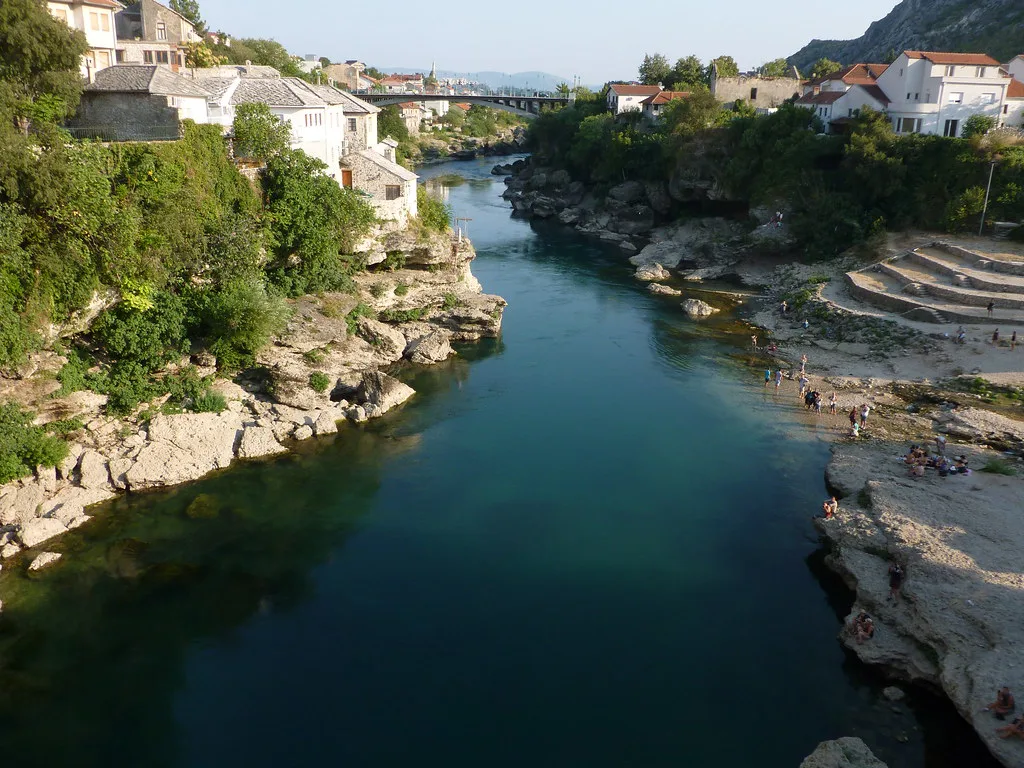
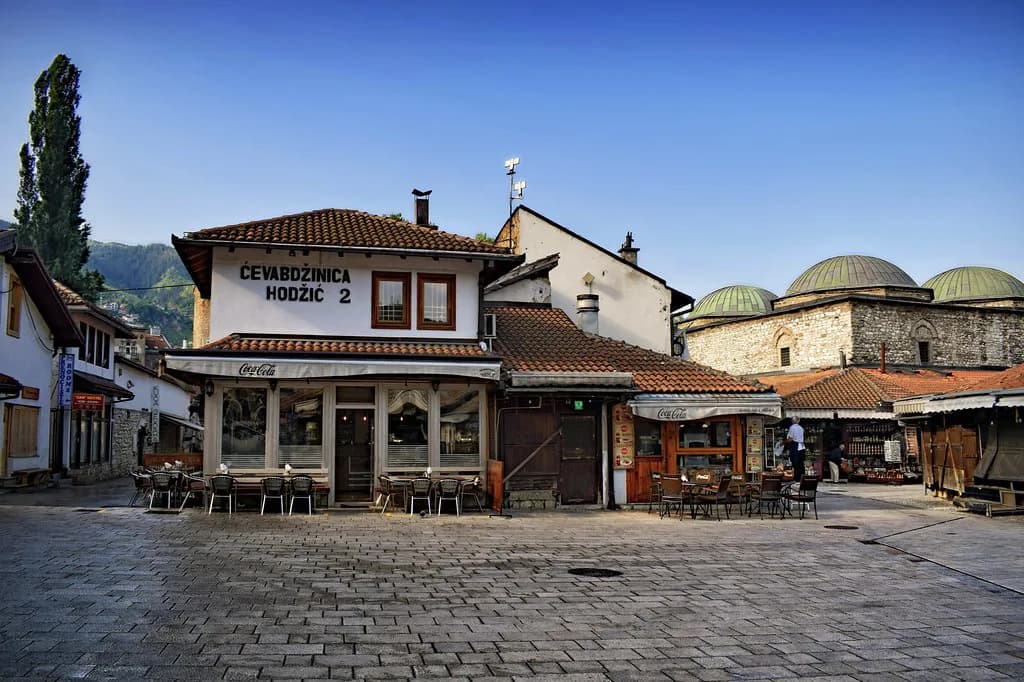
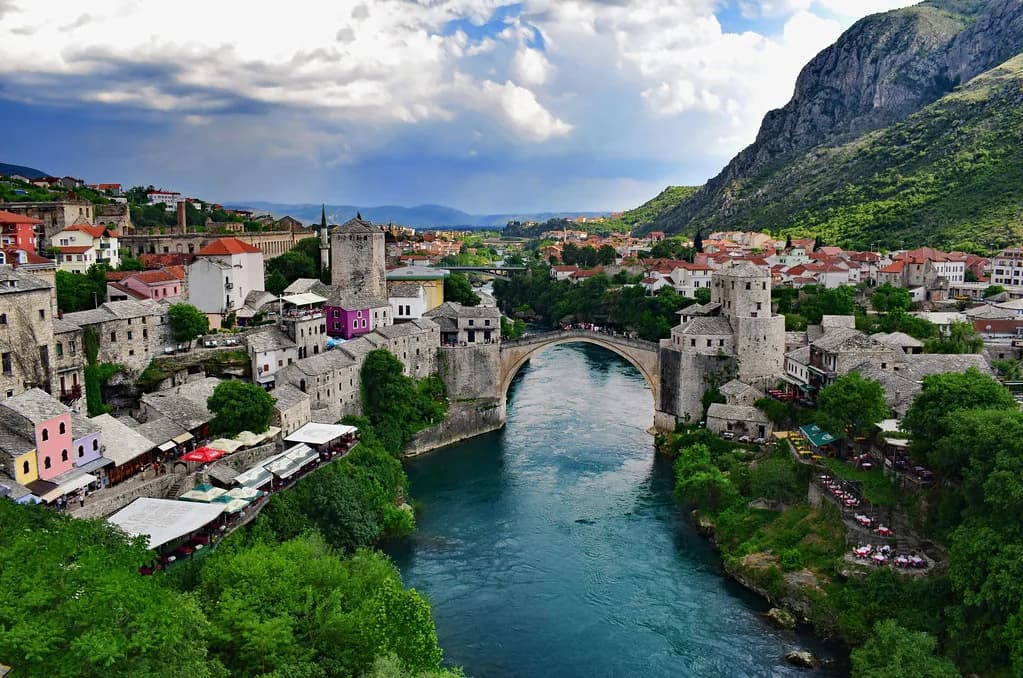
Expect working outlets in Sarajevo's cafés in the Baščaršija old town and in Mostar's guesthouses near the Old Bridge in Mostar, though older buildings sometimes have fewer sockets per room than you would like. A small power strip with a US plug and one adapter turns a single outlet into three.
Intercity buses generally do not offer reliable charging, so charge overnight rather than counting on the ride between Sarajevo and Mostar. If you are weighing the trip itself, our take on whether Bosnia is worth visiting covers the highlights and the honest drawbacks.
Bosnia and Herzegovina versus its neighbors
Croatia, Serbia and Montenegro use the same Type F and Type C sockets at 230 V, so one adapter covers a multi-country Balkan itinerary. That is one less thing to repack each time you cross a border, and coastal stops such as Kotor raise the same question of is Kotor worth visiting before you commit the days.
Currency does change at those borders, though, and Bosnia and Herzegovina uses the convertible mark rather than the euro. Our guide to money in Bosnia explains cash, cards and the marks you will handle.
The verdict
Pack one Type F Schuko adapter and check your chargers for a 100-240 V label; that combination covers phones, laptops and cameras without any converter. Leave the hair dryer at home unless you have a properly rated converter.
If your plans reach beyond Bosnia and Herzegovina, our verdict on whether Bosnia and Herzegovina is worth visiting helps you decide how many days to give Sarajevo, Mostar and the national parks.
Explore more Bosnia and Herzegovina trip-decision guides
- Bosnia in October
- Renting a Car in Bosnia and Herzegovina
- Best Time to Visit Bosnia and Herzegovina
- Bosnia eSIM
- Bosnia in April
- Bosnia in August
- Bosnia in June
- Bosnia in May
- Bosnia in September
- Bosnia Itinerary
- Is Bosnia Cheap? Real Daily Costs for a Bosnia and Herzegovina Trip
- The Best Cities in Bosnia and Herzegovina
- Bosnia in July
- Do They Speak English in Bosnia and Herzegovina?
- Getting Around Bosnia and Herzegovina
- Mostar vs Sarajevo
Frequently Asked Questions
What plug type does Bosnia and Herzegovina use?
Bosnia and Herzegovina uses Type F Schuko sockets at 230 V and 50 Hz, and thin Type C Europlugs also fit those outlets. A US flat-pin plug does not fit without an adapter.
Do I need a travel adapter for Bosnia?
Yes, if you are coming from the US or the UK. A Type F Schuko adapter converts your plug shape to the recessed round sockets used in Bosnian hotels, cafés and apartments.
Can I use my US charger in Bosnia?
If the charger block says INPUT 100-240 V, it will work with only a plug adapter. Chargers marked 120 V only are not designed for the 230 V supply and need a converter or should stay home.
Do I need a voltage converter in Bosnia?
For phones, laptops, tablets and camera chargers, no. A converter is only relevant for single-voltage or high-wattage appliances such as hair dryers, and you should match its wattage rating to the device.
Is the Bosnia plug the same as in Croatia and Serbia?
Yes. Croatia, Serbia and Montenegro use the same Type F and Type C sockets at 230 V, so one adapter serves a multi-country Balkan trip.
What is a Type F plug?
Type F, also called Schuko, is a round two-pin plug set in a recessed circular socket with side earth contacts. It is the standard household plug across much of continental Europe, including Bosnia and Herzegovina.
Sources
Trip-decision notes
Optional updates when we publish or revise a destination verdict.
You might also like
Continue reading
More guides you'll find useful