Bosnia Itinerary: How Many Days You Need and Where to Go
A practical Bosnia and Herzegovina itinerary for 3, 5 and 7 days, covering Sarajevo, Mostar, Konjic and the Neretva valley, with honest trade-offs on pace.
On this page
Five days is the right length for a first trip to Bosnia and Herzegovina. That gives you two full days in Sarajevo, two around Mostar with Blagaj and Počitelj folded in, and a night in Konjic on the upper Neretva, without spending half the trip on a bus.
Three days is a coastal add-on: Sarajevo and Mostar only, moving fast. Seven days buys you the mountain days — Lukomir, Boračko Lake, the Rakitnica canyon — which are the reason the country outclasses its neighbors for outdoors, but they need a guide, a vehicle and a tolerance for rough roads.
This plan treats Sarajevo–Mostar as the fixed spine and frames every extra stop as a trade-off in driving time. If you are still weighing the destination itself, our verdict on whether Bosnia is worth visiting covers the case for going at all.
Why Bosnia and Herzegovina rewards a focused itinerary
The country packs a lot into a small map, but the roads are slow and the distances deceptive. Sarajevo, Mostar, Konjic and the Herzegovina hills sit within a rough triangle, and bouncing between them every night wastes daylight you could spend on the Old Bridge or in a canyon.
A country specialist's week-long route strings together Sarajevo's Old Town, a hike from Umoljani to Lukomir, mountain biking to Boračko Lake, rafting the Neretva and canyoning the Rakitnica before finishing in Mostar. That is a good picture of what the country offers — and of how much of it needs logistics, since every one of those days involves a guide or a vehicle.
The lesson for an independent traveler is to pick fewer bases and go deeper. Two nights in Sarajevo and two in Mostar with a Konjic stop between them will beat a five-city sprint every time.
If you want a wider menu of stops before fixing this route, the best places to visit in Bosnia covers the towns and parks worth building around.
The verdict: how many days you actually need
Three days: Sarajevo and Mostar, with a morning in each old town and the rest on the bus or in a car. It works as a two-night add-on from Dubrovnik or Split, but you will skip Konjic entirely and see Herzegovina through a window.
Five days: add Konjic and the Neretva valley, plus a Herzegovina loop through Blagaj, Počitelj and Kravice. This is the sweet spot — enough time to walk Sarajevo's Baščaršija without rushing and to see the Stari Most at both ends of the day, when the coach groups have thinned.
Seven days: add the mountain days. Lukomir via Umoljani, Boračko Lake and a Rakitnica or Neretva rafting day each eat a full day once you count transfers, and each needs a guide or a hired car with local knowledge.
Anyone with ten days can push west into Una National Park or southeast toward Sutjeska and Trnovačko Lake, but those are separate trips grafted onto this one.
The 3-day core: Sarajevo and Mostar
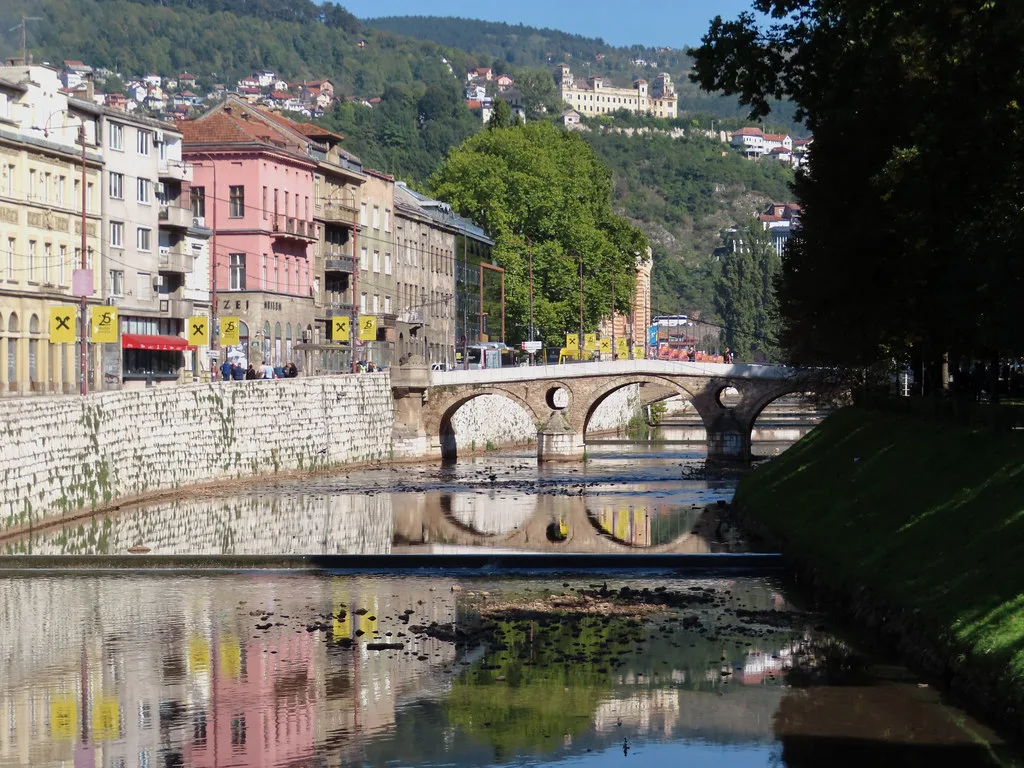
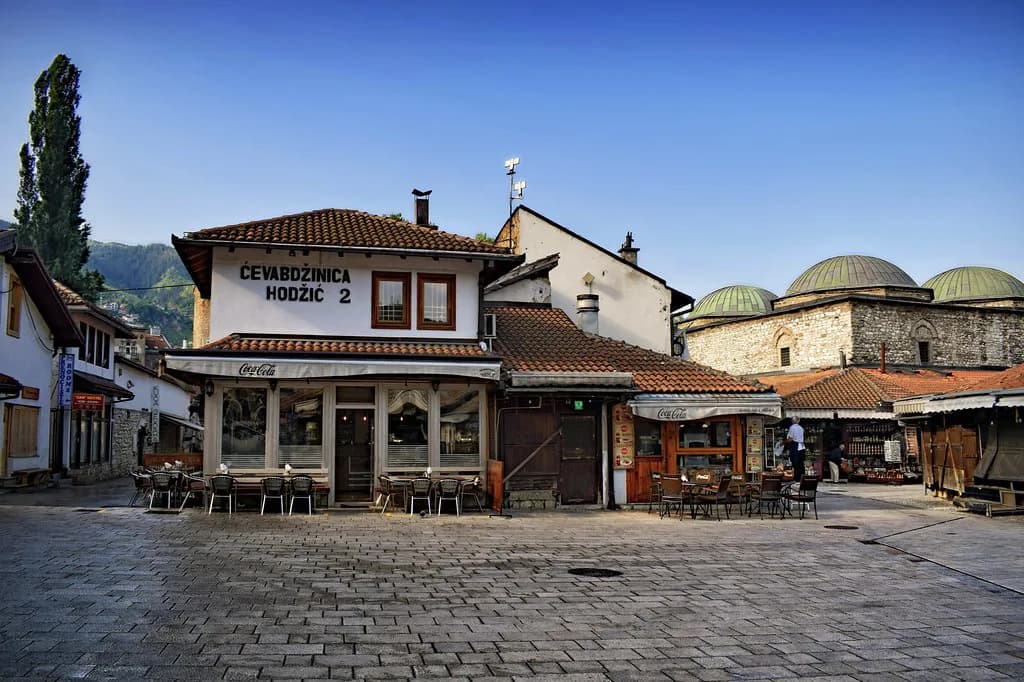
Day one in Sarajevo: the 15th-century Old Town and Baščaršija, the Latin Bridge, and an afternoon on the wartime history — the Tunnel of Hope and the Siege of Sarajevo sites. The city's appeal is precisely that Catholic and Orthodox cathedrals, mosques and synagogues sit side by side within a few minutes' walk.
Day two: travel to Mostar, ideally by an early bus or with a hired car, and spend the afternoon in the Old Town around the Stari Most. Day three covers Blagaj's Buna spring and the tekke, a quick stop at Počitelj's Ottoman-era streets, and Kravice Waterfalls if the season cooperates, then back to Mostar or onward.
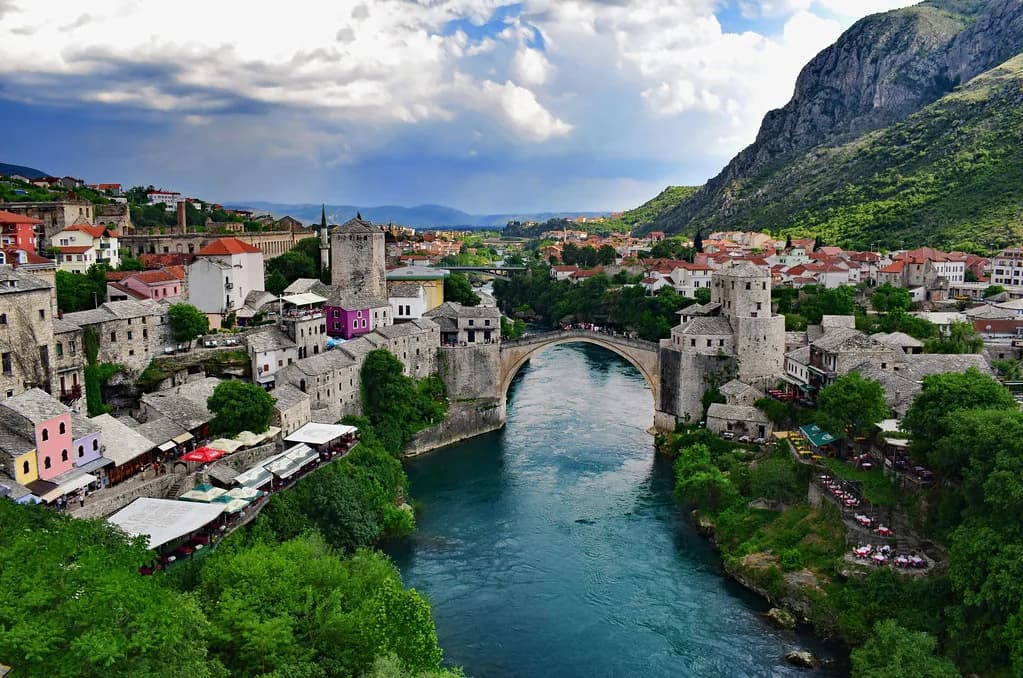
Timing matters at the bridge. Mostar takes a heavy flow of day-trippers from the Dalmatian coast through the middle of the day, so plan your Stari Most views for early morning or after the afternoon peak and use the middle hours for Blagaj or Kravice instead.
The 5-day version: adding Konjic and the Neretva valley
Slot Konjic between Sarajevo and Mostar, with a night there. The town is known for its Ottoman-era Stara Ćuprija, a stone bridge over the Neretva, and the river itself runs clear enough that rafting is a national pastime rather than a tourist novelty.
Above Konjic, Tito's Bunker is the other draw — a Cold War command complex built to survive a nuclear strike far larger than Hiroshima. It is a guided visit with fixed entry times rather than a wander-in site, so it shapes your day; book it as the anchor and fit the bridge and river around it.
A Neretva rafting float from Konjic typically runs as a half or full day with swim stops and a riverside lunch, which is why the extra night pays off. The alternative — squeezing it into a Sarajevo–Mostar transfer — leaves you watching the water from the road.
You will pay in convertible marks throughout, and card acceptance thins out fast in Konjic and the villages, so carry cash for rafting outfits, small cafés and bridge-side stalls; our guide to money in Bosnia explains the practical side.
The 7-day version: adding Lukomir, Boračko Lake and the Herzegovina hills
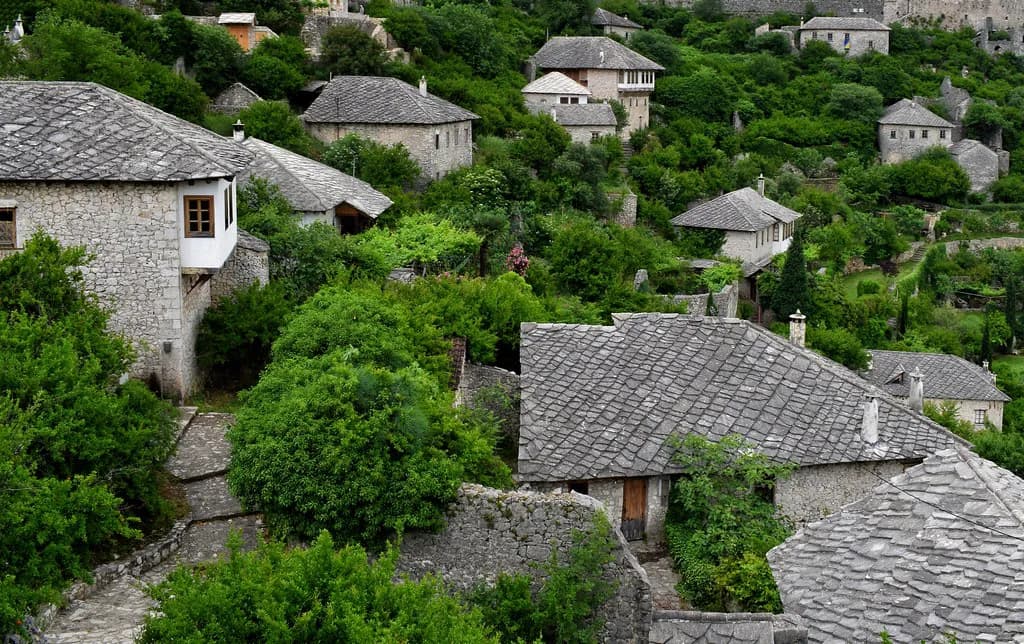
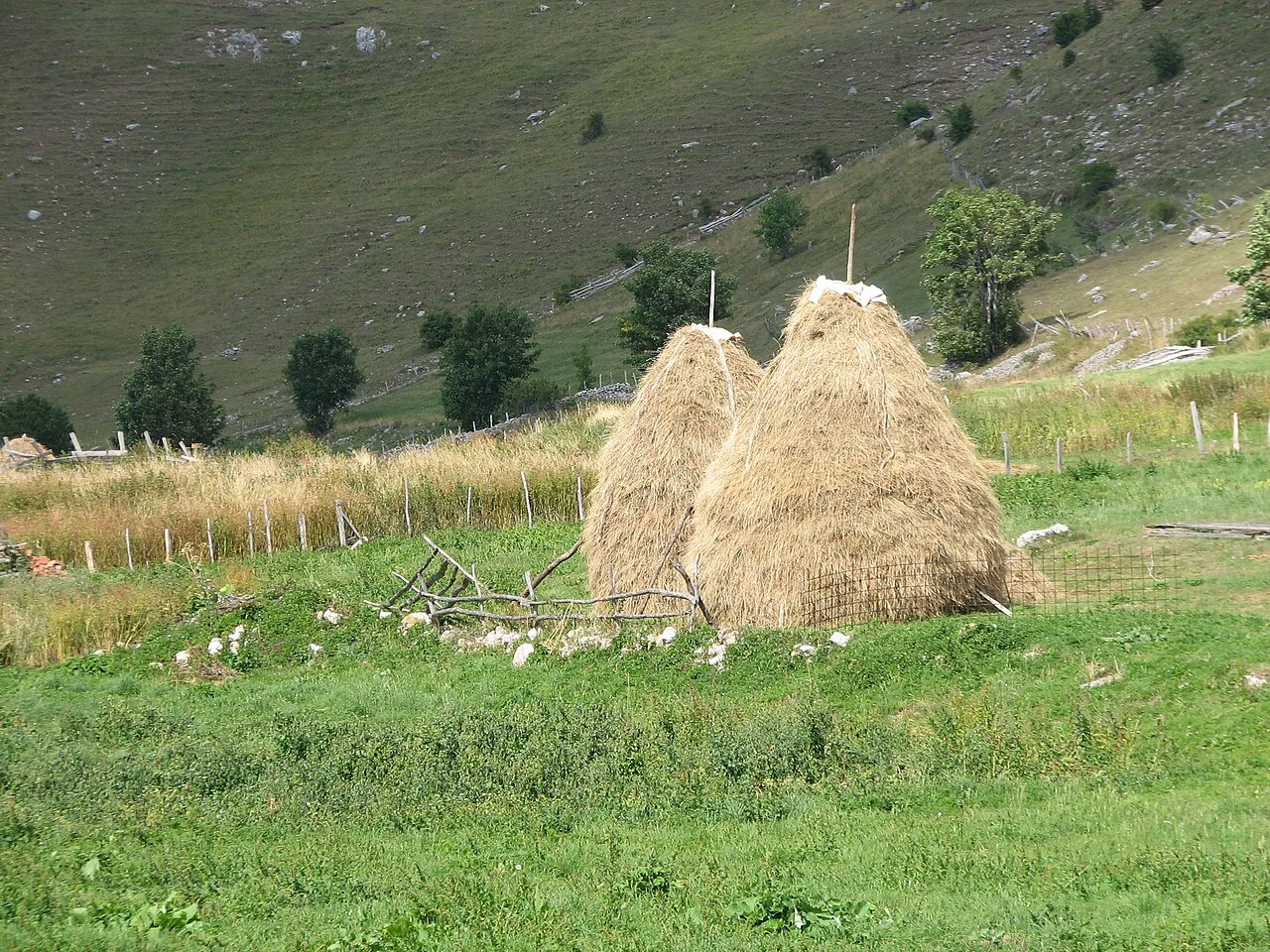
The extra two days belong to the mountains. The classic outing starts at Umoljani on Bjelašnica and hikes across Obalj to Lukomir, the highest and oldest village in the country and a protected cultural landscape, with an overnight in a village guesthouse and a descent toward Boračko Lake the next day.
Boračko Lake, the mountain-eye of Herzegovina, sits below the Prenj range and works as a base for the next day's walking. Prenj itself, with peaks around 7,070 feet, holds a war memorial to Tito and the Partisans who crossed in 1943, and the coniferous forest routes toward Otiš and Zelena Glava are best in summer.
Canyoning the Rakitnica is the adventurous option, involving swimming, jumps and scrambling in a deep, little-visited gorge between the two mountains. It is not a solo outing: go with an operator, and treat it as a full day that rules out a long drive afterward.
These days depend on a car and local guiding. If you are hiring, our guide to renting a car in Bosnia covers the practical side of picking up in Sarajevo versus Mostar and what the mountain roads demand.
Sarajevo: what earns a full day and what you can skip
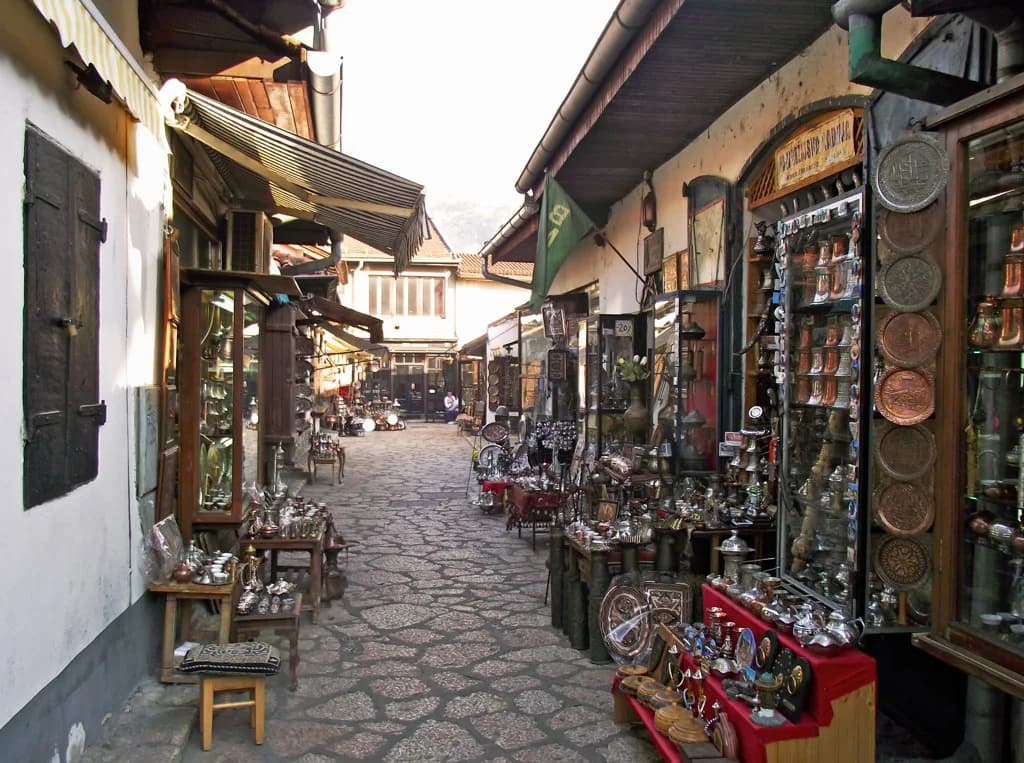
Give Sarajevo a full day, minimum. Baščaršija's bazaar lanes, the Latin Bridge and the seam where Ottoman and Austro-Hungarian architecture meet are the core, and the war history — the Tunnel of Hope, Sniper Alley, the siege story told by people who lived it — is what most visitors remember.
What you can compress: the shopping and café time in the old town, unless that is the point of your trip. Sarajevo rewards slow sitting, but on a tight itinerary one long coffee stop is enough.
Mostar is often described as a day trip from Sarajevo, and it can be done, but it leaves no room for Blagaj or Počitelj and puts you at the bridge in the busiest hours. Base in Mostar for at least one night instead.
Mostar and the Stari Most: timing your visit around the day-trip crowds
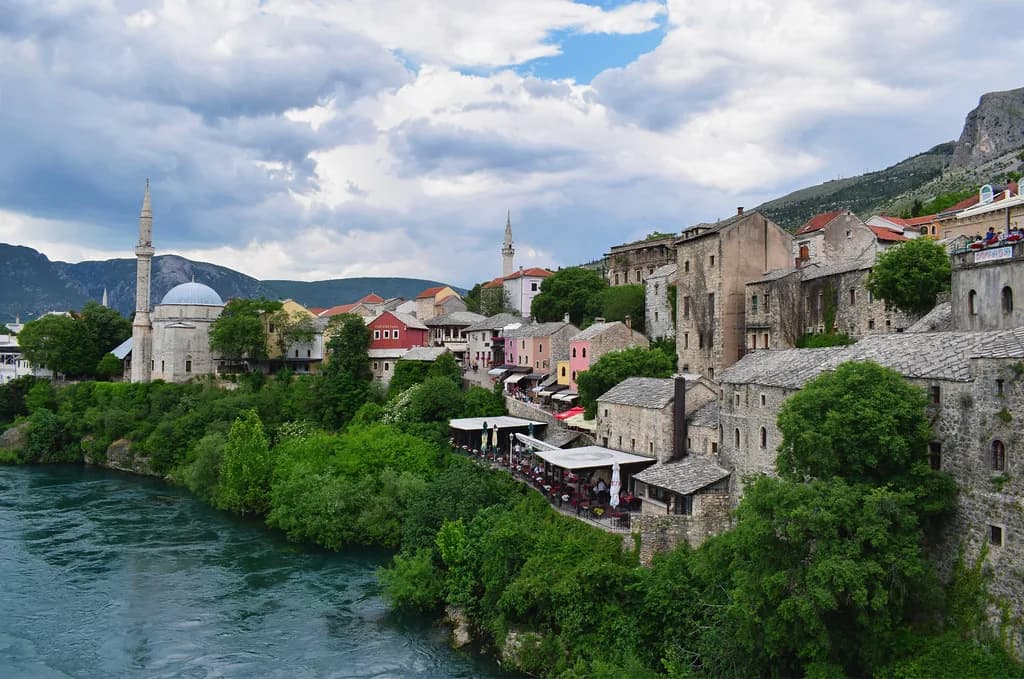
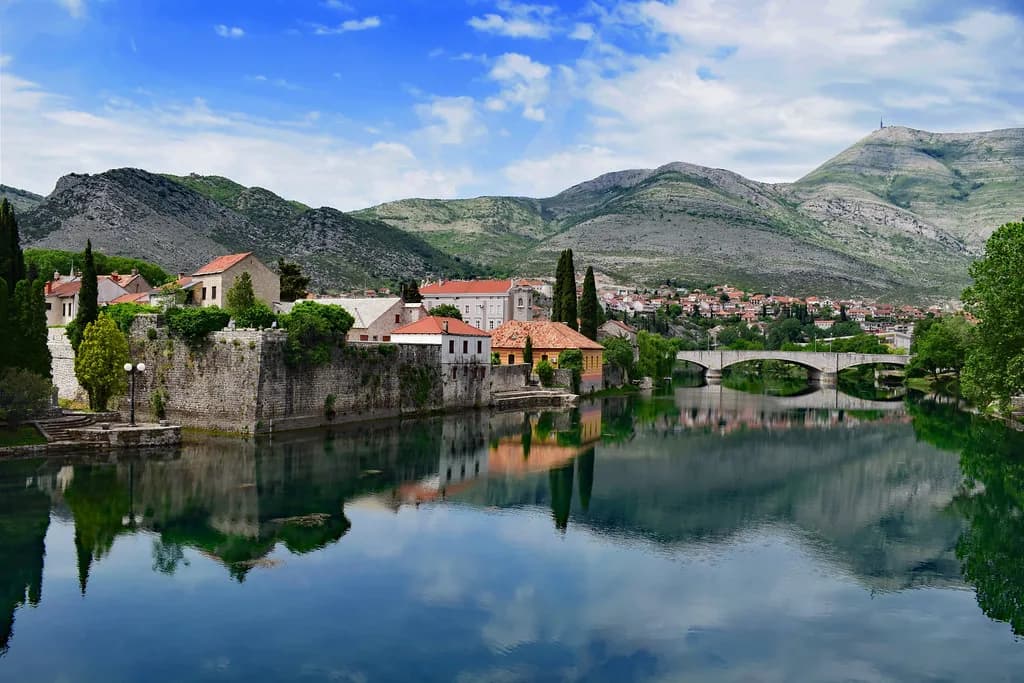
The Stari Most and the surrounding Old Town are UNESCO-listed, and the approach lanes are narrow enough that a few coach groups fill them. Stay overnight and you get the bridge at dusk and again at dawn, when it is close to empty and the light is better anyway.
Beyond the bridge, the Old Town holds Kriva Ćuprija and Karađoz-bey's mosque, and the bazaar streets behind the main drag are quieter than the bridge approach. An hour of wandering away from the water is usually enough to lose the crowd.
Base yourself in Mostar for two nights on the five-day plan so you can spread Blagaj, Počitelj and Kravice across a full day without doubling back. That loop is the most efficient use of a car in Herzegovina.
Konjic, Tito's Bunker and the upper Neretva
Konjic is a small town with a big bridge and a bigger secret. The Stara Ćuprija is the photogenic centrepiece, and the bunker hidden in the hills above is the reason many travelers stop here at all.
Treat the bunker as a scheduled guided visit rather than an open house: tours run at set times, and arriving without a slot wastes a morning. Pair it with a riverside lunch in town and you have a solid half day.
The Neretva's clarity is the other draw — it is drinkable in stretches, and rafting operators run floats with swim stops and barbecue lunches on the bank. Book ahead in summer, when the good outfits fill up.
Konjic is also the natural overnight if you want to break the Sarajevo–Mostar run without adding a detour. One night here buys you a full afternoon on the river and an easy morning drive south.
Blagaj, Počitelj and Kravice Waterfalls as a Herzegovina loop
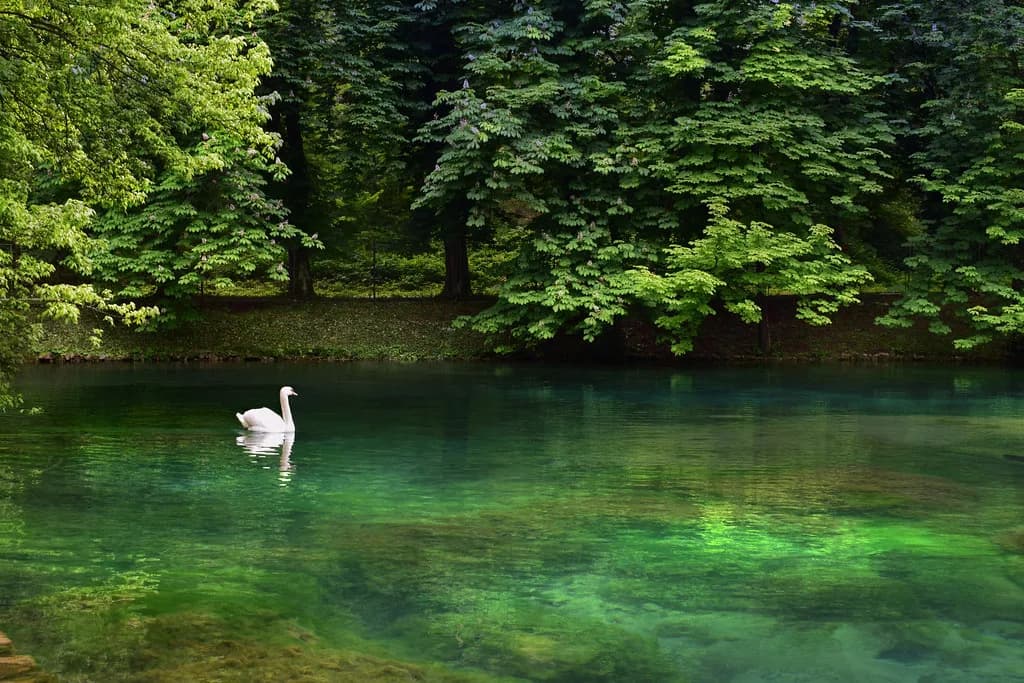
This loop is the best single day out of Mostar. Blagaj sits where the Buna springs out of a cliff below a preserved tekke, Počitelj is an Ottoman-era village with a fortress climb and river views, and Kravice is a wide waterfall arc where you can lunch in sight of the falls.
Do it in that order going out and you hit Kravice before the afternoon rush. The falls are at their best in late spring and early summer, when the flow is high; by late summer they thin out and the swimming is the main draw.
Međugorje, the Catholic pilgrimage site, sits on the same axis and can be added if you have the time and interest. Otherwise skip it and spend longer at Blagaj, where the spring and the tekke deserve more than a photo stop.
If your dates are flexible, the best time to visit Bosnia weighs spring and autumn against the summer crowds on this exact loop. Late spring and September generally give you the falls and the old towns in comfortable conditions.
Outdoor days: Prenj, Rakitnica and rafting the Neretva
The outdoor days are what separate a good Bosnia itinerary from a good city break. Rafting the Neretva is the most accessible: an outfitter handles boats, gear and lunch, and you need nothing more than a free day and a swimsuit.
Canyoning the Rakitnica is a step up, requiring swimming, scrambling, jumps and a guide who knows the water levels. It is spectacular and it is a full day with no room for a long drive afterward.
Prenj and the Lukomir plateau days are hikes, not walks: long, exposed and best in summer, with village guesthouse beds that should be arranged in advance. The reward is the Prenj peaks and the highest village in the country, with none of the coach traffic.
These days are weather-dependent in a way city days are not. Build one, not two, into a seven-day plan and keep a spare day for a swap if the mountains cloud in.
Getting around: buses, hired cars and the realistic driving times
Buses link Sarajevo, Konjic and Mostar frequently, and for the three-day and five-day versions they do the job without a car. Book the Sarajevo–Mostar leg ahead in summer, when seats on the popular departures go first.
For Blagaj, Počitelj, Kravice and the Neretva valley, a car changes the trip. Rural services are thin and a hired car lets you do the Herzegovina loop in a single day and reach trailheads that buses do not serve.
Driving in the mountains is slower than the map suggests. Single-lane stretches, livestock and winter grit on the Bjelašnica and Prenj roads all eat time, so plan fewer stops per day than you would in Croatia.
If you are combining Bosnia with the coast, the Zagreb-to-Sarajevo corridor through Banja Luka is a realistic overland route, and Bosnia works well as a land add-on to Croatia or Montenegro rather than a separate flight-in trip.
Where the itinerary breaks: seasonal closures, mountain weather and road limits
The honest drawback is seasonality. Mountain guesthouses, rafting outfits and canyon guides operate a summer season, and outside it the high routes on Bjelašnica and Prenj can be closed by snow or simply unstaffed.
Mostar and Sarajevo run year-round, but the Herzegovina loop and the outdoor days do not. Build the five-day version around the cities and the mountains only when the season supports them.
Crowds are the other constraint. Mostar's bridge lanes and Kravice's car park fill in July and August, and the difference between an early-morning and a midday visit is large.
Road limits matter too: the mountain roads to Lukomir and around Prenj are not routes to attempt after dark or in poor weather, and a hired car with adequate clearance is the sensible choice for the seven-day version.
Typical costs and how the price level compares with Croatia
Bosnia and Herzegovina is meaningfully cheaper than Croatia for food, coffee and everyday expenses, and that gap is one of the strongest arguments for adding it to a Dalmatian coast trip. The currency is the convertible mark, and prices in marks look modest next to euro prices on the coast.
Guided days — the bunker, rafting, canyoning, a Lukomir hike — are where the budget concentrates, because each involves an operator, transport and often lunch. Independent city days are cheap; adventure days are not.
Rather than quote figures that change with the season, budget in bands: city days at a low level, guided mountain days at hotel-room level, and a hired car as a fixed daily cost. Confirm the current rates when you book.
Getting there
Sarajevo has the country's main airport and is the natural entry point for this itinerary, with Mostar as a secondary option for a shorter Herzegovina-focused trip. Overland from Split or Dubrovnik is straightforward and puts Mostar first.
For the land route from the north, the Zagreb–Banja Luka–Sarajevo corridor works, with Banja Luka as a viable stop. That is a travel day in itself rather than a quick transfer.
Entry rules are not something to improvise; check the official government travel page for your nationality before booking anything non-refundable. Your phone plan matters too — a local or regional eSIM is cheaper than roaming if you are crossing several borders.
Plan Your Visit
Five days is the plan to book: two nights in Sarajevo, one in Konjic, two in Mostar, with the Herzegovina loop as a full day. Add the mountain days only if you have a car, a guide and the summer season on your side.
If you are still deciding whether Bosnia belongs on your Balkans trip at all, start with our verdict on whether Bosnia is worth visiting, then come back and pick your dates with the best time to visit Bosnia in hand. If you are plotting a wider Balkan route and wondering what to add next to this itinerary, is Montenegro worth visiting covers the coastal neighbor.
Explore more Bosnia and Herzegovina trip-decision guides
Frequently Asked Questions
How many days do you need for a Bosnia itinerary?
Five days covers the essentials well: Sarajevo, Konjic on the Neretva, Mostar, and a Herzegovina loop through Blagaj, Počitelj and Kravice. Three days is enough for Sarajevo and Mostar only, while seven days lets you add the mountain days at Lukomir, Boračko Lake and the Rakitnica, which each need a guide or a car.
Is 3 days in Bosnia and Herzegovina enough?
For Sarajevo and Mostar, yes, if you accept a fast pace. You will travel between the two on day two and see Mostar's Old Town and bridge without much slack. It works best as an add-on from the Croatian coast rather than a standalone trip.
Should you base yourself in Sarajevo or Mostar?
Sarajevo is the better base for the north, the city's war history and the mountain villages, while Mostar is the natural base for Blagaj, Počitelj, Kravice and the Herzegovina hills. Use both on a five-day trip rather than commuting from one.
Can you do Sarajevo to Mostar as a day trip?
It is possible but not recommended. A day trip leaves no time for Blagaj or Počitelj and puts you at the Stari Most during the busiest hours. Staying overnight in Mostar gets you the bridge at dusk and dawn, which is the whole point.
Is Bosnia worth visiting on a Balkans trip?
Yes, particularly for travelers who want Ottoman and Austro-Hungarian history, mountain scenery and a lower price level than Croatia. It slots neatly between Croatia and Montenegro by land. Our separate verdict covers who it does and does not suit.
Is Bosnia expensive compared with Croatia?
No. Day-to-day costs for food, coffee and transport are noticeably lower than on the Croatian coast, with the convertible mark as the currency. Guided mountain days and rafting trips are the main expense, so budget for those separately.
Do you need a car for a Bosnia itinerary?
Not for the three-day or five-day city versions, since buses connect Sarajevo, Konjic and Mostar. You do need one for the Herzegovina loop and the seven-day mountain version, where rural services are thin and trailheads are off the bus network.
What is the best time of year for this itinerary?
Late spring and early autumn suit the cities and the Herzegovina loop best, with the falls at Kravice running strongest in late spring. The mountain days on Bjelašnica, Prenj and around Lukomir are a summer proposition, and guided outfits operate seasonally.
Sources
Trip-decision notes
Optional updates when we publish or revise a destination verdict.
You might also like
Continue reading
More guides you'll find useful