Bosnia in June: Weather, Crowds and Whether It's Worth It
Bosnia in June brings warm days in Sarajevo and Mostar, green mountain trails and a season that hasn't peaked. Here's who should go, and who should wait.
On this page
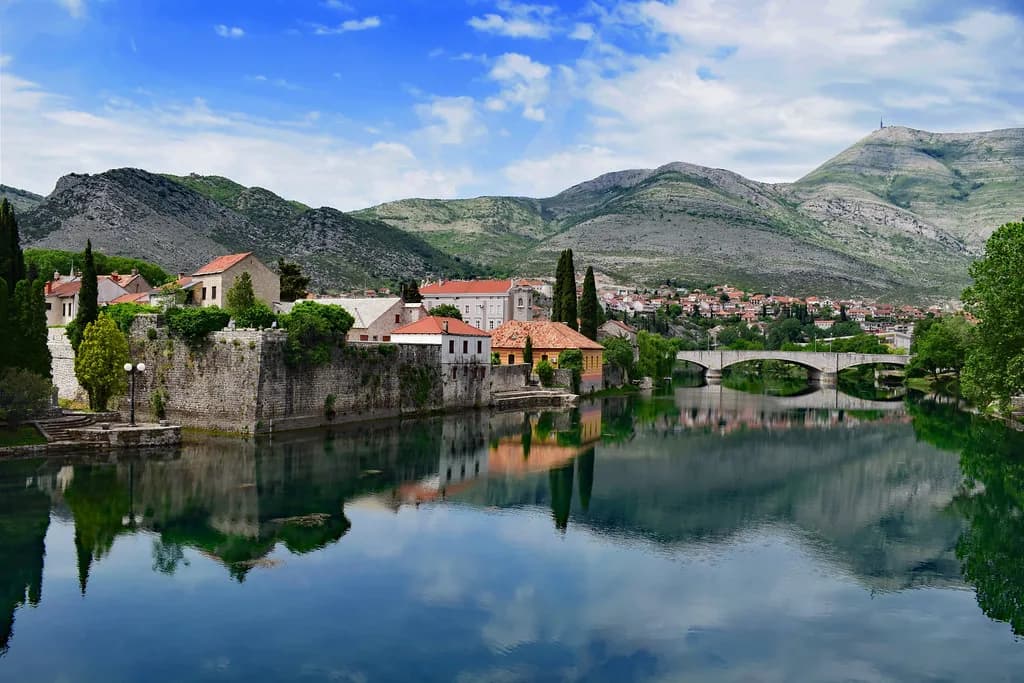
June is one of the best months to visit Bosnia and Herzegovina, especially if you want to combine Sarajevo and Mostar with hiking in the Dinaric Alps before the summer crowds and heat peak. Days are long, the countryside is green, and you get warm city weather without the oven-like afternoons Herzegovina delivers in July and August.
The catch is that June is not one weather story. Sarajevo sits in a mountain basin, Mostar and the Neretva valley run noticeably hotter, and the high Dinaric Alps can still throw cold, wet and even snowy conditions at altitude. Plan around those three zones rather than a single national average, and June rewards you handsomely.
The verdict
June is the month we would recommend to most first-time visitors who want both cities and mountains. It is warm enough for swimming at Kravice and the Una, dry enough for long trail days on average, and early enough that Mostar's old town has not yet hit its July-August intensity.
Choose June if you are a hiker, a city-and-history traveler, or a family that wants outdoor days without extreme heat. Skip June if you specifically want the driest, most settled weather and quietest old towns — that is September's territory — or if you want guaranteed high-altitude conditions, which June cannot promise.
Who will love Bosnia in June
Hikers get the best of June: long daylight, blooming alpine meadows and lower trails that are reliably open while high Via Dinarica stages may still hold snow patches. The window between spring mud and summer heat is short, and June sits right in it.
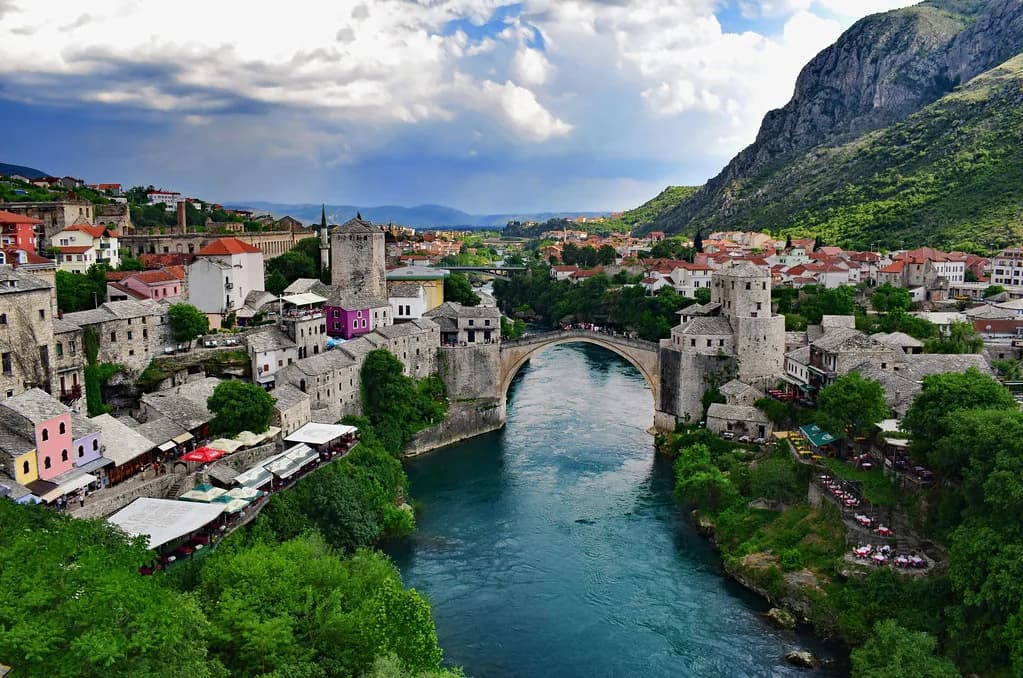
City travelers win too. Sarajevo's Baščaršija is pleasant to wander in June, and Mostar's Stari Most still has breathing room before peak season. Waterfall chasers should head for Kravice on the Neretva and Una National Park in the northwest, where early-summer flow tends to be stronger than in late summer.
Who should pick a different month or country
If your priority is guaranteed dry, settled weather and the calmest possible old towns, September beats June for Mostar and Sarajevo. If you want the warmest swimming in the Adriatic, Neum's short coastline is the only sea option and July-August is warmer; June sea temperatures are pleasant but not balmy.
Travelers who need high-alpine routes above roughly 2,000 meters to be clear of snow should look at July or August rather than June. And anyone expecting Caribbean-style reliability from the weather should adjust expectations: Bosnia's mountains make their own rules, and a June afternoon can turn.
June weather: Sarajevo, Mostar and the mountains
Sarajevo's June conditions are moderate rather than hot. The basin's June minima sit around 10 °C (50 °F), which is why evenings can feel cool, while Herzegovina down the road runs much warmer in the same week.
Country-wide June averages are warmer than Sarajevo's, at about 28 °C (83 °F) by day and 19 °C (66 °F) at night, with around six rainy days and 54 mm of precipitation. That national figure reflects the hotter Herzegovina lowlands, where Mostar runs several degrees above Sarajevo in the same week.
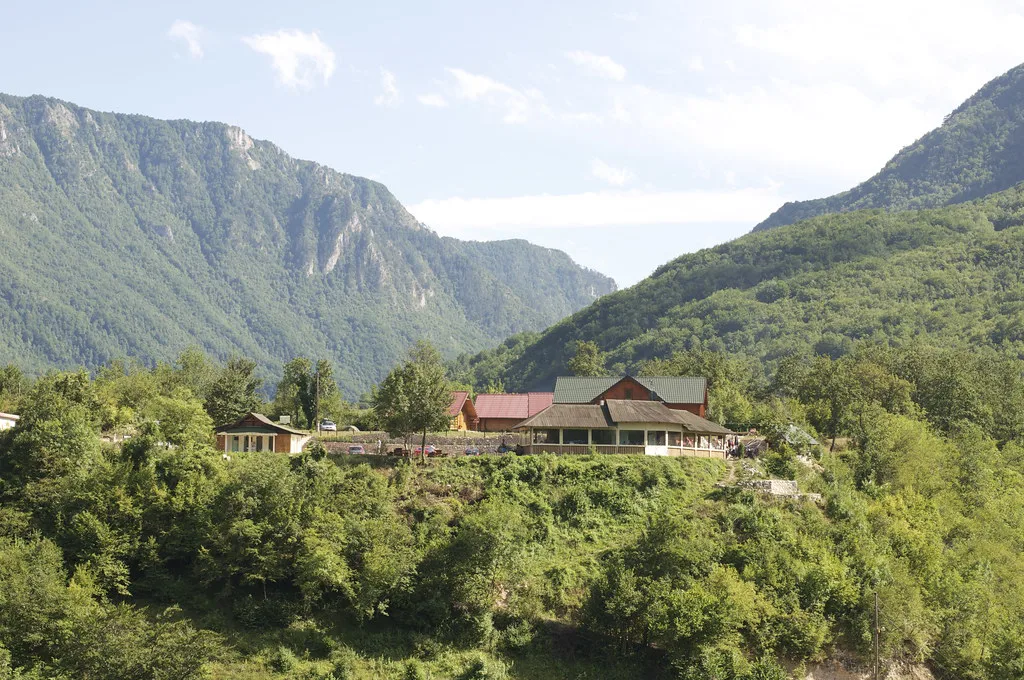
In the high Dinaric Alps, including Maglić and the upper Via Dinarica stages, June is early season. Expect cool mornings, sudden cloud build-ups and the possibility of snow patches on north-facing slopes, so treat the mountain forecast as the deciding factor for any high route.
Rain and sunshine in June
June is not the wettest month, but it is not bone dry either. Country-wide, expect about six days with meaningful rain and roughly nine hours of sunshine per day, with daylight stretching to about 15 hours — ideal for splitting a day between a city morning and a trail afternoon.
Rain in June usually arrives as showers or afternoon thunderstorms rather than all-day drizzle, so build flexibility into your plan: keep one indoor option per day, such as Sarajevo's museums or the Old Bridge area in Mostar, and swap days if the forecast turns.
Mostar and the Neretva in June
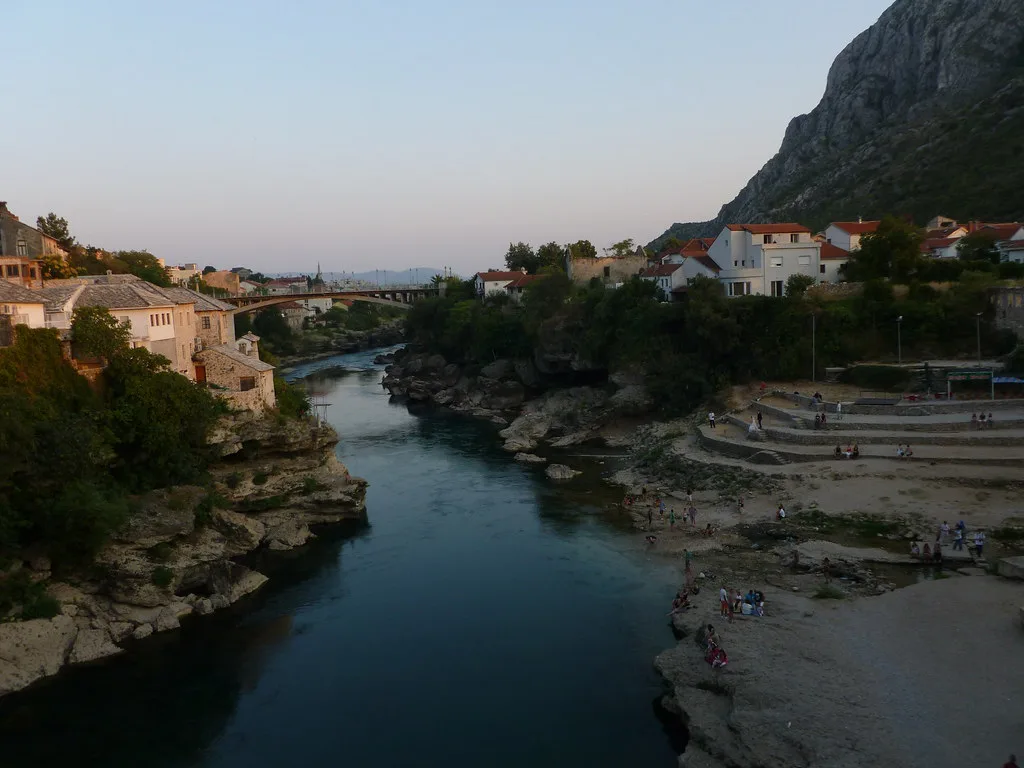
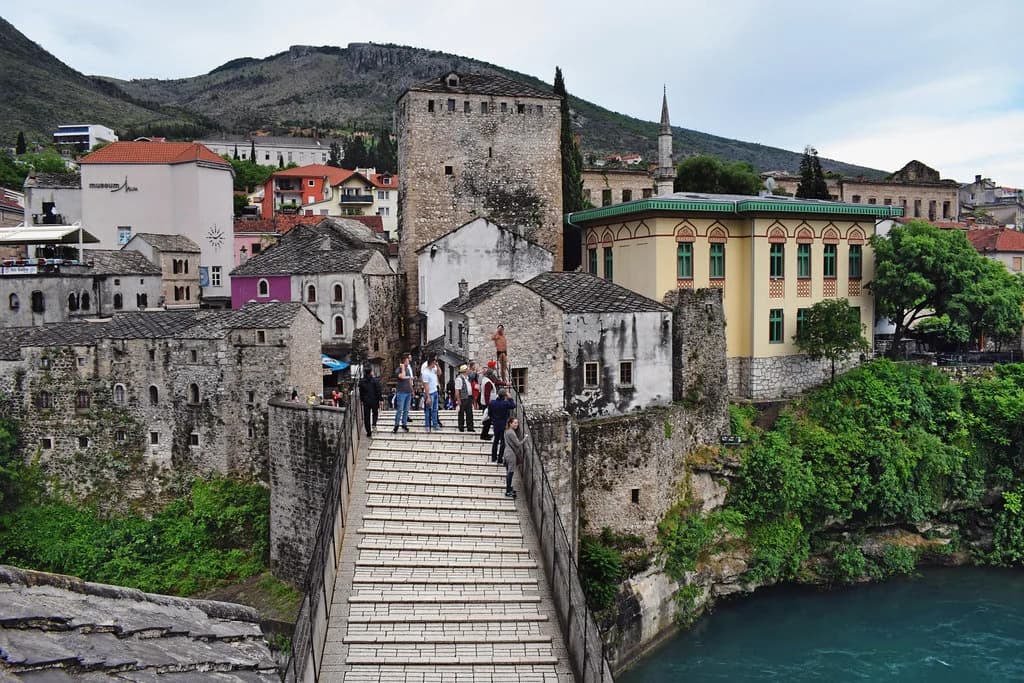
Mostar in June is workable but no longer quiet. The Stari Most and the surrounding bazaar lanes draw day-trippers from the Dalmatian coast, heaviest around midday, so plan the bridge early in the morning or in the evening when the light is best and the crowds thinner.
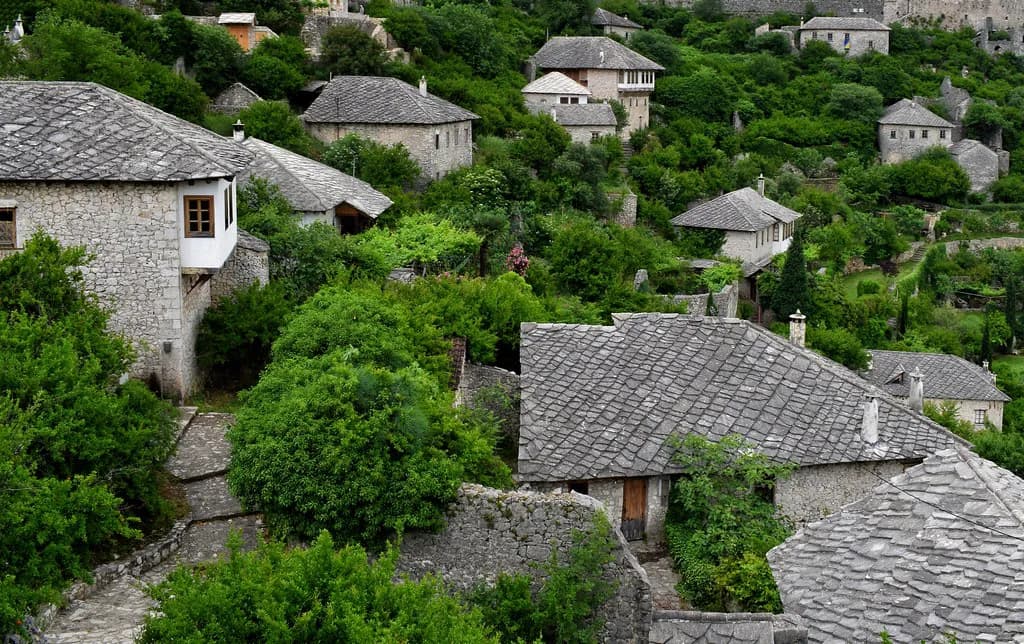
Use Mostar as a base for the Neretva valley: Kravice waterfalls, the Ottoman town of Počitelj and the wine country around Čitluk and Međugorje are all within easy day-trip range. June's higher water flow makes Kravice more dramatic than in late summer, though the amphitheater gets busy on warm weekends.
Sarajevo in June
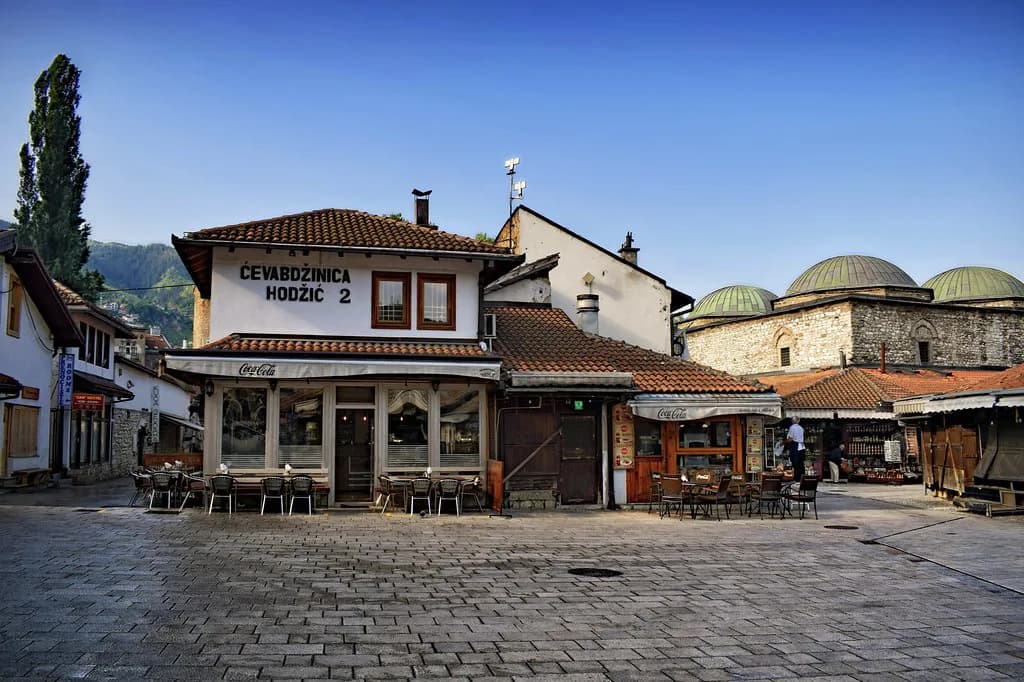
Sarajevo in June is a city-break pleasure: Baščaršija's cafés spill outdoors, the Ottoman core is walkable, and the surrounding mountains are green rather than white. Add the Tunnel of Hope, the Yellow Fortress viewpoint and the old bazaar for a solid two-day city stay.
Pack one warm layer for Sarajevo even in June. The basin's evenings are cool, and the cable car up Trebević or a drive to Bjelašnica can feel decidedly fresh compared with the city center.
Hiking and the Dinaric Alps in June
June is prime time for middle-altitude hiking: Bjelašnica, Jahorina and the trails around Sutjeska National Park are usually clear, and the meadows are at their greenest. Save the highest Via Dinarica stages, including Maglić, for late June onward and only with a reliable weather window.
For a gentler alternative, the Rakitnica Canyon area and the lower Neretva trails offer big scenery without committing to high-altitude conditions. Carry water, start early and treat afternoon storms as a plan-changing event rather than a nuisance.
Una, Kravice and the waterfalls
Una National Park in the northwest is Bosnia's waterfall heartland, with Štrbački buk the headline cascade. In June the rivers run full from snowmelt and spring rain, which makes for the most impressive flow of the summer, but paths can be slippery and water levels high.
Kravice, south of Mostar, is the easier add-on for a Herzegovina itinerary and works well as a half-day trip. Expect warm air, cold water and a busy car park on sunny weekends; going early gives you a calmer swim and better photographs.
How many days you need in June
A realistic June trip runs seven to ten days: two to three in Sarajevo, two in Mostar with a Kravice day, and two to three for either Una or the Sutjeska and Dinaric Alps hiking. That leaves a buffer day for the showers June reliably delivers.
With only four or five days, choose one axis: Sarajevo plus Mostar for cities and history, or Sarajevo plus Una for nature. Trying to do both ends of the country in a short June trip means spending too much of it on mountain roads.
Typical costs and price level in June
June pricing sits just below the July-August peak in Mostar and Sarajevo, with accommodation and tours still noticeably cheaper than high summer but no longer at spring rates. Bosnia and Herzegovina uses the convertible mark, not the euro, so budget in BAM.
Entry tickets, bus fares and tour prices change between seasons, so check the current figure with the venue, bus company or tour provider before you commit. Plan on Bosnia being a good-value destination by Western European standards, with restaurant and café prices especially reasonable outside Mostar's bridge zone.
Getting there and getting around
Sarajevo Airport is the main international gateway, with Mostar and Tuzla offering limited seasonal routes. Road travel between Sarajevo and Mostar involves mountain terrain and can be slow, so allow generous time or take a bus and let someone else handle the hairpins.
A car gives you the waterfalls, Una and the Dinaric Alps on your own schedule, but it also means narrow roads, occasional police checks and mountain driving in changeable weather. If you rely on buses, build your itinerary around the Sarajevo-Mostar corridor and treat Una as a separate trip.
June vs May vs September
May is greener and quieter but cooler, with more unsettled mountain weather and waterfalls at full force. June trades a little of that calm for warmer city days and more reliable trail access, while staying short of peak-season prices and crowds.
September is the strongest rival: warm, drier on average and much quieter in Mostar once the summer rush ends. Pick June for longer daylight and stronger waterfall flow; pick September for settled weather and calmer old towns.
Drawbacks: heat, crowds and mountain weather
Mostar and Herzegovina can get genuinely hot in June, and the bridge area is exposed with little shade at midday. Cruise and coach day-trippers converge in the middle of the day, so an early start is not just pleasant — it is the difference between a good and a frustrating visit.
Mountain weather is the other honest drawback. June can deliver cold rain, hail or snow patches at altitude, and Sarajevo's basin evenings are cool even when the day was warm. Build a flexible day into your plan and do not commit to a high route on a single forecast.
Practical logistics for a June trip
Book Sarajevo and Mostar accommodation ahead for late June weekends, and check whether your chosen waterfall or national park has seasonal opening patterns before you drive out. Carry some cash in convertible marks for small cafés, rural guesthouses and park entrances.
For official entry and safety information, use the US State Department's country page for Bosnia and Herzegovina once before you book. Otherwise, keep your plan simple: two cities, one waterfall, one mountain day, and enough slack to move things around.
If you are weighing a shoulder-season trip instead, October brings autumn color and quiet trails, while August brings heat and the fullest waterfalls-adjacent crowds. June remains the best all-round compromise for most travelers. If you are happy to cross a border for more of the same scenery, our Kotor trip guide covers the Bay of Kotor's own timing trade-offs.
Plan Your June Trip
June is the month that lets you have both Bosnia and Herzegovina's cities and its mountains without committing to peak-summer heat or peak-summer prices. Warm Herzegovina days, cool Sarajevo evenings, green trails and strong waterfall flow make it one of the most rewarding windows in the calendar.
Go in June if you want long daylight, walkable old towns before the July crush and hiking that does not require high-altitude certainty. Wait for September if settled weather and quiet streets matter more than full waterfalls, and use either month as your reason to commit to the country.
Explore more Bosnia and Herzegovina trip-decision guides
- Bosnia eSIM
- Bosnia in September
- Bosnia Itinerary
- Bosnia Plug Type
- Is Bosnia Cheap? Real Daily Costs for a Bosnia and Herzegovina Trip
- The Best Cities in Bosnia and Herzegovina
- Do They Speak English in Bosnia and Herzegovina?
- Getting Around Bosnia and Herzegovina
- Mostar vs Sarajevo
- Tipping in Bosnia and Herzegovina
Frequently Asked Questions
What is the weather like in Bosnia and Herzegovina in June?
June splits into three stories. Sarajevo is moderate, with area figures near 10 °C (50 °F) at night and 21 °C (70 °F) by day, while country-wide averages run about 28 °C (83 °F) by day and 19 °C (66 °F) at night. The high Dinaric Alps stay cool and can hold snow patches on north-facing slopes.
Is June a good time to visit Bosnia and Herzegovina?
Yes, for most travelers. June offers warm but not punishing city days, long daylight, green mountain trails and waterfall flow that is stronger than late summer, all before the July-August peak. It suits hikers, city-and-history travelers and families who want outdoor days without extreme heat.
Is Bosnia hot in June?
Mostar and the Herzegovina lowlands can feel genuinely hot by late June, while Sarajevo stays moderate thanks to its mountain basin. Country-wide averages of about 28 °C (83 °F) reflect the hotter south, so plan Herzegovina mornings and evenings rather than midday.
Does it rain much in Bosnia and Herzegovina in June?
Expect around six days with meaningful rain country-wide, often as showers or afternoon thunderstorms rather than all-day drizzle. The Sarajevo area sees roughly 97 mm across the month, so keep one indoor option per day and stay flexible with trail plans.
Can you hike in Bosnia and Herzegovina in June?
Yes, especially at middle altitudes. Bjelašnica, Jahorina and the trails around Sutjeska are usually clear, and the meadows are at their greenest. The highest Via Dinarica stages, including Maglić, are better left to late June or July and only with a reliable weather window.
Is June or September better for Bosnia and Herzegovina?
June wins on daylight, waterfall flow and warmer city days. September wins on settled weather, drier averages and quieter old towns, especially in Mostar. Hikers who want high routes may prefer September, while travelers chasing full rivers and long days should pick June.
How many days do you need in Bosnia and Herzegovina in June?
Seven to ten days lets you cover Sarajevo, Mostar, Kravice and either Una or the Sutjeska hiking area without rushing. With four or five days, choose one axis — cities and history, or nature — rather than trying to cross the whole country.
What currency is used in Bosnia and Herzegovina?
The convertible mark (BAM) is the local currency; the euro is not used. Carry some cash for small cafés, rural guesthouses and park entrances, and check current exchange practice with your bank before you travel.
Sources
Trip-decision notes
Optional updates when we publish or revise a destination verdict.
You might also like
Continue reading
More guides you'll find useful