Best Time to Visit Tirana: Month-by-Month Weather and Crowds
The best time to visit Tirana is late spring or early autumn, when days are warm and terraces full. Here is how each season changes the trip.
On this page
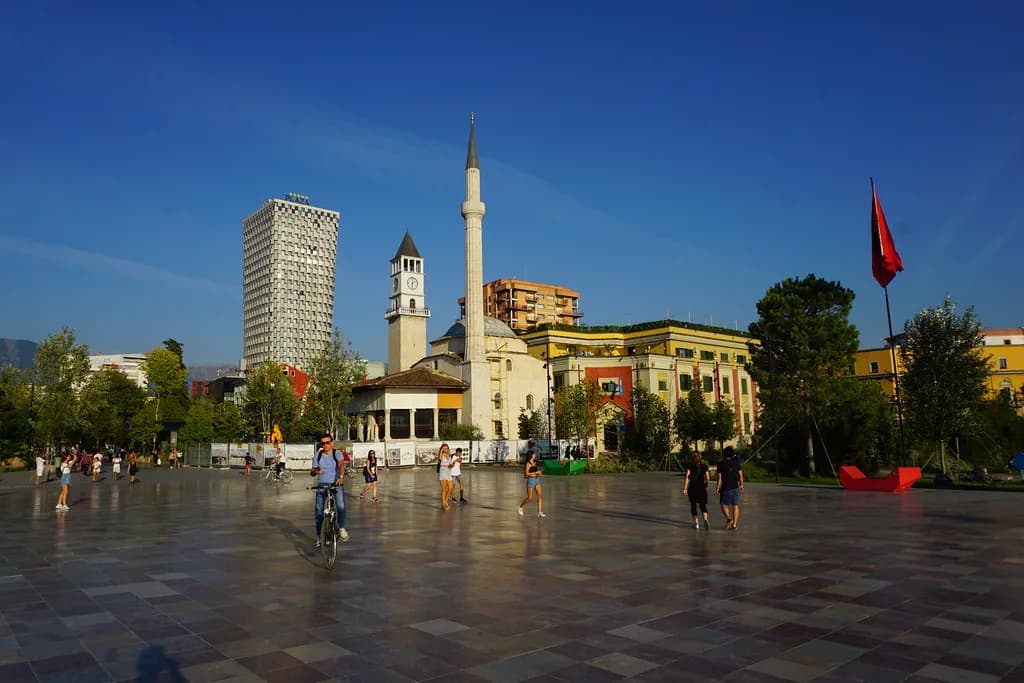
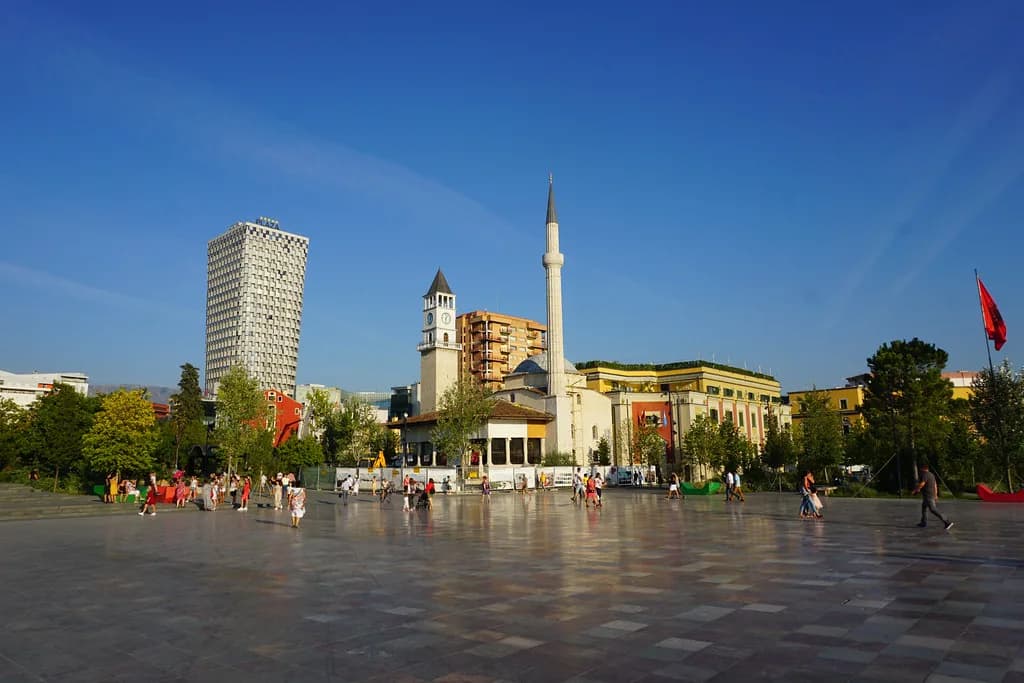
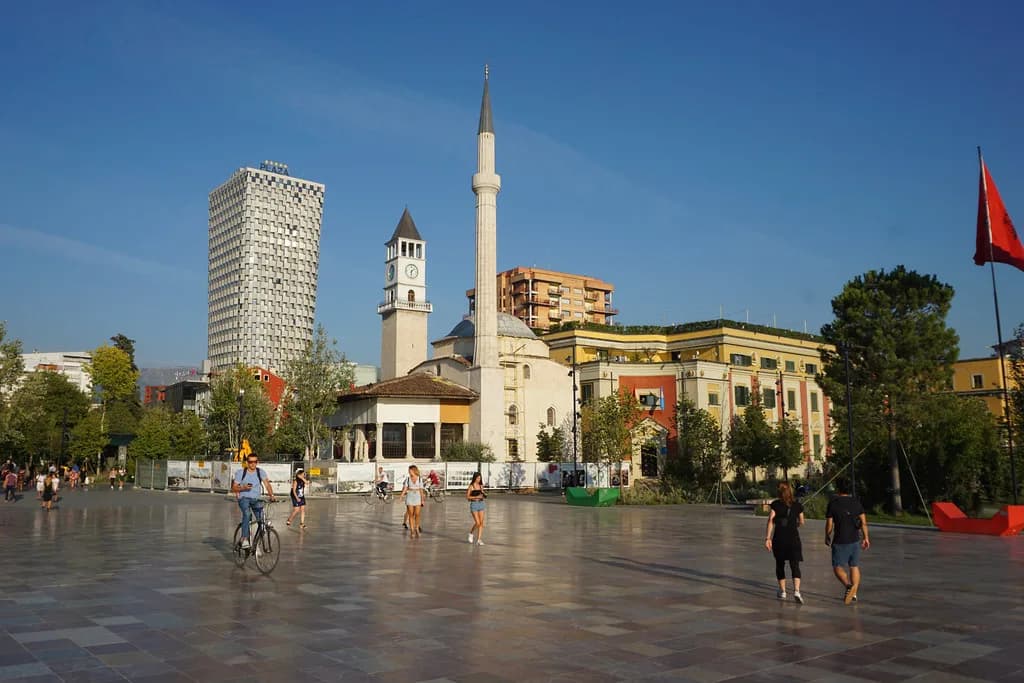
Late spring and early autumn are the best times to visit Tirana. In those weeks you get warm, walkable days for Skanderbeg Square, the Blloku streets and the Dajti cable car without the midsummer heat and holiday crowds that fill the city in July and August.
The bigger mistake travelers make is importing the Riviera's beach calendar into an inland capital. Albania's coast and its mountains behave very differently from Tirana, and a month that is perfect for Saranda or Vlorë is not automatically the month to book a city break. For the country-wide picture, check the best time to visit Albania before locking in your dates.
The verdict: when to go and who each season suits
May, June, September and October are the strongest all-round months. Late spring and early autumn combine warm days, lower humidity and thinner crowds, and the sources that cover the country's seasons consistently point to these windows for outdoor sightseeing, hiking and the coast.
Summer suits heat-lovers and anyone building a coast leg around the capital, but July and August are the busiest and hottest stretch, with coastal resorts like Saranda, Vlorë and Durrës at their most crowded. Winter suits budget travelers and museum-goers who accept cold, wet weather in exchange for quiet streets. If you are still deciding whether the city earns a slot in your trip at all, our take on whether Tirana is worth visiting sets out what the capital does and does not offer.
Why Tirana is not a beach destination
Tirana sits inland, ringed by hills, and its climate is a city climate rather than a coastal one. The Albanian Riviera between Vlorë and Saranda carries the country's beach season, and summer there means swimming, sunbathing and a crowded shoreline — none of which describes a day in the capital.
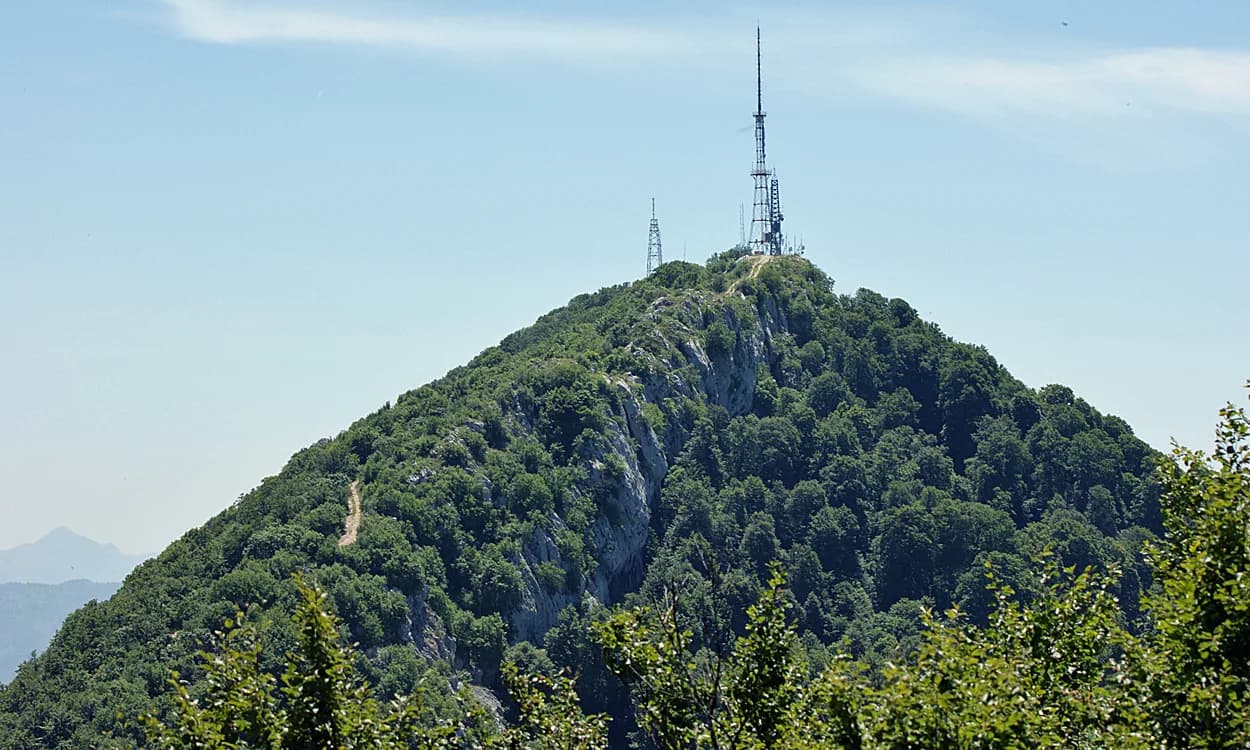
Tirana's own hot season is real but urban: long, hot, dry days when the sensible plan is a morning of sightseeing, a long shaded lunch and an evening walk. The mountains behind the city are cooler, which is why a Dajti escape on a hot afternoon makes more sense than pushing through the heat downtown.
Spring (March to May): the strongest all-round window
March and April bring a transition out of winter, with milder temperatures, blooming countryside and the start of the outdoor season. The trade-off is unpredictability: mountain weather can swing quickly in early spring, so keep city days flexible and save the big hill plans for later in the season.
By May the balance tips firmly in the city's favor. Warm days, lower humidity and trails at their best make it the single most reliable month for combining Tirana's sights with a mountain day trip, and the terraces around Skanderbeg Square and Blloku fill without the August crush.
Summer (June to August): hot, dry and busiest
June to September is the country's outdoor season, with daytime temperatures averaging around 30°C (about 86°F) and nights around 20°C (68°F). In Tirana that reads as hot, sunny and dry, which is fine for early starts and late dinners but punishing for midday walking tours.
August is the peak of both heat and tourism. If your dates are fixed there, reserve ahead and treat the middle of the day as indoor time — museums, galleries and long lunches — rather than a marching route between monuments. A June visit gets most of the good weather with less of the August pressure.
Autumn (September to November): warm start, wet finish
September and October behave like a second spring: still warm, less scorching than midsummer, and noticeably quieter at the sites. It is the best window for travelers who want the city's cafés and museums without heat fatigue, and for anyone pairing Tirana with Berat or Gjirokastra by road.
November changes character. Temperatures drop, rain becomes more likely and the city slows down, which suits museum-heavy days and lower prices but rules out casual mountain excursions. Late autumn is the month to have a wet-weather plan before you arrive, not after.
Winter (December to February): cold, quiet and cheap
Winter averages roughly 0°C to 7°C (32°F to 45°F), cold in the mountains and wet in the lower lands, though usually milder than Albania's northern neighbors. In Tirana that means short daylight, rain-ready days and far fewer visitors at the main sights.
This is the season for budget travelers and culture-first visitors: cheaper rooms, quiet museums and locals going about their business. The cost is weather. Build indoor anchors into each day — the National History Museum, the mosaic at the National Museum area, long café stops — and keep mountain plans off the itinerary.
Month-by-month table: typical highs, lows and character
No official Tirana climate table is reproduced here, so treat the figures below as general seasonal character drawn from country-level descriptions rather than a city forecast. The published country pattern puts summer days near 30°C (86°F) with nights near 20°C (68°F), and winter between about 0°C and 7°C (32°F to 45°F).
January to February: cold, wet, quiet, low prices. March to April: mild and green, changeable, good value. May: warm, low humidity, the best all-round month. June: hot and dry, still manageable. July to August: hottest and busiest. September to October: warm, quieter, excellent for sightseeing. November to December: cooler, wetter, festive in the city center.
The mountains versus the city: why altitude changes the plan
Altitude is the variable that most often breaks a Tirana itinerary. The higher north of the country runs much colder than the seaside south, and the Albanian Alps around Valbona and Thethi hold snow and close down higher trails well outside the city's winter.
For a hiking-focused trip, May to September is the usable window, with August worth avoiding for heat and crowds. Closer to the capital, Dajti is a year-round cable-car outing, while Korçë, Dardha and Voskopojë shift the plan toward winter snow rather than summer walking.
Rain and what it does to a city break
Rain in Tirana does not ruin a trip, but it does rewrite the day. The city's best wet-weather assets are indoor and central: the National History Museum, the House of Leaves, the Bunk'Art tunnels and the covered market halls, all reachable on foot from the center.
The riskiest months are late autumn and winter, when wet days come more often and mountain day trips become a gamble. In spring and early summer, showers tend to pass and leave the evening free — plan outdoor blocks for late afternoon and keep a museum as the fallback.
How many days you need and which month fits that length
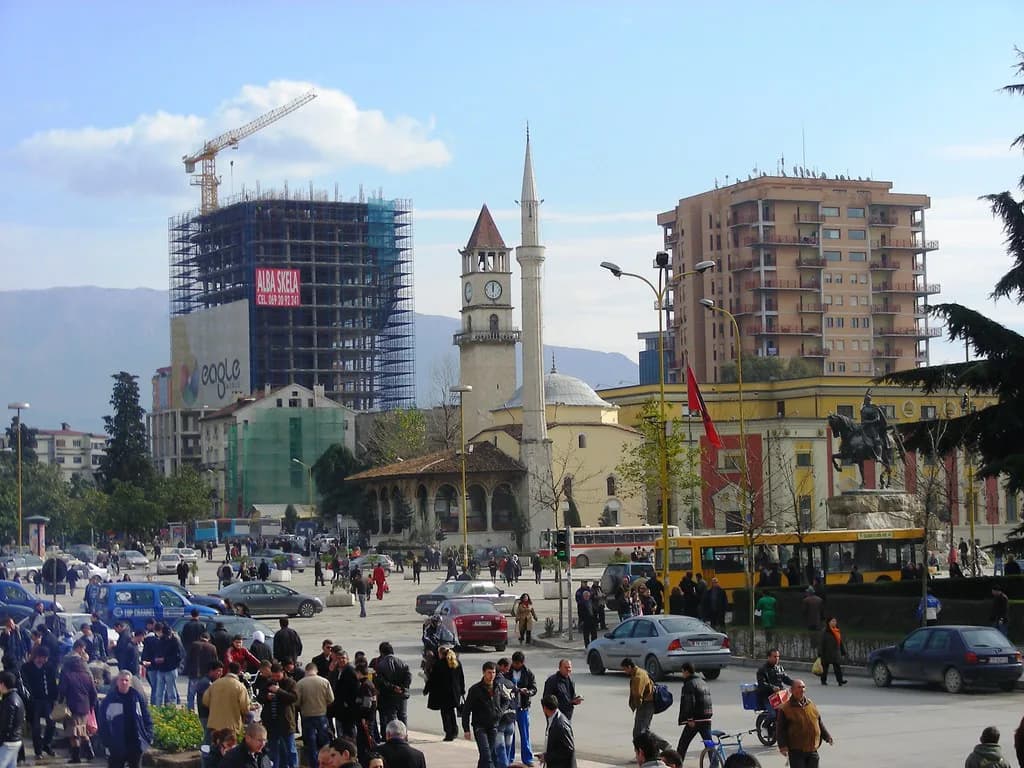
Tirana rewards two full days at minimum: Skanderbeg Square and the Et'hem Bey Mosque, the Blloku streets, Bunk'Art and a Dajti cable-car run fill a compact break without rushing. Add a day for Berat or Krujë if you want a day trip, and note that shorter winter daylight eats into what you can realistically fit.
If you only have a long weekend, aim for May, June, September or October: the weather is dependable enough that a two- or three-day plan will not collapse around a washout. In winter the same itinerary still works, but you should plan it around indoor anchors rather than outdoor ones.
Events and festivals worth timing a trip around
Tirana's calendar is liveliest in the warm months, with cultural events and festivals picking up through spring and continuing into autumn, when the city still holds events but with thinner crowds.
Specific dates for Tirana's festivals, open-air concerts and museum nights vary year to year and are announced by organizers rather than fixed in advance, so build the trip around a season and then check the city's events listings before booking.
Getting there and moving around in each season
Tirana International Airport (TIA) is the main gateway, with frequent connections to Western Europe and a short transfer into the center. Summer brings more flights and higher fares; winter is cheaper and easier to book at short notice.
Within the city, walking covers the center, and buses and taxis handle the rest; the Dajti cable car is the one seasonal exception, best on clear days in spring and autumn. For coastal legs, buses run to Durrës and south along the Riviera, with summer frequency and crowding both higher. If you are weighing a beach base against the capital, the Tirana vs Durres comparison lays out the trade-off.
Typical costs by season, in words
Albania prices in lek, and Tirana is a mid-priced European capital rather than a bargain-basement one. Rooms and flights peak in July and August and around the winter holidays, drop in November and late winter, and sit in the middle in the shoulder months.
Daily spending on food, coffee and museum tickets is modest by Western European standards, and the difference between high and low season comes mostly from accommodation and airfare. Our Tirana costs guide breaks down what the city actually costs day by day.
Who should pick a different month, and who should skip Tirana entirely
Heat-averse travelers should choose May, September or October and avoid late July and August. Hikers should target June to September and skip the city-first plan in midwinter. Budget travelers get the best value in November through March, accepting rain and short days in exchange.
Travelers who want a beach holiday should base themselves on the Riviera or in Durrës and treat Tirana as a day or two of city time, not the main event. Those who want alpine walking, Ottoman towns and quiet roads will find more of what they came for in Berat, Gjirokastra and the northern valleys than in the capital.
Pick Your Month
For most travelers the answer is simple: late spring or early autumn, with May and September the standout months for warm days, thinner crowds and a city that is pleasant to walk. Summer works if you can handle the heat and book ahead; winter works if you want quiet and cheap and plan around the rain.
Decide the season first, then the length of stay, then the coast-versus-city balance — that order saves the most money and avoids the common mistake of booking a beach month in an inland capital.
Explore more Tirana trip-decision guides
Frequently Asked Questions
What is the best month to visit Tirana?
May and September are the best all-round months. Days are warm without midsummer heat, humidity is lower, and the city's sights and terraces are busy but not overwhelmed. June and October are close behind. July and August are hotter and busiest, while winter is cold, wet and quiet.
Is Tirana worth visiting in summer?
Yes, if you can handle heat and crowds. Expect hot, dry days and the year's highest visitor numbers, so plan sightseeing for mornings and evenings and reserve rooms early. Travelers who dislike heat should shift to late spring or early autumn.
What is Tirana like in winter?
Winter is cold and wet, with temperatures typically between about 0°C and 7°C (32°F to 45°F). The upside is quiet streets, cheaper rooms and easy access to museums. Mountain day trips become unreliable, so keep the plan city-focused.
How hot does Tirana get in July and August?
Expect typical summer conditions of around 30°C (86°F) by day and 20°C (68°F) at night, based on country-level seasonal descriptions rather than a Tirana-specific table. August combines the peak heat with the peak crowds.
Does it rain a lot in Tirana in autumn?
September and October are usually still warm and pleasant. Rain becomes more frequent from November, when the city cools and wet days are more likely, so late autumn trips should include indoor plans.
How many days do you need in Tirana?
Two full days cover the center, Blloku, Bunk'Art and the Dajti cable car at a comfortable pace. Add a day for a Berat or Krujë day trip. Shorter winter daylight makes a compact plan more realistic than an ambitious one.
Is spring or autumn better for Tirana?
Both are strong. Spring brings green hills and rising temperatures with more changeable weather; autumn starts warm and dries out before the November rains. Choose spring for mountain day trips and early autumn for reliable city weather.
Can you combine Tirana with the Albanian coast?
Yes, but plan the coast leg for the summer months when swimming is realistic. Buses run to Durrës and south along the Riviera. Outside June to September, treat the coast as scenery and walking rather than beach time.
Sources
Trip-decision notes
Optional updates when we publish or revise a destination verdict.
You might also like
Continue reading
More guides you'll find useful