Best Time to Visit Montenegro: Month-by-Month Verdict
Late May to June and September to early October are Montenegro's sweet spots, beating July and August crowds. Here is how each season actually behaves.
On this page
Late May to June and September to early October give you the best of Montenegro: warm, mostly sunny weather, open national parks and a coast that has not yet filled with August traffic. The national tourism organisation calls May to October the ideal window, with average maximum temperatures of 19°C (66°F) in May and 29°C (84°F) in August. July and August are for travelers who want reliably warm sea water and will trade crowds and heat for it.
The country splits neatly into two climate stories in the same month, so a single date range rarely answers the question. The Bay of Kotor, Budva and Ulcinj run on an Adriatic rhythm of hot summers and mild, wet winters, while Durmitor, Lovćen and Prokletije stay cooler and hold snow into spring. Before you fix dates, it helps to settle whether Montenegro is worth visiting for your kind of trip at all.
The verdict
For most travelers, late May to June and September to early October are the best months. You get long daylight, comfortable walking temperatures in Kotor's old town and on Lovćen's trails, and national parks that are fully open. The trade-off is water temperature: May and October are usually too cool for sea and lake swimming, so pick them for hiking, kayaking and rafting rather than beach days.
July and August deliver the most dependable beach weather but also the highest coastal crowds and heat. Lower altitudes can climb to around 40°C (104°F), which makes a midday hike unwise and a mountain escape sensible. If your trip depends on swimming every day and you can tolerate busy promenades, these are your months.
December to March is cold and wet on the coast and snowy in the hills, but old towns like Kotor, Budva and Herceg Novi belong to locals again and low-season rates ease the budget. Coastal temperatures hover around 10°C (50°F) in this window, fine for strolling but not for swimming. It is the right season for a quiet cultural trip, not a beach one.
Who each season suits
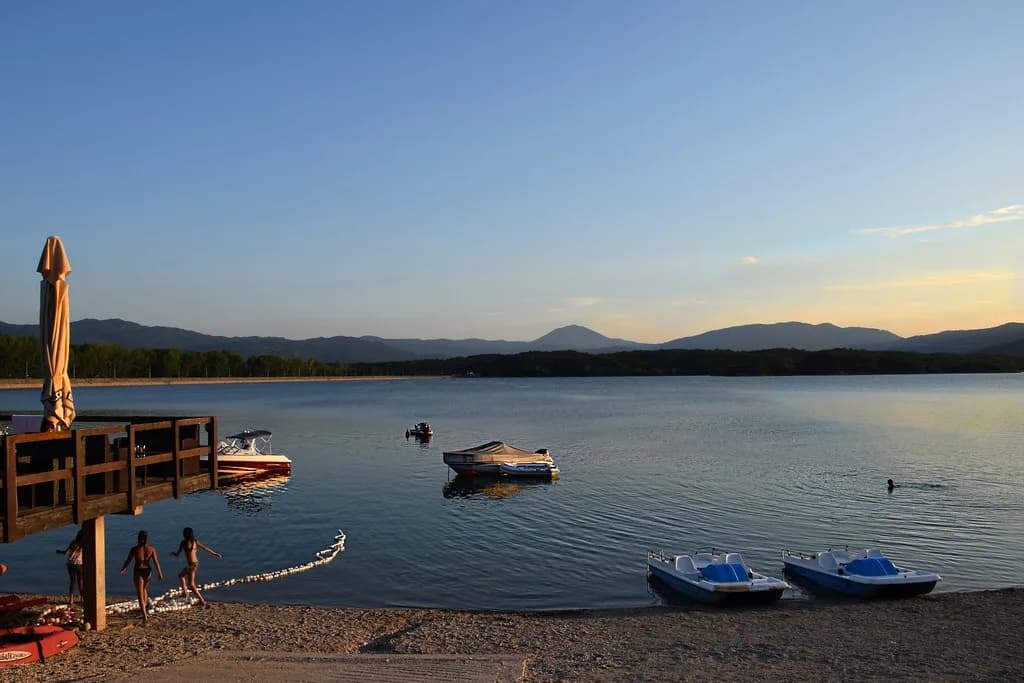
Beach families do best in late June, July and August, when the Adriatic is warm enough for children to stay in the water for hours and the long days make slow mornings easy. Hikers and rafters should aim for May, June, September or early October, when trails in Durmitor and around Tara Canyon are clear and the air is cool enough to climb.
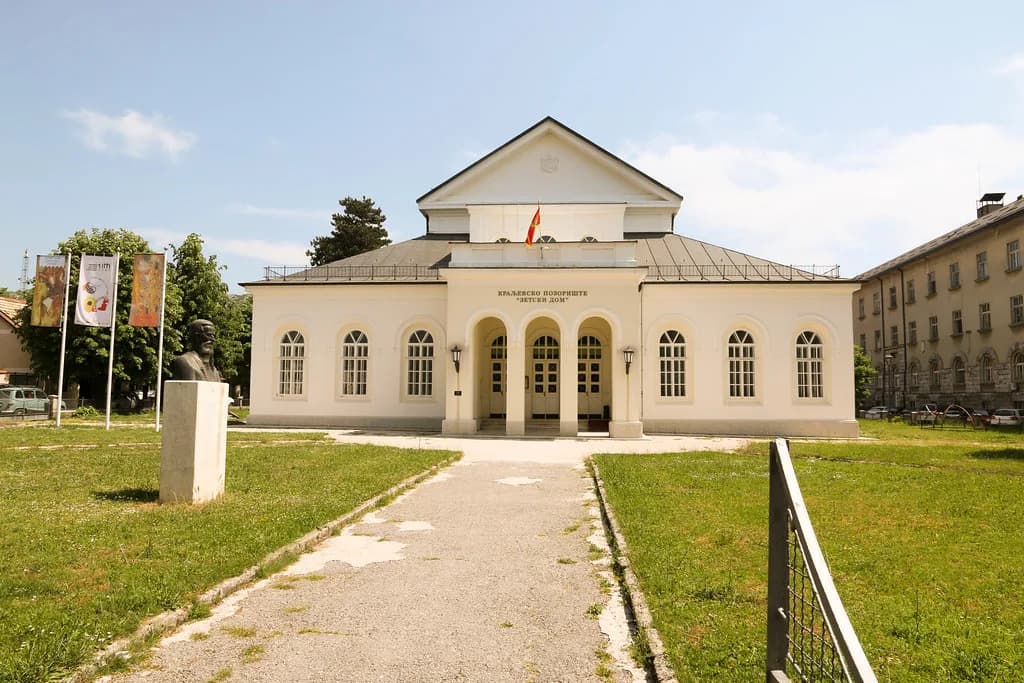
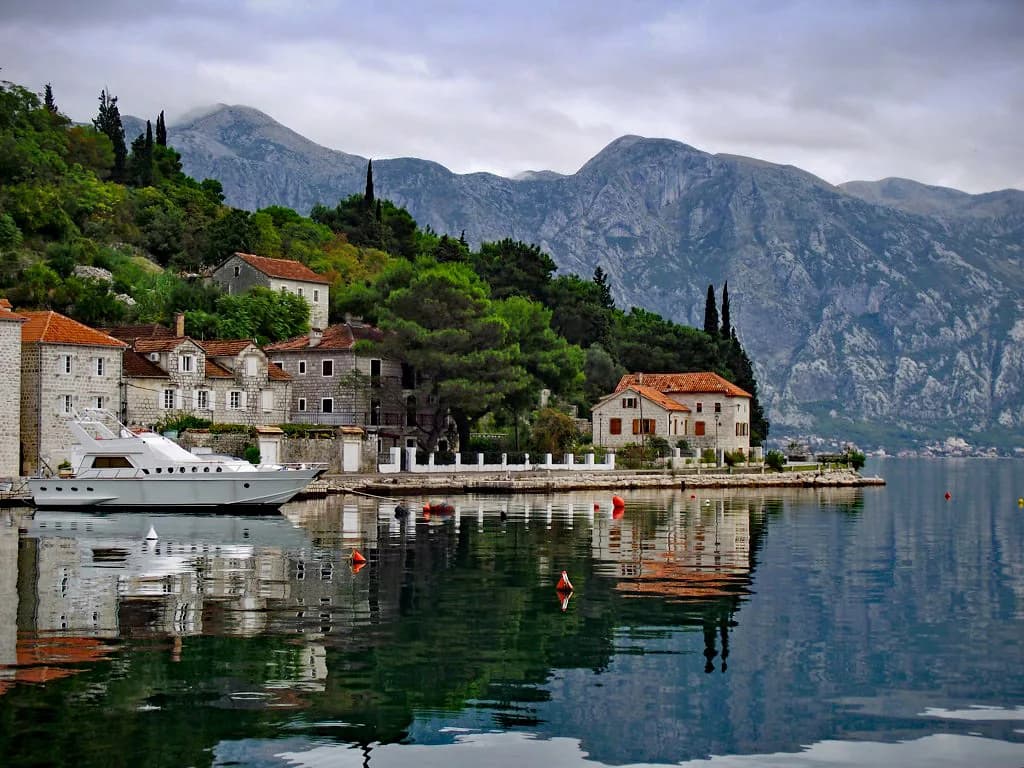
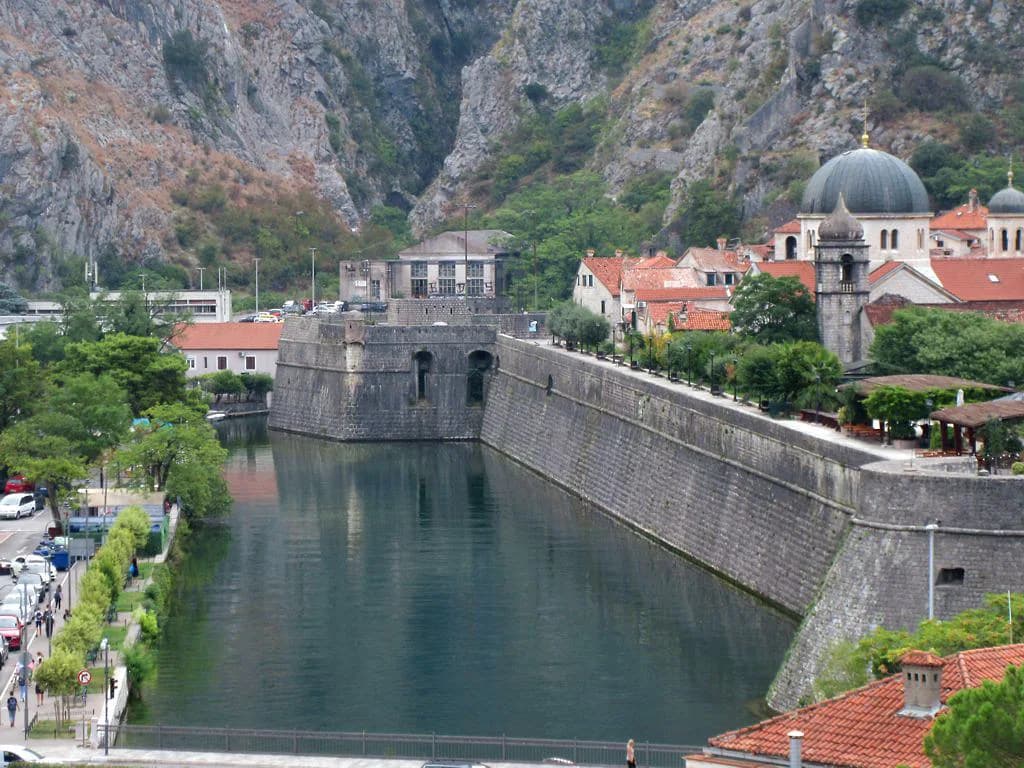
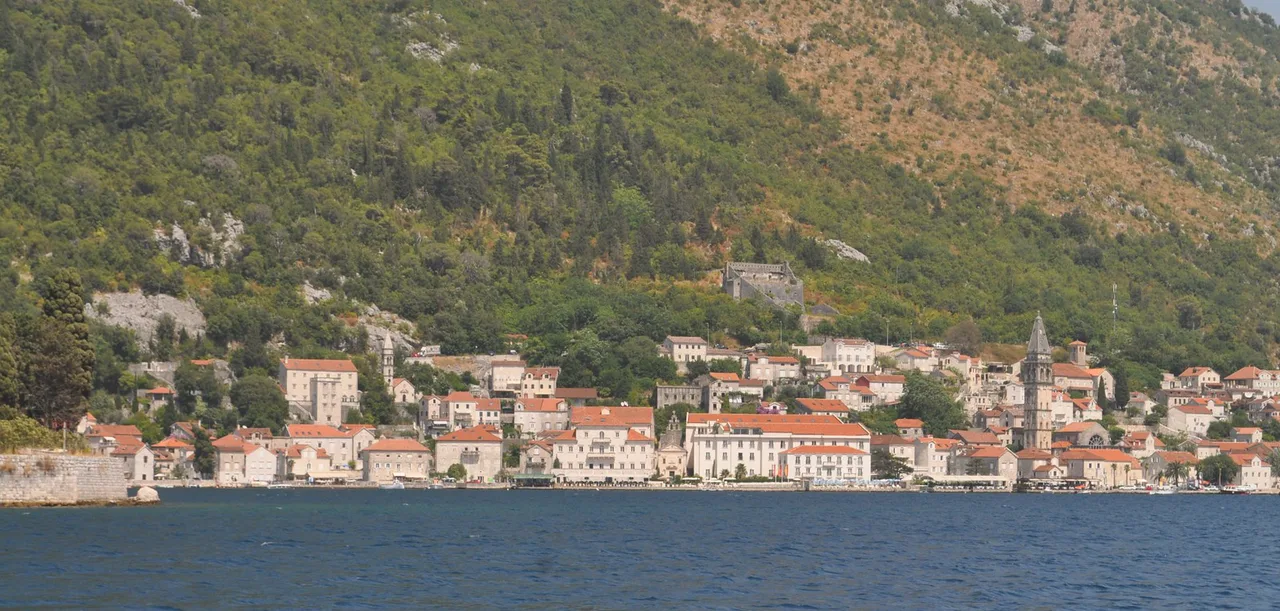
Culture-first travelers get the best of Kotor, Perast and Cetinje in May, early June or September, when you can walk the walls without queuing and photograph St Tryphon Cathedral without a cruise group in frame. Budget travelers should look at November through March, when accommodation softens and the coast empties. Anyone weighing overall value can read whether Montenegro is cheap before locking in dates.
Weather by month on the coast
The official tourism board's figures anchor the coastal picture: an average maximum of 19°C (66°F) in May rising to 29°C (84°F) in August. Treat these as typical conditions, not forecasts. April and May bring more sunshine but still some rain, which makes them good for exploring fortified towns rather than sunbathing.
June is the sweet spot on paper, with warm to hot days and plenty of sun before the peak-season surge. July and August are hot, sunny and dry, with sea temperatures at their most inviting. September cools slightly but stays blissfully warm, and October turns warmer-then-wetter, with rain becoming more likely as the month wears on.
Rain in Montenegro is seasonal rather than constant. The coast is driest in summer and wettest in late autumn and winter, while the mountains catch more precipitation year-round. On the coast, November is often rainy and cold, and winter months bring rain or snow, so a light waterproof outside July and August is a sensible precaution.
Spring: April and May
Spring arrives first on the coast and later in the hills. April brings warmer sunshine but unreliable weather, good for hiking, kayaking and rafting around Tara Canyon and Durmitor once the snow retreats. In May the days become reliably mild, but the sea and Lake Skadar usually stay too cool for comfortable swimming.
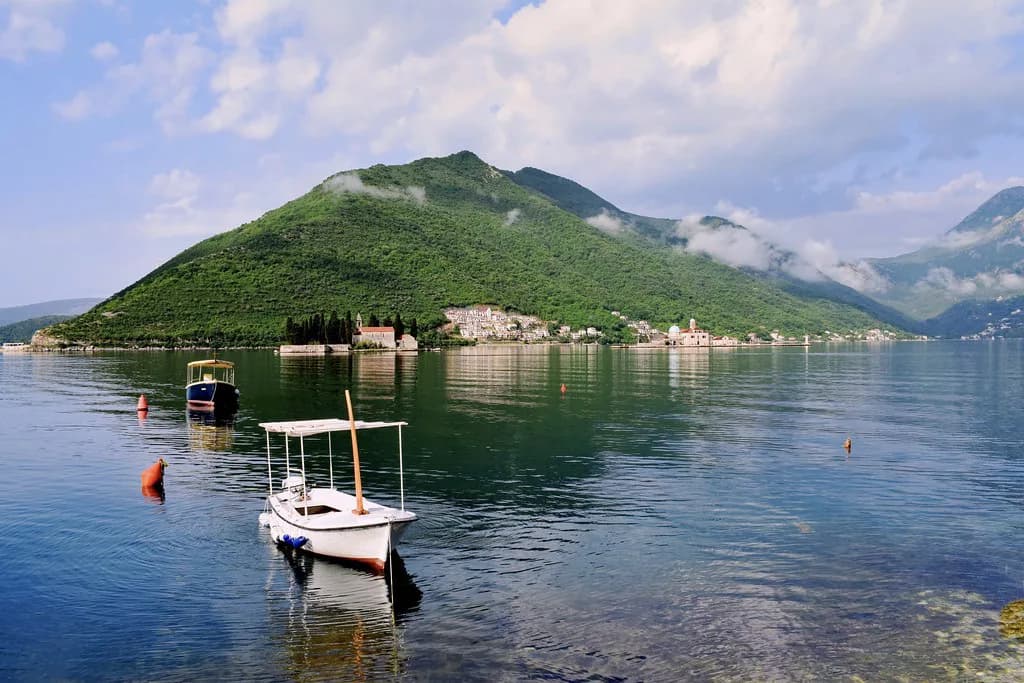
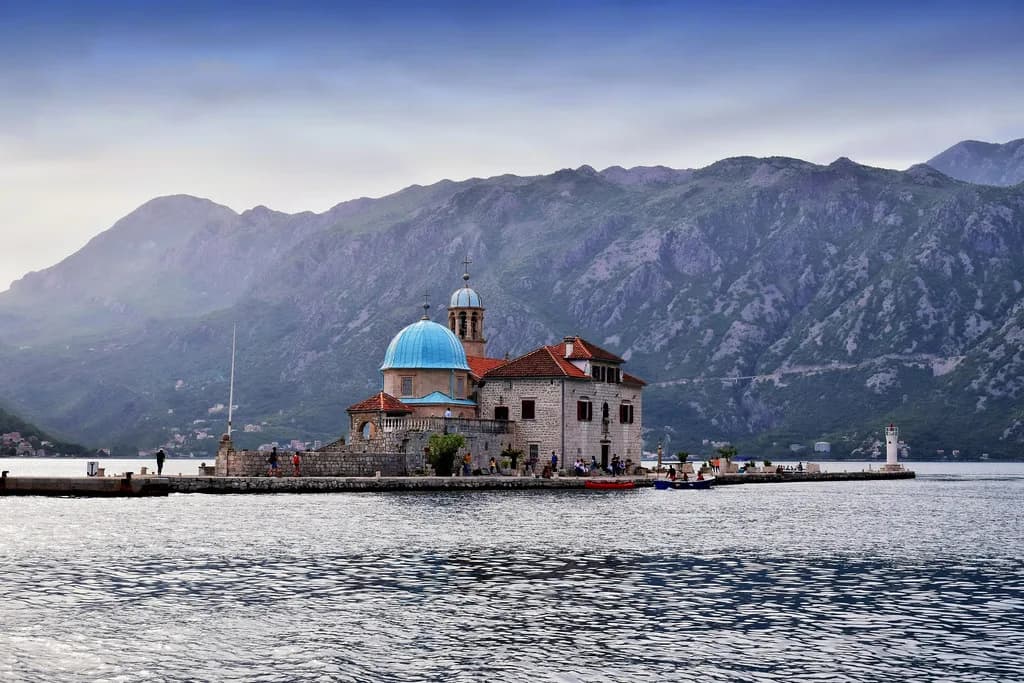
The Bay of Kotor is at its best for walking in May: the city walls above Kotor, the islet of Our Lady of the Rocks off Perast and the switchbacks up Lovćen are all manageable before the heat sets in. Herceg Novi's Mimosa Festival falls in February, so spring visitors miss it, but the town's stepped old quarter is quieter and cheaper in April and May.
Summer: June, July and August
June gives you the best balance of the summer months: warm to hot, sunny and lively, but before the coast's most visited stretch. July and August bring the longest days and the most consistent beach weather, though they also bring the densest crowds to Kotor, Budva and the Bay of Kotor's waterfronts. This is the period the tourism board flags as the coast's peak, and it recommends retreating to the mountains when the heat peaks.
Pair coast mornings with mountain afternoons in high summer. Durmitor's Black Lake and the Prokletije peaks stay noticeably cooler than Budva's promenade, and the drive inland is short enough to do in a day if you base yourself sensibly. Renting a car makes these shifts far easier than relying on buses.
If you plan to concentrate on Kotor, the best time to visit Kotor aligns closely with the country picture but shifts a little earlier and later, because the bay's cruise traffic clusters tightly around midsummer. Late June and early September give you the same walled town with noticeably fewer people on the ramparts.
Autumn: September and October
September may be the single best month for a mixed trip. Temperatures ease from their August peak, the sea holds its summer warmth, and the national parks are still fully accessible with thinner crowds than July. October keeps the coast warm and sunny but brings more rain, and swimming becomes a gamble by the end of the month.
Autumn colors make the north especially rewarding. The Tara River Canyon and Đurđevića Bridge, with its 172-meter drop above the riverbed, are dramatic in fall, and Lake Skadar's birdlife is at its richest. Cetinje and Lipa Cave work well as wet-weather alternatives when a front rolls through.
Winter: November to March
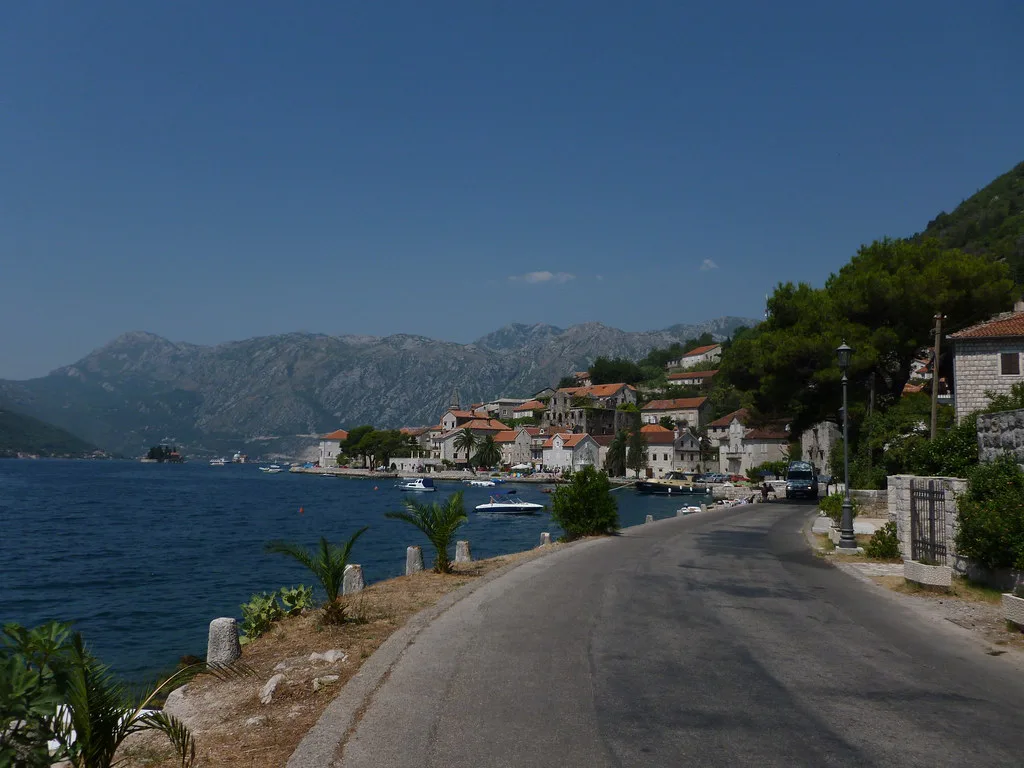
Winter on the coast is cold and wet, with a chance of snow in the hills and a genuine chance of rain in town. The upside is value and atmosphere: Kotor's old streets, Budva's 2,500-year-old core and Herceg Novi's stairways are quiet, and prices soften considerably. It is a season for culture, food and long lunches rather than swimming.
Snow seekers should head for the mountains between January and March, when Durmitor and the northern ranges offer winter conditions. Coastal temperatures sit around 10°C (50°F), mild enough for walking but not for lying on a beach. Expect shorter days and fewer international flights into Tivat and Podgorica, which can mean connections.
Coast versus mountains
The Bay of Kotor, Budva and Ulcinj follow a Mediterranean pattern: hot, dry summers and mild, wetter winters, with July and August the busiest coastal months. Durmitor, Lovćen, Biogradska Gora and Prokletije run cooler at altitude and are at their best from May to October, when trails are clear and ecosystems are at their liveliest.
This split means a single date can be perfect in one part of the country and wrong in another. A June day that is ideal for the Black Lake in Durmitor may be sweltering in Budva, while an October day that is pleasant for Kotor's walls can be cold and damp on Prokletije. Build your route around the altitude, not just the calendar.
Crowds and cruise days
Coastal Montenegro absorbs its heaviest visitor numbers in July and August, with the Bay of Kotor among the most concentrated spots. Cruise traffic compounds this in Kotor on peak days, filling the old town and the path up St John's Fortress within a few hours. Starting early or visiting late in the day makes a real difference.
National parks peak between May and October, so even away from the coast you will share the trails in summer. June and September ease the pressure without losing the weather. If you want a quiet national park day, plan for late spring or early autumn and start walking at first light.
Festivals and events worth timing a trip around
The tourism board lists cultural festivals as a reason to pick specific months. The Mimosa Festival fills Herceg Novi, Tivat and Kotor in February, followed by Kotor Carnival and Bokelj Night in Tivat. The Budva Carnival lands in May, and March brings the Kotor Camellia Arrangement Exhibition. From June and July the coast fills with music and cultural events, and September brings a run of cultural and sporting gatherings.
Timing a trip around an event is a good reason to accept a slightly off-peak month. February means cold and rain but a lively, local atmosphere; May means warm days and the carnival crowds. Pick your event first and let the weather and your wardrobe follow.
How many days you need, by season
In summer, a week is the minimum to combine the Bay of Kotor, Budva and one mountain excursion without spending every day in a car. In May or October, ten days lets you add Durmitor, Tara Canyon and Lake Skadar at a relaxed pace, with weather buffers built in. A short winter break of three or four nights suits a single base like Kotor or Cetinje.
The country is small, which tempts people to overpack their schedule. Resist it: mountain roads are slow, and a plan that looks short on paper can eat a day with a single detour. The best places to visit in Montenegro are often the ones you give two nights rather than one.
Typical costs by season
Costs follow the crowds. July and August on the coast are the most expensive, with accommodation and dining at their annual high, while November to March softens prices considerably. Shoulder months like May, June, September and October offer a middle path: decent weather with far less pressure on the wallet.
Montenegro uses the euro, so budget in euros rather than converting from another currency. Fees for national park entry, ferries and tolls change, so check them when you book. Our guide to money in Montenegro explains how payments and cash work across the country.
Whether the country feels cheap depends heavily on the month and on whether you stay on the coast or inland. Peak-season Budva and winter Cetinje barely resemble each other on a budget spreadsheet. For a fuller breakdown, the honest verdict on costs for 2026 is worth reading.
Getting there in each season
Montenegro has two small international airports, at Tivat in the Bay of Kotor and at Podgorica, the capital. Summer brings the widest direct schedules; in low season direct flights shrink and connections become the norm, which can add a day to a short break.
Many travelers fly into Dubrovnik in Croatia, just over an hour from the border, and drive or take a bus south to the coast. That route works year-round and can be easier in winter, when Tivat's schedule thins. Renting a car from Dubrovnik Airport gives you flexibility, though you should check cross-border rules with the rental company.
If you are weighing this country against its northern neighbor, the seasonal logic is similar but the crowds differ. Montenegro vs Croatia comes down to scale, price and how much company you want on the water. For a broader decision framework, see whether Montenegro is worth visiting before you commit to a month.
Drawbacks of each season, stated plainly
Summer brings heat, crowds and the highest prices, and Kotor's old town can feel like a queue rather than a square on a busy cruise day. Spring and autumn bring cooler water and more rain, especially in October. Winter brings short days, closures in the mountains and thin flight schedules.
None of these is a dealbreaker, but each narrows who the trip suits. Travelers who want guaranteed sun should not book February and hope for the best; those who hate crowds should avoid mid-August on the Bay of Kotor. Match the season to your tolerance rather than to a postcard.
Verdict by traveler type
Sea swimmers and beach families: mid-June to August. Hikers, kayakers and rafters: late May, June, September or early October. Culture-first and crowd-averse travelers: May, June, September, or a quiet winter break in Kotor or Cetinje. Budget travelers: November to March, accepting cold and rain.
If you are still choosing between this country and a longer Adriatic trip, weigh the trade-offs before booking. Croatia offers more infrastructure and more crowds; Montenegro offers a smaller, quieter version with sharper mountains. Read Montenegro vs Croatia to decide which fits your next trip.
Pick Your Window
Late May to June and September to early October are the safest bets for a first trip, balancing weather, open parks and manageable crowds. If swimming is the point, go in July or August and plan mountain escapes for the hottest afternoons. If budget and quiet matter more, trade beach days for winter old towns.
Settle the season first, then the route: coast and mountains behave so differently that the month should decide where you sleep. Check park and operator details close to departure, and let the weather pattern rather than a single forecast guide your plan.
Frequently Asked Questions
What is the best month to visit Montenegro?
Late May, June and September are the strongest all-round months, with warm days, open national parks and thinner crowds than July and August. Sea swimmers may prefer July or August, when the Adriatic is at its warmest.
Is Montenegro warm in October?
October stays warm and sunny on the coast, though rain becomes more likely as the month goes on. It is usually too cool for comfortable swimming by late October, but excellent for walking old towns and hiking lower trails.
What is the weather like in Montenegro during summer?
Summers are hot and sunny, with average maximums around 29°C (84°F) in August and lower altitudes occasionally reaching about 40°C (104°F). The mountains stay noticeably cooler, which makes them a sensible retreat in July and August.
Does it rain a lot in Montenegro?
Rain is seasonal rather than constant. The coast is driest in summer and wettest in late autumn and winter, while the mountains see more precipitation year-round. A light waterproof outside July and August is sensible.
Is May too cold to swim in Montenegro?
May is usually too cool for comfortable sea and lake swimming, though the weather is ideal for hiking, kayaking and rafting. Travelers who want warm water should wait until late June or July.
When should I avoid Montenegro?
Avoid mid-August on the Bay of Kotor if cruise crowds and heat bother you, and avoid mountain areas in winter unless you are equipped for snow. Budget travelers may also find July and August the least comfortable on price.
How many days do I need in Montenegro?
A week covers the Bay of Kotor, Budva and one mountain excursion; ten days lets you add Durmitor, Tara Canyon and Lake Skadar. A short winter break of three or four nights suits a single base.
Which airports serve Montenegro?
Tivat serves the Bay of Kotor and Podgorica the capital, with wider direct schedules in summer and more connections in low season. Dubrovnik in Croatia is a workable alternative arrival point about an hour from the border.
Sources
Trip-decision notes
Optional updates when we publish or revise a destination verdict.
You might also like
Continue reading
More guides you'll find useful