Best Time to Visit Kotor: When to Go for Ideal Weather
May, June and September are the best months for Kotor: warm sea, thinner crowds and fewer cruise-ship days. See how July and August compare, and when to skip.
On this page
The best time to visit Kotor is late May, June or September, when the Adriatic is warm enough to swim, the old town is busy but not crushed, and the climb to St. John's Fortress is hard work rather than dangerous. July and August are hotter, pricier and shaped by whatever the cruise ships docking at the Port of Kotor are doing that day.
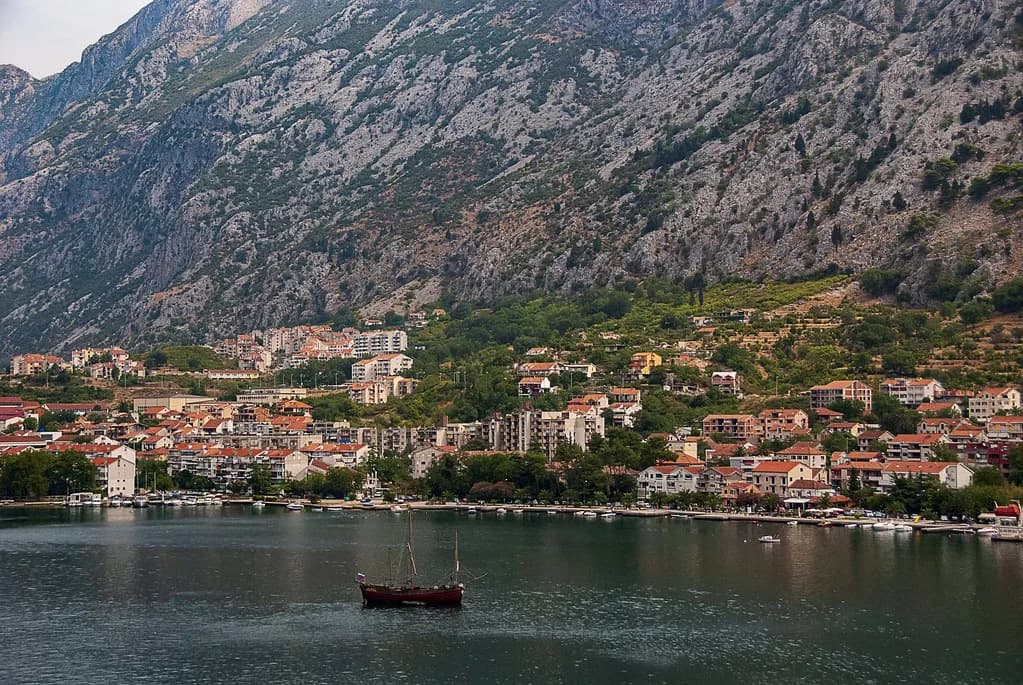
Kotor sits at the head of Boka Bay, the fjord-like inlet in Montenegro that the country's tourist economy revolves around, and its seasons are coastal rather than mountain ones. That matters for how you plan: swimming, hiking and boat trips to Our Lady of the Rocks peak in different weeks, and winter closes off more than it cools down.
The verdict: May, June and September beat July and August
On the Montenegrin coast the sweet spots are May, June and September, and the peak heat falls in July and August. Coastal Montenegro typically peaks between 30 and 35°C (86–95°F) in those two summer months, which sounds manageable on a beach and feels very different on a limestone switchback at midday.
The case for the shoulder months is practical rather than poetic. In June and September you get long daylight, working boat operators and a sea that has had time to warm, without the July crush of day-trippers arriving off the ships. Late September may be the single best week of the year for anyone who wants to hike and swim on the same trip.
If you only have a week of school holiday to spend and it falls in August, Kotor still works: go up to St. John's Fortress at opening time or in the evening, and treat the middle of the day as water time. If your dates are flexible, though, there is no good reason to choose the hottest fortnight.
What the seasons actually feel like in Boka Bay
Boka Bay is a drowned river valley ringed by steep mountains, and the geography drives the weather you feel on the ground. Summer is hot and mostly dry, spring is green and changeable, autumn is warm early and wet later, and winter is cool rather than freezing on the coast, with rain the bigger constraint than temperature.
The bay is sheltered, so swimming water stays calmer than the open Adriatic, but the surrounding peaks mean the sun disappears behind the ridge earlier than you expect. Plan an afternoon walk along the shore toward St. Matthias Church and you will notice the light going long before sunset proper.
Across Montenegro broadly, beaches are busiest from May to September, the coastal season at its most active runs through summer, and the shoulder weeks reward anyone who can travel then. For the wider country picture, see the best time to visit Montenegro.
Month-by-month conditions in Kotor
These are typical conditions for the Montenegrin coast, not forecasts, and the mountains behind Kotor run a little cooler and wetter than the shoreline. Use them to choose a month and a rough plan; treat any given week as a gamble outside July and August, when the pattern is simply hot and dry.
March and April: mild, green and unreliable, with rain likely and the fortress climb often slippery. May: warm days, the first comfortable swimming, and thinned-out crowds. June: the best all-round month, with long days and reliable boat trips to Our Lady of the Rocks.
July and August: the hottest and busiest stretch, when coastal Montenegro reaches roughly 30–35°C (86–95°F) and the old town fills with cruise passengers. September: warm sea, quieter lanes, and the start of autumn rain late in the month. October: pleasant for walking, unreliable for swimming.
November to February: cool, wet and quiet, with a good number of waterfront places operating reduced hours or shutting for the season. Days are short and the bora wind can make the bay feel raw, but the old town itself stays open and walkable.
Spring: March to May
Spring arrives slowly on the bay. March and April are for walking the walls, exploring the old town's churches and catching the light on the water without heat, and a rain jacket matters more than sunscreen. If your spring window is confined to April, build in alternatives so a wet day becomes a museum day rather than a wasted one.
May is where spring tips into summer. The old town is lively without being packed, boat operators are running again and the sea is cold but bearable for a quick dip at Kotor Beach. The climb to St. John's Fortress is at its most comfortable in this window, before the heat sets in.
Waterfront cafes and the marina area wake up through May, and the walk north past the old walls toward St. Matthias Church becomes a pleasant evening routine. Bring layers: mornings can still be cool, and the shade of the mountains lingers.
Summer: June to August, and the cruise-ship factor
June is the connoisseur's summer month. Days are long, the sea has warmed, and the cruise traffic that defines July and August has not yet peaked. It is also the month when a 2–3 day visit to the old town plus a boat trip to the bay's islands feels unhurried.
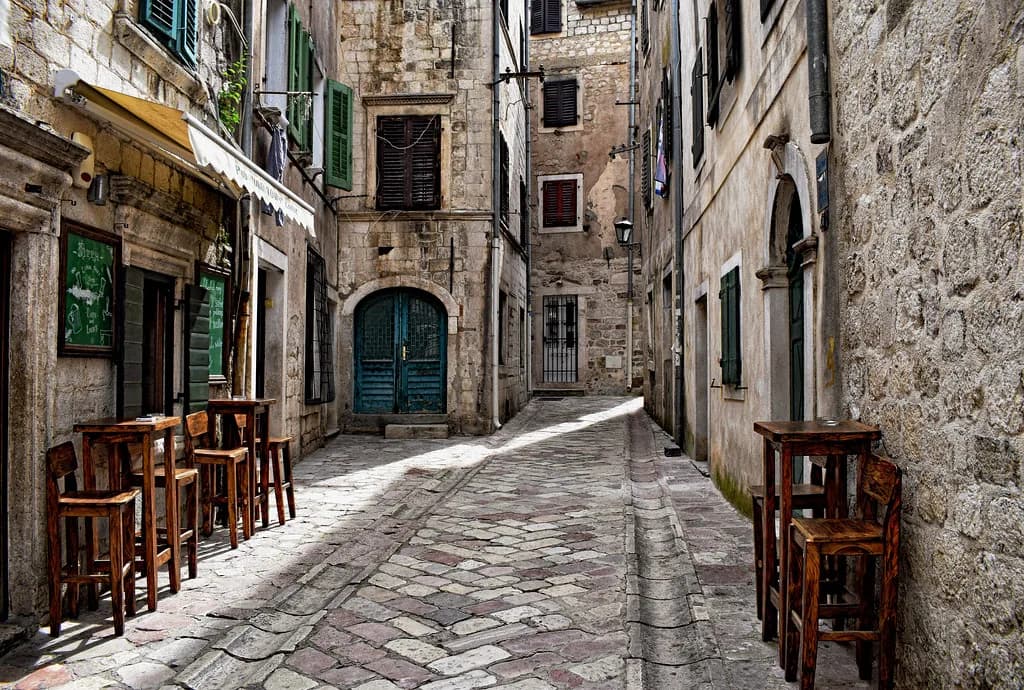
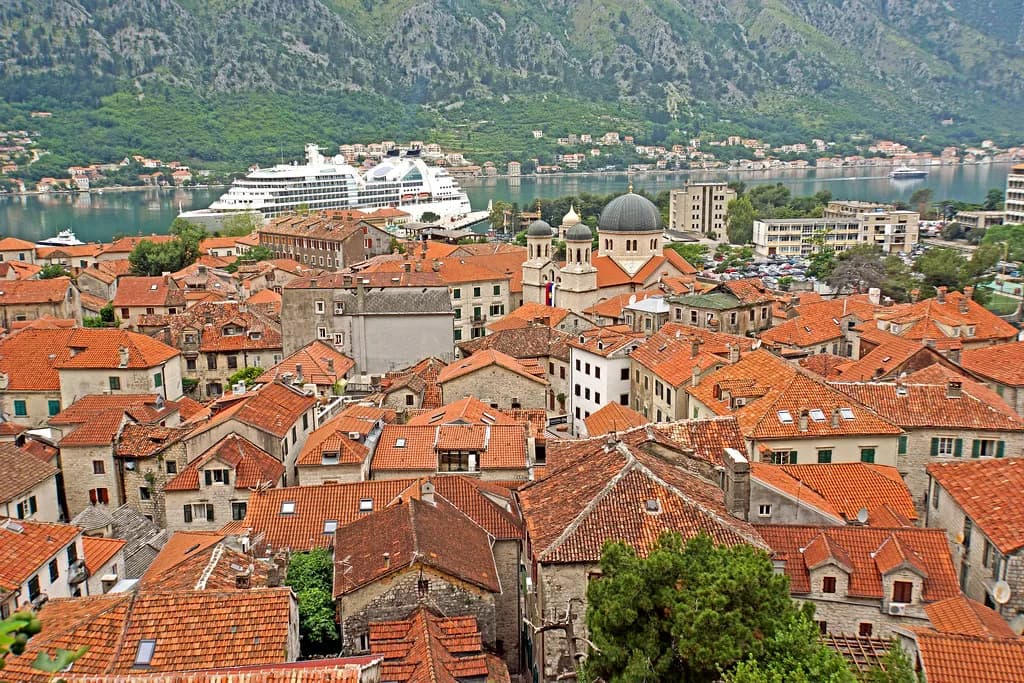
July and August are when Kotor's geography works against it. Cruise ships dock at the Port of Kotor, and on a heavy day the narrow lanes between the Sea Gate and the Square of Arms clog within an hour of arrival. The fortress climb in the middle of the day is genuinely punishing in 30°C-plus heat.
The practical fix is timing within the day rather than avoiding the month. Walk the old town early or after the ships leave, do the fortress ascent at opening or near sunset, and use the hottest hours for swimming or a boat trip. The Gurdić Gate at the southern end is usually the quietest way in.
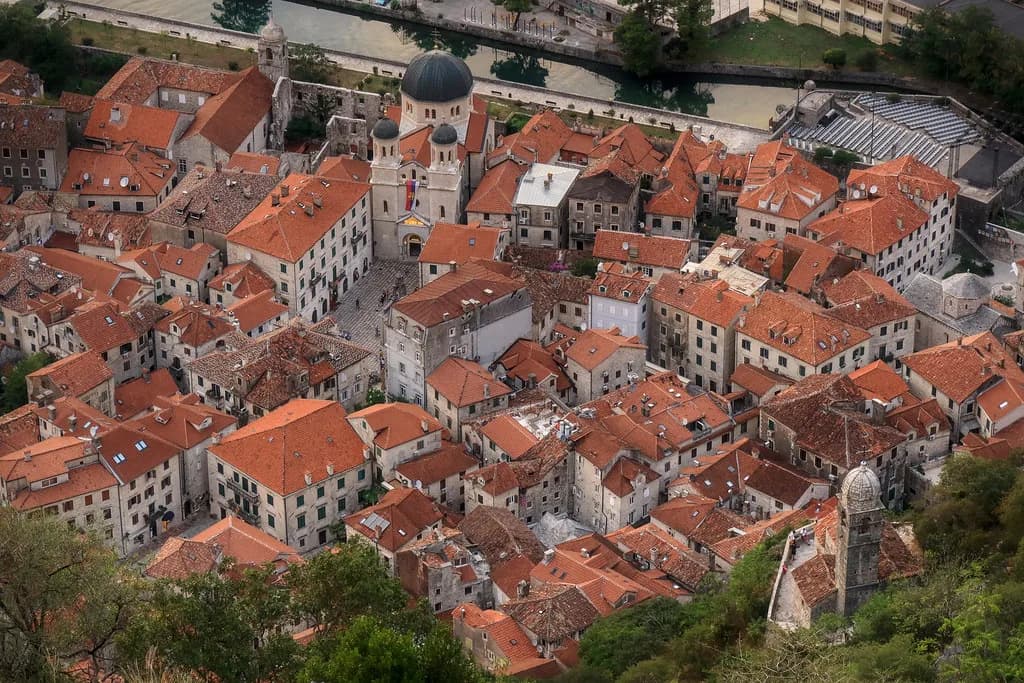
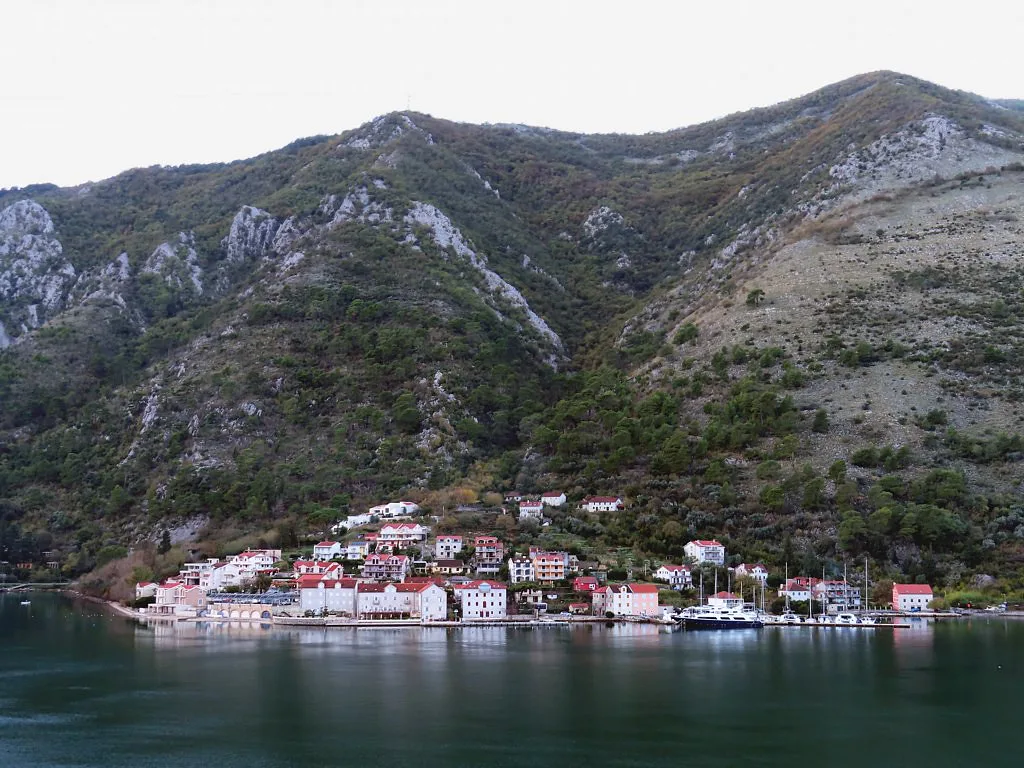
Note that the fortress path is a paid entry through a kiosk near the River Gate, reported at €15, and access is usually open between 8 am and 10 pm. Pay at the gate and start early: the price is steep, but the view over the bay's maze of rooftops is the reason most people come.
Autumn: September to November
September is the other great month. The sea holds its summer warmth into the first half, the crowds thin once school returns, and the light on the bay turns golden. Boat trips and the church visit on Our Lady of the Rocks run much as in summer, and restaurant terraces stay open well into the month.
October is a walking month rather than a swimming one. The hills behind the bay are comfortable for the fortress climb, and day trips to Perast and Tivat are pleasant without the summer squeeze. Rain becomes more likely as the month goes on, so keep a wet-day plan.
By November the season is winding down. Expect shorter days, more rain and reduced hours at smaller attractions. If you are coming for atmosphere and walking rather than swimming, this can be a quietly good time; if you are coming for the sea, it is not.
Winter: December to February
Winter in Kotor is quiet and often wet, with cool rather than cold days on the coast and snow on the mountains above. The old town stays open and the museums are a better bet than the water. The Maritime Museum charges €6 and includes an audio guide, and it is a genuinely good way to spend a rainy hour or two.
This is not a swimming or beach season, and some boat operators scale back or stop. Carnival and other festivities around the country fall in this period, but dates shift year to year, so check locally rather than booking around a fixed week.
Who should avoid winter here? Swimmers, boat-tour seekers and anyone hoping for long terrace evenings. Who should come? Walkers who want the old town to themselves, and travelers combining Kotor with a wider Montenegro trip who value quiet over sunshine.
Sea temperature and swimming season
The swimming season on Boka Bay runs roughly from late May to early October, with June and September the most comfortable for most people and July and August the warmest. The bay is sheltered, so the water is calm, but it is still the Adriatic: expect a bracing first dip in May.
Kotor Beach is a rocky strip a few hundred meters from the old town, with a handful of sunbeds in summer and clear water. Wear sea shoes for the entry, and treat it as a cooling-off spot rather than a destination beach; the better swimming is often from a boat.
For swimming plus sightseeing in one day, the classic combination is a boat trip that stops at Our Lady of the Rocks and the Blue Cave. Church entry on the island is a small cash fee, around €5, so carry euros; boat taxis from the marina run direct and are priced per round trip.
Crowds, prices and cruise-ship days
Kotor's crowd pattern is driven by cruise arrivals more than by hotel guests, and cruise traffic concentrates in July and August. The difference between a ship day and a quiet day in the old town is dramatic: the same lane can feel like a festival or a corridor.
Prices follow the season. Summer accommodation and restaurant rates on the bay are the year's highest, spring and autumn sit in the middle, and winter is cheapest but comes with closures. If cost is the deciding factor, read is Kotor expensive before you fix dates, then compare against the shoulder-week savings.
Entry fees at the main sights are modest and stable enough to budget for: the Maritime Museum, the Cats Museum, Aquarium Boka and St. John's Fortress all charge modest, low-cost admission, with the fortress at the higher end of the range. Carry cash for the smaller sights and for church entry on the islands.
Events and festivals worth timing a trip around
Montenegro's festival calendar leans on the coast in summer, when the beaches and towns are at their liveliest and open-air events fill the evenings. Lonely Planet notes that June, July and August bring festivals along with kitesurfing conditions on the coast.
Rather than build a trip around a specific event, use festivals as a bonus: pick your month for weather and crowds first, then see what is on. Exact dates move each year, so confirm with the local tourist information desk near the Sea Gate once you arrive.
How many days you need in Kotor
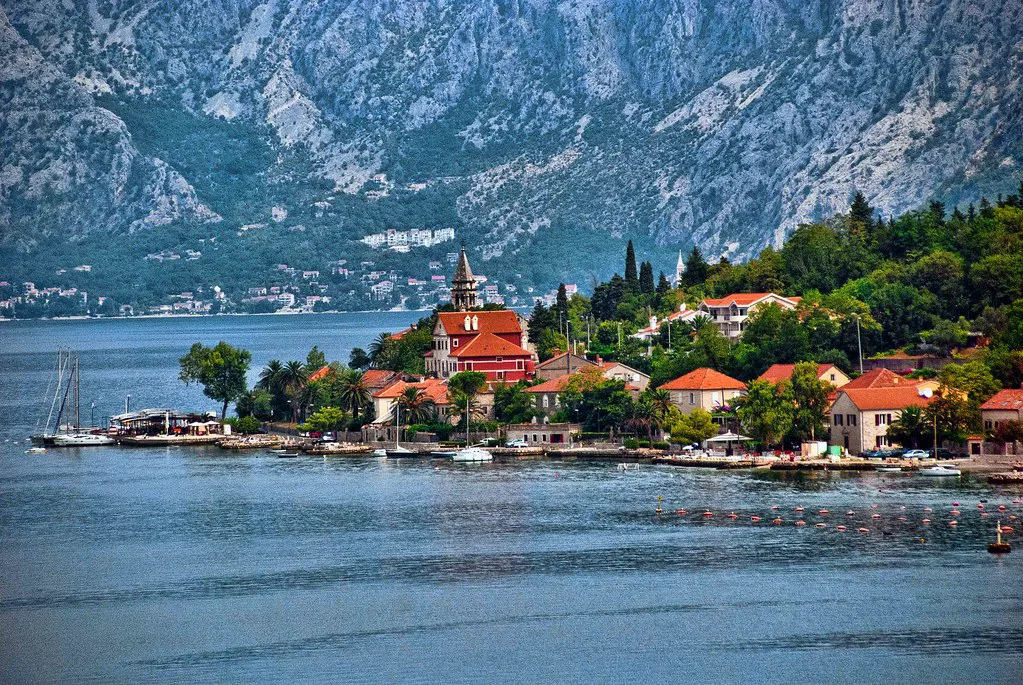
Two to three days covers the core: the old town, the fortress climb, a bay boat trip and a half day in Perast. Add a day for Tivat and Porto Montenegro, or for Budva if you want a beach-and-nightlife contrast, and you are at four or five.
In peak summer, add buffer rather than activities. Heat and crowds slow everything down, and a forced march through the fortress at midday will cost you the following afternoon. In June or September you can fit more into the same number of days.
If you are weighing Kotor against a beach-first base, Kotor vs Budva lays out the trade-off. Kotor wins on scenery, history and boat access; Budva wins on sand and nightlife.
Getting there and around in each season
Kotor is reached by road from Dubrovnik, Podgorica and Budva, or via Tivat airport for the shortest transfer. How to get to Kotor sets out the road, bus and airport options and which one holds up best when summer traffic builds.
Local buses link Kotor with Tivat and Budva, and tickets are bought at the station or on board depending on the bus company running the route. In high season there are roughly a dozen departures a day toward Tivat, with fares of a few euros each way; schedules are posted at the bus station.
Within the bay, boat taxis and tours are the seasonal variable: plentiful in summer, patchy in winter. If a boat trip is central to your plan, that alone argues for May through September.
Who should pick a different month
Heat-averse hikers and crowd-sensitive travelers should avoid late July and August; the fortress climb and the old town lanes are at their worst then, and the bay offers little relief at midday. Couples and families who need school-holiday dates should book early and plan around the ships.
Swimmers and boat-tour seekers should avoid December to March, when the water is cold and operators scale back. Travelers who want the old town photographed in soft light and near-empty lanes should aim for April or October and accept some rain.
If your priority is a wider Montenegro trip with mountains and national parks, the country-level picture on the best time to visit may point you to a different month than Kotor alone would.
Pick Your Month, Then Commit
For most travelers the answer is simple: aim for June or September, accept May and early October as close seconds, and treat July and August as a heat-and-crowd tax you pay for school holidays. Winter is for walkers and budget travelers, not swimmers.
Lock the month first, then the trip length, then the day trips to Perast, Tivat and the bay islands. That order keeps you out of the worst heat and the heaviest ship days, and it keeps the fortress climb something you remember for the view rather than the sweat.
Explore more Kotor trip-decision guides
Frequently Asked Questions
What is the best month to visit Kotor, Montenegro?
June and September are the best all-round months. Both offer warm sea, long days and manageable crowds, with June slightly busier and September slightly wetter toward the end. May is a close third if you do not mind cooler water.
How hot is Kotor in July and August?
Coastal Montenegro typically peaks between 30 and 35°C (86–95°F) in July and August. In Kotor the mountains trap the heat, so the old town lanes and the fortress climb feel hotter than the coast average. Plan outdoor activity for early morning or evening.
When can you swim in Kotor?
The swimming season runs roughly from late May to early October, with July and August warmest and June and September the most comfortable. Kotor Beach is rocky, so sea shoes help, and many visitors swim from boats around the bay instead.
Is Kotor worth visiting in winter?
Yes, if you want quiet lanes, low prices and museum days rather than swimming. The old town stays open, the Maritime Museum is a good rainy-day stop, and the mountains above can carry snow. Boat trips and beach time are largely off the table.
Is July or September better for Kotor?
September is better for most travelers: the sea is still warm, the cruise-ship pressure eases and the light is lovely. July suits people who want peak summer atmosphere and do not mind heat and crowds, especially if they can start early each day.
How many days do you need in Kotor?
Two to three days covers the old town, St. John's Fortress, a bay boat trip and a half day in Perast. Add a day each for Tivat or Budva if you want them. In high summer, build in slack rather than extra sights.
Do cruise ships affect a visit to Kotor?
They can, particularly in July and August. Ships dock at the Port of Kotor, and on busy days the narrow lanes fill quickly. Visit the old town early or late, use the quieter Gurdić Gate, and save indoor sights for the middle of the day.
What should I know about entry rules and currency before booking?
Montenegro uses the euro, so no exchange is needed for eurozone travelers, and cards are widely accepted in the old town. For entry rules, check your own government's official travel page for Montenegro before booking.
Sources
Trip-decision notes
Optional updates when we publish or revise a destination verdict.
You might also like
Continue reading
More guides you'll find useful