Kotor vs Budva: Which Montenegrin Coastal Town to Pick
Kotor delivers the bay, the walls and the history; Budva delivers beaches and buzz. Compare character, crowds and travel time, then pick your town.
On this page
Pick Kotor if you want the drama of the Bay of Kotor, a walled medieval Old Town and a mountain climb that ends in one of the Adriatic's great views. Pick Budva if beaches and a busy summer scene matter more than fortresses, and you would rather swim than hike. The good news is that the two are close enough that a short trip can comfortably include both.
The verdict
Kotor is the stronger choice for first-time visitors to Montenegro who want a place that looks and feels unlike anywhere else: the bay, the limestone cliffs and the Venetian-era walls do the work. Budva is the better base for a beach holiday with restaurants, bars and several swimming spots within easy reach. Neither town is a mistake; they simply reward different priorities.
The practical hinge is distance. Budva and Kotor sit about 23 km (14 miles) apart, roughly 30 minutes by car or bus, which makes a day trip or a split stay realistic rather than a compromise. Travelers with three or more days on the coast can base in one and see the other without losing a day to logistics.
If you are still weighing whether the bay town earns a slot on your itinerary at all, our full verdict on whether Kotor is worth visiting lays out the case in more depth. It helps to settle that question before you start comparing it with Budva.
How the two towns differ in character
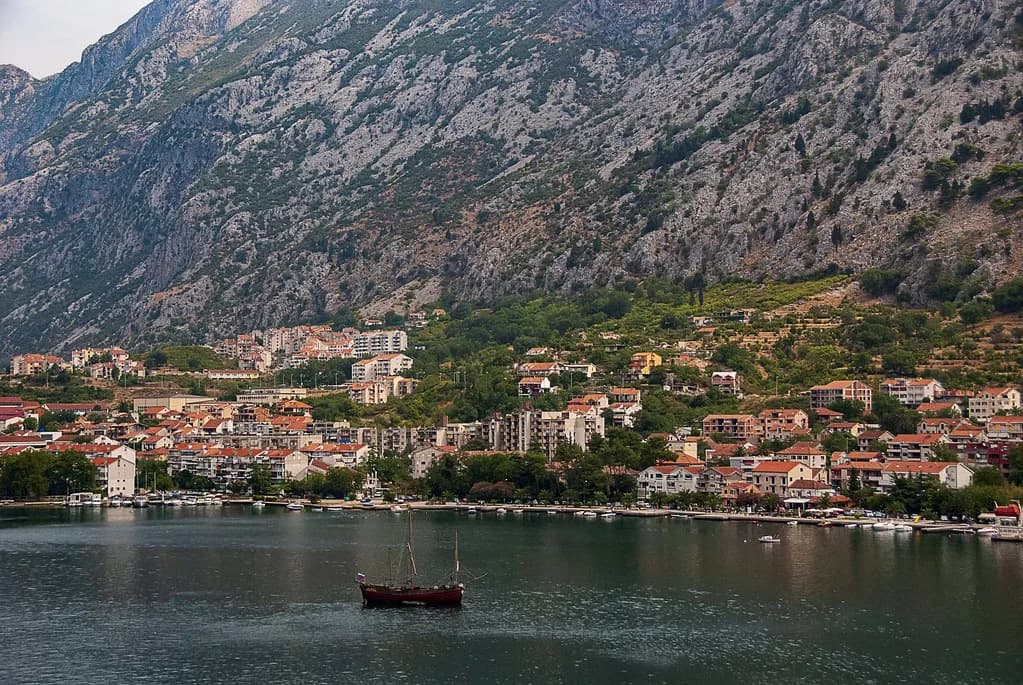
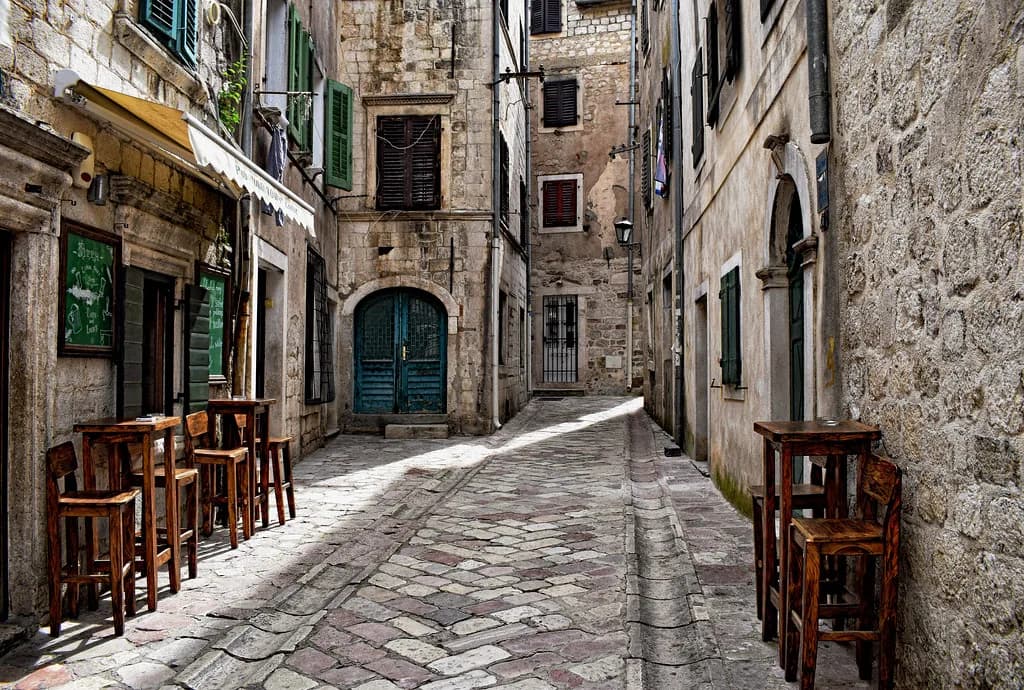
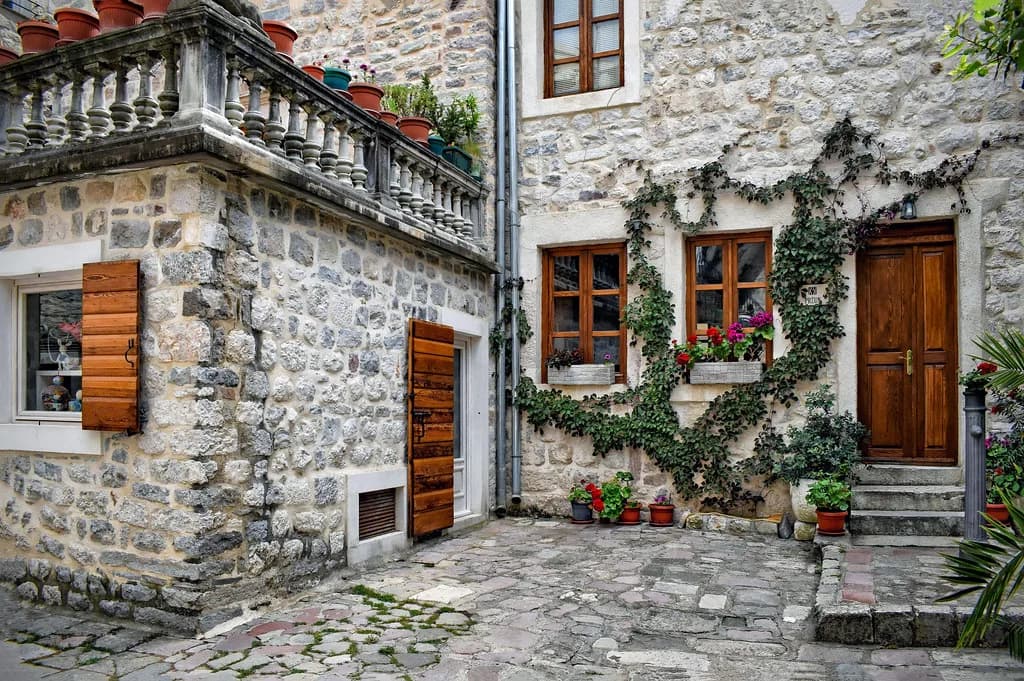
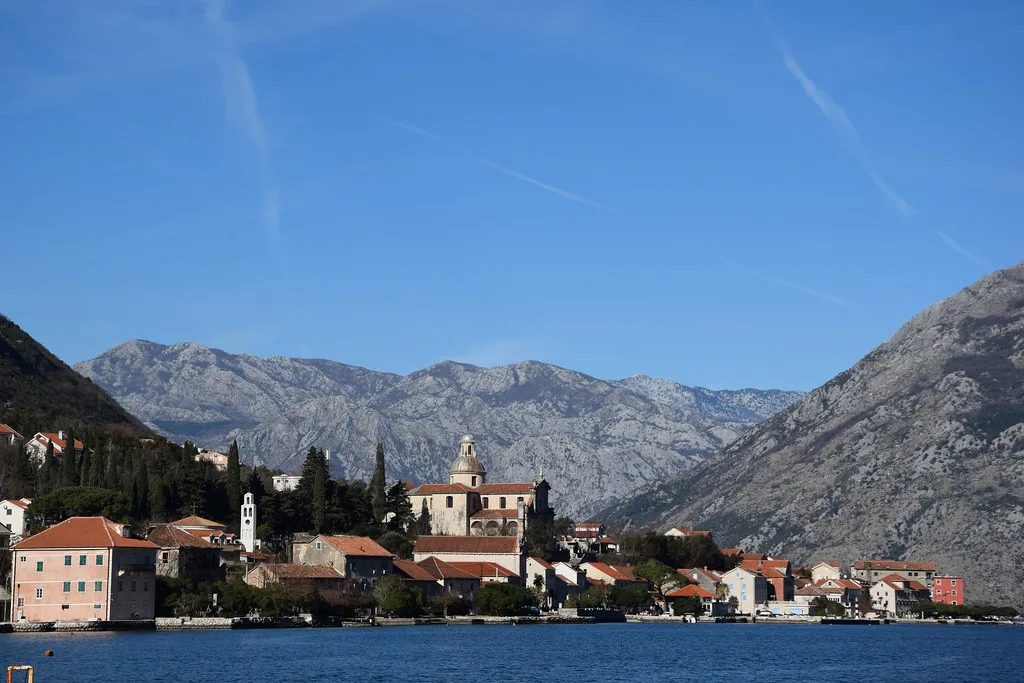
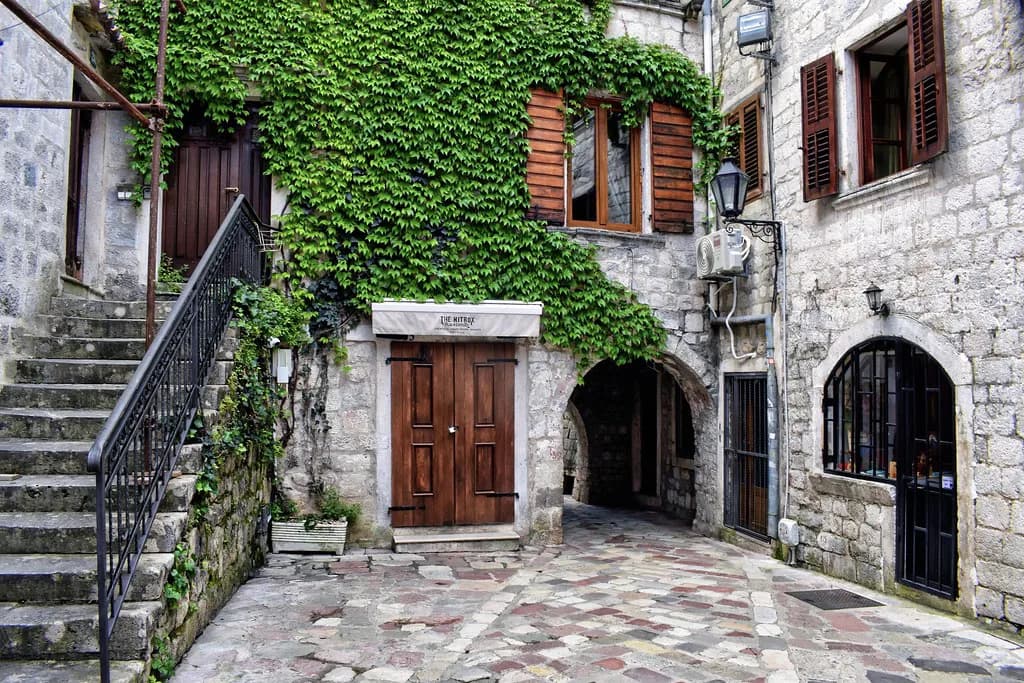
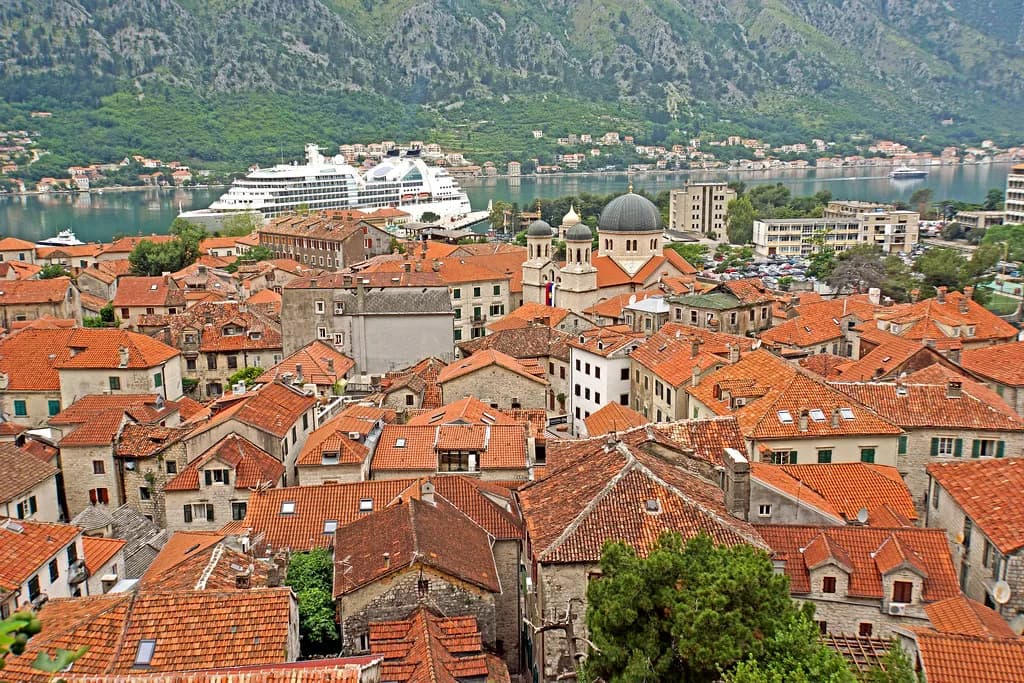
Kotor is a UNESCO World Heritage site built around a bay often described as Europe's southernmost fjord, with a compact Old Town of narrow cobblestone lanes and the Romanesque Cathedral of Saint Tryphon at its center. Budva counters with a smaller walled Old Town, a Citadel fortress, a promenade and a coastline of sandy and rocky beaches. One is a scenery-and-history town; the other is a resort with a historic core attached.
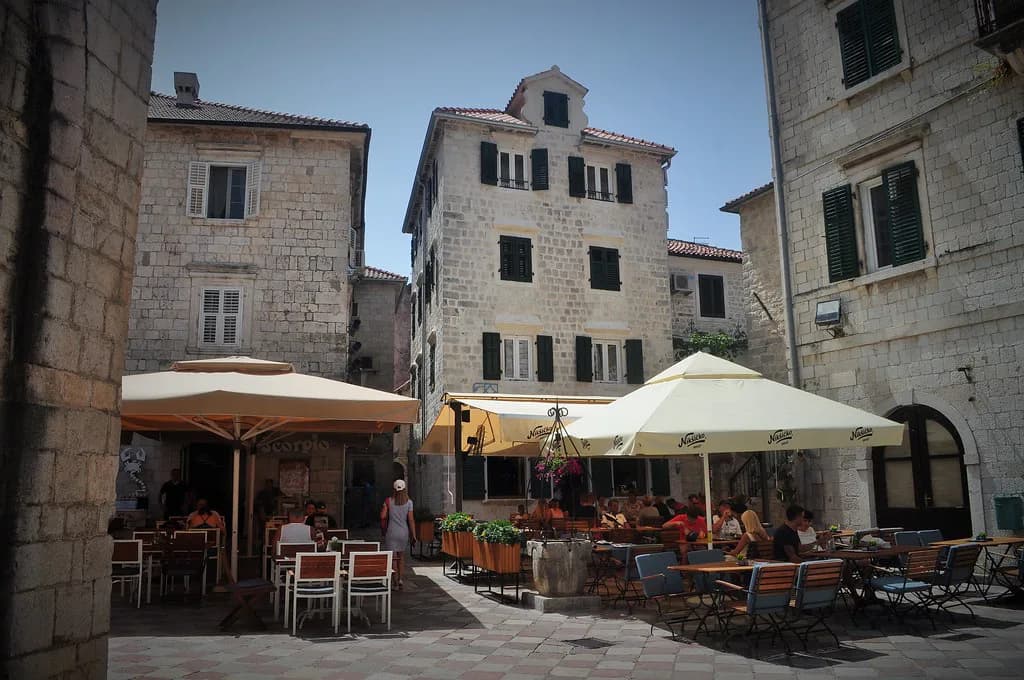
Evenings diverge just as clearly. Budva has the denser bar and club scene in summer, while Kotor stays quieter after dark and suits travelers who want dinner, a walk along the water and an early start on the trails. If nightlife is your main reason for coming, that difference alone settles the argument.
Both towns share the same Montenegrin context: the euro is the currency even though the country is outside the eurozone, and the language is Montenegrin or Serbian. Border crossings into and out of non-EU Montenegro can be slower than travelers expect in high season, which matters if you are combining the coast with Croatia or Bosnia and Herzegovina. If Bosnia and Herzegovina is on your route, it is worth asking is Bosnia and Herzegovina worth visiting before you commit the days.
Kotor: the bay, the Old Town and the climb to San Giovanni
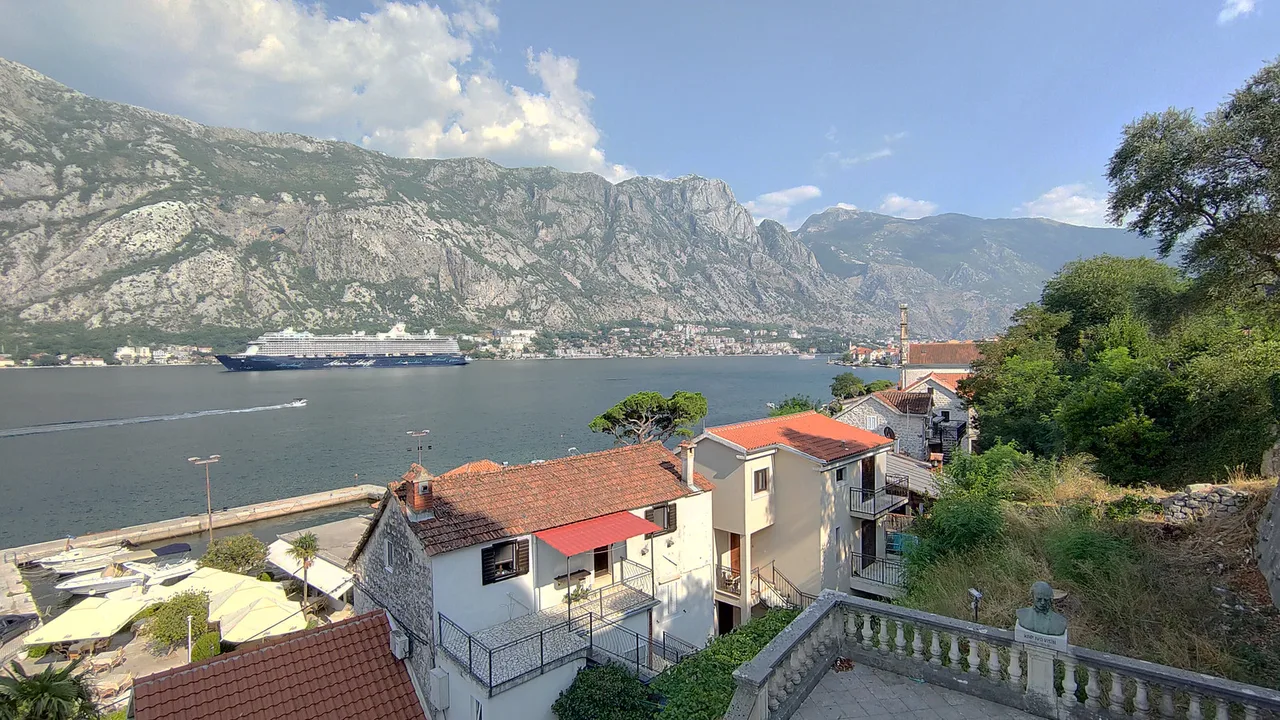
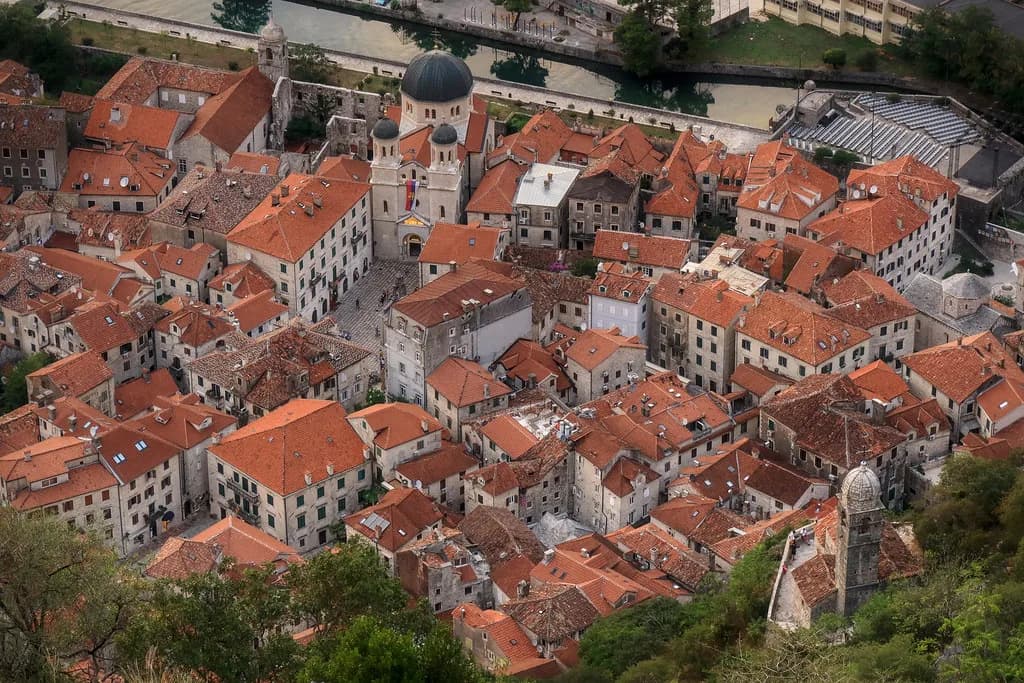
The defining Kotor experience is the hike up the fortified walls to San Giovanni fortress, a climb that rewards the effort with sweeping views over the bay and the town's red roofs. The Old Town itself, with the Cathedral of Saint Tryphon and its maze of squares, is free to wander. Boat trips from the bay typically combine the Blue Cave with Our Lady of the Rocks, the islet church off Perast.
The shoreline in Kotor is the weak point: the beaches are fair but rocky, so swimmers should treat the bay as scenery first and swimming second. That limitation is exactly what pushes beach-focused travelers toward Budva. Hikers, photographers and history-minded visitors barely notice it.
Allow at least a full day for Kotor itself, more if you want Perast, the islets and a boat excursion in the same visit. Our guide to how many days in Kotor you need breaks the stay down by appetite for hiking and day trips.
Getting to Kotor is straightforward from the coast or from Podgorica, but the last stretch involves two-lane roads that slow down in summer traffic. Our guide on how to get to Kotor covers the bus and road options in detail.
Budva: Old Town, Mogren and Becici, and the Sveti Stefan coastline
Budva's Old Town is small but rewarding, enclosed by walls and anchored by the Citadel, a Venetian fortress with panoramic views; entry to the Old Town streets is free. Mogren Beach, tucked between layered cliffs just beyond the walls, is the town's signature swim, while Becici Beach stretches further along the coast with softer sand and a family-friendly feel.
The wider Budva Riviera adds Sveti Stefan, the islet-turned-resort that appears on every Montenegro postcard, plus walking trails such as the Path of Health above the coast. These are the reasons to give Budva more than a passing afternoon. A beach day here is a full day, not a stop between sights.
Cruise and coach traffic concentrates in the middle of the day, so mornings are the calmest window for the Old Town squares and the walls. Evening brings the promenade crowd and the summer bar scene, which is either the appeal or the reason to stay in Kotor instead.
Beaches compared: rocky bay versus sandy strips
For swimming, Budva wins clearly. It has more beaches nearby and a mix of sand and rock, with Mogren and Becici covering both the scenic and the family-friendly ends of the range. Kotor's waterfront is pleasant for a walk and a quick dip but not the reason to come.
The trade-off is atmosphere. A Budva beach in August means crowds, sunbeds and noise, while the bay at Kotor stays visually spectacular even when the water is uninviting. If your ideal day mixes a short swim with a mountain view, Kotor's rocky shoreline may be enough; if you plan to spend whole afternoons in the water, base in Budva.
Crowds and timing: cruise days in Kotor, peak summer in Budva
Kotor's Old Town funnels cruise-ship passengers through the same few lanes, so the town can feel packed for a few hours around midday and empty again by evening. Budva's pressure is seasonal rather than ship-driven, with July and August bringing the heaviest demand for beaches, restaurants and rooms. Shoulder months ease both problems at once.
Spring and early autumn give you comfortable walking weather for the San Giovanni climb and fewer people in the squares. Our guide to Kotor in May and our notes on Kotor in October cover what those months feel like in practice.
If you are choosing dates around the coast rather than a single town, the best time to visit Kotor applies just as well to Budva, since the two share a climate and a summer peak. Late June and September are the sweet spots for swimmers who dislike crowds, as our guide to Kotor in June and our September notes explain.
April is the outlier worth knowing: the bay is green, the walls are quiet and the water is cold. Our guide to Kotor in April sets out what is open and what still feels off-season.
Getting between the two: the 23 km, 30-minute bus and road reality
Buses between Budva and Kotor run roughly every thirty minutes to an hour and cover the 23 km in around half an hour, making a car-free day trip easy. Fares are low by Western European standards, though the exact price depends on the season, so buy at the station or from the driver and note the return time on arrival. Coastal roads are mostly two lanes, so summer traffic can stretch that half hour.
Ride-hailing apps are not used in Budva, so plan on buses, licensed taxis or a rental car rather than summoning a car on your phone. Taxis are available between the towns and the distance is short, but agree the fare before setting off. Drivers should expect slow coastal traffic in July and August and limited parking near both old towns.
If you would rather fly in and work outward from the coast, Tivat is the closest airport to Kotor and Podgorica serves the interior; comparing Kotor vs Tivat helps if you are also weighing a base near Porto Montenegro.
Typical costs and how far your money goes in each
Montenegro uses the euro, which makes budgeting simple for travelers from the eurozone and predictable for everyone else. Walking the old towns, swimming and hiking cost nothing beyond what you spend on food and drink, while boat excursions and fortress entry add discretionary spending. Budva's beach clubs and summer bars push daily spending higher if you let them; Kotor's costs skew toward guided trips and boat tours.
For a breakdown of what accommodation, food and activities actually run in the bay town, our guide on whether Kotor is expensive is the place to start. Our separate Kotor costs guide compares it with other Adriatic stops and explains where the money goes, and the Kotor vs Dubrovnik comparison shows how the two rate against each other on price.
Peak-season pricing is the main variable in both towns: July and August rates for rooms and restaurants rise sharply, and shoulder-season travel delivers noticeably better value for the same coast. Budva's large holiday rental stock can help groups, while Kotor's compact old town limits supply and rewards early booking.
Who should choose Kotor
Choose Kotor if you are traveling for landscape, history and walking, and you would rather climb a fortress wall than lie on a sunbed. It suits couples, photographers, hikers and anyone building an itinerary around the Bay of Kotor and Perast. It is also the better base if you plan to combine Montenegro with Dubrovnik and want a calmer evening after a day of sightseeing.
Kotor is less suitable for families who want easy sand and shallow water, or for travelers whose main holiday goal is swimming and going out. Those groups will spend their time commuting to Budva's beaches and wondering why they did not simply stay there.
Who should choose Budva
Choose Budva if beaches, swimming and a lively summer atmosphere are the point of the trip, or if you are traveling with children who need sand and gentle water. It also works for groups who want restaurants, bars and multiple beach options within walking distance of each other. Sveti Stefan and the coastal trails are close enough for a half-day change of scene.
Budva is weaker for travelers chasing a sense of place: its Old Town is small, and the resort development around it dilutes the historic feel. If you came to Montenegro for the fjord-like bay and the medieval lanes, Kotor delivers more of both per hour spent.
Doing both: how to split a short Montenegro trip
With three or four days on the coast, base two nights in Kotor and one or two in Budva, moving between them by bus or car in about half an hour. That split gives you the San Giovanni climb and a boat trip to Our Lady of the Rocks from Kotor, then beaches and the Sveti Stefan coastline from Budva. Pack light enough to move without a car, since the bus link is frequent.
With only a day for the pair, sleep in Kotor and take an early bus to Budva for the beach and Old Town, returning in the evening; the reverse works if swimming matters more than the climb. A common compromise among travelers is to tour Kotor's old town and then spend the afternoon on Budva's coast, which covers both characters without committing to either.
A single night in each town is the minimum that still feels unhurried, though travelers who want both the climb and a full beach day should give the coast three nights. Anything shorter turns the 23 km link into a commute rather than a highlight.
Kotor vs Budva: the final answer by traveler type
History and scenery travelers, hikers, photographers and couples: Kotor. Beach lovers, families, groups wanting a summer buzz and anyone prioritizing swimming: Budva. First-timers with three or more days: split the stay, starting in Kotor and finishing on the sand.
The towns are close, cheap to link by bus and genuinely different in what they offer, so the wrong choice costs you a half-hour ride rather than a ruined trip. Decide based on whether your best day involves a mountain trail above a bay or a towel on the sand, and book accordingly.
Plan Your Visit
For most first trips, Kotor is the town that justifies the journey and Budva is the one that makes the holiday relaxing; combining them is the strongest plan for anyone with more than two days. If you must pick one, match it to your priority: the bay and the walls, or the beaches and the bars.
Whichever you choose, check bus times on the day you travel and buy boat or fortress tickets on arrival rather than from a third party. That keeps the logistics simple and leaves your budget for the parts of Montenegro you actually came to see.
Frequently Asked Questions
Is Kotor or Budva better for a first trip to Montenegro?
Kotor is the better first stop if you want the scenery and history that make Montenegro distinctive: the bay, the walled Old Town and the climb to San Giovanni fortress. Budva suits a first trip built around swimming, with Mogren and Becici beaches and a busier summer scene. Travelers with three or more days can base in Kotor and reach Budva in about half an hour.
How far is it from Kotor to Budva?
The two towns are about 23 km (14 miles) apart, a drive or bus ride of roughly 30 minutes on the coastal road. Buses run at intervals of about thirty minutes to an hour, so a car-free day trip between them is practical. Summer traffic on the mostly two-lane coast can lengthen the trip, so allow extra time in July and August.
Can you visit Kotor and Budva on the same trip?
Yes, and it is the strongest plan for anyone with more than a couple of days on the Montenegrin coast. Split the stay between the two rather than commuting daily: Kotor for the Old Town, the walls and boat trips to Our Lady of the Rocks, Budva for the beaches and the Sveti Stefan coastline. With only one day, sleep in Kotor and take an early bus to Budva.
Are the beaches better in Budva than in Kotor?
For swimming, yes. Budva has more beaches nearby and a mix of sand and rock, with Mogren Beach between the cliffs near the Old Town and Becici Beach offering softer sand and a family-friendly feel. Kotor's shoreline is rocky and works better as scenery than as a swimming destination, which is the main reason beach-focused travelers choose Budva.
Is Kotor quieter than Budva?
Kotor is generally the quieter of the two after dark, with dinner, a waterfront walk and an early start on the trails replacing Budva's summer bar and club scene. By day, Kotor's Old Town can still feel crowded for a few hours around midday when cruise-ship passengers arrive, then empties again in the evening.
Sources
Trip-decision notes
Optional updates when we publish or revise a destination verdict.
You might also like
Continue reading
More guides you'll find useful