Kotor vs Dubrovnik: Which Adriatic Old Town Should You Pick?
Kotor and Dubrovnik look alike on paper but deliver different trips. Compare crowds, scale, costs and getting between them, then pick by traveler type.
On this page
Dubrovnik is the stronger first Adriatic trip, and Kotor is the sharper second one. Dubrovnik hands you islands, ferries, restaurant depth and enough options to rearrange a week when weather or energy shifts; Kotor hands you a flooded mountain bay you can cover in a few compact days.
The two towns share a visual language — Venetian stone, defensive walls, a car-free old core — but their geometry differs. Croatia's southern Dalmatian coast runs long and wide with around 1,185 islands inside it, while the Montenegro coast that matters to visitors is roughly 60 nautical miles tip to tip, with the Bay of Kotor as the main event.
Read this as a decision between breadth and concentration, not a beauty contest. If you simply want the honest answer on Kotor on its own terms before comparing, start with whether Kotor is worth visiting at all.
The verdict
Choose Dubrovnik if this is your first trip to the Adriatic and you want range: island hops, a bigger restaurant and hotel base, and a town that rewards a full day inside the walls. Choose Kotor if you have already done a Mediterranean summer somewhere else and want the contrasting piece — a walled bay with a medieval core at its head that you can cover in one pass without transfer math dominating the week.
The trade-off is real in both directions. Dubrovnik gives you more ways to move a trip around when plans slip; Kotor gives you less ground to cover, fewer alternate stops and a slower cadence, which some travelers read as calm and others as thin.
If you have ten to fourteen nights, stop treating them as rivals and run Croatia first, Montenegro second. Southbound reads better, ending on the bay rather than starting there.
Two old towns, two different shapes
Dubrovnik is a walled city on the open sea, built around the marble-paved Stradun and ringed by fortifications you can walk end to end. The scale is urban: multiple gates, several museums, a harbour, and a cable car lifting you above the rooftops.
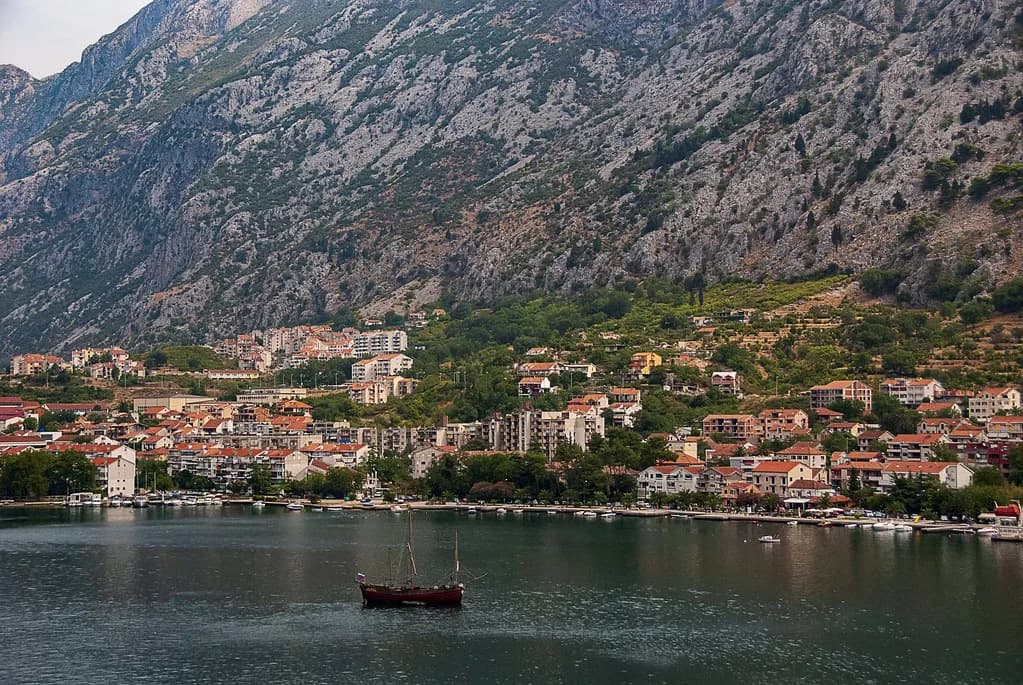
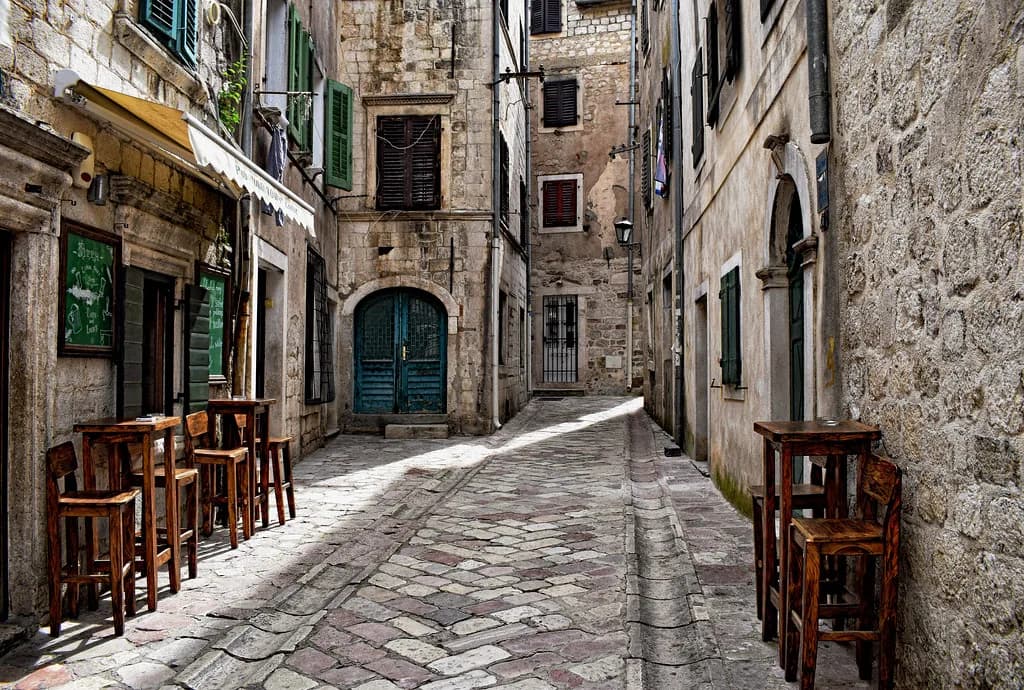
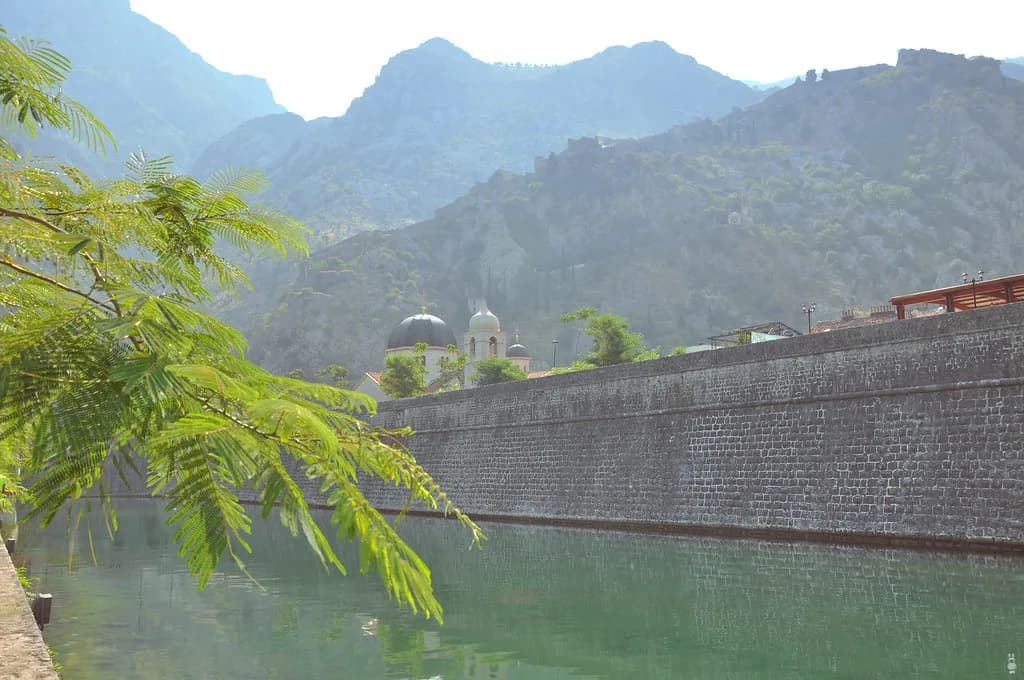
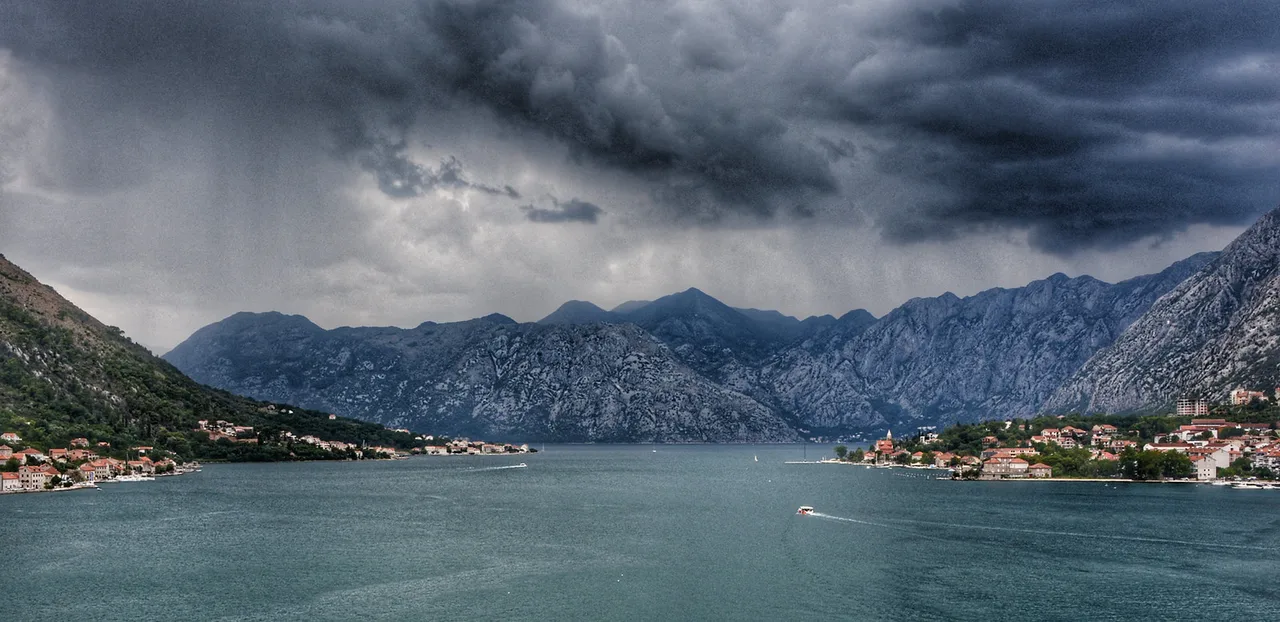
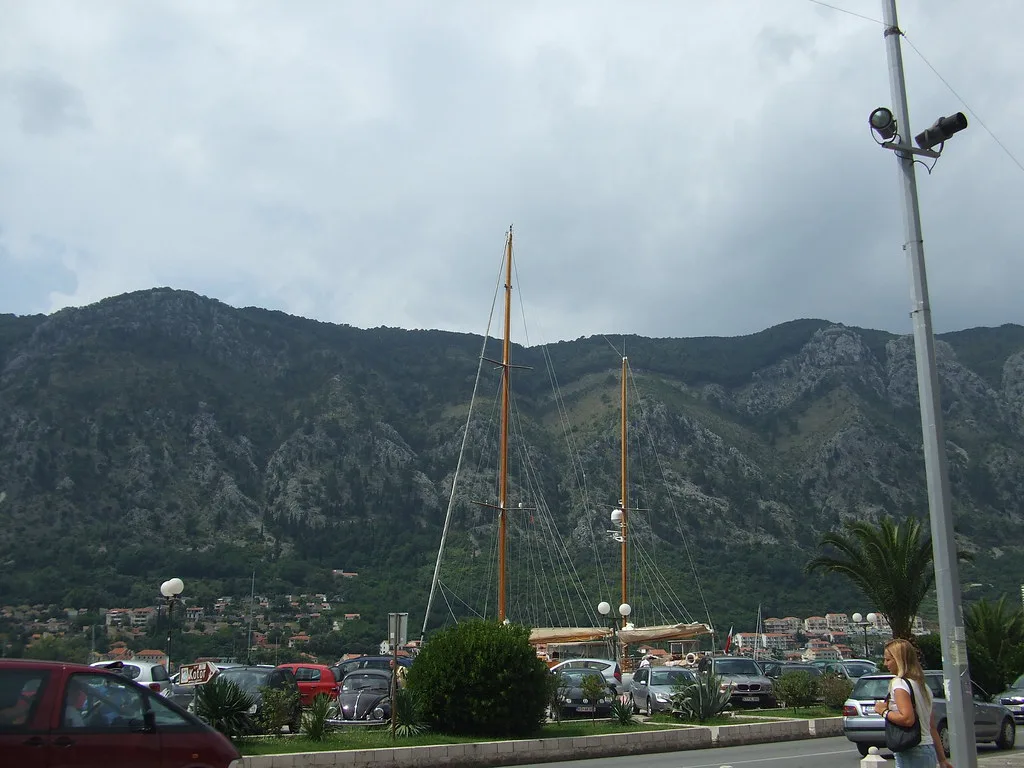
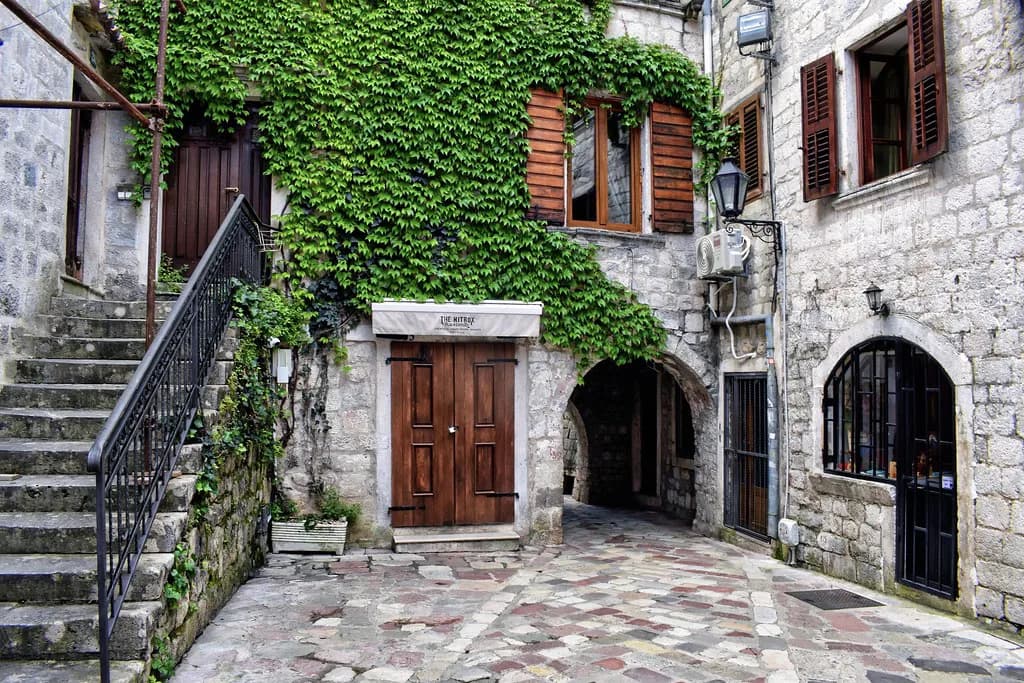
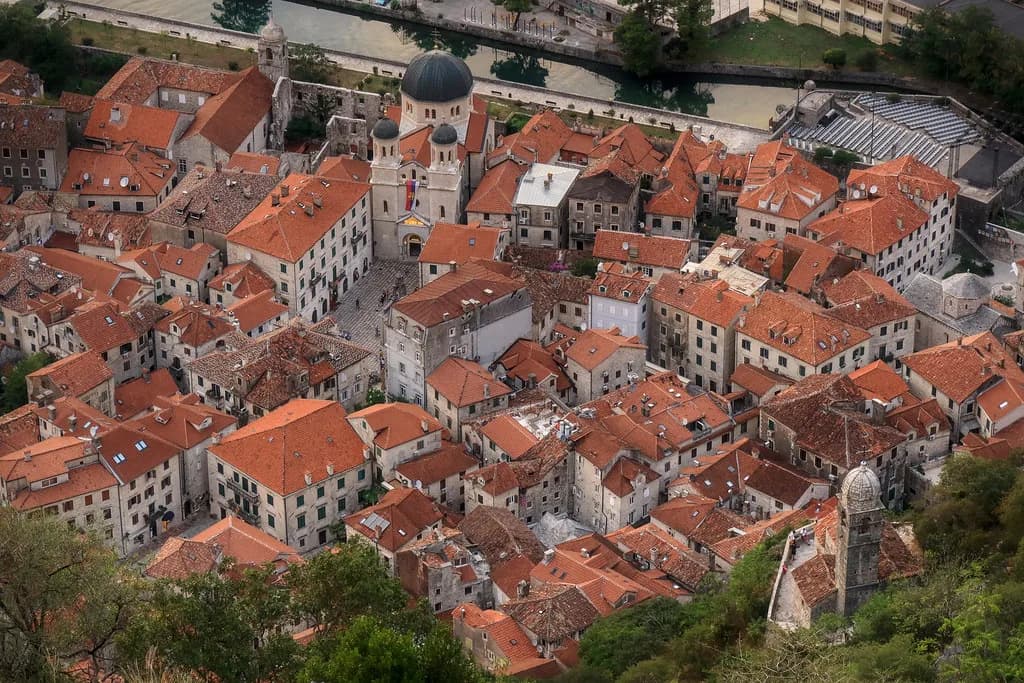
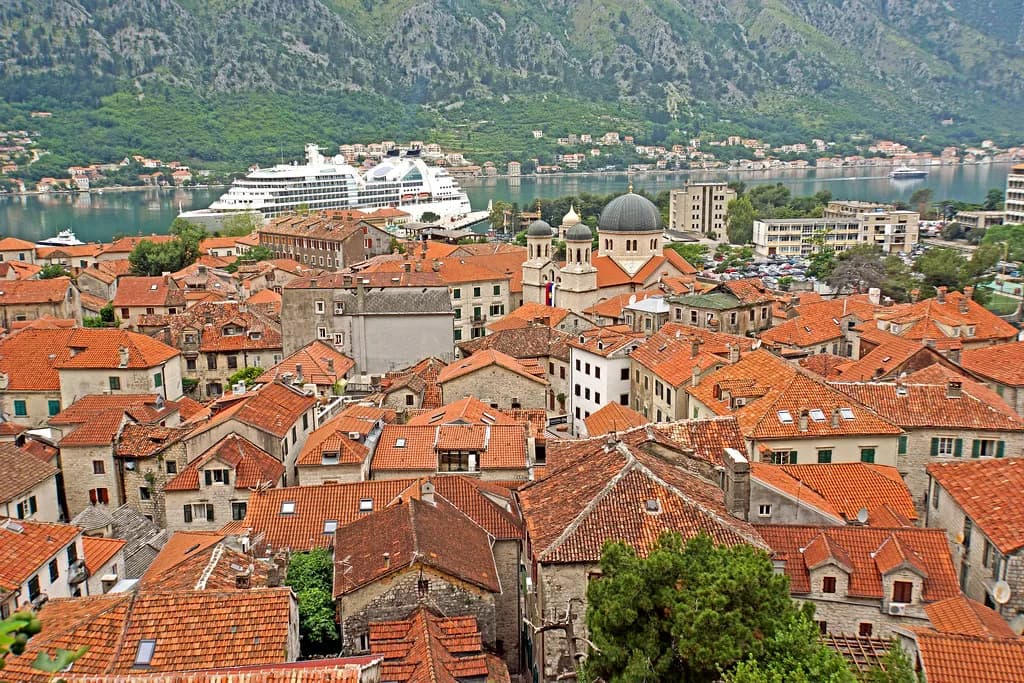
Kotor sits at the inner head of a bay walled by Mount Lovćen, Vrmac and Dobrota, with fortifications climbing the slope above the Old Town. The core is small enough to put the map away: three gates — Sea Gate as the main entrance, South as the oldest, North leading up to the fortifications — and a maze of cobbled lanes behind them.
That geography is the whole difference in trip feel. Dubrovnik spreads you outward to islands and peninsulas; Kotor pulls you upward and inward, toward the walls and the water at the bay's head.
What you actually do in Dubrovnik
The walls walk is the anchor of any Dubrovnik day: a full circuit above the rooftops with a maritime museum partway around and clear views to Lovrijenac fort and out to sea. Go early or late, because the middle of the day is when cruise and coach parties fill the circuit.
Below the walls, Stradun carries the postcard weight — polished marble cobbles, shopfronts, cafés — and it turns genuinely pleasant in the early evening once the day-trippers thin out. Lovrijenac, the fortress just outside the western wall, is a short separate climb and worth the extra stop.
The Srđ cable car is the fastest way to the panorama above town, and sunset is the popular slot, so allow queueing time both up and down rather than sprinting for the last car. The city's own rhythm rewards staying inside the walls rather than commuting in from outside.
What you actually do in Kotor
The climb to St. John's Fortress, also called San Giovanni, is the mandatory Kotor move: roughly 1,500 stairs up the fortifications past the Church of Our Lady of Remedy, with the bay spreading below. In season, admission costs 8 €, and the ruins at the top are modest concrete remains — the view is the payoff, not the architecture.
Inside the Old Town, the Cathedral of Saint Tryphon is the standout among a surprising density of churches and palaces for such a small footprint, a legacy of centuries of Venetian rule — you can spot the Venetian lion on the wall as you enter through the Sea Gate.
Half a day covers the streets comfortably, which is why trip length matters more here than in Dubrovnik. Use the how many days in Kotor guide to pace the fortress climb, the Old Town and a bay excursion without cramming.
Crowds and timing
Dubrovnik's congestion is a midday phenomenon driven by cruise ships and coach groups, and the old town comes into its own in the early evening and outside high season. Time the walls and Stradun for the edges of the day and the experience changes completely.
Kotor is busy in July and August by Montenegrin standards, which still means meaningfully less crowded than Croatia in the same weeks. It also empties in the evening, when locals return to the squares and the tour groups have gone.
For both towns, June and September are the sweet spot: warm enough to swim, easier reservations, and calmer streets. If shoulder-season weather is your priority, our best time to visit Kotor breakdown weighs the months properly.
If you are leaning Kotor, Kotor in September and Kotor in June both keep the bay swimmable while cutting the August crush, and October trades some swimming for near-empty lanes.
Costs and price level
Both countries use the euro, so there is no currency arithmetic between them. The gap is smaller than it once was: Dubrovnik and Hvar in peak season can price like Italy, while Montenegro usually stays lower on a like-for-like comparison.
Kotor's Old Town is not a cheap zone by local standards because of its popularity, but you can still find local restaurants near the walls where the clientele is mostly domestic and the menu runs to Balkan-style meat.
Expect dining and entry costs in Dubrovnik to bite hardest in July and August, and treat any figure you see quoted online as a starting point to compare with what the venue charges on the day. For Kotor's side of the ledger, is Kotor expensive walks through where the money actually goes.
Getting between them
The drive from Dubrovnik to Kotor takes roughly two and a half hours including the border crossing, which is why so many travelers run the route southbound as a one-way rather than doubling back.
The Croatia–Montenegro border crossing can be slow in summer, and you must request cross-border travel from your rental company in advance — without the paperwork and insurance you will be turned away at the border. Top up fuel in urban areas before the remote stretches.
Flying works too: Tivat is the in-country airport for Kotor, while Dubrovnik serves the Croatian south and doubles as the combining airport. Compare your options in how to get to Kotor before booking flights.
Beaches and swimming
Neither town is a beach destination in the sand-and-lounger sense. Dubrovnik swims off rocky platforms and pebble coves around the city walls and Lapad, while Kotor's swimming happens in the bay itself, with concrete platforms and small pebble spots along the shore rather than long sandy stretches.
The Bay of Kotor compensates with water quality and drama — the mountain walls drop straight into the bay, and a swim with Lovćen above you is the memory most people take home. If you want a beach-led trip, look at the Budva Riviera instead: Kotor vs Budva sets out the trade-off.
Tivat, twenty minutes around the bay, offers a polished marina base at Porto Montenegro and a different mood entirely. Kotor vs Tivat covers which one suits a slower or smarter trip.
Day trips that change the decision
From Dubrovnik, the Elaphiti islands, Mljet, Korčula, Hvar and the Pelješac wine peninsula all sit within a day or an overnight, and the ferry network makes island-hopping straightforward without a car. That optionality is Dubrovnik's strongest argument for a first trip.
From Kotor, the day trips are closer and more concentrated: Perast and Our Lady of the Rocks face each other across the water, and the drive up through Lovćen National Park to the Njegoš Mausoleum delivers one of the great bay panoramas.
Along the coast between the two, Herceg Novi is a functional stop and Perast is the one worth a proper coffee break, with baroque stone right on the water. Budva and Sveti Stefan fill out the Montenegro coast if you have an extra day, and if you are weighing whether that stop deserves its own night, our Budva verdict settles whether it's worth visiting.
Side-by-side comparison
Character: Dubrovnik is an urban walled city on the open sea with a formal marble main street; Kotor is a compact medieval core at the head of a mountain bay. Scale: Dubrovnik rewards a full day or more inside the walls; Kotor's Old Town fits into half a day, with the fortress climb as the second half.
Crowds: Dubrovnik peaks in cruise-ship afternoons and empties in the evening; Kotor peaks in July and August but at a lower level and also quiets after dark. Costs: Dubrovnik prices like Italy in peak season, Kotor stays lower on like-for-like comparisons.
Day trips: Dubrovnik wins on islands and wine country; Kotor wins on bay scenery and mountain viewpoints. Getting there: both have nearby airports, and the drive between them is about two and a half hours with a border stop.
Who should choose Dubrovnik
Pick Dubrovnik for a first Adriatic trip, a bigger group, or anyone who wants optionality when plans shift. The island ferries, the depth of restaurants and the sheer number of strong overnight stops make it the easier default.
It also suits travelers who want a full day of sightseeing inside a single walled city — the walls circuit, the museums, Lovrijenac and the cable car can fill a day without a car. If you plan to hop islands, Croatia's ferry network is the deciding factor.
Who should choose Kotor
Pick Kotor if you have already done a Mediterranean summer and want the more distinctive contrast: a flooded mountain bay, a small UNESCO core, and a coast small enough to cover in one pass. It rewards travelers who prefer fewer stops done properly over a long checklist.
It is also the better choice for a short break built around scenery and one big climb. If you are weighing an early-season visit, Kotor in April keeps the fortress climb cool and the bay quiet, though swimming is a stretch.
For the full case on the town itself rather than the comparison, our Kotor verdict covers what justifies the trip and what does not.
Doing both in one trip
The cleanest version is a southbound one-way: fly into Dubrovnik, spend the Croatian leg first, then drive to Kotor and finish on the bay. Seven nights works if you keep it tight; ten to fourteen lets you add islands or the Pelješac peninsula without rushing.
The reverse direction works too, but ending in Montenegro reads better as a contrast finish. Whatever the direction, sort the car paperwork before you leave and build slack into the border day rather than scheduling a fixed evening plan on arrival.
If the bay is the whole point and Croatia is an add-on, flip the order and base yourself in Kotor, taking day trips around the water instead of island-hopping. Kotor in May is a strong month for that plan, with the fortress climb comfortable and the season not yet at full pitch.
Which One Wins for You
Dubrovnik is the right answer for a first Adriatic trip, a bigger group, or anyone who wants islands and restaurant depth within easy reach. Kotor is the right answer for a repeat Mediterranean traveler who wants the more dramatic, more compressed coast and is happy to cover less ground.
If you can, take both in sequence and let Croatia lead into Montenegro. That combination beats picking one over the other, and it uses the same southbound drive most travelers already make.
Entry rules and document requirements are set by the governments of Croatia and Montenegro, so verify them on the official government pages for your nationality before booking.
Frequently Asked Questions
Is Kotor or Dubrovnik better for a first Adriatic trip?
Dubrovnik is the easier first pick, because the island ferries, the restaurant depth and the number of strong overnight stops give you room to rearrange a week if weather or energy changes. Kotor works better as a second Adriatic trip, when a compact mountain-walled bay covered in one pass is the draw rather than a limitation.
How far is Kotor from Dubrovnik?
Allow about two and a half hours by road including the Croatia–Montenegro border crossing. Summer queues at the border can stretch that, so treat the figure as a base and leave slack if you have a fixed plan on arrival.
Can you do Kotor as a day trip from Dubrovnik?
You can, but it is a long day: the drive each way plus a border crossing eats into the time you have for the Old Town and the climb to St. John's Fortress, which alone runs to roughly 1,500 stairs. A night in Kotor is the better version, because the town empties in the evening and the bay is at its best then.
Is Kotor cheaper than Dubrovnik?
Generally yes on a like-for-like basis, though the gap has narrowed. Dubrovnik and Hvar can price like Italy in peak season while Montenegro usually stays lower, but Kotor's Old Town is not a budget zone in July and August and local restaurants near the walls are the value option.
How many days do you need in Kotor?
Two nights covers the Old Town, the fortress climb and an evening on the bay without rushing. Add a day if you want Perast and the drive up to the Njegoš Mausoleum, and add two if you plan to swim and slow down.
Do you need a car to get from Dubrovnik to Kotor?
Not strictly, since you can fly into Tivat or join an organized transfer, but a car makes the coastal stops at Perast and Herceg Novi far easier. If you rent in Croatia, arrange cross-border permission with the company in advance or you will be refused at the border.
Sources
Trip-decision notes
Optional updates when we publish or revise a destination verdict.
You might also like
Continue reading
More guides you'll find useful