Kotor vs Tivat: Which Montenegro Base Fits Your Trip
Kotor offers the walled UNESCO old town and the crowds that come with it, while Tivat brings marina polish and quick airport access. Here is how to pick.
On this page
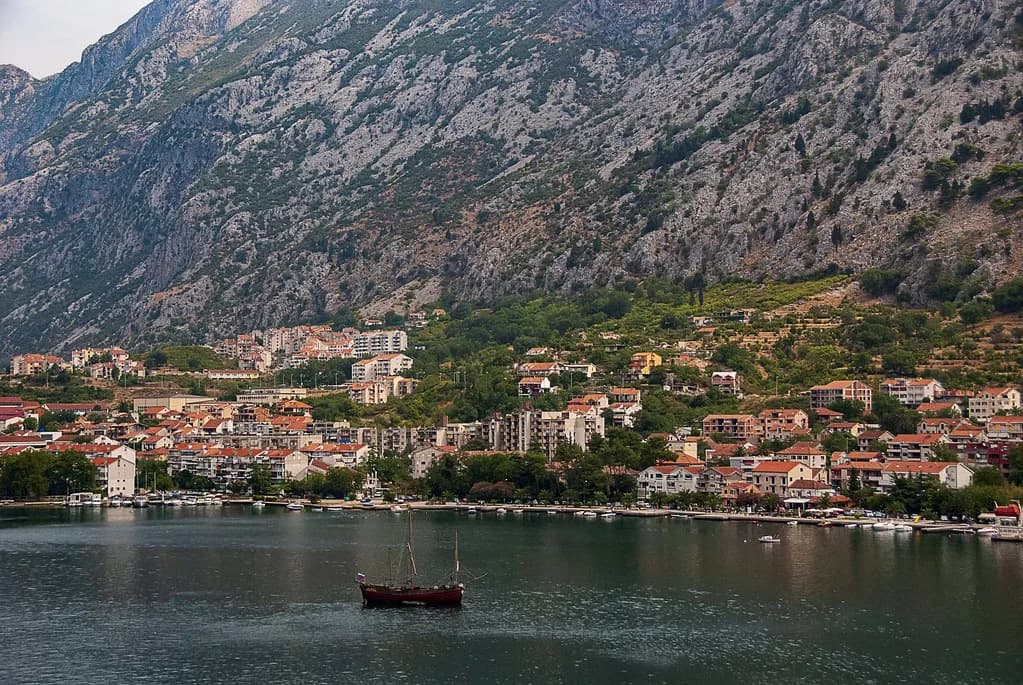
Choose Kotor if you want a walled medieval old town on your doorstep and the best bus links to the rest of the coast. Choose Tivat if you want polished dining, reliable infrastructure and an airport five minutes from your hotel. The two towns sit on the same stretch of the Bay of Kotor, so this is a decision about where you sleep, not which sights you see.
The comparison matters because the trade-offs are sharp. Kotor delivers UNESCO-listed atmosphere but absorbs cruise-ship crowds most mornings from April through October. Tivat delivers Porto Montenegro's marina comforts but a town centre that is modern and unremarkable. Neither is the wrong answer for every traveler; each is wrong for some.
The verdict
Kotor is the practical default and the right base for most first-time visitors to the bay. It has the only UNESCO-listed medieval old town on the Bay of Kotor, the widest spread of accommodation across price brackets, and regular buses to Budva, Tivat and Herceg Novi. If your trip is about seeing the bay's headline sight without a car, sleep here.
Tivat is the better base when comfort beats atmosphere. Porto Montenegro brings genuinely good restaurants, a spa, luxury brands, fast WiFi and what the same comparison calls the best gym in Montenegro. The airport sits a five-minute drive from the marina, so arrival day costs you almost nothing in transfer time.
Think of it as a sleep-base choice, not an either/or. All four main bay towns lie within 50 km of each other on a single coastal road, so you can stay in one and day-trip to the others. The town you pick shapes noise, parking, dining and boat access more than it limits what you see.
Kotor vs Tivat at a glance
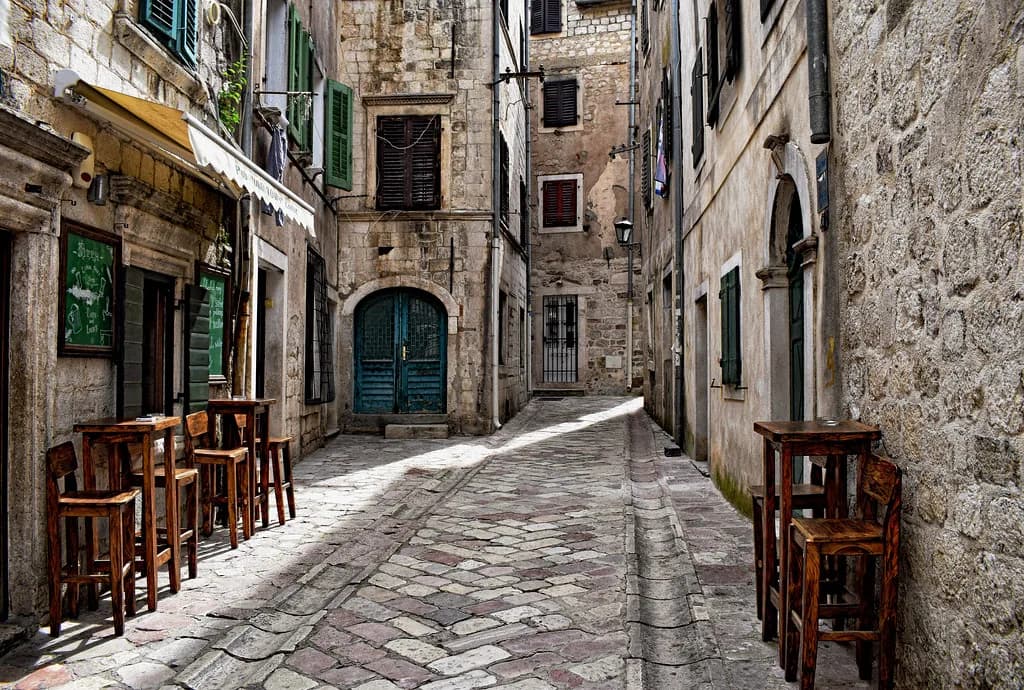
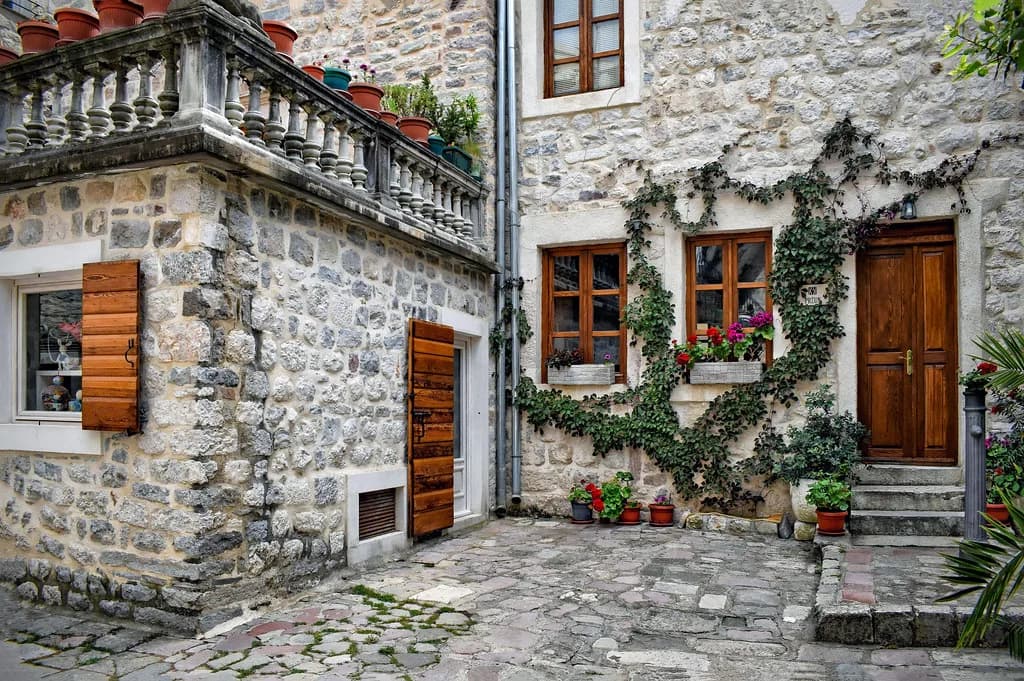
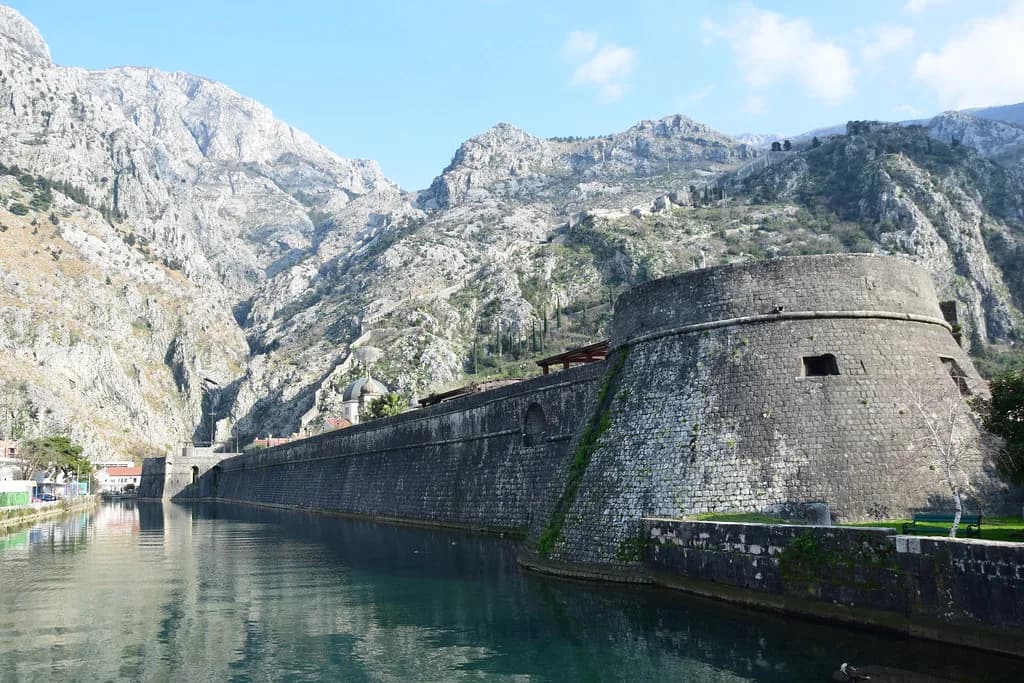
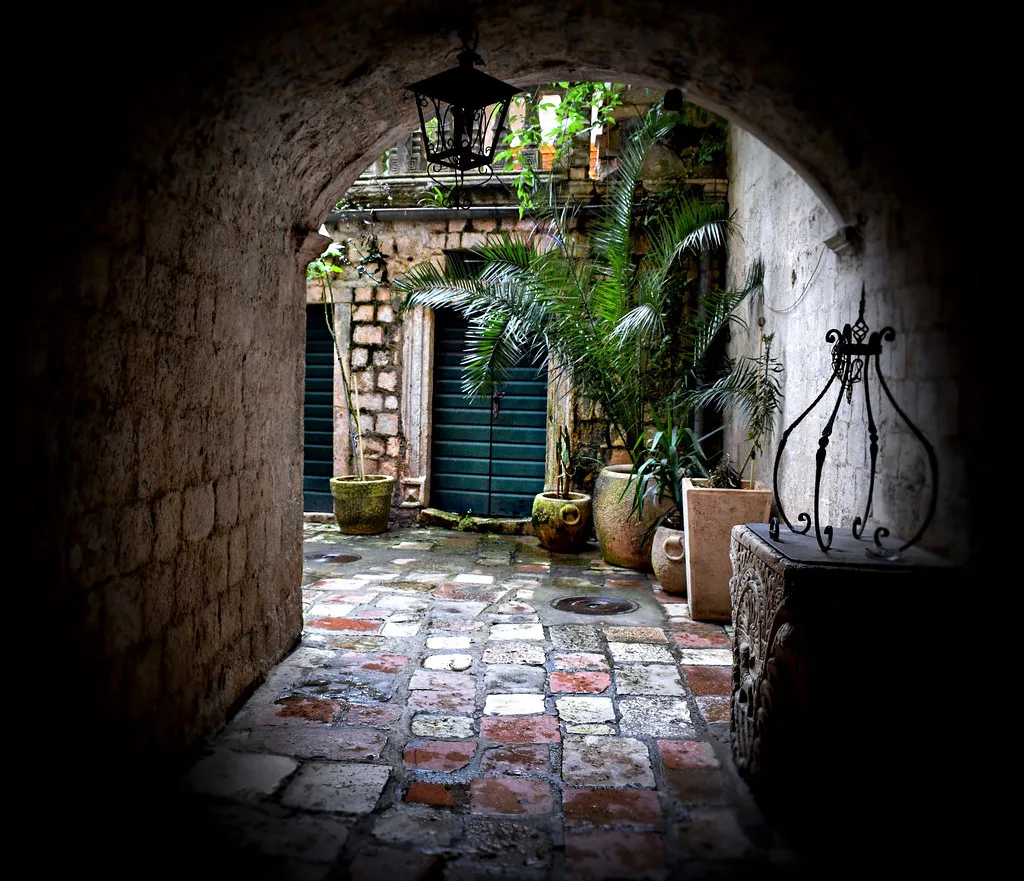
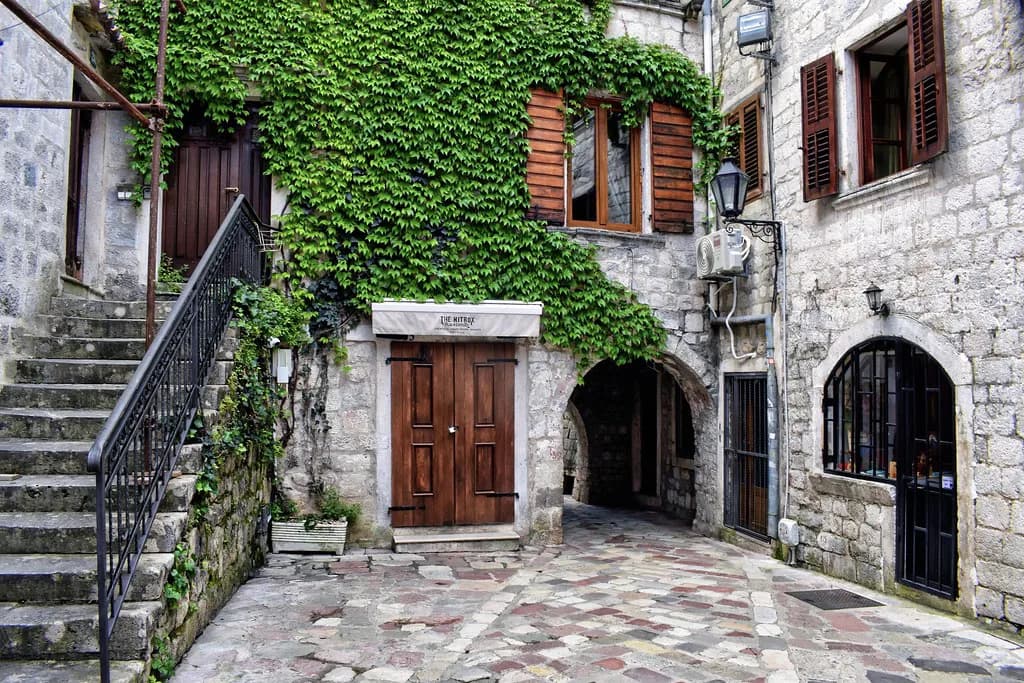
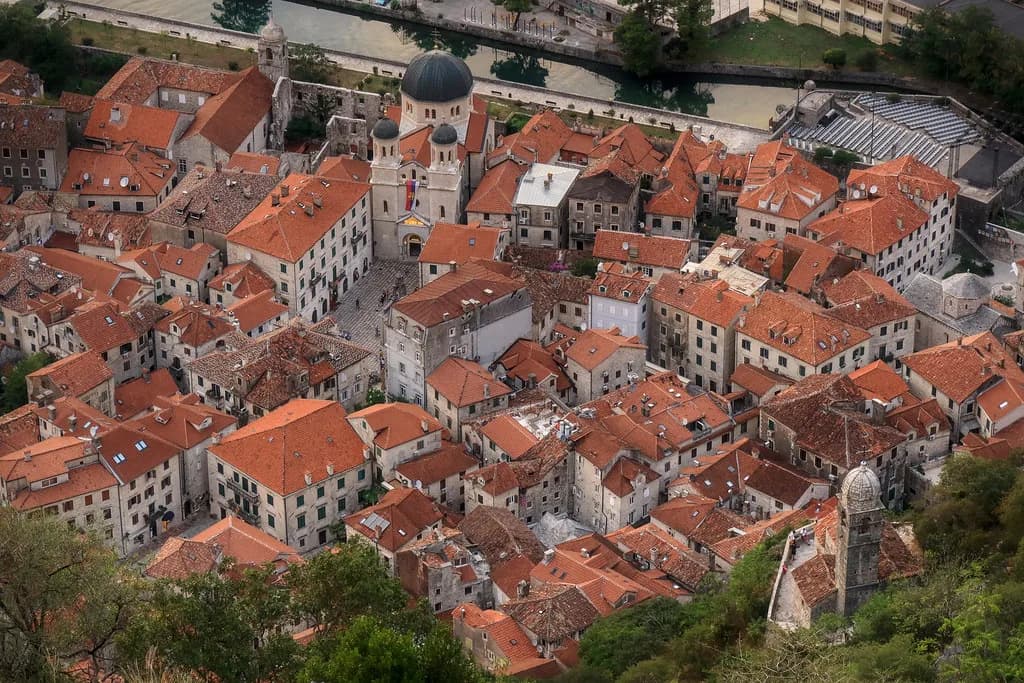
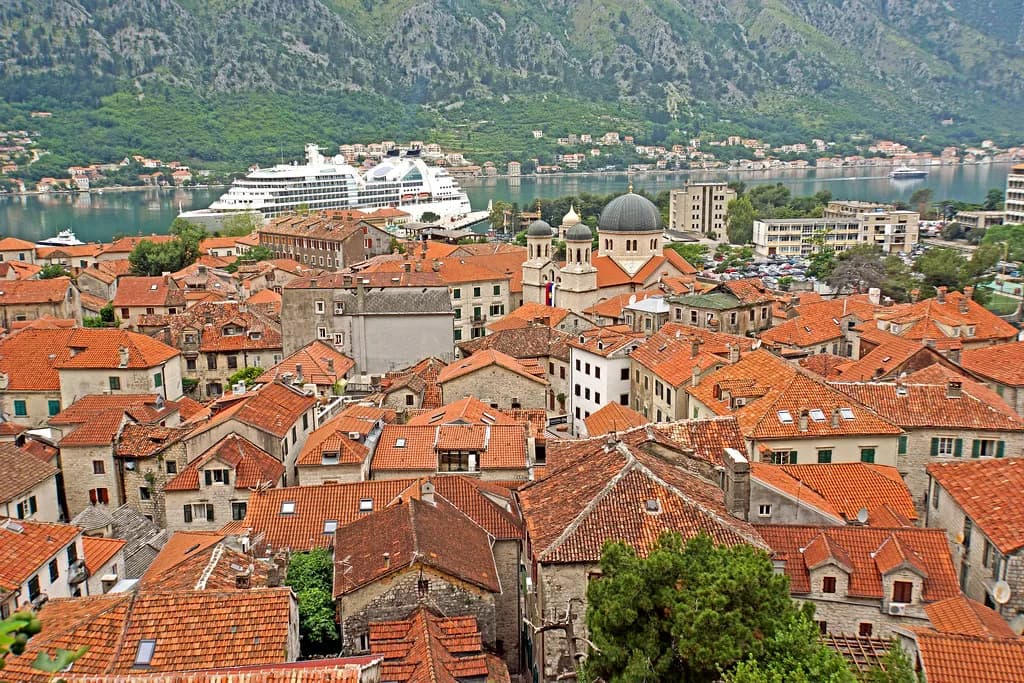
On character, Kotor wins clearly: a compact old town of Venetian-era alleys, squares and St. Tryphon Cathedral behind massive walls. Tivat's centre is functional rather than beautiful, and its appeal concentrates around the marina development rather than the historic core.
On crowds, Tivat is calmer. Kotor takes cruise traffic most mornings from April through October, and its old town can feel like a theme park between 10 am and 4 pm in July. Tivat sees far less of that saturation because the ships call at Kotor.
On transport, Kotor has the edge for car-free travel with regular buses to Budva, Tivat and Herceg Novi, while Tivat has the edge for flying in, with the airport five minutes from the marina and good road links to Kotor and Budva. On price level, Kotor spreads from budget rooms to boutique stays inside the walls, while Tivat's marina side runs toward the polished, upmarket end.
Kotor: the old town, the walls and what earns the hype
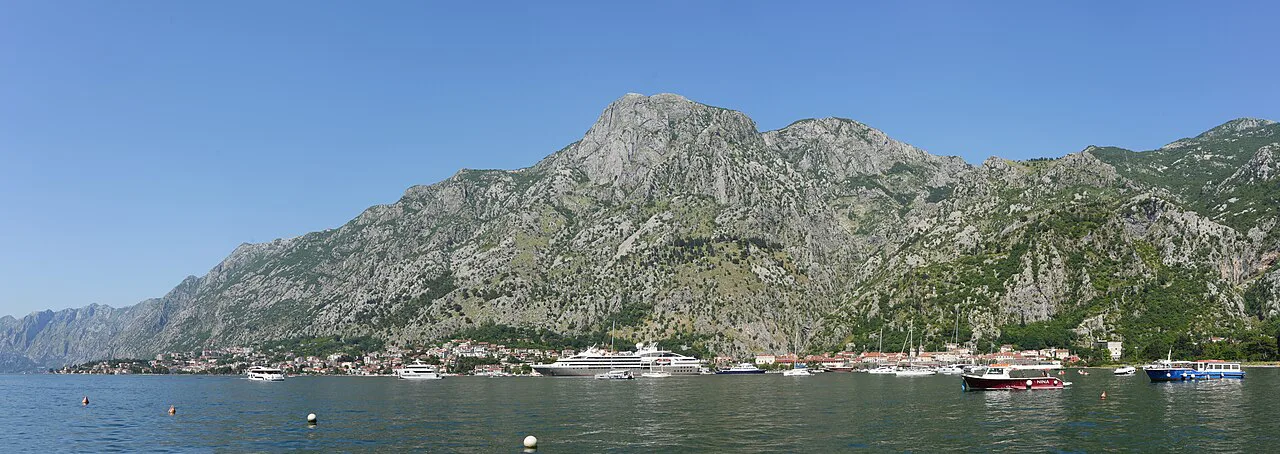
Kotor Old Town is the reason the town carries its UNESCO listing, and it rewards an early start. Walk the marble lanes to St. Tryphon Cathedral, then climb the city walls for the view over the bay's inner folds. The walls are the single best thing to do here, and they are steep enough that you want cool hours and water.
Location is straightforward: Kotor sits about 90 km from Podgorica, with the nearest airports at Podgorica and Tivat. That makes it a realistic base for both arrivals and a wider Montenegro loop. Our guide to how to get to Kotor covers the approaches in detail.
Book inside the walls for atmosphere or just outside for quiet. The trade-off is real: inside means steps, noise and no parking, outside means a short walk in exchange for calmer nights. Neither choice ruins the trip.
Kotor's drawbacks
Cruise ships dock in Kotor most mornings from April through October, and the old town narrows badly when they unload. If you are sensitive to crowds, plan your old-town time before 10 am or after 4 pm in high summer, and use the middle of the day for the walls, a boat trip or a drive.
Parking inside the walls is nearly impossible. Use the main lot by the sea gate and walk in rather than circling the lanes. This one detail decides whether a rental car is a pleasure or a daily irritation in Kotor.
Summer weather adds to the pressure: the bay is hot and bright in July and August, which pushes everyone into the same shaded lanes at the same hours. Shoulder months ease both the heat and the ship traffic.
Tivat: Porto Montenegro and the modern side of the bay
Tivat's pull is Porto Montenegro, the superyacht marina developed in the 2010s. It concentrates good restaurants, a spa, luxury retail and dependable infrastructure — fast WiFi, working air conditioning, easy taxis — in a small, walkable waterfront. For a traveler who values polish over authenticity, it is the most functional base on the bay.
The location works for day trips. Road links to Kotor take about 20 minutes and to Budva about 25 minutes, so the old town, the beaches and the coast are all easy from a Tivat hotel. Tivat Airport is a five-minute drive from the marina, with no transfer required.
Remote workers do particularly well here. Reliable connectivity, a gym and a cluster of cafés with laptop-friendly seating are the practical reasons digital nomads gravitate to Tivat rather than Kotor's car-free lanes.
Tivat's drawbacks
The town centre is modern and unremarkable. If your mental picture of Montenegro involves stone lanes and Venetian walls, Tivat's ordinary streets will disappoint, and you will spend your evenings driving to Kotor or Perast for the atmosphere you came for.
Tivat trades charm for convenience, which is a fair deal only if you actually use the convenience. A traveler who wants to wander out of a hotel into history should pick Kotor; a traveler who wants a calm marina dinner and an early flight should pick Tivat.
Days and crowds in Kotor Old Town
Kotor Old Town between 10 am and 4 pm in July is the crunch point, when ship excursions and day-trippers overlap in the narrowest lanes. Plan the walls or a boat trip for that window and keep the old town for early morning and evening.
One day covers Kotor's headline sights; two gives you the walls without rushing plus a bay excursion. Our guide to how many days in Kotor lays out what a short stay realistically fits.
Anyone basing in Tivat should still give Kotor a full morning and evening rather than squeezing it into a midday stop. The town rewards the hours when the ships have gone.
Getting there and getting between them
Tivat Airport is the closest arrival point to both towns, and the marina is a five-minute drive from the terminal. Kotor sits about 90 km from Podgorica, with Podgorica and Tivat as the nearest airports, so the capital's airport suits a wider Montenegro itinerary rather than a bay-only trip.
Between the towns, the coastal road is the only practical link, and Kotor has regular buses to Budva, Tivat and Herceg Novi. Tivat has excellent road links to Kotor in about 20 minutes and Budva in about 25. Without a car, base in Kotor and take the bus; with a car, either works.
Our guide to how to get to Kotor covers the airport and overland options in more depth if you are weighing arrival routes. The short version: fly into Tivat for the bay, Podgorica for the mountains and the interior.
Weather and when each base works best
The bay runs hot and dry through July and August, when both towns fill and prices climb. Late spring and early autumn are the sweet spots: warm enough for the water, cool enough to climb the walls at midday.
Herceg Novi, at the mouth of the bay, is the sunniest town in Montenegro by meteorological data, with 270 days of sunshine a year. If sunshine is your priority, that figure is worth knowing when you compare bases.
Shoulder-season stays change the Kotor calculation. Kotor in May and Kotor in October both give you the old town with far thinner crowds, while Kotor in April and Kotor in June suit travelers who want green hills and long daylight.
Kotor in September keeps the sea warm while the ship schedule starts to thin, which makes it a strong month for a base in the old town. Tivat, with its indoor comforts, holds up better in cooler or wetter weather than a stone-walled Kotor room.
Typical costs
Kotor offers the widest accommodation range on the bay, from budget rooms to boutique stays inside the walls, which makes it easier to match a nightly rate to your budget. Tivat's marina side skews upmarket, with polished hotels and marina-front dining that push the price level higher.
Both towns use the euro, so there is no currency friction between them. Food and drink in Kotor's old town carry a location premium, while Tivat's marina does the same; ordinary streets in either town cost less than the postcard frontage.
To sanity-check what a Kotor-based trip actually adds up to, our Kotor costs guide walks through the everyday costs. Treat any figure you see quoted for hotels as seasonal, since rates move with the summer crush.
Who should choose Kotor, and who should choose Tivat
Choose Kotor for a first Montenegro trip, for couples who want atmosphere at night, and for anyone traveling without a car who needs buses to Budva, Tivat and Herceg Novi. Choose Tivat for digital nomads, luxury travelers, families who value pool-and-marina convenience, and anyone on a tight arrival schedule.
Backpackers do better in Kotor's wider budget stock than in Tivat's marina-facing hotels. Families have a genuine dilemma: Herceg Novi beats both for calm beaches and a local feel, while Tivat's infrastructure suits families who want easy logistics.
If you are also weighing the coast's other big name, our Kotor vs Dubrovnik comparison puts the two walled cities side by side. Within Montenegro, Kotor vs Budva covers the beaches-and-nightlife alternative.
Other bay bases worth considering
Perast, 12 km up the inner bay from Kotor, is a tiny baroque village of 17th-century palaces with almost no cars in its core. The island church of Our Lady of the Rocks sits 200 m offshore, and you wave down a passing boat for a 5 € return crossing. It is one of the most romantic places in the Adriatic, but dining is limited to two or three good restaurants and there is no real public transport.
Perast works for couples on a slow-travel trip with a rental car; it does not work for families or backpackers, who will pay for taxis constantly. Herceg Novi anchors the mouth of the bay, 50 km from Dubrovnik, with calmer beaches, a good market and a broader mid-market accommodation spread.
Tivat's own role in a wider Balkan itinerary is worth noting: Dubrovnik is a realistic day trip from the bay's western edge. Our Bay of Kotor coverage ties these threads together if you plan to move around.
Final verdict by traveler type
First-timers, car-free travelers and anyone who wants medieval walls outside the door: base in Kotor, sleep inside the walls for atmosphere or just outside for quiet, and plan around the ship crowds. Digital nomads, luxury travelers and anyone flying into Tivat on a late arrival: base in Tivat for the marina, the infrastructure and the five-minute airport hop. If you are comparing Balkan bases more widely, our verdict on whether Albania is worth visiting weighs a different stretch of coast against similar trade-offs.
Couples after romance should look at Perast, families at Herceg Novi, and backpackers at Kotor's budget stock. Whichever you choose, treat the bay as one place — the coastal road puts every town within a short drive, so your base shapes your evenings, not your itinerary.
One last practical note: the two towns use the euro, and Montenegro's official government travel pages are the place to confirm entry formalities before you book flights.
Frequently Asked Questions
What's better, Kotor or Tivat?
Neither is better in the abstract. Kotor gives you a UNESCO-listed medieval old town, the best bus links on the bay and a wide accommodation range, at the cost of cruise-ship crowds most mornings from April through October. Tivat gives you Porto Montenegro's restaurants, spa and reliable infrastructure with the airport five minutes from the marina, at the cost of a modern, unremarkable town centre. Pick Kotor for atmosphere and car-free travel, Tivat for comfort and convenience.
How close is Tivat Airport to Kotor?
Tivat Airport is the closest arrival point to the bay, with the marina a five-minute drive from the terminal. Kotor lies about 90 km from Podgorica, with Podgorica and Tivat as its nearest airports. Expect a short road transfer from Tivat and a much longer one from Podgorica.
Is Kotor or Tivat better for families?
Tivat suits families who want easy logistics, marina dining and a short airport transfer, while Kotor's stone lanes, steps and daily ship crowds are harder with small children. Herceg Novi, at the mouth of the bay, beats both for calmer beaches, a good market and a broader range of mid-market accommodation.
Should you stay in Kotor or Tivat without a car?
Stay in Kotor. It has regular buses to Budva, Tivat and Herceg Novi, and everything in the old town is walkable, while Perast and other small bay bases have no real public transport and leave you dependent on taxis. Tivat works without a car too, but its draw is the marina rather than the historic core.
Is Kotor crowded with cruise ships?
Yes, on most mornings from April through October, and Kotor Old Town between 10 am and 4 pm in July can feel more like a theme park than a medieval city. Plan your old-town wandering for early morning or evening, and use the middle of the day for the city walls or a boat trip.
How many days do you need in Kotor?
One day covers the old town and the cathedral; two let you climb the city walls without rushing and take a bay excursion. Add a third if you want a day trip to Perast, Budva or Herceg Novi. If you are basing in Tivat, give Kotor a full morning plus an evening instead of a midday stop.
Can you base in one town and visit the other?
Yes. All four main bay towns sit within 50 km of each other on a single coastal road, and the drive between Kotor and Tivat takes about 20 minutes. Your base shapes noise, parking, dining and boat access rather than limiting what you see.
What currency is used in Kotor and Tivat?
Montenegro uses the euro, so both Kotor and Tivat run on the same currency and you avoid exchange friction if you move between them. Kotor's old town and Tivat's marina both carry a location premium for food and drink, while ordinary streets in either town cost less.
Sources
Trip-decision notes
Optional updates when we publish or revise a destination verdict.
You might also like
Continue reading
More guides you'll find useful