Best Places to Visit in Kosovo: 12 Worth-the-Trip Stops
The best places to visit in Kosovo, from Pristina and Prizren to Gračanica and the Rugova Mountains, with why each earns your days and what to skip.
On this page
Kosovo is worth visiting if you want Ottoman-era towns, a young café city and mountain scenery without Croatia's crowds or prices — and it is the wrong choice if you want a beach resort or polished five-star polish. The country is small enough that two anchor cities plus day trips cover most of what draws travelers.
The logic that shapes every itinerary here is simple: Pristina and Prizren carry the town time, Gračanica and Peja fill in the history, and the Rugova Mountains provide the outdoors answer. Kosovo uses the euro, which removes a layer of currency hassle for anyone arriving from Montenegro or the eurozone.
The verdict
Prizren outranks Pristina for most travelers on pure atmosphere — an old Ottoman core, a hilltop fortress and stone streets that reward slow wandering. Pristina wins as a base because the capital's buses, cafés and day-trip access put the rest of the country within reach.
Plan for a Pristina base of two nights, one night in Prizren and a night or two in the west if you want mountain walking. Anyone expecting blockbuster monuments should adjust expectations: Kosovo's appeal is atmosphere, café culture and landscapes rather than a checklist of great sights.
How to think about a Kosovo trip
The country is compact, so day trips do much of the work. From Pristina, Gračanica Monastery is roughly 15 minutes away by bus, and Prizren is about a two-hour bus ride — long enough that a day trip spends a fair chunk of time on the road.
Build the trip around two clusters: the capital and its nearby monastery, then Prizren and the western towns of Peja and Gjakova. If your days are tight, one anchor city plus two day trips beats trying to tick off every town.
Pristina
Start at the Newborn monument, unveiled in 2008 to mark independence and repainted regularly with new themes, then walk the pedestrian Mother Teresa Boulevard where the city strolls after sundown. The National Library of Kosovo, with its lattice of metal and glass, divides opinion but is free to peek inside.
Two curiosities set Pristina apart: the Bill Clinton statue on the boulevard named after him, and the nearby Hillary store selling ladies' formalwear. The unfinished Serbian Orthodox Church of Christ the Savior, begun in 1992 and interrupted by the war, stands as a shell near the campus.
Mother Teresa Cathedral is Catholic, consecrated only in 2017, and its tower elevator costs €1 for a city view that justifies the ride. The Kosovo Museum holds prehistoric objects and war-era exhibits, with most labels in Albanian, so go for the objects rather than the text.
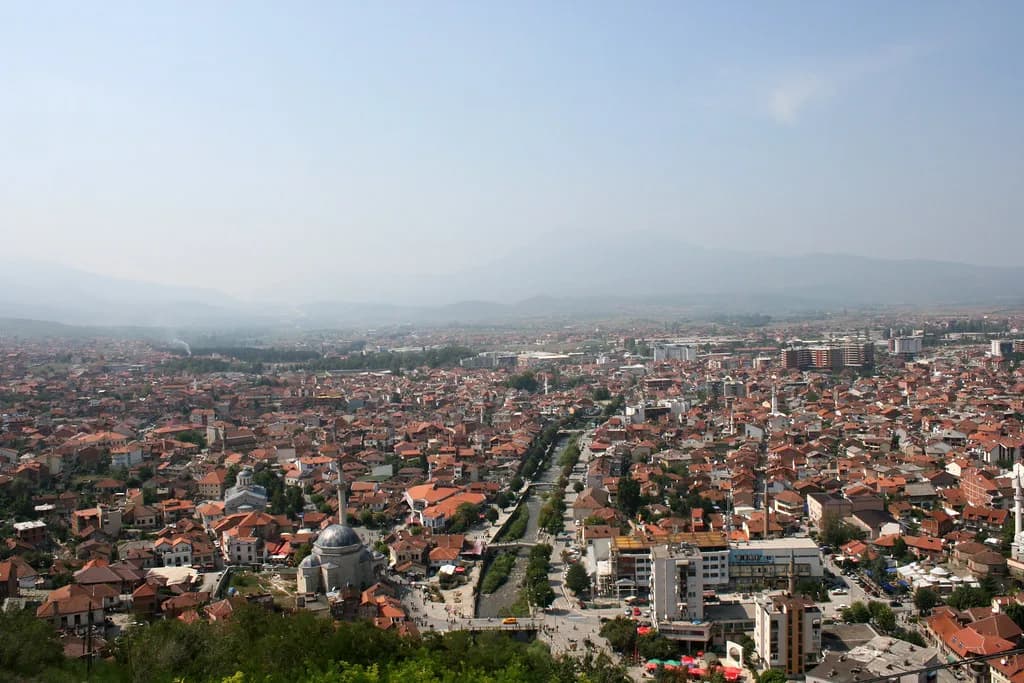
The historic core is small but worth an hour: Jashar Pasha's Mosque sits across from the Kosovo Museum, near a 19th-century clocktower and the Ethnographic Museum. Pristina's café scene is the real draw, and an afternoon on a terrace is a legitimate use of your time here.
Prizren
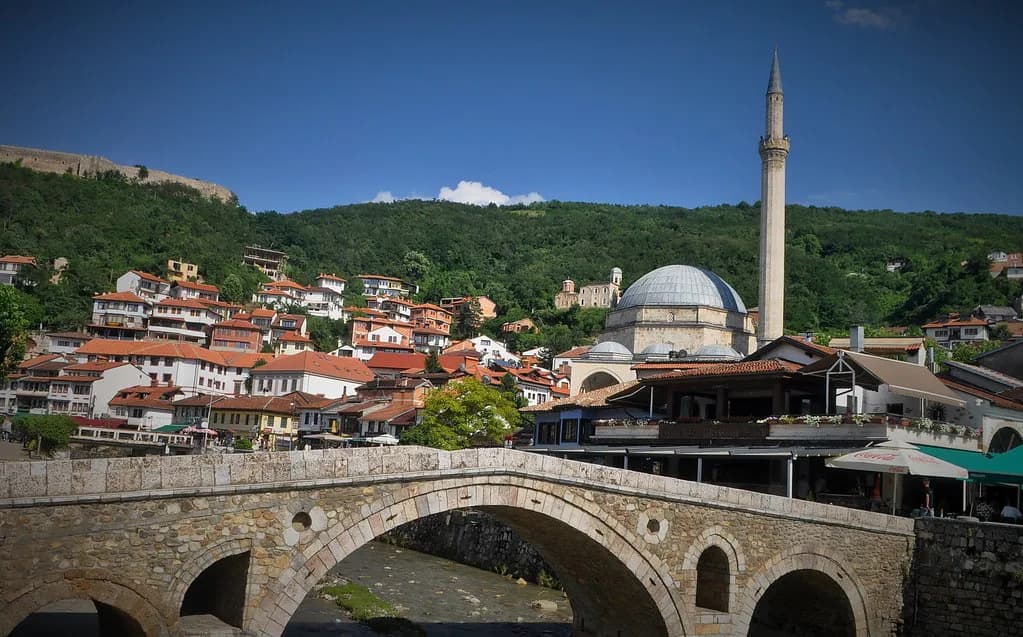
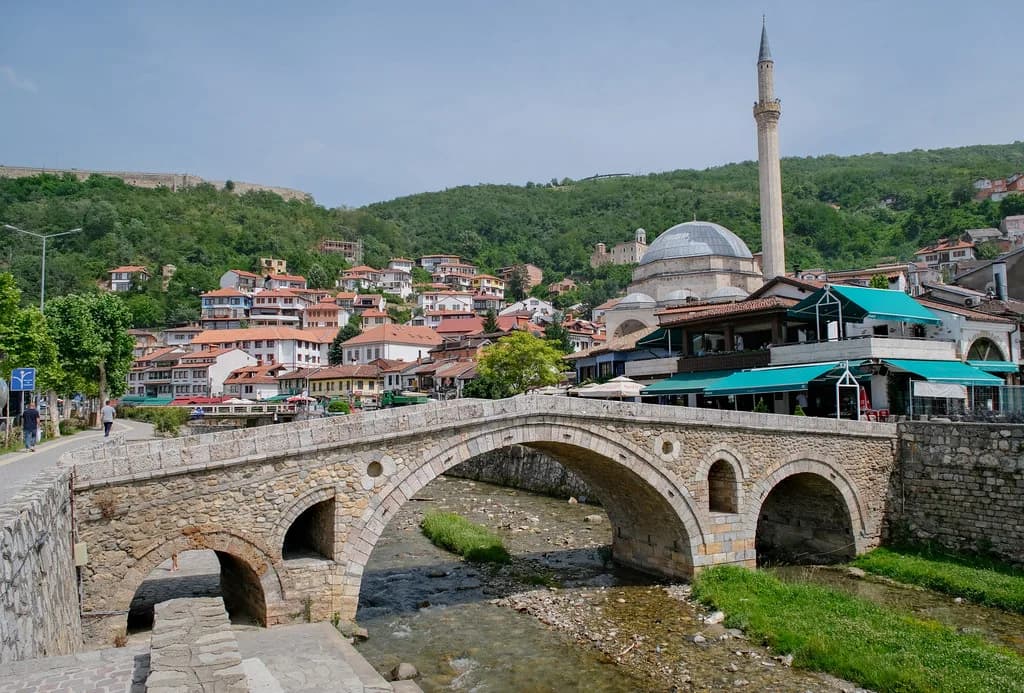
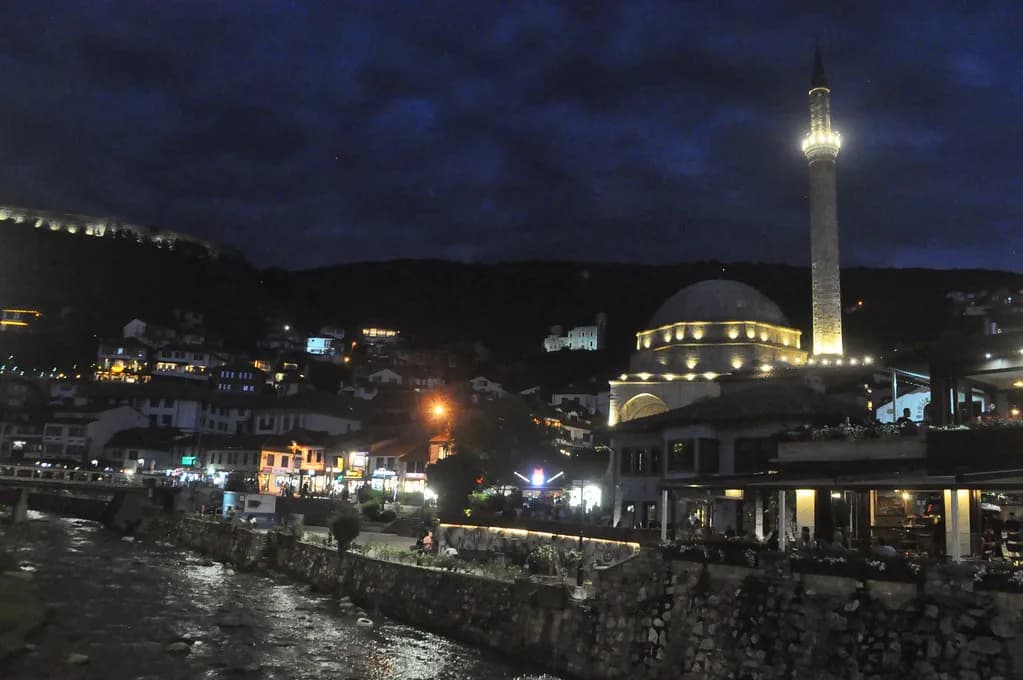
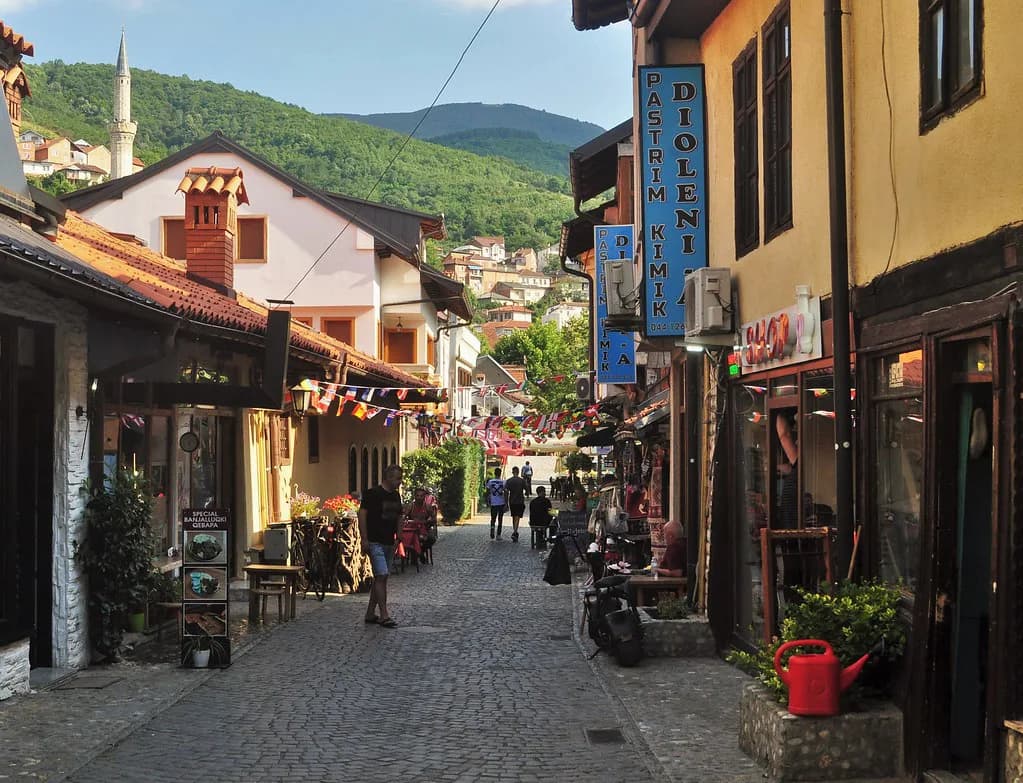
Prizren is the reason many travelers rate Kosovo above its capital: an old Ottoman town of mosques, churches and cobbled lanes beneath a fortress with sweeping views. Where Pristina is new, Prizren is layered, and the contrast is the point of putting both on the itinerary.
The two-hour bus ride from Pristina shapes how you fit it in. A day trip works but leaves little slack, so a night in Prizren lets you see the fortress in softer evening light and the bazaar without rushing back for a bus.
Gračanica Monastery
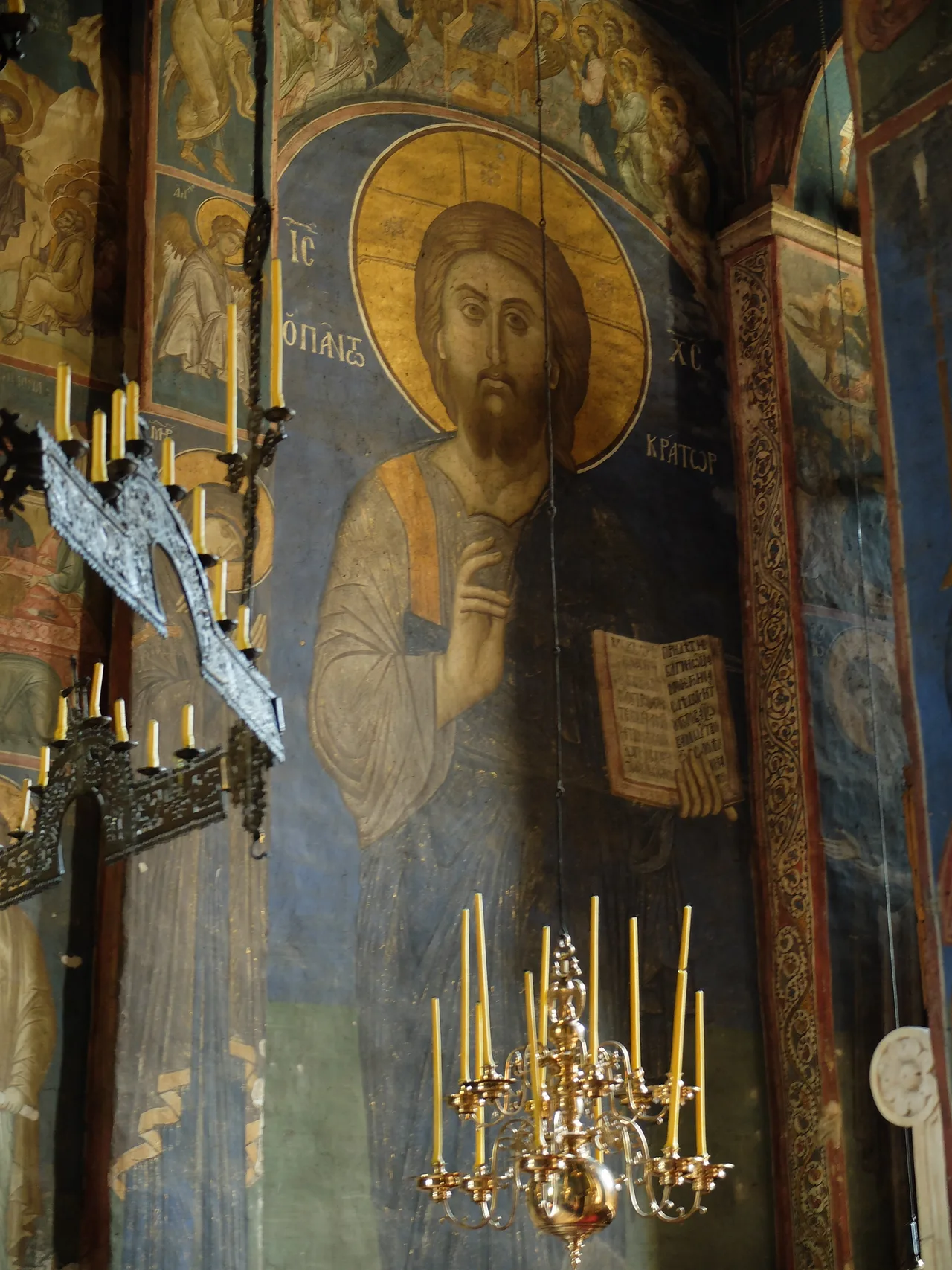
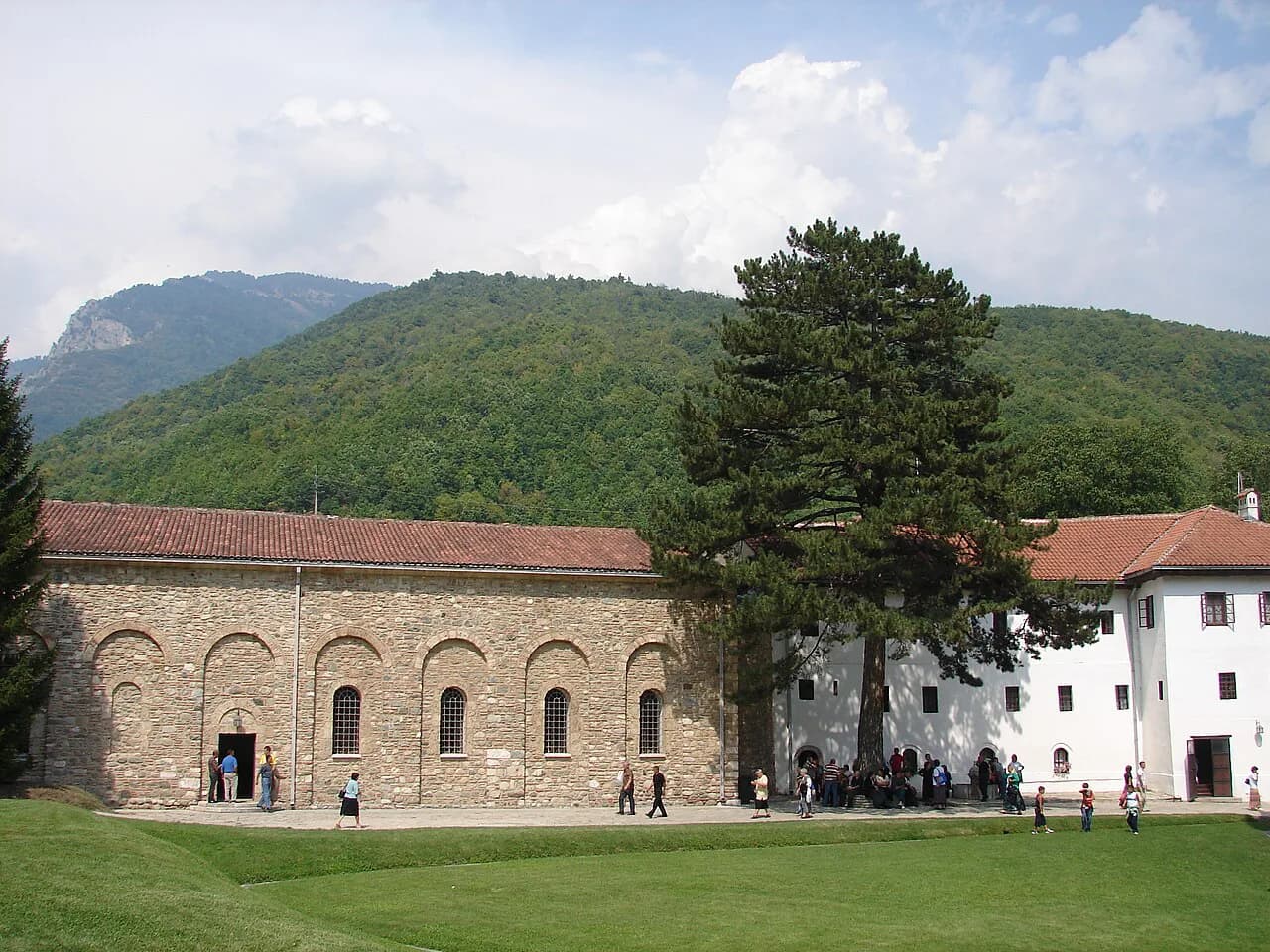
Gračanica Monastery sits in a Serb-majority town about 15 minutes by bus from Pristina, and it is one of the four religious monuments that make up a UNESCO World Heritage Site in Kosovo. The change of atmosphere from the capital is immediate, down to shops pricing some goods in Serbian dinars.
The visit is short and contemplative rather than a full day out, so pair it with an afternoon back in Pristina. Expect barbed wire around the complex, and note that passports are no longer handed over at the gate.
The Rugova Mountains and Peja
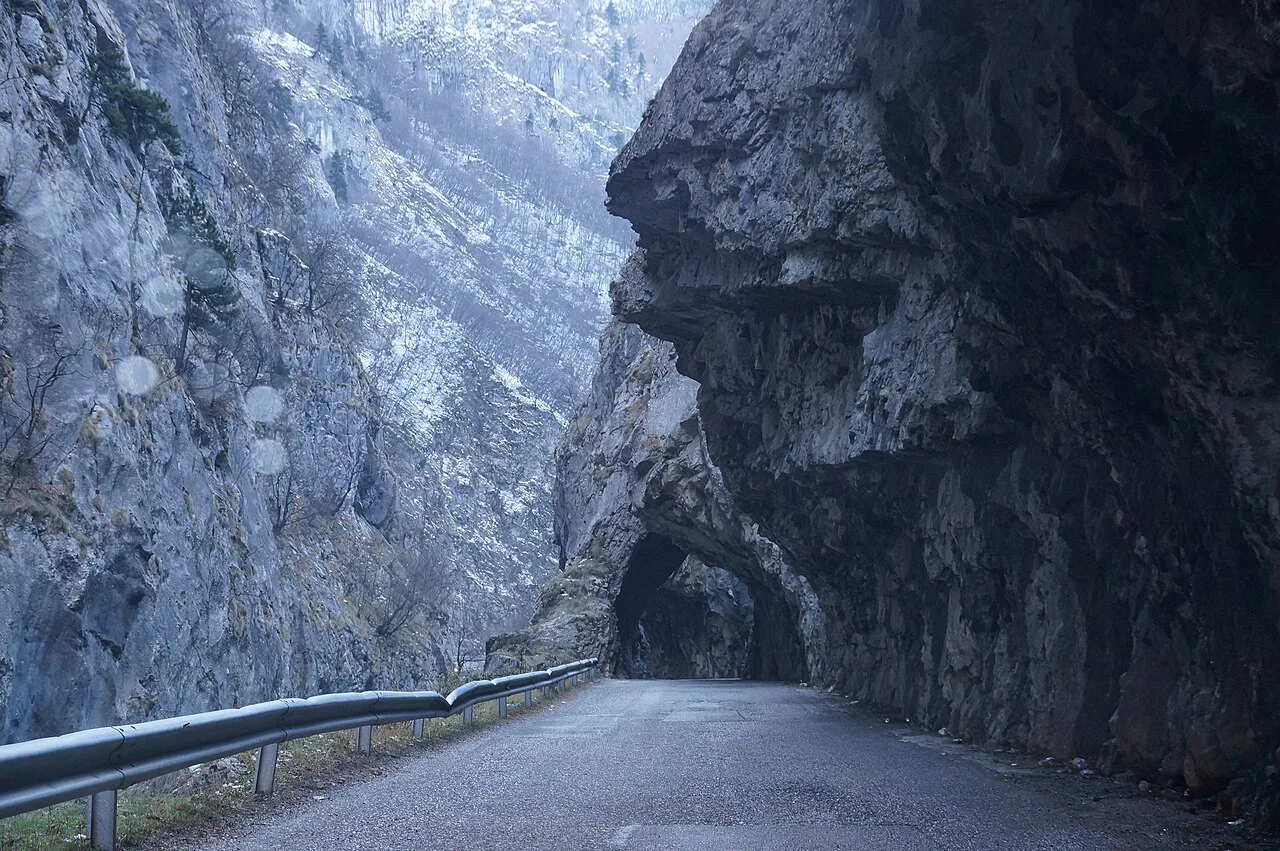
Western Kosovo is where the trip answers the outdoors question. The Rugova Mountains above Peja offer trekking and mountain scenery, and Lonely Planet flags the Rugova range among Kosovo's top draws alongside Prizren's Ottoman architecture.
Base yourself in Peja and treat the mountains as day walks rather than a multi-day expedition unless you have the gear and time. Cell coverage thins out in the valleys, so sort out a Kosovo eSIM before you leave the capital rather than relying on finding a shop in the hills.
Peja Bazaar and the Patriarchate of Peć
Peja's bazaar is an Ottoman-era market street that works well as a half-day add-on before or after mountain time. It appears among Kosovo's headline attractions alongside Prizren Fortress, and the town is the natural gateway to the Rugova valley.
The Patriarchate of Peć, the Serbian Orthodox seat nearby, adds a serious historical layer to a town that most visitors use purely as a trailhead. Give the west two nights if you want both the bazaar and a proper day in the mountains.
Gjakova and its Grand Bazaar
Gjakova is Prizren's quieter sibling: a compact Ottoman core with a long bazaar street, fewer tour groups and an easier pace. Travelers who find Prizren busy in high season often prefer it for exactly that reason.
It slots naturally between Prizren and Peja on a west-bound route, so treat it as a few-hour stop rather than a base. The trade-off is fewer places to stay and thinner evening options than the bigger towns.
Gjilan, Ferizaj and Mitrovica
These three are mostly pass-through on a sightseeing trip. Ferizaj and Gjilan serve as transport and everyday-service towns on the eastern corridors, and Mitrovica in the north carries more political weight than tourist draw.
If you have extra days, spend them on a second night in Prizren or more mountain time near Peja rather than adding another town. Kosovo rewards depth over a long list of stops.
How many days you need
Four to five days covers the core: two nights in Pristina with a Gračanica half-day, one in Prizren, and the balance in the west. A week lets you add Gjakova, a full hiking day in the Rugova Mountains and a slower café morning in the capital.
Check what a day actually costs before you set the length — Kosovo is inexpensive by Western European standards, but mountain transport and car hire change the math. Our breakdown of whether Kosovo is expensive covers meals, buses and coffee.
Getting around Kosovo
Pristina's city buses cost €0.40, paid on board to the collector after you board, and much of the center is walkable along Mother Teresa Boulevard. Buses may not come to a full stop, so be ready to move.
Between towns, buses are the default, but timetables thin outside the main Pristina–Prizren corridor and rail is limited. A rental car changes what is reachable in the west, particularly around Peja and the mountain villages, at the cost of mountain-road concentration.
Bring the right adapter: Kosovo uses European-style sockets, so a Type C plug or a universal adapter covers your charging needs. Our note on Kosovo plug type spells out what your devices will need.
Where Kosovo fits in a Balkan itinerary
Kosovo pairs naturally with North Macedonia via Skopje, with Albania via Tirana, or with Montenegro via Podgorica, and all three have airports with broader flight options than Pristina. Travelers looping the region often enter from North Macedonia and exit the same way, so it is worth deciding early whether Albania is worth visiting on the same loop.
The Serbia routing question is a practical itinerary constraint rather than a political debate: entering Kosovo and then traveling through Serbia can create problems at the border, so plan your exit deliberately and check your own government's travel page for entry rules once before you book.
Drawbacks
Summers in the Balkans get hot, which pushes city life into the cooler evenings and makes midday walking in Pristina or Prizren a grind. Spring and early autumn are kinder for both towns and mountain trails, and the best time to visit Kosovo depends on whether you prioritize terraces or trails.
Rail is limited and bus timetables outside the main corridors are thin, so a car or patience is required for the west. Sightseeing here leans on atmosphere and everyday life rather than blockbuster monuments, and anyone expecting Dubrovnik-scale showpieces will be underwhelmed.
Prices rise in July and August along the Prizren and Rugova circuits, but Kosovo remains well below Croatian coastal rates. Expect modest entry fees and cheap city transport rather than resort pricing.
Who will love it
Café-and-city travelers will love Pristina's terraces and Prizren's old town, and hikers will find the Rugova Mountains a genuine, uncrowded alternative to the Accursed Mountains across the border. Short-stay Balkan loopers get a compact, inexpensive country that fits neatly between Skopje and Tirana.
Skip Kosovo if you want a beach holiday, a resort with pool service or a rail-based tour of grand monuments — Albania's coast or Montenegro's Bay of Kotor fit those briefs better.
Plan Your Visit
Build the trip around Prizren for atmosphere and Pristina for access, then decide whether the west gets a night for the Rugova Mountains. Book buses between towns early in the day so a thin timetable doesn't eat your afternoon.
Bring euros, a Type C adapter and an unlocked phone with a data plan sorted, and check your government's travel page once for entry rules before booking flights. Kosovo rewards travelers who choose depth over a long list of stops.
Frequently Asked Questions
Is Kosovo worth visiting?
Yes, for travelers who want Ottoman-era towns, a lively café capital and mountain walking at low prices. It is a poor fit for beach holidays or anyone expecting polished resort infrastructure.
Is Pristina or Prizren better to visit?
Prizren has the stronger old-town atmosphere and fortress views, while Pristina works better as a base for day trips, buses and city cafés. Most itineraries benefit from both.
How many days do you need in Kosovo?
Four to five days covers Pristina, Gračanica and Prizren comfortably. A week adds Gjakova and a full hiking day in the Rugova Mountains near Peja.
Can you do a day trip from Pristina to Prizren?
Yes, but the bus takes roughly two hours each way, so a night in Prizren gives you a more relaxed visit. Gračanica Monastery is much closer, about 15 minutes by bus.
What is Pristina known for?
The Newborn monument, the National Library of Kosovo, Mother Teresa Boulevard, the Bill Clinton statue and the unfinished Church of Christ the Savior. Its café culture is the real draw.
How do you get around Kosovo?
City buses in Pristina are paid on board to the fare collector, and intercity buses connect the main towns. Rail is limited and timetables thin outside the Pristina–Prizren corridor, so a car helps in the west.
What currency does Kosovo use?
Kosovo uses the euro, including in Pristina and Prizren. Some shops in Serb-majority areas such as Gračanica price goods in Serbian dinars.
Sources
Trip-decision notes
Optional updates when we publish or revise a destination verdict.
You might also like
Continue reading
More guides you'll find useful