The Best Time to Visit Kosovo: Month-by-Month
Late April to June and September are the best months for Kosovo. Compare monthly temperatures, rainfall, crowds and festival timing before you book.
On this page
Aim for late April to June or September if you want to hike the Accursed Mountains and wander Prizren without wilting. Spring brings wildflowers and pleasant temperatures with snow still capping the peaks, while September keeps the trails workable after the summer heat has broken.
Kosovo is landlocked and continental, so the mountains run cooler than the cities and the summer plateau is genuinely hot. The monthly averages below are typical conditions, not forecasts, and they matter most when you are deciding between an early-season hiking trip and a mid-summer city break. If you are weighing this trip against others in the region, is Serbia worth visiting covers a similar seasonal decision for its own cities and mountains.
The verdict: late April to June and September are the sweet spots
For most travelers, late April through June and the month of September give the best balance of comfortable temperatures, open trails and manageable crowds. April, May and September stay cooler than high summer, which is exactly what you want on Kosovo's walking routes.
If your trip is a city break in Pristina, Prizren or Gjakova with cafés and fortress views, the shoulder months still work well and you avoid the July–August heat. If the mountains are the point, spring and early autumn beat mid-summer on comfort, though spring snow can limit high routes.
Before locking dates around someone else's opinion, weigh whether Kosovo is worth visiting at all against your interests in Ottoman-era towns, Orthodox monasteries and shepherd trails.
What each season actually feels like
Spring arrives cool and green, with daytime highs climbing through the teens and low twenties Celsius, and mountain valleys noticeably chillier than Pristina. Summer is hot and largely dry, with July and August averaging highs around 28°C (82°F), which is pleasant in the evening and punishing at midday on exposed trails.
Autumn cools steadily, rain picks up late in the season and the light softens over the hills around Prizren and the Rahovec Valley vineyards. Winter is cold, with sub-zero nights in the mountains and occasional snow that can make rural roads and high trails impractical.
Kosovo weather by month: highs, lows and rainfall
Monthly averages show January at about -4°C to 4°C (25–39°F) with roughly 25 mm of rain, February at -2°C to 7°C (28–45°F) with 31 mm, and March at 1°C to 12°C (34–54°F) with 38 mm. April warms to 5–17°C (41–63°F) and 49 mm, May to 10–22°C (50–72°F) and 49 mm, and June to 13–26°C (55–79°F) and 44 mm.
July and August both sit at 14–28°C (57–82°F) with 36 mm of rain, the driest stretch of the year. September eases to 10–24°C (50–75°F) with 50 mm, October to 6–18°C (43–64°F) with 56 mm, November to 1–11°C (34–52°F) with 57 mm, and December to -3–5°C (27–41°F) with 35 mm.
Read these as long-run monthly norms rather than a promise for your week; a wet October is still possible and a dry August can still deliver a sharp afternoon storm. Kosovo observes Central European Time and daylight saving from late March to late October, which helps when you plan daylight for hiking.
Spring (April–June): wildflowers, snow on the peaks, cool hiking
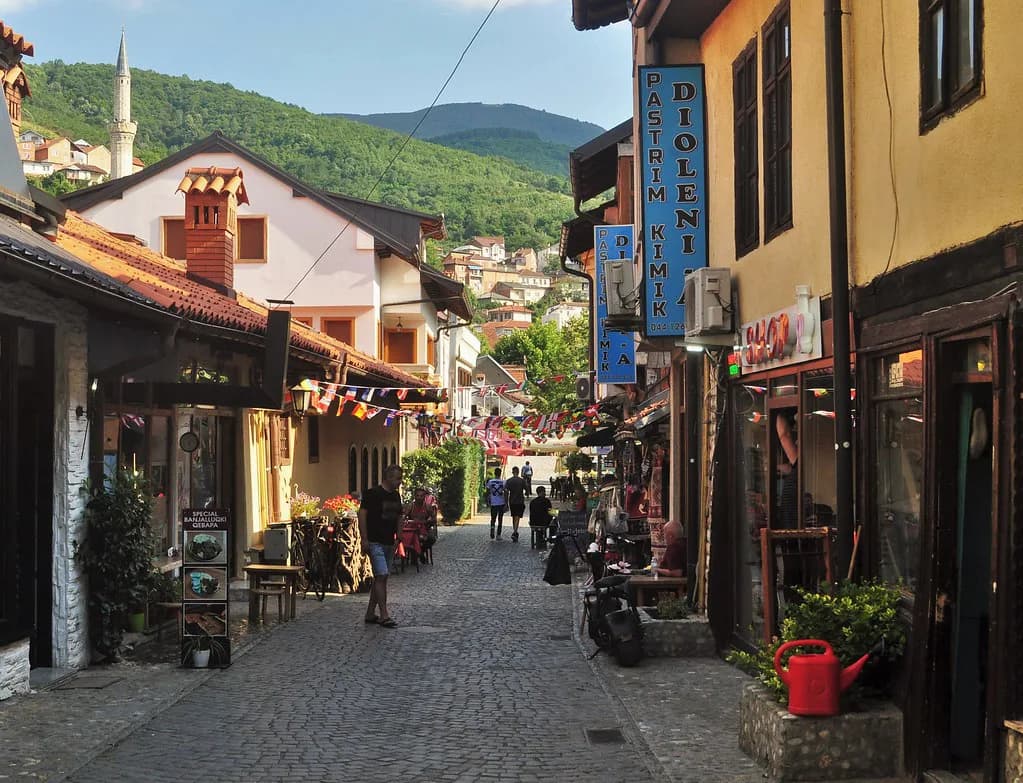
Spring is the season to combine lower-altitude walking with time in Prizren and Gjakova, where the Ottoman-era streets and the Shadervan square come alive without summer's heat. Wildflowers are out and temperatures are pleasant, though snow can linger on the mountaintops and rule out the highest routes early in the season.
Expect changeable weather and carry rain protection for the mountains, where April and May stay notably cooler than the cities. Late May and June are the most reliable spring weeks for a first hiking trip.
Summer (July–August): hot, dry and the busiest months
High summer delivers the most sunshine and the driest conditions, with averages near 28°C (82°F) and 270 sunny days a year across the country. That makes it ideal for early starts on the Mirusha Waterfalls walk or a swim after the trail, and less comfortable for midday sightseeing in Pristina.
It is also the busiest window for domestic and diaspora visitors, so towns and mountain guesthouses fill up and prices sit at their yearly high. If you go, book the mountain villages such as Bogë ahead and hike in the morning rather than the afternoon.
Autumn (September–October): the best hiking window
September is arguably the single best hiking month: highs near 24°C (75°F), cooler nights and trails that have dried out from summer. The Prokletije Mountains, also called the Accursed Mountains, and the shepherds' trails around Bogë are at their most workable now.
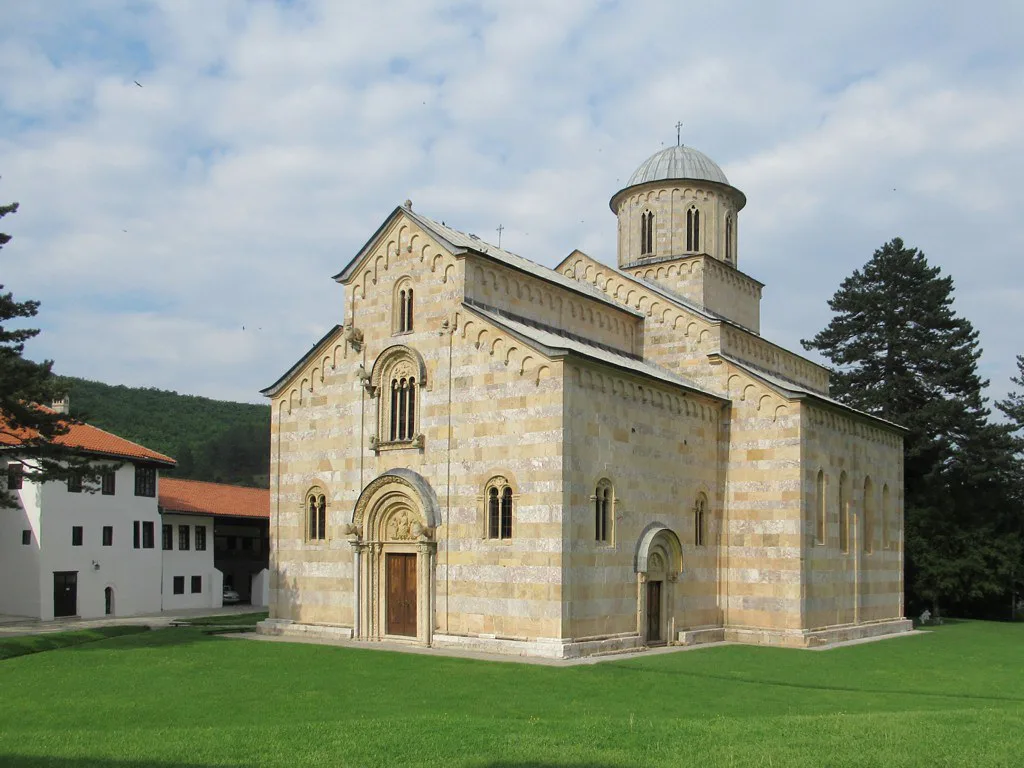
October turns wetter, with around 56 mm of rain and shorter days, so it suits lower walks, monastery visits such as Visoki Dečani and vineyard time in the Rahovec Valley better than high routes. By November the cold sets in and many mountain plans become marginal.
Winter (November–March): cold, snowy and quiet
Winter in Kosovo is cold and quiet, with January lows around -4°C (25°F) and snow possible in the mountains and on rural roads. The upside is empty monasteries, low prices in towns and a local café culture that does not depend on the weather.
Snow can close high trails and slow mountain driving, so treat winter as a city and lowland season rather than a hiking one. If mountains are your priority, this is the window to skip.
When to go for the mountains: Prokletije and the Accursed Mountains trails
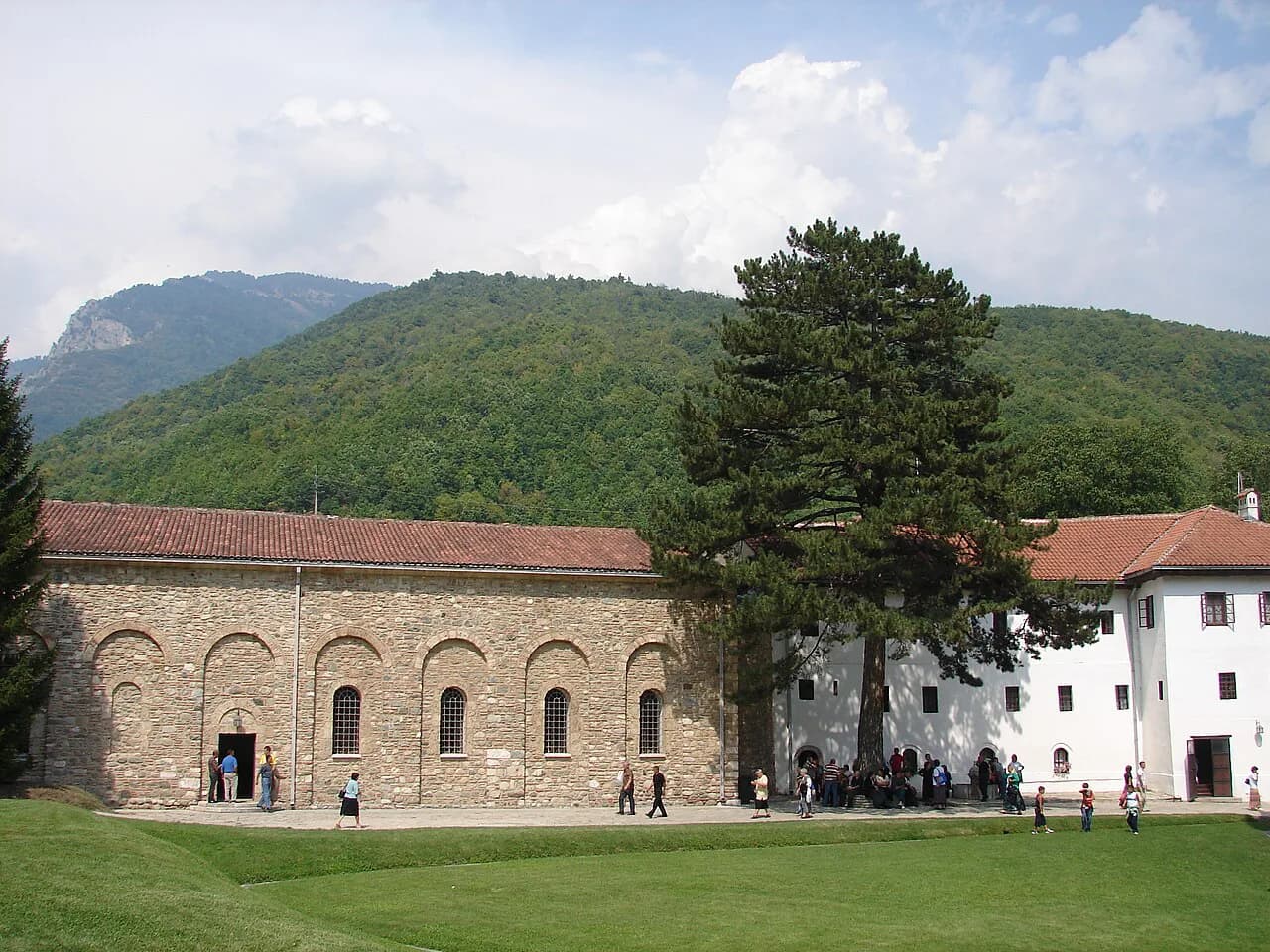
The Accursed Mountains are a countrywide network of old shepherds' trails with few tourists, and Bogë makes a natural base among the peaks. June through September is the realistic hiking window, with June cooler and greener and September drier and clearer after the summer.
Spring snow on the highest ground can push ambitious routes back by weeks, and autumn rain can arrive early, so plan the high passes for July to mid-September and keep earlier or later trips to lower valleys. For a route that fits your dates, a Kosovo itinerary helps sequence the mountain days with the cities.
When to go for Pristina, Prizren and Gjakova
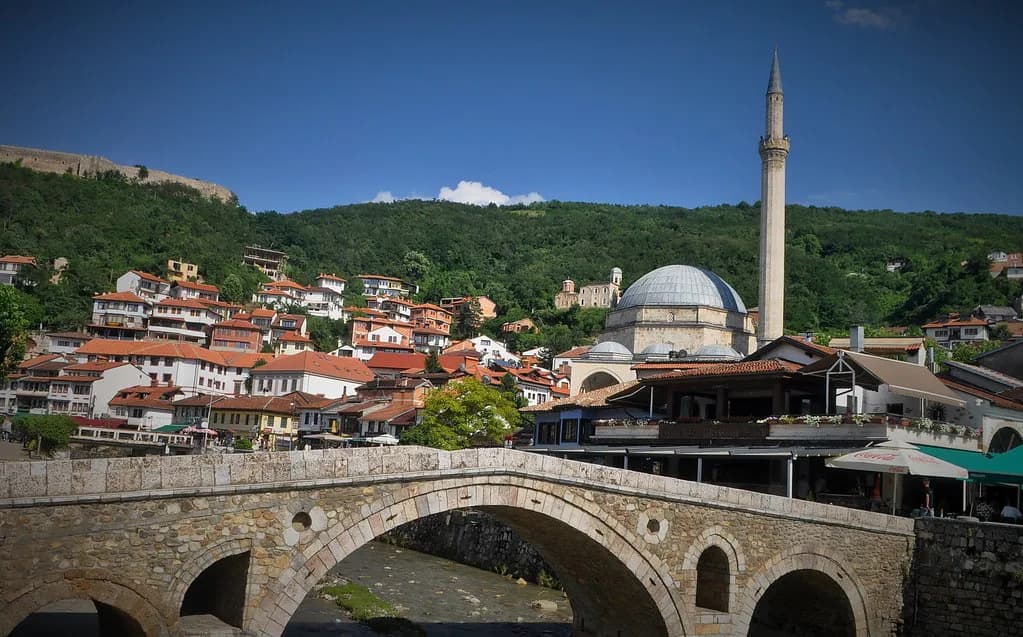
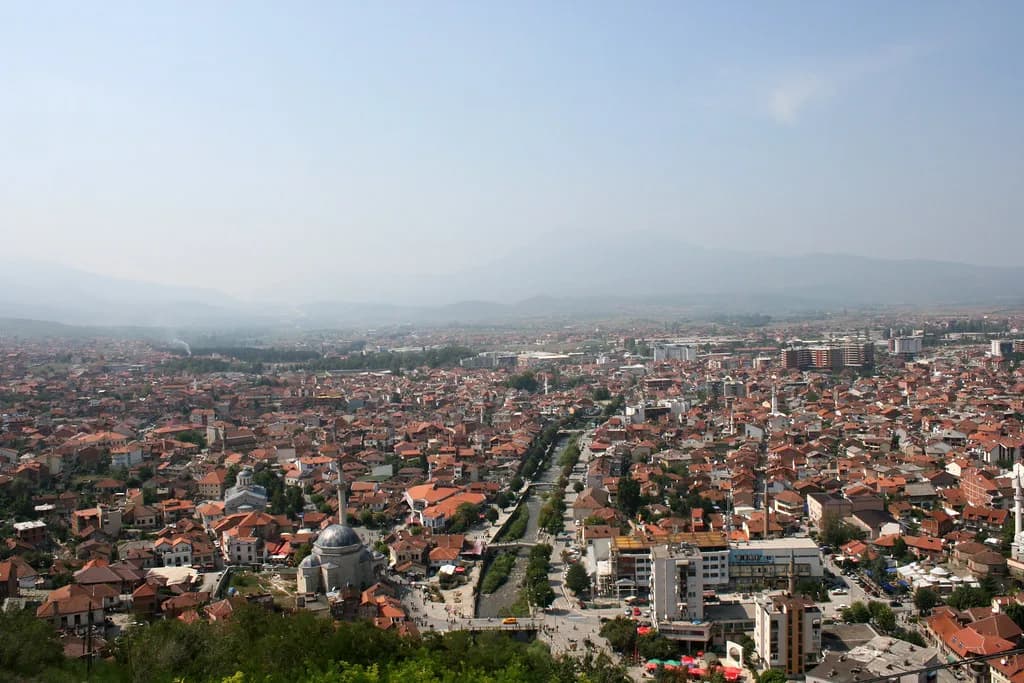
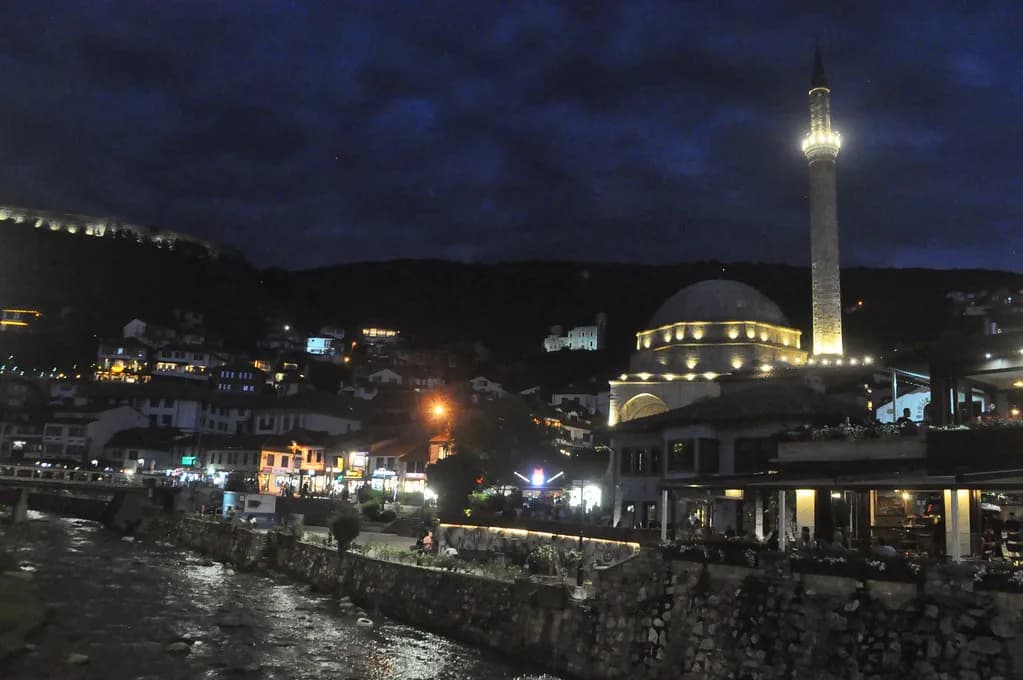
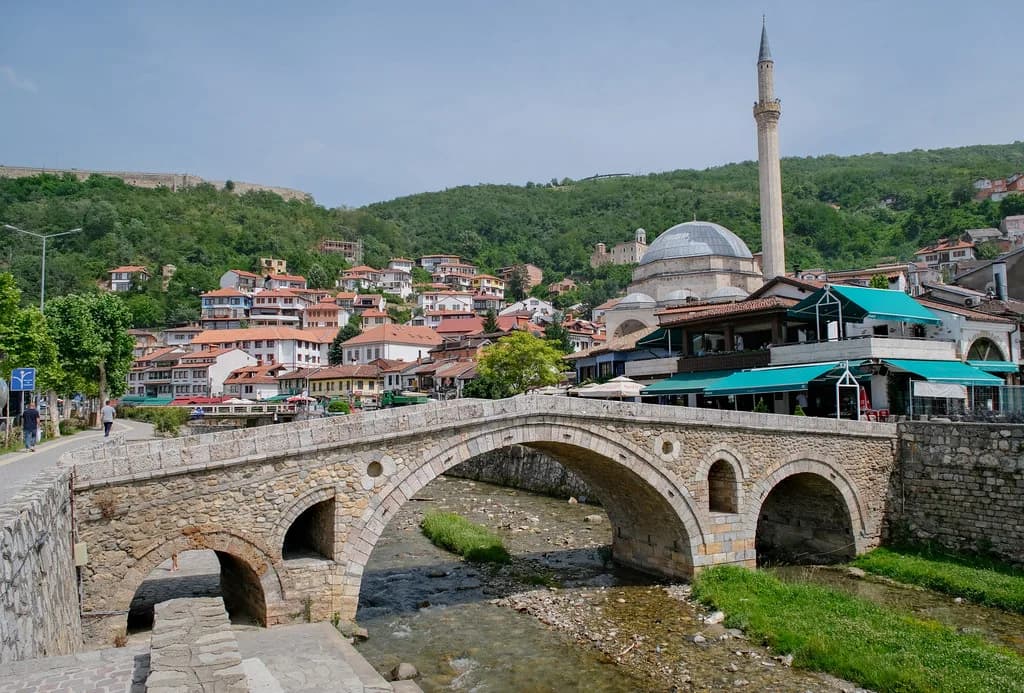
Pristina's café scene, Prizren's fortress and Shadervan square and Gjakova's old bazaar all work from April to October, with May, June and September the most comfortable for walking between sights. July and August are hot in the cities, so shift sightseeing to mornings and evenings and use midday for coffee and shade.
Prizren earns its reputation as the cultural hub, with a multi-ethnic mix and a strong street-food and café culture around the main square. The best places to visit in Kosovo cluster in these three towns, which makes a compact city-focused trip easy to plan in any mild month.
Festivals and events that shape the calendar
Two Prizren events anchor the cultural calendar: the NGOM Music Festival in June or July and Docufest, the documentary film festival, in August. Neither has fixed dates worth planning around from a distance, so time a trip to the season and confirm the program with the organisers.
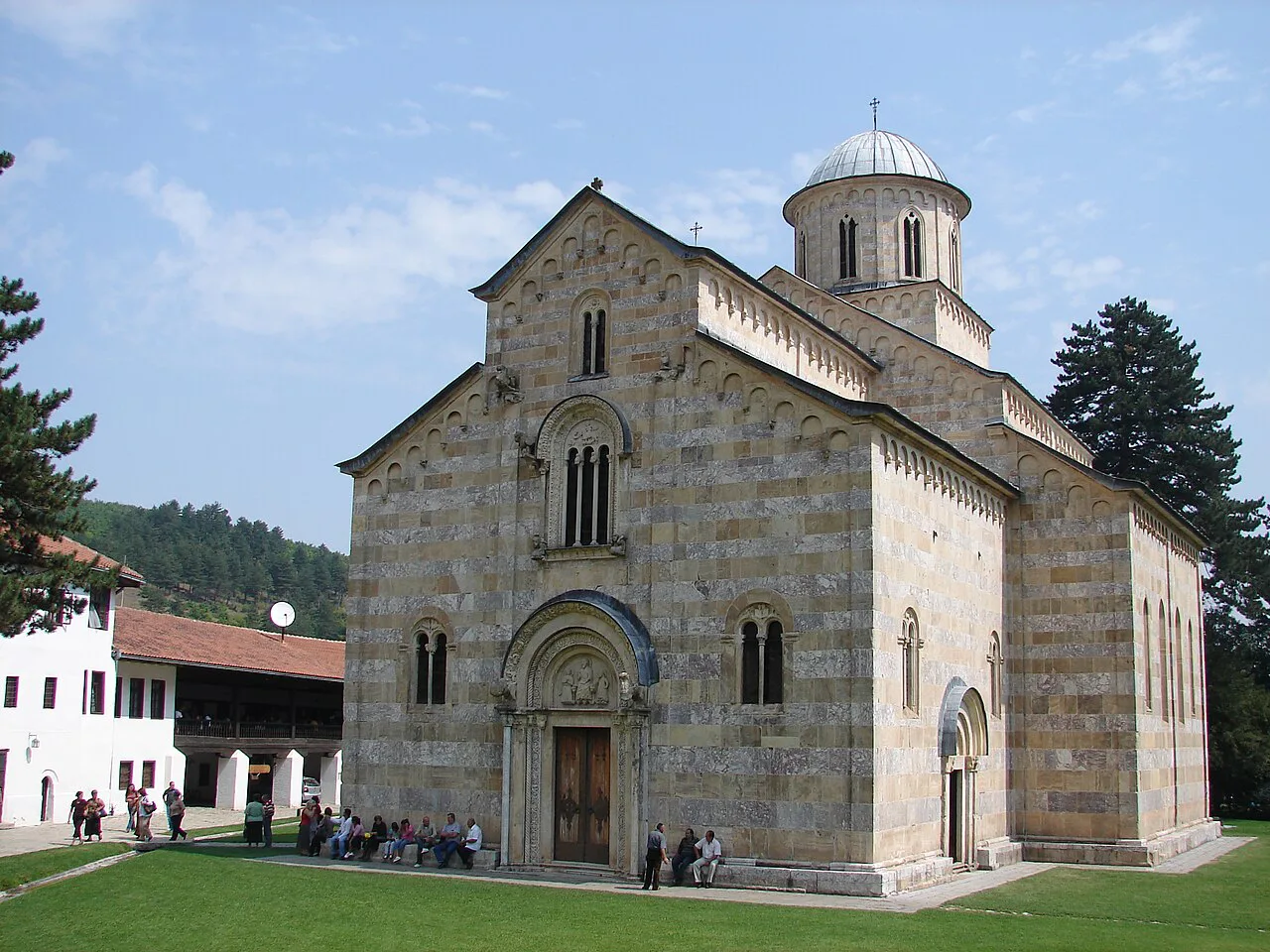
Easter is a particularly significant period across the country, and Good Friday at Visoki Dečani is described as a moving experience for visitors of any background. If you want that atmosphere, plan around the Easter season rather than a specific summer week.
Crowds, prices and the shoulder-season trade-off
July and August bring the heaviest demand and the highest prices, especially in mountain villages and around Prizren, while May, June and September offer similar conditions with more room and softer rates. Kosovo is generally an affordable destination, but the summer peak still shifts what a room or a guided day costs.
For a closer look at what a day realistically runs, the Kosovo costs guide breaks down meals, buses and coffee so you can budget by season instead of guessing.
Best time for wine country in the Rahovec Valley
The Rahovec Valley, also known as Orahovac, is Kosovo's leading wine area, with several vintners including Stone Castle Winery open to tours. Late summer and early autumn are the most interesting time to visit, when the harvest is underway and the valley is at its warmest but no longer at its hottest.
Spring is the other good window, with mild days and green vines, though the cellars are less busy with harvest activity. Either way, pair a valley day with Prizren or Gjakova rather than making a separate trip.
Weather drawbacks to plan around
The main drawback is summer heat: Kosovo is landlocked but still gets genuinely hot in July and August, and the mountains do not save you from dehydration on exposed trails. Build in shade, water and early starts, and do not underestimate the midday sun.
Spring and autumn bring rain, particularly in the mountains, and winter snow can close high routes and slow rural roads. Shoulder-season travel means packing for two seasons in one day rather than expecting settled weather.
Who should pick a different month — and who should go elsewhere
Hikers should target June or September, city-break travelers are best served by May, June or September, and wine-focused visitors should aim for late summer or early autumn in the Rahovec Valley. Anyone set on high mountain passes should avoid November to March and treat early spring as uncertain.
If you want beaches, Kosovo is the wrong country, and travelers chasing a coastal summer should look elsewhere in the Balkans. Those drawn by Ottoman towns, Orthodox monasteries and quiet trails will find the shoulder months rewarding.
Kosovo uses the euro, which simplifies budgeting, and connectivity is straightforward with a local SIM or a Kosovo eSIM set up before you land.
Plan Your Visit
Choose late April to June or September for the best combination of comfortable temperatures, open trails and thinner crowds, and accept that July and August trade comfort for the driest, sunniest weather. Winter is for towns and monasteries, not high routes.
Confirm festival programs with the organisers and read the official US government travel page once before booking flights, then build your dates around the season rather than a single event.
Explore more Kosovo trip-decision guides
Frequently Asked Questions
What is the best month to visit Kosovo?
September is the strongest all-round month, with highs near 24°C (75°F), drier trails and thinner crowds than July and August. June is the best alternative if you want greener mountains and wildflowers, accepting cooler days and possible lingering snow on the highest ground.
Is Kosovo worth visiting in summer?
Yes, if you want the driest, sunniest weather and can handle heat. July and August average around 28°C (82°F) and are the busiest months, so plan hikes and sightseeing for mornings and expect higher prices in mountain villages.
How hot does Kosovo get in July and August?
Monthly averages put July and August at roughly 14–28°C (57–82°F), with about 36 mm of rain each month. Those are long-run norms rather than forecasts, and exposed trails and city squares feel hotter at midday.
Is September a good time to visit Kosovo?
September is one of the best months, with highs near 24°C (75°F) and around 50 mm of rain. Trails in the Accursed Mountains and the towns of Prizren and Gjakova are comfortable, and summer crowds have thinned.
What is Kosovo like in November?
November is cold and often wet, averaging 1–11°C (34–52°F) with about 57 mm of rain. It suits city time, cafés and monastery visits, but high mountain routes become marginal and snow can arrive.
Does it snow in Kosovo in winter?
Yes. January averages -4°C to 4°C (25–39°F) and December -3°C to 5°C (27–41°F), with snow possible in the mountains and on rural roads. Treat winter as a lowland and city season rather than a hiking one.
When is the best time to hike in the Accursed Mountains?
June through September is the realistic hiking window, with June cooler and greener and September drier and clearer. Spring snow can linger on the peaks and autumn rain can arrive early, so keep high passes to mid-summer.
Sources
Trip-decision notes
Optional updates when we publish or revise a destination verdict.
You might also like
Continue reading
More guides you'll find useful